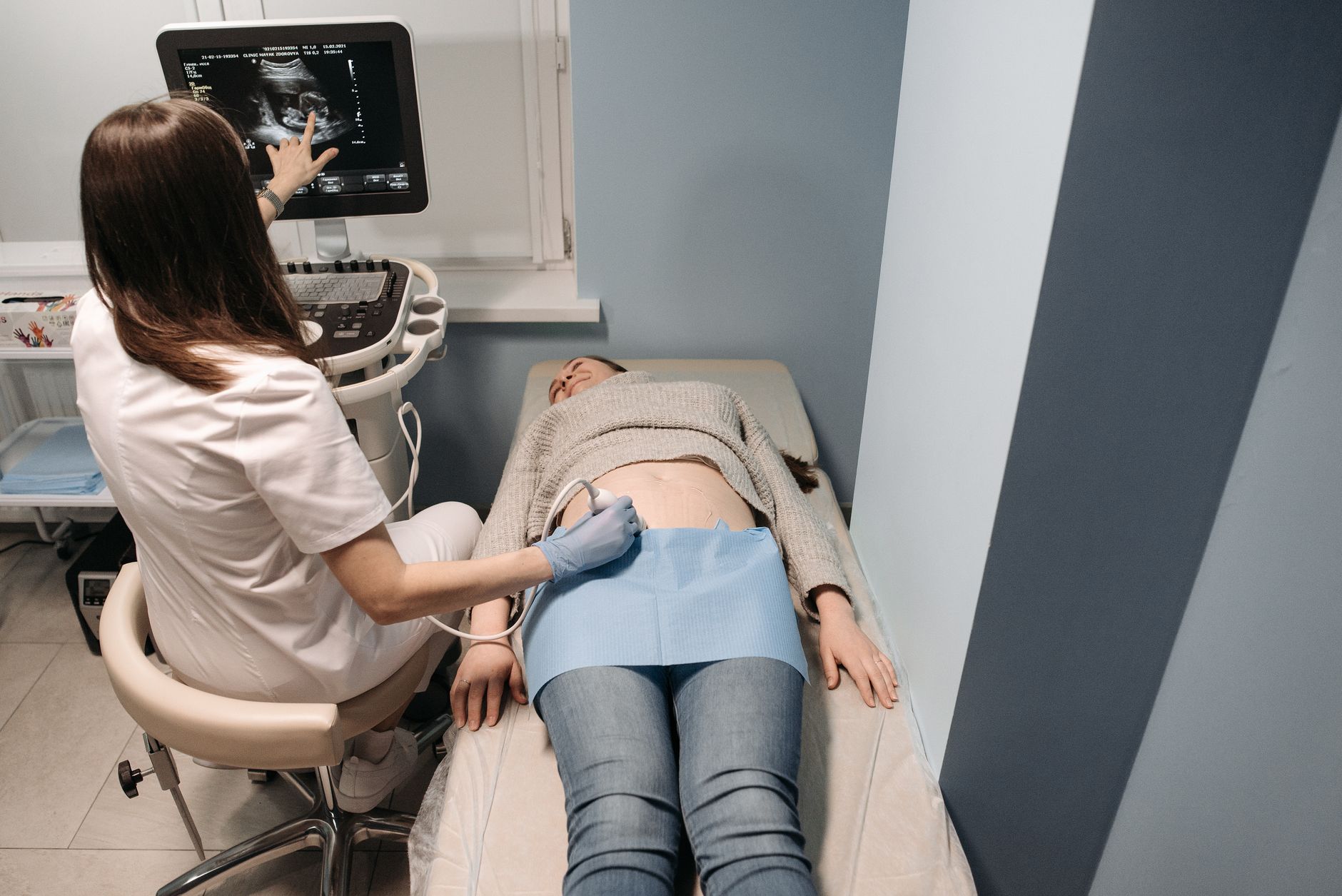
At 19 weeks pregnant, your baby is about the size of a mango, measuring 6 inches long and weighing 8.5 ounces. Learn more about fetal development and changes.
By Shubhra Mishra — a mom of two who turned her own confusion during pregnancy into BumpBites, a global mission to make food choices clear, safe, and stress-free for every expecting mother. 💛
Check whether any food is safe during pregnancy with the BumpBites Food Safety Checker.
Quick take: At 19 weeks pregnant, your baby is roughly the size of a mango—about 15 cm long and weighing around 300 g. Most babies this size have a well‑formed brain, can hear sounds, and are beginning to develop taste buds. Your next prenatal visit will confirm growth is on track, and a balanced diet plus gentle movement support healthy development.
It’s 2 a.m., you’re curled up on the couch, a half‑finished cup of tea cooling beside you, and the question that keeps popping up in your mind is, “How big is my baby right now?” You’ve just hit the 19‑week mark, and while you’ve heard the “mango” comparison before, you’re looking for the concrete numbers, the milestones, and what you can do to keep things on track.
In this guide we’ll break down the exact length and weight of a 19‑week fetus, compare it to earlier and later weeks, explore the developmental milestones you can expect, and show you how ultrasounds measure those numbers. We’ll also cover what’s normal, red‑flag signs, nutrition tips, and the typical prenatal check‑up at this stage. By the end you’ll have a clear picture of the tiny person growing inside you and feel confident about the next steps.
How big is a 19‑week pregnant baby in centimeters?
At 19 weeks gestation, the fetus measures about 15 cm from crown to rump (the top of the head to the buttocks). This is roughly the length of a mango or a small banana. The head circumference is around 13 cm, and the femur (thigh bone) length is about 2.3 cm. These measurements are averages; individual babies may be a little shorter or longer.
When you hear “centimeters,” think of the following visual cues:
A ripe mango held in the palm of your hand.
A small, firm banana that you’d snack on.
Two fingers placed side‑by‑side from the tip of your thumb to the tip of your index finger.
These references help you gauge growth without a ruler. If you ever wonder whether your baby is “on track,” your provider will compare your ultrasound measurements to established growth curves from the American College of Obstetricians and Gynecologists (ACOG) and the National Institute for Health and Care Excellence (NICE).
At 19 weeks, your baby is about the size of a mango—around 15 cm long.
What is the weight of a 19‑week fetus?
By the 19th week, the average fetal weight is roughly 300 g (about 10.5 oz). This is comparable to a small apple or a handful of grapes. Weight estimates come from ultrasound measurements of head circumference, abdominal circumference, and femur length, which feed into growth‑prediction formulas endorsed by the World Health Organization (WHO).
It’s worth noting that ultrasound‑derived weight can vary by up to 15 % due to technical factors. Your provider will focus on the trend—whether the baby is gaining weight steadily—rather than a single number. Consistent growth, as charted on the standard growth curve, is a reassuring sign.
19‑week baby development milestones: size comparison to fruit
Development at 19 weeks is a blend of rapid organ growth and the beginnings of sensory experience. Here’s a quick snapshot:
Brain: The cerebral cortex is thickening, laying the groundwork for future cognition.
Heart: Beats at about 150 bpm and pumps roughly 30 ml of blood per minute.
Lungs: Bronchial tubes are forming, though surfactant production won’t start until later.
Senses: The fetus can now hear louder sounds and may respond to music or a mother’s voice.
Skin: A thin, translucent layer covers the body, beginning to develop the first pigment cells.
When you picture these milestones, think of a small peach—soft, growing, and starting to show its color. The fruit analogy helps you visualize both size and the delicate stage of development.
Is a 19‑week baby size normal for each trimester?
The 19‑week point sits in the middle of the second trimester, a period often described as “the growth sprint.” While the first trimester focuses on organ formation, the second sees exponential size increase. By the end of the second trimester (around 27 weeks), the fetus will be about the size of a cauliflower.
Normal growth curves show a steady rise in length and weight from week to week. A 19‑week fetus that measures 15 cm and weighs 300 g is well within the 10th‑90th percentile range defined by ACOG and the Royal College of Obstetricians and Gynaecologists (RCOG). If measurements fall consistently below the 10th percentile, your provider may investigate potential causes, such as maternal nutrition, placental insufficiency, or genetic factors.
How does the size of a 19‑week baby compare to a 20‑week baby?
Between weeks 19 and 20, the fetus typically grows about 1 cm in length and gains roughly 30 g in weight. By 20 weeks, the average length reaches 16 cm and weight climbs to 330 g**.** This incremental change reflects the rapid growth velocity of the second trimester.
Below is a simple comparison table that many parents find helpful:
Week
Length (cm)
Weight (g)
Common Fruit Comparison
18
14 cm
260 g
Small plum
19
15 cm
300 g
Mango
20
16 cm
330 g
Peach
These numbers are averages; individual variation is normal. The key is a consistent upward trend on your growth chart.
What are the ultrasound measurements for a 19‑week fetus?
During a standard second‑trimester anatomy scan (often performed between 18‑22 weeks), the sonographer will capture several key measurements:
Head circumference (HC): ~13 cm
Abdominal circumference (AC): ~13 cm
Crown‑rump length (CRL): ~15 cm (though CRL is more commonly used before 14 weeks; at 19 weeks the focus shifts to HC and AC)
Femur length (FL): ~2.3 cm
These dimensions feed into the Hadlock formula, a widely accepted method for estimating fetal weight. The sonographer may also assess the placenta’s position, amniotic fluid volume, and the presence of major anatomical structures such as the brain ventricles, kidneys, and spine.
How much space does a 19‑week baby take up in the uterus?
Even though a 19‑week fetus feels small, it occupies a noticeable portion of the uterine cavity. The uterus expands to roughly 1.5 liters in volume by this point, and the baby’s body accounts for about 10‑12 % of that space. As the baby grows, you may start feeling a firmer, more rounded abdomen and notice a slight rise in your abdominal circumference.
Because the uterus is a stretchy organ, the amount of space a baby occupies isn’t directly linked to discomfort. However, some mothers report increased pressure on the diaphragm, mild shortness of breath, or a sense of fullness—normal signs of a growing uterus.
What can a 19‑week baby see and hear at this size?
By week 19, the visual system is still developing behind the eyelids, but the retina is becoming functional. Light can penetrate the uterine wall, and the fetus may respond to changes in brightness. The auditory system is more advanced: sound waves travel through the amniotic fluid, and the baby can detect frequencies between 500‑4,000 Hz—roughly the range of human speech.
Many parents notice a subtle response when they talk, sing, or play music near the belly. While the baby can’t “see” in the conventional sense yet, the developing eyes are preparing for the world outside, and the ears are gearing up for a lifetime of learning.
Average length of a 19‑week fetus compared to earlier weeks
Here’s a quick week‑by‑week snapshot to illustrate how quickly your baby grows:
12 weeks: ~5.5 cm (a lime)
16 weeks: ~11 cm (a kiwi)
18 weeks: ~14 cm (a small plum)
19 weeks: ~15 cm (a mango)
20 weeks: ~16 cm (a peach)
This progression shows an average increase of about 1 cm per week during the middle of the second trimester. The rapid growth is driven by both cell multiplication and the accumulation of fat stores that will later fuel the baby’s energy needs.
What to expect during a 19‑week prenatal check‑up
A typical 19‑week visit includes:
Blood pressure check: Ensuring it stays within the normal range (< 140/90 mm Hg).
Weight monitoring: Expect a gain of 0.5‑1 kg since the last visit.
Fundal height measurement: The distance from the pubic bone to the top of the uterus; at 19 weeks it should be roughly 19 cm.
Discussion of any symptoms: Such as increased urination, mild back pain, or changes in appetite.
Review of nutrition and supplements: Including iron, folic acid, and DHA recommendations.
Ultrasound review (if scheduled): Confirmation of growth measurements and anatomy.
If any red‑flag signs appear—like a sudden rise in blood pressure, severe abdominal pain, or reduced fetal movement—your provider will act promptly.
During a 19‑week check‑up, fundal height and growth charts help track progress.
Foods that support fetal growth at 19 weeks
Nutrition continues to be a cornerstone of healthy development. Focus on these nutrient‑dense foods:
Protein: Lean meats, poultry, beans, lentils, and Greek yogurt provide the building blocks for muscle and organ formation.
Omega‑3 fatty acids (DHA): Fatty fish like salmon, sardines, and fortified eggs support brain and eye development.
Iron‑rich foods: Spinach, fortified cereals, and red meat help prevent anemia, which can affect oxygen delivery to the fetus.
Vitamin C: Citrus fruits, strawberries, and bell peppers boost iron absorption and collagen formation.
Stay hydrated, aim for at least 2 L of water daily, and keep prenatal vitamins consistent as recommended by the National Health Service (NHS).
Signs of abnormal growth at 19 weeks pregnant
While variation is normal, certain signs may indicate growth restriction or excess:
Consistently low fundal height: If the measurement is more than 2 cm below the gestational age, discuss with your provider.
Ultrasound findings: Abdominal circumference below the 10th percentile or a disproportionate head‑to‑abdomen ratio.
Maternal symptoms: Persistent severe abdominal pain, unusually rapid weight gain, or swelling that isn’t explained by normal pregnancy changes.
Early detection allows for interventions such as enhanced monitoring, nutritional counseling, or, in rare cases, early delivery planning.
How to measure baby size at home at 19 weeks
You can estimate fetal size between visits using a simple method:
Locate the top of your uterus (the “bump”) using your fingertips.
Measure from the pubic bone to the top of the bump with a flexible tape measure.
The distance in centimeters should roughly match the gestational age—around 19 cm at 19 weeks.
Remember this is an approximation. Factors like maternal BMI, uterine position, and bladder fullness affect the measurement. Always bring your findings to the next appointment for professional confirmation.
Difference between crown‑rump length and head circumference at 19 weeks
At 19 weeks, the crown‑rump length (CRL) is less informative because the fetus’s torso has elongated and the head has grown substantially. Instead, clinicians rely on:
Head circumference (HC): Measures the perimeter of the skull and reflects brain growth.
Crown‑rump length (CRL): Used primarily before 14 weeks; after this point, HC and abdominal circumference are more accurate for tracking growth.
In practice, a HC of about 13 cm and an AC of about 13 cm are the key metrics at 19 weeks, as recommended by ACOG’s fetal growth standards.
How much does a 19‑week baby weigh compared to 18 weeks
Between weeks 18 and 19, fetal weight typically increases by 30‑40 g. An 18‑week fetus averages around 260 g, while a 19‑week fetus averages about 300 g. This incremental gain reflects the rapid accumulation of muscle tissue and fat stores, setting the stage for the energy demands of the third trimester.
These numbers are averages; a healthy baby may be slightly lighter or heavier as long as the growth curve remains upward.
Doctor’s note
From our medical team: “A 19‑week fetus that measures around 15 cm and weighs 300 g is typical. If your ultrasound shows growth within the 10th‑90th percentile and you feel well, you’re likely on a healthy trajectory. Keep up with prenatal vitamins, stay hydrated, and discuss any concerns—especially sudden changes in fundal height or fetal movement—with your provider promptly.”
Myth vs. fact
Myth: “If my baby is the size of a mango, I must be gaining a lot of weight.”
Fact: Fetal size is independent of maternal weight gain. A 19‑week fetus is typically 15 cm regardless of whether the mother gains 0.5 kg or 1 kg since the last visit. Weight gain reflects maternal tissue, fluid, and fat stores, not fetal size.
Myth: “A larger-than‑average baby at 19 weeks means a breech delivery is inevitable.”
Fact: Slightly larger measurements are usually benign. Breech positioning depends more on uterine shape, placenta location, and fetal activity than on size alone.
Myth: “I can feel my baby move at 19 weeks, so it must be growing fast.”
Fact: Most women start feeling flutter‑like movements (quickening) between 18‑22 weeks. Feeling movement is a good sign of neural development but doesn’t directly indicate size.
Key takeaways
At 19 weeks, your baby is about 15 cm long and weighs roughly 300 g—similar to a mango.
Key developmental milestones include brain thickening, lung branching, and the ability to hear sounds.
Ultrasound measurements (HC, AC, FL) confirm growth; stay within the 10th‑90th percentile range.
Maintain a balanced diet rich in protein, DHA, iron, calcium, and vitamin C.
Watch for red‑flag symptoms like a sudden drop in fundal height, severe pain, or reduced fetal movement.
Use a simple tape‑measure at home to estimate fundal height, but rely on your provider for definitive assessment.
Frequently asked questions
How big is a baby at 19 weeks?
At 19 weeks, the baby measures about 15 cm (6 inches) long and weighs roughly 300 g (10.5 oz), comparable to a mango.
What does a 19‑week ultrasound show?
The 19‑week ultrasound typically displays the baby’s head, torso, limbs, and major organs, and provides measurements of head circumference, abdominal circumference, and femur length to estimate weight.
Can you feel your baby move at 19 weeks?
Many mothers start to feel subtle “flutters” between 18‑22 weeks; these early movements are a sign of developing muscle control and neural connections.
What are the signs of a healthy 19‑week fetus?
A healthy fetus at this stage shows normal growth measurements, consistent fundal height, regular heartbeat (≈150 bpm), and the mother experiences mild, non‑painful uterine expansion.
How much does a 19‑week baby weigh?
The average weight is about 300 g (10.5 oz), placing the baby between the 10th and 90th percentile on standard growth charts.
Is it normal for a 19‑week baby to be larger than average?
Yes. Being slightly above the average (still within the 90th percentile) is common and usually not a cause for concern unless growth is disproportionate or other symptoms appear.
When to call your doctor
If you notice any of the following, contact your healthcare provider right away: sudden reduction in fundal height, severe abdominal pain, heavy vaginal bleeding, persistent severe headache, vision changes, or a noticeable decrease in fetal movement after you’ve felt kicks.
This article is for informational purposes only and does not replace personalized medical advice. Always consult your obstetrician, midwife, or qualified health professional with any concerns.
References
American College of Obstetricians and Gynecologists (ACOG). “Ultrasound in Pregnancy.” Clinical Guidance, 2023.
National Institute for Health and Care Excellence (NICE). “Fetal Growth Charts.” Guideline NG25, 2022.
World Health Organization (WHO). “Fetal Growth Standards.” Technical Report, 2021.
Royal College of Obstetricians and Gynaecologists (RCOG). “Second Trimester Ultrasound Scan.” Practice Bulletin, 2022.
National Health Service (NHS). “Nutrition in Pregnancy.” Patient Information, 2023.
Mayo Clinic. “Fetal Development: Week by Week.” Health Library, 2024.
Centers for Disease Control and Prevention (CDC). “Prenatal Care.” Maternal Health Resources, 2023.
Not sure about the label on 19 Weeks Pregnant Baby Size products?
Snap the ingredients list and SafeFilter checks every ingredient for your stage — only 3 free scans this month, then you're locked until reset. Unlimited from $7/mo or $50/yr.
When Shubhra Mishra was expecting her first child in 2016, she was overwhelmed by conflicting food advice — one site said yes, another said never. By the time her second baby arrived in 2019, she realized millions of mothers face the same confusion.
That sparked a five-year journey through clinical nutrition papers, cultural diets, and expert conversations — all leading to BumpBites: a calm, compassionate space where science meets everyday motherhood.
Her long-term vision is to build a global community ensuring safe, supported, and free deliveriesfor every mother — because no woman should face pregnancy alone or uninformed. 🌿
🌍 Stand with mothers, shape safer guidance
Join a small circle of experts who review BumpBites articles so expecting parents everywhere can decide with confidence.