At 16 weeks pregnant, expect a growing baby bump, increased energy, and fetal movements. Learn about symptoms, baby development, and tips for a healthy pregnancy.
By Shubhra Mishra — a mom of two who turned her own confusion during pregnancy into BumpBites, a global mission to make food choices clear, safe, and stress-free for every expecting mother. 💛
Check whether any food is safe during pregnancy with the BumpBites Food Safety Checker.
Quick take: At 16 weeks you’re midway through the second trimester. Your baby is about the size of an avocado, its bones are hardening, and you may start feeling tiny movements. Most moms notice a mix of common symptoms—back aches, lingering morning sickness, and cravings—while routine prenatal labs and a detailed anatomy ultrasound keep you on track. Safe exercise, balanced nutrition, and gentle self‑care help you feel comfortable as your uterus grows.
It’s 2 a.m., you’re curled up on the couch, and a tiny flutter in your belly makes you wonder, “Is that really my baby moving?” You’ve just hit the 16‑week mark, and a flood of questions surges through your mind—how big is your little one, what aches are normal, and what should you be doing to stay healthy? You’re not alone. Many expectant parents reach this point feeling both excited and a little overwhelmed.
In this guide we’ll walk through everything you might wonder about being 16 weeks pregnant: the baby’s milestones, your body’s changes, weight‑gain goals, recommended tests, safe ways to stay active, nutrition tips, and what to expect at your upcoming ultrasound. By the end you’ll have a clear, reassuring picture of where you are on this journey and what the next few weeks look like.
What are the baby development milestones at 16 weeks pregnant?
At 16 weeks your baby—often called a fetus now—is rapidly transitioning from a small bundle of cells to a recognizable tiny human. The head is still proportionally large, but the facial features are becoming distinct. Eyelids can open and close, and the eyes can respond to light. Little muscles are strengthening, allowing the fetus to practice “breathing” movements by inhaling and exhaling amniotic fluid.
One of the most exciting milestones for many parents is the first sensation of fetal movement, known as quickening. While some people feel it as early as 13 weeks, most notice it between 18 and 20 weeks. If you’re already sensing gentle flutters, it’s a reassuring sign that the nervous system is developing well.
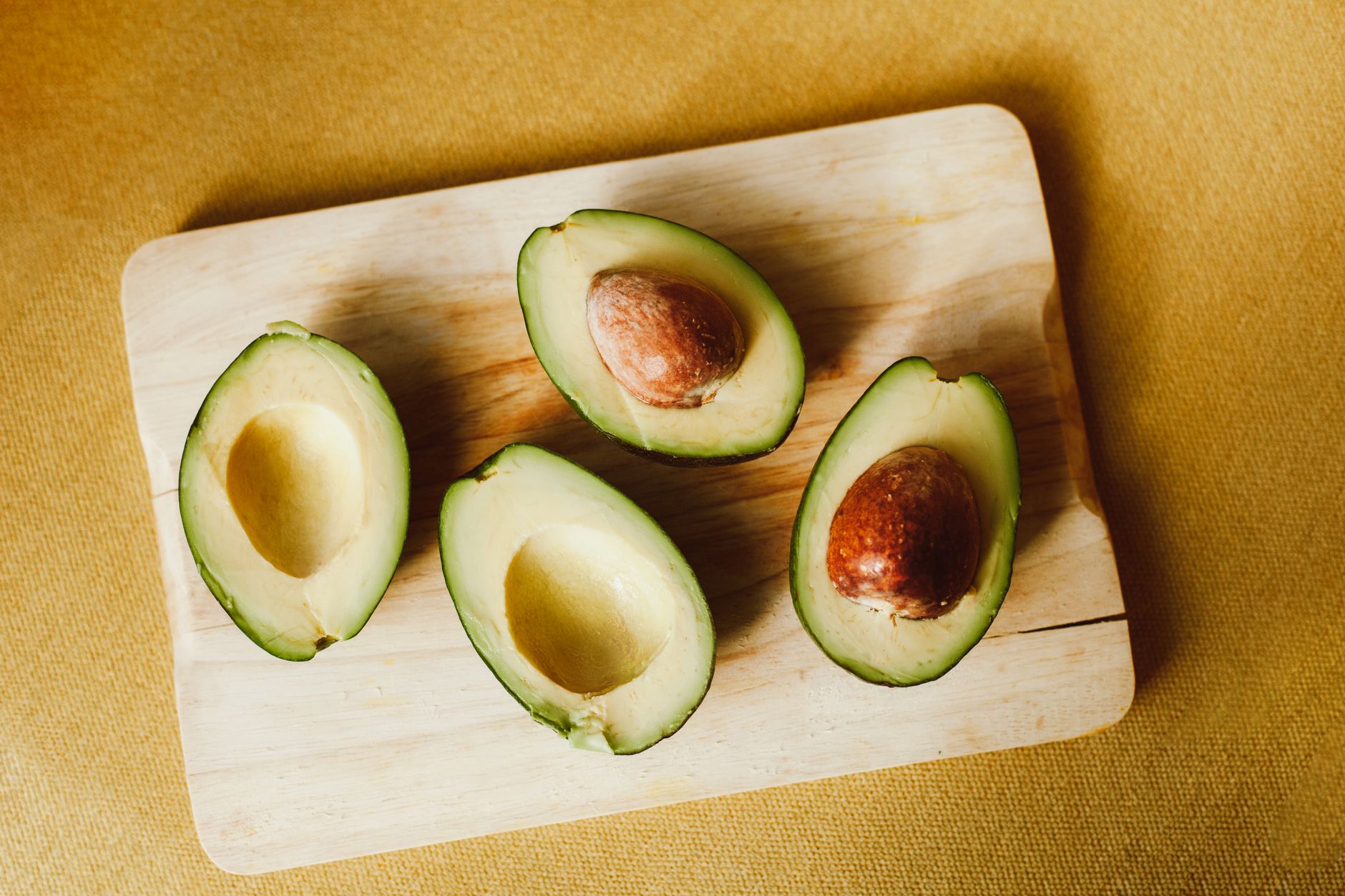
In terms of size, the fetus at 16 weeks measures about 4.6 inches (11.6 cm) from crown to rump and weighs roughly 3.5 ounces (100 grams). A helpful visual comparison is an avocado or a small plum. Below is a quick reference table:
Week
Length (inches)
Weight (ounces)
Common Size Comparison
14
3.5
1.6
lime
15
4.0
2.5
guava
16
4.6
3.5
avocado
17
5.1
4.5
pear
18
5.5
5.5
apple
These numbers are averages; each pregnancy is unique. The bones are beginning to ossify (turn from cartilage to bone), and the ears are now positioned low enough to hear muffled sounds from the outside world. Taste buds are forming, which may explain why cravings often intensify around this time.
Because the brain is growing fast, you might notice more frequent hiccups or rhythmic motions—these are normal and usually harmless. If you ever feel a sudden, sharp jolt or a dramatic change in movement patterns, it’s worth mentioning at your next prenatal visit, but occasional “twitches” are typical at 16 weeks.
At 16 weeks the fetus is roughly the size of a ripe avocado.
What symptoms can I expect at 16 weeks of pregnancy?
Every pregnancy is different, but there are a few symptoms that many people report around the 16‑week mark. Understanding what’s typical can help you differentiate between normal changes and signals that need a professional’s attention.
Common physical sensations
Back pain: As the uterus expands, the added weight shifts your center of gravity, placing extra strain on the lower back. This is one of the most frequently reported aches at this stage.
Round ligament pain: A sharp, fleeting twinge on one side of the lower abdomen, often triggered by sudden movements or coughing.
Persistent morning sickness: While many people see nausea ease after the first trimester, up to 15 % still experience occasional bouts of queasiness at 16 weeks.
Cravings and aversions: Hormonal fluctuations can heighten cravings for sweet, salty, or sour foods while making previously loved foods seem off‑putting.
Increased vaginal discharge: A thin, milky white discharge (leukorrhea) is normal and helps keep the vagina clean.
Emotional and mental health
Hormones not only affect your body but also your mood. Many expectant parents notice mood swings, heightened emotional responses, or a sense of anxiety about the baby’s development. It’s perfectly normal to feel a mix of excitement and worry. Practicing gentle mindfulness, talking with a supportive partner, or joining a prenatal class can provide reassurance.
Back‑pain relief tips
Because lower‑back discomfort is common, here are three tried‑and‑true strategies that many moms find helpful:
Supportive posture: Use a small pillow or lumbar roll when sitting, and keep your shoulders back.
Gentle stretching: Cat‑cow yoga poses or pelvic tilts can ease tension without over‑exerting your abdomen.
Warm compress: A warm (not hot) heating pad applied to the lower back for 15 minutes can relax tight muscles.
If pain becomes sharp, constant, or radiates down a leg, it’s a sign to contact your provider—these could indicate a more serious issue such as a kidney stone or a nerve irritation.
How much weight should I gain by 16 weeks pregnant?
Weight‑gain recommendations depend largely on your pre‑pregnancy body mass index (BMI). The American College of Obstetricians and Gynecologists (ACOG) suggests the following total weight‑gain ranges for a full‑term pregnancy:
Underweight (BMI < 18.5): 28–40 lb (12.5–18 kg)
Normal weight (BMI 18.5‑24.9): 25–35 lb (11.5–16 kg)
Overweight (BMI 25‑29.9): 15–25 lb (7‑11.5 kg)
Obesity (BMI ≥ 30): 11–20 lb (5‑9 kg)
By 16 weeks, most people have gained about 5–7 pounds (2.3–3.2 kg) if they fall within the “normal” BMI range. This amount reflects the growing uterus, increased blood volume, placenta, amniotic fluid, and the baby’s own weight.
It’s helpful to think of weight gain as a steady, gradual process rather than a weekly target. Tracking your weight at each prenatal visit gives you a personalized picture and lets your provider adjust recommendations if you’re gaining too quickly or too slowly.
Nutrition tips for healthy weight gain
Focus on nutrient‑dense foods that provide calories, protein, iron, calcium, and folic acid—all essential for fetal growth. Here are some easy ways to add extra calories without feeling overly full:
Healthy fats: A tablespoon of olive oil drizzled over roasted vegetables, a handful of nuts, or half an avocado.
Protein boost: Greek yogurt, a boiled egg, or a slice of cheese paired with whole‑grain crackers.
Complex carbs: Sweet potatoes, quinoa, or oatmeal topped with fruit.
Hydration: Milk, fortified plant milks, or a smoothie can add both fluid and calories.
When cravings strike, try to satisfy them with a balanced snack. If you’re craving something salty, a small portion of hummus with whole‑grain pita can curb the urge while delivering fiber and protein.
What to wear at 16 weeks pregnant
As your belly begins to show, comfort becomes a priority. Maternity leggings, stretchy tops, and supportive bras that accommodate a growing bust are staples. Many women also find a soft, wide‑belted maternity dress helpful for both style and comfort—especially when you’re on the move.
What prenatal tests are recommended at 16 weeks?
Mid‑second‑trimester prenatal care typically includes a mix of screening tests and routine labs. The exact schedule can vary by country and provider, but the following are commonly performed around the 16‑week mark:
Quad screen (or triple screen): Measures levels of alpha‑fetoprotein (AFP), hCG, estriol, and inhibin‑A to assess the risk of neural‑tube defects and chromosomal abnormalities.
Maternal blood pressure and urine protein check: Ongoing monitoring for pre‑eclampsia.
Glucose tolerance test (GTT) scheduling: Usually ordered for weeks 24‑28, but some providers may schedule it earlier if you have risk factors.
Dental cleaning: Safe and recommended; oral health is linked to pregnancy outcomes, and the second trimester is an ideal window.
Travel considerations: By 16 weeks most airlines allow travel, but it’s wise to stay hydrated, move regularly, and carry medical records.
When to schedule the anatomy scan after 16 weeks
The detailed anatomy ultrasound, often called the “mid‑pregnancy scan,” is typically performed between 18 and 22 weeks. If you’re at 16 weeks now, you can expect to schedule it within the next two to six weeks, depending on your provider’s availability. This scan evaluates organ development, measures growth, and can often determine the baby’s sex if you wish to know.
What to expect during the 16‑week ultrasound
Even if you haven’t yet reached the anatomy scan, many clinics offer a brief “dating” ultrasound around 12‑14 weeks and a follow‑up at 16 weeks. This earlier scan focuses on confirming the heartbeat, checking for multiple gestations, and ensuring the placenta is properly positioned.
During the 16‑week scan, the sonographer will:
Apply a warm gel to your abdomen for better sound wave transmission.
Use a transducer to capture images of the fetus, placenta, and amniotic fluid.
Measure the head circumference, abdominal circumference, and femur length to track growth.
Seeing your baby’s tiny hands and feet on the screen can be an emotional highlight. If any concerns arise—such as slower growth or an abnormal heart rhythm—the sonographer will discuss next steps with your provider.
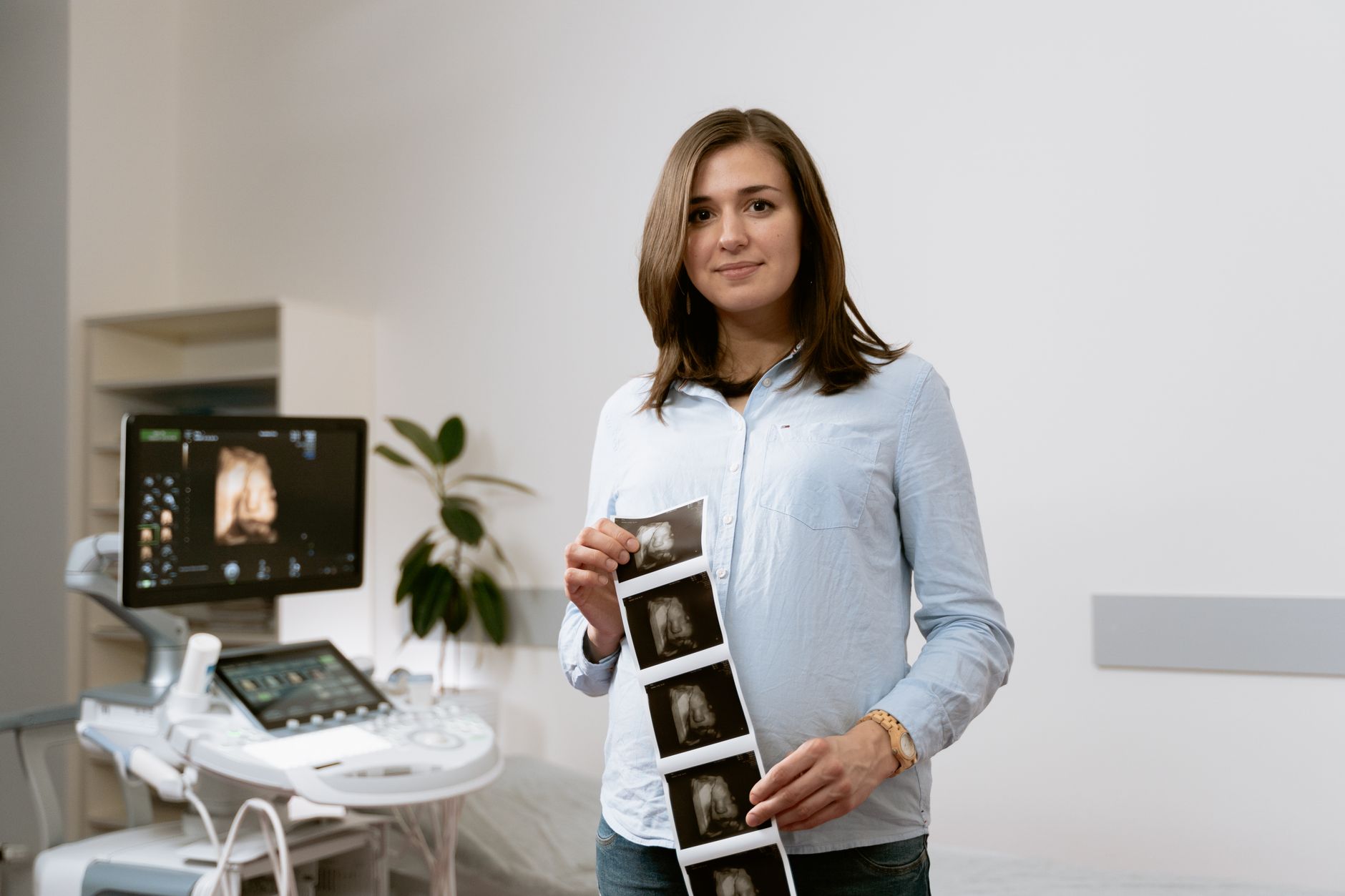
During a 16‑week ultrasound, the sonographer checks growth and confirms the heartbeat.
Can I exercise safely at 16 weeks pregnant?
Exercise is not only safe for most people at 16 weeks, it can also help alleviate back pain, improve mood, and support healthy weight gain. The key is to choose activities that avoid high impact, excessive abdominal pressure, and overheating.
Recommended activities
Walking: A low‑impact, easy-to‑maintain cardio option. Aim for 30 minutes most days, adjusting pace as needed.
Prenatal yoga: Focuses on gentle stretching, breathing, and pelvic floor strengthening. Avoid deep twists that compress the abdomen.
Swimming or water aerobics: The buoyancy reduces joint stress and can ease back discomfort.
Stationary cycling: Keeps the heart rate up without the risk of falls.
Guidelines to follow
Follow the “talk test” – you should be able to hold a conversation while exercising. Keep your core engaged but avoid crunches or sit‑ups that strain the abdomen. Stay hydrated, wear supportive shoes, and listen to your body—if you feel dizziness, shortness of breath, or any pain, stop and rest.
For those who were previously active, you can usually maintain the same intensity, but many find a slight reduction in intensity feels better as pregnancy progresses. If you’re new to exercise, start slowly, perhaps with 10‑minute walks, and gradually increase duration.
What changes occur in my uterus and cervix at 16 weeks?
By the middle of the second trimester, the uterus has grown from a pea‑size organ to a balloon‑like structure that extends well above the pelvic brim. This growth stretches the uterine wall, which can cause the sensations of “fullness” or mild cramping that some people describe as “Braxton‑Hicks‑like” but less intense.
The cervix also undergoes subtle changes. Although it remains firm and closed, it begins to soften slightly in preparation for later dilation. However, you should not notice any opening or discharge that is pink or bloody—those would be warning signs to discuss with your provider.
Hormonal influences, especially progesterone, help keep the uterine lining thick and the cervical mucus plug intact, protecting the pregnancy from infections. If you experience any unexpected vaginal bleeding or a sudden gush of fluid, seek care promptly.
What should I expect during my 16‑week ultrasound?
While the anatomy scan is still a few weeks away, many clinics schedule a brief check‑in ultrasound around the 16‑week mark. This scan is usually shorter—about 15‑20 minutes—and focuses on confirming the baby’s heartbeat, verifying the number of fetuses, and checking that the placenta is not covering the cervical opening (placenta previa).
During the appointment, the sonographer will ask you to lie on a cushioned table and apply a warm gel to your abdomen. The transducer glides over the skin, sending high‑frequency sound waves that translate into moving images on a monitor. You’ll see a tiny flickering heart, which can be both reassuring and emotional.
Typical findings at 16 weeks include:
Heart rate between 120‑160 bpm.
Visible limbs, hands, and feet—often curled into tiny fists.
Clear amniotic fluid pocket surrounding the fetus.
Placenta location (often on the upper uterine wall).
If the ultrasound reveals any concerns—such as low fluid levels or atypical growth—the provider will outline next steps, which may involve additional monitoring or a referral to a maternal‑fetal medicine specialist.
From our medical team: “At 16 weeks you’re in a stable part of pregnancy. Most symptoms are manageable with simple lifestyle tweaks, and the routine labs and ultrasound keep both you and your baby on a healthy trajectory. If anything feels out of the ordinary—persistent pain, heavy bleeding, or a sudden loss of fetal movement—don’t hesitate to call your provider. Your well‑being and peace of mind are the top priorities.”
Myth vs. fact
Myth: “If I feel my baby move at 16 weeks, something is wrong because movements should start later.”
Fact: While most people notice quickening between 18‑20 weeks, some experience subtle movements as early as 16 weeks. Early perception often feels like a gentle flutter rather than a distinct kick.
Myth: “All morning sickness should be gone by the second trimester.”
Fact: Up to 15 % of pregnant people still have occasional nausea after the first trimester, and it’s usually harmless. Persistent severe nausea should be discussed with a provider.
Myth: “I must stop exercising once I hit the 16‑week mark.”
Fact: Moderate, low‑impact exercise is safe and beneficial throughout the second trimester, provided you avoid high‑impact or contact sports and stay hydrated.
Key takeaways
At 16 weeks your baby is about the size of an avocado and may begin to make the first tiny movements.
Common symptoms include back pain, round‑ligament twinges, lingering morning sickness, and cravings—most are normal.
Aim for a total weight gain of about 5‑7 lb if you have a normal BMI; focus on nutrient‑dense calories.
Recommended tests include the quad screen, blood pressure checks, and a 16‑week ultrasound to confirm growth and placenta position.
Safe exercise options are walking, prenatal yoga, swimming, and stationary cycling—listen to your body and stay hydrated.
Uterine and cervical changes are gradual; any unexpected bleeding or fluid loss warrants a call to your provider.
Frequently asked questions
How big is my baby at 16 weeks?
The fetus measures about 4.6 inches long and weighs roughly 3.5 ounces, comparable to a small avocado.
What are the common symptoms at 16 weeks pregnant?
Typical experiences include lower‑back aches, round‑ligament pain, occasional nausea, cravings, and a possible first sense of fetal movement.
Can I travel during the 16th week of pregnancy?
Travel is generally safe after the first trimester; just stay hydrated, move periodically, and keep a copy of your prenatal records handy.
Is it safe to have a dental cleaning at 16 weeks?
Yes—dental cleanings are recommended in the second trimester, as oral health is linked to pregnancy outcomes.
When will I feel my baby move for the first time?
Quickening often occurs between 18‑20 weeks, but some people notice subtle flutters as early as 16 weeks.
What prenatal tests are done at 16 weeks?
Most providers order the quad screen, blood pressure and urine protein checks, and a brief ultrasound to assess fetal heartbeat and placenta placement.
When to call your doctor
If you experience any of the following, contact your obstetric provider right away: sudden or severe abdominal pain, persistent bleeding or spotting, a gush of fluid (possible water break), fever over 100.4 °F (38 °C), sudden decrease in fetal movement, or signs of pre‑eclampsia such as swelling of the face or sudden swelling of hands/feet.
This article is for informational purposes only and does not replace personalized medical advice. Always discuss any concerns or symptoms with your own healthcare provider.
References
American College of Obstetricians and Gynecologists (ACOG). “Weight Gain During Pregnancy.” 2023 clinical guidance.
National Health Service (NHS). “Your 16‑week scan.” Updated 2022.
Centers for Disease Control and Prevention (CDC). “Prenatal Care.” 2023.
World Health Organization (WHO). “Maternal health and nutrition.” 2022.
Society of Obstetricians and Gynaecologists of Canada (SOGC). “Screening for fetal anomalies.” 2023.
Royal College of Obstetricians and Gynaecologists (RCOG). “Ultrasound in pregnancy.” 2022.
American Dental Association (ADA). “Dental care during pregnancy.” 2023.
National Institute for Health and Care Excellence (NICE). “Antenatal care for uncomplicated pregnancies.” 2022.
Not sure about the label on 16 Weeks Pregnant What To Expect products?
Snap the ingredients list and SafeFilter checks every ingredient for your stage — only 3 free scans this month, then you're locked until reset. Unlimited from $7/mo or $50/yr.
When Shubhra Mishra was expecting her first child in 2016, she was overwhelmed by conflicting food advice — one site said yes, another said never. By the time her second baby arrived in 2019, she realized millions of mothers face the same confusion.
That sparked a five-year journey through clinical nutrition papers, cultural diets, and expert conversations — all leading to BumpBites: a calm, compassionate space where science meets everyday motherhood.
Her long-term vision is to build a global community ensuring safe, supported, and free deliveriesfor every mother — because no woman should face pregnancy alone or uninformed. 🌿
🌍 Stand with mothers, shape safer guidance
Join a small circle of experts who review BumpBites articles so expecting parents everywhere can decide with confidence.