Quick take: At 16 weeks pregnant, many women notice a mix of growing energy and new aches. Expect a baby the size of an avocado, a modest weight gain of about 5‑7 lb total, and common symptoms like mild back pain, occasional constipation, and possibly the first flutter of movement. Most of these changes are normal, but persistent severe pain, heavy bleeding, or sudden swelling should prompt a call to your provider.
Imagine you’re sipping a warm tea at 3 a.m., scrolling through a pregnancy forum, and a new twinge in your lower back makes you wonder if something’s wrong. You’re not alone—many women reach the 16‑week mark and feel a blend of excitement, curiosity, and a few uncomfortable surprises.
In this guide we’ll walk through the typical 16 weeks pregnant symptoms, what your baby is doing inside, how much weight you should have gained, and practical tips for nutrition, exercise, and self‑care. We’ll also flag the warning signs that merit a quick call to your OB‑GYN.
By the end you’ll have a clear picture of what to expect, a handy checklist of symptoms, and evidence‑based answers to the most common questions women ask at this stage.
What are the common symptoms at 16 weeks pregnant?
At the halfway point of the second trimester, many of the early pregnancy complaints start to fade while new ones appear. Below is a concise 16 weeks pregnant symptoms list that captures what most patients report.
- Increased energy and reduced nausea for many, though some still experience mild morning sickness.
- Hormone‑driven mood swings, often linked to rising progesterone and estrogen.
- Subtle abdominal expansion; a firm, non‑painful uterus is normal.
- Mild back pain, especially lower back, caused by shifting weight and ligament relaxation.
- Occasional constipation due to slower gut motility.
- Swollen ankles or feet, especially after long periods of standing.
- First perception of fetal movement, often described as a “flutter.”
- Breast tenderness may still linger, though it often eases.
- Increased vaginal discharge that is thin and milky, a sign of a healthy cervix.
Hormone changes and mood swings
Progesterone peaks in the second trimester, helping the uterus relax but also affecting the brain’s neurotransmitters. This can lead to brief periods of irritability, anxiety, or tearfulness—sometimes called “pregnancy‑related mood swings.” Most women find these feelings pass as the body adjusts. If mood changes feel overwhelming or persistent, consider speaking with a mental‑health professional.
Morning sickness still?
While nausea typically eases after the first trimester, up to 20 % of women report occasional queasiness at 16 weeks. Gentle ginger tea, small frequent meals, and staying hydrated often help. If vomiting becomes severe (more than three times a day) or you can’t keep fluids down, contact your provider—this could indicate hyperemesis gravidarum.
Symptoms checklist
Use this quick reference to track what you’re experiencing. Mark any items that feel new or concerning.
- ✅ Increased energy
- ✅ Mild nausea
- ✅ Mood swings
- ✅ Low‑back ache
- ✅ Constipation
- ✅ Swollen feet
- ✅ Fetal flutter
- ⚠️ Heavy bleeding, severe cramping, or sudden abdominal pain
- ⚠️ Sudden swelling of hands or face
How much weight should I gain by 16 weeks pregnancy?
Weight‑gain recommendations depend on your pre‑pregnancy body mass index (BMI). The American College of Obstetricians and Gynecologists (ACOG) outlines a range that most clinicians follow.
By 16 weeks most women have gained roughly 5‑7 lb if they started at a normal weight. This amount reflects the baby’s growth, placenta, amniotic fluid, and increased blood volume. Rapid spikes (more than 2 lb in a week) may indicate fluid retention or excess calorie intake and should be discussed with your provider.
Nutrition guidelines
Focus on nutrient‑dense foods rather than “eating for two.” Aim for an extra 300‑350 kcal per day, as advised by the Academy of Nutrition and Dietetics. Prioritize:
- Lean proteins (poultry, beans, tofu) for fetal tissue development.
- Calcium‑rich foods (dairy, fortified plant milks) for bone health.
- Iron‑rich sources (red meat, lentils, spinach) paired with vitamin C to boost absorption.
- Whole grains for steady energy.
- Plenty of water—at least 8–10 cups daily—to aid digestion and prevent constipation.
Is it normal to have back pain at 16 weeks pregnant?
Lower‑back discomfort is one of the most frequently reported aches at the 16‑week mark. The growing uterus shifts your center of gravity, while the hormone relaxin loosens ligaments in the pelvic area, both contributing to strain on the lumbar spine.
Why back pain happens
As the uterus expands, the abdominal muscles stretch, and the lower back takes on more of the workload. This is especially true if you spend long periods standing or carrying heavy objects.
Swelling feet and ankle edema
Fluid retention increases in the second trimester, often causing mild swelling in the feet and ankles by week 16. Elevating your legs, wearing supportive stockings, and staying hydrated can reduce the puffiness.
Constipation at 16 weeks
Progesterone slows gastrointestinal motility, making constipation common. A diet high in fiber (25‑30 g per day) and regular gentle movement usually keep things moving.
Natural remedies with evidence
- Prenatal yoga: Small studies (e.g., ACOG 2020) show reduced back pain and improved mood.
- Pelvic tilts: Gentle tilting exercises can strengthen core muscles, supporting the spine.
- Warm compresses: Applying a warm (not hot) pack to the lower back for 15 minutes can relax tight muscles.
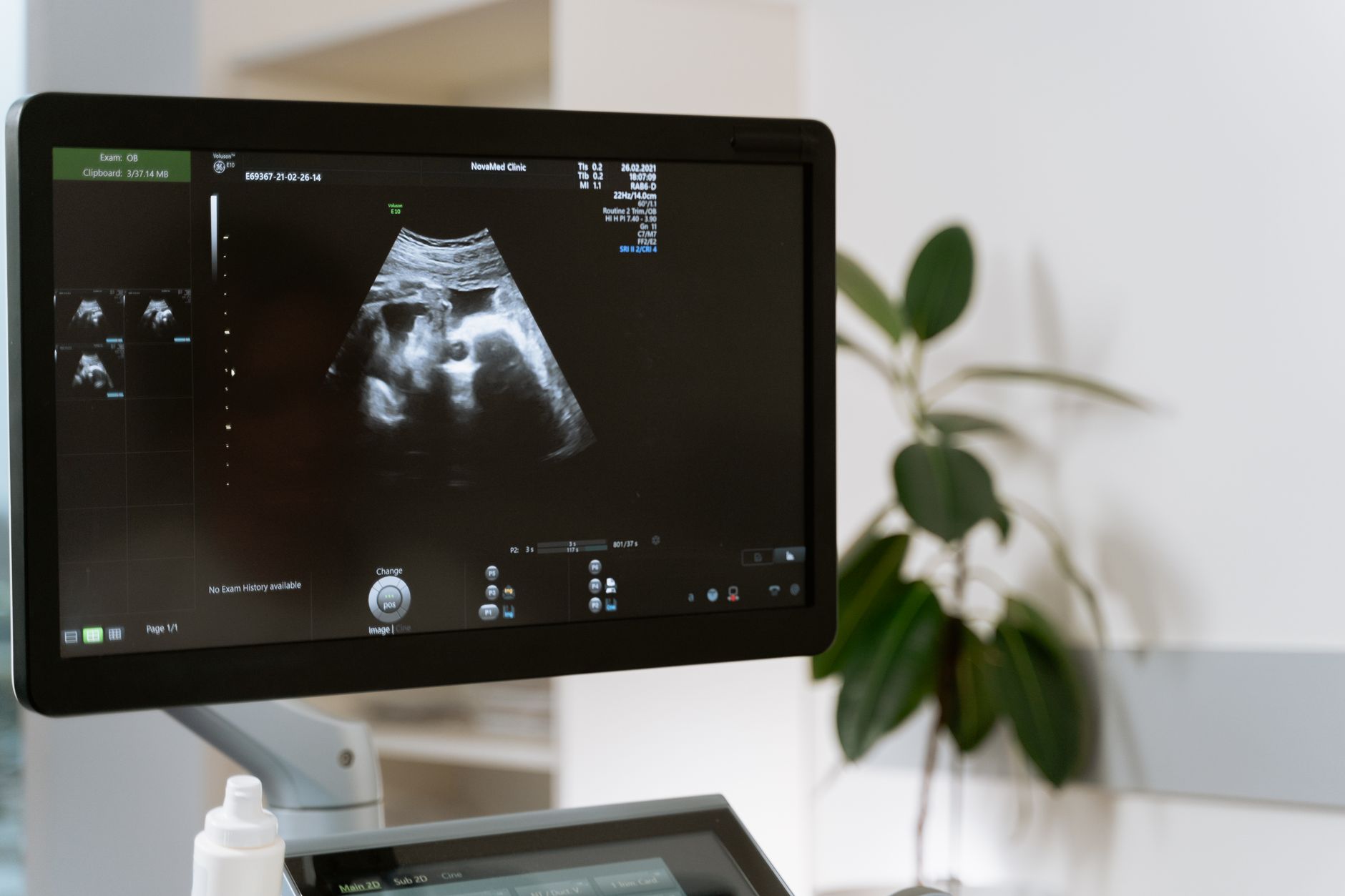
What does a 16‑week ultrasound show?
A mid‑trimester ultrasound, usually performed between 18‑22 weeks, can be scheduled as early as 16 weeks. At this stage, the sonographer can verify fetal anatomy, measure growth, and screen for certain structural anomalies.
The baby at 16 weeks is about the size of an avocado, roughly 4.5‑5 inches long from crown to rump, and weighs around 3‑3.5 oz. Major organs are forming:
- Brain and spinal cord: rapid neural development, with visible gyri and sulci.
- Heart: now beating at 150‑160 beats per minute.
- Lungs: beginning to branch into bronchi.
- Skeleton: bones are beginning to harden, though still flexible.
- Facial features: eyes, ears, and nose are in place; eyelids can open.
Doctors often use the 16‑week scan to confirm the gestational age, assess placenta location, and look for early signs of congenital heart defects or neural tube defects. If any concerns arise, a follow‑up detailed anatomy scan at 20‑22 weeks is typically scheduled.
Can I still feel my baby kicking at 16 weeks?
Most women start to perceive fetal movement between 18‑22 weeks, but a few report a subtle flutter as early as 16 weeks. This “quickening” feels like a gentle bubble or butterfly landing on the belly.
Factors influencing early perception include:
- Thin abdominal wall or low body‑fat percentage.
- First pregnancy (multiparous women often feel movement sooner).
- Placental position—an anterior placenta can cushion movements, delaying perception.
If you haven’t felt any movement yet, don’t worry. The baby’s muscles are still developing, and most will notice a distinct kick by week 20. Keep a mental note of any new sensations, and share them at your next prenatal visit.
What foods should I avoid at 16 weeks pregnant?
Food safety remains crucial throughout pregnancy, but the second trimester introduces a few additional considerations.
High‑risk foods to limit or avoid
- Listeria‑prone items: Soft cheeses (brie, camembert), unpasteurized milk, and deli meats unless heated to steaming.
- Raw or undercooked seafood: Sushi, oysters, and ceviche can harbor parasites.
- High‑mercury fish: Swordfish, king mackerel, and tilefish should be avoided; stick to low‑mercury options like salmon, sardines, and canned light tuna (< 150 g per week).
- Caffeine: Limit to ≤200 mg per day (about one 12‑oz coffee) to reduce miscarriage risk.
- Alcohol: No safe level has been established; abstaining is recommended.
Foods that support your 16‑week health
- Leafy greens for folate and iron.
- Orange‑colored vegetables for vitamin C, aiding iron absorption.
- Whole‑grain cereals fortified with folic acid.
- Greek yogurt for calcium and probiotic support.
Is it safe to exercise at 16 weeks pregnancy?
Physical activity is generally encouraged during the second trimester, provided you avoid high‑impact or contact sports. The CDC and ACOG both endorse moderate‑intensity aerobic exercise for most pregnant women.
Safe activities
- Walking, stationary biking, swimming, and prenatal yoga.
- Low‑impact strength training with light weights (≤10 lb) or resistance bands.
- Stretching and pelvic‑floor exercises (Kegels).
Activities to modify or avoid
Listen to your body—if you feel dizziness, shortness of breath, or uterine cramping, stop and rest. Always discuss a new exercise regimen with your OB‑GYN, especially if you have a history of miscarriage or pre‑eclampsia.
Sexual activity
For most uncomplicated pregnancies, sexual activity remains safe through week 16 and beyond. The amniotic sac and strong uterine wall protect the baby, and the cervix is closed. If you experience bleeding, pain, or a history of preterm labor, your provider may advise temporary abstinence.
Why am I experiencing constipation at 16 weeks pregnant?
Constipation is a frequent complaint, affecting up to 25 % of pregnant women in the second trimester. The primary driver is progesterone, which relaxes smooth muscle throughout the gastrointestinal tract, slowing transit.
Practical steps to ease constipation
- Increase fiber: Aim for 25‑30 g daily from fruits, vegetables, legumes, and whole grains.
- Hydrate: Drink at least 8‑10 cups of water; warm liquids in the morning can stimulate bowel movements.
- Move: Gentle walking or prenatal yoga promotes peristalsis.
- Probiotics: Yogurt or a prenatal‑safe probiotic supplement may help balance gut flora (consult your provider).
- Avoid constipating foods: Limit excessive dairy, processed snacks, and fried foods.
When to seek help
If you notice any of the following, contact your provider promptly:
- Severe abdominal pain or cramping.
- Blood in the stool.
- Sudden inability to pass gas or stool (possible bowel obstruction).
What prenatal vitamins dosage should I follow at 16 weeks?
Continuing prenatal vitamins through the second trimester ensures you and your baby receive essential nutrients. The typical dosage, endorsed by the CDC and the American College of Obstetricians and Gynecologists, includes:
- Folate: 600‑800 µg (most prenatal formulas provide 800 µg).
- Iron: 27 mg.
- Calcium: 1,000 mg (often split between diet and supplement).
- DHA (omega‑3): 200‑300 mg.
- Vitamin D: 600‑800 IU.
Take your prenatal vitamin with a meal that contains some fat to improve absorption of fat‑soluble vitamins (A, D, E, K). If you have a diagnosed deficiency (e.g., iron‑deficiency anemia), your provider may prescribe a higher dose.
Myth vs. fact
Myth: You need to “eat for two” and double your calories.
Fact: Only about 300‑350 extra calories per day are needed in the second trimester; quality matters more than quantity.
Myth: Feeling the baby move at 16 weeks means everything is fine.
Fact: Early movement is a good sign, but lack of movement by 20‑22 weeks warrants a check‑up.
Myth: All exercise is risky once you’re pregnant.
Fact: Moderate, low‑impact activities are safe and can reduce back pain, improve mood, and support healthy weight gain (CDC).
Key takeaways
- Typical 16 weeks pregnant symptoms include mild back pain, occasional constipation, and the first flutter of baby movement.
- Weight gain by week 16 should be about 5‑7 lb for a woman with a normal pre‑pregnancy BMI.
- Stay active with safe, low‑impact exercise; avoid contact sports and hot environments.
- Limit high‑risk foods like soft cheeses, raw seafood, and high‑mercury fish.
- Continue prenatal vitamins with adequate folate, iron, calcium, DHA, and vitamin D.
- Call your provider if you experience heavy bleeding, severe pain, sudden swelling, or inability to pass stool.
Frequently asked questions
What should I expect at 16 weeks of pregnancy?
You can expect a growing belly, a baby the size of an avocado, modest weight gain, and common symptoms like mild back pain, occasional constipation, and possibly the first sense of fetal movement. Most women feel more energy and less nausea than in the first trimester.
Is it normal to feel the baby move at 16 weeks?
Yes, a subtle flutter can be felt by some women at 16 weeks, especially if you have a thin abdominal wall or are in your first pregnancy. If you haven’t felt movement yet, it’s still normal—most notice distinct kicks by week 20.
How much weight should I have gained by 16 weeks?
For a woman with a normal pre‑pregnancy BMI, a total gain of about 5‑7 lb is typical by week 16. The exact amount varies with starting BMI; underweight women may gain a bit more, while those with higher BMI may gain slightly less.
Can I have sex at 16 weeks pregnant?
In most uncomplicated pregnancies, sexual activity remains safe through the second trimester. If you’ve had bleeding, pain, or a history of preterm labor, discuss any concerns with your OB‑GYN.
What foods should I avoid during the 16th week of pregnancy?
Avoid soft cheeses made from unpasteurized milk, deli meats unless heated, raw or undercooked seafood, high‑mercury fish, excessive caffeine, and any alcohol. Stick to low‑mercury fish, pasteurized dairy, and thoroughly cooked meats.
Why am I experiencing back pain at 16 weeks?
Back pain at this stage is common due to the shifting center of gravity, loosening ligaments from progesterone, and added uterine weight. Gentle stretching, prenatal yoga, and supportive footwear can help alleviate discomfort.
When should I call my doctor for back pain?
Contact your provider if the pain is severe, sudden, or accompanied by fever, urinary symptoms, or bleeding. Persistent sharp pain could signal a kidney issue or pre‑term labor.
When to see a doctor or specialist
If any of the following red‑flag symptoms appear, schedule a prompt appointment with your OB‑GYN or seek urgent care:
- Heavy vaginal bleeding or passage of clots.
- Severe or persistent abdominal or back pain not relieved by rest.
- Sudden, significant swelling of hands, face, or eyes.
- Fever ≥ 100.4 °F (38 °C) with chills.
- Sudden inability to pass gas or stool.
- Decreased fetal movement after 20 weeks (or any concerning change after you’ve felt movement).
This article is for informational purposes only and does not replace personalized medical advice. Always discuss any concerns or new symptoms with your healthcare provider.
References
- American College of Obstetricians and Gynecologists. "Nutrition During Pregnancy." ACOG Committee Opinion No. 804, 2020.
- Centers for Disease Control and Prevention. "Pregnancy Weight Gain Guidelines." CDC, 2022.
- National Institute of Child Health and Human Development. "Fetal Development: 16 Weeks." NIH, 2021.
- World Health Organization. "Guidelines on Physical Activity and Sedentary Behaviour." WHO, 2020.
- Academy of Nutrition and Dietetics. "Prenatal Nutrition." Eatright.org, 2023.
- American Pregnancy Association. "Common Pregnancy Symptoms By Trimester." APA, 2022.
- Harvard T.H. Chan School of Public Health. "Mercury in Fish and Pregnancy." Harvard Health Publishing, 2021.
- U.S. Food and Drug Administration. "Prenatal Vitamins: What to Look For." FDA, 2022.
- American Psychological Association. "Perinatal Mood and Anxiety Disorders." APA, 2023.