

Quick take: At 16 weeks pregnant, your baby is about the size of a large avocado—roughly 4.6 inches (11.6 cm) long from crown to rump and weighing around 3.5 ounces (100 grams). This is when tiny bones start hardening, facial muscles develop, and some moms begin to feel the first fluttery movements, though it’s still early for most. If you’re wondering whether your baby’s size is normal, rest easy: there’s a wide range of healthy growth at this stage.
You’re scrolling through your phone at 2 a.m., the glow of the screen lighting up your face as you type: How big is my baby at 16 weeks? The ultrasound photos are tucked into your nightstand drawer, but the numbers on the report feel abstract—4.6 inches, 3.5 ounces. What does that even look like? Is it normal? And why does it feel like everyone else’s baby is the size of a banana while yours is more like a lime?
Take a deep breath. At 16 weeks, your baby is growing at its own pace, and those measurements are just averages. What matters more is the incredible development happening inside you—tiny bones hardening, facial muscles forming, and maybe even the first faint flutters of movement. This week is a milestone, and we’re here to walk you through exactly what’s going on, how to picture your baby’s size, and what to expect next. No jargon, no judgment—just the facts you’re searching for, plus a few reassuring details to help you sleep a little easier tonight.
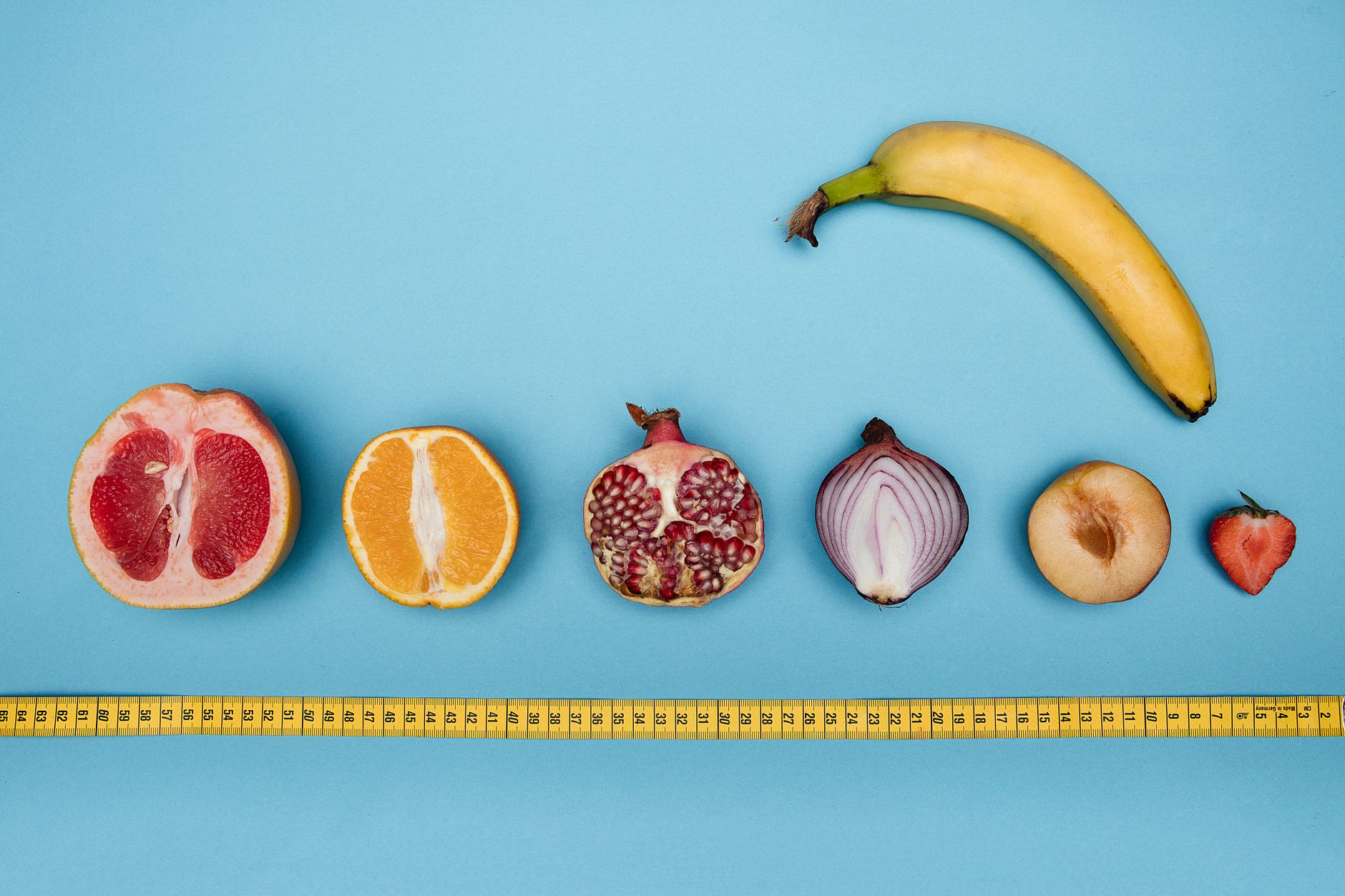
How Many Centimeters Is a 16-Week-Pregnant Baby?
At 16 weeks, your baby measures about 11.6 centimeters from the top of their head (crown) to their bottom (rump). That’s roughly the length of a standard highlighter pen or a large avocado. If you’re more familiar with inches, it’s about 4.6 inches—just shy of the length of a dollar bill.
These measurements are taken during an ultrasound, where your provider will use a small wand to capture images of your baby. The crown-to-rump length (CRL) is the most common way to measure fetal size in the first and early second trimesters because babies are still curled up in the fetal position. By 16 weeks, your baby’s legs are starting to lengthen, but they’re still tucked close to their body, which is why the CRL is still the go-to measurement.
It’s worth noting that these numbers are averages. Some babies will be a little shorter or longer, and that’s completely normal. What your provider is really looking for is consistent growth over time. If your baby was 8 cm at 12 weeks and is now 11.6 cm at 16 weeks, that’s a healthy progression—even if the exact number isn’t spot-on with the "average."
One mom we spoke to, Sarah, described her 16-week ultrasound like this: "I was so focused on the number—11.4 cm—that I almost missed the bigger picture. The technician pointed out my baby’s tiny hands moving, and suddenly, the measurement didn’t matter as much. It was more about seeing that everything was progressing as it should."
What Is the Weight of a Fetus at 16 Weeks?
Weight at this stage is still quite variable. Some babies might weigh a little less (around 2.5 ounces or 70 grams), while others could be closer to 4.5 ounces (130 grams). Factors like genetics, maternal nutrition, and even the baby’s position during the ultrasound can influence the measurement. For example, if your baby is curled up tightly, the ultrasound might estimate a slightly lower weight than if they were stretched out.
It’s also important to remember that weight isn’t the only indicator of health. Your provider will look at the overall growth pattern, not just a single number. If your baby was 2 ounces at 12 weeks and is now 3.5 ounces at 16 weeks, that’s a healthy rate of growth, even if the exact weight isn’t identical to the average.
Here’s a quick comparison to help you visualize the weight:
- A small apple: ~3.5 ounces
- A deck of playing cards: ~3.5 ounces
- A newborn kitten: ~3–4 ounces
- A standard bar of soap: ~4 ounces
If you’re curious about how your baby’s weight compares to other stages of pregnancy, here’s a rough breakdown:
| Week of Pregnancy | Average Weight (ounces) | Average Weight (grams) |
|---|---|---|
| 12 weeks | 0.5 oz | 14 g |
| 16 weeks | 3.5 oz | 100 g |
| 20 weeks | 10.5 oz | 300 g |
| 24 weeks | 1.3 lbs | 600 g |
As you can see, your baby is growing rapidly! Between 12 and 16 weeks, their weight increases by about seven times. By 20 weeks, they’ll be about three times heavier than they are now. It’s a good reminder that even though 3.5 ounces might not feel like much, your baby is making huge strides in development.
What Does a 16-Week Baby Look Like Compared to a Fruit?
At 16 weeks, your baby is often compared to a large avocado—about 4.6 inches long and 3.5 ounces. But if you’ve heard other fruit comparisons (like a banana or a pear), you might be wondering which one is accurate. The truth is, all of these can be right, depending on how you measure and what you’re focusing on. Here’s a breakdown of the most common fruit comparisons and what they really mean:
- Avocado: This is the most common comparison for length. A large avocado is roughly 4.5–5 inches long, which matches the crown-to-rump measurement of a 16-week fetus. The weight (around 3.5 ounces) also aligns well.
- Banana: A medium banana is about 7–8 inches long, but this comparison usually refers to the length of the baby if they were stretched out. At 16 weeks, your baby’s legs are still curled up, so the crown-to-rump length is shorter than their total length. If you were to straighten them out, they’d be closer to the length of a banana.
- Pear: This comparison is less about length and more about shape. At 16 weeks, your baby’s head is still proportionally larger than their body, giving them a slightly pear-like silhouette. Their body is also starting to fill out, with more defined limbs and a rounder belly.
- Lemon: Some sources compare a 16-week baby to a lemon, but this is usually referring to the baby’s weight (around 3–4 ounces) rather than their length. A lemon is a bit lighter than the average 16-week fetus, but it’s still a relatable size.
If you’re trying to picture your baby’s size, think about holding an avocado in your hand. It’s small enough to cup in your palm but heavy enough to feel substantial. Now imagine that avocado with tiny, moving limbs, a face that’s starting to look more human, and a heartbeat that’s strong enough to hear with a Doppler. That’s your baby at 16 weeks.
One mom, Priya, shared her experience with these comparisons: "I kept seeing ‘banana’ everywhere, but when I held an avocado, it just felt more accurate. It’s not just about the length—it’s about the weight, the shape, and the way it fits in your hand. That’s when it really hit me how much my baby had grown."
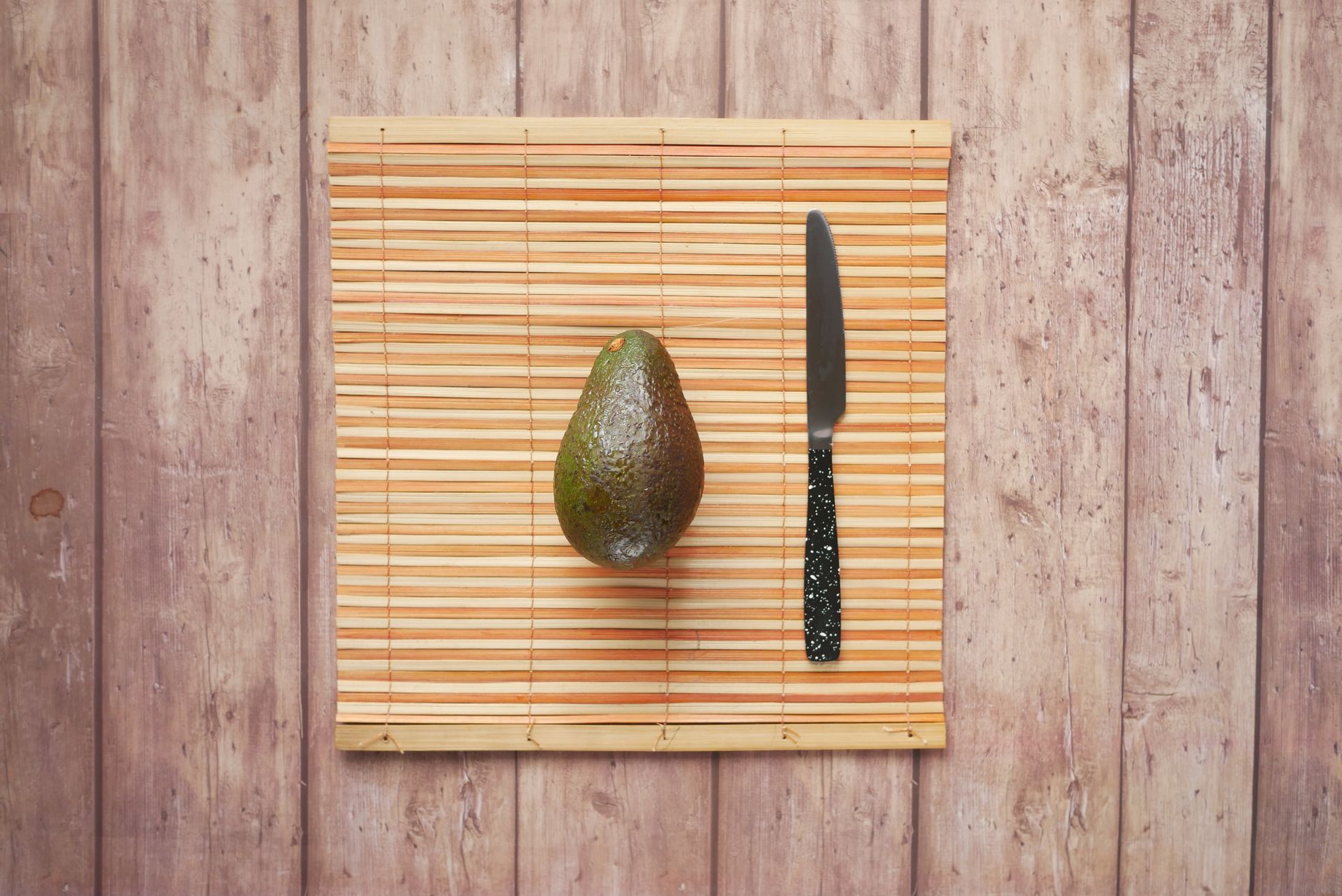
Developmental Milestones of a Baby at 16 Weeks Pregnancy
At 16 weeks, your baby is hitting some major developmental milestones. It’s not just about size—it’s about the incredible changes happening inside your womb. Here’s what’s going on this week:
1. Bones Are Hardening
Up until now, your baby’s skeleton has been mostly soft cartilage. At 16 weeks, those tiny bones are starting to harden, or ossify. This process begins in the legs and inner ear bones, which are crucial for hearing. By the time your baby is born, they’ll have over 300 bones (adults have 206 because some fuse together over time).
2. Facial Muscles Are Developing
Your baby’s facial muscles are becoming more defined, which means they can make a variety of expressions—even if they’re not quite "smiling" yet. Ultrasounds at this stage sometimes capture what looks like a frown or a grimace, but these are just random muscle movements. Their face is also becoming more symmetrical, with ears moving into their final position on the sides of the head.
3. Hair and Nails Are Growing
Fine, soft hair called lanugo is starting to cover your baby’s body. This hair helps regulate their body temperature and protect their skin. Their nails are also beginning to form on their tiny fingers and toes. By the time they’re born, those nails might be long enough to need a trim!
4. The Heart Is Pumping Strongly
Your baby’s heart is now pumping about 25 quarts of blood per day. That’s a lot for something so small! The heart rate at this stage is typically between 140 and 160 beats per minute—about twice as fast as yours. If you’ve had a Doppler ultrasound, you might have heard the rapid whoosh-whoosh of their heartbeat, which is one of the most reassuring sounds for many parents.
5. The Digestive System Is Active
Your baby’s digestive system is starting to work. They’re swallowing amniotic fluid, which passes through their stomach and intestines. The waste from this process will eventually become their first bowel movement, called meconium. Don’t worry—it’s sterile and won’t harm them!
6. The Nervous System Is Maturing
At 16 weeks, your baby’s nervous system is becoming more complex. Their brain is developing rapidly, and nerve cells are branching out to connect with muscles. This is why you might start feeling tiny flutters or quickening—your baby’s first movements. These early movements are often described as bubbles, butterflies, or even gas, but they’re actually your baby practicing their motor skills.
7. Genitals Are Fully Developed
If you’re having a gender reveal or an anatomy scan soon, this is the week when your baby’s genitals are fully formed. For boys, the testes are still in the abdomen but will descend into the scrotum later in pregnancy. For girls, the uterus and ovaries are in place, and the ovaries already contain all the eggs they’ll ever have.
One mom, Lisa, described her 16-week ultrasound like this: "I was amazed at how much my baby had changed since the last scan. Their face looked so much more like a baby’s, and I could see their little hands moving. The technician pointed out their tiny heart beating, and I just started crying. It was the first time it really felt real."
How Does the Size of a 16-Week Fetus Compare to a Banana?
You’ve probably heard that a 16-week fetus is about the size of a banana, but what does that really mean? The banana comparison is one of the most common ways to describe your baby’s length at this stage, but it’s not as straightforward as it seems. Here’s the breakdown:
A medium banana is roughly 7–8 inches long, which is longer than the average 16-week fetus (4.6 inches crown-to-rump). So why the comparison? It’s because the banana length refers to your baby’s total length if they were stretched out. At 16 weeks, your baby’s legs are still curled up in the fetal position, so their crown-to-rump length is shorter than their total length. If you were to straighten them out, they’d measure closer to 7 inches—about the length of a banana.
Here’s a quick comparison:
- Crown-to-rump length (curled up): 4.6 inches (11.6 cm) — about the size of an avocado.
- Total length (stretched out): ~7 inches (18 cm) — about the size of a banana.
Weight-wise, a banana weighs about 4–5 ounces, which is slightly heavier than the average 16-week fetus (3.5 ounces). So while the banana comparison is great for visualizing your baby’s length, it’s not a perfect match for weight. Think of it this way: your baby is about as long as a banana but as heavy as an avocado.
If you’re trying to picture your baby’s size, here’s a fun exercise: hold a banana in one hand and an avocado in the other. The banana gives you an idea of how long your baby would be if they were stretched out, while the avocado is closer to their actual curled-up size and weight. It’s a helpful way to visualize the difference between their total length and their crown-to-rump measurement.
One dad, Mark, shared his take on the fruit comparisons: "I kept hearing ‘banana’ and ‘avocado,’ and it was confusing. But when I held both in my hands, it clicked. The banana is like the ‘potential’ length, and the avocado is the reality. It made me realize how much my baby is growing, even if they’re still so small."
Can I Feel My Baby at 16 Weeks and How Big Is It?
At 16 weeks, you might be wondering: Can I feel my baby yet? The answer is—maybe. Some moms start to feel tiny flutters or quickening around this time, while others won’t notice anything until closer to 20 weeks. It depends on a few factors, including your body type, the position of your placenta, and whether this is your first pregnancy.
What Does Quickening Feel Like?
If you do feel your baby at 16 weeks, it’s likely to be very subtle. Many moms describe it as:
- Butterflies fluttering in your stomach
- A gentle tapping or popping sensation
- Bubbles or gas-like movements
- A light tickling feeling
These early movements are often so faint that it’s easy to mistake them for hunger, gas, or even your imagination. One mom, Emily, said: "I kept feeling these little flutters, but I wasn’t sure if it was the baby or just my stomach rumbling. It wasn’t until I felt the same sensation a few days in a row that I realized—oh, that’s my baby!"
Why Some Moms Feel Movement Earlier (or Later)
Several factors can influence when you’ll feel your baby’s first movements:
- Placenta position: If your placenta is anterior (attached to the front of your uterus), it can act like a cushion, making it harder to feel movements early on. If your placenta is posterior (attached to the back of your uterus), you might feel movements sooner.
- Body type: Moms with less abdominal fat may feel movements earlier because there’s less tissue between the baby and the surface of the skin.
- First-time moms: If this is your first pregnancy, you might not recognize the sensations as quickly as moms who’ve been through it before. Second-time (or third-time!) moms often feel movements earlier because they know what to look for.
- Baby’s position: If your baby is facing inward (toward your spine), their movements might feel softer. If they’re facing outward, you might feel kicks sooner.
- Activity level: Some babies are naturally more active than others. If your baby is a little mover, you might feel them earlier.
How Big Is Your Baby When You Start Feeling Movement?
At 16 weeks, your baby is about 4.6 inches long and 3.5 ounces—roughly the size of an avocado. Their movements are still very gentle because they’re so small, but they’re practicing their motor skills every day. By 20 weeks, your baby will be about twice as long (10 inches) and three times as heavy (10.5 ounces), which is why movements become more noticeable around that time.
If you’re not feeling anything yet, don’t worry. Most first-time moms feel their baby’s first movements between 18 and 24 weeks. If you’re past 24 weeks and still haven’t felt anything, your provider might recommend an ultrasound to check on your baby’s well-being, but this is rare.
Tips for Tracking Movement at 16 Weeks
If you’re eager to feel your baby’s first flutters, here are a few tips to help you tune in:
- Lie down quietly: Movement is often easier to feel when you’re still and focused. Try lying on your left side (this improves blood flow to the baby) and placing your hands on your belly.
- Pay attention after meals: Babies tend to be more active when your blood sugar is up, so try resting after eating.
- Use a flashlight: Some moms find that shining a flashlight on their belly can prompt their baby to move. (Babies can perceive light as early as 16 weeks!)
- Keep a movement journal: Jot down any sensations you feel, even if you’re not sure they’re the baby. Over time, you might start to notice a pattern.
- Talk to your baby: Your voice can stimulate movement. Try reading aloud or singing to see if your baby responds.
One mom, Jessica, shared her experience: "I didn’t feel anything until 19 weeks, and even then, it was just a tiny flutter. But once I started paying attention, I realized my baby was most active in the evenings when I was relaxing on the couch. It became our little routine."
16-Week Fetal Size Chart: Inches to Centimeters
If you’re trying to make sense of your baby’s measurements, here’s a handy chart to convert inches to centimeters and vice versa. This chart also includes comparisons to common objects and fruits to help you visualize your baby’s size at 16 weeks—and how it changes in the coming weeks.
| Week of Pregnancy | Crown-to-Rump Length (inches) | Crown-to-Rump Length (cm) | Total Length (stretched out, inches) | Weight (ounces) | Weight (grams) | Common Size Comparison |
|---|---|---|---|---|---|---|
| 12 weeks | 2.1 in | 5.4 cm | ~3.5 in | 0.5 oz | 14 g | Lime or plum |
| 14 weeks | 3.4 in | 8.7 cm | ~5.5 in | 1.5 oz | 43 g | Peach or lemon |
| 16 weeks | 4.6 in | 11.6 cm | ~7 in | 3.5 oz | 100 g | Avocado or banana |
| 18 weeks | 5.6 in | 14.2 cm | ~8.5 in | 6.7 oz | 190 g | Sweet potato or bell pepper |
| 20 weeks | 6.5 in | 16.4 cm | ~10 in | 10.5 oz | 300 g | Banana or small cantaloupe |
This chart highlights how quickly your baby is growing. Between 12 and 16 weeks, their crown-to-rump length more than doubles, and their weight increases by about seven times. By 20 weeks, they’ll be about three times heavier than they are now. It’s a good reminder that even though your baby is still small, they’re making huge strides in development.
If you’re tracking your baby’s growth at home, remember that these numbers are averages. Your baby might be a little shorter or longer, and that’s completely normal. What matters most is consistent growth over time. For example, if your baby was 3.4 inches at 14 weeks and is now 4.6 inches at 16 weeks, that’s a healthy progression—even if the exact number isn’t identical to the chart.
Is a 16-Week Baby Size Normal for First-Time Moms?
If you’re a first-time mom, you might be wondering: Is my baby’s size normal? The short answer is yes—there’s a wide range of "normal" at 16 weeks, and your baby’s size can vary based on genetics, your health, and even the accuracy of the ultrasound measurements. Here’s what you need to know:
What’s Considered "Normal" at 16 Weeks?
At 16 weeks, the average baby measures about 4.6 inches (11.6 cm) crown-to-rump and weighs around 3.5 ounces (100 grams). However, "normal" can range from:
- Length: 4.3 to 4.9 inches (11 to 12.5 cm)
- Weight: 2.5 to 4.5 ounces (70 to 130 grams)
These ranges account for natural variations in growth. Some babies are genetically predisposed to be smaller or larger, and that’s okay as long as they’re growing consistently. For example, if your baby was on the smaller side at 12 weeks and is still on the smaller side at 16 weeks, that’s likely just their natural growth pattern.
Factors That Can Affect Your Baby’s Size at 16 Weeks
Several factors can influence your baby’s size at this stage:
- Genetics: If you and your partner are petite, your baby might be on the smaller side. Conversely, if you’re both tall, your baby might be longer than average.
- Maternal nutrition: A balanced diet rich in protein, healthy fats, and vitamins supports healthy fetal growth. However, it’s important to note that even with excellent nutrition, some babies are naturally smaller or larger.
- Placental health: The placenta is your baby’s lifeline, delivering oxygen and nutrients. If the placenta isn’t functioning optimally, it can affect your baby’s growth. Conditions like placental insufficiency are rare but can be monitored with ultrasounds.
- Maternal health conditions: Conditions like gestational diabetes or high blood pressure can influence fetal growth. Gestational diabetes, for example, can lead to a larger-than-average baby, while high blood pressure might result in a smaller baby. Your provider will monitor these conditions closely.
- Multiple pregnancies: If you’re carrying twins or triplets, your babies might be smaller than average because they’re sharing space and resources. This is normal and expected.
- Ultrasound accuracy: Ultrasound measurements aren’t perfect. The technician’s skill, the baby’s position, and even the type of ultrasound machine can affect the measurements. A difference of a few millimeters is usually nothing to worry about.
When to Talk to Your Provider
While there’s a wide range of normal, there are a few signs that might prompt your provider to take a closer look at your baby’s growth:
- Your baby’s measurements are consistently below the 10th percentile for their gestational age (this could indicate intrauterine growth restriction, or IUGR).
- Your baby’s measurements are consistently above the 90th percentile (this could indicate a larger-than-average baby, which might require monitoring for conditions like gestational diabetes).
- Your baby’s growth slows down significantly between ultrasounds (e.g., they were growing well at 12 weeks but show little growth at 16 weeks).
- You have risk factors for growth issues, such as high blood pressure, smoking, or a history of small-for-gestational-age babies.
If your provider is concerned about your baby’s growth, they might recommend additional ultrasounds or tests, such as a Doppler ultrasound to check blood flow to the placenta. In most cases, these tests are just precautionary, and your baby is perfectly healthy.
One first-time mom, Rachel, shared her experience: "I was so worried when my baby measured on the smaller side at 16 weeks. My provider reassured me that as long as my baby was growing consistently, there was nothing to worry about. Sure enough, by 20 weeks, my baby was right on track. It taught me that every baby grows at their own pace."
Average Length of a 16-Week Fetus in Inches
At 16 weeks, the average length of a fetus is 4.6 inches from crown to rump. This measurement is taken during an ultrasound and is the most common way to track your baby’s growth in the first and early second trimesters. Here’s what you need to know about this measurement:
Why Crown-to-Rump Length?
The crown-to-rump length (CRL) is used because your baby is still curled up in the fetal position at this stage. Their legs are bent, and their head is tucked toward their chest, so measuring from the top of their head to their bottom gives the most accurate picture of their size. By the third trimester, your provider will start measuring your baby’s head circumference, abdominal circumference, and femur length to get a fuller picture of their growth.
How Is the Measurement Taken?
During your 16-week ultrasound, your provider or technician will use a small wand (transducer) to capture images of your baby. They’ll look for a clear view of your baby’s head and bottom, then use the ultrasound software to measure the distance between the two. This process is quick and painless, and it’s one of the most reliable ways to track your baby’s growth.
It’s important to note that ultrasound measurements aren’t 100% precise. The technician’s skill, the baby’s position, and even the type of ultrasound machine can affect the measurement. A difference of a few millimeters is usually nothing to worry about. What matters most is that your baby is growing consistently over time.
What If My Baby’s Length Is Different from the Average?
If your baby measures slightly shorter or longer than 4.6 inches, don’t panic. There’s a wide range of normal at 16 weeks. For example:
- A baby measuring 4.3 inches (11 cm) is still within the normal range.
- A baby measuring 4.9 inches (12.5 cm) is also normal.
What your provider is looking for is consistent growth. If your baby was 2.1 inches at 12 weeks and is now 4.6 inches at 16 weeks, that’s a healthy progression—even if the exact number isn’t identical to the average.
How Does 4.6 Inches Compare to Other Weeks?
Here’s a quick comparison to show how your baby’s length changes over time:
- 12 weeks: 2.1 inches (5.4 cm)
- 14 weeks: 3.4 inches (8.7 cm)
- 16 weeks: 4.6 inches (11.6 cm)
- 18 weeks: 5.6 inches (14.2 cm)
- 20 weeks: 6.5 inches (16.4 cm)
As you can see, your baby is growing rapidly! Between 12 and 16 weeks, their length more than doubles. By 20 weeks, they’ll be about 1.5 times longer than they are now.
One mom, Megan, described her 16-week ultrasound like this: "I was amazed at how much my baby had grown since the last scan. The technician measured 4.7 inches, and I just kept thinking, ‘That’s the length of a dollar bill!’ It made the number feel more real."
16-Week Pregnancy Ultrasound Size Guide
Your 16-week ultrasound is an exciting milestone. It’s often the first time you’ll get a detailed look at your baby’s development, and it’s a chance to check on their size, anatomy, and overall well-being. Here’s what you can expect during your 16-week ultrasound and how your provider will measure your baby’s size:
What to Expect During the Ultrasound
At 16 weeks, your ultrasound will likely be a transabdominal ultrasound, which means the technician will use a wand (transducer) on your belly to capture images of your baby. You might be asked to drink water before the appointment to fill your bladder, which helps lift the uterus and improve the image quality.
The ultrasound will take about 20–30 minutes, and you’ll be able to see your baby on a screen. The technician will take measurements and check for key developmental milestones, such as:
- The baby’s head, abdomen, and femur (thigh bone) measurements
- The

