

Quick take: At 14 weeks pregnant, you’re likely feeling a mix of relief and new sensations—less nausea but more appetite, a growing belly, and maybe some back pain or fatigue. Most symptoms (like mild cramping or spotting) are normal, but knowing what’s typical—and what’s not—can ease your mind. We’ll walk you through the common signs, how your baby’s development plays a role, and when to check in with your provider.
You’re officially in your second trimester, and the fog of early pregnancy is lifting. Maybe you woke up this morning and realized, Hey, I don’t feel like I’m going to throw up every time I smell coffee. But now you’re noticing other things: a little roundness where your belly used to be flat, a twinge in your lower back when you stand up, or a sudden craving for foods you haven’t touched in years. Is this all normal?
At 14 weeks, your body is doing something extraordinary—growing a tiny human who’s now about the size of a lemon. With that growth comes a shift in symptoms: some fade (goodbye, all-day nausea), while others take center stage (hello, appetite and energy swings). It’s a lot to keep track of, especially when every twinge or new sensation sends you down a Google rabbit hole at 2 a.m.
Here’s the good news: most of what you’re feeling is completely typical. But we know that doesn’t always stop the worry. In this guide, we’ll break down the most common symptoms at 14 weeks, why they’re happening, and how to tell the difference between "normal discomfort" and "time to call your provider." We’ll also cover how your baby’s development is influencing what you’re feeling, plus practical tips for managing the not-so-fun stuff (like constipation and back pain). By the end, you’ll know exactly what to expect—and when to relax.
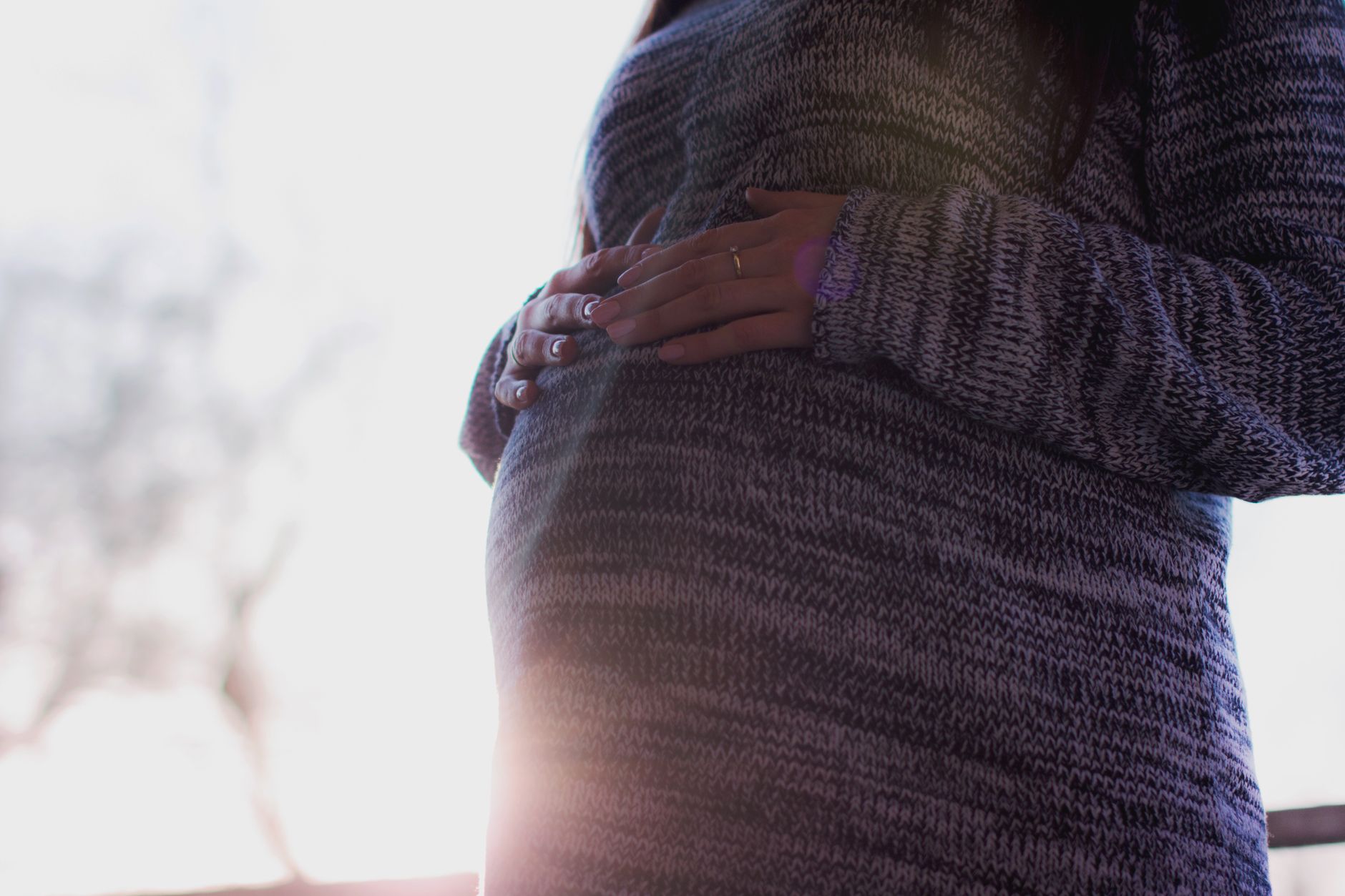
What are the common symptoms at 14 weeks pregnant?
If you’re 14 weeks pregnant, you’re probably noticing that your body is settling into a new rhythm. The relentless nausea of the first trimester has likely eased (though not for everyone—more on that later), and you might even feel like you have a bit more energy. But with that relief comes a new set of sensations. Here’s what many women experience around this time:
- Growing belly: Your uterus is now about the size of a grapefruit, and it’s rising above your pelvis. If this is your first pregnancy, your bump might still be subtle, but if you’ve been pregnant before, you might notice it sooner. Some women describe it as a "soft roundness" rather than a full-on baby bump.
- Increased appetite: With nausea fading, your body is likely demanding more fuel to support your growing baby. You might find yourself hungry more often—or craving specific foods (sweet, salty, or even weird combinations).
- Back pain: As your belly grows, your center of gravity shifts, and your ligaments loosen thanks to the hormone relaxin. This can lead to lower back pain, especially after standing for long periods or at the end of the day.
- Fatigue: While your energy might be better than it was in the first trimester, you may still feel tired, especially in the afternoon. Your body is working hard to support your baby’s rapid growth, and that can leave you feeling drained.
- Constipation: Progesterone slows down your digestion, which can lead to bloating and constipation. This is one of the less glamorous side effects of pregnancy, but it’s very common.
- Mild cramping or round ligament pain: As your uterus expands, you might feel occasional sharp or dull pains on one or both sides of your lower abdomen. This is usually your round ligaments stretching to accommodate your growing uterus.
- Spotting: Light spotting can occur after sex, a pelvic exam, or even from irritation of the cervix. While it’s often harmless, it’s always worth mentioning to your provider.
- Mood swings: Hormonal fluctuations can still leave you feeling emotional or irritable. One minute you’re laughing, the next you’re crying over a commercial—it’s all part of the journey.
- Breast changes: Your breasts may still feel tender or swollen, and you might notice your areolas darkening. Some women also start to see tiny bumps (Montgomery’s tubercles) around their nipples.
- Nasal congestion or nosebleeds: Increased blood flow and hormonal changes can cause swelling in your nasal passages, leading to stuffiness or even nosebleeds. This is often called "pregnancy rhinitis."
One mom we spoke to described this phase as "a weird mix of feeling like myself again, but also not at all." She said, "I could finally eat a full meal without feeling sick, but then I’d stand up and my back would ache like I’d just run a marathon. It’s like my body was catching up to the fact that I’m growing a human."
It’s important to remember that every pregnancy is different. Some women breeze through 14 weeks with barely any symptoms, while others still feel exhausted or nauseous. If you’re in the latter group, try not to compare yourself to others. Your body is doing exactly what it needs to do to support your baby.
Why am I experiencing back pain at 14 weeks pregnant?
What’s causing the pain?
- Shifting center of gravity: As your belly grows, your center of gravity moves forward. To compensate, you might unconsciously arch your back, which puts extra strain on your lower spine.
- Relaxin hormone: This hormone loosens your ligaments and joints to prepare your body for childbirth. While it’s essential for delivery, it can also make your back feel less stable and more prone to discomfort.
- Weight gain: Even at 14 weeks, you’re likely carrying a few extra pounds. This added weight puts pressure on your spine and muscles, especially if you’re on your feet a lot.
- Poor posture: Slouching or hunching over (especially if you’re sitting at a desk all day) can exacerbate back pain. Your growing belly can also make it harder to maintain good posture.
- Stress: Emotional stress can cause muscle tension, which often settles in the neck, shoulders, and lower back.
What does it feel like?
Back pain at 14 weeks can vary from woman to woman. Some describe it as:
- A dull, constant ache in the lower back.
- A sharp pain on one or both sides of the lower back, especially when standing up or rolling over in bed.
- Stiffness or soreness after sitting or standing for long periods.
- Pain that radiates into the buttocks or thighs (though this is less common at this stage).
One reader shared, "I thought back pain was something I’d only deal with in the third trimester, but at 14 weeks, I was already feeling it. It was like a constant, low-level ache that got worse by the end of the day. I had to remind myself that it was a sign my body was doing its job—even if it wasn’t fun."
When to worry
Most back pain at 14 weeks is normal, but there are a few red flags to watch for. Call your provider if you experience:
- Severe pain that doesn’t improve with rest or changes in position.
- Pain accompanied by fever, chills, or burning during urination (this could signal a kidney infection).
- Pain that radiates down your legs or causes numbness or weakness (this could indicate a nerve issue).
- Back pain along with vaginal bleeding, cramping, or fluid leakage (these could be signs of preterm labor or other complications).
How to find relief
Here are some tried-and-true ways to ease back pain at 14 weeks:
- Improve your posture: Stand tall with your shoulders back and your pelvis slightly tucked. Imagine a string pulling you up from the top of your head. When sitting, use a small pillow or rolled-up towel to support your lower back.
- Wear supportive shoes: Ditch the high heels and opt for shoes with good arch support. A low, stable heel (like a supportive sneaker or flat) can help distribute your weight more evenly.
- Sleep on your side: Use a pregnancy pillow or place a pillow between your knees to keep your spine aligned. If you’re a back sleeper, try propping yourself up with pillows to reduce strain.
- Stay active: Gentle exercises like walking, swimming, or prenatal yoga can strengthen your back and core muscles, which helps support your growing belly. Just avoid activities that involve twisting or sudden movements.
- Apply heat or cold: A heating pad or warm bath can relax tense muscles, while an ice pack can reduce inflammation. Try both to see what works best for you.
- Get a prenatal massage: A massage therapist trained in prenatal care can target the muscles that are causing you the most discomfort. Just make sure to let them know you’re pregnant.
- Try a maternity belt: These supportive belts wrap around your lower back and belly to take some of the pressure off your spine. They’re especially helpful if you’re on your feet a lot.
- Practice gentle stretches: Cat-cow pose (on your hands and knees, arching and rounding your back) can relieve tension in your lower back. Pelvic tilts (lying on your back with your knees bent, then tilting your pelvis upward) can also help.

How does increased appetite affect me at 14 weeks pregnant?
If you’ve spent the last few weeks pushing food away, the sudden return of your appetite at 14 weeks can feel like a revelation. One day, you’re forcing down crackers to stave off nausea, and the next, you’re raiding the fridge at 10 p.m. for peanut butter and pickles. Here’s what’s going on—and how to navigate this new phase.
Why am I so hungry all of a sudden?
Your appetite is increasing for a few key reasons:
- Nausea is fading: For many women, the first trimester is dominated by morning sickness (or all-day sickness). By 14 weeks, those waves of nausea often start to subside, and your body is eager to make up for lost calories.
- Your baby is growing rapidly: At 14 weeks, your baby is about 3.5 inches long and weighs roughly 1.5 ounces. They’re developing bones, muscles, and organs, and they need nutrients to support that growth. Your body is signaling that it’s time to fuel up.
- Hormonal shifts: Progesterone and other hormones are still fluctuating, and these changes can affect your hunger cues. Some women find that their appetite swings wildly from day to day—or even hour to hour.
- Increased blood volume: Your blood volume has increased by about 50% to support your baby, and that extra fluid requires more energy to maintain. This can leave you feeling hungrier than usual.
What does this mean for you?
An increased appetite can feel like a double-edged sword. On one hand, it’s a sign that your body is recovering from the first trimester and getting ready to support your baby’s growth. On the other hand, it can be overwhelming—especially if you’re not sure what (or how much) to eat. Here’s what to expect:
- More frequent hunger: You might find yourself hungry every 2–3 hours, or craving snacks between meals. This is normal, but it can be tricky to balance with work, errands, or other responsibilities.
- Cravings (and aversions): You might suddenly crave foods you’ve never liked before (or find yourself repulsed by foods you used to love). Cravings are thought to be your body’s way of signaling a need for certain nutrients, but they can also be influenced by hormones and emotions.
- Weight gain: The second trimester is when many women start to gain weight more steadily. The American College of Obstetricians and Gynecologists (ACOG) recommends a weight gain of about 1–2 pounds per week during this phase if you started pregnancy at a healthy weight. (We’ll dive deeper into weight gain expectations later in this article.)
- Energy boosts (and crashes): With more food in your system, you might feel like you have more energy. But if you’re eating a lot of refined carbs or sugary snacks, you could also experience energy crashes later. Balancing your meals with protein, fiber, and healthy fats can help stabilize your energy levels.
- Digestive changes: Eating more can also mean dealing with more bloating, gas, or heartburn. Your digestive system is slower during pregnancy (thanks, progesterone!), so larger meals might leave you feeling uncomfortably full.
One mom we talked to described this phase as "finally feeling like I could eat without wanting to throw up, but also feeling like I was eating all the time." She said, "I’d be hungry an hour after breakfast, and then again an hour after lunch. It was like my body was making up for lost time."
How to manage increased appetite in a healthy way
It’s tempting to use your increased appetite as an excuse to eat whatever you want, but remember: you’re not just eating for two—you’re eating for one very small, very specific set of nutritional needs. Here’s how to fuel your body (and your baby) without overdoing it:
- Focus on nutrient-dense foods: Aim for meals and snacks that pack a nutritional punch. Think lean proteins (chicken, fish, tofu, eggs), whole grains (quinoa, brown rice, oats), healthy fats (avocados, nuts, olive oil), and plenty of fruits and vegetables. These foods will keep you full longer and provide the vitamins and minerals your baby needs.
- Eat smaller, more frequent meals: Instead of three large meals, try eating 5–6 smaller meals or snacks throughout the day. This can help prevent energy crashes and keep your blood sugar stable. For example:
- Breakfast: Greek yogurt with berries and granola
- Mid-morning snack: Apple slices with almond butter
- Lunch: Grilled chicken salad with quinoa and avocado
- Afternoon snack: Hummus and whole-grain crackers
- Dinner: Baked salmon with roasted sweet potatoes and steamed broccoli
- Evening snack: A small bowl of cottage cheese with pineapple
- Stay hydrated: Sometimes thirst can masquerade as hunger. Aim for at least 8–10 cups of water a day, and more if you’re active or it’s hot outside. If you’re bored with plain water, try infusing it with fruit (like lemon, cucumber, or berries) or sipping herbal tea (just avoid teas with caffeine or herbs that aren’t pregnancy-safe).
- Listen to your body (but don’t ignore it): It’s okay to indulge a craving now and then, but try to balance it with healthier choices. For example, if you’re craving ice cream, pair it with a handful of nuts or a piece of fruit to add protein and fiber. If you’re craving salty foods, opt for popcorn or roasted chickpeas instead of chips.
- Plan ahead: Keep healthy snacks on hand so you’re not reaching for the nearest bag of chips when hunger strikes. Some easy options:
- Pre-cut veggies and hummus
- Hard-boiled eggs
- Trail mix (nuts, seeds, and dried fruit)
- Cheese sticks and whole-grain crackers
- Smoothies (blend Greek yogurt, spinach, and frozen fruit)
- Don’t skip meals: Skipping meals can lead to overeating later, especially if you’re already dealing with increased hunger. Try to eat at regular intervals to keep your energy and blood sugar stable.
- Watch your portions: It’s easy to overeat when you’re hungry all the time, especially if you’re eating out or snacking mindlessly. Use smaller plates, measure out servings, and pay attention to your body’s fullness cues. It takes about 20 minutes for your brain to register that you’re full, so eat slowly and stop when you’re satisfied, not stuffed.
- Get enough sleep: Lack of sleep can disrupt the hormones that regulate hunger (ghrelin and leptin), making you feel hungrier than you actually are. Aim for 7–9 hours of sleep per night, and try to go to bed and wake up at the same time each day.
What if I’m still nauseous?
While many women see their nausea improve by 14 weeks, some continue to struggle with it well into the second trimester. If you’re still feeling sick, don’t worry—you’re not alone. Here are a few strategies to help you eat enough even when you’re not feeling great:
- Eat small, bland meals: Stick to foods that are easy on your stomach, like crackers, toast, rice, or bananas. Avoid greasy, spicy, or overly sweet foods, which can trigger nausea.
- Try ginger: Ginger has been shown to help reduce nausea. Sip ginger tea, chew ginger candies, or add fresh ginger to your meals.
- Stay hydrated: Dehydration can make nausea worse, so sip fluids throughout the day. If water is unappealing, try sucking on ice chips or sipping clear broths.
- Eat before you get out of bed: Keep a stash of crackers or dry cereal by your bed, and eat a few bites before you stand up in the morning. This can help settle your stomach before you start moving around.
- Talk to your provider: If your nausea is severe or preventing you from eating or drinking, your provider might recommend medication to help control it. Don’t suffer in silence—there are safe options available.
Is spotting normal at 14 weeks of pregnancy?
You’re in the bathroom, and suddenly you see a few drops of pink or brown on your underwear. Your heart skips a beat. Spotting during pregnancy can be terrifying, especially when you’ve heard so many stories about what it might mean. But here’s the truth: at 14 weeks, light spotting is often normal—and it doesn’t necessarily mean something is wrong. Let’s break down what’s typical, what’s not, and when to call your provider.
What causes spotting at 14 weeks?
Spotting is any light bleeding that’s not enough to fill a pad or tampon. It can range in color from pink to red to brown (which is usually old blood). At 14 weeks, there are a few common reasons you might experience it:
- Cervical sensitivity: Your cervix is more sensitive during pregnancy due to increased blood flow. Sex, a pelvic exam, or even a Pap smear can cause minor irritation and light spotting. This is usually harmless and stops on its own.
- Implantation bleeding: While implantation bleeding typically happens around 6–12 days after conception, some women experience light spotting later in the first trimester or even into the second. This is usually very light and lasts only a day or two.
- Subchorionic hemorrhage: This is a small collection of blood between the uterine wall and the placenta. It’s relatively common (affecting about 1–3% of pregnancies) and often resolves on its own. Your provider might detect it during an ultrasound and monitor it, but it doesn’t always cause spotting.
- Infection: A urinary tract infection (UTI), yeast infection, or sexually transmitted infection (STI) can cause irritation and light bleeding. These infections are treatable, so it’s important to mention any spotting to your provider.
- Hormonal changes: Fluctuations in hormones can sometimes cause light spotting, especially around the time your period would have been due. This is usually nothing to worry about, but it’s worth mentioning to your provider.
- Exercise or physical activity: Intense exercise or even a long walk can sometimes cause light spotting, especially if your cervix is sensitive. This is usually harmless, but it’s a good idea to take it easy for a day or two and see if the spotting stops.
What’s the difference between spotting and bleeding?
It’s important to distinguish between spotting and heavier bleeding, as the latter can be a sign of a more serious issue. Here’s how to tell the difference:
| Spotting | Bleeding |
|---|---|
| Very light, only a few drops on your underwear or toilet paper. | Enough to fill a panty liner or pad. |
| Pink, brown, or light red in color. | Bright red or dark red. |
| Stops on its own within a day or two. | Continues or gets heavier over time. |
| Not accompanied by pain or cramping (though mild cramping can occur). | Often accompanied by pain, cramping, or clots. |
| Common after sex, a pelvic exam, or physical activity. | May occur without an obvious trigger. |
When should I call my provider?
While spotting is often normal, there are times when it’s a sign that something more serious is going on. Call your provider right away if you experience any of the following:
- Spotting that turns into heavy bleeding (enough to fill a pad or tampon).
- Bleeding that’s bright red and accompanied by clots.
- Spotting or bleeding along with severe abdominal pain or cramping.
- Spotting or bleeding along with dizziness, lightheadedness, or fainting.
- Spotting or bleeding that lasts longer than 24–48 hours.
- Spotting or bleeding along with a fever or chills.
- Any spotting or bleeding that worries you—trust your instincts!
One mom we spoke to described her experience with spotting at 14 weeks: "I woke up one morning and saw a few spots of blood on my underwear. I panicked and called my provider, who told me to come in for an ultrasound. It turned out to be nothing—just irritation from sex the night before. But I’m so glad I called. It’s always better to be safe than sorry."
What will my provider do?
If you call your provider about spotting, they’ll likely ask you a few questions to assess the situation:
- How much are you bleeding? (Spotting vs. bleeding)
- What color is the blood? (Pink, brown, bright red, dark red)
- Are you experiencing any pain or cramping?
- Have you had sex, a pelvic exam, or any physical activity recently?
- Are you feeling dizzy, lightheaded, or faint?
Depending on your answers, they might recommend:
- Monitoring at home: If the spotting is light, painless, and stops on its own, your provider might advise you to rest for a day or two and call back if it gets worse.
- An ultrasound: This can help determine the cause of the spotting and check on your baby’s well-being. At 14 weeks, your provider might be able to see your baby’s heartbeat and measure their growth.
- A pelvic exam: This can help identify any irritation, infection, or other issues with your cervix or uterus.
- Blood tests: These can check your hormone levels (like hCG and progesterone) to ensure your pregnancy is progressing normally.
How to reduce your risk of spotting
While you can’t always prevent spotting, there are a few things you can do to reduce your risk:
- Avoid strenuous activity: Heavy lifting, intense exercise, or prolonged standing can sometimes trigger spotting, especially if your cervix is sensitive. Listen to your body and take it easy if you’re feeling tired or uncomfortable.
- Be gentle during sex: If you’re experiencing spotting after sex, try using a water-based lubricant or changing positions to reduce irritation. If spotting continues, talk to your provider about whether you should avoid sex for a while.
- Stay hydrated: Dehydration can cause uterine contractions, which might lead to spotting. Aim for at least 8–10 cups of water a day.
- Manage stress: High stress levels can affect your hormones and increase your risk of spotting. Practice relaxation techniques like deep breathing, meditation, or prenatal yoga.
- Follow your provider’s advice: If your provider has recommended bed rest or other precautions (for example, if you have a subchorionic hemorrhage), follow their guidance to reduce your risk of complications.
How to relieve constipation during the 14th week of pregnancy
You’re 14 weeks pregnant, and while you’re relieved that the nausea is fading, there’s a new discomfort taking its place: constipation. You’re bloated, uncomfortable, and maybe even a little embarrassed. But here’s the thing—constipation is one of the most common pregnancy symptoms, and it’s not your fault. Your body is doing exactly what it’s supposed to do (slowing down digestion to absorb more nutrients for your baby), but that doesn’t make it any less frustrating. The good news? There are plenty of safe, effective ways to find relief.
Why am I so constipated?
Constipation during pregnancy is caused by a combination of factors:
- Progesterone: This hormone relaxes your muscles, including those in your digestive tract. While this helps your body accommodate your growing baby, it also slows down digestion, making it harder for waste to move through your intestines.
- Iron supplements: If you’re taking a prenatal vitamin with iron (or an additional iron supplement), it can contribute to constipation. Iron is essential for preventing anemia during pregnancy, but it can also make your stools harder and more difficult to pass.
- Growing uterus: As your uterus expands, it puts pressure on your intestines, which can slow down digestion and make it harder to have a bowel movement.
- Dehydration: If you’re not drinking enough water, your body will absorb more fluid from your intestines, making your stools harder and drier.
- Dietary changes: If you’re eating more processed foods or fewer fruits and vegetables (maybe because of nausea or cravings), you might not be getting enough fiber to keep things moving.
- Reduced physical activity: If you’re feeling tired or nauseous, you might be moving less than usual. Exercise helps stimulate digestion, so less activity can lead to constipation.
What does constipation feel like?
Constipation can show up in a few different ways. You might experience:
- Fewer than three bowel movements per week.
- Hard, dry, or lumpy stools that are difficult or painful to pass.
- A feeling of incomplete emptying after a bowel movement.
- Bloating, gas, or abdominal discomfort.
- Straining during bowel movements.
One reader shared, "I never thought I’d be so obsessed with my bowel movements, but at 14 weeks, it was all I could think about. I’d go days without going, and when I finally did, it was like passing a brick. I felt so bloated and uncomfortable all the time."
Safe ways to relieve constipation
The key to relieving constipation is to focus on three things: fiber, fluids, and movement. Here’s how to do it safely during pregnancy:
1. Eat more fiber
Fiber adds bulk to your stools and helps them move more easily through your intestines. Aim for 25–30 grams of fiber per day from a variety of sources. Here are some high-fiber foods to try:
- Fruits: Raspberries, pears (with the skin), apples (with the skin), bananas, prunes, and kiwi.
- Vegetables: Broccoli, spinach, carrots, sweet potatoes (with the skin), and Brussels sprouts.
- Whole grains: Oatmeal, quinoa, brown rice, whole-wheat bread, and bran cereal.
- Legumes: Lentils, black beans, chickpeas, and split peas.
- Nuts and seeds: Almonds, chia seeds, flaxseeds, and pumpkin seeds.
If you’re not used to eating a lot of fiber, increase your intake gradually to avoid gas and bloating. For example, start with an extra serving of fruit or vegetables at each meal, and slowly add more over a week or two.
2. Drink plenty of fluids
Water helps soften your stools and makes them easier to pass. Aim for at least 8–10 cups of water a day, and more if you’re active or it’s hot outside. If you’re bored with plain water, try:
- Infused water (add lemon, cucumber, or berries).
- Herbal teas (like peppermint or ginger—just avoid teas with caffeine or herbs that aren’t pregnancy-safe).
- Warm lemon water in the morning (this can help stimulate digestion).
- Prune juice (it’s a natural laxative and can help get things moving).
Avoid sugary drinks like soda or juice, as they can make bloating worse.
3. Get moving
Exercise helps stimulate digestion and can relieve constipation. You don’t need to run a marathon—even a 10–15 minute walk can make a difference. Other safe exercises during pregnancy include:
- Prenatal yoga (focus on poses that gently compress your abdomen, like seated forward bends).
- Swimming or water aerobics (the water supports your joints and can help relieve pressure on your intestines).
- Light strength training (focus on exercises that engage your core, like squats or pelvic tilts).
Always check with your provider before starting a new exercise routine, especially if you have any complications or concerns.
4. Try a natural laxative
If fiber, fluids, and exercise aren’t enough, you might need a little extra help.

