

Quick take: At 13 weeks pregnant, many early pregnancy symptoms like nausea and fatigue start to ease, but new ones—like round ligament pain and mild cramping—may appear as your uterus grows. Your baby is now the size of a peapod (about 2.9 inches long) and developing tiny bones, fingerprints, and even vocal cords. Most symptoms are normal, but sharp pain, heavy bleeding, or sudden swelling warrant a call to your provider. This is a great time to focus on gentle exercise, a balanced diet, and scheduling your next prenatal visit.
You’re officially in your second trimester—or as many moms call it, the "honeymoon phase" of pregnancy. The exhaustion and nausea that hijacked your first 12 weeks might finally be lifting, and you’re probably starting to feel like yourself again. But just as you’re getting used to this new normal, your body throws a few curveballs: a sudden twinge in your side when you laugh, a wave of dizziness when you stand up too fast, or mood swings that leave you laughing one minute and crying over a commercial the next.
One mom we spoke to described week 13 like this: "I woke up feeling *almost* normal for the first time in weeks, only to spend the afternoon Googling whether it was normal to feel a pulling sensation near my hip when I rolled over in bed. Turns out, my uterus was just stretching—and so was my patience with Dr. Google."
If you’re here, you’re likely wondering: What’s normal at 13 weeks? What should I be feeling (or not feeling)? And when should I actually worry? This guide covers everything you need to know—from the symptoms that are totally routine to the ones that mean it’s time to call your provider. We’ll also walk you through your baby’s development, what to expect at your next prenatal visit, and how to navigate this exciting (and sometimes confusing) phase with confidence.
What Are the Common Symptoms at 13 Weeks Pregnant?
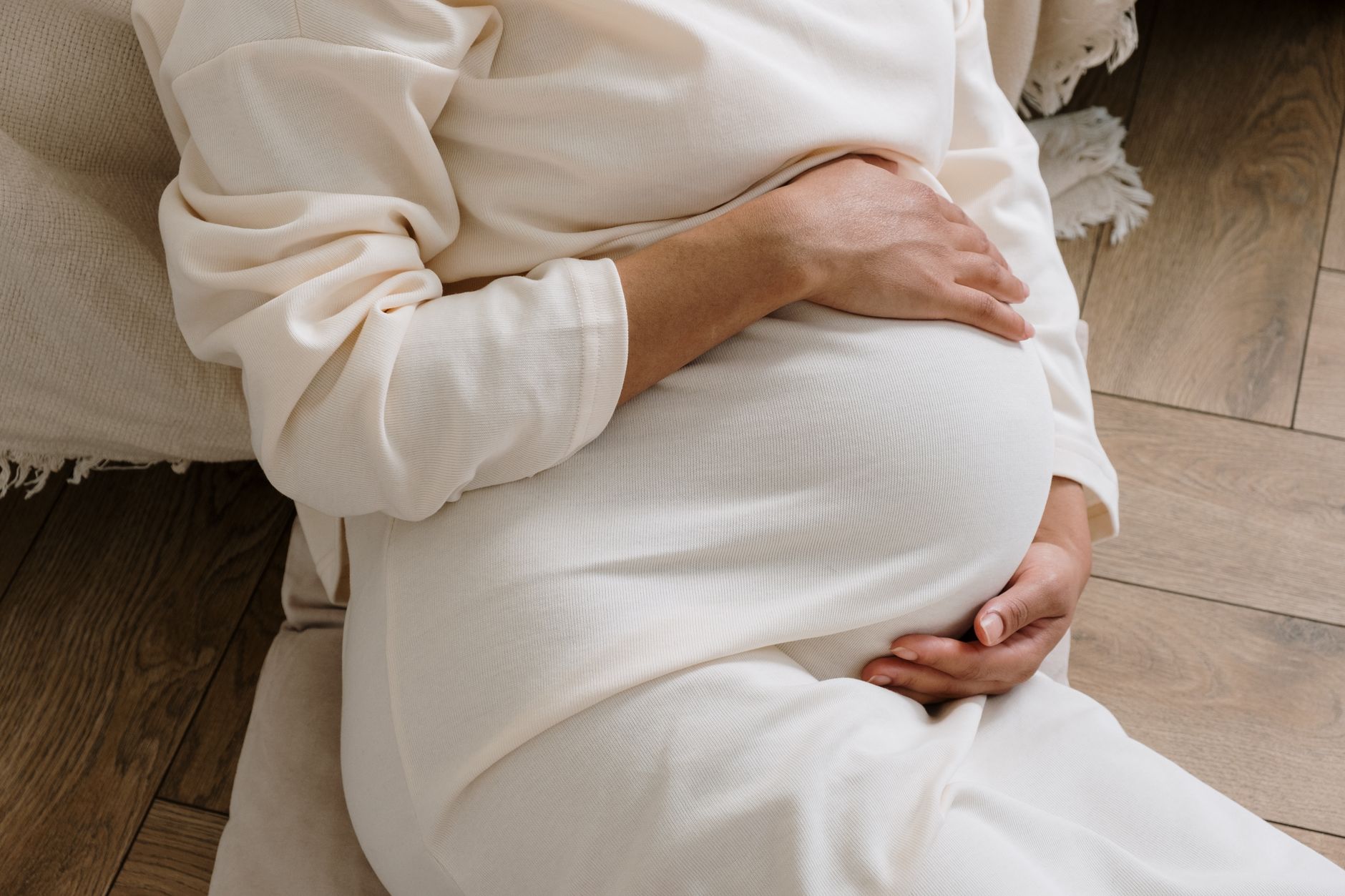
By 13 weeks, your body has already been through a lot: surging hormones, a growing uterus, and the infamous "first-trimester rollercoaster" of symptoms. The good news? Many of the most unpleasant early symptoms—like nausea, food aversions, and round-the-clock fatigue—often start to fade around this time. But don’t put away your pregnancy pillow just yet. New symptoms can crop up as your body adjusts to your growing baby and shifting hormones.
Here’s what you might experience at 13 weeks:
- Round ligament pain: A sharp or dull ache in your lower abdomen or groin, often triggered by movement (like rolling over in bed or standing up quickly). This happens as the ligaments supporting your uterus stretch to accommodate its growth. It’s uncomfortable but usually harmless.
- Increased vaginal discharge: A thin, milky-white discharge (called leukorrhea) is normal and helps protect your birth canal from infection. If it’s yellow, green, or foul-smelling, check in with your provider.
- Mild cramping: Light, period-like cramps can occur as your uterus expands. They’re usually nothing to worry about, but if they’re severe or accompanied by bleeding, call your doctor.
- Breast changes: Your breasts may still feel tender, but they might also start to grow larger (time to invest in a supportive bra!). The areolas may darken, and you might notice small bumps (Montgomery glands) around them—these secrete oil to keep your nipples moisturized.
- Dizziness or lightheadedness: Your blood vessels are dilating to accommodate increased blood flow, which can cause your blood pressure to drop. Low blood sugar can also contribute, so keep snacks handy.
- Nasal congestion or nosebleeds: Thanks to increased blood flow and hormones, your nasal passages may swell, leading to stuffiness or occasional nosebleeds. A humidifier and saline spray can help.
- Mood swings: You might feel more emotionally stable than in the first trimester, but hormones can still leave you feeling weepy, irritable, or anxious. Be kind to yourself—this is normal.
- Visible veins: The extra blood in your body can make veins in your breasts, abdomen, and legs more noticeable. This is temporary and usually fades after pregnancy.
- Increased sex drive: Many women experience a surge in libido around this time, thanks to hormonal shifts and improved energy levels. Unless your provider has advised otherwise, sex is safe during pregnancy.
Not everyone will experience all of these symptoms, and that’s okay. Some women breeze through week 13 with minimal discomfort, while others still feel like they’re riding a hormonal wave. What matters most is paying attention to your body and knowing when a symptom might be cause for concern (more on that later).
How Does Baby Development Affect Symptoms at 13 Weeks?
Here’s what’s happening with your baby this week and how it might show up in your symptoms:
Fetal Development Milestones at 13 Weeks
- Bones and joints: Your baby’s skeleton is hardening, with bones forming in their arms, legs, and ribs. Their tiny fingers and toes are fully separated, and they can even make fists. This rapid bone growth requires extra calcium, which your body prioritizes—sometimes at the expense of your own stores. If you’re not getting enough calcium, you might notice leg cramps or brittle nails.
- Fingerprints: Unique ridges are forming on your baby’s fingertips, giving them their own set of fingerprints. These will be fully developed by the end of the second trimester.
- Vocal cords: Your baby’s vocal cords are developing, though they won’t make a sound until after birth. In the meantime, they’re practicing "breathing" movements by inhaling and exhaling amniotic fluid.
- Digestive system: Their intestines are moving from the umbilical cord into their abdomen, and their liver is starting to produce bile. Their pancreas is also gearing up to produce insulin, which will help regulate their blood sugar after birth.
- Genitals: If you’re having a gender reveal ultrasound soon, your baby’s genitals are now developed enough to be visible (though accuracy depends on their position and the quality of the scan).
- Movement: Your baby is wiggling and kicking, though you likely won’t feel these flutters (called "quickening") until 16–25 weeks. First-time moms often feel them later than women who’ve been pregnant before.
So how does all this development affect you? Here are a few ways:
- Increased appetite: As your baby’s growth ramps up, your body may signal that it needs more fuel. You might notice your appetite returning (or even increasing) after weeks of nausea. This is a good time to focus on nutrient-dense foods to support both of you.
- Heightened sense of smell: Some women report that their sense of smell becomes even more sensitive around this time. This could be due to hormonal changes or your body’s way of protecting your baby from potentially harmful substances (like spoiled food or strong chemicals).
- Round ligament pain: As your uterus expands to accommodate your growing baby, the ligaments that support it stretch and thicken. This can cause sharp or dull pain in your lower abdomen or groin, especially when you change positions quickly.
- Fatigue: While many women feel more energetic in the second trimester, some still experience fatigue as their body works overtime to support fetal development. Listen to your body and rest when you need to.
- Hormonal shifts: Your placenta is now fully functioning and taking over hormone production from your ovaries. This transition can cause temporary hormonal fluctuations, which might leave you feeling moody or emotional.
One mom shared her experience: "I didn’t expect to feel so much movement so early, but at 13 weeks, I started noticing little flutters—like popcorn popping in my belly. It was the first time I really felt like there was a person in there, not just a pregnancy. It made all the weird symptoms feel worth it."
Is Morning Sickness Still Common at 13 Weeks Pregnant?
If you’re still battling nausea at 13 weeks, you’re not alone. While many women start to feel relief around this time, morning sickness doesn’t always follow the textbook timeline. In fact, about 10–20% of women continue to experience nausea and vomiting well into the second trimester—and for a small percentage, it can last the entire pregnancy.
Here’s what you need to know about morning sickness at 13 weeks:
Why Some Women Still Have Morning Sickness
Morning sickness is thought to be caused by a combination of factors, including:
- Hormonal changes: The hormone human chorionic gonadotropin (hCG) peaks around weeks 8–11 and then starts to decline. However, estrogen and progesterone levels continue to rise, which can prolong nausea for some women.
- Sensitivity to smells: Your heightened sense of smell can trigger nausea, especially if you’re sensitive to strong odors like coffee, perfume, or cooking smells.
- Stress and fatigue: Emotional stress and exhaustion can worsen nausea, creating a frustrating cycle.
- Genetics: If your mom or sister had severe morning sickness, you’re more likely to experience it too.
- Multiples: Women carrying twins or triplets often have higher hCG levels, which can lead to more intense or prolonged nausea.
When to Expect Relief
For most women, morning sickness starts to improve between weeks 12 and 16. If you’re still feeling nauseous at 13 weeks, hang in there—relief may be just around the corner. That said, some women don’t feel fully back to normal until week 20 or later.
Tips for Managing Morning Sickness at 13 Weeks
If you’re still struggling with nausea, these strategies might help:
- Eat small, frequent meals: An empty stomach can make nausea worse. Keep crackers, nuts, or dry cereal by your bed to nibble on before you get up in the morning.
- Avoid triggers: Common culprits include greasy or spicy foods, strong smells, and caffeine. Pay attention to what sets off your nausea and steer clear.
- Stay hydrated: Sip water, ginger tea, or electrolyte drinks throughout the day. If plain water makes you nauseous, try adding a slice of lemon or cucumber for flavor.
- Try ginger: Ginger has been shown to reduce nausea in pregnancy. You can sip ginger tea, chew ginger candies, or take ginger supplements (check with your provider first).
- Get plenty of rest: Fatigue can worsen nausea, so prioritize sleep and take naps if you need to.
- Consider acupressure: Wristbands like Sea-Bands apply pressure to the P6 (Nei-Kuan) point, which may help relieve nausea. They’re drug-free and safe for pregnancy.
- Talk to your provider: If your nausea is severe (you’re unable to keep food or liquids down for 24 hours), you may have hyperemesis gravidarum (HG), a condition that requires medical treatment. Don’t suffer in silence—your provider can help.
One reader shared: "I was convinced I’d be one of the lucky ones who skipped morning sickness entirely. Instead, I spent my first trimester hugging the toilet. At 13 weeks, I was still throwing up every morning—and then one day, it just stopped. No warning, no gradual improvement. I woke up and realized I was hungry for actual food, not just saltines. It was like my body hit a reset button."
Can I Exercise Safely at 13 Weeks Pregnant?
If you’re feeling more energetic at 13 weeks, you might be eager to lace up your sneakers and get moving. The good news? Exercise is not only safe for most pregnant women—it’s encouraged. Regular physical activity can help reduce pregnancy discomforts, improve your mood, and even lower your risk of gestational diabetes and preeclampsia. But not all exercises are created equal, especially as your body changes.
Here’s what you need to know about exercising safely at 13 weeks:
Benefits of Exercise During Pregnancy
Staying active can help with:
- Reducing back pain: Strengthening your core and back muscles can ease the strain on your lower back as your belly grows.
- Improving mood: Exercise releases endorphins, which can help combat pregnancy-related mood swings and anxiety.
- Boosting energy: Regular movement can help combat fatigue and improve sleep quality.
- Preventing excess weight gain: Exercise helps you maintain a healthy weight, which can reduce your risk of complications like gestational diabetes.
- Preparing for labor: Strengthening your pelvic floor and cardiovascular system can make labor and delivery a little easier.
- Speeding up postpartum recovery: Women who exercise during pregnancy often bounce back faster after giving birth.
Safe Exercises for 13 Weeks Pregnant
The American College of Obstetricians and Gynecologists (ACOG) recommends that pregnant women get at least 150 minutes of moderate-intensity aerobic activity per week. Here are some great options for 13 weeks:
- Walking: Low-impact and easy to fit into your day. Aim for 30 minutes most days.
- Swimming or water aerobics: The buoyancy of water supports your joints and can relieve back pain. Plus, it’s refreshing!
- Prenatal yoga: Helps with flexibility, strength, and relaxation. Look for classes specifically designed for pregnancy to avoid poses that compress your belly.
- Stationary cycling: A safe way to get your heart rate up without the risk of falling. Avoid outdoor cycling, as your balance may be off.
- Low-impact aerobics: Classes like Zumba or step aerobics (modified for pregnancy) can be a fun way to stay active.
- Strength training: Light weights or resistance bands can help maintain muscle tone. Focus on your arms, legs, and core (but avoid exercises that require lying flat on your back after the first trimester).
- Pelvic floor exercises: Kegels strengthen the muscles that support your bladder, uterus, and bowels. They can also help prevent incontinence during and after pregnancy.
Exercises to Avoid at 13 Weeks
While exercise is generally safe, there are some activities to steer clear of during pregnancy:
- Contact sports: Sports like soccer, basketball, or hockey carry a risk of abdominal trauma.
- Activities with a high risk of falling: This includes skiing, horseback riding, and gymnastics.
- Hot yoga or hot Pilates: Overheating can be dangerous for your baby. Avoid any activity that raises your core temperature too high.
- Scuba diving: The pressure changes can be harmful to your baby.
- Exercises that require lying flat on your back: After the first trimester, this position can compress the vena cava (a major blood vessel), reducing blood flow to your baby. Opt for modified versions of exercises instead.
- High-intensity interval training (HIIT): While some women can safely do HIIT during pregnancy, it’s best to check with your provider first. Listen to your body and avoid pushing yourself too hard.
Tips for Exercising Safely
- Stay hydrated: Drink water before, during, and after exercise to prevent dehydration and overheating.
- Wear supportive shoes: Your feet may swell or change size during pregnancy, so make sure your shoes fit well and provide good support.
- Listen to your body: If something doesn’t feel right, stop. Pregnancy isn’t the time to push through pain or exhaustion.
- Avoid overheating: Exercise in a cool environment and wear breathable clothing. If you feel dizzy, nauseous, or overly hot, take a break.
- Warm up and cool down: Gentle stretches and a slow warm-up can help prevent injury.
- Modify as needed: As your belly grows, you may need to adjust your form or intensity. Don’t hesitate to ask a trainer or instructor for modifications.
If you’re new to exercise, start slowly and gradually increase your activity level. Even a 10-minute walk counts! And if you were active before pregnancy, you can usually continue your routine—just be mindful of your body’s changing needs.
One mom shared her experience: "I was a runner before pregnancy, and I was determined to keep it up. At 13 weeks, I noticed my balance was off, and my usual 5K route suddenly felt exhausting. I switched to walking and prenatal yoga, and it made a huge difference. I still got my endorphin fix, but without the joint pain or breathlessness. It was a good reminder that pregnancy isn’t the time to set personal records—it’s about staying healthy for both of us."
What Are Warning Signs at 13 Weeks Pregnant?
At 13 weeks, most pregnancy symptoms are normal and nothing to worry about. But there are a few red flags that warrant a call to your provider. While it’s unlikely you’ll experience any of these, it’s important to know what to watch for—just in case.
Here are the warning signs to be aware of at 13 weeks:
Symptoms That Require Immediate Medical Attention
Call your provider right away if you experience any of the following:
- Heavy vaginal bleeding: Light spotting can be normal (especially after sex or a pelvic exam), but heavy bleeding—like a period or worse—could signal a miscarriage or other complication.
- Severe abdominal pain: Mild cramping is common, but sharp, persistent pain (especially if it’s one-sided) could indicate an ectopic pregnancy, miscarriage, or other issue.
- Severe dizziness or fainting: While lightheadedness is normal, severe dizziness or fainting could signal low blood pressure, anemia, or another problem.
- Sudden swelling: Some swelling in your hands, feet, or face is normal, but sudden or severe swelling could be a sign of preeclampsia (a serious pregnancy complication).
- Severe nausea and vomiting: If you’re unable to keep food or liquids down for 24 hours, you may have hyperemesis gravidarum (HG), which requires medical treatment.
- Fever over 100.4°F (38°C): A high fever could indicate an infection, which can be harmful to your baby.
- Painful urination: This could be a sign of a urinary tract infection (UTI), which needs to be treated promptly to avoid complications.
- Vision changes: Blurred vision, seeing spots, or other vision changes could be a sign of preeclampsia.
- Severe headache: Headaches are common in pregnancy, but a severe or persistent headache—especially if accompanied by vision changes or swelling—could signal preeclampsia.
- Decreased fetal movement: At 13 weeks, you likely won’t feel your baby move yet, but if you notice a sudden decrease in movement later in pregnancy, contact your provider.
When to Call Your Provider (But It’s Not an Emergency)
These symptoms aren’t necessarily emergencies, but they’re worth mentioning to your provider:
- Moderate vaginal bleeding or spotting: While light spotting can be normal, it’s always a good idea to check in with your provider.
- Mild to moderate abdominal pain: If the pain is persistent or worsening, it’s worth getting it checked out.
- Mild swelling: Some swelling is normal, but if it’s uncomfortable or worsening, your provider may want to monitor your blood pressure.
- Persistent itching: Mild itching is common due to hormonal changes, but severe itching (especially on your hands and feet) could signal a liver condition called cholestasis of pregnancy.
- Unusual vaginal discharge: While milky-white discharge is normal, yellow, green, or foul-smelling discharge could indicate an infection.
One mom shared: "I had a scare at 13 weeks when I noticed some spotting after sex. I called my provider, and she reassured me that it was likely just irritation from the cervix being more sensitive. She told me to take it easy for a few days and call back if it got worse. It stopped after 24 hours, and I was so glad I didn’t ignore it. Better safe than sorry!"
How to Differentiate Normal vs. Abnormal Symptoms at 13 Weeks
Pregnancy is full of weird, wonderful, and sometimes worrying symptoms. At 13 weeks, your body is still adjusting to the changes of pregnancy, and it can be hard to know what’s normal and what’s not. Here’s a quick guide to help you tell the difference—and when to trust your gut.
Normal Symptoms at 13 Weeks
These symptoms are usually nothing to worry about:
- Round ligament pain: Sharp or dull pain in your lower abdomen or groin, often triggered by movement. This is caused by your uterus stretching and is usually harmless.
- Mild cramping: Light, period-like cramps can occur as your uterus expands. They’re usually nothing to worry about, but if they’re severe or accompanied by bleeding, call your doctor.
- Increased vaginal discharge: A thin, milky-white discharge (leukorrhea) is normal and helps protect your birth canal from infection.
- Breast tenderness and growth: Your breasts may feel sore, heavy, or larger as they prepare for breastfeeding.
- Dizziness or lightheadedness: This is common due to hormonal changes and increased blood flow. Stay hydrated and move slowly when standing up.
- Nasal congestion or nosebleeds: Increased blood flow can cause swelling in your nasal passages, leading to stuffiness or occasional nosebleeds.
- Mood swings: Hormonal fluctuations can leave you feeling emotional, irritable, or anxious. This is normal, but if you’re feeling overwhelmed, talk to your provider.
- Visible veins: The extra blood in your body can make veins in your breasts, abdomen, and legs more noticeable. This is temporary and usually fades after pregnancy.
- Increased sex drive: Many women experience a surge in libido around this time, thanks to hormonal shifts and improved energy levels.
Abnormal Symptoms at 13 Weeks
These symptoms could signal a problem and warrant a call to your provider:
- Heavy vaginal bleeding: Light spotting can be normal, but heavy bleeding (like a period or worse) could signal a miscarriage or other complication.
- Severe abdominal pain: Mild cramping is common, but sharp, persistent pain (especially if it’s one-sided) could indicate an ectopic pregnancy, miscarriage, or other issue.
- Severe dizziness or fainting: While lightheadedness is normal, severe dizziness or fainting could signal low blood pressure, anemia, or another problem.
- Sudden swelling: Some swelling in your hands, feet, or face is normal, but sudden or severe swelling could be a sign of preeclampsia.
- Severe nausea and vomiting: If you’re unable to keep food or liquids down for 24 hours, you may have hyperemesis gravidarum (HG), which requires medical treatment.
- Fever over 100.4°F (38°C): A high fever could indicate an infection, which can be harmful to your baby.
- Painful urination: This could be a sign of a urinary tract infection (UTI), which needs to be treated promptly to avoid complications.
- Vision changes: Blurred vision, seeing spots, or other vision changes could be a sign of preeclampsia.
- Severe headache: Headaches are common in pregnancy, but a severe or persistent headache—especially if accompanied by vision changes or swelling—could signal preeclampsia.
When in Doubt, Check It Out
If you’re ever unsure whether a symptom is normal, it’s always better to err on the side of caution and call your provider. They’ve heard it all before and can help put your mind at ease—or catch a potential problem early.
One reader shared: "I spent the first trimester Googling every little twinge, convinced something was wrong. At 13 weeks, I noticed a dull ache in my lower abdomen that lasted for a few days. I called my midwife, and she told me it was likely round ligament pain—totally normal. She also reminded me that if I ever felt off, I should trust my instincts. That conversation saved me a lot of unnecessary worry."
Does My Uterus Size Cause New Symptoms at 13 Weeks?
At 13 weeks, your uterus is about the size of a grapefruit—and it’s finally starting to make its presence known. While it’s still tucked behind your pelvic bone, it’s growing upward and outward, which can cause a whole new set of symptoms (and maybe even a tiny baby bump!).
Here’s how your growing uterus might be affecting you at 13 weeks:
How Your Uterus Grows at 13 Weeks
- Size and position: At 13 weeks, your uterus is roughly the size of a grapefruit and has risen above your pubic bone. It’s now large enough to be felt by your provider during a pelvic exam.
- Weight: Your uterus weighs about 8 ounces (225 grams) at this stage—up from just 2 ounces (56 grams) before pregnancy.
- Blood flow: The blood vessels in your uterus are expanding to support your growing baby, which can lead to increased blood flow to your pelvic area.
- Ligament stretching: The ligaments that support your uterus (called round ligaments) are stretching and thickening to accommodate its growth. This can cause sharp or dull pain in your lower abdomen or groin, especially when you change positions quickly.
New Symptoms Caused by Your Growing Uterus
As your uterus expands, you might notice:
- Round ligament pain: This is one of the most common symptoms at 13 weeks. The round ligaments run from the front of your uterus to your groin, and as they stretch, they can cause sharp or dull pain in your lower abdomen or hips. The pain is often triggered by movement, like rolling over in bed or standing up quickly.
- Mild cramping: As your uterus grows, you might feel mild, period-like cramps. These are usually nothing to worry about, but if they’re severe or accompanied by bleeding, call your provider.
- Increased urination: Your growing uterus is putting pressure on your bladder, which can make you feel like you need to pee more often. This is normal, but if you’re also experiencing pain or burning, you could have a UTI.
- Visible veins: The increased blood flow to your uterus can make veins in your abdomen, breasts, and legs more noticeable. This is temporary and usually fades after pregnancy.
- Baby bump: Some women start to show a tiny baby bump around 13 weeks, especially if this isn’t their first pregnancy. Others might not show until later—every body is different!
- Heartburn or indigestion: As your uterus grows, it can push against your stomach, causing acid reflux or heartburn. Eating smaller meals and avoiding spicy or greasy foods can help.
- Shortness of breath: Your growing uterus can also push against your diaphragm, making it harder to take deep breaths. This is usually mild at 13 weeks but can worsen as your pregnancy progresses.
Tips for Managing Uterus-Related Symptoms
If your growing uterus is causing discomfort, these strategies might help:
- For round ligament pain:
- Move slowly when changing positions, like getting out of bed or standing up.
- Apply a heating pad to your lower abdomen or take a warm bath to ease the pain.
- Try prenatal yoga or gentle stretching to relieve tension in your ligaments.
- Avoid sudden movements that trigger the pain.
- For mild cramping:
- Rest and put your feet up.
- Drink plenty of water to stay hydrated.
- Take a warm bath or use a heating pad on your lower abdomen.
- If the cramping is severe or accompanied by bleeding, call your provider.
- For increased urination:
- Empty your bladder completely each time you go.
- Avoid drinking large amounts of fluid before bed to reduce nighttime trips to the bathroom.
- If you’re also experiencing pain or burning, call your provider—it could be a UTI.
- For heartburn or indigestion:
- Eat smaller, more frequent meals instead of large ones.
- Avoid spicy, greasy, or acidic foods that can trigger heartburn.
- Stay upright for at least 30 minutes after eating.
- Talk to your provider about safe antacids if needed.
One mom shared: "I was

