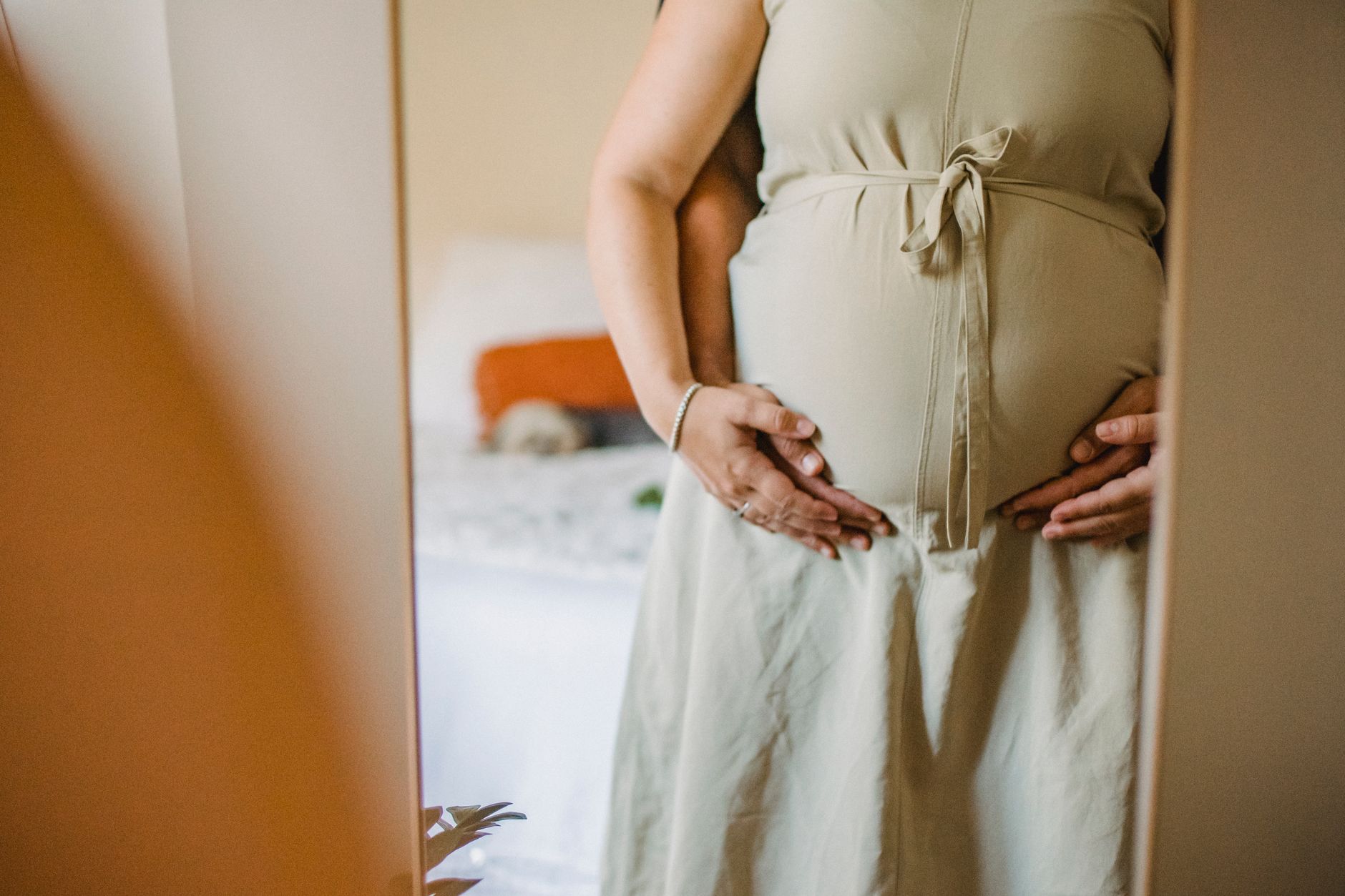
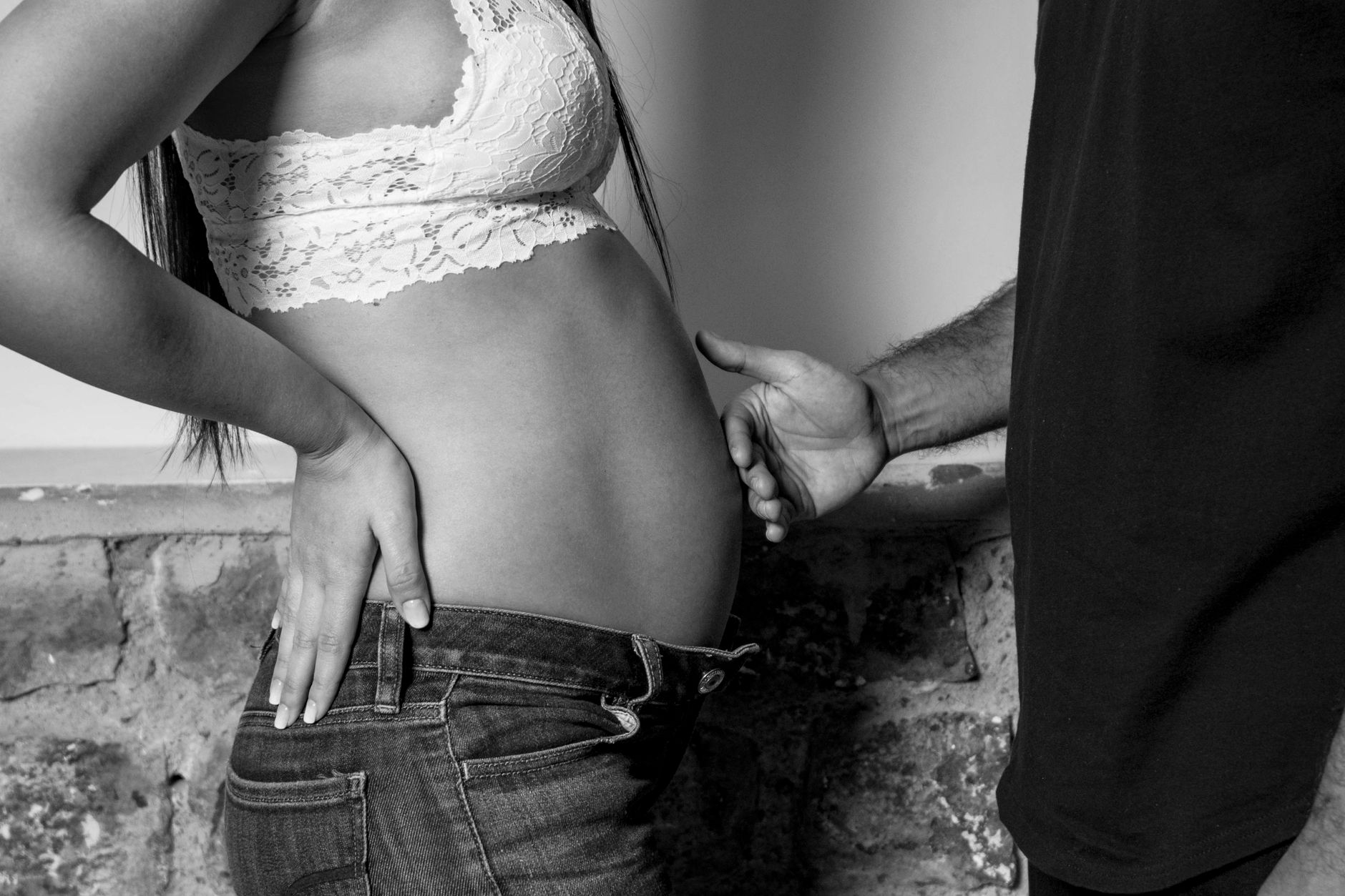
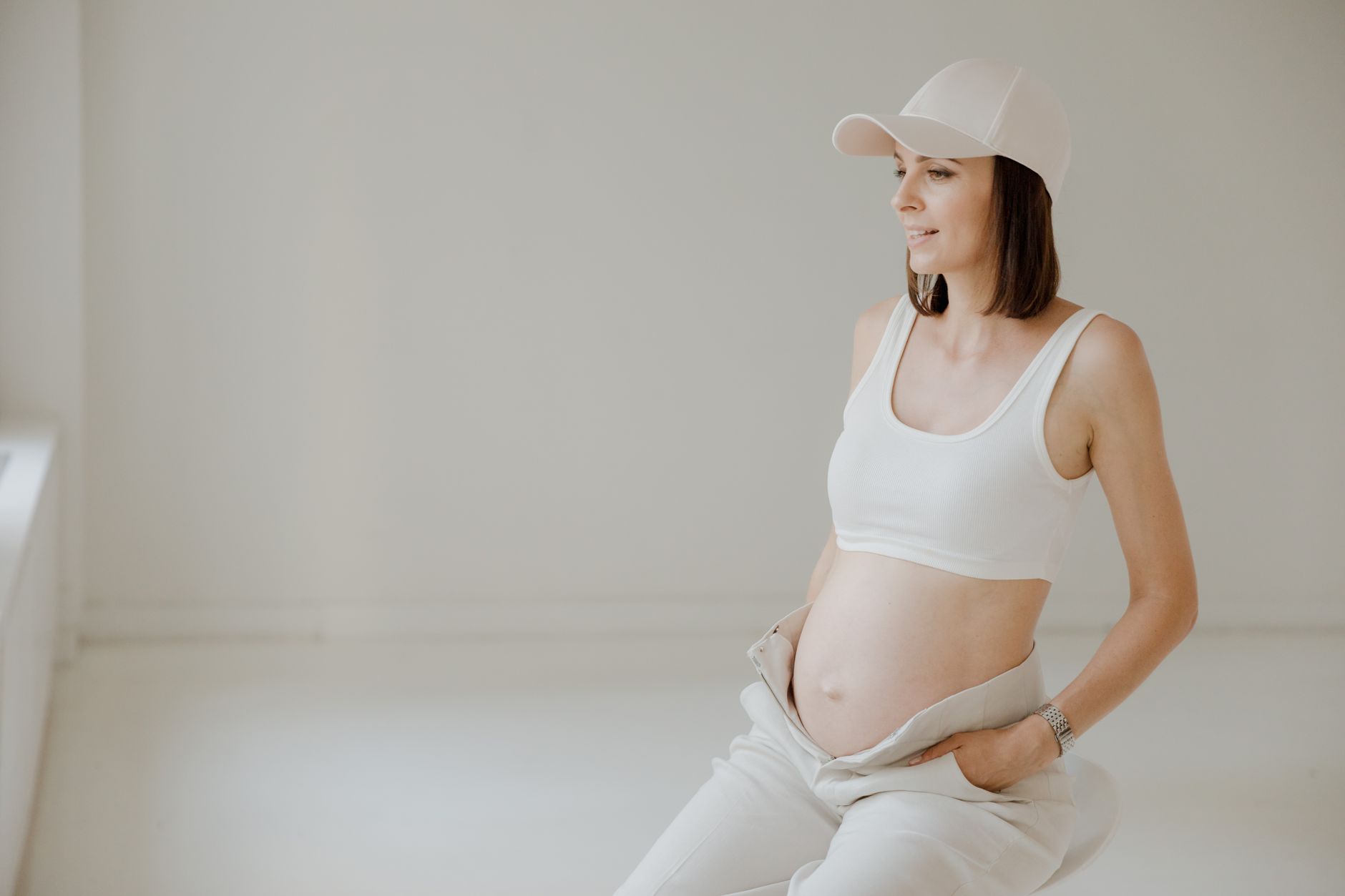
At 13 weeks, the pregnant belly typically measures about 2‑3 inches above the belly button, roughly the size of a small mango, and may start to show a gentle curve as the baby grows.
By Shubhra Mishra — a mom of two who turned her own confusion during pregnancy into BumpBites, a global mission to make food choices clear, safe, and stress-free for every expecting mother. 💛
Check whether any food is safe during pregnancy with the BumpBites Food Safety Checker.
Quick take: At 13 weeks pregnant, your belly size varies widely—most women measure between 12 and 16 centimeters (about 4.7 to 6.3 inches) around the waist, but there’s no “normal” number. Some moms show a small bump, while others still look flat. What matters isn’t the size, but steady growth over time. If you’re worried, your provider can check fundal height (the top of your uterus) at your next visit—it should be just above your pubic bone.
You’re 13 weeks pregnant, standing in front of the mirror in your favorite jeans, wondering: Is this a bump… or just bloating? The button feels snug, but your best friend says she was already in maternity pants by now. Meanwhile, your sister’s belly was still flat at 15 weeks. So what’s “normal” for a 13-week pregnant belly size?
Here’s the truth: there’s no single right answer. Belly size at this stage is as unique as your fingerprint—shaped by your body type, muscle tone, and even how your baby is positioned. What does matter is that your provider sees steady growth at your checkups. This article will walk you through what to expect, how to measure (if you want to), and when to relax—or call your doctor.
We’ll cover the average measurements, why some bellies pop earlier than others, and how to dress comfortably as your body changes. Plus, we’ll bust myths like “a small bump means a small baby” (spoiler: it doesn’t). Let’s take the guesswork out of your growing belly.
At 13 weeks, your bump might be subtle—or still hidden under bloating. Both are normal.
What is the average belly size at 13 weeks pregnant?
At 13 weeks, most women’s bellies measure between 12 and 16 centimeters (about 4.7 to 6.3 inches) around the waist, just above the belly button. But here’s the key: this is a range, not a rule. Some women measure smaller (10–12 cm), while others are already at 18 cm—especially if it’s not their first pregnancy.
Your healthcare provider tracks growth using fundal height—the distance from your pubic bone to the top of your uterus. At 13 weeks, the fundus (top of the uterus) is usually just above your pubic bone, about 10–12 centimeters high. This measurement is more reliable than waist circumference because it focuses on the uterus itself, not bloating or body fat.
One mom, Sarah, shared: “I measured 14 cm at my 13-week appointment, but my sister-in-law was only 11 cm. Our babies were both healthy—just different shapes and positions!”
How is belly size measured?
Providers use two main methods:
Fundal height: A tape measure from your pubic bone to the top of your uterus (in centimeters). This is the gold standard at prenatal visits.
Waist circumference: A tape measure around your belly at the level of your belly button. This is less precise but useful for tracking your own growth at home.
Why the wide range?
Your belly size at 13 weeks depends on:
Your pre-pregnancy body type (petite women often show earlier)
Whether this is your first pregnancy (first-time moms usually show later)
Your baby’s position (a baby curled up high can make your belly look smaller)
Bloating (common in the first trimester due to hormones)
Bottom line: if your provider isn’t concerned, you shouldn’t be either. Focus on how you feel, not how you measure up to others.
How many centimeters is a 13-week pregnant belly?
At 13 weeks, your uterus is about the size of a large grapefruit, and its top (the fundus) should measure 10–12 centimeters from your pubic bone. This is called fundal height, and it’s the most accurate way to track your baby’s growth.
Here’s how it breaks down:
Fundal height: 10–12 cm (measured by your provider at appointments)
Waist circumference: 80–90 cm (31–35 inches) for most women, but this varies widely based on body type
Uterine size: About 13 cm long (from top to bottom), which matches your gestational age
Fundal height at 13 weeks: the top of your uterus should be just above your pubic bone.
What if my fundal height is smaller or larger?
Don’t panic. Fundal height is a rough estimate, and providers expect some variation. For example:
If you’re petite, your fundal height might measure on the lower end (9–10 cm).
If you’re tall or have a longer torso, it might measure higher (12–13 cm).
If you’re carrying multiples, your fundal height will be larger (but you’d likely know this already!).
Your provider will note your fundal height at each visit and look for consistent growth over time. A single measurement isn’t cause for concern—it’s the trend that matters.
Can I measure fundal height at home?
You can try, but it’s tricky to do accurately. Here’s how:
Lie on your back on a flat surface (like your bed).
Find your pubic bone (the hard bone at the front of your pelvis).
Use a soft tape measure to find the top of your uterus (it feels like a firm, rounded bump).
Measure from the pubic bone to the top of the uterus in centimeters.
If you’re unsure, wait for your provider to measure at your next appointment. They’re trained to find the fundus quickly and accurately.
Is a 13-week pregnant belly size normal or cause for concern?
Most of the time, a 13-week belly—whether small, large, or somewhere in between—is perfectly normal. But how do you know when to relax and when to check in with your provider? Let’s break it down.
Signs your belly size is normal
Your belly is likely growing just fine if:
Your provider isn’t concerned at your appointments.
Your fundal height is increasing steadily (even if it’s on the smaller side).
You’re gaining weight at a healthy pace (about 1–4 pounds total in the first trimester).
You feel your baby moving (though this usually starts around 16–25 weeks).
You’re experiencing common pregnancy symptoms like breast tenderness, fatigue, or nausea.
One mom, Priya, said: “I barely had a bump at 13 weeks, but my provider said my fundal height was right on track. By 18 weeks, my belly popped overnight!”
When to call your provider
While rare, a belly that’s not growing at all or growing too quickly can sometimes signal an issue. Contact your provider if you notice:
No growth: Your belly hasn’t changed in size for 2–3 weeks (especially if your fundal height hasn’t increased).
Severe pain: Sharp or persistent abdominal pain, especially if it’s one-sided.
Bleeding: Any spotting or bleeding, which can sometimes indicate a problem with the placenta.
Sudden swelling: Rapid weight gain or swelling in your hands, face, or legs (could signal preeclampsia).
No fetal movement: If you’ve felt movement before and it stops (though this is more common in the second trimester).
Remember: these signs don’t always mean something is wrong, but they’re worth checking out. Your provider can do an ultrasound to measure your baby’s growth and check your amniotic fluid levels.
What if my belly is “too small”?
A small belly at 13 weeks is rarely a cause for concern. Here’s why:
First pregnancies: Your abdominal muscles are tighter, so your uterus may not “pop” outward as much.
Body type: If you’re tall or have a longer torso, your uterus has more room to grow upward before pushing your belly outward.
Baby’s position: If your baby is curled up or facing your spine, your belly may look flatter.
Amniotic fluid: Some women naturally have less fluid, which can make the belly appear smaller.
If your provider is monitoring you and your baby’s growth is on track, there’s no need to worry. Focus on eating well, staying hydrated, and trusting your body.
How does belly size change from 12 to 13 weeks pregnancy?
The jump from 12 to 13 weeks might feel subtle—or dramatic. Here’s what’s happening inside your body and how it affects your belly:
What’s changing in your uterus
Size: Your uterus grows from about the size of a large orange (12 weeks) to a grapefruit (13 weeks). That’s roughly a 1-centimeter increase in fundal height.
Position: At 12 weeks, the top of your uterus is just starting to rise above your pubic bone. By 13 weeks, it’s usually fully above it, making your lower belly feel firmer.
Weight: Your uterus now weighs about 2.5 ounces (70 grams), up from 1.5 ounces at 12 weeks.
What you might notice
Your jeans feel snug: Even if you don’t have a visible bump, your waistband might feel tighter due to bloating and uterine growth.
Your belly feels “harder”: The top of your uterus is now above your pubic bone, so your lower belly may feel firmer to the touch.
Less bloating (for some): For many women, first-trimester bloating starts to ease around 13 weeks as hormone levels stabilize.
More visible bump (for some): If this isn’t your first pregnancy, your abdominal muscles may be more relaxed, making your bump more noticeable.
The difference between 12 and 13 weeks can be subtle—or surprising. Both are normal.
Why some women “pop” at 13 weeks
If your belly suddenly looks more pronounced at 13 weeks, it’s likely due to:
Relaxed abdominal muscles: If this is your second (or third!) pregnancy, your muscles have stretched before, so your uterus can expand outward more easily.
Baby’s position: If your baby is lying horizontally or curled up near the front of your uterus, your belly may look bigger.
Bloating: Hormones like progesterone slow digestion, causing gas and bloating that can make your belly look larger.
Weight gain: Some women gain a few pounds in the first trimester, which can show up as a small bump.
What if I don’t see any change?
If your belly looks the same as it did at 12 weeks, that’s normal too. Many women don’t show until 16–20 weeks, especially if it’s their first pregnancy. Here’s why:
Tight abdominal muscles: First-time moms often have stronger core muscles that hold the uterus in place longer.
Baby’s position: If your baby is facing your spine or curled up low, your belly may look flatter.
Body type: If you’re tall or have a longer torso, your uterus has more room to grow upward before pushing your belly outward.
One mom, Jamie, said: “I didn’t show until 18 weeks, and even then, people thought I was ‘just bloated.’ My baby was perfectly healthy—she just liked to hide!”
What factors affect belly size at 13 weeks?
Your belly size at 13 weeks isn’t just about your baby’s growth—it’s shaped by a mix of factors, some within your control and others not. Here’s what’s really going on:
1. Body type and pre-pregnancy weight
Petite women: Often show earlier because there’s less room for the uterus to expand upward. A small frame can make a 13-week bump more noticeable.
Taller women: May show later because the uterus has more vertical space to grow before pushing the belly outward.
Higher BMI: Women with more body fat may not show as early because the extra tissue can “hide” the bump. This doesn’t mean the baby is smaller—just that the growth is less visible.
2. Muscle tone and abdominal strength
First-time moms: Often have tighter abdominal muscles, which can hold the uterus in place longer, delaying a visible bump.
Second (or later) pregnancies: Abdominal muscles are more relaxed, so the uterus can expand outward more easily, making the bump appear sooner.
Strong core: If you did a lot of core work before pregnancy, your muscles may delay the “pop” of your bump. This is normal and doesn’t affect your baby’s growth.
3. Baby’s position and size
Baby’s position: If your baby is curled up near the front of your uterus, your belly may look bigger. If they’re facing your spine or curled up low, your belly may look flatter.
Baby’s size: At 13 weeks, your baby is about 3 inches long (7.5 cm)—roughly the size of a peach. While baby size can affect belly size later in pregnancy, at this stage, it’s usually too small to make a big difference.
Placenta position: An anterior placenta (attached to the front of your uterus) can make your belly look larger earlier because it adds extra padding.
4. Amniotic fluid volume
Amniotic fluid cushions your baby and helps them move. The amount varies from woman to woman, but at 13 weeks, it’s usually around 50–100 milliliters.
Some women naturally have more fluid, which can make the belly look slightly larger. Others have less, which can make the belly look smaller.
Unless your provider is concerned, the amount of fluid isn’t something to worry about at this stage.
5. Bloating and digestion
Progesterone, a hormone that rises during pregnancy, slows digestion, leading to gas and bloating. This can make your belly look larger than it actually is.
For some women, bloating is the main reason their jeans feel tight at 13 weeks—not the baby bump itself.
Bloating usually eases in the second trimester as your body adjusts to hormone changes.
6. Weight gain
Most women gain 1–4 pounds (0.5–2 kg) in the first trimester. Some lose weight due to morning sickness.
If you’ve gained a little weight, it might show up as a small bump or softness in your belly.
If you haven’t gained weight (or have lost some), your belly might look flatter. This is usually fine as long as your provider isn’t concerned.
7. Genetics
If your mom or sisters showed early, you might too. Genetics can influence how your body carries weight and how your abdominal muscles stretch.
There’s no way to predict this—every pregnancy is different, even for the same woman!
Factor
How It Affects Belly Size at 13 Weeks
What’s Normal?
Body type
Petite women often show earlier; taller women may show later.
All body types are normal.
Muscle tone
Tighter muscles (first pregnancy) may delay a visible bump; relaxed muscles (later pregnancies) may show earlier.
Both are normal.
Baby’s position
Baby curled up near the front = bigger-looking belly; baby facing spine = flatter belly.
All positions are normal.
Amniotic fluid
More fluid can make the belly look slightly larger; less fluid can make it look smaller.
Wide range is normal unless provider is concerned.
Bloating
Can make the belly look larger than it is, especially in the first trimester.
Very common; usually eases in second trimester.
Weight gain
More weight gain may show as a small bump; less gain may mean a flatter belly.
1–4 pounds total in first trimester is typical.
Can I measure my belly size at 13 weeks accurately?
Yes, you can measure your belly at home, but it’s important to know the limits. At 13 weeks, your belly is still small, and measurements can be affected by bloating, posture, and even the time of day. Here’s how to do it—and what to keep in mind.
How to measure your belly at home
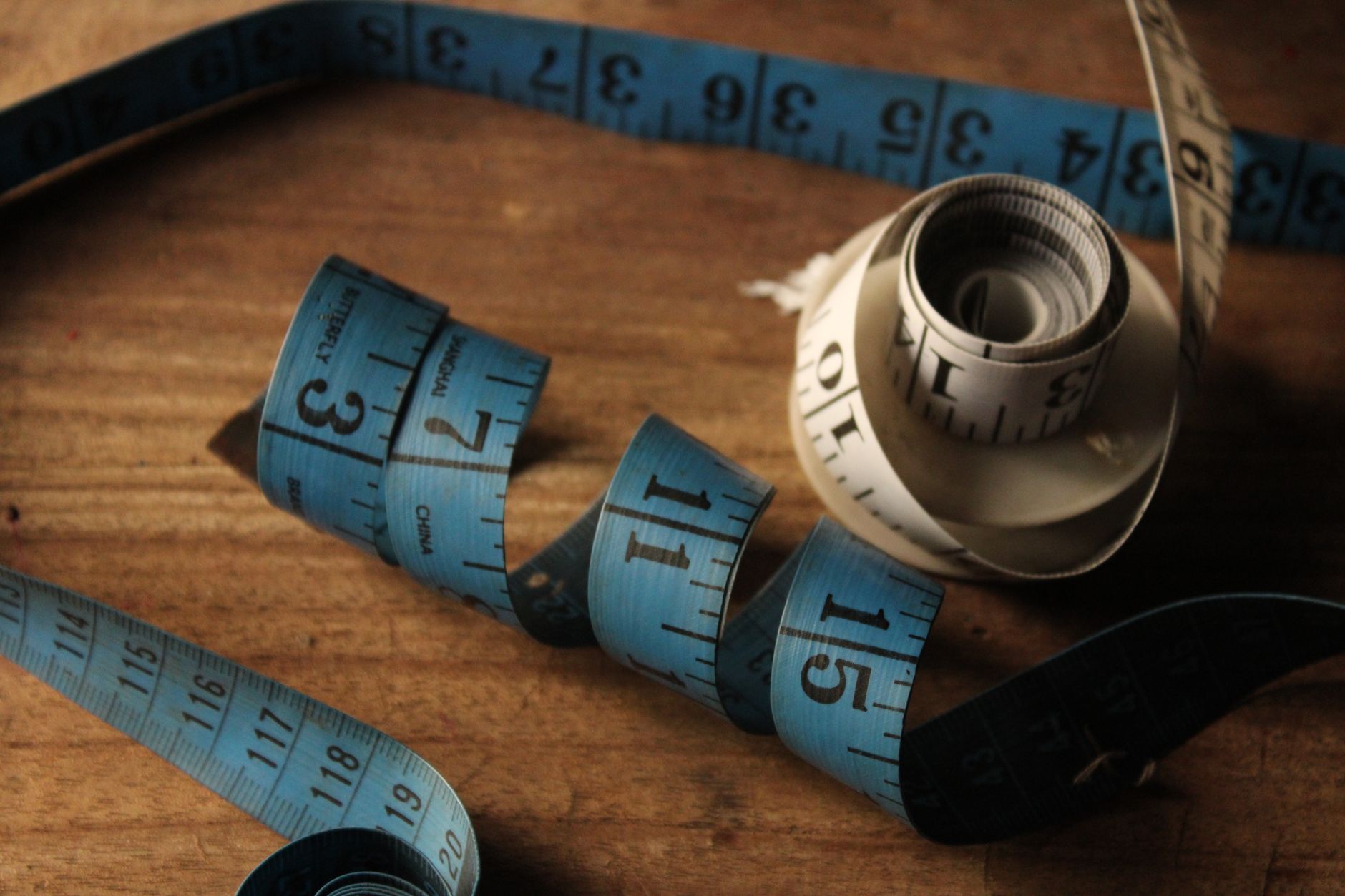
You’ll need a soft tape measure (the kind used for sewing). Here’s the step-by-step:
Stand up straight: Stand in front of a mirror with your feet together and your belly relaxed. Don’t suck in or push out your stomach.
Find your belly button: This is your landmark for waist circumference.
Measure around your waist: Wrap the tape measure around your belly at the level of your belly button. Make sure it’s parallel to the floor and snug but not tight.
Record the number: Note the measurement in centimeters or inches. This is your waist circumference.
Measure fundal height (optional): Lie on your back on a flat surface. Find your pubic bone (the hard bone at the front of your pelvis). Use the tape measure to find the top of your uterus (it feels like a firm, rounded bump). Measure from the pubic bone to the top of the uterus in centimeters. This is your fundal height.
Tips for accurate measurements
Measure at the same time of day: Your belly size can change depending on how much you’ve eaten, whether you’ve had a bowel movement, or if you’re bloated. Try to measure at the same time each week (e.g., first thing in the morning).
Wear the same clothes: If you’re wearing thick fabric one week and thin fabric the next, it can affect the measurement. Measure in your underwear or a thin, form-fitting top.
Don’t obsess over the numbers: At 13 weeks, your belly is still small, and measurements can vary by a few centimeters from day to day. Focus on the trend over time, not the exact number.
Compare to your provider’s measurements: Your provider’s fundal height measurement will be more accurate than yours. Use your at-home measurements as a rough guide, not a diagnostic tool.
What your measurements might look like at 13 weeks
Here’s a rough guide to what you might see:
Waist circumference: 80–90 cm (31–35 inches), but this varies widely based on your pre-pregnancy size.
Fundal height: 10–12 cm (measured from pubic bone to top of uterus).
One mom, Lisa, shared: “I measured my waist every week and panicked when it didn’t change for two weeks. Then I realized I’d been measuring after lunch one week and before breakfast the next. Once I measured at the same time each day, I saw the slow, steady growth I’d been hoping for.”
When to stop measuring at home
While measuring can be fun, it’s not necessary—and for some women, it can cause unnecessary stress. Consider stopping if:
You find yourself obsessing over the numbers.
You’re comparing your measurements to other women’s (remember, every pregnancy is different!).
You’re feeling anxious about your belly size (trust your provider’s measurements instead).
What to track instead of measurements
If you want to monitor your pregnancy progress without fixating on numbers, try tracking:
How your clothes fit: Note when your jeans start feeling tight or when you need to switch to maternity pants.
Your energy levels: Many women start feeling less nauseous and more energetic around 13 weeks.
Your baby’s movements: While you won’t feel kicks yet, some women notice flutters or “quickening” around 16–20 weeks.
Your provider’s feedback: At each appointment, ask if your baby’s growth is on track. This is the most reliable way to monitor progress.
What clothing fits a 13-week pregnant belly?
At 13 weeks, your belly might be just starting to peek out—or still hidden under bloating. Either way, your regular clothes might feel snug, and you’re probably wondering: Do I need maternity clothes yet? The answer depends on your body, your style, and how much you want to invest right now. Here’s how to dress comfortably (and stylishly) as your belly grows.
Do you need maternity clothes at 13 weeks?
For most women, 13 weeks is too early for full maternity wear, but you might need a few key pieces to bridge the gap between “regular clothes” and “maternity clothes.” Here’s how to decide:
If your jeans feel tight but still button: Try a belly band (a stretchy, over-the-bump band that covers your unbuttoned waistband). This is the most budget-friendly option and lets you keep wearing your pre-pregnancy jeans.
If your belly is starting to pop: Look for early maternity pieces with adjustable waistbands or empire waists (a high waistline under the bust). These will grow with you and can be worn post-pregnancy too.
If you’re still flat: You can likely stick with your regular clothes for a few more weeks, but avoid anything too tight or restrictive (like high-waisted skinny jeans).
Essential clothing items for 13 weeks
You don’t need a whole new wardrobe, but these 5 items will make your life easier:
Belly band: A stretchy, breathable band that covers your unbuttoned jeans or pants. Brands like Belly Bandit or Ingrid & Isabel make great options. Look for one with a wide, soft waistband for comfort.
Stretchy leggings: Soft, high-waisted leggings (like Spanx or H&M maternity) are perfect for early pregnancy. They’re forgiving on bloated bellies and can be worn postpartum too.
Empire-waist tops: Tops with a waistline under the bust (like ASOS or Old Navy maternity) flow over your belly and won’t cling. They’re also flattering for all body types.
Loose, flowy dresses: A maxi dress or shirt dress (like those from Target or Gap) hides a small bump while keeping you cool and comfortable. Bonus: they’re easy to dress up or down.
Adjustable-waist pants: If you’re ready to invest, look for pants with a side panel or stretchy waistband (like Hatch or Seraphine). These will grow with you and can be worn throughout pregnancy.
A belly band lets you keep wearing your favorite jeans—no maternity pants required yet.
What to avoid at 13 weeks
Some clothing can be uncomfortable or unflattering as your belly grows. Skip:
Tight waistbands: Anything that digs into your belly (like high-waisted skinny jeans) can be uncomfortable and may restrict blood flow.
Stiff fabrics: Denim, stiff cotton, or non-stretch materials can feel restrictive. Opt for soft, stretchy fabrics like jersey or modal.
Low-rise pants: These can dig into your belly as it grows. Stick with mid-rise or high-rise options.
Overly baggy clothes: While loose clothes are comfortable, anything too baggy can make you look larger than you are. Look for pieces that skim your body without clinging.
Styling tips for 13-week bellies
Whether your bump is visible or not, these tips will help you feel put-together:
Layer strategically: A long cardigan or open shirt can camouflage a small bump or bloating while keeping you stylish.
Define your waist (if you want to): If you’re not ready to show your bump, try a belt or tie at your natural waist to create shape.
Embrace stretchy fabrics: Jersey, modal, and spandex blends move with your body and won’t cling uncomfortably.
Invest in versatile pieces: Look for items you can wear now and later in pregnancy (like a wrap dress or adjustable-waist pants).
Prioritize comfort: If you’re feeling tired or nauseous, opt for soft, cozy fabrics and easy silhouettes (like leggings and a tunic).
Budget-friendly options
You don’t need to spend a fortune on maternity clothes at 13 weeks. Try:
Thrift stores: Many women donate barely worn maternity clothes. Look for stretchy, neutral pieces you can mix and match.
Hand-me-downs: Ask friends or family if they have maternity clothes to lend. Most women are happy to pass them on!
Non-maternity brands: Stores like Old Navy, H&M, and ASOS have affordable, stretchy pieces that work for early pregnancy.
Belly bands: These are the most budget-friendly option and can extend the life of your pre-pregnancy clothes.
What to wear for special occasions
If you have a wedding, party, or work event at 13 weeks, you might be wondering how to dress up your bump (or hide it). Here’s how:
For a visible bump: A wrap dress or empire-waist dress is universally flattering and comfortable. Pair it with a statement necklace or earrings to draw attention upward.
For a flat belly: A fitted dress with a defined waist (like a sheath dress) will look polished without clinging uncomfortably. Add a blazer or cardigan for extra coverage.
For work: A midi skirt with an elastic waistband or wide-leg trousers paired with a tucked-in blouse looks professional and feels comfortable.
For a casual event: A flowy tunic with leggings or a maxi dress with a denim jacket is effortless and stylish.
How does fetal growth relate to belly size at 13 weeks?
At 13 weeks, your baby is about 3 inches long (7.5 cm)—roughly the size of a peach. But here’s the surprising truth: your baby’s size has almost no impact on your belly size at this stage. That’s because your uterus is still small, and your belly’s appearance is shaped more by bloating, muscle tone, and body type than by your baby’s growth. Let’s break down what’s really happening.
Your baby’s size at 13 weeks
At this stage, your baby is growing rapidly, but they’re still tiny. Here’s what’s developing:
Length: About 3 inches (7.5 cm) from crown to rump (head to bottom).
Weight: Around 0.8 ounces (23 grams)—about the weight of a AA battery.
Not sure about the label on 13 Weeks Pregnant Belly Size products?
Snap the ingredients list and SafeFilter checks every ingredient for your stage — only 3 free scans this month, then you're locked until reset. Unlimited from $7/mo or $50/yr.
When Shubhra Mishra was expecting her first child in 2016, she was overwhelmed by conflicting food advice — one site said yes, another said never. By the time her second baby arrived in 2019, she realized millions of mothers face the same confusion.
That sparked a five-year journey through clinical nutrition papers, cultural diets, and expert conversations — all leading to BumpBites: a calm, compassionate space where science meets everyday motherhood.
Her long-term vision is to build a global community ensuring safe, supported, and free deliveriesfor every mother — because no woman should face pregnancy alone or uninformed. 🌿
🌍 Stand with mothers, shape safer guidance
Join a small circle of experts who review BumpBites articles so expecting parents everywhere can decide with confidence.