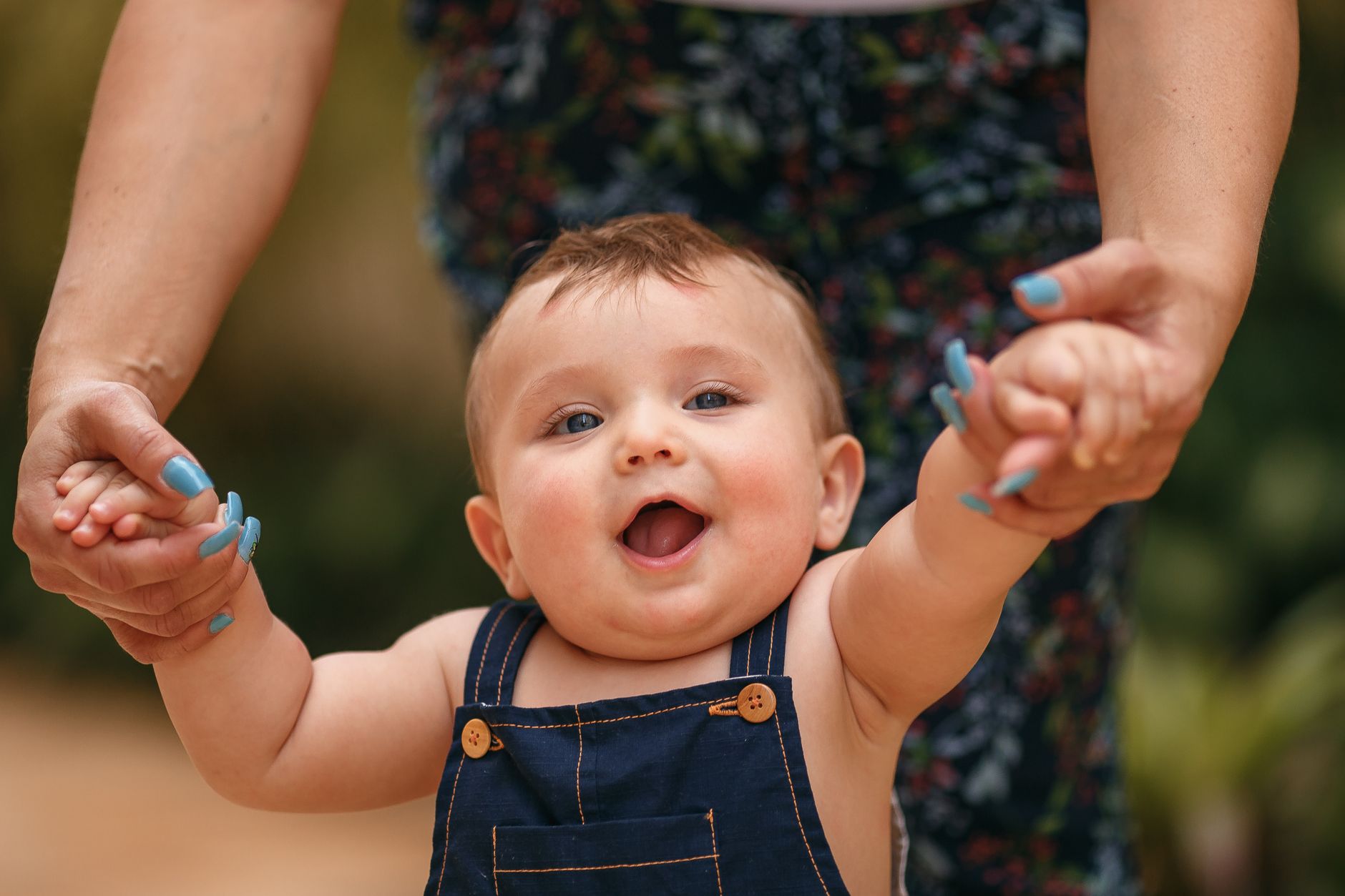
Walking is a milestone that many parents expect between 12 and 15 months, but there’s a healthy range. About 70 % of babies start taking independent steps by 13 months, according to the American Academy of Pediatrics (AAP). However, 30 % are still cruising—holding onto furniture for support.
If your child is cruising, pulling to stand, and showing confidence on hands and knees, you’re likely on a typical path. Red‑flag concerns arise when the baby:
- Shows no interest in standing or cruising after 12 months.
- Exhibits persistent muscle tone problems (e.g., very stiff or floppy legs).
- Has asymmetrical use of legs, favoring one side.
Early intervention can make a big difference. Simple activities like encouraging “step‑to‑step” games, placing toys just out of reach, and offering sturdy push toys help build strength and balance. The NHS also notes that cultural differences in floor time can affect timing, so consider your baby’s usual environment when evaluating progress.
Typical walking milestones at 13 months
Parenting tips for walking delays
- Provide safe, low‑profile furniture for cruising.
- Use push toys that encourage weight‑shifting.
- Play “stand‑and‑reach” games with toys on a low table.
- Schedule a developmental screen at your 15‑month well‑child visit.
Why isn’t my 13‑month‑old saying any words?
Language development varies widely. By 13 months, many babies say one to three words, often “mama” or “dada,” and understand simple commands like “no” or “come here.” If your child isn’t saying any words, consider the following:
- Hearing check: Even a mild hearing loss can limit speech. The AAP recommends a hearing screening if speech is delayed.
- Babbling patterns: Persistent lack of babbling (e.g., “ba‑ba,” “da‑da”) for more than two weeks is a red flag.
- Social interaction: Limited eye contact or response to your voice may indicate broader communication challenges.
Parents who speak more than one language at home often see a temporary lag in expressive words, but comprehension usually stays on track. The American Speech‑Language‑Hearing Association (ASHA) advises continuing to talk to your child in both languages, as bilingual exposure supports later cognitive flexibility.
Early language therapies, such as parent‑implemented “talk‑back” routines, can improve outcomes. Speaking slowly, labeling objects, and encouraging turn‑taking during play are effective, low‑effort strategies.
How many words should a 13‑month‑old know?
The typical range is 0–3 spoken words, plus an understanding of 50–100 gestures or signs. Some children rely heavily on gestures before verbal words emerge.
Language milestones checklist
- Babbling with consonant‑vowel combos (e.g., “ba‑ba”).
- Responds to name 5–7 times a day.
- Understands “no,” “stop,” and “come here.”
- Uses at least one spoken word (often “mama” or “dada”).
- Points to objects when asked “where is ___?”
If three or more items are missing, schedule a speech‑language evaluation.
When should I worry about my 13‑month‑old refusing solid foods?
Food refusal is common; toddlers often assert independence by saying “no.” However, a consistent refusal of all solids for more than two weeks, especially when coupled with weight loss or poor growth, signals a red flag.
Key concerns include:
- Weight below the 5th percentile on growth charts.
- Frequent vomiting or choking episodes.
- Limited fluid intake leading to dehydration.
- Signs of oral‑motor dysfunction, such as difficulty moving the tongue side‑to‑side.
Iron deficiency is a particular worry at this age because iron stores from birth can run low by 12 months. The Academy of Nutrition and Dietetics (AND) recommends iron‑rich foods such as pureed meats, fortified cereals, and legumes to support healthy brain development.
Practical feeding strategies
- Offer three small meals plus two snacks daily; keep portions toddler‑size.
- Let the baby self‑feed with a pre‑loaded spoon or soft finger foods.
- Model eating by sitting together and mimicking chewing sounds.
- Avoid pressure; a relaxed atmosphere encourages trial.
If your baby’s intake remains low despite these tactics, ask your pediatrician for a referral to a pediatric dietitian.
How can I track 13‑month milestones for speech and motor skills?
Consistent tracking helps you see patterns and spot delays early. A simple weekly log works well: write the date, note any new words, gestures, or movements, and compare against a checklist.
Digital tools can make tracking easier. Apps such as “Baby Connect” or “CDC Milestone Tracker” let you log observations, attach photos, and generate printable reports that you can share with your provider. These apps follow CDC and AAP guidelines, ensuring you capture the most relevant data.
Sample tracking table
Tips for effective tracking
- Take a photo or short video of new skills; visual records help clinicians.
- Note the context—was the skill spontaneous or prompted?
- Use a mobile app or printable chart from reputable health sites.
- Bring the log to every well‑child visit.
Eye contact is a cornerstone of social development. By 13 months, babies typically follow a caregiver’s gaze, engage in joint attention (looking at the same object), and respond to facial expressions.
Red‑flag indicators include:
- Rarely looks at you when you speak.
- Does not follow a pointing finger or gaze.
- Prefers looking at objects rather than faces during play.
- Shows no reaction to smiles or vocal tone.
These signs can be early markers of autism spectrum disorder (ASD) or other neurodevelopmental conditions. The CDC recommends a developmental screening at 18 months, but if you notice persistent eye‑contact issues, an earlier evaluation is advisable. Visual development is also linked to overall brain growth; the NHS advises that any concern about visual attention be paired with a formal eye‑exam.
Simple home checks
- Hold a toy just out of reach and watch if your baby looks at your face for cues.
- Play “peek‑a‑boo” and note if they anticipate your re‑appearance.
- Talk to your child with exaggerated facial expressions and observe their response.
Consistent lack of response across these activities suggests a need for a professional assessment.
What are the early signs of autism in a 13‑month‑old baby?
Autism can emerge before the first birthday, though the presentation varies. Early signs at 13 months often overlap with general developmental red flags but have distinct patterns.
Key autism indicators
- Limited eye contact and joint attention.
- Repetitive motions (spinning, hand‑flapping).
- Unusual response to sensory input—either over‑reactive (covering ears) or under‑reactive (ignoring loud sounds).
- Preference for solitary play over interactive games.
- Delayed or absent babbling, with a flat or monotone voice.
Early identification is critical. The National Institute of Mental Health (NIMH) emphasizes that interventions begun before age 2 can significantly improve communication and adaptive skills.
Next steps if you suspect autism
- Document specific behaviors with dates and videos.
- Speak with your pediatrician; request a developmental screening.
- Consider a referral to a developmental‑behavioral pediatrician or early intervention program.
- Early intervention services—often free under state programs—focus on speech, occupational, and social skills.
Parenting tips for supporting a child with early autism signs
- Use consistent routines and visual schedules.
- Incorporate sensory‑friendly toys (soft textures, gentle sounds).
- Engage in “turn‑taking” games to build joint attention.
- Celebrate any small vocalization or eye‑contact attempt.
How to support motor development at home for a 13‑month‑old
Even if your baby is cruising, small daily activities can accelerate strength, coordination, and balance. The key is to create a safe, stimulating environment where movement feels rewarding.
Research from the American Physical Therapy Association (APTA) shows that “play‑based” motor activities—where the child is motivated by toys or interaction—are more effective than repetitive drills. Below are three evidence‑based ideas you can try today.
Floor‑time obstacle course
- Lay out a soft blanket and place rolled towels, plush pillows, and a low cardboard tunnel.
- Encourage your baby to crawl over, under, and around each obstacle. Celebrate each successful move with claps and eye contact.
- Keep sessions short (5‑10 minutes) to avoid fatigue.
- Place a sturdy push‑toy (e.g., a wooden walker) near a basket of soft toys.
- Ask your baby to “push the cart” to collect items. This activity strengthens leg muscles while reinforcing cause‑and‑effect thinking.
- Rotate the toys weekly to keep novelty high.
Standing‑and‑reaching routine
- Hold a favorite toy on a low table just out of reach.
- Invite your baby to pull up, stand, and reach. Offer a gentle hand for balance if needed.
- Repeat 3‑4 times a day, especially after nap time when energy is high.
Observe your child’s tolerance. If you notice persistent stiffness, floppiness, or frustration, discuss these observations with a pediatric physical therapist.
What to expect during the 15‑month well‑child visit
The 15‑month appointment is a pivotal checkpoint for developmental screening. The American Academy of Pediatrics (AAP) recommends that clinicians use the “Ages & Stages Questionnaires” (ASQ‑3) or the “Modified Checklist for Autism in Toddlers” (M‑CHAT) to systematically evaluate motor, language, and social domains.
During the visit you can expect:
- Growth measurements: Height, weight, and head circumference plotted on WHO growth charts.
- Vision and hearing checks: Basic screens to rule out sensory barriers to development.
- Developmental questionnaire: Parents answer 10‑20 yes/no questions about recent milestones; the clinician interprets the score.
- Physical exam: Muscle tone, reflexes, and joint flexibility are assessed.
- Immunizations: If due, the DTaP, Hib, or PCV vaccines are administered per CDC schedule. The FDA’s vaccine schedule confirms that the 15‑month visit often includes the fourth dose of DTaP and the first dose of the measles‑mumps‑rubella (MMR) vaccine.
If any red‑flag answers appear, the pediatrician will discuss referrals—often to a physical therapist, speech‑language pathologist, or early‑intervention specialist. Having your milestone log (from the “How can I track…” section) ready can make the conversation smoother and more focused.
Nutrition tips for picky eaters at 13 months
Picky eating peaks around the first birthday as toddlers assert autonomy. The Academy of Nutrition and Dietetics (AND) notes that picky behavior in this age group is usually temporary, but nutrition should still meet the recommended daily allowances for iron, zinc, and essential fatty acids.
Here are three strategies that have been shown to improve acceptance of new foods without turning mealtime into a battle:
“One‑bite” exposure
- Offer a single bite of a new food alongside a familiar favorite.
- Repeat the exposure 8‑10 times over several days; research shows acceptance rises after multiple exposures.
- Keep the atmosphere relaxed—no pressure to finish the plate.
Texture progression
- Start with smooth purees, then gradually introduce mashed, soft‑chunky, and finally finger foods.
- Allow the baby to explore with their hands; tactile experience supports oral‑motor development.
- Pair new textures with a known dip (e.g., plain yogurt) to add flavor familiarity.
Family‑style meals
- Serve the same meal to the whole family, cutting the baby’s portion into small, manageable pieces.
- Model eating; children learn by imitation, especially when they see parents enjoying the same foods.
- Limit distractions—turn off screens and keep the focus on the plate.
Calcium and vitamin D are also crucial at this stage for bone health. Offer fortified milk or yogurt and consider a vitamin D supplement if your pediatrician advises, especially for breast‑fed infants.
If growth falters despite these approaches, a pediatric dietitian can assess for micronutrient deficiencies and suggest fortified foods or supplements.
How does sleep affect development at 13 months?
Sleep is the brain’s nightly repair crew. Between 12 and 14 months, most toddlers need 12‑14 hours of total sleep per 24‑hour period, including one to two daytime naps. Poor sleep can worsen irritability, delay language acquisition, and even mimic red‑flag symptoms such as reduced eye contact.
The American Academy of Sleep Medicine (AASM) recommends a consistent bedtime routine—dim lights, a warm bath, and a short story—followed by a quiet, dark sleep environment. A sleep‑friendly room (temperature around 68‑70 °F, blackout curtains) aligns with NHS sleep hygiene guidelines and helps consolidate nighttime sleep.
Simple sleep‑support checklist
- Set a regular bedtime and wake‑time, even on weekends.
- Offer a single soothing object (e.g., a soft blanket) for self‑soothing.
- Limit daytime naps to 1‑2 hours total after 4 p.m.
- Keep the bedroom free of screens and bright toys.
If your baby consistently sleeps less than 11 hours at night or shows signs of overtiredness (frequent crying, hyper‑reactivity), talk to your pediatrician. Sleep‑training methods are safe when tailored to your child’s temperament and family values.
What screen time is appropriate for a 13‑month‑old?
Screen exposure can be tempting, but the American Academy of Pediatrics (AAP) advises that children younger than 18 months avoid digital media except for video chatting with family. Excessive screen time can interfere with language development, motor practice, and eye‑contact skills.
If you do use screens, keep them brief (under 5 minutes) and interactive. Choose high‑quality, age‑appropriate content that encourages you to talk about what’s on the screen—this “joint media engagement” helps turn passive viewing into a learning moment.
Guidelines at a glance
Monitor your child’s reaction. If you notice increased fussiness, reduced eye contact, or trouble sleeping after screen exposure, reduce time and replace it with hands‑on play.
Myth vs. fact
Myth: All babies walk by 12 months, so a later walker must have a problem.
Fact: Walking typically occurs between 12 and 15 months; a delay beyond 16 months warrants evaluation, but many healthy children walk later.
Myth: If a baby doesn’t speak a word by 13 months, they will never develop language.
Fact: Early speech delays are common; with speech‑language therapy, most children catch up and develop functional communication.
Myth: Refusing solid foods is always a sign of a medical issue.
Fact: Toddlers often assert independence through food refusal; however, persistent refusal with poor growth does require professional guidance.
Key takeaways
- Typical 13‑month milestones include crawling, pulling to stand, 1–3 words, and frequent eye contact.
- Red‑flag signs span motor (no crawling), language (no babbling), social (no eye contact), and feeding (refusal of solids).
- Track progress weekly with a simple log or table; share observations at well‑child visits.
- Early intervention—physical, speech, or occupational therapy—improves outcomes when started promptly.
- If you notice any red‑flag signs, contact your pediatrician within a few weeks for a screening.
Frequently asked questions
What are the warning signs of developmental delay at 13 months?
Red‑flag signs include lack of crawling or pulling to stand, no babbling or spoken words, limited eye contact, and refusal of all solid foods for more than two weeks. If you notice two or more of these, schedule a pediatric evaluation.
Is it normal for a 13‑month‑old to not be walking?
Yes, many babies are still cruising at 13 months. However, if your child isn’t pulling to stand or showing interest in standing, a motor‑development assessment is advisable.
How many words should a 13‑month‑old be able to say?
Most children say 0–3 words, often “mama” or “dada.” They should also babble with consonant‑vowel combinations and understand simple commands.
First, try interactive games like peek‑a‑boo and label facial expressions. If eye contact remains limited after several weeks, discuss a developmental screening with your pediatrician.
Can a 13‑month‑old have a speech delay?
Yes. A delay is suggested if there’s no babbling, no response to name, or no spoken words by 13 months. Early speech‑language therapy can support rapid progress.
When should I be concerned about my 13‑month‑old’s feeding habits?
Concern arises if the baby refuses all solids for more than two weeks, loses weight, or shows signs of choking. Contact your pediatrician for a nutrition review and possible referral.
How often should I update my milestone tracking log?
We recommend a brief check‑in every week—write down any new movements, words, or social cues. Even a short note helps you see trends and gives your pediatrician concrete data.
What early‑intervention services are available for a 13‑month‑old with suspected delays?
Most states offer free or low‑cost services through early‑intervention programs, which may include physical therapy, speech‑language therapy, and occupational therapy. Your pediatrician can help you navigate the referral process.
Which toys best encourage language development at 13 months?
Simple, open‑ended toys—such as stacking cups, picture books, and cause‑and‑effect toys—prompt naming, describing, and turn‑taking. Pair play with narration (“You’re stacking the red cup”) to reinforce word learning.
How much sleep does a 13‑month‑old need each day?
Most toddlers this age need 12‑14 total hours, including one to two naps. Aim for a consistent bedtime routine and a dark, quiet sleep environment to support restorative sleep.
When to see a doctor or specialist
If you observe any of the following red‑flag symptoms, schedule an appointment within the next week:
- Persistent inability to crawl, pull to stand, or cruise.
- No babbling or spoken words after 13 months.
- Rare eye contact or lack of response to name.
- Refusal of all solid foods with weight below the 5th percentile.
- Stiffness, floppiness, or asymmetrical limb use.
Start with your pediatrician, who can conduct a developmental screen and refer you to the appropriate specialist:
- Pediatrician: First point of contact for overall health and developmental checks.
- Developmental‑behavioral pediatrician: For concerns about autism or broader neurodevelopmental issues.
- Physical therapist: If motor milestones (crawling, standing) are delayed.
- Speech‑language pathologist: For language delays or limited babbling.
- Pediatric dietitian: For feeding refusals affecting growth.
Remember, early evaluation and intervention are the best ways to support your baby’s growth and confidence.
References
- American Academy of Pediatrics. “Developmental Milestones: 12‑Month‑Old.” AAP, 2023.
- Centers for Disease Control and Prevention. “Learn the Signs. Act Early.” CDC, 2024.
- World Health Organization. “Infant and Young Child Feeding.” WHO, 2022.
- National Institute of Mental Health. “Autism Spectrum Disorder.” NIMH, 2023.
- Academy of Nutrition and Dietetics. “Nutrition for Infants and Toddlers.” AND, 2024.
- American Speech‑Language‑Hearing Association. “Early Speech Development.” ASHA, 2023.
- American Physical Therapy Association. “Early Intervention for Motor Delays.” APTA, 2023.
- National Institute for Health and Care Excellence (NICE). “Developmental Milestones for Children Aged 0‑5 Years.” NICE, 2023.
- U.S. Food and Drug Administration. “Vaccines and Immunizations Schedule for Children.” FDA, 2024.
- Health Canada. “Early Childhood Development Screening Guidelines.” Health Canada, 2023.
- American Academy of Sleep Medicine. “Sleep Recommendations for Infants and Toddlers.” AASM, 2023.
- National Health Service (NHS). “Child Development: Walking and Milestones.” NHS, 2023.
- American Academy of Pediatrics. “Media Use in Toddlers.” AAP, 2022.