

Quick take: The Zone Diet grocery list focuses on lean proteins, healthy fats, and low-glycemic carbs to maintain a 40-30-30 macronutrient ratio. For pregnancy, prioritize nutrient-dense foods like block cheese, salmon, and leafy greens while avoiding raw sprouts and high-mercury fish. Stock up on easy-to-prepare snacks like almonds and Greek yogurt, and adjust ratios slightly if you have food aversions or allergies. Always check with your provider before making dietary changes during pregnancy or breastfeeding.
You’re staring at a blank grocery list at 2am, wondering if you can actually eat enough salmon to feed a Zone Diet during pregnancy — and not lose your mind.
This is the moment many new moms find themselves in: the Zone Diet’s 40-30-30 macronutrient balance (protein-fat-carbs) sounds perfect for balancing blood sugar and energy, but translating that into a grocery cart feels like solving a puzzle with missing pieces. One reader, a first-time mom with gestational diabetes, texted us: *“I’ve been trying to follow the Zone Diet, but I can’t even find block cheese at my local store, and now I’m worried I’ll mess up my ratios if I swap it for something else.”*
You’re not alone. The Zone Diet can feel especially challenging during pregnancy, breastfeeding, or postpartum recovery when your body’s needs shift daily. But with the right planning, you can create a Zone-friendly grocery list that supports your health — and your sanity — without stress. This guide covers everything from trimester-specific adjustments to budget-friendly swaps, vegan options, and how to organize your haul for meal prep. Let’s get started.
Before we dive in, a quick note: always consult your healthcare provider before making major dietary changes during pregnancy or breastfeeding. The Zone Diet can be a helpful tool for blood sugar management and sustained energy, but your provider may have specific recommendations based on your unique needs.
---Zone Diet Grocery Shopping List: The Ultimate 2026 Guide for All Moms
Below is a comprehensive Zone Diet grocery list broken down by food group, with notes on pregnancy-specific adjustments, budget tips, and swaps for common allergies or aversions. We’ll also include a 7-day meal plan template at the end to help you visualize how these ingredients come together.
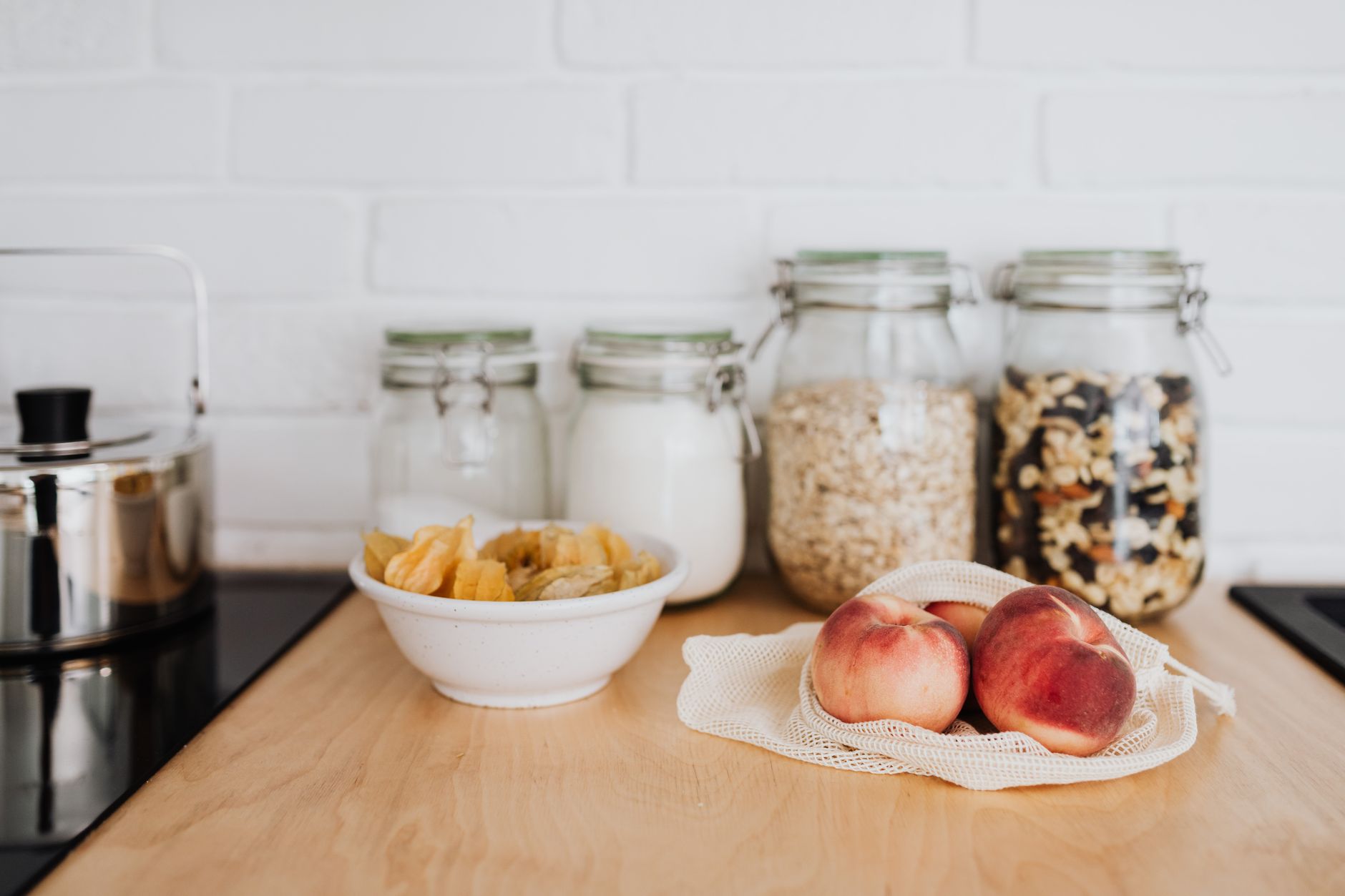
Zone Diet Grocery List for Pregnancy: What Foods to Buy and Avoid During Each Trimester
Pregnancy changes your body’s nutritional needs, and the Zone Diet can be a great way to support steady energy and blood sugar control. However, some foods you’d normally include in the Zone Diet may need to be adjusted or avoided during pregnancy. Here’s what to prioritize — and what to skip — by trimester.
First Trimester: Focus on Gentle Nutrition and Hydration
During the first trimester, many women experience morning sickness, fatigue, and food aversions. The Zone Diet’s focus on lean proteins and healthy fats can help stabilize energy, but you’ll need to prioritize easy-to-digest foods and stay hydrated.
Foods to Buy:
- Lean Proteins: Skinless chicken breast, turkey breast, egg whites, or block cheese (like part-skim mozzarella or cottage cheese). These are gentle on the stomach and provide steady energy.
- Healthy Fats: Avocados, almonds, walnuts, and olive oil. These can help with nausea and provide sustained energy.
- Low-Glycemic Carbs: Sweet potatoes, quinoa, and oatmeal. These help stabilize blood sugar without spiking it.
- Hydration Boosters: Coconut water, herbal teas (like ginger or peppermint), and electrolyte-enhanced water. Staying hydrated is critical, especially if you’re dealing with nausea.
Foods to Avoid or Limit:
- Raw sprouts (risk of listeria)
- High-mercury fish (like swordfish or king mackerel)
- Unpasteurized dairy (unless it’s block cheese, which is pasteurized)
- Excessively spicy foods (can worsen nausea)
Pro Tip: If you’re struggling with morning sickness, try sipping coconut water with a pinch of sea salt or snacking on almond butter on rice cakes to keep your blood sugar stable without overwhelming your stomach.
Second Trimester: Prioritize Folate, Iron, and Omega-3s
In the second trimester, your body’s demand for folate, iron, and omega-3s increases. The Zone Diet’s emphasis on lean proteins and healthy fats aligns well with these needs.
Foods to Buy:
- Folate-Rich Foods: Spinach, asparagus, lentils, and fortified whole grains. Folate is crucial for preventing neural tube defects.
- Iron-Rich Foods: Lean beef, chicken liver (if tolerated), pumpkin seeds, and spinach. Pair these with vitamin C (like bell peppers or citrus) to boost iron absorption.
- Omega-3s: Wild salmon, sardines, and flaxseeds. These support brain development and reduce inflammation.
- Calcium-Rich Foods: Block cheese, Greek yogurt, and fortified almond milk. Calcium supports your baby’s bone development.
Foods to Avoid:
- Excessively processed meats (like deli meats, which can contain high sodium)
- Large amounts of caffeine (stick to 1–2 cups of coffee per day)
- Unpasteurized juices or smoothies (risk of contamination)
Third Trimester: Focus on Easy-to-Digest, Energy-Boosting Foods
In the third trimester, your body is preparing for labor and breastfeeding. The Zone Diet’s balanced macronutrients can help prevent energy crashes and support recovery.
Foods to Buy:
- Protein for Recovery: Eggs, turkey slices, and Greek yogurt. These provide protein to help your body repair and recover.
- Healthy Fats for Hormone Support: Avocados, walnuts, and olive oil. These support hormone production and skin elasticity.
- Complex Carbs for Energy: Sweet potatoes, brown rice, and quinoa. These provide slow-release energy for late-night feedings.
- Hydration and Electrolytes: Coconut water, herbal teas, and electrolyte tablets. Staying hydrated is key for labor and breastfeeding.
Foods to Avoid:
- Excessively salty or processed snacks (can cause bloating)
- Large amounts of sugar (can lead to gestational diabetes if not managed)
- Unpasteurized soft cheeses (like feta or brie)
Representative Story: “I was terrified I’d mess up my Zone Diet during pregnancy because I couldn’t stand the smell of salmon,” says Sarah, a mom of two. “But I found that I could swap it for sardines in olive oil — they’re just as rich in omega-3s and easy to digest. I also kept a stash of almond butter and rice cakes in my bag for when nausea hit. It wasn’t perfect, but it worked!”
---How to Create a Zone Diet Meal Plan for Breastfeeding Moms: A Complete Shopping Guide
Breastfeeding moms need an extra 300–500 calories per day, with a focus on high-quality protein, healthy fats, and complex carbs to support milk production and recovery. The Zone Diet’s macronutrient balance is particularly helpful here, as it can help stabilize blood sugar and prevent energy crashes — a lifesaver when you’re sleep-deprived.
Here’s how to adjust your Zone Diet grocery list for breastfeeding:
Prioritize High-Protein Foods
Breastfeeding increases your need for protein. Aim for 120–150 grams of protein per day, spread across meals and snacks. Focus on:
- Block cheese (like part-skim mozzarella or cottage cheese)
- Greek yogurt (unsweetened, plain)
- Lean turkey or chicken breast
- Eggs (especially the whites for extra protein)
- Lentils and chickpeas (for plant-based protein)
Healthy Fats for Milk Production
Healthy fats support hormone production and provide sustained energy. Stock up on:
- Avocados
- Almonds and walnuts
- Olive oil and avocado oil
- Fatty fish like salmon or sardines
- Chia seeds and flaxseeds
Complex Carbs for Energy
Carbs fuel your body and help maintain steady energy levels. Choose:
- Sweet potatoes
- Quinoa
- Brown rice
- Whole-grain bread or wraps
- Oatmeal
Hydration and Electrolytes
Breastfeeding increases your fluid needs. Keep these on hand:
- Coconut water
- Herbal teas (like fenugreek or fennel, which may support lactation)
- Electrolyte-enhanced water
- Water-rich fruits like watermelon or cucumber
Sample Breastfeeding Meal Plan:
- Breakfast: Greek yogurt with almond butter and sliced banana
- Snack: Hard-boiled eggs with avocado slices
- Lunch: Grilled chicken salad with olive oil dressing, spinach, and chickpeas
- Snack: Cottage cheese with walnuts and berries
- Dinner: Baked salmon with quinoa and roasted sweet potatoes
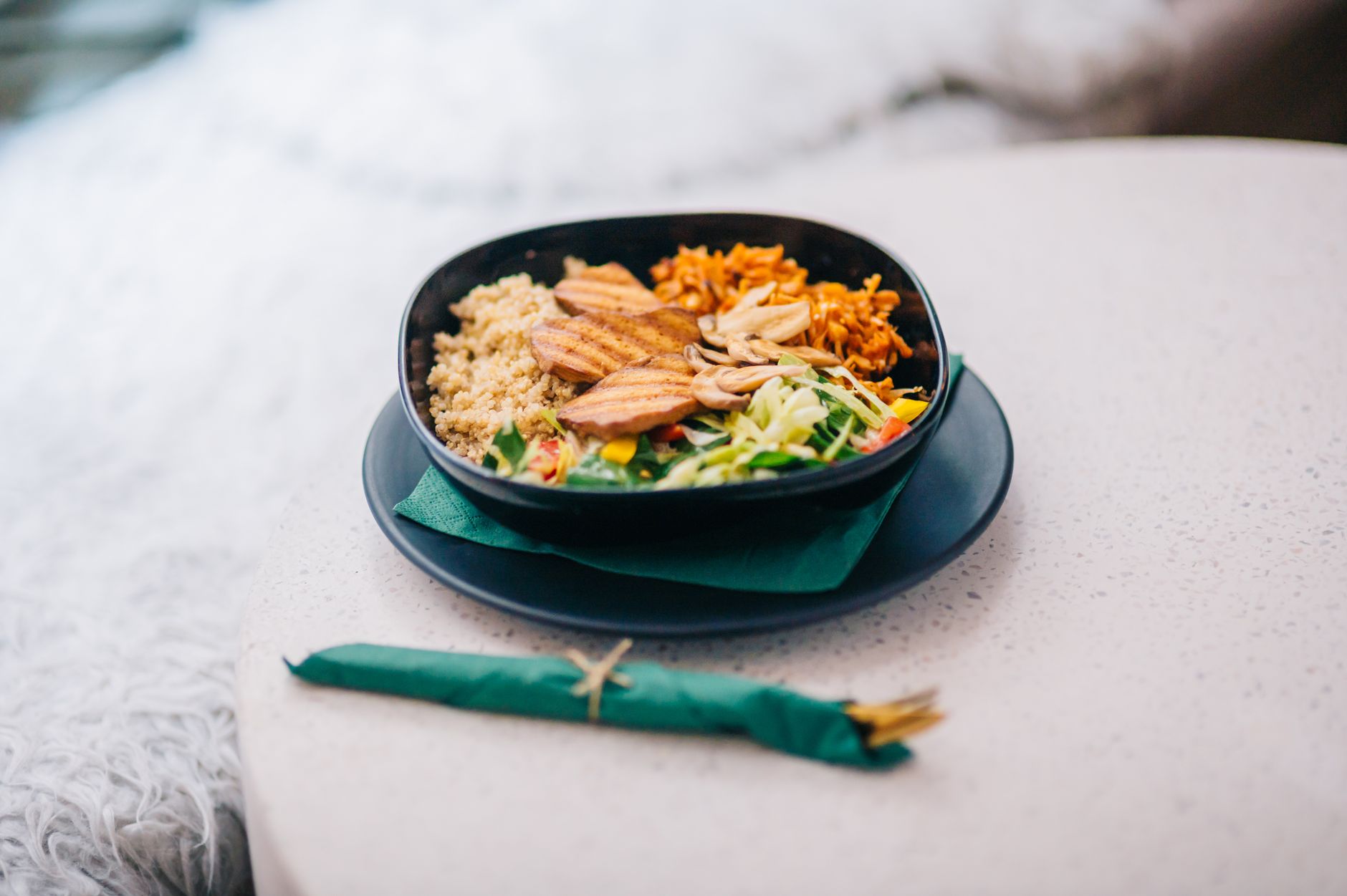
Zone Diet Grocery List for Gestational Diabetes: Best Foods to Stabilize Blood Sugar
If you’ve been diagnosed with gestational diabetes, the Zone Diet can be an excellent tool for managing blood sugar levels. The key is focusing on low-glycemic carbs, lean proteins, and healthy fats to prevent spikes and crashes. Here’s how to adjust your grocery list:
Low-Glycemic Carbs
Choose carbs that won’t cause rapid blood sugar spikes. Opt for:
- Non-starchy vegetables: Spinach, zucchini, broccoli, cauliflower
- Legumes: Lentils, chickpeas, black beans
- Whole grains: Quinoa, brown rice, farro
- Fruits: Berries, apples, pears (in moderation)
Lean Proteins
Protein helps slow digestion and prevents blood sugar spikes. Stock up on:
- Skinless chicken or turkey breast
- Fish: Salmon, cod, tilapia
- Eggs
- Tofu or tempeh (for plant-based options)
- Block cheese or Greek yogurt
Healthy Fats
Fats help stabilize blood sugar and keep you full. Include:
- Avocados
- Nuts and seeds: Almonds, walnuts, chia seeds
- Olive oil and avocado oil
- Fatty fish like sardines
Foods to Avoid
Avoid or limit:
- Refined sugars and sweets
- White bread, pasta, and rice
- Processed snacks (chips, crackers)
- High-sugar fruits (like mangoes or pineapples)
Sample Grocery List for Gestational Diabetes:
- Leafy greens (spinach, kale)
- Chicken breast
- Salmon or cod
- Eggs
- Quinoa or brown rice
- Sweet potatoes
- Berries (blueberries, strawberries)
- Almonds and walnuts
- Avocados
- Olive oil
- Block cheese or Greek yogurt
Pro Tip: If you’re struggling to find block cheese, try swapping it for dairy-free alternatives like unsweetened almond yogurt or coconut yogurt. Just be mindful of the macronutrient ratios to keep your Zone Diet balanced.
---What Are the Best Zone Diet Snacks for Morning Sickness and Fatigue During Pregnancy?
Morning sickness and fatigue can make eating feel impossible, but the Zone Diet offers several easy-to-digest, nutrient-dense snacks that can help stabilize your blood sugar and energy levels. Here are the best options:
Quick and Easy Snacks
- Almond butter on rice cakes (protein + healthy fat + low-glycemic carb)
- Greek yogurt with walnuts and berries (protein + fat + fiber)
- Hard-boiled eggs with avocado slices (protein + healthy fat)
- Cottage cheese with sliced cucumber (protein + hydration)
- Turkey slices with hummus and veggie sticks (protein + fiber)
Hydration Boosters
Dehydration worsens nausea and fatigue. Keep these on hand:
- Coconut water
- Herbal teas (ginger or peppermint)
- Electrolyte-enhanced water
- Infused water (like cucumber-mint or lemon-ginger)
Energy-Boosting Smoothies
If you can’t keep solid foods down, try these smoothie ingredients:
- Spinach or kale (for nutrients)
- Greek yogurt or silken tofu (for protein)
- Almond butter or chia seeds (for healthy fats)
- Berries (for antioxidants)
- Coconut water (for hydration)
Sample Snack List for Morning Sickness:
- Almond butter packets
- Rice cakes
- Greek yogurt cups
- Hard-boiled eggs
- Avocados
- Cucumber slices
- Herbal tea bags
- Electrolyte tablets
Zone Diet Grocery List for Vegan/Vegetarian Moms: Plant-Based Protein Sources Explained
If you’re following a vegan or vegetarian Zone Diet during pregnancy, breastfeeding, or postpartum, you’ll need to focus on plant-based protein sources that align with the 40-30-30 macronutrient ratio. Here’s how to do it:
Plant-Based Proteins
Prioritize these high-protein, low-glycemic plant foods:
- Legumes: Lentils, chickpeas, black beans, and edamame
- Tofu and Tempeh: Firm tofu and tempeh are excellent protein sources
- Seeds: Chia seeds, flaxseeds, hemp seeds, and pumpkin seeds
- Nuts: Almonds, walnuts, and pistachios
- Whole Grains: Quinoa, buckwheat, and farro
Healthy Fats
Include these plant-based fats:
- Avocados
- Olive oil and avocado oil
- Nut butters (almond, peanut, or cashew)
- Flaxseeds and chia seeds
Low-Glycemic Carbs
Choose carbs that won’t spike your blood sugar:
- Sweet potatoes
- Quinoa
- Brown rice
- Whole-grain bread or wraps
- Non-starchy vegetables
Sample Vegan Zone Diet Grocery List
| Category | Vegan Options |
|---|---|
| Proteins | Lentils, chickpeas, tofu, tempeh, edamame, nutritional yeast |
| Healthy Fats | Avocados, olive oil, almond butter, chia seeds, flaxseeds |
| Carbs | Quinoa, sweet potatoes, brown rice, whole-grain bread, spinach |
| Snacks | Roasted chickpeas, hummus with veggies, almonds, Greek-style coconut yogurt |
Pro Tip: If you’re vegetarian but not vegan, you can include dairy-free alternatives like block cheese or Greek yogurt (if you’re not avoiding dairy). Just ensure your protein and fat sources are still balanced.
---How to Stock a Zone Diet Pantry for Postpartum Recovery: Healing Foods to Prioritize
After giving birth, your body needs nutrients to heal, recover, and support lactation. The Zone Diet’s focus on anti-inflammatory foods, lean proteins, and healthy fats can help speed up your recovery. Here’s how to stock your pantry:
Healing Foods for Postpartum Recovery
- Lean Proteins: Chicken breast, turkey, eggs, and block cheese support tissue repair and hormone production.
- Healthy Fats: Avocados, nuts, and olive oil reduce inflammation and support skin elasticity.
- Iron-Rich Foods: Spinach, lentils, and lean beef help replenish iron lost during childbirth.
- Probiotics: Greek yogurt, kefir, and sauerkraut support gut health, which is often disrupted postpartum.
- Complex Carbs: Sweet potatoes, quinoa, and oatmeal provide steady energy for recovery.
Sample Postpartum Pantry List
| Category | Zone Diet Options |
|---|---|
| Proteins | Chicken breast, turkey slices, eggs, block cheese, Greek yogurt |
| Healthy Fats | Avocados, almonds, walnuts, olive oil, chia seeds |
| Carbs | Sweet potatoes, quinoa, brown rice, oatmeal, whole-grain bread |
| Healing Add-Ons | Spinach, berries, ginger, turmeric, probiotic-rich foods |
Pro Tip: If you’re recovering from a C-section, include collagen peptides in your smoothies or soups to support skin and tissue repair. You can also add bone broth to your meals for extra nutrients.
---Zone Diet Grocery List for Weight Loss After Pregnancy: Safe and Effective Options
Losing weight after pregnancy can feel overwhelming, but the Zone Diet’s focus on balanced macronutrients can help you shed pounds safely and sustainably. The key is to prioritize protein and healthy fats to keep you full and avoid muscle loss.
Protein-Rich Foods for Weight Loss
Include these high-protein foods to support fat loss:
- Skinless chicken breast
- Turkey slices
- Egg whites
- Block cheese or cottage cheese
- Greek yogurt
- Lean beef (grass-fed if possible)
Healthy Fats for Satiety
Healthy fats help you feel full and support hormone balance:
- Avocados
- Almonds and walnuts
- Olive oil and avocado oil
- Fatty fish like salmon or sardines
- Chia seeds and flaxseeds
Low-Glycemic Carbs for Energy
Choose carbs that won’t spike your blood sugar:
- Sweet potatoes
- Quinoa
- Brown rice
- Whole-grain wraps
- Non-starchy vegetables
Sample Weight Loss Grocery List
| Category | Zone Diet Options |
|---|---|
| Proteins | Chicken breast, turkey, eggs, block cheese, Greek yogurt |
| Healthy Fats | Avocados, almonds, olive oil, chia seeds, salmon |
| Carbs | Sweet potatoes, quinoa, brown rice, whole-grain bread |
| Snacks | Hard-boiled eggs, almond butter, cottage cheese, veggie sticks |
Pro Tip: If you’re breastfeeding, don’t focus too much on weight loss in the first few months. Your body needs extra calories and nutrients to support lactation. Once you’re ready to start, focus on slow, sustainable changes rather than quick fixes.
---Zone Diet Shopping List for Picky Eaters: Easy Swaps to Meet Macronutrient Ratios
If you or your partner are picky eaters, the Zone Diet can still work — you just need to get creative with swaps. The goal is to meet the 40-30-30 macronutrient ratio while accommodating preferences. Here are some easy swaps:
Protein Swaps
- If you dislike chicken, try turkey, fish, or tofu.
- If you’re not a fan of eggs, opt for Greek yogurt or block cheese.
- If you avoid meat, try lentils, chickpeas, or tempeh.
Fat Swaps
- If you don’t like nuts, try avocado or olive oil.
- If you’re allergic to nuts, opt for seeds (chia, flax, pumpkin).
- If you dislike fish, try flaxseeds or walnuts for omega-3s.
Carb Swaps
- If you don’t like sweet potatoes, try quinoa or brown rice.
- If you’re avoiding grains, opt for non-starchy veggies like zucchini or cauliflower.
- If you dislike berries, try apples or pears.
Sample Picky Eater Grocery List
| Category | Picky-Eater Swaps |
|---|---|
| Proteins | Turkey, fish, Greek yogurt, lentils, tofu |
| Healthy Fats | Avocado, olive oil, chia seeds, walnuts |
| Carbs | Quinoa, brown rice, zucchini, apples |
| Snacks | Cheese sticks, hummus with veggies, apple slices with almond butter |
Representative Story: “My husband hates fish, but he loves chicken and avocados,” says Emily. “We swapped out salmon for grilled chicken and added extra avocado to every meal. It wasn’t perfect, but it worked — and we both felt more energized!”
---Myth vs. Fact: Zone Diet Grocery Shopping
There are plenty of misconceptions about the Zone Diet, especially when it comes to grocery shopping. Let’s set the record straight:
Myth: The Zone Diet is too restrictive and hard to follow.
Fact: While it requires planning, the Zone Diet isn’t as restrictive as you might think. With the right swaps and meal prep, you can easily incorporate it into your routine. For example, if you’re avoiding dairy, you can use dairy-free alternatives like almond yogurt or coconut milk.
Myth: You have to eat the same foods every day.
Fact: Variety is key! The Zone Diet is about balancing macronutrients in every meal, not eating the same things repeatedly. Mix up your proteins, fats, and carbs to keep things interesting.
Myth: The Zone Diet is only for weight loss.
Fact: The Zone Diet is beneficial for pregnancy, breastfeeding, postpartum recovery, and managing conditions like gestational diabetes or IBS. It’s about balancing energy and nutrition, not just losing weight.
Myth: You can’t follow the Zone Diet on a budget.
Fact: With smart shopping and meal prep, you can follow the Zone Diet affordably. Focus on seasonal produce, frozen veggies, and bulk grains to save money. For example, buying dried lentils instead of canned chickpeas can be a budget-friendly swap.
---Key Takeaways: Zone Diet Grocery Shopping for Moms
- Prioritize lean proteins, healthy fats, and low-glycemic carbs to maintain the 40-30-30 macronutrient ratio.
- Adjust your grocery list based on trimester, breastfeeding status, or postpartum recovery needs.
- For picky eaters, use easy swaps like turkey for chicken or avocado for nuts.
- If you’re vegan or vegetarian, focus on plant-based proteins like lentils, tofu, and seeds.
- Always consult your healthcare provider before making major dietary changes during pregnancy or breastfeeding.
- Meal prep and organize your grocery haul to save time and reduce stress.
Frequently Asked Questions About Zone Diet Grocery Shopping
Is the Zone Diet safe during pregnancy, or should I stick to a standard prenatal diet?
The Zone Diet can be safe during pregnancy if followed correctly, as it focuses on balanced macronutrients and nutrient-dense foods. However, it’s important to consult your healthcare provider before making changes, especially if you have gestational diabetes or other pregnancy-related conditions. The Zone Diet’s emphasis on stable blood sugar can be beneficial, but your provider may have specific recommendations based on your unique needs.
How many servings of each food group should I buy for a week-long Zone Diet grocery list?
The exact number of servings depends on your caloric needs, but here’s a general guideline for a 2,000-calorie Zone Diet:
- Proteins: 120–150g per day (aim for 7–10 servings per week)
- Healthy Fats: 50–70g per day (aim for 5–7 servings per week)
- Carbs: 150–180g per day (aim for 5–7 servings per week)
For example, you might buy:
- 1.5 lbs of chicken breast
- 1 lb of salmon
- 1 dozen eggs
- 1 block of block cheese
- 2 avocados
- 1 lb of almonds
- 2 lbs of sweet potatoes
- 1 lb of quinoa
Are there any Zone Diet foods that are especially helpful for preventing preterm labor?
While no single food can prevent preterm labor, certain Zone Diet foods support overall health and may help reduce inflammation and stress on the body:
- Omega-3-rich foods: Salmon, sardines, and flaxseeds support fetal brain development and may reduce preterm birth risk.
- Leafy greens: Spinach and kale are rich in folate, which is crucial for preventing neural tube defects and supporting overall pregnancy health.
- Probiotics: Greek yogurt and sauerkraut support gut health, which is linked to a lower risk of preterm birth.
- Magnesium-rich foods: Spinach, al


