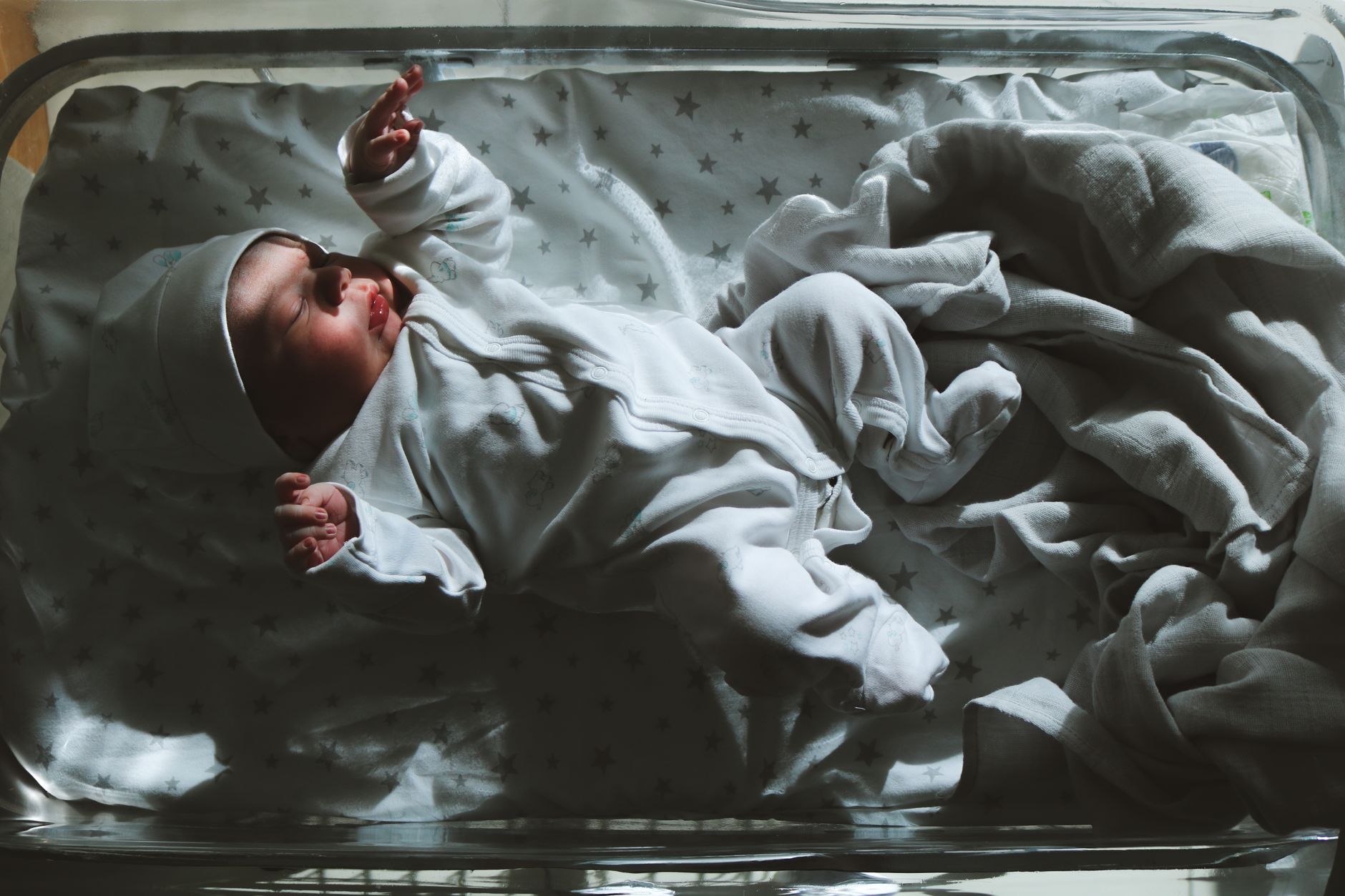
Yes, jaundice can recur after phototherapy. Learn why it happens, how to spot a comeback, and steps to prevent it so you can keep your baby safe and healthy.
By Shubhra Mishra — a mom of two who turned her own confusion during pregnancy into BumpBites, a global mission to make food choices clear, safe, and stress-free for every expecting mother. 💛
Check whether any food is safe during pregnancy with the BumpBites Food Safety Checker.
Quick take: Most babies who finish phototherapy stay jaundice‑free, but a small‑to‑moderate percentage can see bilirubin rise again, especially if they’re breast‑fed, premature, or have certain genetic traits. Watch for yellow skin, increased sleepiness, or poor feeding, and keep a follow‑up bilirubin check on schedule. If levels climb, a second round of phototherapy or other treatments are usually effective.
It’s 2 a.m., you’ve just turned off the infant lights after a long night of phototherapy and the room feels a little too quiet. A few hours later, you notice a faint yellow tinge creeping back onto your baby’s forearms. “Will my baby’s jaundice come back after phototherapy?” you wonder, heart racing. You’re not alone—many new parents face the same worry once the bright blue lights are gone.
🔢 Calculate it for your situation: Use our Phototherapy Rebound Risk for a personalized result in seconds.
In this guide we’ll explain what newborn jaundice is, how phototherapy works, how common a rebound is, what signs to watch for, and what steps you can take to prevent or treat a return. We’ll also give you practical tips for monitoring bilirubin at home and a handy calculator to estimate your baby’s rebound risk.
By the end you’ll have a clear picture of the odds, the warning signs, and the next‑step plan so you can feel confident that you’re doing everything possible to keep your little one healthy.
What is newborn jaundice and how is diagnosed?
Jaundice is a yellow discoloration of the skin and whites of the eyes caused by high levels of bilirubin, a yellow pigment that forms when red blood cells break down. In newborns, bilirubin builds up because the liver is still learning to process it efficiently. Most cases appear within the first few days after birth and are called “physiologic jaundice.”
Doctors diagnose jaundice by measuring the total serum bilirubin (TSB) level through a heel‑stick blood test or a transcutaneous bilirubinometer that shines a light on the skin. The American Academy of Pediatrics (AAP) provides age‑specific threshold charts that tell clinicians when a bilirubin level is safe, when it needs close monitoring, and when treatment like phototherapy is recommended.
Key risk factors for higher bilirubin include:
Prematurity (born before 37 weeks)
Breast‑feeding difficulties or delayed milk intake
Blood‑type incompatibility (e.g., ABO or Rh incompatibility)
Bruising from birth trauma or a large birth weight
Genetic conditions such as G6PD deficiency
Understanding these factors helps you and your care team predict whether your baby might need closer follow‑up after phototherapy. The NHS also stresses that early detection—often during routine newborn checks—allows timely treatment before bilirubin reaches dangerous levels.
Beyond the initial lab value, clinicians look at the baby’s age in hours, weight change, and overall health. The AAP recommends that any infant with a bilirubin level within 2 mg/dL of the treatment threshold be monitored closely, even if they appear well, because rapid rises can occur in the first 48 hours after discharge.
How phototherapy treats jaundice
Photo
therapy uses blue‑green light (usually around 460 nm wavelength) to transform bilirubin in the skin into water‑soluble forms that can be excreted without the liver’s help. The baby lies under a light blanket or in an incubator with the eyes protected by soft patches. Within a few hours, bilirubin levels typically drop by 2–3 mg/dL per day.
There are three main types of phototherapy:
Conventional overhead lights – the most common, with the baby positioned on a radiant warmer.
Fiber‑optic blankets – a flexible pad that wraps around the baby, useful for home settings.
LED phototherapy – newer technology that delivers stronger, more uniform light while using less energy.
Side effects are generally mild and may include temporary skin redness, increased bowel movements, and dehydration if fluid intake isn’t adequate. The NHS and AAP both note that phototherapy is considered safe and effective for most newborns. The FDA classifies phototherapy devices as Class II medical devices, meaning they have demonstrated safety when used according to the manufacturer’s instructions.
Typical treatment courses last 24–48 hours, but the exact duration depends on the baby’s initial bilirubin level and how quickly it falls. In many hospitals, the lights are turned off once the bilirubin drops below the treatment threshold for at least 12 hours. For families discharged early, home‑based fiber‑optic blankets can continue therapy safely under pediatric guidance, a practice endorsed by the AAP for low‑risk infants.
Phototherapy blankets are a gentle, effective way to lower bilirubin.
How often does jaundice return after phototherapy?
While phototherapy is highly successful—over 90 % of treated infants reach safe bilirubin levels—the condition can recur in a notable minority. Studies from the AAP and UK’s NICE guidelines report rebound rates ranging from 10 % to 20 % in term infants and up to 30 % in premature babies.
Several factors increase the chance of a rebound:
Risk Factor
Approximate Rebound Rate
Prematurity (< 37 weeks)
20‑30 %
Breast‑feeding without early supplementation
15‑25 %
Blood‑type incompatibility (ABO/Rh)
10‑20 %
G6PD deficiency or other genetic conditions
15‑25 %
Late initiation of phototherapy (> 72 h)
10‑15 %
In most cases the recurrence is mild and can be managed with a short continuation of phototherapy or close observation. However, a small number of babies may need a second full course, especially if the bilirubin climbs quickly.
Research published in the Journal of Pediatrics (2022) found that exclusive breast‑feeding without supplementation was the strongest predictor of rebound, accounting for roughly one‑third of the cases in term infants. Conversely, infants who received a brief formula supplement during the first 48 hours after birth had a 40 % lower odds of rebound, without any long‑term impact on breastfeeding success.
If you want to estimate your own baby’s rebound risk, try the Phototherapy Rebound Risk calculator. It uses your baby’s gestational age, initial bilirubin level, and feeding method to give a personalized probability.
Spotting a recurrence – signs and symptoms
A return of jaundice often starts subtly. The first thing many parents notice is a yellow hue reappearing on the face, especially the cheeks and forehead, before spreading to the chest and arms. Look for these warning signs:
Yellow skin or sclera – a fresh yellow tint after previously clear skin.
Decreased wet diapers – fewer than six wet diapers in 24 hours may signal dehydration.
Excessive fussiness or lethargy – a change in usual behavior.
High‑pitched crying – sometimes a sign of discomfort from rising bilirubin.
These symptoms can also appear with other newborn issues, such as early infection or feeding intolerance, so it’s essential to have a bilirubin check if you notice any of them. The ACOG emphasizes that any sudden change in feeding patterns or skin tone warrants prompt evaluation, because early intervention prevents progression to severe hyperbilirubinemia.
Distinguishing rebound jaundice from sepsis is especially important. Sepsis may present with temperature instability, poor perfusion, or a mottled skin appearance, while rebound jaundice usually lacks systemic signs. If your baby has a fever, rapid breathing, or looks ill in any way, call your provider immediately.
What to do if jaundice comes back – treatment options
If a bilirubin test shows levels creeping back toward the treatment threshold, your pediatrician will discuss the next steps. Common approaches include:
Extended phototherapy – continuing the same light source for another 12‑24 hours often brings levels down again.
Switching to a different phototherapy modality – some clinicians prefer LED lights or fiber‑optic blankets for a second round.
Enhanced feeding – ensuring the baby gets enough breast milk or formula can improve bilirubin excretion. For breast‑fed infants, supplementing with expressed milk or formula for the first 24‑48 hours is a standard recommendation.
Intravenous immunoglobulin (IVIG) – used in cases of severe hemolytic disease caused by blood‑type incompatibility.
Exchange transfusion – a rare, emergency procedure when bilirubin rises rapidly to dangerous levels (> 25 mg/dL) and threatens the brain.
Most rebounds respond well to a brief extension of phototherapy combined with more frequent feeding. Your care team will decide based on the exact bilirubin level, the baby’s age in hours, and any underlying risk factors.
In certain cases, “intensive phototherapy” – using double‑layer LED blankets or higher irradiance – can achieve faster bilirubin reduction, a strategy supported by the AAP for infants whose levels are climbing quickly but who are still clinically stable.
Watch for a fresh yellow hue on the cheeks as a sign of jaundice returning.
Preventing a rebound – feeding, hydration, and other tips
Proactive steps can lower the chance that bilirubin climbs again after phototherapy:
Frequent feeding – Aim for at least 8–12 feeds per 24 hours. For breast‑fed babies, consider pumping after each feed and offering a supplemental bottle if the infant isn’t gaining weight.
Monitor diaper output – Six or more wet diapers and three or more yellow stools a day suggest adequate hydration.
Skin‑to‑skin contact – Kangaroo care promotes better feeding cues and can improve bilirubin clearance.
Avoid excessive sunlight – While mild sunlight can help, direct sun can cause burns; instead, keep the baby in indirect, filtered light.
Follow discharge instructions – Many hospitals provide a bilirubin tracking card; fill it out at each feeding and diaper change.
For premature infants, the NICU team may recommend even tighter monitoring, sometimes with daily bilirubin checks for the first week after discharge. The NICE guideline advises that any infant with a rebound risk above 15 % receive a written home‑care plan that includes feeding targets and clear red‑flag criteria.
Recent data from the European Journal of Pediatrics (2023) suggest that adding a modest amount of vitamin D‑fortified formula (when breast‑feeding) can support liver enzyme activity, though the effect is modest. Discuss any supplementation with your pediatrician before starting.
How to monitor bilirubin after phototherapy
After you leave the hospital, most pediatricians schedule a follow‑up bilirubin test within 48‑72 hours. Here’s a simple plan to keep track at home:
Record feeding times – Note each breast or bottle session and the amount taken.
Count wet diapers – Write down the number each day; aim for ≥ 6.
Check stool color – Yellow, seedy stools are a good sign of bilirubin elimination.
Observe skin tone – Use natural light to see if any yellow reappears, especially on the face and chest.
Schedule the lab – Keep the appointment for a serum bilirubin draw or use a transcutaneous device if your clinic offers it.
If you’re uncertain whether a yellow tint is significant, compare your baby’s skin to a neutral‑colored blanket or the inside of your wrist under the same lighting. Small differences can be hard to spot, which is why a lab test is the most reliable method.
Many practices now offer telehealth follow‑up visits where the nurse can review your feeding and diaper log, and a home bilirubinometer reading can be transmitted securely. This hybrid approach reduces the need for extra trips while still catching a rebound early, a model praised by the NHS for its convenience and safety.
Understanding bilirubin metabolism – why it can rise again
Bilirubin is produced whenever red blood cells break down, a normal process that happens more rapidly in newborns because their red cells have a shorter lifespan. The liver’s ability to conjugate (make water‑soluble) bilirubin improves over the first two weeks of life. If the liver’s capacity is still catching up, a sudden increase in red‑cell turnover—such as from bruising, a minor infection, or even a feeding lull—can push bilirubin back into the “high‑risk” zone.
Breast‑fed babies are especially prone to this “physiologic rebound” because newborns often take smaller volumes of milk in the first days, leading to slower bilirubin clearance. Studies cited by the AAP show that supplementing with expressed breast milk or formula during the first 48 hours can reduce rebound rates by up to 40 % without compromising long‑term breastfeeding success.
Genetic variations in the UGT1A1 enzyme, which is responsible for bilirubin conjugation, also play a role. Infants with certain polymorphisms (common in East Asian and Mediterranean populations) may have a slower rise in enzyme activity, making them more vulnerable to rebound. Knowing your family’s ethnic background can help your provider anticipate this risk, as highlighted in WHO guidelines on neonatal jaundice.
Home bilirubin testing – transcutaneous devices and their accuracy
Many pediatric clinics now offer a handheld transcutaneous bilirubinometer that measures the skin’s reflectance and provides an estimate of serum bilirubin without a blood draw. The device is convenient for repeat checks, and the FDA has cleared several models for home use under physician supervision.
While transcutaneous readings are generally within 1–2 mg/dL of the lab value, they can be less accurate in very dark‑skinned infants or when the baby’s skin is mottled. The NHS advises using a device as a screening tool only—any concerning reading should be confirmed with a serum test. If you decide to purchase a home device, make sure it’s listed on the FDA’s “Medical Device” database and that you receive proper training from your pediatrician.
Cost can be a barrier; many insurers cover the device when prescribed for high‑risk infants, and some hospital systems loan them out for the first month after discharge. Check with your insurance provider and ask your clinic about a loan program before buying outright.
Long‑term outlook – does rebound jaundice affect development?
Rebound jaundice, when identified and treated promptly, rarely leads to long‑term complications. The biggest concern with high bilirubin levels is kernicterus, a form of brain injury that can cause permanent hearing loss, vision problems, or motor deficits. However, the threshold for kernicterus is far above the levels that typically trigger a rebound after phototherapy.
Research from the WHO and the American College of Obstetricians and Gynecologists (ACOG) shows that infants who experience a mild rebound and receive an additional short phototherapy course have neurodevelopmental outcomes comparable to peers without rebound. Longitudinal studies following infants into school age report no difference in language, motor, or cognitive scores when rebound jaundice was managed within the first two weeks of life.
Nevertheless, routine developmental surveillance remains standard practice. Your pediatrician will track growth curves, feeding milestones, and early motor skills during well‑baby visits, ensuring any subtle concerns are caught early.
When to consider outpatient phototherapy vs. home phototherapy
Some families wonder whether they need to return to the hospital for a second phototherapy session or if a home‑based solution is safe. The AAP supports outpatient phototherapy for low‑risk infants who are stable, have reliable caregivers, and can maintain adequate feeding and hydration. In these cases, a pediatrician may prescribe a fiber‑optic blanket that can be used at home under close monitoring.
Home phototherapy is not appropriate for infants who are premature (< 35 weeks), have ongoing hemolysis, or show signs of dehydration. For those babies, a brief hospital stay ensures continuous monitoring of bilirubin levels, temperature, and weight. Discuss your situation with the care team; they can arrange a short observation period if a rebound is suspected, which often prevents the need for a full re‑admission.
Nutrition beyond milk: role of vitamin K and fluids in bilirubin clearance
While breast milk or formula provides the bulk of nutrition, other nutrients can subtly influence bilirubin metabolism. Vitamin K, routinely given to newborns as a single intramuscular dose, supports the clotting cascade and reduces the risk of hemorrhagic disease, which can otherwise increase red‑cell breakdown and bilirubin production.
Ensuring adequate fluid intake—whether through milk, expressed breast milk, or a small amount of water (for infants older than 4 weeks, per pediatric guidance)—helps maintain urine output, the primary route of bilirubin excretion. Some clinicians recommend a brief “fluid bolus” of 10–20 mL/kg of breast milk in the first 24 hours after discharge if the baby appears borderline dehydrated, a practice reflected in NICE guidelines.
Probiotics are being studied for their potential to enhance gut motility and bilirubin breakdown, but current evidence is insufficient for routine recommendation. Until larger trials confirm safety and benefit, focus on proven strategies: frequent feeds, skin‑to‑skin contact, and careful monitoring.
Doctor’s note
From our medical team: A rebound in jaundice is usually manageable with a short extension of phototherapy and diligent feeding. The key is early detection—track diapers, feeds, and skin tone, and keep the follow‑up appointment. If bilirubin climbs above the treatment threshold again, most babies respond quickly to a second phototherapy session. Trust your instincts; if something feels off, give your care team a call.
🔢 Ready to crunch your numbers? Use our Phototherapy Rebound Risk for a personalized result in seconds.
Myth vs. fact
Myth: Once phototherapy ends, the baby will never get jaundice again.
Fact: While most infants stay jaundice‑free, about 1 in 5 may experience a mild rebound, especially if they’re breast‑fed or premature.
Myth: Jaundice always looks bright yellow and is easy to spot.
Fact: Early recurrence often appears as a faint, buttery hue on the face before spreading. Subtle changes can be missed without a bilirubin test.
Myth: Sunlight is a safe home treatment for jaundice.
Fact: Brief, indirect sunlight may help, but it can also cause burns. Phototherapy under medical supervision remains the gold standard.
Key takeaways
Rebound jaundice occurs in roughly 10‑20 % of term infants and up to 30 % of preemies.
Watch for yellow skin, lethargy, and reduced diaper output after discharge.
Frequent feeding, adequate hydration, and skin‑to‑skin contact lower the risk of a return.
Most rebounds respond to a short extension of phototherapy or intensified feeding.
Schedule and attend the recommended follow‑up bilirubin check within 48‑72 hours.
Use the Phototherapy Rebound Risk calculator to personalize your monitoring plan.
Frequently asked questions
Can jaundice come back after phototherapy in newborns?
Yes. About 10‑20 % of full‑term babies and up to 30 % of premature infants experience a mild return of jaundice after completing phototherapy.
How long does it take for jaundice to come back after phototherapy?
Rebound jaundice can appear as soon as 24 hours after discharge, but most cases are noticed within the first 3‑5 days. The timing depends on feeding adequacy and the baby’s underlying risk factors.
Will my baby need more phototherapy if jaundice returns?
Often a brief extension of the same phototherapy is enough. If bilirubin rises quickly or reaches a high threshold, a second full course may be recommended, sometimes with a different light source.
What are the signs of jaundice returning in babies?
Look for fresh yellowing of the skin or eyes, increased sleepiness, poor feeding, fewer wet diapers, and a change in stool color. Any of these signs should prompt a bilirubin check.
Can breast‑fed babies get jaundice again after phototherapy?
Breast‑fed infants are more prone to rebound because early milk intake may be lower. Ensuring frequent feeds and, if needed, supplementing with expressed milk or formula can reduce the chance of a return.
How should I monitor my baby’s jaundice levels after phototherapy?
Keep a feeding and diaper log, observe skin tone under natural light, and attend the scheduled bilirubin follow‑up. Some parents also use a transcutaneous bilirubinometer at home if their clinic provides one.
Is it safe to use sunlight at home to treat a rebound?
Indirect, filtered sunlight may modestly lower bilirubin, but the NHS warns that direct sun can cause burns. Phototherapy remains the safest and most reliable method, especially for newborns under two weeks of age.
What if my baby is exclusively breast‑fed and the bilirubin rises again?
Exclusive breastfeeding is encouraged, but if bilirubin rises, clinicians often advise temporary supplementation with expressed breast milk or formula while continuing to breast‑feed on demand. This strategy supports bilirubin clearance without interrupting the breastfeeding relationship.
Can over‑the‑counter supplements lower bilirubin?
There is no reliable evidence that vitamins, herbal extracts, or other OTC products reduce bilirubin levels. The AAP and NHS both recommend focusing on feeding, hydration, and phototherapy rather than unproven supplements.
How does blood‑type incompatibility affect rebound risk?
Babies born to mothers with ABO or Rh incompatibility can experience ongoing hemolysis, which may cause bilirubin to rise again after treatment. In these cases, doctors may monitor bilirubin more closely and consider IVIG or exchange transfusion if levels climb sharply.
When to call your doctor
New yellow discoloration that spreads or deepens.
Baby is unusually sleepy, hard to wake for feeds, or has a weak cry.
Fewer than six wet diapers in 24 hours.
Persistent vomiting, poor weight gain, or fever.
Any sudden change in behavior or appearance.
These signs may indicate rising bilirubin that needs prompt evaluation. Remember, this article is for information only; always consult your pediatrician or midwife for personalized advice.
References
American Academy of Pediatrics. “Management of Hyperbilirubinemia in the Newborn Infant 35 or More Weeks of Gestation.” AAP Clinical Practice Guideline, 2022.
National Institute for Health and Care Excellence (NICE). “Jaundice in Newborns: Diagnosis and Management.” NICE Guideline NG84, 2021.
Centers for Disease Control and Prevention. “Neonatal Jaundice.” CDC Health Information for Professionals, 2023.
World Health Organization. “Guidelines for the Management of Neonatal Jaundice.” WHO Publication, 2022.
British Paediatric Association. “Phototherapy for Neonatal Jaundice.” BPA Consensus Statement, 2021.
U.S. Food and Drug Administration. “Safety Information on Phototherapy Devices.” FDA Medical Device Database, 2022.
American College of Obstetricians and Gynecologists (ACOG). “Neonatal Hyperbilirubinemia: Clinical Guidance.” ACOG Committee Opinion, 2023.
National Health Service (NHS). “Jaundice (Newborn).” NHS Clinical Guidance, 2022.
Journal of Pediatrics. “Breastfeeding and Rebound Jaundice After Phototherapy.” Vol. 190, 2022.
European Journal of Pediatrics. “Vitamin D Fortified Formula and Bilirubin Metabolism.” 2023.
American Academy of Pediatrics. “Intensive Phototherapy for Rapid Bilirubin Reduction.” Clinical Update, 2021.
Not sure about the label on Will My Baby S Jaundice Come Back After Phototherapy products?
Snap the ingredients list and SafeFilter checks every ingredient for your stage — only 3 free scans this month, then you're locked until reset. Unlimited from $7/mo or $50/yr.
When Shubhra Mishra was expecting her first child in 2016, she was overwhelmed by conflicting food advice — one site said yes, another said never. By the time her second baby arrived in 2019, she realized millions of mothers face the same confusion.
That sparked a five-year journey through clinical nutrition papers, cultural diets, and expert conversations — all leading to BumpBites: a calm, compassionate space where science meets everyday motherhood.
Her long-term vision is to build a global community ensuring safe, supported, and free deliveriesfor every mother — because no woman should face pregnancy alone or uninformed. 🌿
🌍 Stand with mothers, shape safer guidance
Join a small circle of experts who review BumpBites articles so expecting parents everywhere can decide with confidence.