Discover what to expect at the 9th week of pregnancy, including common symptoms like nausea and fatigue, and how your baby is growing and developing.
By Shubhra Mishra — a mom of two who turned her own confusion during pregnancy into BumpBites, a global mission to make food choices clear, safe, and stress-free for every expecting mother. 💛
Check whether any food is safe during pregnancy with the BumpBites Food Safety Checker.
Quick take: At nine weeks pregnant you’re entering the end of the first trimester. Expect a growing baby about the size of a grape, common early‑pregnancy symptoms like nausea and fatigue, and rapid changes in your uterus and placenta. Most symptoms are normal, but any heavy bleeding, severe pain, or fever should prompt a call to your provider.
It’s 2 a.m., you’ve just gotten up to use the bathroom, and a wave of nausea hits you again. You scroll through articles, wondering whether the spot on your underwear is something to worry about or just a harmless sign of implantation. You’re not alone—many moms‑to‑be find week 9 both exciting and a little unsettling. In this guide we’ll walk through exactly what’s happening to you and your baby, what you can safely eat and do, and when a doctor’s call is the right next step.
We’ll cover the symptoms you might notice, the tiny milestones your baby is hitting, how your uterus and placenta are reshaping, and the nutrition and activity tips that keep you and your developing baby thriving. By the end you’ll have a clear picture of the ninth‑week roadmap, plus a handy checklist of red‑flag signs that deserve immediate attention.
What are the common symptoms in the 9th week of pregnancy?
By week 9 most people experience a mix of classic first‑trimester signs. Nausea (often called “morning sickness”) is still common, affecting roughly 70 % of pregnant people according to the American College of Obstetricians and Gynecologists (ACOG). Fatigue tends to peak as your body diverts energy to early fetal development, and you may feel the need for naps even after a full night’s sleep.
Breast changes also become noticeable. The areola may darken, and you might feel a tingling or mild tenderness as the mammary glands prepare for lactation. Hormonal shifts—especially a rise in human chorionic gonadotropin (hCG) and progesterone—drive many of these sensations. hCG peaks around weeks 8‑11, which is why nausea often intensifies just before tapering off in the second trimester.
Other symptoms include increased urination (the growing uterus presses on the bladder), mild cramping resembling period pain, and occasional dizziness when you stand quickly. All of these are typical, but they can be amplified by stress, dehydration, or a sudden change in diet.
Representative experience: One reader told us she felt a “butterfly‑light” in her stomach every time she stood up, followed by a brief wave of nausea. She learned that sipping water and keeping a snack handy helped smooth the ups and downs.
How does the baby develop during the 9th week of pregnancy?
At nine weeks gestation the embryo is officially called a fetus, and it’s about 0.9 inches (2.3 cm) long—roughly the size of a green grape. The head accounts for about half of the total length, and facial features become more distinct: the upper lip, nostrils, and eyes are now in place, although the eyelids remain fused.
Organ formation is in high gear. The heart, which started beating at week 5, now pumps at 120–160 beats per minute. An early fetal heartbeat can often be heard with a Doppler device at a prenatal visit, though many clinics wait until week 10–12 for reliable detection. The brain’s basic structure is established, and the spinal cord continues to close. Limb buds lengthen into recognizable arms and legs, and tiny fingers and toes begin to form, though they are still webbed.
By the end of week 9 the digestive tract is functional enough to start swallowing amniotic fluid, a key step for later gut development. The liver begins producing blood proteins, and the kidneys start to filter waste, setting the stage for the placenta’s future work.
Quick comparison: If you picture a quarter‑size grape, that’s about how big your baby is now. The next week it will double in length, moving quickly toward a blueberry at week 10.
What changes happen to my uterus and placenta in week 9?
The uterus expands dramatically to accommodate the growing fetus. By week 9 the uterine fundus (the top part) rises just above the pubic bone, and you may feel a slight fullness in the lower abdomen. This expansion is driven by estrogen, which also stimulates blood flow to the pelvic area.
The placenta is beginning its crucial role. Around week 9 the chorionic villi—tiny finger‑like projections—start embedding into the uterine lining, forming the early placenta. This process is why spotting can occur; as the placenta anchors, small blood vessels may break, leading to light pink or brown discharge that’s usually harmless.
Blood volume increases by about 30 % at this stage, which is why you might feel light‑headed or notice more frequent heartbeats. The extra fluid in your bloodstream also contributes to the “swollen feet” many report during the first trimester.
Illustrative story: A first‑time mom shared that she felt a “tightness” in her lower belly, which turned out to be her uterus stretching. She was reassured that the sensation was normal and that her provider would monitor uterine growth at the upcoming prenatal visit.
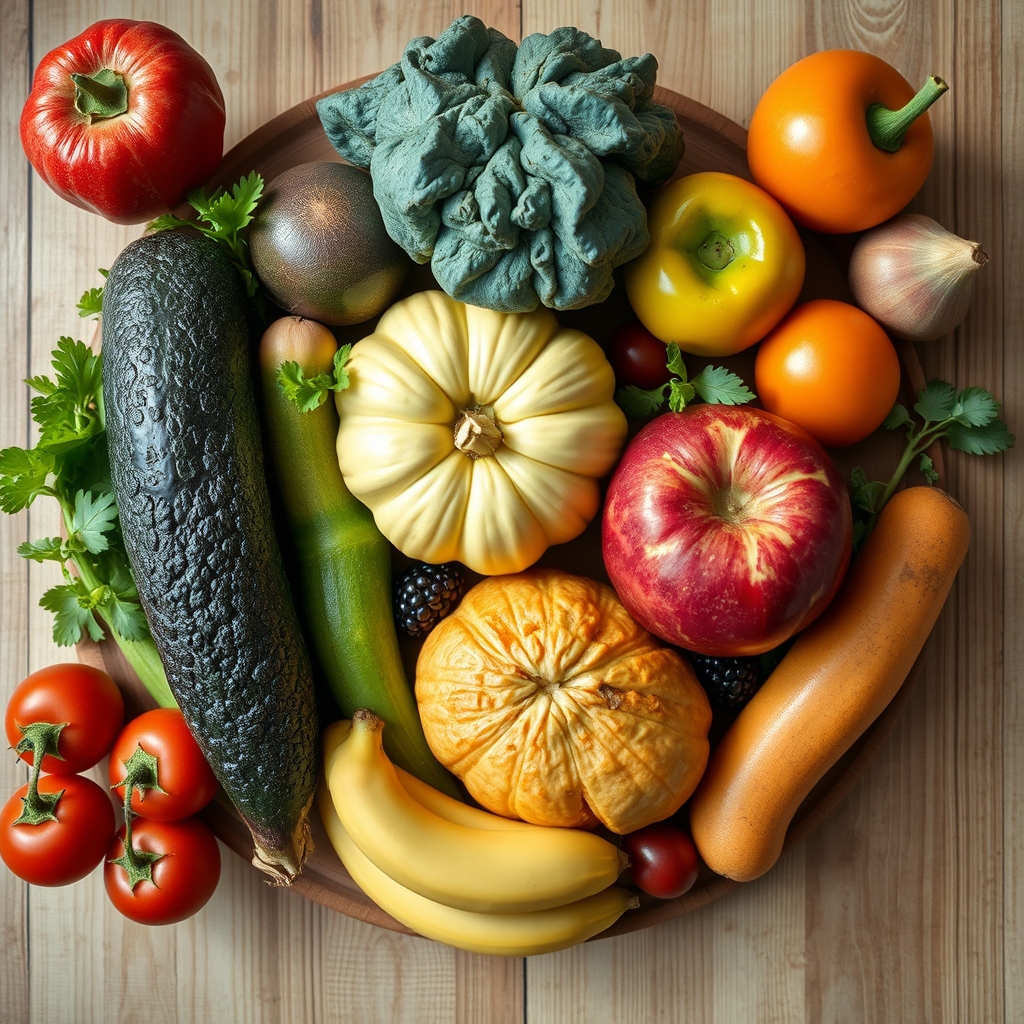
Choose a colorful plate—vitamins, minerals, and fiber support both you and your growing baby.
Can I experience spotting or light bleeding in the 9th week of pregnancy?
Light spotting is fairly common in early pregnancy, occurring in up to 25 % of people according to the UK NHS. It often shows up as pink or brown discharge and may happen after intercourse, a pelvic exam, or simply as the placenta implants.
While most spotting is harmless, it’s important to differentiate it from bleeding. Heavy bleeding (bright red flow similar to a period), clots larger than a quarter, or severe cramping could signal a miscarriage or ectopic pregnancy. If you notice any of these, contact your provider right away.
Other red‑flag symptoms include fever over 100.4 °F (38 °C), foul‑smelling discharge, or sudden intense pain. These could indicate infection or other complications and warrant prompt medical evaluation.
Key tip: Keep a small journal of any spotting—date, color, amount, and activities that preceded it. This information helps your clinician assess whether the bleeding is typical or needs further investigation.
When should I schedule my first prenatal appointment after week 9?
Most obstetric guidelines recommend the first prenatal visit by the end of the 10th week. The CDC advises that the initial appointment include a comprehensive health history, a physical exam, and baseline labs (blood type, CBC, infectious disease screening).
During this visit you’ll likely receive a dating ultrasound. It confirms the gestational age, checks the fetal heartbeat, and assesses early anatomy. For first‑time moms, the provider will also discuss prenatal vitamins (especially folic acid), lifestyle changes, and any pre‑existing health conditions that need monitoring.
If you’re experiencing persistent spotting, severe nausea, or any concerning symptoms before the scheduled visit, you can request an earlier appointment. Many clinics have “urgent” slots for such concerns.
What to expect: The provider will measure your uterus, check blood pressure, and listen for the fetal heart. Expect to receive a birth plan template and a list of recommended supplements and vaccinations (like flu, if seasonally appropriate).
What foods should I avoid and what nutrition is needed in the 9th week of pregnancy?
Nutrition in week 9 focuses on supporting rapid fetal organ formation while keeping you energized. Aim for 300–350 calories extra per day, which translates to roughly 0.5–1 lb (0.2–0.45 kg) of weight gain per week—well within the Mayo Clinic guidelines for a healthy pregnancy.
Key nutrients include:
Folic acid: 600 µg daily to prevent neural‑tube defects. Continue taking a prenatal vitamin that contains at least 400 µg of folate.
Iron: 27 mg daily to support increased blood volume and prevent anemia.
Calcium: 1,000 mg daily for bone development.
Omega‑3 DHA: 200 mg daily for brain growth.
Foods to limit or avoid:
Unpasteurized dairy and soft cheeses (risk of Listeria).
Raw or undercooked eggs, meat, and seafood (risk of Salmonella or Toxoplasma).
High‑mercury fish such as swordfish, king mackerel, and tilefish.
Excess caffeine—keep it under 200 mg per day (about one 12‑oz coffee).
Alcohol—no safe level is established; abstaining is recommended.
Below is a quick reference for weight‑gain expectations during the first trimester (weeks 1‑13). These numbers are averages; individual needs may vary.
Pre‑pregnancy BMI
Total recommended gain (lb)
Typical weekly gain (lb)
Underweight (BMI < 18.5)
28–40
0.5–1.0
Normal weight (BMI 18.5–24.9)
25–35
0.5–0.7
Overweight (BMI 25–29.9)
15–25
0.3–0.5
Obese (BMI ≥ 30)
11–20
0.2–0.4
Hydration is also crucial; aim for at least 8‑10 cups of water daily. If nausea makes it hard to keep food down, try small, frequent meals that are high in protein and complex carbs (e.g., Greek yogurt with berries, whole‑grain toast with avocado).
How to manage morning sickness and fatigue in week 9?
Morning sickness often improves after the first trimester, but at week 9 you’re still in the peak window. Here are evidence‑based strategies:
Ginger: 1 gram of ginger root or ginger tea can reduce nausea for many people (per a review by the UK NICE).
Vitamin B6: 25 mg three times daily is a safe, OTC option that many clinicians recommend.
Acupressure wristbands: Pressing the P6 point can help some individuals, though evidence is mixed.
Small, bland snacks: Crackers, plain toast, or a banana before getting out of bed can settle an empty stomach.
Stay cool: Overheating can worsen nausea; keep the room ventilated and dress in layers.
Fatigue can be mitigated by prioritizing sleep hygiene: a dark, quiet bedroom, limiting screens before bedtime, and a short nap (20‑30 minutes) if you’re feeling drained during the day.
Physical activity, when done safely, can actually boost energy. Light walking, prenatal yoga, or gentle stretching increases circulation without overtaxing the body.
Gentle prenatal yoga can ease nausea and improve sleep quality.
Is it safe to exercise in week 9 of pregnancy?
Yes—most health organizations, including ACOG and the UK NHS, endorse moderate exercise during the first trimester, provided you have no contraindications (such as a history of miscarriage, cervical insufficiency, or heart problems). Safe options include walking, swimming, stationary cycling, and low‑impact aerobics.
Guidelines suggest 150 minutes of moderate‑intensity activity per week, broken into 30‑minute sessions. Listen to your body: if you feel dizzy, short‑of‑breath, or experience abdominal pain, stop and rest.
Key precautions:
Avoid contact sports or activities with a high risk of falling.
Stay hydrated and wear supportive shoes.
Cool down gradually; sudden stops can cause blood pooling.
Never exercise in an overheated environment—your core temperature should stay below 102 °F (38.9 °C).
Exercise can also improve mood, reduce the severity of nausea, and promote better sleep—benefits that align with the symptom management strategies discussed earlier.
From our medical team: “Week 9 is a transitional phase. Your baby is rapidly forming, while your body is adjusting to hormonal surges. Most symptoms are normal, but keep an eye on any heavy bleeding, severe cramping, or fever. Staying nourished, hydrated, and gently active will support both you and your little one.”
Myth vs. fact
Myth: “If I see any spotting, it means I’m having a miscarriage.”
Fact: Light spotting is common in early pregnancy and often harmless. Heavy bleeding, clots, or severe pain, however, warrants immediate medical attention.
Myth: “I must gain a lot of weight right now, or my baby will be undernourished.”
Fact: Weight gain in the first trimester is modest (about 1‑4 lb). The focus is on nutrient‑dense foods rather than calories alone.
Myth: “Exercise will harm the baby in the first trimester.”
Fact: Moderate, low‑impact exercise is safe for most pregnant people and can reduce nausea, improve mood, and prepare the body for later delivery.
Key takeaways
Week 9 marks the end of the first trimester; the fetus is about the size of a grape and its heart beats 120–160 bpm.
Common symptoms—nausea, fatigue, breast tenderness—are driven by rising hCG and progesterone.
Light spotting is normal; heavy bleeding, clots, or fever should prompt a call to your provider.
Schedule your first prenatal visit by week 10 for an ultrasound, labs, and personalized care plan.
Eat a balanced diet rich in folic acid, iron, calcium, and DHA; avoid raw eggs, unpasteurized dairy, high‑mercury fish, and excess caffeine.
Gentle exercise (walking, prenatal yoga) is safe and can ease nausea and boost energy.
Frequently asked questions
What does the baby look like at 9 weeks?
The baby, now called a fetus, is about 0.9 inches long, shaped like a tiny grape with a distinct head, developing facial features, and early limbs with webbed fingers and toes.
Can I feel the baby move at 9 weeks?
Most people cannot feel movement until around weeks 16‑20. At 9 weeks the fetus is too small and its motions are subtle, though you may notice a gentle flutter later in the second trimester.
Is spotting normal in the 9th week of pregnancy?
Light pink or brown spotting occurs in up to a quarter of pregnancies and is usually harmless, but heavy bleeding, large clots, or severe pain should be evaluated promptly.
How much weight should I gain in the 9th week?
During the first trimester, a typical weight gain is 1‑4 lb total. This modest increase reflects fluid buildup and early tissue growth rather than fat accumulation.
When will I have a positive pregnancy test?
Most home pregnancy tests turn positive about 10‑14 days after conception, which aligns with the detection of hCG. By week 9, a test will almost always show a strong positive result.
What are the signs of a miscarriage in the 9th week?
Signs include heavy bleeding (soaking a pad in an hour), large clots, intense cramping, and a sudden loss of pregnancy symptoms. If you notice any of these, contact your provider right away.
When to call your doctor
Seek immediate medical care if you experience any of the following: heavy vaginal bleeding, bright red blood with clots, severe abdominal or pelvic pain, fever over 100.4 °F (38 °C), foul‑smelling discharge, or sudden swelling of the face or hands. This article provides general information and is not a substitute for personalized medical advice; always discuss your individual situation with a qualified healthcare professional.
References
American College of Obstetricians and Gynecologists (ACOG). “Nausea and Vomiting of Pregnancy.” Clinical Guidance, 2023.
National Health Service (NHS). “Pregnancy Symptoms: What’s Normal?” Updated 2022.
Centers for Disease Control and Prevention (CDC). “Prenatal Care.” 2023.
World Health Organization (WHO). “Guidelines on Antenatal Care for a Positive Pregnancy Experience.” 2022.
Mayo Clinic. “Weight Gain During Pregnancy.” 2023.
National Institute for Health and Care Excellence (NICE). “Management of Nausea and Vomiting in Pregnancy.” 2022.
American Pregnancy Association. “Exercise During Pregnancy.” 2023.
Fetal Medicine Foundation. “First‑Trimester Ultrasound.” 2023.
Not sure about the label on 9th Week Of Pregnancy Symptoms And Baby Development products?
Snap the ingredients list and SafeFilter checks every ingredient for your stage — only 3 free scans this month, then you're locked until reset. Unlimited from $7/mo or $50/yr.
When Shubhra Mishra was expecting her first child in 2016, she was overwhelmed by conflicting food advice — one site said yes, another said never. By the time her second baby arrived in 2019, she realized millions of mothers face the same confusion.
That sparked a five-year journey through clinical nutrition papers, cultural diets, and expert conversations — all leading to BumpBites: a calm, compassionate space where science meets everyday motherhood.
Her long-term vision is to build a global community ensuring safe, supported, and free deliveriesfor every mother — because no woman should face pregnancy alone or uninformed. 🌿
🌍 Stand with mothers, shape safer guidance
Join a small circle of experts who review BumpBites articles so expecting parents everywhere can decide with confidence.