The PRAM score identifies severity of asthma exacerbation in children, guiding stepwise treatment from albuterol to systemic steroids for effective control.
By Shubhra Mishra — a mom of two who turned her own confusion during pregnancy into BumpBites, a global mission to make food choices clear, safe, and stress-free for every expecting mother. 💛
Check whether any food is safe during pregnancy with the BumpBites Food Safety Checker.
Quick take: The Pediatric Respiratory Assessment Measure (PRAM) is a five‑item score that helps clinicians quickly gauge the severity of an asthma exacerbation in children. A total score 0‑2 signals mild, 3‑7 moderate, and ≥8 severe disease, guiding stepwise treatment—from inhaled albuterol to systemic steroids and possible admission. Use the score at presentation and every 15‑30 minutes during treatment, and follow a clear action plan to keep your child safe at home or in the hospital.
It’s 2 a.m., the house is quiet, and you hear your child’s cough turning into a wheeze. You’ve Googled “asthma attack” once again, and the screen is flashing terms like “bronchodilator” and “PRAM score.” It’s easy to feel overwhelmed, but the good news is that a structured scoring system and a step‑by‑step treatment plan can turn panic into confidence.
🔢 Calculate it for your situation: Use our PRAM Paediatric Asthma for a personalized result in seconds.
In this guide we’ll demystify the Pediatric Respiratory Assessment Measure (PRAM), show you exactly how to calculate it, explain what each score means, and walk you through the evidence‑based, stepwise management that pediatric emergency departments use every day. We’ll also cover when a child should stay in the emergency department, when a hospital admission is needed, and how to create a personalized asthma action plan that empowers you and your child.
What is the PRAM score and why is it used?
The PRAM (Pediatric Respiratory Assessment Measure) is a bedside tool developed by pediatric researchers to standardize the assessment of acute asthma in children aged 2 to 17 years. It combines five observable clinical signs—each given a numeric value—into a single score that correlates with airway obstruction severity and predicts the need for hospitalization.
Because the components are visual (wheezing, retractions) and easy to measure (oxygen saturation), the PRAM can be completed in under a minute, even in a busy emergency department (ED). It also provides a common language for nurses, physicians, and families, making it easier to track changes over time and decide when to move up or down the treatment ladder.
Beyond the ED, the PRAM is increasingly used in urgent‑care clinics and even in some school‑based health programs because it offers an objective way to communicate a child’s status to parents and other caregivers. Studies cited by the American College of Emergency Physicians (ACEP) show that using a standardized tool reduces variation in care and shortens length of stay. The original validation study demonstrated excellent inter‑rater reliability (κ = 0.86) and a strong correlation (r = 0.78) with bronchodilator responsiveness, which gives clinicians confidence that the score reflects true physiologic change.
PRAM scoring guide: components and how to calculate the score
Below
is the full PRAM checklist. For each item, assign the number shown; then add the points for a total score ranging from 0 to 12.
Component
Finding
Points
Oxygen saturation (SpO₂)
≥ 95 %
0
90–94 %
1
≤ 89 %
2
Suprasternal retractions
Absent
0
Present
2
Scalene retractions
Absent
0
Present
1
Intercostal retractions
Absent
0
Present
1
Wheezing on auscultation
None
0
Expiratory only
1
Inspiratory + expiratory
2
Air entry
Normal
0
Decreased
1
To illustrate, imagine a 7‑year‑old who arrives with an SpO₂ of 92 % (1 point), suprasternal retractions (2 points), no scalene retractions (0), intercostal retractions (0), wheezes heard both in inspiration and expiration (2 points), and mildly decreased air entry (1 point). The total PRAM score is 6, placing the child in the moderate‑exacerbation category.
If you’d like to try the calculator yourself, our PRAM Paediatric Asthma tool lets you input these observations and instantly see the severity classification. The online version also timestamps each entry, which can be handy for keeping a record that you can show to your pediatrician after the visit.
Interpreting PRAM scores: mild, moderate, and severe exacerbations
Once you have the total, you can map it to three clinically useful categories. These thresholds are based on the original validation study published in Chest and have been adopted by the American College of Emergency Physicians (ACEP) and the UK’s NICE guidelines.
0–2 (Mild): Minimal airflow obstruction. Children usually respond quickly to a short‑acting bronchodilator and can be observed for 30 minutes before discharge.
3–7 (Moderate): Significant obstruction, often with retractions or wheezing in both phases of breathing. Requires multiple albuterol doses, possible adjunctive ipratropium, and a short course of systemic steroids.
≥8 (Severe): Marked hypoxemia, prominent retractions, and diffuse wheezing. Needs aggressive bronchodilator therapy, early systemic steroids, and a low threshold for hospital admission.
These cut‑offs are not arbitrary; they predict the likelihood of needing supplemental oxygen, intravenous therapy, or a pediatric intensive care unit (PICU) stay. A PRAM ≥ 8 increases the odds of admission by more than threefold compared with a score ≤ 2. In practice, clinicians use these ranges as a decision‑support tool while still considering the child’s overall appearance, comorbidities, and response to initial therapy.
Age matters, too. Younger children (2‑5 years) often have higher baseline respiratory rates, which can inflate the perception of severity. For that reason, some centers apply a modest adjustment—subtracting one point for children under five when interpreting the final PRAM, as recommended by the British Thoracic Society (BTS). This nuance helps avoid unnecessary escalation while still protecting the child.
Step‑wise emergency treatment protocol
Emergency departments worldwide follow a tiered approach that mirrors the PRAM severity categories. Below is a practical algorithm you can discuss with your child’s pediatrician or ED team.
Initial assessment (0 minutes)
Place the child on a monitor; record SpO₂, heart rate, and respiratory rate.
Administer 2–4 puffs of albuterol (0.15 mg/kg per puff, maximum 2.5 mg) via a metered‑dose inhaler (MDI) with a spacer or nebulizer.
Provide supplemental oxygen if SpO₂ < 92 % (target ≥ 95 %).
Reassessment (15 minutes)
Re‑calculate PRAM. If the score drops by ≥ 2 points, continue the current plan.
If PRAM remains ≥ 3, add a dose of ipratropium bromide (0.25 mg nebulized) and repeat albuterol.
Second reassessment (30 minutes)
For PRAM ≥ 4, start systemic corticosteroids (see next section).
If SpO₂ still < 92 % after bronchodilator therapy, consider high‑flow nasal cannula (HFNC) or non‑invasive ventilation per hospital protocol.
Escalation (45 minutes‑1 hour)
Continue albuterol every 20 minutes for the first hour, then every 1–2 hours as needed.
Monitor for side effects: tachycardia, jitteriness, or paradoxical worsening of wheeze.
Throughout this process, keep a log of medication times, doses, and PRAM values. This documentation helps the care team decide when to transition from the ED to the inpatient floor, or when it’s safe to go home. The NHS notes that clear documentation also reduces the risk of medication errors during shift changes.
In some centres, clinicians also use a nebulized magnesium sulfate (25 mg/kg) as a rescue adjunct for severe cases that do not respond to albuterol and ipratropium. The FDA has approved this off‑label use, and evidence from the 2020 ATS guidelines suggests it can shorten hospital stay by up to 12 hours when given early.
Albuterol is the first‑line rescue medication for acute asthma attacks.
Systemic corticosteroid recommendations based on PRAM severity
Systemic steroids blunt airway inflammation, reduce hospital length of stay, and lower relapse rates. The decision to start steroids is guided by the PRAM score and the child’s clinical trajectory.
Mild (PRAM 0‑2): Steroids are generally not required unless the child has a known steroid‑responsive phenotype (e.g., frequent exacerbations) or a prior severe episode.
Moderate (PRAM 3‑7): Give oral prednisolone 1–2 mg/kg (max 40 mg) once daily for 5 days, or dexamethasone 0.6 mg/kg (max 12 mg) orally once. If the child cannot swallow, a short course of IV methylprednisolone (1–2 mg/kg) is appropriate.
Severe (PRAM ≥ 8): Initiate IV steroids immediately—methylprednisolone 1–2 mg/kg every 6 hours—while continuing inhaled bronchodilators. Transition to oral dosing once the child is stable and tolerating oral intake.
Guidelines from the American Thoracic Society (ATS) and NICE both endorse a single 5‑day course for most pediatric exacerbations. Longer courses increase the risk of adrenal suppression without added benefit. The CDC also reminds parents that a short steroid course does not increase the risk of growth suppression when used appropriately.
Side‑effects such as mood swings, increased appetite, or mild hyperglycemia are common but usually transient. For children with diabetes or adrenal insufficiency, the ACOG recommends checking blood glucose before starting steroids and arranging close follow‑up. Monitoring for oral thrush (a fungal infection) is also advised, as inhaled steroids can predispose to it if proper rinsing is not performed.
Monitoring, reassessment intervals, and criteria for escalation or de‑escalation
Effective monitoring hinges on frequent PRAM scoring combined with objective measures (SpO₂, heart rate). Here’s a practical timeline:
0 minutes: Baseline PRAM, SpO₂, and initial bronchodilator.
15 minutes: Repeat PRAM; if score drops ≥ 2 points, continue current therapy; if unchanged or worsened, add ipratropium.
30 minutes: Second PRAM; start systemic steroids if score ≥ 4.
45‑60 minutes: Ongoing PRAM every 15 minutes until the child is stable (PRAM ≤ 2, SpO₂ ≥ 95 %).
Criteria to consider escalation to higher‑level care include:
Altered mental status, lethargy, or inability to protect the airway.
When the child’s PRAM falls to 0‑2, oxygen is weaned, and they can maintain a normal activity level for at least 1 hour, de‑escalation to discharge is appropriate, provided a clear asthma action plan is in place. The NHS emphasizes that a “ready for discharge” checklist should be signed off by both the physician and the nursing staff.
Some hospitals add capnography (end‑tidal CO₂) to the monitoring bundle for severe cases. A rising CO₂ level can be an early warning sign of fatigue before the child looks visibly distressed, allowing clinicians to intervene sooner.
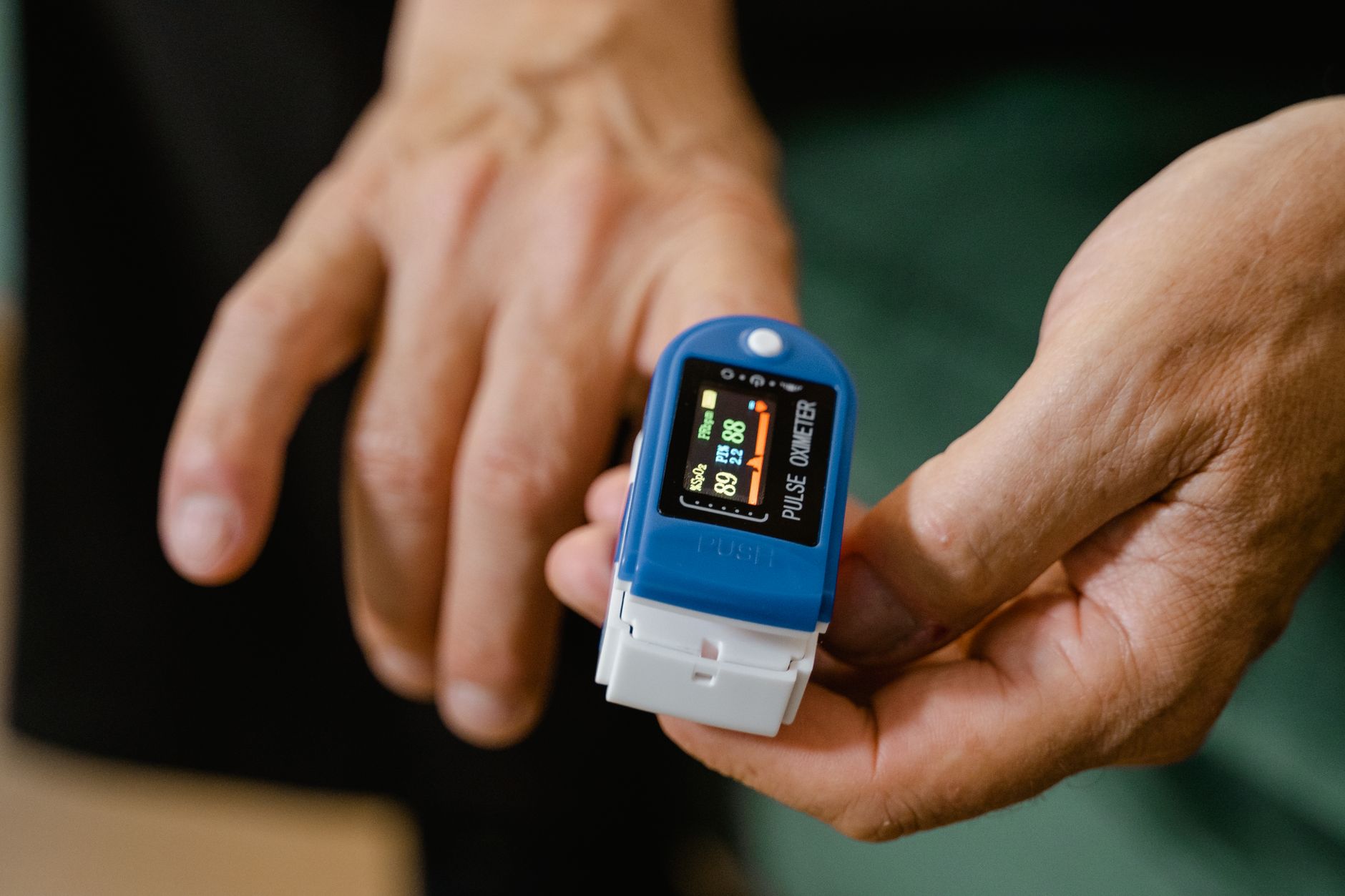
Oxygen saturation guides both treatment intensity and discharge readiness.
Disposition decisions: when to discharge versus admit
Discharge is safe when all three of the following are met:
PRAM ≤ 2 for at least 30 minutes after the last bronchodilator dose.
SpO₂ ≥ 95 % on room air.
No persistent retractions, and the child can tolerate oral fluids and medications.
Admission is recommended if any of these red flags appear:
PRAM ≥ 8 or failure to improve after two hours of intensive therapy.
Persistent severe retractions or signs of respiratory fatigue.
Inability to take oral steroids or fluids.
History of prior ICU admission for asthma, or comorbidities such as chronic lung disease.
Hospitals often use a “step‑down” unit for moderate cases—children receive nebulized therapy and monitoring but may avoid a full‑scale admission if they improve quickly. According to NICE, a short observation period (typically 4–6 hours) can safely identify children who will do well at home with the right follow‑up.
After discharge, a follow‑up visit within 48‑72 hours is advised, especially for moderate or severe attacks. The AAP suggests that a rapid‑access clinic can reduce repeat ED visits by up to 30 % when families adhere to the scheduled appointment.
Creating a personalized asthma action plan and caregiver education
Even after a child leaves the ED, the work isn’t over. A written action plan bridges the gap between hospital care and home management, giving families clear instructions on daily controller use, early warning signs, and when to seek urgent care.
Green zone: No symptoms; continue daily controller, rescue inhaler available for occasional wheeze.
Yellow zone: Early symptoms (cough, mild wheeze); use rescue albuterol 2 puffs every 4 hours, and start oral steroids if symptoms persist > 24 hours.
Red zone: Severe symptoms, PRAM ≥ 4 (if you’ve learned the score at home) or inability to speak in full sentences; give albuterol 2–4 puffs, call emergency services, and consider a second dose of oral steroids.
Contact information: Pediatrician, local urgent care, and the nearest emergency department.
Education should be hands‑on. Show caregivers how to use a spacer, demonstrate the correct inhaler technique, and practice counting breaths during a simulated wheeze. Reinforce that the PRAM score is a tool—not a replacement for clinical judgment—but knowing the numbers can reduce anxiety and improve communication with providers. The American Academy of Pediatrics (AAP) recommends reviewing the action plan at every routine visit to keep it fresh in the family’s mind.
When you pick up the prescription for the inhaler, ask the pharmacist to demonstrate the spacer technique again. A quick “teach‑back” where your child repeats the steps helps lock the skill in memory, and the NHS reports that patients who receive this extra instruction have 20 % fewer return visits.
Environmental triggers and prevention strategies
Identifying and minimizing exposure to common asthma triggers can dramatically reduce the frequency of exacerbations. Common culprits include indoor allergens (dust mites, pet dander, mold), tobacco smoke, and outdoor pollutants such as ozone and pollen. The NHS advises using allergen‑proof mattress covers, washing bedding in hot water weekly, and keeping indoor humidity below 50 % to discourage mold growth.
For families living in high‑pollen seasons, keeping windows closed, using HEPA air purifiers, and showering before bedtime can help. If tobacco smoke is a factor, the CDC emphasizes that a smoke‑free home and car are essential—there is no safe level of secondhand smoke for children with asthma. In addition, regular physical activity, adequate hydration, and a balanced diet rich in omega‑3 fatty acids have been linked to better asthma control, though these are supportive measures rather than primary treatments.
Climate change is widening the pollen season and increasing ground‑level ozone in many regions. The WHO recommends staying informed about local air‑quality alerts and limiting outdoor play on days when the Air Quality Index (AQI) exceeds 100. Portable “air‑quality” apps can help families plan indoor activities on high‑pollution days.
Inhaler technique, spacer use, and device selection
Even the most effective medication won’t work if it isn’t delivered correctly. Studies referenced by the British Thoracic Society (BTS) show that up to 40 % of children use their inhaler improperly, leading to sub‑therapeutic dosing. A spacer (or valved holding chamber) attached to a metered‑dose inhaler (MDI) increases lung deposition by up to 40 % compared with a nebulizer in cooperative children.
When teaching a child to use a spacer, have them sit upright, place the mask or mouthpiece snugly, and breathe in slowly while activating the inhaler. Encourage a “hold‑and‑breathe” for 5–10 seconds after each puff. For younger children who can’t coordinate inhalation, a nebulized solution remains the preferred method, but a well‑fitted mask is crucial to avoid aerosol loss.
Device hygiene matters, too. The FDA advises rinsing the spacer with warm water once a week and letting it air‑dry. A dirty spacer can harbor bacteria, potentially causing respiratory infections—especially in children with frequent exacerbations.
Special considerations for infants and preschool‑aged children
Children under two years often cannot perform the maneuvers required for PRAM scoring (e.g., counting breaths). In these cases, clinicians rely more heavily on observable signs such as retractions, nasal flaring, and oxygen saturation. The American Academy of Pediatrics recommends using a modified PRAM that omits wheeze grading and focuses on retractions and SpO₂.
Therapeutic dosing for infants also differs. The FDA advises that albuterol nebulizer dosage be weight‑based (0.15 mg/kg), and that oral steroids be given at 1 mg/kg prednisolone or 0.6 mg/kg dexamethasone. Because infants have higher respiratory rates, close monitoring in a pediatric observation unit is often warranted, especially if PRAM‑equivalent signs exceed the moderate threshold.
Peak flow meters are generally not reliable in children under five, but some centers use a pediatric handheld flow meter (e.g., the Mini Wright) to track trends. A consistent decline over 24 hours can prompt earlier escalation, even if the PRAM score is borderline.
Telemedicine tools and home monitoring
Remote care has become a mainstay for chronic asthma management, and many families now use telehealth visits to review symptoms, adjust medications, and reinforce inhaler technique. Video appointments allow clinicians to observe the child’s breathing pattern, assess retractions, and even guide families through a quick PRAM assessment using a home pulse oximeter.
Smartphone apps that sync with Bluetooth‑enabled oximeters can automatically log SpO₂ readings, timestamps, and symptom notes. When these data are shared with the pediatric team, they can spot worsening trends before a severe attack develops. The ACOG notes that telemedicine is especially valuable for rural families who face long travel times to the nearest pediatric specialty center.
When using telemedicine, keep a paper copy of the PRAM checklist handy, and have a reliable internet connection for clear audio‑visual communication. If a child’s score climbs to 4 or higher during a virtual visit, the provider will typically advise an in‑person evaluation or immediate ED presentation.
Nutrition and asthma control
While no single food “cures” asthma, certain dietary patterns support airway health. A Mediterranean‑style diet—rich in fruits, vegetables, whole grains, and omega‑3 fatty acids from fish or flaxseed—has been associated with fewer exacerbations in several cohort studies. The NHS recommends at least two servings of oily fish per week for children over four, unless there are allergy concerns.
Vitamin D deficiency is common in indoor‑bound children and has been linked to increased asthma severity. The American Academy of Pediatrics suggests checking serum 25‑OH vitamin D levels in children with frequent attacks, and supplementing to 600–1000 IU daily if levels are low, under physician guidance.
Conversely, high‑sugar and processed‑food diets may exacerbate airway inflammation. Encouraging balanced meals and limiting sugary drinks can help maintain a healthy weight—a factor that influences lung function. Discuss any dietary changes with your pediatrician, especially if your child has food allergies that could trigger asthma symptoms.
Psychological support for families
Asthma attacks can be frightening for both children and parents, leading to anxiety, sleep disruption, and even post‑traumatic stress in severe cases. The NICE guidelines recommend offering psychosocial support alongside medical treatment, especially after a severe exacerbation that required hospitalization.
Simple strategies such as breathing exercises, guided imagery, and age‑appropriate explanations of the disease can reduce fear. A family therapist or pediatric psychologist can teach coping skills that improve adherence to the action plan. Studies published in the Journal of Allergy and Clinical Immunology show that families who receive structured education and emotional support have a 15 % lower rate of repeat ED visits.
Don’t hesitate to ask your pediatrician about community resources—many hospitals run asthma camps or support groups where children can meet peers who understand what they’re going through. Connecting with other families often provides the reassurance that “you’re not alone” and reinforces the importance of staying on the prescribed treatment plan.
Doctor’s note
From our medical team: The PRAM is a reliable, bedside instrument that aligns with both US and UK guidelines. We emphasize that scores should be interpreted in context—consider the child’s baseline severity, recent medication use, and any comorbidities. If you’re ever unsure whether a child needs steroids or admission, err on the side of caution and discuss the case with your pediatrician or the ED physician. Prompt treatment not only eases the current episode but also lowers the risk of future severe attacks.
🔢 Ready to crunch your numbers? Use our PRAM Paediatric Asthma for a personalized result in seconds.
Myth vs. fact
Myth: “If my child’s wheeze improves, I can stop the bronchodilator and go home.”
Fact: Wheeze can resolve quickly, but airway inflammation may still be present. Continue the prescribed albuterol schedule and reassess with PRAM before discharge.
Myth: “Oral steroids are only for severe attacks.”
Fact: Moderate exacerbations (PRAM 3‑7) also benefit from a short course of oral steroids, which reduces relapse and the need for hospitalization.
Myth: “If my child is on a daily inhaled steroid, they never need a rescue inhaler.”
Fact: Even well‑controlled children can experience breakthrough symptoms during viral illnesses or allergen exposure; a rescue inhaler should always be on hand.
Key takeaways
PRAM 0‑2 = mild, 3‑7 = moderate, ≥8 = severe; use the score at presentation and every 15‑30 minutes.
First‑line treatment is albuterol; add ipratropium for PRAM ≥ 3 or persistent symptoms.
Start oral or IV corticosteroids when PRAM ≥ 4 or if the child shows worsening retractions.
Discharge safely when PRAM ≤ 2, SpO₂ ≥ 95 % on room air, and the child can tolerate fluids.
Admit if PRAM ≥ 8, SpO₂ < 90 % despite oxygen, or if the child has severe retractions or fatigue.
Equip families with a written asthma action plan that includes green, yellow, and red zones, plus clear instructions on inhaler technique and when to call for help.
Use spacers correctly; they boost medication delivery and are especially useful for school‑aged children.
Leverage telemedicine and home oximetry to catch worsening symptoms early, and consider nutrition and psychosocial support as part of a comprehensive plan.
Frequently asked questions
What is the PRAM score and how is it used in children with asthma?
The PRAM score is a five‑item bedside tool that quantifies airway obstruction using oxygen saturation, retractions, wheezing, and air entry. Clinicians calculate it to decide treatment intensity, track response, and determine discharge readiness.
How do you determine the severity of an asthma exacerbation using PRAM?
Score 0‑2 indicates mild disease, 3‑7 moderate, and ≥ 8 severe. These thresholds guide whether to use just albuterol, add ipratropium, start systemic steroids, or consider hospital admission.
What are the first‑line treatments for a moderate asthma attack in a child?
Give 2–4 puffs of albuterol via MDI‑spacer or nebulizer, repeat every 20 minutes for the first hour, add ipratropium bromide (0.25 mg nebulized) if PRAM ≥ 3, and start oral prednisolone (1‑2 mg/kg) for a 5‑day course.
When should a child with an asthma exacerbation be given oral steroids?
Oral steroids are recommended for PRAM ≥ 4 (moderate) or any child with severe signs (PRAM ≥ 8), persistent hypoxemia, or inability to maintain oral intake.
How often should the PRAM score be reassessed during treatment?
Reassess at baseline, then at 15, 30, and 45‑60 minutes after initial therapy. Continue every 15 minutes until the score drops to ≤ 2 and the child remains stable.
What criteria indicate that a child needs hospital admission for asthma?
Admission is advised if PRAM ≥ 8, SpO₂ < 90 % despite supplemental oxygen, severe retractions, respiratory fatigue, or inability to tolerate oral medications.
Can I use the PRAM score at home to decide when to call the doctor?
The PRAM was designed for clinical settings, but some families find it helpful for early recognition. If you notice a PRAM‑equivalent score of 4 or higher, or if symptoms are worsening despite rescue medication, call your pediatrician or go to the ED.
Do leukotriene modifiers have a role during an acute asthma flare?
Leukotriene receptor antagonists (e.g., montelukast) are maintenance medications and are not fast‑acting. They are not used for immediate relief during an acute exacerbation but should be continued as part of the long‑term plan to reduce future attacks.
Can a peak flow meter replace the PRAM score at home?
Peak flow meters provide a numeric measure of airflow, but they are less reliable in children under five. If you have a pediatric‑compatible peak flow meter, a consistent drop of 20 % or more from the child's personal best can signal worsening asthma and should prompt a call to your provider.
Is allergen immunotherapy useful for preventing future asthma attacks?
Allergen immunotherapy (allergy shots or sublingual tablets) can reduce sensitivity to specific triggers such as dust mites or pollens. The NICE guidelines suggest it as an adjunct for children with allergic asthma who continue to have frequent exacerbations despite optimal inhaled therapy.
When to call your doctor
If your child shows any of the following, seek immediate medical attention: persistent wheeze despite rescue medication, SpO₂ < 92 % on room air, worsening retractions, difficulty speaking full sentences, or if you feel unable to manage the situation at home. This article provides general information and is not a substitute for personalized medical advice.
References
American College of Emergency Physicians (ACEP). Clinical policy for the treatment of acute asthma in children. 2023.
National Institute for Health and Care Excellence (NICE). Asthma: diagnosis, monitoring and chronic asthma management. NG80. Updated 2022.
American Thoracic Society (ATS)/European Respiratory Society (ERS). Guidelines for the management
Not sure about the label on Asthma Exacerbation In Children Pram Scoring Stepwise Management products?
Snap the ingredients list and SafeFilter checks every ingredient for your stage — only 3 free scans this month, then you're locked until reset. Unlimited from $7/mo or $50/yr.
When Shubhra Mishra was expecting her first child in 2016, she was overwhelmed by conflicting food advice — one site said yes, another said never. By the time her second baby arrived in 2019, she realized millions of mothers face the same confusion.
That sparked a five-year journey through clinical nutrition papers, cultural diets, and expert conversations — all leading to BumpBites: a calm, compassionate space where science meets everyday motherhood.
Her long-term vision is to build a global community ensuring safe, supported, and free deliveriesfor every mother — because no woman should face pregnancy alone or uninformed. 🌿
🌍 Stand with mothers, shape safer guidance
Join a small circle of experts who review BumpBites articles so expecting parents everywhere can decide with confidence.