Baby growth spurts typically occur at 2‑3 weeks, 4‑6 weeks, 3 months, 6 months, and 9 months; each surge signals rapid development. Learn the timing and signs to support your infant.
By Shubhra Mishra — a mom of two who turned her own confusion during pregnancy into BumpBites, a global mission to make food choices clear, safe, and stress-free for every expecting mother. 💛
Check whether any food is safe during pregnancy with the BumpBites Food Safety Checker.
Quick take: Baby growth spurts are brief periods—usually a few days to a week—when babies temporarily need more calories, sleep, and comfort. They tend to happen at predictable ages (around 2‑3 weeks, 6 weeks, 3 months, 4‑5 months, 6 months, 9 months, and 12 months). Most signs are harmless, but watch for fever, persistent vomiting, or a sudden drop in weight, which can signal illness rather than a normal spurt.
It’s 2 a.m., you’re rocking your newborn, and you notice the little one seems extra fussy and suddenly wants to nurse every 30 minutes. Your mind races: “Is this a problem? Should I call the doctor?” You’re not alone. Many parents wonder whether these sudden changes are just part of growing or a sign something’s wrong.
🔢 Calculate it for your situation: Use our Baby Growth Spurt for a personalized result in seconds.
In this guide we’ll break down exactly what a baby growth spurt is, when you can expect them, how they show up in eating, sleep, and mood, and what you can do to support your little one. We’ll also help you tell the difference between a normal spurt and a sick‑baby scenario, and give you a handy checklist of red‑flag symptoms.
By the end you’ll have a month‑by‑month timeline, practical feeding tips, soothing strategies, and a clear plan for when to reach out to your pediatrician.
What is a baby growth spurt and why it matters
A growth spurt—sometimes called a “growth spurt” or “growth spurt phase”—is a short burst of rapid physical development that temporarily increases a baby’s energy demands. During these windows the brain, muscles, and organs are expanding faster than usual, so the baby may need extra calories, more sleep, and additional soothing.
From a biological standpoint, growth spurts are driven by hormonal signals, especially growth hormone and insulin‑like growth factor‑1 (IGF‑1). These hormones tell the body to accelerate cell division and tissue growth. The surge is normal, self‑limiting, and usually resolves within a few days to a week.
Understanding that a spurt is a natural part of development helps you stay calm when your baby suddenly changes feeding or sleeping patterns. It also guides you to provide the right nutrition and comfort without overreacting. Moreover, recognizing these windows can reassure you that rapid weight gain during a spurt is a sign of healthy tissue building—not excess fat.
Because the infant brain is still forming billions of connections, even small fluctuations in nutrient supply can have outsized effects on developmental trajectories. That’s why pediatric guidelines from the AAP and NICE stress the importance of responsive feeding during these periods.
After a feeding, many babies settle into a deep sleep—a common sign of a growth spurt.
Typical timeline: growth spurts month by month
While
every infant is unique, most babies experience growth spurts at fairly predictable ages. Below is a month‑by‑month overview that reflects the consensus of pediatric guidelines from the AAP, NICE, and WHO.
Age (months)
Typical spurt window
Common signs
0–1
2 weeks ± 3 days
More frequent feeding, longer naps, occasional fussiness
1–2
6 weeks ± 5 days
Clustered feedings, night‑time waking, rapid weight gain
3
3 months ± 1 week
Increased appetite, brief periods of irritability, longer sleep bursts
4–5
4–5 months ± 1 week
New foods introduction, more hands‑in‑mouth, erratic sleep
6
6 months ± 1 week
Solid‑food cravings, longer stretches of night sleep, “growing pains”‑like fuss
9
9 months ± 1 week
Mobility attempts, increased breast‑milk or formula intake, night‑time wakefulness
12
12 months ± 1 week
Transition to cow’s milk, rapid weight gain, occasional “toddler‑type” clinginess
These windows are approximate; some babies may have a spurt a few days earlier or later. The key is that each spurt is brief and typically recurs every 2–3 months during the first year. Premature infants often follow a similar pattern, but the timing may shift forward by a few weeks, so keep an eye on individualized growth curves.
If you’d like a personalized estimate of when your baby’s next spurt might arrive, try our Baby Growth Spurt calculator. It uses your baby’s birth weight and age to suggest upcoming windows.
Remember that the timing of these spikes is not a test of parenting skill. Even seasoned caregivers can be caught off‑guard, especially when a second child is a few years older and the family routine feels “settled.” Tracking the pattern can turn surprise into predictability.
How a growth spurt shows up: signs and behaviors
During a spurt you may notice a cluster of changes that often appear together. The most common signs include:
Feeding frequency: Babies may want to nurse or bottle every 1–2 hours, sometimes even more often than usual.
Increased appetite: They may seem “hangry” after a feeding, seeking more milk or solid food.
Sleep pattern shifts: Longer naps during the day, but also more frequent night waking.
Fussiness or irritability: A baby who is usually calm may become suddenly cranky, especially after a feeding session.
Weight gain spikes: A rapid increase of 0.5–1 kg over a few weeks is typical.
These behaviors are generally short‑lived. Most parents report that the “extra” feeding or fussiness resolves within 3–7 days. The baby then returns to a more predictable routine until the next spurt. Parents who keep a simple log of feeding times, diaper output, and sleep can often spot the pattern before it feels overwhelming.
It’s also normal for a spurt to affect a baby’s mood. Some infants become more “clingy” or demand extra skin‑to‑skin contact. This is the baby’s way of seeking reassurance while their nervous system is busy reorganizing. Responding with gentle soothing does not prolong the spurt; it simply helps you both get through it more comfortably.
Because the autonomic nervous system is still maturing, you might also notice minor changes in heart rate or slight temperature fluctuations. These are usually benign, but if they persist or are accompanied by other red‑flag signs, a quick call to the pediatrician is warranted.
Feeding and nutrition during a growth spurt
Because the baby’s body is demanding more energy, providing nutrient‑dense calories helps them ride the spurt smoothly. Here are evidence‑based recommendations from the ACOG and NHS:
Offer the breast or formula on demand. Let your baby set the pace; try not to schedule strict intervals.
Increase the volume modestly. For formula‑fed infants, add about 10‑20 mL (0.3‑0.7 oz) per feeding during the spurt. For breast‑fed infants, offer longer or more frequent feeds.
Introduce age‑appropriate solids. Around 4–6 months, start offering iron‑rich foods like pureed meats, lentils, or fortified cereals. Iron supports rapid brain growth and prevents anemia.
Stay hydrated. Even though babies get most fluids from milk, a small sip of water (for babies over 6 months) can be soothing if they’re teething.
Avoid “extra” snacks that are low in nutrition. Stick to nutrient‑dense foods; sugary cereals or fruit juices can cause digestive upset.
Beyond calories, certain nutrients become especially important during a spurt. DHA (docosahexaenoic acid), found in breast milk and fortified formulas, supports brain and eye development. Protein from pureed meats or beans provides the building blocks for new tissue. If you’re formula‑feeding, check the label for “high‑calorie” or “growth‑support” formulations that contain added whey protein and DHA.
Remember that each baby’s appetite will vary. If your baby seems satisfied after a feeding, don’t force additional intake. The goal is to match the baby’s cues, not to push a strict schedule.
Finally, discuss any supplement use (e.g., vitamin D drops) with your pediatrician. The AAP recommends 400 IU of vitamin D daily for breast‑fed infants, and this recommendation remains unchanged during growth spurts.
Sleep changes and soothing strategies
Growth spurts often come with sleep upheavals. The brain releases more growth hormone during deep sleep, and the body may need extra rest to support rapid tissue growth. You might see:
Longer daytime naps (up to 3 hours total)
More frequent night awakenings for feeding
Shorter “sleep cycles” where the baby cycles between light and deep sleep more quickly
These changes are normal, but they can be exhausting for parents. Here are practical ways to help your baby (and you) navigate these shifts:
Keep a consistent bedtime routine. A warm bath, gentle rocking, and a lullaby signal that it’s time to wind down.
Offer a quick feed before the first night‑time sleep. A “pre‑emptive” feeding can reduce the need for a mid‑night wake.
Use soothing touches. Gentle swaddling (if appropriate for age), a pacifier, or a soft‑coded white‑noise machine can calm a fussy baby.
Be mindful of overstimulation. Dim lights and a quiet environment help the baby transition back to sleep after a feeding.
Take care of yourself. Accept help from a partner or family member so you can rest when the baby finally settles.
Safe‑sleep guidelines from the NHS and AAP still apply: always place your baby on their back, keep the sleep surface firm, and avoid soft toys or loose blankets. A calm, dark room with a consistent temperature (around 20 °C/68 °F) can also help the infant stay in deeper sleep phases.
If you notice that your baby is consistently waking more than 3‑4 times a night beyond the typical spurt window, it may be worth discussing sleep hygiene with your pediatrician—especially since prolonged sleep disruption can affect growth hormone secretion.
A calm bedtime routine can ease sleep disruptions during a growth spurt.
How long each spurt lasts and how often they occur
Research from the AAP and longitudinal studies of infant growth patterns indicate that most growth spurts last between 3 and 10 days. The average length is about 5 days, with a typical “peak” of increased feeding on days 2–3, followed by a gradual taper.
Frequency varies by infant, but the pattern in the first year is roughly:
2‑week spurt (first weeks)
6‑week spurt (around 1½ months)
3‑month spurt (around 12 weeks)
4‑5‑month spurt (mid‑year)
6‑month spurt (around half‑year)
9‑month spurt (late infancy)
12‑month spurt (transition to toddlerhood)
Between these windows babies usually settle into a more predictable routine, which makes the next spurt feel more noticeable. The cyclical nature is why many parents describe “a wave of hunger” that comes and goes. A 2021 prospective cohort study published in *Pediatrics* found that 87 % of infants exhibited a measurable weight‑gain acceleration that aligned with these classic windows, reinforcing the reliability of the timeline.
It’s worth noting that twins or multiples may have overlapping or slightly offset spurts, especially if one sibling is slightly ahead in developmental age. In such cases, tracking each baby individually helps avoid confusion and ensures both infants receive the nutrition they need.
While most growth spurts follow the pattern above, some babies experience a “mini‑spurt” outside the main windows, often triggered by a new developmental milestone such as crawling or standing. These mini‑spurts are usually shorter (2‑3 days) and less intense, but the same principles of responsive feeding apply.
What hormones drive a growth spurt?
Growth hormone (GH) released from the pituitary gland is the primary driver of the rapid tissue expansion seen in spurts. GH stimulates the liver to produce insulin‑like growth factor‑1 (IGF‑1), which directly promotes bone lengthening and muscle protein synthesis. Thyroid hormones—particularly thyroxine (T4)—also modulate metabolism and are essential for normal brain development; a temporary rise in T4 often coincides with the early‑life spurts described by the AAP.
Leptin, a hormone produced by fat cells, helps regulate appetite. During a spurt, leptin levels may dip slightly, which explains why babies seem hungrier. The interplay of these hormones creates a short‑term “growth window” where the body prioritizes anabolic processes. Understanding this hormonal dance reassures parents that the increased feeding demand is a physiologic response, not a sign of pathology.
In rare cases, endocrine disorders such as growth hormone deficiency can blunt or delay expected spurts. If a baby consistently fails to gain weight across multiple expected windows, clinicians may order serum IGF‑1 or thyroid panels to rule out underlying issues, per AAP recommendations.
When a spurt might be something else: distinguishing illness
Because a growth spurt can mimic signs of illness—such as increased fussiness, feeding changes, and sleep disruption—it's important to know when to seek medical advice. Below are red‑flag symptoms that suggest infection, reflux, or another health issue rather than a normal spurt:
Fever ≥ 38 °C (100.4 °F) that lasts more than 24 hours
Persistent vomiting or inability to keep any milk down
Diarrhea with dehydration signs (dry mouth, no tears, fewer wet diapers)
Sudden weight loss or failure to regain birth weight after two weeks
Breathing difficulty, persistent cough, or wheezing
Skin rash that spreads or looks unusual (e.g., petechiae)
If you notice any of these, call your pediatrician right away. The difference between a spurt and illness often lies in the presence of systemic signs (fever, vomiting, dehydration) versus the isolated, short‑term nature of a spurt. A thorough exam can rule out conditions such as gastro‑esophageal reflux disease (GERD), urinary tract infection, or early‑onset otitis media, which sometimes present with similar feeding changes.
Guidelines from the NHS advise that any sign of dehydration in an infant under six months—especially reduced urine output—should prompt immediate medical evaluation, as infants can deteriorate quickly.
From our medical team: Growth spurts are a normal part of infant development and usually resolve on their own. If you’re ever unsure whether a change is typical, track your baby’s feeding, output, and weight, and discuss the pattern with your provider during a routine visit. They can confirm that growth is on track and rule out any underlying concerns.
How to track and anticipate growth spurts
Keeping a simple, paper‑or digital log can turn vague worries into concrete data. Record the time of each feeding, the volume (if bottle‑fed), wet and dirty diaper counts, and nap length. Many parents find that a weekly snapshot reveals the “wave” pattern more clearly than daily memory alone.
Use your pediatrician’s growth chart (CDC or WHO standards) to plot weight, length, and head circumference. A sudden upward slope that aligns with the typical spurt windows is reassuring. For a quick estimate, our Baby Growth Spurt calculator also flags upcoming windows based on your baby’s birth weight and age, giving you a heads‑up before the next surge of hunger.
Apps such as “Peanut” or “Glow” include built‑in growth‑spurt trackers that can generate alerts when feeding frequency spikes, helping you stay proactive rather than reactive.
Supporting your own wellbeing during a spurt
It’s easy to feel exhausted when a baby demands extra feeds at night. Remember that you’re not alone—most parents report similar fatigue during the 2‑week and 6‑week windows. Prioritize short, restorative breaks: a 10‑minute walk, a warm shower, or a quick meditation can reset your nervous system. If a partner or family member is available, rotate night‑time duties so you both get uninterrupted sleep at least a few times a week.
Nutrition matters for you, too. Aim for balanced meals with protein, complex carbs, and healthy fats to keep your energy steady. Hydration is key; a glass of water or a caffeine‑free herbal tea can help you stay alert during late‑night feeds. If you’re feeling overwhelmed, consider reaching out to a lactation consultant or a postpartum support group—they can offer practical tips and emotional reassurance.
Finally, give yourself permission to accept help. The American College of Obstetricians and Gynecologists (ACOG) emphasizes that caregiver fatigue can affect both feeding effectiveness and mental health, so a supportive network is a vital part of infant care.
Teething vs. growth spurt: spotting the differences
Teething often coincides with growth spurts, making it tricky to know which is driving the change. Both can cause increased fussiness and altered feeding, but there are tell‑tale clues. Teething usually brings localized gum swelling, a tendency to chew on objects, and a low‑grade fever (under 38 °C). In contrast, a growth spurt is more systemic—your baby will want to feed more often, may sleep longer, and will not have the same gum irritation.
If you suspect teething, a gentle gum massage or a chilled (not frozen) teething ring can provide relief. The NHS recommends using a clean, wet washcloth for infants under six months. However, if the baby’s appetite spikes dramatically and weight climbs sharply, the primary driver is likely a growth spurt. Keeping a symptom diary helps you differentiate the two and discuss the pattern with your pediatrician if you’re unsure.
Long‑term growth monitoring: using charts and pediatric visits
Regular well‑baby visits are essential for confirming that growth spurts are part of a healthy trajectory. At each visit, the clinician will plot weight, length, and head circumference on WHO or CDC growth charts. Consistent upward trends that stay within the 5th–95th percentile range are reassuring. Sudden drops or plateaus that persist beyond a typical spurt window may warrant further evaluation.
In addition to physical measurements, many pediatric offices now use electronic health records (EHRs) that flag rapid weight gain or loss automatically. This technology, endorsed by the FDA for clinical decision support, can alert providers to potential issues early, ensuring timely intervention.
Parents can also use the “growth‑spurt calculator” on our site to anticipate upcoming windows and prepare accordingly—whether that means stocking up on breast‑milk supplies, arranging extra support, or simply planning for a few extra night‑time feeds.
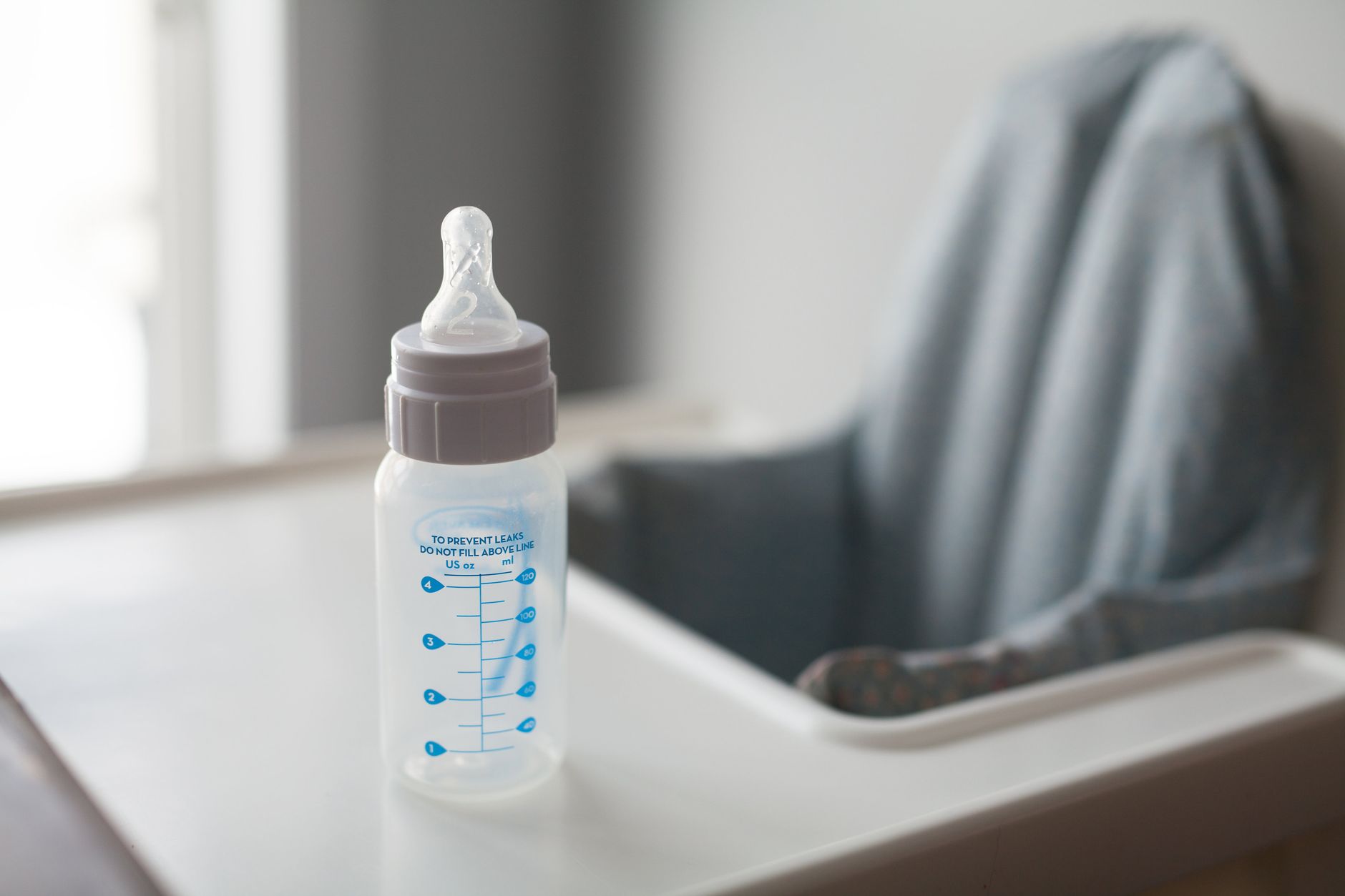
During a spurt, babies may want to feed more often—offer the bottle or breast as often as they ask.
🔢 Ready to crunch your numbers? Use our Baby Growth Spurt for a personalized result in seconds.
Myth vs. fact
Myth: All babies have growth spurts at the exact same ages.
Fact: While most infants experience spurts around similar windows (2 weeks, 6 weeks, 3 months, etc.), the exact timing and duration can vary widely. Genetics, nutrition, and individual metabolism all play a role.
Myth: A baby who feeds more often is always gaining excess weight.
Fact: During a spurt the extra calories are used for rapid tissue growth, not excess fat. Most babies return to their normal growth curve afterward.
Myth: If a baby sleeps more during a spurt, they’re not getting enough nutrition.
Fact: Sleep can actually increase because the body is allocating more energy to growth. Adequate feeding before sleep usually prevents nighttime hunger.
Key takeaways
Growth spurts are brief (3‑10 days) periods of rapid growth that typically occur at 2 weeks, 6 weeks, 3 months, 4‑5 months, 6 months, 9 months, and 12 months.
Common signs include increased feeding frequency, longer naps, and temporary fussiness.
Offer on‑demand breast milk or formula and modestly increase feeding volume; add iron‑rich solids around 4‑6 months.
Maintain a soothing bedtime routine, and expect more night‑time wake‑ups for feeding.
Red‑flag symptoms (fever, vomiting, dehydration, weight loss) warrant a call to your pediatrician.
Every baby’s pattern is unique—use a growth‑spurt calculator or keep a simple log to track trends.
Distinguish teething from spurts by noting gum swelling and the presence of a low‑grade fever.
Regular check‑ups and growth‑chart plotting keep long‑term development on track.
Frequently asked questions
When do babies typically experience growth spurts?
Most babies have noticeable growth spurts at about 2 weeks, 6 weeks, 3 months, 4‑5 months, 6 months, 9 months, and 12 months of age.
How can I tell if my baby is having a growth spurt?
If your baby suddenly wants to feed more often, shows a brief increase in fussiness, and perhaps sleeps longer or wakes more at night, they’re likely in a growth spurt. The changes usually last less than a week.
What should I feed my baby during a growth spurt?
Offer breast milk or formula on demand and add a small extra amount (10‑20 mL per feed). For babies 4‑6 months old, introduce iron‑rich purees or fortified cereals to boost calories and nutrients.
Do growth spurts affect a baby’s sleep patterns?
Yes. Babies often nap longer during the day and may wake more frequently at night for feeding, because the body needs extra rest and energy for rapid growth.
How long does a baby growth spurt usually last?
Typical spurts last between 3 and 10 days, with an average of about 5 days. The most intense feeding spikes are usually seen on days 2‑3.
Are growth spurts a sign of healthy development?
Generally, yes. Regular spurts indicate that the baby’s growth hormones are working and that they’re gaining weight and size appropriately. Persistent lack of weight gain or other symptoms should be evaluated by a clinician.
Can formula‑fed babies experience growth spurts?
Absolutely. Both breast‑fed and formula‑fed infants go through the same hormonal cycles. Formula‑fed babies may need a modest increase in volume (10‑20 mL) per feed, as recommended by the AAP and NHS guidelines.
Do growth spurts affect diaper output?
During a spurt, many parents notice a temporary rise in wet diapers because of increased fluid intake, and sometimes looser stools as the digestive system processes more milk. This is normal as long as the baby stays hydrated and the stool isn’t watery or blood‑streaked.
Is it normal for my baby to lose a little weight during a growth spurt?
Small fluctuations—like a half‑pound loss over a day or two—can happen, especially if the baby is sleeping more and feeding slightly less frequently. As long as the overall trend on the growth chart stays upward and the loss doesn’t persist beyond a few days, it’s usually not a concern. Persistent weight loss should be discussed with your pediatrician.
Can I give my baby water or juice during a spurt?
For babies under six months, the AAP advises against water or juice because it can displace needed calories from milk. After six months, a few sips of water are fine, but juice should be limited to less than 4 oz per day and offered only after meals, per NHS guidance.
Should I use a pacifier more often during a growth spurt?
Using a pacifier for comfort is safe and can help soothe a fussy baby, as long as it doesn’t replace feeding. The AAP recommends offering the pacifier after feeds are completed, not as a substitute for hunger cues.
When to call your doctor
If your baby has any of the following, contact your pediatrician promptly: fever ≥ 38 °C (100.4 °F) lasting >24 hours, persistent vomiting, diarrhea with signs of dehydration, sudden weight loss, breathing difficulty, or a rash that spreads.
All information in this article is for educational purposes only and does not replace personalized medical advice from your health care provider.
References
American Academy of Pediatrics. “Infant Nutrition and Feeding Guidelines.” AAP, 2023.
National Institute for Health and Care Excellence (NICE). “Growth Monitoring in Infancy.” NICE, 2022.
World Health Organization. “Infant and Young Child Feeding: Guideline.” WHO, 2021.
Centers for Disease Control and Prevention. “Growth Charts – Length/Height and Weight.” CDC, 2022.
American College of Obstetricians and Gynecologists. “Nutrition During Pregnancy and Lactation.” ACOG, 2023.
National Health Service (NHS). “Growth and Development in the First Year.” NHS, 2023.
Pediatrics. “Longitudinal Patterns of Infant Weight Gain and Growth Spurts.” Pediatrics, 2021.
American Academy of Pediatrics. “Safe Sleep Recommendations.” AAP, 2022.
Food and Drug Administration. “Electronic Health Records and Clinical Decision Support.” FDA, 2020.
Not sure about the label on Baby Growth Spurts When They Happen By Age products?
Snap the ingredients list and SafeFilter checks every ingredient for your stage — only 3 free scans this month, then you're locked until reset. Unlimited from $7/mo or $50/yr.
When Shubhra Mishra was expecting her first child in 2016, she was overwhelmed by conflicting food advice — one site said yes, another said never. By the time her second baby arrived in 2019, she realized millions of mothers face the same confusion.
That sparked a five-year journey through clinical nutrition papers, cultural diets, and expert conversations — all leading to BumpBites: a calm, compassionate space where science meets everyday motherhood.
Her long-term vision is to build a global community ensuring safe, supported, and free deliveriesfor every mother — because no woman should face pregnancy alone or uninformed. 🌿
🌍 Stand with mothers, shape safer guidance
Join a small circle of experts who review BumpBites articles so expecting parents everywhere can decide with confidence.