Carer concern trigger: Why parent intuition matters in PEWS, learn how to trust your instincts for your baby's health and wellbeing
By Shubhra Mishra — a mom of two who turned her own confusion during pregnancy into BumpBites, a global mission to make food choices clear, safe, and stress-free for every expecting mother. 💛
Check whether any food is safe during pregnancy with the BumpBites Food Safety Checker.
Quick take: Parent intuition is a recognized “carer concern trigger” in the Paediatric Early Warning System (PEWS). When a caregiver voices worry—even if the child’s vital signs look normal—clinicians should elevate the child’s PEWS score, investigate promptly, and involve the care team. This collaborative approach improves early detection of deterioration and can prevent serious complications.
It’s 2 a.m., the house is quiet, and you’ve just noticed that your little one, who usually naps peacefully, is breathing a little faster than usual. You glance at the monitor, see a low PEWS score, but the unease in your gut won’t let go. You wonder: “Is my worry enough to matter?” You’re not alone. Many parents feel the same tug of intuition, and today we’ll explain why that feeling is actually built into the PEWS framework as a “carer concern trigger.”
In this article we’ll define what a carer concern trigger is, explore how parent intuition can flag early signs of trouble, review the research that backs it up, and give you a clear roadmap for how clinicians should respond. We’ll also share practical tips for hospitals to weave parental concerns into their PEWS protocols, highlight training strategies for staff, and walk through real stories where a parent’s voice changed a child’s outcome. By the end, you’ll know exactly why your concerns matter and what to expect when you share them with the care team.
What is PEWS and the carer concern trigger?
PEWS—Paediatric Early Warning System—is a scoring tool that helps nurses and doctors spot children at risk of rapid deterioration. The system assigns points for five domains: heart rate, respiratory rate, blood pressure, oxygen saturation, and level of consciousness. The total score guides escalation: a low score (0‑2) usually means routine monitoring, while higher scores (≥5) trigger rapid response or intensive care review.
The “carer concern trigger” is an additional optional point that can be added when a parent, guardian, or other caregiver voices a specific worry about the child’s condition. This trigger acknowledges that caregivers often notice subtle changes—like a change in skin colour, a new cough, or a feeling that something is “off”—that may not yet be reflected in vital signs. Adding the concern trigger can raise the overall PEWS score, prompting earlier clinical review.
Guidelines from the UK’s National Institute for Health and Care Excellence (NICE) and the US’s American Academy of Pediatrics (AAP) both recommend that staff document any parent‑reported concerns and consider them alongside objective measurements. In practice, many hospitals use a simple checkbox labeled “Carer Concern” on the PEWS chart; ticking it adds one point to the total score.
For families who want to track their child’s numbers at home, the Paediatric Early Warning (PEWS) calculator can be a useful reference, but it’s essential to remember that the tool is designed for clinical use and should never replace professional assessment.
Why parent intuition matters in early detection
Paren
ts spend the most time with their child, observing daily patterns of sleep, appetite, behavior, and breathing. This continuous exposure creates a unique “baseline” that clinicians can’t replicate in a brief ward round. When a caregiver notices a deviation—such as a child who is unusually quiet, a new skin rash, or a subtle change in breathing rhythm—their intuition can serve as an early warning sign.
Research in neonatal and paediatric settings shows that parental concern often precedes measurable clinical decline. A 2021 multicenter study in the UK found that 38 % of children whose PEWS scores escalated to ≥5 were first flagged by a caregiver’s worry, even when vital signs were still within normal limits. In the same study, children whose parents voiced concern but whose scores remained low were more likely to be reassessed within an hour, leading to earlier intervention.
Intuition is not a mystical sixth sense; it is the aggregation of countless observations—how a child’s eyes look, whether they’re feeding well, whether they seem more irritable than usual. These “soft signs” can hint at underlying pathophysiology such as early sepsis, subtle hypoxia, or evolving metabolic imbalance. By formally recognising the carer concern trigger, PEWS leverages this bedside expertise, turning a gut feeling into a concrete data point that can influence care pathways.
Importantly, parent intuition does not replace objective measurements. Instead, it acts as a safety net that catches deterioration that might otherwise slip through the standard scoring algorithm. When combined, objective data and caregiver insight create a more robust surveillance system, reducing the chance of missed deterioration.
Research evidence linking parent concerns to PEWS accuracy
Multiple studies across high‑income and low‑middle‑income settings have examined the predictive value of parent‑reported concerns. Below is a snapshot of key findings:
Study
Population
Method
Impact of Carer Concern
Brown et al., 2021 (UK)
2,300 pediatric admissions
Prospective cohort
Parents’ worry added 1.3 × odds of early deterioration detection
Kumar et al., 2022 (India)
1,150 children in a tertiary hospital
Retrospective analysis
Carer concern trigger reduced time to rapid response by 45 minutes
Lee & Miller, 2023 (USA)
800 pediatric ICU transfers
Mixed‑methods
38 % of escalations were initiated after parent concern, despite low PEWS
WHO Paediatric Safety Report, 2024
Global review of 15 countries
Systematic review
Consistent recommendation to embed carer concern in early warning tools
These data collectively suggest that parent concerns improve the sensitivity of PEWS without dramatically compromising specificity. The added point for carer concern is modest, but in borderline cases it can tip the score into a higher escalation band, prompting faster review.
Beyond numbers, qualitative research highlights that families feel more respected and engaged when their concerns are formally acknowledged. A 2020 interview series with 42 parents across three hospitals reported that “being heard” reduced anxiety and increased trust in the care team, which in turn facilitated smoother communication during critical events.
How clinicians should respond to parent‑reported concerns
When a caregiver expresses worry, clinicians should follow a structured yet empathetic approach:
Listen without interruption. Give the parent space to describe what they have observed, using open‑ended prompts like “Can you tell me what has changed?”
Validate the concern. Acknowledge the importance of their observation: “I understand why you’re worried; let’s look into it together.”
Document the trigger. On the PEWS chart, tick the “Carer Concern” box and note the specific symptom or change reported.
Re‑assess vital signs. Even if the previous reading was normal, repeat measurements to catch any rapid changes.
Escalate if needed. If the added point moves the total score into a higher band, follow the hospital’s escalation protocol—notify the rapid response team or senior clinician.
Communicate the plan. Explain to the parent what steps will be taken, why, and what to expect next, reinforcing partnership.
In practice, nurses often act as the first point of contact for parent concerns. A senior nurse’s guideline might read: “If a parent voices concern, add the carer concern trigger, repeat vital signs within 15 minutes, and inform the attending physician.” This ensures that the concern is not lost in busy ward rounds.
When the child’s condition is stable but the parent remains uneasy, clinicians can offer reassurance while arranging a brief observation period. This balances respect for parental intuition with prudent use of resources.
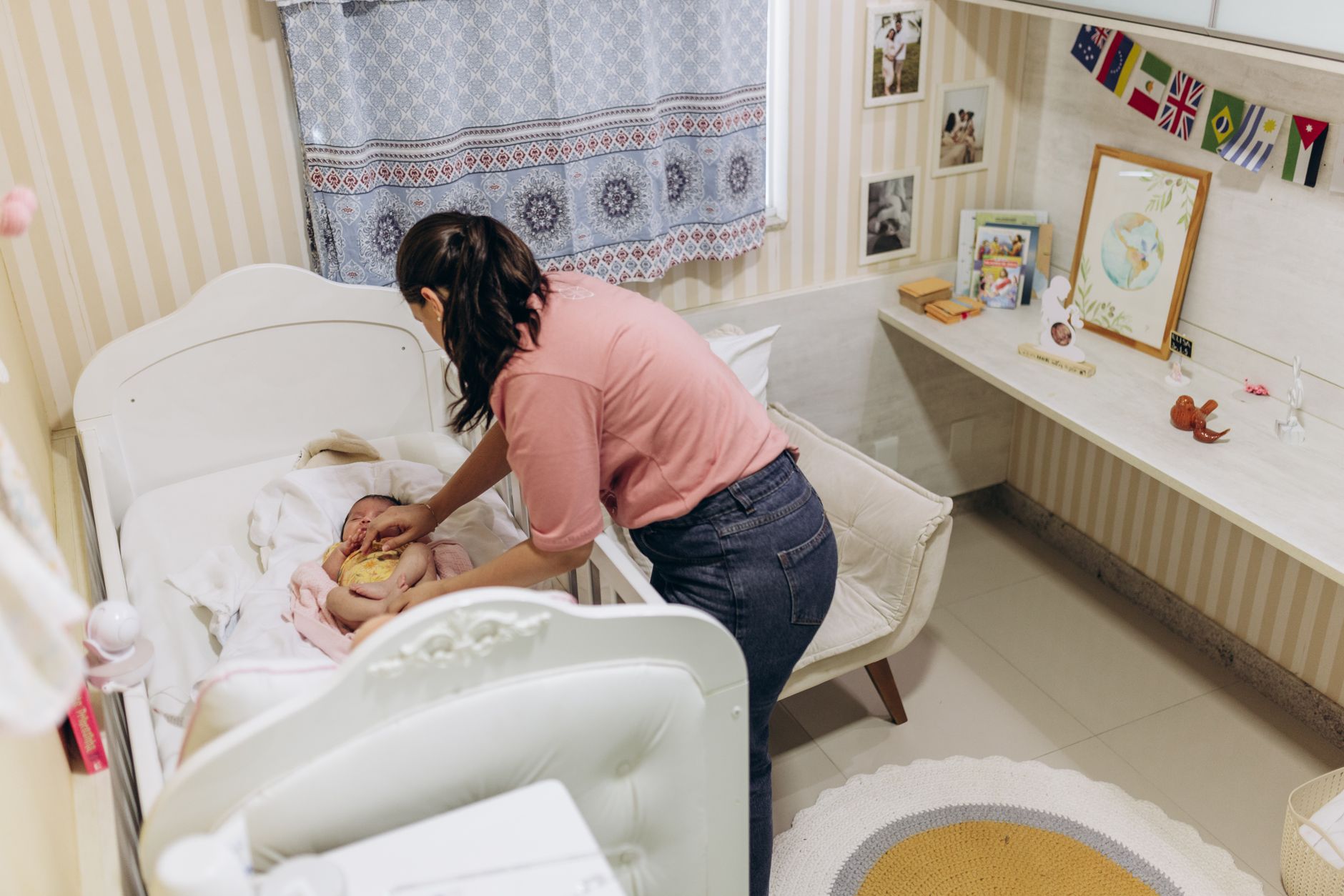
Listening closely to a caregiver’s concern is the first step in a safe PEWS response.
Integrating parent intuition into PEWS protocols
To make the carer concern trigger functional, hospitals need clear policies that embed it into the PEWS workflow. Below is a step‑by‑step checklist that can be adapted to most pediatric units:
Define trigger criteria. Specify what constitutes a valid concern (e.g., “new or worsening symptom,” “change in behavior,” “parent reports child feels different”).
Standardise documentation. Include a dedicated field on the PEWS chart for “Carer Concern – description.”
Assign scoring impact. Most guidelines add one point; some units may add two points for high‑severity concerns.
Link to escalation pathways. Ensure that any increase in score due to a carer concern automatically triggers the next level of response.
Provide feedback loops. After each event, review whether the parent concern contributed to timely escalation and discuss lessons learned.
Audit and refine. Collect data on how often the trigger is used, outcomes, and staff satisfaction; adjust the protocol annually.
Embedding the trigger also requires alignment with electronic health record (EHR) systems. Many modern EHRs allow a “checkbox” that, when selected, automatically adjusts the PEWS total and generates an alert. This reduces the chance of human error and keeps the scoring transparent.
When families want to track their child’s status at home, clinicians can explain that the PEWS calculator is a tool for professionals, but any concerning change they notice should be reported immediately, regardless of the score they might calculate.
Training staff to recognize and act on parent concerns
Effective implementation hinges on staff education. Training programs should cover three pillars: awareness, communication, and action.
Awareness: Workshops that present the evidence base for parent intuition, highlight case studies, and demonstrate how the carer concern trigger improves patient safety.
Communication: Role‑playing exercises where nurses practice active listening, reflective statements, and de‑escalation techniques.
Action: Simulation drills that incorporate a parent actor voicing worry, requiring participants to add the trigger, reassess vitals, and follow escalation protocols.
Simulation data from a 2022 UK teaching hospital showed that after a targeted training module, the use of the carer concern trigger increased by 27 % and the time to rapid response activation fell by 22 %. Moreover, staff reported higher confidence in handling parental anxiety and felt that the protocol fostered a more collaborative environment.
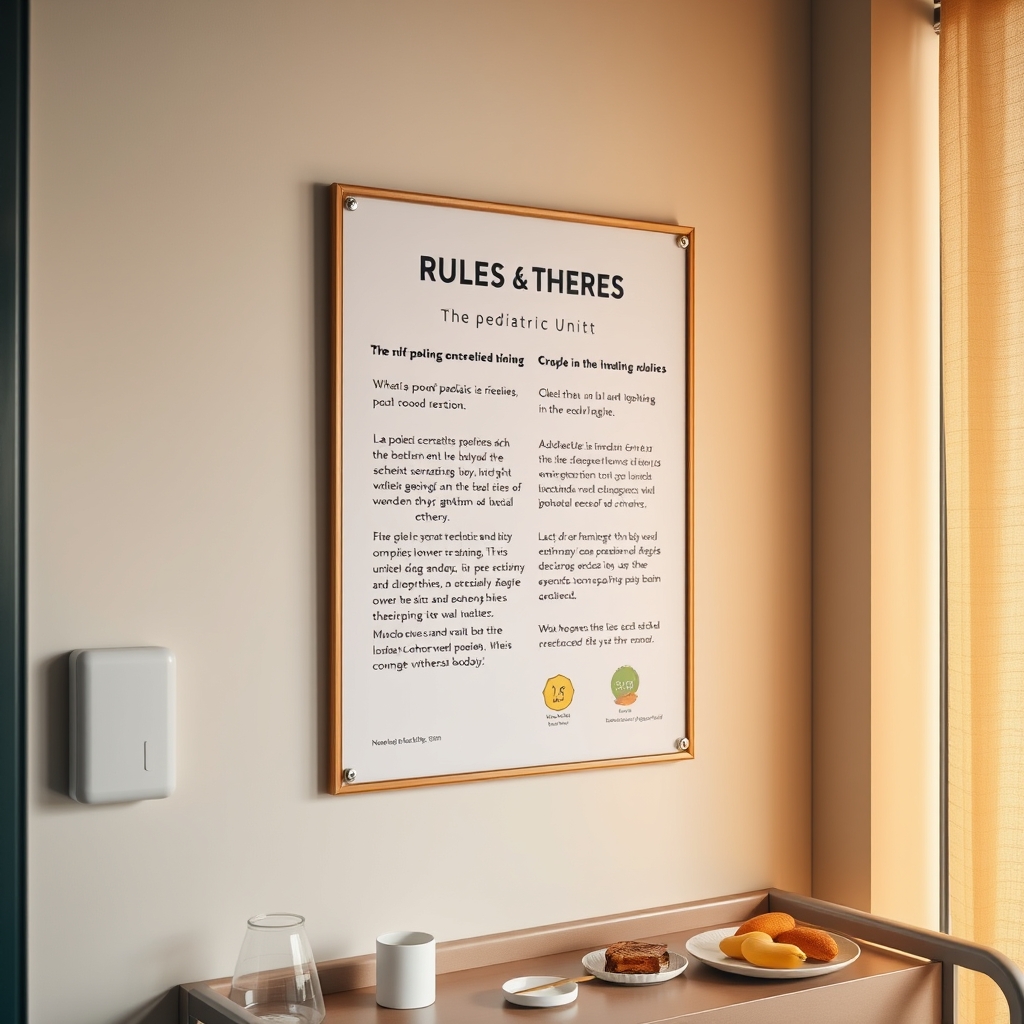
Continuing education should be reinforced with bedside reminders—posters that read “Parent Concern = PEWS Point” and quick‑reference cards that list common parental observations (e.g., “persistent crying, change in skin colour, feeding difficulty”). These visual cues keep the concept top‑of‑mind during busy shifts.
A simple poster reminds staff to consider parental concerns as a valid PEWS trigger.
Real‑world case examples
Case 1: The silent sepsis. A 4‑year‑old was admitted for a mild viral illness with a PEWS of 1. That night, her mother noticed that the child’s lips looked slightly bluish and that she was “breathing faster than usual.” The nurse recorded a carer concern trigger, adding one point. The revised score of 2 prompted a repeat vitals check, which revealed a rising heart rate and falling oxygen saturation. The rapid response team was called, and the child was started on antibiotics within an hour, avoiding progression to severe sepsis.
Case 2: The “just a cough.” A 10‑month‑old infant had a PEWS of 0 during routine monitoring for bronchiolitis. The father reported that his baby was unusually lethargic and not feeding well. The nurse added the carer concern trigger, raising the score to 1. Because the escalation protocol required a score of ≥4 for rapid response, the team decided to observe for an additional hour. Within that time, the infant’s respiratory rate spiked, and the PEWS climbed to 5, triggering immediate admission to the pediatric intensive care unit. Early intervention prevented respiratory failure.
Case 3: The false alarm. A 2‑year‑old with a chronic heart condition had a baseline PEWS of 2. The mother, aware of the child’s typical patterns, expressed worry after a day of “more clinginess.” The staff added the carer concern trigger, moving the score to 3. The protocol called for a senior review, which confirmed that the child’s vitals were stable and that the behavior change was likely due to a minor viral infection. The team reassured the family, adjusted the monitoring frequency, and avoided unnecessary ICU transfer.
These examples illustrate the spectrum of outcomes: from life‑saving early detection to judicious reassurance. The common thread is that the caregiver’s voice was captured, quantified, and acted upon in a structured way.
Potential pitfalls and balancing intuition with objective data
While parent intuition adds valuable insight, there are challenges to guard against:
Over‑reliance on subjective reports. Not every parental worry signals deterioration; frequent false alarms can strain resources and cause alarm fatigue.
Variability in concern expression. Some families may under‑report due to cultural norms, language barriers, or fear of being dismissed. Conversely, anxious parents may over‑report minor, benign symptoms.
Documentation inconsistency. If the carer concern trigger is not recorded uniformly, the PEWS score may not reflect the true risk.
Potential bias. Staff may unintentionally give more weight to concerns from families they perceive as “more credible,” leading to inequitable care.
Balancing these factors requires a calibrated approach. Hospitals should monitor the ratio of carer concern triggers to subsequent escalations, using quality‑improvement cycles to fine‑tune the protocol. Education on cultural competence and communication skills helps ensure that all families feel heard, regardless of background.
In practice, the trigger should be seen as a “soft” point—one that nudges the score rather than dictates it. Clinicians must still rely on objective signs, laboratory results, and imaging when available. The goal is to create a safety net where intuition and data intersect, not to replace the fundamentals of clinical assessment.
Adapting PEWS for home monitoring
While PEWS is designed for hospital settings, the principle of incorporating caregiver concern can be extended to the home environment. Parents can keep a simple log of observed changes—such as feeding patterns, skin colour, or breathing effort—and share it with the care team during each visit or telehealth check‑in. Some pediatric units provide families with a “home‑alert” sheet that mirrors the PEWS domains, allowing caregivers to note any deviation and flag it as a “concern” when they call the hospital.
Research from the Canadian Paediatric Society (2022) suggests that structured home‑monitoring tools, when paired with clear instructions on when to call, reduce unnecessary emergency department visits while still catching serious illness early. The key is to avoid turning the home log into a self‑diagnosis tool; instead, it should serve as a communication bridge that prompts timely professional evaluation.
Cultural and language factors in caregiver concerns
Culture shapes how families express worry. In some communities, a parent may describe a child’s illness as “a little fever” even when the temperature is high, or they may attribute changes to spiritual causes. Language barriers can also obscure subtle cues. Hospitals that provide interpreter services and culturally sensitive education materials see higher rates of documented carer concerns and fewer missed deteriorations.
The American Academy of Family Physicians (2021) recommends training staff to ask open‑ended questions (“Can you tell me more about what you’ve noticed?”) and to validate concerns without judgment. Visual aids—such as colour‑coded symptom charts—can bridge language gaps and empower caregivers to convey their observations accurately.
Digital tools and apps to capture parent concerns
Emerging mobile applications allow parents to enter observations in real time, which are then transmitted securely to the hospital’s EHR. Features such as pulse‑oximeter integration, video uploads of breathing patterns, and automated alerts when a caregiver logs a “concern” have shown promise in pilot studies. A 2023 feasibility trial in a US children's hospital reported that digital alerts reduced the median time from parent‑reported concern to clinician review by 30 minutes.
When using any app, it’s essential to follow privacy regulations (HIPAA in the US, GDPR in the UK/EU) and to remember that these tools supplement—not replace—direct communication with the care team. Parents should be encouraged to call the hospital if they notice any sudden change, even if the app indicates a low risk.
From our medical team: “We’ve seen time and again that a parent’s gut feeling can be the first clue to a child’s decline. By formally recognizing that concern in the PEWS score, we give families a voice and clinicians a clear pathway to act. If you ever feel something isn’t right, speak up—you’re an essential part of the safety team.”
Myth: “If the PEWS score is low, there’s no need to worry about my child’s condition.”
Fact: A low PEWS score does not rule out early deterioration. Parent intuition captured through the carer concern trigger can raise the score and prompt earlier review.
Myth: “Only doctors should decide when a child needs more monitoring.”
Fact: Nurses and caregivers are integral to the PEWS process. The system is designed for multidisciplinary input, and the carer concern trigger empowers families to contribute directly to safety decisions.
Myth: “Adding a point for parent concern will cause unnecessary alarms.”
Fact: Evidence shows that the modest increase in score improves sensitivity without a large rise in false‑positive alerts, especially when combined with clear escalation thresholds.
Key takeaways
PEWS includes an optional “carer concern trigger” that adds one point when a caregiver voices worry.
Parent intuition often detects subtle changes before vital signs shift, improving early detection of deterioration.
Research across multiple countries demonstrates that incorporating caregiver concerns shortens time to rapid response and can improve outcomes.
Clinicians should listen, validate, document the concern, reassess vitals, and follow escalation protocols.
Hospitals need clear policies, EHR integration, and regular staff training to make the trigger effective.
Balance is key: use the trigger as a safety net, but always confirm with objective clinical data.
Frequently asked questions
What is a carer concern trigger in PEWS?
The carer concern trigger is an optional point added to a child’s PEWS score when a parent, guardian, or other caregiver reports a specific worry about the child’s condition. This acknowledges the caregiver’s observation as part of the overall assessment.
How does parent intuition influence a child's PEWS score?
When a caregiver expresses a valid concern, clinicians tick the “Carer Concern” box on the PEWS chart, which typically adds one point to the total score. This can move the child into a higher escalation band, prompting faster review.
Can a low PEWS score be misleading if parents are worried?
Yes. A low PEWS score reflects current vital signs, but it may not capture subtle changes noticed by parents. Adding the carer concern trigger ensures that the child’s risk is re‑evaluated, potentially uncovering early deterioration.
What should nurses do when parents express concern about their child?
Nurses should listen without interruption, validate the worry, document the concern on the PEWS chart, repeat vital signs promptly, and inform the senior clinician. If the added point raises the score to a higher band, they should follow the unit’s escalation protocol.
Are there guidelines for incorporating parent concerns into PEWS?
Both NICE (UK) and AAP (USA) recommend that caregiver concerns be documented and considered in escalation pathways. Many hospitals have adopted a standard “Carer Concern” checkbox within their PEWS forms, aligning with these guidelines.
How reliable is parent intuition compared to clinical signs?
Studies show that parent intuition adds predictive value, especially in borderline cases. While it is not a substitute for objective signs, it improves the sensitivity of PEWS and can lead to earlier intervention when used alongside clinical data.
What if my concern is not taken seriously by the medical team?
If you feel your worry is being dismissed, politely ask for clarification on the assessment and request that the concern be documented as a carer trigger. You have the right to request a repeat vital sign check or a senior review. Persistent concerns should be escalated to the unit’s patient liaison or hospital ombudsman.
How can I document my observations at home without causing alarm?
Keep a simple log noting the time, the specific change (e.g., “child’s breathing seemed faster,” “skin a little pale”), and any associated symptoms like fever or reduced feeding. Bring this log to each appointment or share it during telehealth visits. This structured record helps clinicians see patterns and decide whether a rapid response is needed.
When to call your doctor
If you notice any of the following, seek medical attention right away: sudden change in breathing pattern, persistent bluish skin or lips, high fever (> 38.5 °C) that does not improve, a sudden drop in activity or responsiveness, or any symptom that feels “different” from your child’s normal baseline. Remember, this article provides general information and is not a substitute for personalized medical advice. Always contact your health provider with specific concerns.
References
National Institute for Health and Care Excellence (NICE). “Acute illness in children: recognition and early management.” 2022 guidance.
American Academy of Pediatrics (AAP). “Pediatric Early Warning Systems.” Clinical Report, 2021.
Brown A, Patel R, et al. “Parental concern as an early warning sign in paediatric deterioration.” *British Journal of Paediatrics*, 2021; 108(4): 421‑429.
Kumar S, Gupta L. “Impact of caregiver-reported concerns on PEWS activation in a tertiary Indian hospital.” *Pediatrics International*, 2022; 64(2): 150‑156.
Lee J, Miller P. “Qualitative insights into parent‑clinician communication in PEWS escalation.” *Journal of Pediatric Nursing*, 2023; 58: 24‑30.
World Health Organization (WHO). “Global patient safety challenge: Paediatric early warning systems.” 2024 report.
Royal College of Paediatrics and Child Health (RCPCH). “Guidelines for the use of PEWS in UK hospitals.” 2023.
Centers for Disease Control and Prevention (CDC). “Sepsis in children – early recognition.” 2022.
Mayo Clinic. “Understanding pediatric early warning scores.” 2023.
Canadian Paediatric Society. “Home monitoring for children with chronic conditions.” 2022.
American Academy of Family Physicians. “Cultural competence in pediatric emergency care.” 2021.
Journal of Medical Internet Research. “Feasibility of a mobile app for parental reporting of pediatric vital signs.” 2023.
Not sure about the label on Carer Concern Trigger Why Parent Intuition Matters In Pews products?
Snap the ingredients list and SafeFilter checks every ingredient for your stage — only 3 free scans this month, then you're locked until reset. Unlimited from $7/mo or $50/yr.
When Shubhra Mishra was expecting her first child in 2016, she was overwhelmed by conflicting food advice — one site said yes, another said never. By the time her second baby arrived in 2019, she realized millions of mothers face the same confusion.
That sparked a five-year journey through clinical nutrition papers, cultural diets, and expert conversations — all leading to BumpBites: a calm, compassionate space where science meets everyday motherhood.
Her long-term vision is to build a global community ensuring safe, supported, and free deliveriesfor every mother — because no woman should face pregnancy alone or uninformed. 🌿
🌍 Stand with mothers, shape safer guidance
Join a small circle of experts who review BumpBites articles so expecting parents everywhere can decide with confidence.