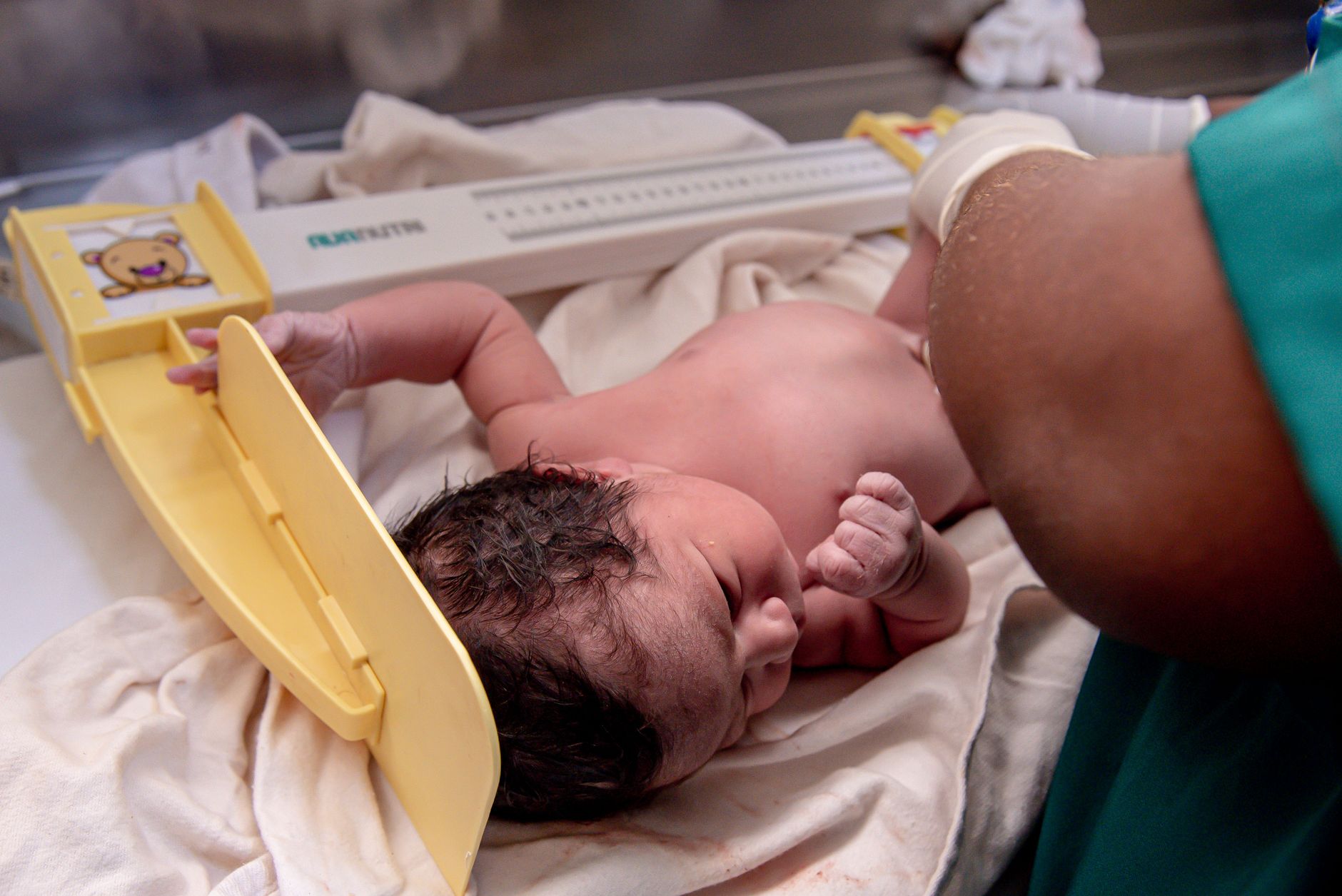
Learn about catch-up growth monitoring using Fenton percentile trajectory guide to track baby development and growth
By Shubhra Mishra — a mom of two who turned her own confusion during pregnancy into BumpBites, a global mission to make food choices clear, safe, and stress-free for every expecting mother. 💛
Check whether any food is safe during pregnancy with the BumpBites Food Safety Checker.
Quick take: If your baby was born early, the Fenton growth chart helps you track their catch-up growth—how they’re growing toward their full-term peers. You’ll plot their weight, length, and head size at regular check-ups, watching their percentile line climb toward the 50th percentile (or their own healthy trajectory). Most preterm babies catch up by 2–3 years, but slow or too-fast growth can signal a need for extra support. This guide walks you through plotting, interpreting, and adjusting care using the Fenton chart, plus when to switch to the WHO growth standards.
It’s 3 a.m., and you’re scrolling through your phone again, staring at the tiny numbers on your baby’s discharge papers. Born at 32 weeks, they’re home now—but every ounce feels like a victory. The pediatrician mentioned “catch-up growth” and something called a “Fenton chart,” but the lines and percentiles look like a foreign language. Is your baby gaining fast enough? Too fast? When should you worry?
🔢 Calculate it for your situation: Use our Fenton Preterm Growth for a personalized result in seconds.
If this sounds familiar, you’re not alone. Many parents of preterm infants describe the first year as a mix of relief and hyper-vigilance. The Fenton growth chart isn’t just another piece of paperwork—it’s your roadmap for tracking whether your baby is growing at a healthy pace after their early start. Unlike the standard WHO growth charts, the Fenton chart is designed specifically for preterm babies, accounting for their smaller size at birth and their unique path to catching up. But how do you use it? What do those percentile lines really mean? And when should you ask for help?
In this guide, we’ll walk you through everything you need to know about catch-up growth monitoring using the Fenton percentile trajectory. You’ll learn how to plot your baby’s growth, interpret their trajectory, adjust their nutrition, and spot signs that something might need attention. By the end, you’ll feel confident in tracking your baby’s progress—and know exactly when to celebrate those little milestones.
The Fenton chart helps you and your pediatrician track your preterm baby’s growth journey together.
What is the Fenton growth chart, and why is it used for preterm infants?
The Fenton growth chart is a specialized tool designed to monitor the growth of preterm infants—babies born before 37 weeks of pregnancy. Unlike the WHO growth charts, which track the growth of full-term babies, the Fenton chart accounts for the fact that preterm infants start life smaller and often need time to “catch up” to their peers. It was developed by Dr. Tanis Fenton and her team using data from thousands of preterm infants, making it the gold standard for tracking growth in this population.
Here’s why it matters: Preterm babies grow differently than full-term babies, especially in the first few months. Their weight, length, and head circumference may not follow the same patterns as babies born at term. The Fenton chart helps healthcare providers—and parents—see whether a preterm baby is growing at a healthy rate for their gestational age, not just their chronological age. This is crucial because growth in the first year can impact long-term health, including brain development and metabolic outcomes.
One mom, Sarah, shared her experience: “When my son was born at 28 weeks, I kept comparing him to my friend’s full-term baby. But the Fenton chart showed me he was right on track for his adjusted age. It was a huge relief to see his progress plotted out—it made his growth feel more tangible.”
The Fenton chart tracks three key measurements:
Weight: The most closely monitored metric, as it reflects overall nutrition and health.
Length: A measure of linear growth, which can indicate long-term nutritional status.
Head circumference: Critical for brain development, as rapid or slow head growth can signal underlying issues.
These measurements are plotted on the chart as percentile lines, which show how your baby’s growth compares to other preterm infants of the same gestational age. For example, if your baby’s weight is at the 25th percentile, it means 25% of preterm babies their age weigh less, and 75% weigh more. The goal isn’t necessarily to reach the 50th percentile—it’s to see steady, consistent growth along their own trajectory.
How to plot your baby’s growth on the Fenton chart: A step-by-step guide
Plott
ing your baby’s growth on the Fenton chart might seem intimidating at first, but it’s simpler than it looks. Here’s how to do it, step by step:
Step 1: Gather the right tools
You’ll need:
A printed or digital copy of the Fenton growth chart (your pediatrician or NICU team can provide one, or you can use our Fenton Preterm Growth calculator to input your baby’s measurements and see their trajectory).
Your baby’s most recent measurements (weight, length, and head circumference). These are typically recorded at every check-up.
A ruler or straight edge (if plotting on paper) or a digital tool (like the calculator linked above).
Your baby’s adjusted age, not their chronological age. This is calculated by subtracting the number of weeks they were born early from their actual age. For example, if your baby was born at 32 weeks (8 weeks early) and is now 12 weeks old, their adjusted age is 4 weeks.
Step 2: Find the correct age on the chart
The Fenton chart is organized by postmenstrual age (PMA), which is your baby’s gestational age at birth plus their chronological age. For example, if your baby was born at 32 weeks and is now 8 weeks old, their PMA is 40 weeks. This is the age you’ll use to plot their growth, not their actual birth age or adjusted age. The chart covers ages from 22 weeks PMA up to 50 weeks PMA (or about 3 months adjusted age).
If you’re using a digital tool like the Fenton Preterm Growth calculator, you’ll simply input your baby’s PMA, and the tool will do the rest.
Step 3: Plot the measurements
For each measurement (weight, length, and head circumference), follow these steps:
Locate your baby’s PMA on the horizontal (x) axis of the chart.
Find the corresponding measurement value on the vertical (y) axis. For weight, this is in grams or kilograms; for length, it’s in centimeters; and for head circumference, it’s also in centimeters.
Mark the point where the two lines intersect. This is your baby’s percentile for that measurement.
Repeat for all three measurements.
For example, if your baby’s PMA is 40 weeks and their weight is 3,000 grams, you’d find 40 weeks on the x-axis, then move up to 3,000 grams on the y-axis and mark the point. This might place them at the 25th percentile for weight.
Step 4: Connect the dots
If you’re plotting multiple measurements over time (e.g., from one check-up to the next), draw a line connecting the points for each measurement. This line is your baby’s growth trajectory. A healthy trajectory shows steady, upward movement along or toward a higher percentile line. If the line flattens or dips, it may signal a need for closer monitoring or intervention.
Step 5: Interpret the trajectory
Here’s what to look for:
Steady growth: The line moves upward at a consistent angle, staying roughly parallel to the percentile lines. This is ideal.
Catch-up growth: The line moves upward at a steeper angle, crossing percentile lines as your baby grows faster than their peers. This is normal in the first year for preterm infants.
Slow growth: The line flattens or dips, indicating your baby is growing more slowly than expected. This may require nutritional adjustments or further evaluation.
Excessive growth: The line moves upward too quickly, crossing multiple percentile lines in a short time. This can signal overfeeding or other issues.
Remember, the goal isn’t to reach a specific percentile—it’s to see consistent, healthy growth. Many preterm babies start below the 10th percentile and gradually move toward the 50th percentile over time. What matters most is the trend, not the number.
Plotting your baby’s weight on the Fenton chart helps you visualize their catch-up growth over time.
Recommended monitoring schedule for catch-up growth
How often should you track your baby’s growth? The answer depends on their age, health status, and how they’re growing. Here’s a general schedule for monitoring catch-up growth using the Fenton chart, along with the clinical criteria that may trigger more frequent checks:
Standard monitoring intervals
Age (adjusted)
Frequency of monitoring
What to measure
Birth to discharge from NICU
Daily or weekly (depending on NICU protocol)
Weight, length, head circumference
Discharge to 3 months adjusted age
Every 2–4 weeks
Weight, length, head circumference
3–6 months adjusted age
Every 4–6 weeks
Weight, length, head circumference
6–12 months adjusted age
Every 6–8 weeks
Weight, length, head circumference
12–24 months adjusted age
Every 3 months
Weight, length, head circumference, BMI (after 2 years)
Clinical criteria for more frequent monitoring
Your pediatrician may recommend more frequent growth checks if your baby:
Was born very preterm (before 32 weeks) or extremely preterm (before 28 weeks).
Has a birth weight below the 10th percentile for their gestational age (a condition called small for gestational age, or SGA).
Shows slow growth (e.g., weight gain less than 15–20 grams per day for preterm infants).
Has a chronic health condition, such as bronchopulmonary dysplasia (BPD) or congenital heart disease, which can affect growth.
Is struggling with feeding, whether breast, bottle, or tube feeding.
Has a head circumference that grows too slowly (less than 0.5 cm per week) or too quickly (more than 1 cm per week).
One dad, Mark, shared his experience with frequent monitoring: “Our daughter was born at 26 weeks, and for the first few months, we were at the pediatrician’s office every two weeks. It felt like a lot, but seeing her weight climb from the 3rd percentile to the 25th in six months made it worth it. The Fenton chart gave us a clear picture of her progress.”
When to switch to the WHO growth chart
The Fenton chart is designed for preterm infants up to 50 weeks postmenstrual age (or about 3 months adjusted age). After this point, most babies are ready to transition to the WHO growth standards, which track growth from birth to 2 years of age. Here’s how to know when to make the switch:
Age: Most pediatricians recommend switching to the WHO chart when your baby reaches 40–50 weeks postmenstrual age, regardless of their adjusted age.
Growth pattern: If your baby’s growth is stable and they’re consistently gaining weight, length, and head circumference, it’s a good time to transition.
Feeding: If your baby is fully feeding by mouth (breast or bottle) and no longer requires tube feeding or specialized formulas, the WHO chart is more appropriate.
The WHO chart is based on the growth of healthy, breastfed infants and is considered the global standard for monitoring growth after the preterm period. However, it’s important to continue using your baby’s adjusted age (not chronological age) when plotting their growth on the WHO chart until they’re at least 2 years old. This ensures you’re comparing them to other children their “developmental age,” not their actual age.
Nutritional strategies to support healthy catch-up growth
Nutrition is the cornerstone of catch-up growth. Preterm infants have higher energy and nutrient needs than full-term babies, and meeting these needs is essential for healthy development. Here’s how to support your baby’s growth through nutrition, along with signs that their diet may need adjustment:
Energy and nutrient needs for preterm infants
Preterm babies require more calories, protein, and micronutrients than full-term infants to support their rapid growth. Here’s a breakdown of their needs:
Nutrient
Recommended intake for preterm infants
Why it matters
Calories
110–135 kcal/kg/day (compared to 90–100 kcal/kg/day for full-term infants)
Supports rapid weight gain and brain development.
Protein
3.5–4.5 g/kg/day (compared to 2.2 g/kg/day for full-term infants)
Your baby’s feeding plan will depend on their gestational age, health status, and ability to feed by mouth. Here are the most common options:
Breast milk: The gold standard for preterm infants, breast milk provides antibodies, growth factors, and nutrients tailored to your baby’s needs. If your baby is too small or weak to breastfeed directly, you can pump and provide expressed milk via bottle or feeding tube. Many NICUs offer donor breast milk for babies whose mothers cannot produce enough.
Preterm infant formula: Designed for babies born before 34 weeks, preterm formulas are higher in calories, protein, and micronutrients than standard infant formulas. They’re often used to supplement breast milk or as a sole source of nutrition if breast milk isn’t available.
Fortified breast milk: Even if you’re providing breast milk, your baby may need extra calories and nutrients to support catch-up growth. Fortifiers (powder or liquid) can be added to breast milk to increase its calorie and nutrient content. These are typically used until your baby reaches term age or begins gaining weight steadily.
Tube feeding: Many preterm infants are too small or weak to feed by mouth, so they receive breast milk or formula through a nasogastric (NG) tube (a thin tube inserted through the nose into the stomach) or orogastric (OG) tube (inserted through the mouth). Tube feeding ensures your baby gets the nutrition they need while they learn to coordinate sucking, swallowing, and breathing.
Adjusting nutrition based on Fenton percentile trajectories
Your baby’s growth trajectory on the Fenton chart can help guide nutritional adjustments. Here’s how to interpret their growth and respond:
Slow weight gain: If your baby’s weight percentile is dropping or their trajectory is flattening, they may need more calories. This could mean increasing the volume of breast milk or formula, adding a fortifier, or switching to a higher-calorie preterm formula. Your pediatrician or a neonatal dietitian can help you calculate the right adjustments.
Slow length or head growth: If your baby’s length or head circumference percentiles are dropping, it may signal a need for more protein or specific micronutrients, such as zinc or vitamin A. A dietitian can recommend adjustments to their feeding plan.
Rapid weight gain: If your baby’s weight percentile is climbing too quickly (e.g., crossing multiple percentiles in a short time), they may be getting too many calories. This can happen if they’re overfed or if their formula is too concentrated. Your pediatrician may recommend reducing the volume of feeds or switching to a lower-calorie formula.
Stable growth: If your baby’s trajectory is steady and they’re gaining weight, length, and head circumference at a healthy rate, their current feeding plan is likely working well. Continue monitoring and adjust as needed.
One mom, Priya, shared how she adjusted her son’s nutrition: “At first, my son was barely gaining weight—his trajectory on the Fenton chart was almost flat. Our pediatrician recommended adding a fortifier to my breast milk, and within a few weeks, we saw his weight start to climb. It was amazing to see the difference a few extra calories made.”
Introducing solids: When and how
Preterm infants typically start solids around 6 months adjusted age, but this can vary depending on their health and development. Here’s what to consider:
Signs of readiness: Your baby should be able to sit up with support, show interest in food, and have good head control. They should also be able to move food to the back of their mouth and swallow it (rather than pushing it out with their tongue).
First foods: Start with iron-rich foods, such as iron-fortified cereals, pureed meats, or mashed beans. Preterm infants are at higher risk for iron deficiency, so these foods are especially important.
Texture: Begin with smooth, thin purees and gradually introduce thicker textures and soft finger foods as your baby gets older.
Allergens: There’s no need to delay introducing common allergens (like peanut butter, eggs, or dairy) unless your baby has a known allergy or eczema. In fact, early introduction may reduce the risk of food allergies.
Breast milk or formula: Continue offering breast milk or formula as the primary source of nutrition until your baby is at least 12 months adjusted age. Solids should complement, not replace, milk feeds.
Identifying abnormal catch-up growth patterns
While catch-up growth is a normal and healthy process for preterm infants, it’s important to recognize when growth patterns may signal a problem. Here’s how to spot signs of insufficient or excessive catch-up growth on the Fenton chart, along with potential causes and next steps:
Signs of insufficient catch-up growth
Insufficient catch-up growth, also called growth failure or failure to thrive, occurs when a baby’s growth slows or stops, and they don’t gain weight, length, or head circumference at a healthy rate. On the Fenton chart, this may look like:
A weight, length, or head circumference percentile that drops over time (e.g., moving from the 25th to the 10th percentile).
A trajectory that flattens or dips, rather than climbing steadily.
A weight gain of less than 15–20 grams per day for preterm infants (or less than 20–30 grams per day for term infants).
A head circumference that grows less than 0.5 cm per week.
Potential causes of insufficient catch-up growth include:
Inadequate nutrition: Your baby may not be getting enough calories, protein, or micronutrients. This can happen if they’re not feeding well, if their formula isn’t concentrated enough, or if they’re not tolerating feeds (e.g., due to reflux or vomiting).
Feeding difficulties: Preterm infants may struggle with sucking, swallowing, or coordinating breathing during feeds. This can lead to fatigue, poor intake, and slow growth.
Chronic health conditions: Conditions like bronchopulmonary dysplasia (BPD), congenital heart disease, or gastrointestinal issues (e.g., necrotizing enterocolitis, or NEC) can increase your baby’s energy needs or interfere with nutrient absorption.
Infections: Frequent or severe infections can cause poor growth by increasing your baby’s metabolic demands or reducing their appetite.
Metabolic or genetic disorders: Rarely, slow growth may be caused by an underlying metabolic or genetic condition that affects nutrient processing or growth hormones.
If your baby shows signs of insufficient catch-up growth, your pediatrician may recommend:
Increasing the calorie or nutrient content of their feeds (e.g., adding fortifier to breast milk or switching to a higher-calorie formula).
Adjusting their feeding schedule or method (e.g., offering smaller, more frequent feeds or switching from bottle to tube feeding).
Evaluating for underlying health conditions, such as reflux, infections, or metabolic disorders.
Referring you to a specialist, such as a neonatologist, gastroenterologist, or dietitian, for further evaluation.
Signs of excessive catch-up growth
Excessive catch-up growth, or overgrowth, occurs when a baby gains weight, length, or head circumference too quickly. On the Fenton chart, this may look like:
A weight, length, or head circumference percentile that climbs too rapidly (e.g., moving from the 10th to the 75th percentile in a few months).
A trajectory that crosses multiple percentile lines in a short time.
A weight gain of more than 40 grams per day for preterm infants (or more than 50 grams per day for term infants).
A head circumference that grows more than 1 cm per week.
Potential causes of excessive catch-up growth include:
Overfeeding: Your baby may be getting too many calories, either from breast milk, formula, or solids. This can happen if feeds are too large, too frequent, or too concentrated.
Fluid retention: Some preterm infants retain fluid, especially if they have kidney or heart issues. This can cause rapid weight gain that isn’t due to fat or muscle growth.
Endocrine disorders: Rarely, excessive growth may be caused by an overproduction of growth hormones or insulin.
Genetic factors: Some genetic conditions, such as Beckwith-Wiedemann syndrome, can cause rapid growth.
While rapid growth may seem like a good thing, it can have long-term health implications, including an increased risk of obesity, diabetes, and cardiovascular disease later in life. If your baby shows signs of excessive catch-up growth, your pediatrician may recommend:
Reducing the calorie or volume of their feeds (e.g., switching to a lower-calorie formula or offering smaller, less frequent feeds).
Evaluating for underlying health conditions, such as fluid retention or endocrine disorders.
Monitoring their growth more frequently to ensure it stabilizes.
When to worry about head circumference
Head circumference is a critical measure of brain growth, and abnormal patterns can signal underlying issues. Here’s what to watch for:
Slow head growth: A head circumference that grows less than 0.5 cm per week or drops percentiles on the Fenton chart may indicate poor brain growth. This can be caused by inadequate nutrition, infections, or genetic conditions.
Rapid head growth: A head circumference that grows more than 1 cm per week or climbs percentiles too quickly may signal hydrocephalus (a buildup of fluid in the brain) or other neurological issues.
Disproportionate growth: If your baby’s head circumference is growing much faster or slower than their weight or length, it may warrant further evaluation.
If your baby’s head circumference is concerning, your pediatrician may recommend:
An ultrasound or MRI to evaluate brain structure and rule out hydrocephalus or other issues.
A referral to a neurologist or developmental specialist for further assessment.
Adjustments to their nutrition or feeding plan to support brain growth.
Fenton vs. WHO growth charts: Key differences and when to switch
Both the Fenton and WHO growth charts are essential tools for monitoring your baby’s growth, but they serve different purposes and are used at different stages of development. Here’s how they compare and when to use each one:
Feature
Fenton growth chart
WHO growth chart
Population
Preterm infants (born before 37 weeks)
Full-term infants (born at or after 37 weeks) and children up to 2 years
Age range
22–50 weeks postmenstrual age (PMA)
Birth to 2 years (chronological age)
Measurements tracked
Weight, length, head circumference
Weight, length, head circumference, BMI (after 2 years)
Growth standards
Based on preterm infant growth data
Based on growth of healthy, breastfed infants in optimal conditions
Purpose
Monitor catch-up growth in preterm infants
Monitor growth in full-term infants and young children
When to use
From birth until 50 weeks PMA (or ~3 months adjusted age)
From 50 weeks PMA (or ~3 months adjusted age) to 2 years chronological age
When to switch from Fenton to WHO
Most pediatricians recommend transitioning from the Fenton chart to the WHO chart when your baby reaches 50 weeks postmenstrual age (or about 3 months adjusted age). However, the exact timing may vary depending on your baby’s health and growth pattern. Here are some signs that your baby is ready to switch:
They’ve reached term age (40 weeks PMA) or are close to it.
Their growth is stable, and they’re consistently gaining weight, length, and head circumference.
They’re fully feeding by mouth (breast or bottle) and no longer require tube feeding or specialized formulas.
They’re showing developmental milestones appropriate for their adjusted age (e.g., smiling, tracking objects with their eyes).
How to use the WHO chart for preterm infants
When you switch to the WHO chart, it’s important to continue using your baby’s adjusted age (not chronological age) until they’re at least 2 years old. This ensures you’re comparing them to other children their “developmental age,” not their actual age. Here’s how to plot their growth on the WHO chart:
Calculate your baby’s adjusted age by subtracting the number of weeks they were born early from their chronological age. For example, if your baby was born at 32 weeks (8 weeks early) and is now 6 months old (24 weeks), their adjusted age is 16 weeks (or 4 months).
Locate their adjusted age on the horizontal (x) axis of the WHO chart.
Find their measurement (weight, length, or head circumference) on the vertical (y) axis.
Mark the point where the two lines intersect. This is your baby’s percentile for that measurement.
Repeat for all three measurements.
As your baby grows, their trajectory on the WHO chart should continue to climb steadily. If their growth slows or flattens, it may signal a need for further evaluation or nutritional adjustments.
Why the switch matters
Switching from the Fenton to the WHO chart is more than just a paperwork update—it reflects your baby’s transition from the preterm period to early childhood. The WHO chart is based on the growth of healthy, breastfed infants in optimal conditions, making it a better tool for tracking long-term growth and development. It also includes body mass index (BMI) after 2 years, which helps monitor for overweight or obesity.
One pediatrician, Dr. Lee, explains: “The Fenton chart is like training wheels—it helps preterm babies get up to speed. Once they’re stable and growing well, the WHO chart is the bike they’ll ride for the rest of their childhood. The switch is a milestone, not just a formality.”
From our medical team: Catch-up growth is a marathon, not a sprint. Preterm infants grow at their own pace, and while the Fenton chart provides a roadmap, it’s not a race. The goal is steady, healthy growth—not hitting a specific percentile. If your baby’s trajectory is consistent, even if it’s below the 50th percentile, they’re likely doing just fine. Trust your pediatrician’s guidance, and don’t hesitate to ask questions if you’re unsure. You’re doing a great job advocating for your baby’s health.
🔢 Ready to crunch your numbers? Use our Fenton Preterm Growth for a personalized result in seconds.
Myth vs. fact: Common misconceptions about catch-up growth and Fenton percentiles
When it comes to catch-up growth and the Fenton chart, myths and misconceptions abound. Here are some of the most common ones—and the facts behind them:
Myth: The 50th percentile is the “goal” for all preterm infants.
Fact: There’s no single “ideal” percentile. The goal is steady, consistent growth along your baby’s own trajectory. Many preterm infants grow along the 10th or 25th percentile and are perfectly healthy. What matters most is the trend, not the number.
Myth: If my baby isn’t catching up by 6 months, they’ll never catch up.
Fact: Most preterm infants catch up to their full-term peers by 2–3 years of age, but the timeline varies. Some babies take longer, and that’s okay. The Fenton chart helps you track their progress, but it’s not a deadline.
Myth: The Fenton chart is only for NICU babies.
Fact: The Fenton chart is used for all preterm infants, whether they spent time in the NICU or not.
Not sure about the label on Catch Up Growth Monitoring Fenton Percentile Trajectory Guide products?
Snap the ingredients list and SafeFilter checks every ingredient for your stage — only 3 free scans this month, then you're locked until reset. Unlimited from $7/mo or $50/yr.
When Shubhra Mishra was expecting her first child in 2016, she was overwhelmed by conflicting food advice — one site said yes, another said never. By the time her second baby arrived in 2019, she realized millions of mothers face the same confusion.
That sparked a five-year journey through clinical nutrition papers, cultural diets, and expert conversations — all leading to BumpBites: a calm, compassionate space where science meets everyday motherhood.
Her long-term vision is to build a global community ensuring safe, supported, and free deliveriesfor every mother — because no woman should face pregnancy alone or uninformed. 🌿
🌍 Stand with mothers, shape safer guidance
Join a small circle of experts who review BumpBites articles so expecting parents everywhere can decide with confidence.