Baby acne usually clears up on its own within 2 to 8 weeks after it appears. Learn the typical timeline, signs it’s healing, and gentle care tips for your baby.
By Shubhra Mishra — a mom of two who turned her own confusion during pregnancy into BumpBites, a global mission to make food choices clear, safe, and stress-free for every expecting mother. 💛
Check whether any food is safe during pregnancy with the BumpBites Food Safety Checker.
Quick take: Baby acne is a harmless, temporary skin condition that typically fades on its own within 4–12 weeks. Most infants see clear skin by the time they’re three months old, and gentle home care is usually enough. If the bumps look unusual, spread rapidly, or cause your baby distress, talk to a pediatrician.
It’s 2 a.m., you’ve just finished a soothing feeding, and you notice tiny red or white spots on your newborn’s cheeks. Your mind races: “Is this something serious? Should I call the doctor right now?” You’re not alone—many new parents wonder if those little pimples are just a phase or a sign of a deeper issue.
🔢 Calculate it for your situation: Use our Newborn Skin Conditions for a personalized result in seconds.
Below, we’ll walk through everything you need to know about baby acne: what it looks like, why it appears, how long it usually lasts, and how to care for your baby’s skin safely. We’ll also cover when professional help is warranted, debunk common myths, and answer the most frequently asked questions. By the end, you’ll have a clear roadmap for navigating this common newborn skin concern.
First, let’s define baby acne and understand the signs that set it apart from other infant skin conditions.
What does baby acne look?
Baby acne, also called neonatal acne, shows up as small, red or yellowish‑white bumps—often called papules or pustules—on the face. The most common locations are the forehead, cheeks, chin, and sometimes the back or chest. These lesions can be:
Red papules: Firm, inflamed spots that may be tender to the touch.
Pustules: Tiny, white‑headed spots that look like tiny pimples.
Blackheads: Rare, but occasionally a baby may develop open comedones (tiny dark spots).
The rash usually appears between the second and fourth week after birth, but it can show up as early as the first week. The bumps are typically less than 2 mm in diameter and may be scattered or clustered. They rarely cause itching, but some babies may rub their faces because the surface feels slightly rough.
Because newborn skin is delicate, it’s easy to confuse baby acne with other conditions such as milia (tiny white keratin cysts), eczema, or even an allergic reaction. Milia appear as smooth, pearly white bumps that are not inflamed, while eczema is usually itchy, red, and may have dry patches. A pediatrician can differentiate these by looking at the texture, distribution, and any accompanying symptoms.
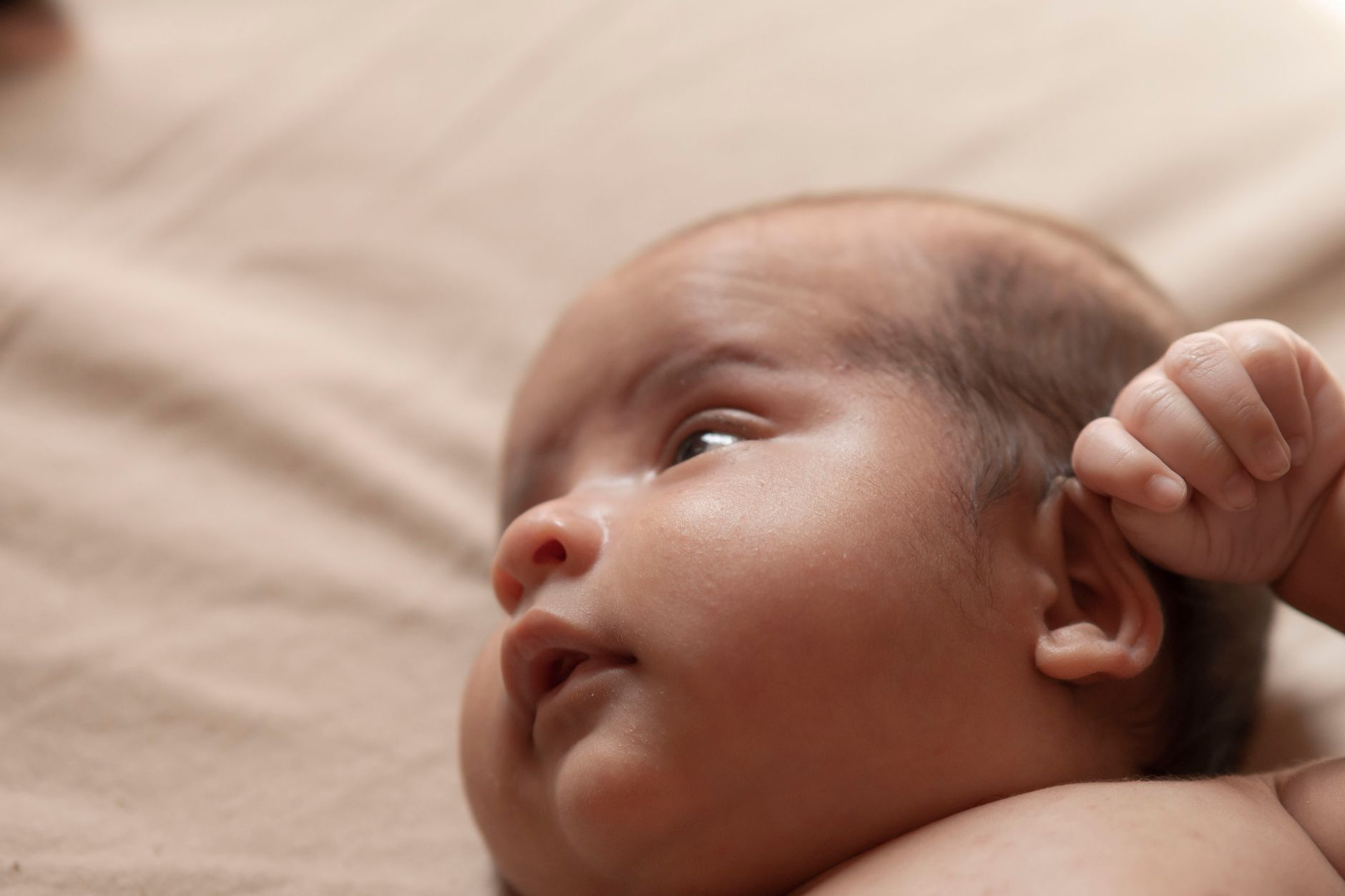
Typical baby acne lesions on a newborn’s cheek—small, red, and non‑painful.
While the appearance can be alarming, the lesions are usually painless and don’t cause discomfort. In most cases, the skin around the bumps looks normal—no scaling, no oozing, and no crusting. This visual cue helps clinicians reassure parents that the condition is benign and self‑limited.
If you notice any sudden change—such as the spots turning bright red, swelling, or developing pus—those are signs that a secondary infection may be developing, and you should seek medical advice promptly (NHS, 2023).
Why does baby acne appear?
Baby
acne is not caused by poor hygiene or an infection; it’s a normal response to the hormonal environment after birth. During pregnancy, the placenta produces maternal hormones—especially androgens—that cross into the baby’s circulation. After delivery, those hormones linger for a few weeks, stimulating the tiny oil glands (sebaceous glands) in the baby’s skin. When these glands produce excess oil, the pores can become clogged, leading to the characteristic bumps.
Other factors that may aggravate the condition include:
Friction: Tight hats, headbands, or rough fabrics rubbing against the face can irritate already sensitive skin.
Heat and humidity: Warm environments may increase sweating, which can further block pores.
Family history: Babies whose parents had acne as teenagers are slightly more likely to develop neonatal acne, though the link is modest.
Feeding patterns: While breast‑feeding or formula feeding does not cause acne, changes in diet can affect a baby’s skin oil production.
It’s worth noting that baby acne is not a sign of an allergy or an infection. It doesn’t spread to other parts of the body, and it isn’t contagious. The condition is purely a response to internal hormonal changes, and it resolves as those hormone levels decline.
Recent reviews from the American Academy of Pediatrics (AAP) emphasize that the hormonal surge is a temporary physiological event, not a disease process. In most infants, the hormone levels return to baseline by the end of the first month, which coincides with the natural fading of the acne (American Academy of Pediatrics, 2022).
How long does baby acne last and when does it clear up?
For most infants, baby acne is a short‑lived phase. The typical timeline looks like this:
Age (weeks)
Typical acne activity
Expected outcome
1–2
First spots appear, often red papules.
Rash is just beginning; gentle care recommended.
3–4
Lesions may increase in number; pustules may develop.
Peak severity for most babies.
5–8
Gradual fading; fewer new spots.
Most babies start to show clear skin.
9–12
Almost all lesions resolved.
Skin typically looks smooth; occasional residual spots may linger.
In practice, about 80 % of babies see a noticeable improvement by six weeks, and 95 % are clear by three months. A small minority—roughly 5 %—may have acne that persists beyond four months. In those cases, the lesions often become less inflamed and may turn into harmless brownish spots that fade over time.
If you’d like to track your baby’s skin changes alongside growth milestones, our Newborn Skin Conditions calculator lets you log the appearance of acne, milia, and other rashes, giving you a visual timeline of what’s typical for each age.
While most parents see the rash disappear on its own, a few families report a “second wave” of mild acne around 6–8 months, usually linked to the introduction of solid foods. This later episode is generally even milder and resolves without intervention (NICE, 2023).
Home care and natural ways to clear up baby acne
The good news is that most baby acne resolves without any medical intervention. Gentle, consistent skin care can help keep the area clean and reduce irritation. Here are evidence‑based steps you can take:
Keep the face clean: Use a soft, damp washcloth with lukewarm water once a day. Avoid harsh soaps; a mild, fragrance‑free baby cleanser is sufficient if your pediatrician recommends it.
Pat dry, don’t rub: Gently pat the skin dry with a clean towel. Rubbing can aggravate the bumps.
Choose breathable fabrics: Dress your baby in cotton onesies and avoid hats that sit tightly on the forehead. Loose, natural fibers allow the skin to breathe.
Limit heat and sweat: Keep the room temperature comfortable (around 68–72 °F or 20–22 °C) and avoid overdressing.
Avoid oily or greasy products: Skip baby oils, petroleum jelly, or heavy creams on the face unless prescribed.
Don’t squeeze or pick: Even though the spots may look like pimples, picking can cause infection or scarring.
Some parents wonder whether natural remedies—like breast milk, coconut oil, or diluted apple cider vinegar—might speed up healing. Current pediatric guidance (American Academy of Pediatrics, AAP) advises caution: applying untested substances can irritate newborn skin or introduce bacteria. If you’re considering a home remedy, talk to your pediatrician first.
Breast milk is often touted as a soothing cleanser because it contains antibodies. A few mothers have reported gently dabbing a small amount of expressed milk on the affected area, then rinsing it off after a minute. While there is no strong scientific evidence that this accelerates clearing, breast milk is generally safe for topical use on intact skin. However, it should never replace a proper cleaning routine.
In addition to the steps above, you can use a clean, soft silicone brush (like a baby facial brush) once a week to gently lift any debris or dried milk crust that might be clogging pores. This is optional and only recommended if the skin feels “rough”; many babies do fine without it.
Finally, remember that newborns have a protective layer of vernix caseosa that naturally moisturizes the skin. Over‑cleansing can strip this layer, leading to dryness and potentially worsening the acne. Keep cleansing minimal—once a day is enough for most infants (CDC, 2023).
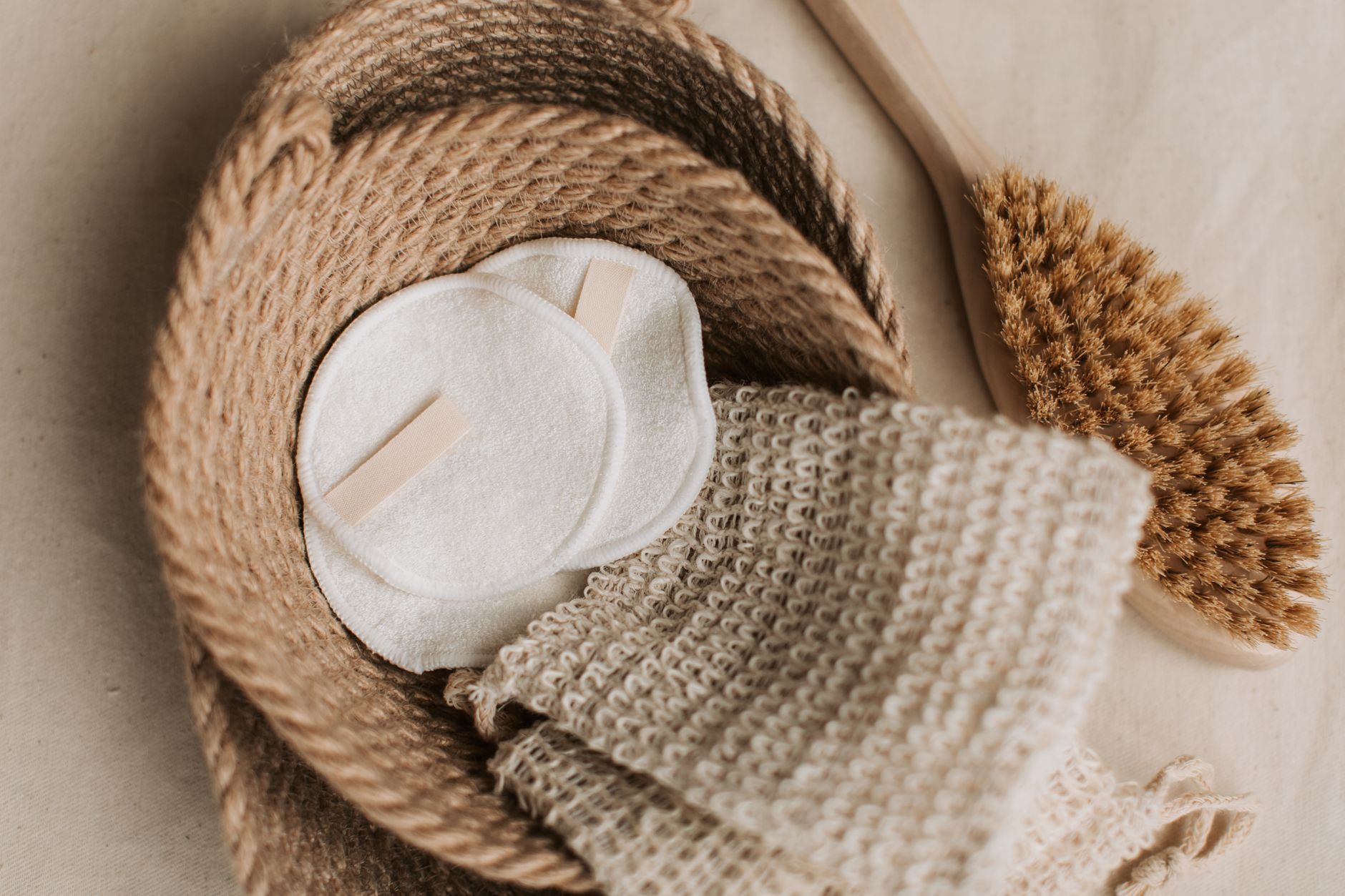
Gentle, fragrance‑free tools help keep baby acne clean without irritation.
Medical treatments for persistent or severe baby acne
When baby acne is unusually severe—characterized by large, painful pustules, widespread redness, or signs of infection—medical evaluation becomes important. While most cases are mild, a pediatric dermatologist may prescribe treatment in the following scenarios:
Topical antibiotics: Low‑dose creams like erythromycin or clindamycin can reduce bacterial colonization if secondary infection is suspected.
Topical benzoyl peroxide (2.5 %): Rarely used in newborns; only under specialist supervision because it can be irritating.
Oral antibiotics: In extreme cases where the acne is confluent and causing systemic symptoms, a short course of oral antibiotics may be considered.
None of these medications are first‑line for infants. The decision to treat medically is based on a careful risk‑benefit assessment, and any prescription must be written by a pediatrician or dermatologist experienced with neonatal skin.
Important red flags that warrant a prompt doctor’s visit include:
Fever or signs of illness (lethargy, poor feeding).
Rapid spread of lesions beyond the face.
Open sores that ooze pus or bleed.
Signs of skin infection such as crusting, swelling, or foul odor.
If any of these appear, seek professional care immediately. Otherwise, most parents can expect the condition to resolve on its own with the home‑care measures described above.
From our medical team: Baby acne is almost always benign, and aggressive treatments are seldom needed. Keep the skin clean, avoid irritants, and give the hormonal surge time to subside—most babies look clear by three months.
How to monitor and document baby acne progress
Keeping a simple log can help you spot patterns, reassure yourself, and provide useful information to your pediatrician. The Newborn Skin Conditions calculator mentioned earlier allows you to record:
Date of first appearance
Location of lesions (forehead, cheeks, chin, chest, back)
When you input this data, the tool generates a visual timeline that compares your baby’s experience to typical population curves from the AAP and NICE guidelines. This can be especially helpful if you need to discuss the rash with a specialist, as you’ll have concrete numbers rather than vague recollections.
In addition to a digital log, a few parents find a paper diary useful for nighttime feedings when the baby is already in a calm state. A short entry—“Day 14: 12 red papules on cheeks, no swelling, cleaned with water only”—takes less than a minute and builds a clear picture over weeks.
When to consider a referral to a pediatric dermatologist
Most cases of baby acne resolve without specialist input, but certain situations merit a referral:
Persistent lesions beyond 12 weeks: If bumps remain after three months, a dermatologist can rule out rarer conditions like neonatal folliculitis or sebaceous hyperplasia.
Unusual distribution: Acne that spreads to the torso, limbs, or scalp may indicate an underlying infection or a different dermatologic disease.
Recurrent severe flares: Some infants experience multiple rounds of intense acne; a specialist can advise on safe, evidence‑based topical agents.
Parental anxiety: Even when medically unnecessary, a referral can provide peace of mind and targeted education.
Referral pathways differ between the U.S. and U.K. In the United States, your pediatrician can issue a direct referral to a board‑certified pediatric dermatologist, often covered by insurance. In the United Kingdom, the NHS typically requires a “specialist review” request from the GP, and waiting times can vary (NHS, 2023). Knowing the local process can help you plan appointments without unnecessary delay.
Nutrition and skin health: does diet affect baby acne?
Because baby acne is driven by hormonal changes rather than external factors, most nutrition experts agree that a mother’s diet during pregnancy and a baby’s diet after birth have minimal direct impact on the rash. However, there are a few nuanced points worth mentioning:
Maternal diet while breastfeeding: Certain foods—like dairy or spicy foods—can affect breast‑milk composition, but studies have not linked them to neonatal acne (WHO, 2022). If you notice that a particular food seems to coincide with a flare, you can discuss a trial elimination with your lactation consultant.
Formula composition: Some formulas contain added oils that may slightly increase sebum production, but clinical evidence does not support a causal relationship with acne.
Introduction of solid foods: Around 6 months, when infants start solid foods, a balanced diet rich in omega‑3 fatty acids (found in fish, flaxseed) supports overall skin health. While this won’t “cure” acne, it may promote smoother skin as the baby’s own oil glands mature.
Overall, the best dietary approach is to follow standard infant nutrition guidelines from the AAP and NHS—exclusive breastfeeding for six months if possible, followed by age‑appropriate solids, and plenty of fluids to keep the skin hydrated.
Understanding sebaceous gland development in newborns
Sebaceous glands are tiny oil‑producing structures attached to hair follicles. In the womb, they are largely dormant, but the surge of maternal androgens after birth can “wake them up” for a short period. This brief activation explains why baby acne often appears a few weeks after delivery and then fades as hormone levels normalize. Research from the British Association of Dermatologists notes that the glands typically return to a baseline state by 4–6 weeks, which aligns with the natural resolution of the rash.
Because the glands are still immature, they are more prone to blockage from even minimal debris, such as dried milk residue or tiny skin flakes. This is why a gentle cleansing routine—without stripping the protective vernix—helps keep the pores clear while the glands calm down.
When baby acne may signal an underlying condition
In the overwhelming majority of cases, neonatal acne is isolated and harmless. However, on rare occasions, persistent or atypical acne can be a clue to an underlying metabolic or hormonal disorder, such as congenital adrenal hyperplasia (CAH). CAH can cause excess androgen production that continues beyond the newborn period, leading to more severe or prolonged acne, along with other signs like abnormal genitalia or electrolyte imbalances. If acne persists beyond three months and is accompanied by other systemic symptoms, a pediatric endocrinologist may be consulted to rule out such conditions.
Another uncommon scenario involves neonatal acne that co‑exists with a yeast infection (candida) or bacterial folliculitis. In these cases, the lesions may become crusted, ooze, or develop a distinctive odor. Differentiating these infections from simple acne requires a clinician’s examination and, occasionally, a skin swab for culture. Prompt treatment of an infection prevents scarring and reduces discomfort.
Seasonal and environmental influences on baby acne
While hormones drive the primary cause, external factors can modulate the severity of baby acne. Studies from the CDC indicate that infants born in warmer, more humid climates may experience slightly higher rates of papular eruptions, likely due to increased sweating and occlusion of pores. Conversely, cooler, drier environments tend to produce milder presentations. Parents can mitigate seasonal effects by adjusting clothing layers, using a fan or air conditioner to keep indoor humidity moderate (around 40–60 %), and ensuring that the baby’s sleeping area is well‑ventilated.
Seasonal changes also affect clothing choices. In summer, lightweight cotton garments and wide‑brimmed hats (worn loosely) keep the skin cool, while in winter, avoiding heavy fleece that traps heat against the face can prevent flare‑ups. Simple environmental tweaks—like a breathable crib mattress protector and a lightly opened window—can reduce the chance that external heat amplifies the hormonal acne.
🔢 Ready to crunch your numbers? Use our Newborn Skin Conditions for a personalized result in seconds.
Myth vs. fact
Myth: Baby acne is caused by poor hygiene or dirty blankets. Fact: Newborn acne stems from hormonal changes after birth, not from cleanliness. Gentle washing is enough; over‑cleansing can actually worsen irritation.
Myth: You should pop baby pimples to make them go away faster. Fact: Squeezing can introduce bacteria, leading to infection or scarring. Let the bumps resolve naturally or seek medical advice if they look infected.
Myth: Breast milk or home remedies can cure baby acne instantly. Fact: While breast milk is safe for the skin, there’s no evidence it speeds healing. Proven methods are gentle cleansing and time.
Key takeaways
Baby acne is a common, harmless condition caused by post‑birth hormonal shifts.
Typical lesions appear on the face between weeks 2–4 and fade by 8–12 weeks.
Gentle cleansing with lukewarm water and a soft cloth is the safest home care.
Avoid harsh soaps, ointments, and picking at the bumps.
Seek pediatric care if lesions become painful, spread, or are accompanied by fever.
Most infants are clear by three months; severe cases may need topical antibiotics.
Tracking the rash with a diary or our skin‑condition calculator helps you and your provider see trends.
Understanding sebaceous gland activity and environmental factors can guide gentle preventive steps.
Frequently asked questions
What does baby acne look like?
Baby acne appears as small red papules or white‑headed pustules, most often on the forehead, cheeks, and chin. The bumps are usually less than 2 mm, non‑itchy, and may look like tiny pimples.
Is baby acne a sign of allergy?
No. Baby acne is not linked to food or environmental allergies. Allergic reactions typically cause itchy, red rashes or hives, not the firm, non‑inflamed lesions seen with acne.
Can you prevent baby acne?
Because the condition is hormone‑driven, it can’t be prevented. However, using breathable fabrics, keeping the face clean with mild water, and avoiding tight headwear can reduce irritation.
How can I soothe baby acne at home?
Gently wash the affected area once daily with lukewarm water and a soft cloth, pat dry, and keep the skin free of oily creams. Avoid squeezing or using adult acne products.
Does breast milk help with baby acne?
Breast milk is safe to apply topically and may offer mild soothing, but there’s no scientific proof it speeds up clearing. It should be used only as an adjunct to standard cleaning.
Is baby acne contagious?
No. The condition is not infectious and cannot be passed to other infants, siblings, or adults.
Can baby acne reappear later in childhood?
Occasionally, a child who had neonatal acne may develop a mild breakout during puberty, but this is unrelated to the newborn rash. The two events are driven by separate hormonal changes (ACOG, 2021).
Is sunscreen safe for babies with acne?
For infants under six months, the AAP recommends keeping them out of direct sunlight rather than using sunscreen. After six months, a mineral‑based sunscreen (zinc oxide or titanium dioxide) can be applied sparingly; it won’t worsen acne because it sits on the skin’s surface and isn’t absorbed (FDA, 2021).
What should I do if the acne looks infected?
If you notice sudden redness, swelling, pus, or a foul odor around the bumps, wash the area gently and contact your pediatrician right away. These signs may indicate a secondary bacterial infection that requires medical treatment.
When is it appropriate to use a pediatric dermatologist’s prescription?
Prescription‑strength topical antibiotics or low‑dose benzoyl peroxide are considered only when acne is severe, painful, or shows signs of infection, and always under specialist supervision. Most cases resolve with simple home care.
When to call your doctor
Contact your pediatrician if your baby develops any of the following:
Fever (temperature ≥ 100.4 °F or 38 °C) or appears unusually sleepy.
Rapid spread of lesions beyond the face, especially to the torso or limbs.
Open sores that ooze pus, bleed, or develop a foul smell.
Signs of discomfort such as persistent crying during feeding or when the rash is touched.
This information is for general educational purposes only and does not replace personalized medical advice. Always consult your own healthcare provider with specific concerns.
References
American Academy of Pediatrics. “Skin Conditions in the Newborn.” Clinical Report, 2022.
American College of Obstetricians and Gynecologists (ACOG). “Neonatal Dermatology.” Practice Bulletin, 2021.
National Institute for Health and Care Excellence (NICE). “Infant skin care and common conditions.” Guidance, 2023.
British Association of Dermatologists. “Neonatal Acne.” Patient Information Leaflet, 2022.
Centers for Disease Control and Prevention (CDC). “Infant Skin Health.” Public Health Guidance, 2023.
Mayo Clinic. “Acne in infants.” Health article, accessed June 2026.
World Health Organization (WHO). “Guidelines on newborn skin care.” Technical Report, 2022.
National Health Service (NHS). “Common newborn rashes.” Online resource, 2023.
U.S. Food and Drug Administration (FDA). “Topical Antibiotics for Pediatric Use.” Drug Safety Update, 2021.
Royal College of Obstetricians and Gynaecologists (RCOG). “Skin changes in the newborn.” Clinical Handbook, 2022.
American Academy of Pediatrics. “Breastfeeding and infant skin health.” Policy Statement, 2022.
National Institute for Health and Care Excellence (NICE). “Guidance on infant feeding and diet.” 2023.
American College of Obstetricians and Gynecologists (ACOG). “Hormonal influences on neonatal skin.” Committee Opinion, 2021.
British Association of Dermatologists. “Sebaceous gland activity in newborns.” Clinical Review, 2022.
Not sure about the label on Baby Acne When Does It Clear Up products?
Snap the ingredients list and SafeFilter checks every ingredient for your stage — only 3 free scans this month, then you're locked until reset. Unlimited from $7/mo or $50/yr.
When Shubhra Mishra was expecting her first child in 2016, she was overwhelmed by conflicting food advice — one site said yes, another said never. By the time her second baby arrived in 2019, she realized millions of mothers face the same confusion.
That sparked a five-year journey through clinical nutrition papers, cultural diets, and expert conversations — all leading to BumpBites: a calm, compassionate space where science meets everyday motherhood.
Her long-term vision is to build a global community ensuring safe, supported, and free deliveriesfor every mother — because no woman should face pregnancy alone or uninformed. 🌿
🌍 Stand with mothers, shape safer guidance
Join a small circle of experts who review BumpBites articles so expecting parents everywhere can decide with confidence.