Quick take: The WIC program for babies eligibility is based on household income, categorical criteria and state‑specific rules. Most newborns from families earning up to 185 % of the federal poverty level qualify, and they can receive nutritious foods, formula and breastfeeding support from birth up to their fifth birthday, with annual renewals. Apply within the first month after birth, keep a copy of your baby’s birth certificate and proof of income, and you’ll be guided through a simple, free enrollment process.
Imagine it’s 2 a.m.; you’re cradling a sleepy newborn, scrolling through endless pages of “what can I get for my baby?” and feeling a knot of worry tighten. You’re not alone. Every year, thousands of mothers (and fathers) sit in the same quiet kitchen, wondering whether they’ll have enough nutritious food for their little one. The Women, Infants, and Children (WIC) program exists to answer that exact question, offering a safety net that can turn sleepless nights into calmer ones.
In this guide we break down everything you need to know about the wic program for babies eligibility. From income limits and paperwork to the foods you can buy and how long benefits last, we’ve gathered the most common questions—exactly as they appear on Google—into clear, step‑by‑step sections. By the end you’ll know exactly how to apply, what to expect, and where to turn if something doesn’t go as planned.
Whether you’re a first‑time parent, a supportive partner, or a grandparent helping a new family, the information below is designed for quick phone‑reading and deeper reference. Let’s get started.
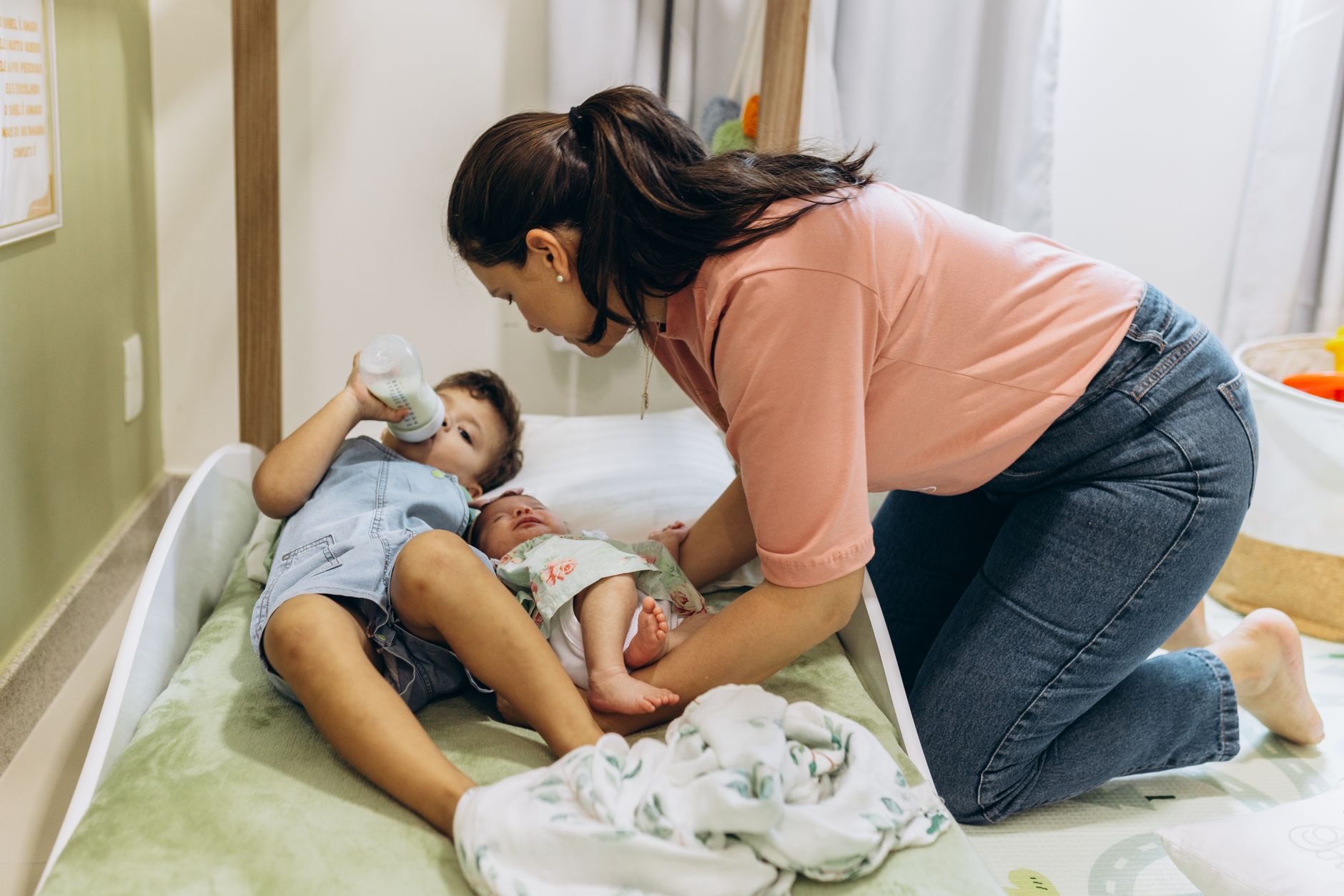
What are the income limits for the wic program for babies eligibility in 2024?
The cornerstone of WIC eligibility is household income. For 2024 the federal guideline sets the threshold at 185 % of the Federal Poverty Level (FPL). This means a family of three (two adults and one baby) can earn up to $49,000 annually and still qualify. Below are the general income ceilings for common family sizes; remember that states may adjust these numbers slightly.
If your household income falls below these limits, you automatically meet the financial part of the wic program for babies eligibility. Even families slightly above the limit may still qualify if they meet categorical criteria such as participation in SNAP, Medicaid, or a medical condition that affects nutrition.
WIC program eligibility calculator for families with newborns
Many state WIC agencies host an online calculator that asks for household size, annual income and state of residence. The tool instantly tells you whether you qualify and, if so, which benefits you can expect. Look for a link on your state’s WIC website or ask a caseworker during the intake interview.
How to apply for WIC benefits for a newborn baby?
Applying for WIC is intentionally straightforward because the program aims to reduce barriers for low‑income families. Below is a step‑by‑step roadmap that works in most states, with notes on where the process may differ.
- Gather required documents. You’ll need a birth certificate or hospital discharge paperwork, proof of income (pay stubs, tax return, or unemployment benefit letter), and identification for at least one parent or guardian.
- Find your local WIC office. Use the USDA’s state agency directory or call the national hotline (1‑800‑942‑3675) to locate the nearest office.
- Choose an application method. Most states allow in‑person, phone, or online enrollment. Online portals often require you to upload scanned copies of documentation; phone enrollment may be completed with a caseworker who can verify documents verbally.
- Complete the intake interview. A trained WIC staff member will ask about your household composition, income, nutrition goals, and any medical conditions that affect feeding.
- Receive your WIC benefits card. Once approved, you’ll be issued an Electronic Benefits Transfer (EBT) card that works like a debit card at authorized grocery stores.
- Schedule a nutrition counseling session. Within the first month, a registered dietitian will discuss breastfeeding support, infant formula choices, and how to use your benefits effectively.
Most families receive approval within 7‑10 days of the initial interview, though some states report faster timelines when documentation is complete.
Online vs. in‑person WIC application process for newborns
Online applications are convenient for tech‑savvy parents and reduce the need for travel, but they can be slower if document uploads fail. In‑person visits allow immediate verification of paperwork and often lead to same‑day enrollment. Choose the method that best fits your schedule and comfort level.
Which foods are covered for infants under the WIC program?
WIC’s food package is designed to meet the specific nutritional needs of babies from birth through age 5. For infants, the program covers:
- Infant formula (cow’s‑milk‑based, soy‑based, or specialty formulas for medical needs)
- Breastfeeding supplies (breast pumps, storage bags, and nursing pads)
- Baby cereal (iron‑fortified)
- Pureed fruits and vegetables (up to 12 months)
- Whole milk (after 12 months)
- Cheese, yogurt, and other dairy products (after 12 months)
- Fresh fruits and vegetables (once solid foods are introduced)
The exact quantities are set by the USDA and may vary slightly by state. For example, a typical infant formula allocation is 1 quart per week for babies under 12 months, and 2 quarts per week for toddlers.
Yes. If your baby has a diagnosed milk protein allergy or lactose intolerance, WIC can provide a hypoallergenic or soy‑based formula, provided a physician’s note confirms the medical need. The formula must be on the USDA’s approved list, which includes brands such as Nutramigen, Alimentum, and Similac Pro-Advance (soy). Always bring the doctor’s recommendation to the eligibility interview.
How long can a baby receive WIC benefits after birth, and how to renew after the first birthday?
WIC benefits for infants start at birth and continue until the child’s fifth birthday, as long as the family remains eligible each year. The program requires an annual re‑certification, which includes a brief income check and a nutrition counseling session.
For the first year, the initial certification lasts 12 months. After the baby’s first birthday, you’ll need to:
- Submit a renewal application (usually online or in‑person) before the current certification expires.
- Provide updated income documentation if your household earnings have changed.
- Attend a follow‑up nutrition counseling session that focuses on the transition to solid foods.
Many families find the renewal process smoother when they keep a folder of all WIC paperwork—benefits statements, nutrition counseling notes, and any medical letters—ready for the yearly check‑in.
Formula is dispensed on a weekly basis, typically in 1‑quart (for infants under 12 months) or 2‑quart (for toddlers) increments. Some states allow a “formula over‑request” if a doctor documents a higher medical need, but the default schedule is once per week.
State‑specific differences in WIC eligibility for infants
While the federal guidelines set the baseline, each state tailors the program to local needs. Differences can appear in income thresholds, approved foods, and the speed of enrollment. Below is a snapshot of three states to illustrate the range.
Because these numbers change annually, always verify the latest thresholds on your state’s WIC website or by calling the local office.
Can fathers apply for WIC benefits for their infant?
Yes. WIC eligibility is based on the household, not the gender of the parent. Fathers, mothers, guardians, or any legal caregiver can submit the required paperwork and receive the benefits for the baby.
What documentation is needed to prove eligibility for a WIC newborn?
Having the right documents on hand prevents delays. Below is a checklist of the most commonly requested items:
- Proof of identity: Driver’s license, state ID, or passport for at least one parent.
- Proof of residency: Utility bill, lease agreement, or mailbox receipt showing a current address.
- Proof of income: Recent pay stubs, unemployment benefit letter, or a copy of the most recent tax return (or a letter from a caseworker if you receive public assistance).
- Birth certificate or hospital discharge paperwork: Confirms the infant’s age and citizenship.
- Medical documentation (if applicable): Doctor’s note for medical conditions that affect nutrition, such as a milk protein allergy.
Common pitfalls include submitting an outdated utility bill, forgetting to bring the baby’s birth certificate, or not having a recent pay stub if you’re self‑employed. Double‑check each item before heading to the WIC office.
Steps to appeal a denied WIC eligibility for a baby
If your application is denied, you have the right to appeal within 30 days. Here’s how:
- Request a written explanation of the denial from the WIC office.
- Gather any missing or additional documentation (e.g., a recent pay stub or a doctor’s letter).
- Submit an appeal form in person or by mail, attaching the new evidence.
- Attend an appeal hearing if requested; a caseworker will review the evidence and make a final decision.
Most appeals are resolved within 2‑3 weeks, especially when the missing paperwork is promptly supplied.
How does the WIC program support low‑income mothers during pregnancy?
WIC isn’t just for babies; it begins prenatal care and continues through early childhood. Pregnant participants receive a tailored food package that includes:
- Iron‑rich foods (e.g., fortified cereals, lean meats)
- Calcium‑rich dairy or fortified alternatives
- Folic‑acid‑rich fruits and vegetables
- Healthy fats (nuts, seeds, and oils)
In addition to nutrition, WIC offers:
- Free breastfeeding education and lactation counseling.
- Referrals to prenatal medical care, Medicaid, and SNAP if needed.
- Support groups and community resources that address stress, housing, and transportation.
Research from the USDA and the Academy of Nutrition and Dietetics shows that pregnant women who receive WIC are less likely to experience low birth weight and have higher rates of breastfeeding initiation.
Impact of WIC participation on infant health outcomes
Multiple studies, including a 2021 longitudinal analysis by the National Center for Health Statistics, found that infants whose families used WIC had:
- 5‑7 % lower rates of iron‑deficiency anemia.
- Reduced odds of growth faltering during the first two years.
- Higher rates of exclusive breastfeeding at 3 months (about 60 % vs. 45 % nationally).
These outcomes underline why staying enrolled and renewing on schedule can make a measurable difference in a child’s early development.
WIC program for babies vs. SNAP benefits comparison
Both WIC and SNAP aim to improve nutrition, but they differ in scope, eligibility, and the types of foods covered. Understanding the distinction helps families maximize both programs when eligible.
Families often qualify for both programs. When that happens, WIC’s targeted nutrition support complements SNAP’s broader food purchasing power, creating a more comprehensive safety net.
Can fathers apply for WIC benefits for their infant?
Yes—any legal caregiver can submit the application. The process is identical regardless of gender, and the same documentation (income, ID, birth certificate) applies.
Myth vs. fact
Myth: “WIC only helps if you’re on public assistance.”
Fact: WIC is open to any family meeting the income limit, even those who are employed full‑time. The key is the 185 % FPL threshold, not program enrollment in other assistance.
Myth: “You can’t get formula if you’re breastfeeding.”
Fact: WIC supports both breastfeeding and formula feeding. Breastfeeding mothers receive breast pumps, nursing pads, and counseling, while formula‑feeding families receive a weekly allocation of the appropriate formula.
Myth: “Once you’re on WIC, you’re locked in for five years.”
Fact: Benefits are re‑certified annually. If your income rises above the limit, you can still remain enrolled until the next certification period, at which point you’ll be reassessed.
Key takeaways
- The wic program for babies eligibility hinges on income ≤ 185 % FPL and categorical criteria such as pregnancy, Medicaid, or SNAP participation.
- Apply within the first month after birth; you’ll need a birth certificate, ID, proof of residence, and income documentation.
- Infants receive formula, infant cereal, fruits, vegetables, and breastfeeding supplies; specialty formulas are covered with a doctor’s note.
- Benefits last until the child’s fifth birthday, with annual renewals that require updated income info and a nutrition counseling session.
- State variations exist—check your local WIC agency for exact income limits and any unique benefits.
- WIC works alongside SNAP; many families qualify for both, creating a stronger nutritional safety net.
- If denied, you have 30 days to appeal; gather missing documents and submit an appeal form promptly.
Frequently asked questions
What income level qualifies a baby for WIC?
Families earning up to 185 % of the Federal Poverty Level qualify. For a family of three, that means an annual income of roughly $49,000 in 2024. Some states adjust the threshold slightly, so always verify the latest numbers on your state’s WIC website.
Can a baby receive WIC benefits if the parents are unemployed?
Yes. Unemployment benefits count as income, and if the total household income stays below the 185 % FPL limit, the baby qualifies. Additionally, receipt of SNAP or Medicaid can serve as a categorical eligibility factor even if income slightly exceeds the threshold.
Formula is dispensed weekly. For infants under 12 months, the standard allotment is 1 quart per week; for toddlers, it increases to 2 quarts per week. If a medical condition requires more, a physician’s note can authorize a higher amount.
Do you need a doctor’s note to qualify for WIC for a newborn?
Generally, a doctor’s note is not required for basic eligibility. However, if you’re requesting specialty formula, a formula for a medical condition, or have a health issue affecting nutrition (e.g., a metabolic disorder), a physician’s recommendation is essential.
What is the maximum amount of WIC benefits a baby can get?
The exact dollar value varies by state, but most infants receive a monthly package worth roughly $180 – $260, covering formula, infant cereal, fruits, vegetables, and breastfeeding supplies. The benefit amount is recalculated each year during the renewal process.
How long does the WIC enrollment process take for a newborn?
When you bring all required documents, most offices approve enrollment within 7‑10 days. Online applications may take a bit longer (up to two weeks) due to verification of uploaded files. Scheduling a nutrition counseling session can add a few more days, but you’ll receive your EBT card as soon as the case is approved.
Can fathers apply for WIC benefits for their infant?
Absolutely. WIC eligibility is based on household income and categorical criteria, not on the gender of the applying parent. Fathers can submit the same paperwork—ID, income proof, and the baby’s birth certificate—to receive benefits.
When to see a doctor or specialist
If your baby shows any of the following signs, seek medical attention promptly and discuss WIC coverage with your provider:
- Failure to thrive (weight below the 5th percentile for age)
- Persistent vomiting or diarrhea causing dehydration
- Signs of food allergies (hives, swelling, respiratory distress) after formula or solid foods
- Developmental delays that may be linked to nutrition
- Any medical diagnosis that affects nutrient absorption (e.g., cystic fibrosis, celiac disease)
Talk to your pediatrician, a pediatric gastroenterologist, or a registered dietitian about how WIC can support treatment plans. Remember, this article provides general information and is not a substitute for personalized medical advice.
References
- U.S. Department of Agriculture. “Special Supplemental Nutrition Program for Women, Infants, and Children (WIC).” USDA Food and Nutrition Service, 2024.
- Academy of Nutrition and Dietetics. “WIC and Infant Nutrition.” Position Paper, 2023.
- National Center for Health Statistics. “Longitudinal Study of WIC Participation and Child Health Outcomes.” 2021.
- American Academy of Pediatrics. “Breastfeeding and Formula Feeding Guidelines.” AAP Policy Statement, 2022.
- Centers for Disease Control and Prevention. “Income Guidelines for Federal Poverty Level.” CDC, 2024.
- U.S. Department of Health & Human Services. “WIC State Agency Directory.” HHS, 2024.
- National Institute of Child Health and Human Development. “Nutrition for Infants and Young Children.” NICHD, 2023.
- Food and Nutrition Service. “WIC vs. SNAP Benefits Comparison.” FNS, 2023.
- American Society for Nutrition. “Impact of Supplemental Nutrition Programs on Early Childhood Development.” 2022.



