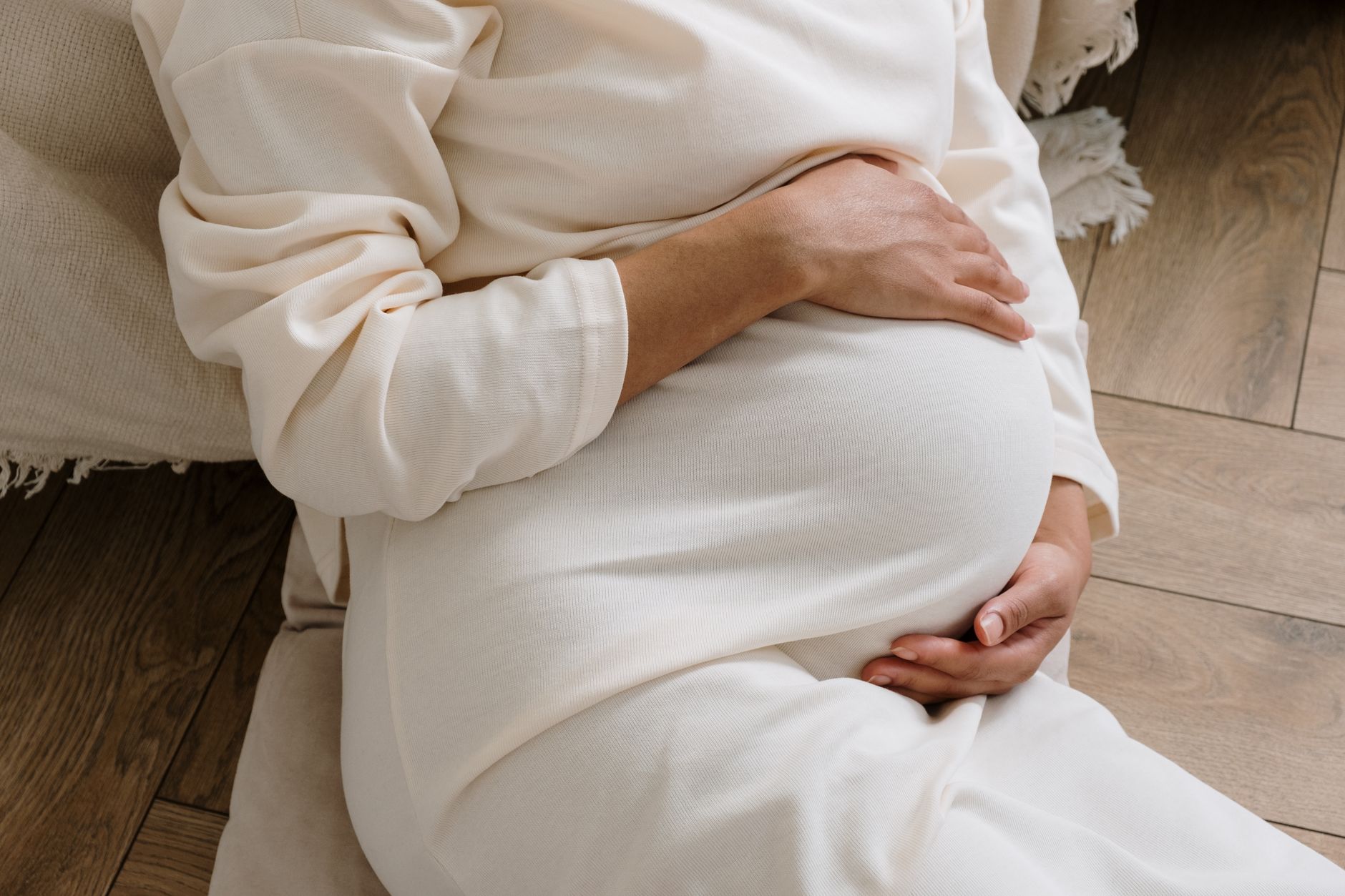
Experiencing contractions during pregnancy? Learn why they happen, whether they’re normal, and when to seek medical help for a safe delivery.
By Shubhra Mishra — a mom of two who turned her own confusion during pregnancy into BumpBites, a global mission to make food choices clear, safe, and stress-free for every expecting mother. 💛
Check whether any food is safe during pregnancy with the BumpBites Food Safety Checker.
Quick take: Contractions during pregnancy are usually normal—most are "practice" contractions called Braxton Hicks. These feel like a tightening in your belly, come and go without a pattern, and don’t get stronger. But if contractions become regular, painful, or come with other symptoms (like bleeding or fluid leaking), they could signal preterm labor. Call your doctor right away if you’re unsure or notice warning signs.
You’re lying in bed, trying to get comfortable, when suddenly your belly tightens like a drum. Your breath catches. Is this it? Are you in labor? Or is it just another one of those weird "practice" contractions you’ve heard about?
If this sounds familiar, you’re not alone. Many moms-to-be feel contractions long before their due date—and most of the time, it’s completely normal. But when those tightenings start happening more often, or they feel different than before, it’s easy to spiral into worry. Is this Braxton Hicks? Dehydration? Something more serious?
Here’s the good news: most contractions during pregnancy are harmless. But knowing the difference between normal tightenings and signs of preterm labor can bring peace of mind—and help you act fast if you need to. In this guide, we’ll break down why contractions happen, what’s normal (and what’s not), and exactly when to call your doctor.
Most contractions during pregnancy are harmless—but knowing the difference can ease your mind.
What Are Contractions During Pregnancy?
Contractions are your uterus practicing—or preparing—for labor. Think of them like a muscle flexing. Your uterus is made of smooth muscle fibers, and as your baby grows, those fibers stretch and contract. These contractions can start as early as the first trimester, though most women notice them more in the second or third.
There are two main types of contractions you’ll hear about:
Braxton Hicks contractions: Often called "practice contractions," these are irregular, painless tightenings that help your uterus prepare for labor. They don’t open the cervix or signal that labor is starting.
True labor contractions: These are regular, increasingly painful contractions that gradually get closer together. They signal that your body is starting labor—either at term or preterm (before 37 weeks).
Most of the time, contractions during pregnancy are Braxton Hicks. But if you’re feeling them early or they’re happening more often, it’s natural to wonder: Is this normal?
Why Am I Having Contractions at 20 Weeks?
Feeling contractions at 20 weeks can be alarming—after all, you’re only halfway through your pregnancy. But for many women, this is completely normal. Here’s why it happens:
Your uterus is growing: By 20 weeks, your uterus has expanded to about the size of a cantaloupe. As it stretches, the muscle fibers contract, causing those familiar tightenings.
Dehydration: Not drinking enough water can trigger contractions. Your uterus is sensitive to fluid levels, and dehydration can make it contract more often.
Activity or overdoing it: Long walks, carrying heavy bags, or even laughing too hard can bring on contractions. Your uterus is more reactive when you’re active.
Sex or orgasm: Semen contains prostaglandins, hormones that can soften the cervix and trigger contractions. Orgasms can also cause uterine contractions—though these are usually harmless.
Infection: In rare cases, a urinary tract infection (UTI) or other infection can irritate your uterus and cause contractions. If you have pain when peeing, fever, or unusual discharge, call your doctor.
One mom, Sarah, shared her experience: "At 22 weeks, I started feeling these weird tightenings every time I walked up the stairs. I panicked and called my midwife, who told me it was just my uterus practicing. She reminded me to drink more water and take it easy—and sure enough, the contractions slowed down."
If your contractions are mild, irregular, and go away with rest or hydration, they’re likely Braxton Hicks. But if they’re painful, frequent, or come with other symptoms (like bleeding or fluid leaking), call your doctor right away.
Are Braxton Hicks Contractions Normal During Pregnancy?
Yes—Braxton Hicks contractions are a normal part of pregnancy. They’re your body’s way of "warming up" for labor. Think of them like a dress rehearsal: your uterus is practicing the contractions it will use during labor, but without actually starting the process.
Here’s what’s normal with Braxton Hicks:
Timing: They can start as early as the first trimester, but most women notice them in the second or third trimester.
Frequency: They’re irregular—maybe once an hour, or a few times a day. They don’t follow a pattern.
Duration: They usually last 30 seconds to 2 minutes.
Intensity: They’re usually painless or mildly uncomfortable. You might feel your belly tighten, but it shouldn’t hurt.
What makes them stop: Changing positions, drinking water, or resting often makes them go away.
Braxton Hicks contractions are more common in the evening or after physical activity. They’re also more noticeable if you’re dehydrated or have a full bladder. Some women describe them as feeling like mild menstrual cramps or a tightening band around their belly.
If your contractions fit this description, they’re likely Braxton Hicks—and nothing to worry about. But if they start feeling different (more painful, regular, or frequent), it’s time to pay closer attention.
Dehydration is a common trigger for contractions—keep a water bottle handy.
What Does It Mean When I Feel Contractions Early in Pregnancy?
Feeling contractions in the first trimester can be scary—after all, you’re not expecting them this early. But in most cases, they’re harmless. Here’s what might be causing them:
Implantation: Some women feel mild cramping or contractions when the fertilized egg implants in the uterus (around 6–12 days after conception). This is normal and usually brief.
Uterine growth: As your uterus expands to make room for your baby, you might feel mild tightenings or cramps.
Gas or bloating: Early pregnancy hormones slow down digestion, which can cause gas and bloating—sometimes mistaken for contractions.
Round ligament pain: The ligaments supporting your uterus stretch as it grows, causing sharp or pulling sensations that can feel like contractions.
Dehydration or low blood sugar: Both can cause uterine irritability and mild contractions.
However, there are times when early contractions could signal a problem. Call your doctor if you experience:
Regular contractions (more than 4–6 per hour)
Contractions that get stronger or closer together
Pelvic pressure or pain
Vaginal bleeding or spotting
Fluid leaking from your vagina
Severe cramping or back pain
One mom, Priya, shared: "At 8 weeks, I felt these weird cramps and panicked. My doctor said it was just my uterus stretching and told me to rest and drink more water. The cramps went away after a few days."
Most early contractions are nothing to worry about, but it’s always better to check with your provider if something feels off.
How to Differentiate Braxton Hicks from True Labor Contractions
This is the question every mom-to-be asks: How do I know if these contractions are the real deal? The good news is that Braxton Hicks and true labor contractions have key differences. Here’s how to tell them apart:
Feature
Braxton Hicks Contractions
True Labor Contractions
Frequency
Irregular (no pattern)
Regular (get closer together over time)
Duration
30 seconds to 2 minutes
30–90 seconds, getting longer
Intensity
Mild or uncomfortable, but not painful
Start mild but get stronger and more painful
Location
Felt in the front of the belly
Start in the back and move to the front
Effect of movement
Often go away with rest, hydration, or position change
Continue no matter what you do
Cervical change
No change to the cervix
Cause the cervix to thin (efface) and open (dilate)
Other signs
No other symptoms
May come with a "bloody show" (mucus plug discharge), water breaking, or pelvic pressure
Here’s a simple way to test it: If you’re unsure, drink a big glass of water, empty your bladder, and lie down on your left side. If the contractions slow down or stop, they’re likely Braxton Hicks. If they keep coming, get stronger, or become regular, call your doctor.
One mom, Lisa, described her experience: "I was 38 weeks and felt contractions every 10 minutes. I drank water and rested, but they kept coming. By the time I got to the hospital, I was 4 cm dilated—it was the real thing!"
Can Dehydration Cause Contractions During Pregnancy?
Yes—dehydration is one of the most common triggers for contractions during pregnancy. Here’s why:
Your uterus is sensitive to fluid levels: When you’re dehydrated, your body releases a hormone called vasopressin, which can cause uterine contractions.
Electrolyte imbalance: Dehydration disrupts your body’s balance of electrolytes (like sodium and potassium), which can make your uterus more irritable.
Reduced blood flow: Dehydration lowers blood volume, which can reduce blood flow to the uterus and trigger contractions.
How to tell if dehydration is causing your contractions:
You’re thirsty or have a dry mouth.
Your urine is dark yellow (it should be pale or clear).
You feel dizzy, lightheaded, or fatigued.
The contractions slow down or stop after drinking water.
How to prevent dehydration-related contractions:
Drink at least 8–10 cups (64–80 oz) of water daily—more if you’re active or it’s hot.
Eat hydrating foods like watermelon, cucumbers, and oranges.
Avoid caffeine and sugary drinks, which can dehydrate you.
Carry a water bottle with you and sip throughout the day.
If you’re struggling to drink enough water, try adding lemon, cucumber, or mint for flavor. Electrolyte drinks (like coconut water or sports drinks) can also help, but check with your doctor first—some contain too much sugar or sodium.
One mom, Maria, shared: "I was 32 weeks and kept having contractions every afternoon. My doctor asked about my water intake, and I realized I was only drinking a few cups a day. After I upped my water, the contractions stopped."
When Should I Call My Doctor for Contractions in Pregnancy?
Most contractions during pregnancy are normal, but there are times when you should call your doctor or midwife right away. Here’s when to seek help:
Call your doctor immediately if you experience
Regular contractions (more than 4–6 per hour) before 37 weeks.
Contractions that get stronger, longer, or closer together.
Pelvic pressure or a feeling like the baby is pushing down.
Vaginal bleeding or spotting (like a period or heavier).
Fluid leaking from your vagina (could be your water breaking).
Severe back pain or cramping that doesn’t go away.
Less fetal movement than usual.
A sudden gush of fluid (could mean your water broke).
Fever, chills, or signs of infection (like pain when peeing).
If you’re full-term (37 weeks or later), call your doctor when:
Your contractions are 5 minutes apart, lasting 1 minute, for at least 1 hour (the "5-1-1 rule").
You feel a sudden urge to push.
Your water breaks, even if you’re not having contractions.
One mom, Aisha, recalled: "At 34 weeks, I started having contractions every 10 minutes. I called my doctor, who told me to come in. Turns out I was in preterm labor, but they were able to stop it with medication. If I’d waited, things might have been different."
When in doubt, call. It’s always better to be safe than sorry.
Do Contractions Mean Preterm Labor?
Not always—but contractions can be a sign of preterm labor, especially if they’re regular, painful, or come with other symptoms. Preterm labor is when your body starts preparing for birth before 37 weeks. Here’s what to watch for:
Signs of preterm labor
Regular contractions (more than 4–6 per hour) that don’t go away with rest or hydration.
Contractions that get stronger, longer, or closer together.
Pelvic pressure or a feeling like the baby is pushing down.
Dull backache that doesn’t go away.
Vaginal bleeding or spotting.
Fluid leaking from your vagina (could be your water breaking).
A change in vaginal discharge (watery, mucus-like, or bloody).
If you’re having any of these symptoms before 37 weeks, call your doctor right away. Preterm labor can sometimes be stopped or delayed with medication, bed rest, or other treatments. The sooner you get help, the better the outcome for you and your baby.
One mom, Jessica, shared: "At 30 weeks, I started having contractions every 15 minutes. I thought it was just Braxton Hicks, but my doctor told me to come in. They gave me steroids to help my baby’s lungs develop and medication to stop the contractions. My son stayed put until 38 weeks!"
Preterm labor doesn’t always mean you’ll deliver early. Many women who experience it go on to have full-term pregnancies. But it’s important to act fast if you notice the signs.
What Are the Signs of False Labor Contractions?
False labor contractions—also called Braxton Hicks—are your body’s way of practicing for the real thing. They’re common, especially in the third trimester, and they’re usually nothing to worry about. Here’s how to spot them:
Signs of false labor
Irregular timing: They don’t follow a pattern. You might have one contraction, then nothing for an hour, then another.
No increase in intensity: They stay mild or uncomfortable but don’t get stronger over time.
Felt in the front: They usually start in the front of your belly and stay there.
Go away with movement: Changing positions, drinking water, or resting often makes them stop.
No cervical change: They don’t cause your cervix to thin (efface) or open (dilate).
No other symptoms: They don’t come with bleeding, fluid leakage, or pelvic pressure.
False labor contractions can be annoying, but they’re not dangerous. They’re more common in the evening or after physical activity. Some women describe them as feeling like a tightening band around their belly or mild menstrual cramps.
If your contractions fit this description, you’re likely experiencing false labor. But if they start feeling different (more painful, regular, or frequent), it’s time to call your doctor.
From our medical team: "False labor contractions are your body’s way of getting ready for the big day. They’re a normal part of pregnancy, but they can be confusing—especially if it’s your first baby. The key is to pay attention to the pattern. If contractions become regular, painful, or come with other symptoms, don’t hesitate to call your provider. We’d rather you call and it be nothing than wait and miss a sign of preterm labor."
Myth vs. Fact
When it comes to contractions during pregnancy, there’s a lot of misinformation out there. Let’s clear up some common myths:
Myth: If you’re having contractions, you’re definitely in labor. Fact: Most contractions during pregnancy are Braxton Hicks—your body’s way of practicing for labor. True labor contractions are regular, painful, and get closer together over time.
Myth: You can’t have contractions before 37 weeks. Fact: Contractions can start as early as the first trimester. Most are harmless, but if they’re regular or painful before 37 weeks, call your doctor—it could be preterm labor.
Myth: Drinking water won’t help contractions. Fact: Dehydration is a common trigger for contractions. Drinking water can often make Braxton Hicks contractions slow down or stop.
Myth: If contractions aren’t painful, they’re not real. Fact: True labor contractions can start mild and gradually get stronger. Some women don’t feel much pain until active labor.
Myth: You’ll always know when you’re in labor. Fact: Labor can be sneaky! Some women have "prodromal labor" (early labor that comes and goes) for days before active labor starts. Others don’t realize they’re in labor until they’re already dilated.
Key Takeaways
Most contractions during pregnancy are normal and harmless—usually Braxton Hicks, your body’s "practice" contractions.
Braxton Hicks are irregular, painless, and go away with rest or hydration. True labor contractions are regular, painful, and get closer together.
Dehydration, activity, and even sex can trigger contractions. Drinking water and resting often helps.
Call your doctor if contractions are regular, painful, or come with bleeding, fluid leakage, or pelvic pressure—especially before 37 weeks.
Preterm labor can sometimes be stopped or delayed, so don’t wait to call if you’re concerned.
False labor contractions are common and not dangerous, but they can be confusing. Pay attention to the pattern.
Frequently Asked Questions
Are Braxton Hicks contractions a sign of labor?
No, Braxton Hicks contractions are not a sign of labor. They’re your body’s way of practicing for labor, but they don’t open the cervix or signal that labor is starting. True labor contractions are regular, painful, and get closer together over time.
Can dehydration cause contractions during pregnancy?
Yes, dehydration is a common trigger for contractions. When you’re dehydrated, your body releases hormones that can cause uterine contractions. Drinking water often makes Braxton Hicks contractions slow down or stop.
When should I be concerned about contractions?
Call your doctor if contractions are regular (more than 4–6 per hour), painful, or come with other symptoms like bleeding, fluid leakage, or pelvic pressure—especially before 37 weeks. If you’re full-term, call when contractions are 5 minutes apart, lasting 1 minute, for at least 1 hour.
How can I tell if my contractions are false labor?
False labor contractions (Braxton Hicks) are irregular, mild, and go away with rest or hydration. They don’t get stronger or closer together over time. True labor contractions are regular, painful, and continue no matter what you do.
What are the stages of Braxton Hicks contractions?
Braxton Hicks contractions don’t have stages like true labor. They’re irregular, come and go without a pattern, and don’t get stronger or closer together. They’re more noticeable in the third trimester but can start as early as the first trimester.
Is it normal to have contractions in the first trimester?
Yes, it’s normal to feel mild contractions or cramping in the first trimester. They’re usually caused by your uterus growing, implantation, or gas. But if contractions are regular, painful, or come with bleeding, call your doctor.
When to Call Your Doctor
Most contractions during pregnancy are normal, but there are times when you should call your doctor or midwife right away. Here’s a quick recap of when to seek help:
Regular contractions (more than 4–6 per hour) before 37 weeks.
Contractions that get stronger, longer, or closer together.
Pelvic pressure or a feeling like the baby is pushing down.
Vaginal bleeding or spotting.
Fluid leaking from your vagina (could be your water breaking).
Severe back pain or cramping that doesn’t go away.
Less fetal movement than usual.
A sudden gush of fluid.
Fever, chills, or signs of infection.
If you’re full-term (37 weeks or later), call your doctor when:
Your contractions are 5 minutes apart, lasting 1 minute, for at least 1 hour (the "5-1-1 rule").
You feel a sudden urge to push.
Your water breaks, even if you’re not having contractions.
This article is for informational purposes only and is not a substitute for professional medical advice, diagnosis, or treatment. Always seek the advice of your healthcare provider with any questions you may have about a medical condition.
References
American College of Obstetricians and Gynecologists (ACOG): Preterm Labor and Birth (guidance on signs of preterm labor and when to seek help).
National Health Service (NHS): Braxton Hicks Contractions (information on what’s normal and when to call your doctor).
Mayo Clinic: Contractions: True vs. False Labor (how to tell the difference between Braxton Hicks and true labor).
American Pregnancy Association: Dehydration During Pregnancy (how dehydration can trigger contractions and how to prevent it).
Royal College of Obstetricians and Gynaecologists (RCOG): Preterm Labour (signs of preterm labor and when to seek medical attention).
Centers for Disease Control and Prevention (CDC): Preterm Birth (information on preterm labor and its risks).
Not sure about the label on Why Am I Having Contractions During Pregnancy products?
Snap the ingredients list and SafeFilter checks every ingredient for your stage — only 3 free scans this month, then you're locked until reset. Unlimited from $7/mo or $50/yr.
When Shubhra Mishra was expecting her first child in 2016, she was overwhelmed by conflicting food advice — one site said yes, another said never. By the time her second baby arrived in 2019, she realized millions of mothers face the same confusion.
That sparked a five-year journey through clinical nutrition papers, cultural diets, and expert conversations — all leading to BumpBites: a calm, compassionate space where science meets everyday motherhood.
Her long-term vision is to build a global community ensuring safe, supported, and free deliveriesfor every mother — because no woman should face pregnancy alone or uninformed. 🌿
🌍 Stand with mothers, shape safer guidance
Join a small circle of experts who review BumpBites articles so expecting parents everywhere can decide with confidence.