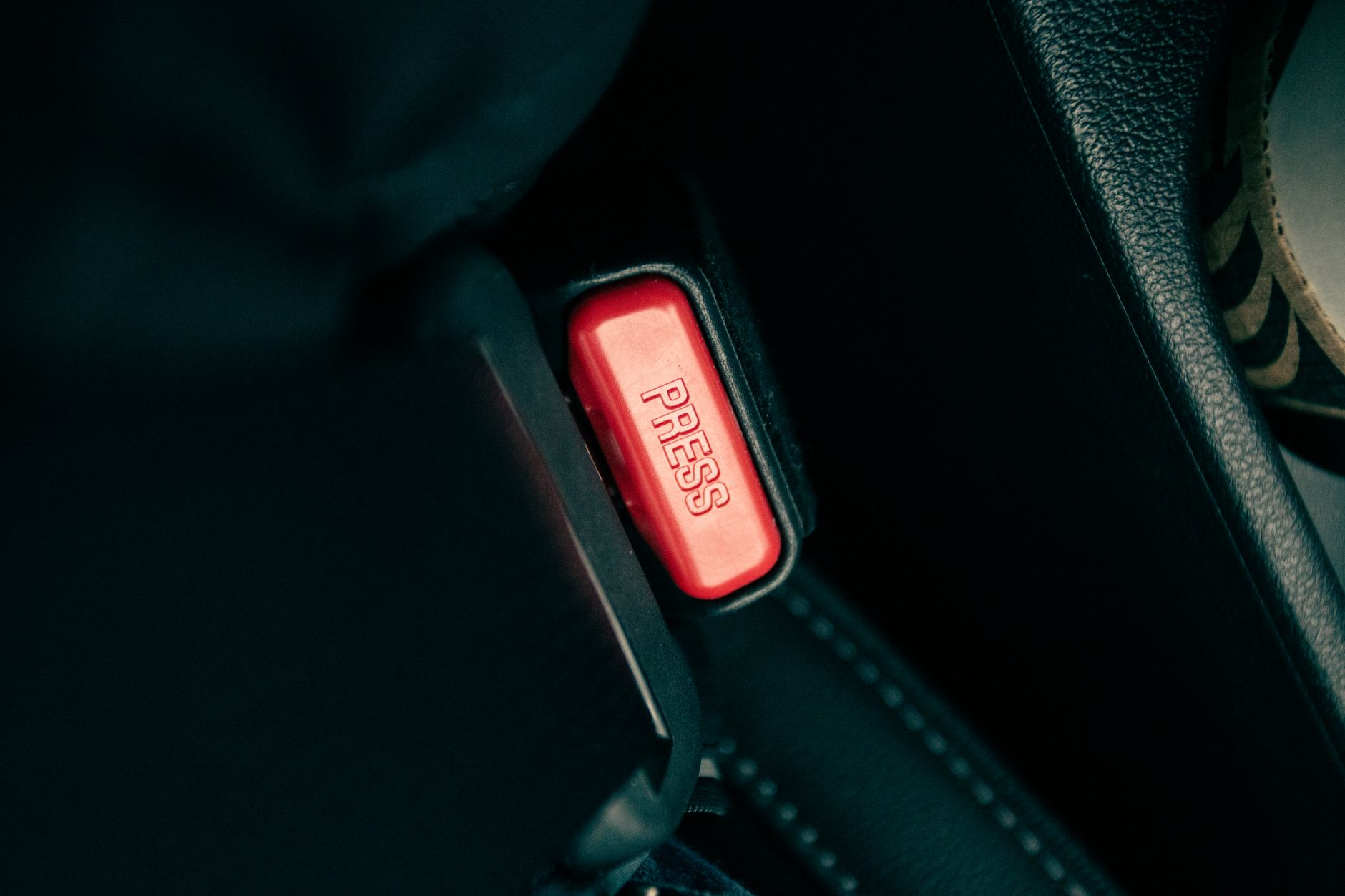
Car seats expire about 6 years after the manufacture date; check the label for your brand’s exact date. Use our calculator to find when your car seat expires.
By Shubhra Mishra — a mom of two who turned her own confusion during pregnancy into BumpBites, a global mission to make food choices clear, safe, and stress-free for every expecting mother. 💛
Check whether any food is safe during pregnancy with the BumpBites Food Safety Checker.
Quick take: Most infant and convertible car seats are designed to be used for about six to ten years from the date they were manufactured. Look for the stamped expiration date on the seat frame, and replace the seat once that date passes or if the seat has been in a crash.
It’s 2 a.m., you’re half‑asleep, and you just caught your toddler’s car seat on the floor after a bumpy night‑time drive. A quick glance at the label makes your heart skip—there’s a string of numbers you don’t recognize. “When does my car seat expire?” you wonder, scrolling through endless pages of advice. You’re not alone. Many new parents discover the expiration date only when they’re about to buy a replacement.
🔢 Calculate it for your situation: Use our Car Seat Expiration for a personalized result in seconds.
Below, we walk through everything you need to know about car seat expiration dates: why they exist, how to read them, how long different brands typically last, and what to do if your seat has passed its prime. We’ll also give you a simple checklist for regular inspections, and a quick way to calculate your seat’s exact expiration using our online tool.
Bottom line: the expiration date is a safety deadline set by manufacturers and reinforced by safety agencies. Using a seat past that date can compromise its ability to protect your child in a crash. Let’s demystify the numbers so you can feel confident that your little one is always in the safest seat possible.
Understanding car seat expiration dates
Car seats are built from high‑impact plastics, metal frames, and foam padding that degrade over time, even when they look pristine. The expiration date is the manufacturer’s guarantee that the seat will meet current safety standards up to a specific point in time. After that, the materials may weaken, the labeling could become illegible, and newer safety technologies may be unavailable.
The United States Consumer Product Safety Commission (CPSC) requires every car seat sold in the U.S. to carry a clear expiration label. In the United Kingdom, the same requirement is enforced by the Department for Business, Energy & Industrial Strategy (BEIS) and the British Standards Institution (BSI). Both agencies stress that expiration dates are not optional—they are a legal safety measure.
Most seats are stamped with a month and year (e.g., “EXP 09/2027”). The date is calculated from the date of manufacture, not from the date of purchase. That means a seat bought brand‑new in 2024 could already be a few years into its lifespan if the factory produced it in 2022. Knowing this helps you avoid the false assumption that a recent purchase automatically means a long remaining life.
Even though the label is the official source, many parents also rely on the serial number printed on the seat. Manufacturers keep detailed production logs that match the serial number to a specific month and year. If the label is worn, you can often retrieve the same information by contacting the brand’s customer service and providing that serial number. This process helps ensure that even if the visible expiration date is obscured, the seat's true age and safety window can still be determined.
The science behind car seat material degradation
The e
xpiration date isn't just an arbitrary number; it's rooted in the science of material degradation. Car seats are primarily constructed from various types of plastics, such as polypropylene and high-density polyethylene, which are chosen for their strength and energy-absorbing properties. However, these materials are not immune to the passage of time and environmental stressors.
Exposure to ultraviolet (UV) radiation from sunlight is a major culprit. Over time, UV rays break down the chemical bonds in plastic polymers, leading to a process called photodegradation. This can cause plastics to become brittle, lose their structural integrity, and develop hairline cracks that might not be immediately visible. Similarly, extreme temperature fluctuations—from scorching summer interiors to freezing winter nights—cause plastics to expand and contract repeatedly, accelerating fatigue and weakening the material's ability to withstand impact. The foam padding, designed to absorb crash forces, can also compress and lose its resilience over years of use and temperature changes, reducing its protective capacity. This unseen degradation is why a car seat can look perfectly fine on the outside but still be compromised on a structural level.
What factors affect a car seat’s lifespan?
Several variables influence how long a car seat remains safe:
Manufacture date. The primary driver—most seats are rated for a fixed number of years from the day they roll off the production line.
Material degradation. UV light, temperature extremes, and humidity can cause plastics to become brittle and foam to lose its energy‑absorbing properties.
Crash exposure. Even a minor collision can compromise the integrity of the seat’s frame or padding. Many manufacturers advise replacing a seat after any crash that required airbag deployment or resulted in a 5‑mph impact.
Regulatory updates. Safety standards evolve (e.g., the shift from FMVSS 213 to newer standards). An older seat may not meet the latest testing criteria, even if it’s technically within its expiration window.
Frequency of use. Seats that travel daily in hot cars or are frequently removed and reinstalled experience more wear than those used only on occasional trips.
The combination of these factors is why manufacturers set a conservative expiration window—usually six to ten years—to ensure the seat performs as intended for the entire period.
Another often‑overlooked factor is the “service life” of the seat’s hardware, such as the latch plate and buckles. Metal components can corrode over time, especially in humid climates, which can affect the seat’s ability to lock securely into the vehicle. Regularly cleaning metal parts with a non‑abrasive cleaner can slow this process, but it does not extend the official expiration date. The constant tightening and loosening of harnesses, repeated buckling and unbuckling, and even the stress of a child wiggling can put significant strain on these components. Manufacturers factor in this cumulative wear and tear when determining the seat's overall lifespan, highlighting that the entire system, not just the plastic shell, has a finite period of optimal performance.
How to find the expiration date on your car seat
Finding the expiration date is straightforward once you know where to look. Most seats have the date stamped in one of three common locations:
Side or back panel. A metal or plastic plate on the seat’s side often bears the “EXP” label along with a serial number.
Base of the seat. The underside of the molded shell may have a laser‑etched date.
User manual. The printed guide that came with the seat typically lists the expiration month and year, along with the model’s manufacturing code.
If the label is hard to read because of wear or fading, check the accompanying paperwork. Many parents keep the original receipt, which usually includes the model number and year of purchase—use that as a cross‑reference with the manufacturer’s website.
When you locate the date, write it down in a calendar or phone reminder. Some parents set an alarm for six months before the expiration to give themselves time to shop for a new seat. It's crucial not to remove or damage this label, as it's a vital safety indicator that ensures future users or inspectors can verify the seat's status.
For added peace of mind, consider photographing the expiration label and saving the image in a secure cloud folder. That way, you’ll have a digital record even if the label erodes over time. You should also register your car seat with the manufacturer immediately after purchase. This ensures you'll receive direct notifications about any recalls or safety advisories, which can sometimes impact a seat's usable lifespan before its official expiration date.
Expiration timelines by major brands and models
While each manufacturer sets its own expiration schedule, most follow a similar pattern. Below is a snapshot of typical lifespans for popular brands sold in the U.S. and U.K. (Note: always verify your specific model’s date on the seat itself.)
Brand
Common Model
Typical Expiration (Years from Manufacture)
Example Expiration Date Range
Britax
Britax B‑Safe 35
6 years
2024–2030 (if made in 2024)
Graco
SnugRide SnugLock 35
7 years
2023–2030 (if made in 2023)
Evenflo
SafeMax 2-in-1
7 years
2022–2029 (if made in 2022)
Chicco
KeyFit 30
6 years
2025–2031 (if made in 2025)
Safety 1st
Grow and Go 3‑in‑1
6 years
2023–2029 (if made in 2023)
Maxi‑Cosi
Razzi Evolution
8 years
2024–2032 (if made in 2024)
These ranges illustrate why a seat bought in 2024 might already be approaching its deadline by 2029 or 2030. If you’re unsure whether your specific model fits within these windows, you can calculate the exact expiration using our Car Seat Expiration tool. Just enter the manufacture month and year, and the calculator will tell you the precise “use‑until” date.
The variation in expiration timelines among brands often comes down to differences in material composition, design choices, and the specific testing protocols each manufacturer employs. Some brands may use more durable plastics or different UV stabilizers, allowing for a longer lifespan, while others might opt for lighter designs with a shorter recommended use period. Always remember that these are general guidelines; your specific seat's label is the definitive source for its expiration date.
Keeping the manual handy makes it easy to verify the exact expiration date.
Safety guidelines: when to replace or retire a car seat
Beyond the printed expiration date, there are additional situations that call for immediate retirement of a car seat:
Any crash that exceeds a 5‑mph impact or triggers an airbag.
Visible damage to the shell, straps, buckles, or padding.
Missing or broken parts, such as the latch plate or the canopy.
Recall notices from the manufacturer—these are typically posted on the CPSC or the brand’s website.
When your child outgrows the seat’s weight or height limits, even if the expiration date is still far off.
When any of these red flags appear, replace the seat immediately. Even if the seat looks fine, a compromised structure can fail in a collision, putting your child at unnecessary risk.
For families who want a seamless transition, consider a “dual‑stage” approach: keep an older seat as a backup until the newer one is fully installed, then recycle the expired seat responsibly. It's crucial to understand that "outgrowing" a seat isn't just about comfort; it's a safety issue. If your child's head is above the top of the car seat shell (for rear-facing) or the top harness slots are below their shoulders (for forward-facing), the seat can no longer provide adequate head and neck protection in a crash. Always refer to your car seat's manual for specific height and weight limits, as these vary by model.
Even a brand‑new seat should be inspected for expiration before the first ride.
Risks of using an expired car seat
When a car seat passes its expiration date, the materials that absorb crash forces may no longer perform as engineered. Plastics can become brittle, and foam can compress, reducing the seat’s ability to protect the head, neck, and spine. Studies from the National Highway Traffic Safety Administration (NHTSA) have shown that older seats are more likely to crack under impact, leading to higher injury rates.
Beyond the physical degradation, expired seats may no longer meet the most recent safety standards. For example, newer seats incorporate side‑impact protection that older models lack. If an expired seat is involved in a crash, the child could experience injuries that a current‑model seat would have mitigated.
While no single study can predict the exact outcome for every seat, the consensus among safety experts—such as the American Academy of Pediatrics (AAP) and the CPSC—is clear: an expired seat is a liability you can’t afford to take. The safest choice is to replace it before the date on the label. The unseen structural weaknesses mean that in the event of a collision, the seat may not properly distribute crash forces, potentially allowing the child to be ejected from the seat or suffer severe impact injuries. This is why organizations like the AAP strongly advocate for adherence to manufacturer guidelines, emphasizing that even a seat that appears intact can pose a significant risk.
Buying and using a second-hand car seat
For many families, the idea of using a second-hand car seat is appealing due to cost savings. However, this comes with significant safety caveats. The American Academy of Pediatrics (AAP) and the NHTSA strongly advise against using a car seat if you don't know its full history. Key concerns include not knowing if the seat has been in a crash, if it's expired, or if it's subject to a recall.
If you absolutely must consider a used car seat, ensure it meets all of the following criteria: you know its full crash history (it must never have been in a moderate or severe crash), it has its original labels including the expiration date, it comes with the original instruction manual, all parts are present and working, and it has not been recalled. Even with all these checks, it's still generally safer to purchase a new seat to guarantee its full integrity and history. When in doubt, it’s always best to invest in a new seat for your child's safety.
Maintaining and inspecting your car seat
Regular maintenance helps you spot potential problems early and can extend the usable life of a seat up to its official expiration date. Follow these simple steps each month:
Visual check. Look for cracks, discoloration, or missing padding on the shell and headrest. Pay close attention to areas around the harness slots and where the seat belt threads through, as these are high-stress points.
Strap inspection. Pull each strap to ensure it’s free of fraying, cuts, or unusual stiffness. Check that the harness straps move smoothly through the adjusters and are not twisted.
Hardware test. Verify that buckles click firmly and that the latch plate releases smoothly. Test the chest clip to ensure it stays securely fastened.
Cleanliness. Wipe the seat with mild soap and water; avoid harsh chemicals that could weaken plastics or degrade fabric fire retardants. Always follow the manufacturer’s cleaning instructions found in the manual.
Weight and height limits. Confirm your child still fits within the seat’s specifications—most seats list limits on the label and in the manual. Ensure their shoulders are not above the highest harness slots (forward-facing) or their head is not above the top of the seat (rear-facing).
If any issue arises, contact the manufacturer’s customer service line. Many brands offer free replacement parts for seats still within their warranty period, which can be a cost‑effective way to keep the seat safe until its official expiration. This proactive approach not only extends the practical life of your car seat but also keeps you attuned to its overall condition, reinforcing a culture of safety.
Different types of car seats and how expiration applies
Infant, convertible, and booster seats each have distinct design features, but the expiration principle is the same across all types. Infant seats—often used from birth to about 12–15 lb—tend to have the shortest lifespan because they’re made of lighter‑weight plastics that age more quickly. These seats are also frequently carried in and out of the car, increasing their exposure to varying temperatures and physical stress. Convertible seats, which grow with your child, usually have a longer window (up to eight years) because they contain sturdier frames and thicker foam.
Boosters, which are essentially seat cushions that rely on the vehicle’s seat belt, typically carry a 10‑year expiration. Even though they lack a harness, the plastic shell still degrades, and the built‑in side‑impact protection can lose effectiveness. The FDA does not directly regulate car seats, but it does oversee the safety of the materials used in the plastics and foams, ensuring they meet strict toxicology standards. This ensures that the components, while not "medical" in the traditional sense, are safe for prolonged contact with children.
In the UK, the NHS advises parents to treat all child restraints the same way when it comes to expiry: “When the date on the label passes, replace the seat, regardless of its type.” This uniform guidance helps avoid confusion for families that switch between seat types as their child grows, ensuring continuous adherence to safety protocols.
Legal requirements and recall procedures
Both the U.S. and U.K. have legal frameworks that make expiration labeling mandatory. In the United States, the Consumer Product Safety Improvement Act of 2008 (CPSIA) gives the CPSC authority to enforce labeling, and non‑compliant seats can be removed from the market. This act also mandates that all children's products, including car seats, be tested by third-party laboratories to ensure they meet federal safety standards. In the United Kingdom, the Car Seat Safety Regulations (2015) require that any seat sold after January 2015 must display an expiration date.
If a manufacturer issues a recall, the CPSC (U.S.) or the UK’s Office for Product Safety and Standards (OPSS) will publish a notice that includes the affected model numbers, serial ranges, and recommended actions. Recalls can be triggered by structural defects, faulty buckles, or even mislabeled expiration dates. Parents should register their seat on the manufacturer’s website when they first purchase it; this ensures they receive email alerts if a recall is announced. This registration is a critical step in staying informed about any potential safety issues that could arise during the seat's lifespan.
When a recall coincides with an approaching expiration date, the safest route is to replace the seat with a newer, compliant model. The cost of a recall‑related replacement is typically covered by the manufacturer, and many retailers will honor a trade‑in credit. It's always better to prioritize your child's safety over trying to extend the life of a potentially compromised seat.
Donating or recycling expired car seats responsibly
Once your car seat has expired or been involved in a crash, it's crucial to dispose of it responsibly to prevent it from being reused unsafely. Simply putting it out with the regular trash isn't ideal, as it could be picked up by someone unaware of its compromised state.
Many communities and retailers offer car seat recycling programs. Target, for example, frequently hosts car seat trade-in events where you can recycle an old seat (expired or not) and receive a discount on a new baby item. Check with your local waste management facility or recycling center, as some accept car seats for recycling due to their plastic and metal components. Before recycling, it's a good practice to cut the harness straps, write "EXPIRED" or "CRASHED" on the seat in permanent marker, and even remove the fabric cover to clearly signal that the seat is no longer safe for use. This small effort helps ensure that no child inadvertently ends up in an unsafe seat.
How to shop for a replacement car seat
Choosing a new seat can feel overwhelming, especially when you’re also tracking expiration dates. Start by identifying your child’s current weight and height, then filter options by “in‑stock” models that meet or exceed the latest safety standards (FMVSS 213 in the U.S., R129 in the U.K.). Look for seats that have passed the most recent crash‑test ratings from the NHTSA or the European New Car Assessment Programme (Euro NCAP).
Consider features that align with your lifestyle: a seat with a 360‑degree swivel can make nighttime installations easier, while a model with removable, machine‑washable fabrics may be a boon for parents of messy eaters. If you drive a smaller car, check the seat’s width and base dimensions to ensure a snug fit without compromising the vehicle’s airbags. It’s also wise to try installing the car seat in your vehicle before purchasing, if possible, to ensure a proper fit and easy installation. A seat that is difficult to install correctly is often installed incorrectly, compromising its safety.
Finally, keep the receipt and the user manual in a dedicated “car‑seat folder” along with the expiration label photo. This documentation will simplify future checks and make it easier to claim any warranty or recall benefits. Remember, the best car seat is one that fits your child, fits your vehicle, and is used correctly every single time.
Choosing a seat that matches your child’s size and your vehicle’s space can simplify daily use.
From our medical team: While a car seat isn’t a medical device, it plays a critical role in preventing traumatic injuries. If you’re ever in doubt about a seat’s condition, err on the side of caution and replace it. The peace of mind it brings is worth the modest investment. Your child's safety is paramount, and a properly functioning car seat is your first line of defense in an accident.
🔢 Ready to crunch your numbers? Use our Car Seat Expiration for a personalized result in seconds.
Myth vs. fact
Myth: “If the seat looks fine, it’s still safe after the expiration date.”
Fact: The expiration date reflects material aging that isn’t visible to the naked eye. Even an undamaged‑looking seat may have lost its crash‑absorbing capacity due to UV exposure and temperature changes.
Myth: “All car seats last exactly ten years.”
Fact: Lifespans vary by brand, model, and material composition—most range from six to ten years, but the exact period is set by the manufacturer and noted on the seat.
Myth: “I can keep an old seat as a backup for emergencies.”
Fact: An expired seat should never be used, even as a temporary solution. If you need a backup, purchase a second seat that is within its expiration window and has a known history.
Myth: “Cleaning my car seat with strong disinfectants will keep it safe.”
Fact: Harsh chemicals can degrade the plastic and fabric, potentially compromising the seat's structural integrity or fire-retardant properties. Always use mild soap and water, following the manufacturer’s cleaning instructions.
Key takeaways
Most car seats expire 6–10 years after manufacture; the exact date is stamped on the seat.
Factors such as UV exposure, crash history, and material degradation affect lifespan.
Locate the expiration label on the side panel, base, or in the user manual.
Replace the seat immediately after any moderate‑to‑severe crash, visible damage, or recall.
Regular monthly inspections and cleaning help you catch problems before they become safety hazards.
Avoid buying or using second-hand car seats unless you can verify their full history and ensure they are not expired or recalled.
Use the Car Seat Expiration calculator to confirm the exact “use‑until” date for your specific model.
Dispose of expired or crashed car seats responsibly through recycling programs to prevent unsafe reuse.
Frequently asked questions
How do I know if my car seat is expired?
The direct answer is: check the “EXP” label printed on the seat’s side, base, or manual for a month‑year stamp. If the current month is later than the stamped date, the seat is expired.
Can I still use an expired car seat?
While you could physically install an expired seat, safety experts advise against it because the protective materials may have degraded, reducing crash performance and increasing injury risk.
What happens if I use an expired car seat?
Using an expired seat increases the risk of injury in a crash; the seat’s shell may crack, and the foam may not absorb impact as designed, potentially leading to more severe injuries.
How often should I replace my car seat?
Replace the seat when it reaches its manufacturer’s expiration date, after any crash that exceeds 5 mph, or when you notice any structural damage. Most families replace seats every 6–10 years.
Are all car seats the same in terms of expiration?
No. Different brands and models set different expiration windows—some as short as five years, others up to ten. Always refer to the specific label on your seat.
Can I recycle an expired car seat?
Yes. Many manufacturers run take‑back programs, and many local recycling centers accept car seats as metal or plastic waste. Check the brand’s website for drop‑off locations or contact your municipality’s waste‑management office.
What should I look for in a recall notice?
A recall notice will list the affected model numbers, serial ranges, and the recommended action—typically a free repair, part replacement, or full seat replacement. Promptly follow the manufacturer’s instructions to keep your child safe.
Does a car seat’s warranty affect its expiration?
Warranty periods usually run for a few years after purchase and are separate from the expiration date. Even if a seat is still under warranty, you must retire it once the expiration label passes.
What if I can't find the expiration date on my car seat?
If the label is missing or illegible, check the user manual or look for a manufacturing date and contact the manufacturer directly with the model and serial number. Without a clear expiration date, it's safest to assume the seat is expired and replace it.
Can I extend my car seat's lifespan beyond its expiration date?
No, you cannot safely extend a car seat's lifespan past its manufacturer-set expiration date. This date is determined by material science and safety testing, and using the seat beyond it compromises its ability to protect your child.
When to call your doctor
If your child experiences any of the following after a crash—persistent pain, bruising, difficulty breathing, or unusual behavior—seek medical attention right away. While car seat safety is primarily a mechanical concern, injuries can sometimes be subtle and require professional evaluation.
This article provides general information and is not a substitute for personalized medical advice. Always discuss any concerns with your pediatrician or qualified healthcare provider.
Not sure about the label on When Does My Car Seat Expire Safety Lifespan By Brand Calculator products?
Snap the ingredients list and SafeFilter checks every ingredient for your stage — only 3 free scans this month, then you're locked until reset. Unlimited from $7/mo or $50/yr.
When Shubhra Mishra was expecting her first child in 2016, she was overwhelmed by conflicting food advice — one site said yes, another said never. By the time her second baby arrived in 2019, she realized millions of mothers face the same confusion.
That sparked a five-year journey through clinical nutrition papers, cultural diets, and expert conversations — all leading to BumpBites: a calm, compassionate space where science meets everyday motherhood.
Her long-term vision is to build a global community ensuring safe, supported, and free deliveriesfor every mother — because no woman should face pregnancy alone or uninformed. 🌿
🌍 Stand with mothers, shape safer guidance
Join a small circle of experts who review BumpBites articles so expecting parents everywhere can decide with confidence.