Newborn fever can be serious. Learn when to worry, key symptoms requiring urgent care, and steps to take if your baby’s temperature rises above 100.4°F.
By Shubhra Mishra — a mom of two who turned her own confusion during pregnancy into BumpBites, a global mission to make food choices clear, safe, and stress-free for every expecting mother. 💛
Check whether any food is safe during pregnancy with the BumpBites Food Safety Checker.
Quick take: A newborn fever is usually defined as a rectal temperature of 100.4 °F (38 °C) or higher. If your baby is under 28 days old and runs a fever, call your pediatrician or go to the hospital right away—especially if they’re sleepy, not feeding, or have a rash.
It’s 2 a.m., you’re rocking your tiny newborn, and you feel a faint warmth on your forehead. Your heart races: “Is this a fever? Do I need to panic?” You’re not alone. Many new parents wonder when to worry about newborn fever and how to act fast without losing sleep over every little change.
Below, we break down everything you need to know—what temperature counts as a fever, how to measure it, why it happens, and the exact moments you should seek urgent care. We’ll also cover common scenarios like fevers after a bath, after circumcision, or while you’re breastfeeding, and give you a step‑by‑step night‑time plan.
Read on for clear, evidence‑based guidance, real‑world tips, and a quick‑reference checklist you can keep by the crib.
When you suspect a fever, a calm environment helps you check temperature accurately.
What is a normal temperature for a newborn?
Newborns (0‑28 days) have a higher baseline temperature than older children. A “normal” rectal temperature ranges from 97.7 °F (36.5 °C) to 100.3 °F (37.9 °C). Anything at or above 100.4 °F (38 °C) is considered a fever, according to the American College of Obstetricians and Gynecologists (ACOG) and the U.S. Centers for Disease Control and Prevention (CDC).
Because newborns cannot tell you how they feel, the temperature alone becomes a critical clue. Keep in mind that axillary (under‑arm) readings are typically 0.5 °F (0.3 °C) lower than rectal, and ear or forehead devices may not be accurate for infants under 3 months.
Measurement site
Fever threshold
Rectal
≥ 100.4 °F (38 °C)
Axillary
≥ 99.5 °F (37.5 °C)
Temporal/forehead
≥ 100.4 °F (38 °C) – but not reliable for newborns
Eardrum (timmpanic)
≥ 100.4 °F (38 °C) – not recommended under 3 months
In practice, most clinicians ask you to take a rectal temperature if you suspect a fever. If the reading is borderline, repeat it after a few minutes to confirm.
Temperatures can vary slightly throughout the day, especially after feeds or during sleep cycles. To get the most reliable picture, aim to check at similar times each day and always use the same method. The NHS advises that a single isolated reading slightly above the threshold, without other symptoms, should still be followed up promptly because newborns can deteriorate quickly.
It’s also worth noting that a “low‑grade” fever—just above 100.4 °F—may be caused by benign factors, but it still warrants a professional check. Parents often feel reassured after a repeat reading confirms the result and the baby appears otherwise well, but the safest approach is to call the pediatrician promptly.
When should you go to the hospital for a newborn fever?
A fever in a baby younger than 28 days is a medical emergency until proven otherwise. The neonate’s immune system is still developing, and infections can progress quickly. You should head to the emergency department or call your pediatrician immediately if any of the following accompany the fever:
Temperature ≥ 102 °F (38.9 °C) or rapidly rising.
Signs of lethargy, excessive sleepiness, or difficulty waking.
Persistent crying that cannot be soothed.
Poor feeding or refusal to feed.
Vomiting, diarrhea, or a foul‑smelling stool.
Rash, especially if it looks like tiny red spots (petechiae) or blisters.
Breathing difficulty, rapid breathing, or bluish lips.
Even if your baby feels otherwise normal, a fever in the first month warrants a professional evaluation. The hospital will likely perform a sepsis work‑up, which includes blood, urine, and possibly a spinal fluid analysis, to rule out serious bacterial infection.
Additional risk factors that lower the threshold for emergency care include prematurity (< 37 weeks gestation), recent invasive procedures (such as a heel‑stick blood test), or a known immunodeficiency. The AAP stresses that any fever in a preterm infant should be evaluated without delay, because their ability to fight infection is even more limited.
Parents often wonder whether a mild temperature warrants a trip to the ER or a call to the clinic. Current guidance from the CDC suggests that any fever above 100.4 °F in a neonate should be treated as a possible serious bacterial infection until proven otherwise, reinforcing the “better safe than sorry” approach.
How do you take a newborn’s temperature correctly?
Measuring a newborn’s temperature can feel like a delicate operation, but with a few simple steps you’ll get an accurate reading without upsetting your baby.
Step‑by‑step guide
Gather a digital rectal thermometer. Choose one that’s specifically labeled for infants.
Wash your hands thoroughly and apply a thin layer of petroleum jelly to the tip of the thermometer. This lubricates the probe and makes insertion comfortable.
Lay your baby on a firm, safe surface—like a changing table—while keeping their head slightly raised.
Gently insert the thermometer about ½ inch (1 cm) into the rectum. You should feel a slight resistance; do not force it deeper.
Hold the thermometer in place until it signals (usually a few seconds). Note the number, then remove it carefully.
Clean the thermometer with soap and water, then disinfect with alcohol before storage.
If you’re uncomfortable with a rectal reading, you can use an axillary thermometer as a screening tool, but a fever should still be confirmed rectally.
For parents who prefer not to use a rectal method, a temporal artery scanner is an option only for infants older than 3 months; it is not validated for newborns. The CDC recommends having a second adult help hold the baby steady while you take the measurement, which can reduce movement and improve accuracy.
Remember to calibrate your digital thermometer according to the manufacturer’s instructions. A mis‑calibrated device can give false lows or highs, leading to unnecessary anxiety or delayed care.
Having a dedicated infant thermometer makes temperature checks quick and less stressful.
What does it mean when a newborn has a fever without any other symptoms?
A fever alone can be unsettling, but it doesn’t automatically signal a serious condition. In the first few weeks, common causes include:
Transient viral infections. Even a mild cold can raise temperature.
Over‑bundling or overheating. Newborns regulate temperature poorly; a warm room or heavy clothing can mimic a fever.
Vaccination reaction. Some vaccines cause a low‑grade fever within 24‑48 hours.
Dehydration. Lack of fluid intake can raise core temperature.
When no other signs appear, most pediatricians will still order a basic work‑up—urine and blood tests—to rule out hidden infections. The key is to monitor closely and seek care if the fever persists beyond 24 hours or crosses 102 °F (38.9 °C).
Laboratory evaluation helps distinguish between benign viral processes and early bacterial infection that may not yet show obvious symptoms. According to the NHS, a “fever of unknown origin” in a neonate often prompts a lumbar puncture because meningitis can present subtly.
Even a low‑grade fever can be a sign that the baby’s immune system is already working. While most cases resolve with supportive care, the precautionary labs give clinicians peace of mind and help target any needed antibiotics.
Fever after a bath
Warm baths can temporarily raise skin temperature, but a true core fever after a bath is uncommon. If you notice a fever after bathing, verify the reading rectally. If it stays high, consider the baby may have been overheated rather than infected.
Fever after circumcision
Circumcision can cause a mild localized inflammation that may lead to a low‑grade fever (usually < 100.9 °F (38 °C)). Watch for excessive redness, swelling, or bleeding. If the fever exceeds 100.4 °F (38 °C) or lasts more than 48 hours, contact your provider.
Fever and rash
A rash combined with fever can signify viral illnesses like roseola or more serious bacterial infections. Look for a blotchy, non‑itchy rash that starts on the torso and spreads. Seek immediate care if the rash is petechial, blistering, or accompanied by lethargy.
Fever and refusal to feed
Feeding difficulties are a red flag. When a newborn refuses to eat, they can become dehydrated quickly, worsening any underlying infection. If your baby refuses to breastfeed or bottle‑feed for more than an hour, call your pediatrician.
Fever treatment at home
For newborns under 28 days, home treatment is limited. Acetaminophen (paracetamol) may be prescribed by a doctor, but you should never dose without professional guidance. The safest home measures are:
Keep the room temperature between 68‑72 °F (20‑22 °C).
Dress the baby in light, breathable clothing.
Offer frequent, small feeds to prevent dehydration.
Monitor temperature every hour for the first 4 hours.
These steps help the baby stay comfortable while you arrange medical evaluation. The FDA emphasizes that dosing errors are a common cause of accidental overdose in infants, reinforcing the need for a prescriber’s instructions.
Can a newborn get a fever from a vaccine?
Vaccines are designed to stimulate the immune system, and a mild fever is a common, harmless side effect. The CDC notes that most newborns who receive the Hepatitis B vaccine (usually given at birth) may develop a low‑grade fever within 24‑48 hours.
Fever after vaccination is usually < 101 °F (38.3 °C) and resolves on its own. If the temperature climbs above 102 °F (38.9 °C) or is accompanied by irritability, a brief call to your pediatrician is prudent. Never skip recommended newborn vaccines out of fear of fever—preventing serious disease outweighs a short‑term temperature rise.
Other vaccines administered in the first weeks, such as the rotavirus vaccine (at 2 months) or the DTaP series, can also cause low‑grade fevers. The AAP recommends treating vaccine‑related fever with infant‑formulated acetaminophen only if the temperature exceeds 100.4 °F (38 °C) and after discussing dosing with your provider.
How does newborn fever affect breastfeeding, and what should you do?
Breastfeeding offers protective antibodies that help fight infections, so continuing to nurse is generally encouraged—even when your baby has a fever. However, fever can make babies sleepy or fussy, leading to shorter feeding sessions.
Here are practical tips:
Offer the breast frequently. Small, frequent feeds keep your baby hydrated and provide immune‑boosting colostrum.
Stay hydrated yourself. Your milk supply can dip if you’re not drinking enough fluids.
Watch for signs of dehydration. If your baby’s wet diapers drop below 6 per day, contact your doctor.
Consider expressed milk. If the baby is too sleepy to latch, you can pump and bottle‑feed.
Most health authorities—including the NHS and AAP—recommend exclusive breastfeeding for at least the first six months, even during mild illnesses. Breastmilk also contains fever‑reducing factors that may help lower the infant’s temperature naturally.
What to do if your newborn has a fever at night?
Night‑time fevers can be especially frightening because you’re alone, the house is quiet, and you’re already exhausted. Follow this calm, step‑by‑step plan:
Check the temperature. Use a rectal thermometer; if it reads ≥ 100.4 °F (38 °C), note the exact number.
Assess the baby’s behavior. Is the infant alert, crying, or unusually sleepy?
Offer a feed. Warm breastmilk or formula can help lower temperature and keep hydration up.
Adjust clothing. Remove one layer if the baby feels hot; keep the environment comfortably cool.
Call your pediatrician. If the fever is ≥ 102 °F (38.9 °C), or if you notice lethargy, rash, or breathing trouble, go to the nearest emergency department.
Having a small “fever kit” by the crib—thermometer, a bottle of expressed milk, and a phone number list—can reduce panic and make the process smoother.
Consider setting a reminder on your phone to re‑check the temperature every hour for the first four hours. This systematic approach helps you catch any rapid rise early and ensures you have objective data to share with the healthcare provider.
Newborn fever at 3 days old: what parents need to know
A fever in a 3‑day‑old infant is especially concerning because it falls squarely within the neonatal period (0‑28 days). At this age, even a low‑grade fever can signal a bacterial infection like meningitis or a urinary tract infection.
Key actions:
Take a rectal temperature immediately.
If the reading is ≥ 100.4 °F (38 °C), call your pediatrician or go to the nearest hospital—do not wait.
Prepare for a possible sepsis work‑up: urine sample (catheter), blood cultures, and possibly a lumbar puncture.
While waiting for care, keep the baby comfortably clothed, offer feeds, and monitor breathing.
Many hospitals have “neonatal fever pathways” that streamline testing and treatment, ensuring the baby receives antibiotics if necessary within hours of arrival. Early‑onset sepsis is most commonly caused by Group B Streptococcus, Escherichia coli, and Listeria, which can progress rapidly without prompt therapy.
Understanding neonatal sepsis: why fever is a warning sign
Sepsis is a life‑threatening response to infection that can cause organ failure. In newborns, the immune system is immature, so a fever is often the first—and sometimes only—clinical clue. The World Health Organization (WHO) categorizes any fever in the first month as a “possible serious bacterial infection” until proven otherwise.
Typical signs that accompany sepsis include poor feeding, lethargy, temperature instability (both high and low), and abnormal heart or breathing rates. Even subtle changes, such as a slight decrease in activity, should prompt urgent evaluation. Prompt antibiotics dramatically improve outcomes, which is why hospitals prioritize rapid blood, urine, and cerebrospinal fluid cultures for any febrile neonate.
When is it safe to give infant acetaminophen for fever?
Acetaminophen (paracetamol) is the only fever‑reducing medication generally considered safe for newborns, but only under a doctor’s prescription. The FDA recommends dosing based on weight (usually 10 mg/kg) and stresses that the formulation must be specifically for infants—adult or “children’s” liquid concentrations can lead to dosing errors.
If your pediatrician prescribes acetaminophen, follow these steps:
Measure your baby’s weight accurately (in kilograms).
Use the dosing syringe that comes with the medication to avoid kitchen spoons.
Give the dose at the recommended interval (usually every 4–6 hours) and do not exceed five doses in 24 hours.
Watch for signs of overdose, such as unusual drowsiness, vomiting, or pale skin, and seek immediate care if they appear.
Never give ibuprofen or aspirin to a newborn; both are associated with kidney injury and Reye’s syndrome, respectively, in infants.
How to keep your home environment comfortable for a feverish newborn
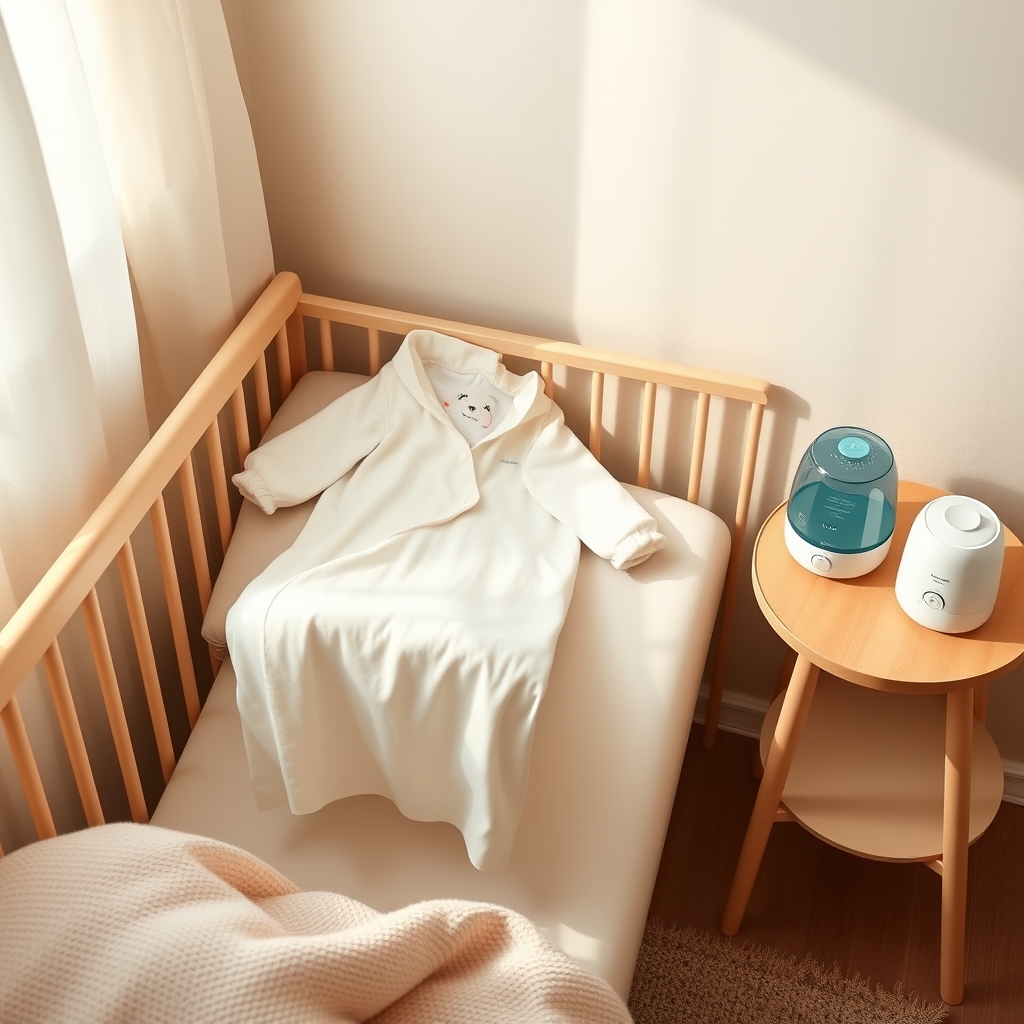
Environmental factors can either help a fever resolve or exacerbate it. Aim for a room temperature of 68‑72 °F (20‑22 °C) and avoid direct drafts. Use a humidifier if the air feels dry, as moist air can ease breathing and prevent skin from drying out.
Dress the baby in a single layer of breathable cotton; avoid swaddling with thick blankets unless the room is cool. A soft cotton sleep sack can provide warmth without overheating. Keep the crib away from windows or radiators that might cause temperature spikes throughout the day.
Finally, limit visitors if the baby has a fever, especially if they have recent illnesses. The CDC advises that newborns with fever should avoid exposure to crowds and people with cold or flu symptoms to reduce the risk of secondary infection.
Creating a calm, temperature‑controlled space helps a feverish newborn stay comfortable.
How to tell if a newborn’s fever is actually overheating
Overheating can mimic a fever but is usually caused by excess clothing, a hot room, or a warm bath rather than infection. The key difference lies in the source of the heat: an overheated baby will feel hot to the touch, yet the rectal temperature may stay below the fever threshold when measured accurately.
To rule out overheating, check the baby’s skin temperature with the back of your hand—if it feels unusually warm, reduce layers and lower the room temperature before re‑checking rectally. The NHS notes that infants dressed in too many layers can develop “pseudo‑fever,” which resolves once the environment is cooled.
If the rectal reading remains ≥ 100.4 °F after adjusting clothing and environment, treat it as a true fever and follow the medical guidance outlined above.
What laboratory tests are performed for a febrile newborn?
When a newborn presents with a fever, clinicians typically order a “sepsis work‑up” to uncover hidden infections. The standard panel includes:
Blood culture. Detects bacteria circulating in the bloodstream.
Urine culture. Obtained via catheter or suprapubic aspiration to identify urinary tract infections.
Cerebrospinal fluid (CSF) analysis. A lumbar puncture looks for meningitis, especially if the baby appears ill.
Complete blood count (CBC) with differential. Shows white‑blood‑cell changes that suggest infection.
C‑reactive protein (CRP) or procalcitonin. Inflammatory markers that help gauge the severity.
Results guide whether antibiotics are needed and for how long. The AAP recommends initiating empiric antibiotics after cultures are drawn, especially if the infant shows any concerning signs, while awaiting results.
How to comfort a feverish newborn while you wait for care
While you arrange medical attention, soothing your baby can help maintain hydration and reduce stress. Gentle measures include:
Holding the baby skin‑to‑skin (kangaroo care) in a lightly‑dressed position to stabilize temperature.
Offering small, frequent feeds—breast or expressed milk—every 1–2 hours.
Using a cool, damp washcloth on the forehead or back of the neck if the baby feels hot (never submerge the infant).
Keeping the room quiet and dimmed to encourage sleep, which conserves energy.
These comfort strategies are endorsed by the AAP and can make the waiting period less stressful for both parent and baby.
From our medical team: Fever in the first month is a red flag, not a minor inconvenience. Even if your baby seems otherwise normal, a temperature of 100.4 °F or higher warrants prompt evaluation. Trust your instincts—if something feels off, call your provider.
Myth vs. fact
Myth: Newborns can “handle” a fever at home without medical help.
Fact: Any fever in a baby under 28 days should be evaluated by a healthcare professional because infections can progress rapidly.
Myth: A fever after a bath means the baby is sick.
Fact: Warm baths may raise skin temperature transiently, but only a rectal temperature ≥ 100.4 °F (38 °C) is a true fever.
Myth: Giving infant acetaminophen without a doctor’s order is safe.
Fact: Dosage for newborns must be prescribed; incorrect dosing can cause liver damage. Always follow your pediatrician’s guidance.
Key takeaways
Rectal temperature ≥ 100.4 °F (38 °C) equals fever in newborns.
Any fever in the first 28 days is an emergency—call your doctor or go to the hospital.
Use a digital rectal thermometer; repeat if the reading is borderline.
Watch for red‑flag symptoms: lethargy, poor feeding, rash, breathing trouble.
Continue breastfeeding; it provides vital antibodies.
Keep a night‑time fever kit ready: thermometer, feed supplies, and your provider’s phone number.
Maintain a comfortable room temperature and dress the baby in light layers.
Never give over‑the‑counter medication without a prescription; follow dosing instructions carefully.
Frequently asked questions
What is a fever in a newborn?
A fever in a newborn is defined as a rectal temperature of 100.4 °F (38 °C) or higher, according to ACOG and CDC.
How do I know if my newborn has a fever?
Check the temperature rectally with a digital infant thermometer; an axillary reading is not reliable for infants under 3 months.
Can a newborn get a fever from a cold?
Yes. Viral infections like the common cold can raise a newborn’s core temperature, but any fever in the first month still requires medical evaluation.
What are the signs of a fever in a newborn?
Beyond a high temperature, look for flushed skin, rapid breathing, irritability, poor feeding, lethargy, or a rash.
How high is too high for a newborn’s fever?
Temperatures ≥ 102 °F (38.9 °C) are especially concerning and should prompt immediate medical attention.
Can I give my newborn medicine for a fever?
Only if a pediatrician prescribes an appropriate dose of infant‑formulated acetaminophen; never self‑dose.
Can a premature newborn develop a fever, and does it mean something different?
Premature infants are more vulnerable to infection, so any fever— even a low‑grade one—should be evaluated promptly. The risk of serious bacterial infection is higher, and clinicians may order additional tests such as a chest X‑ray.
How long should a newborn’s fever last before I get worried?
If a fever persists longer than 24 hours, or rises above 102 °F (38.9 °C) at any point, you should seek medical care. Persistent fever often indicates an underlying infection that needs treatment.
Is it safe to use a blanket to keep my feverish baby warm?
Yes, but only a light, breathable blanket. Over‑bundling can raise core temperature further. The NHS recommends a single‑layer cotton swaddle and regularly checking the baby’s skin for excess heat.
When should I consider a lumbar puncture for my newborn’s fever?
If the baby is under 28 days and has a fever with any concerning sign (e.g., lethargy, poor feeding, or a rash), clinicians often perform a lumbar puncture to rule out meningitis, as advised by the AAP.
When to call your doctor
If your newborn (under 28 days) shows any of the following, call your pediatrician or go to the emergency department right away:
Temperature ≥ 100.4 °F (38 °C) or rapidly rising.
Lethargy, unusual sleepiness, or difficulty waking.
Persistent crying that cannot be soothed.
Refusal to feed or a noticeable drop in wet diapers.
Vomiting, diarrhea, or a foul‑smelling stool.
Rash, especially petechiae or blisters.
Rapid breathing, wheezing, or bluish lips.
This information is for educational purposes only and does not replace personalized medical advice. Always consult your healthcare provider for concerns about your baby’s health.
References
American College of Obstetricians and Gynecologists (ACOG). “Fever in Newborns.” Clinical Guidance, 2023.
Centers for Disease Control and Prevention (CDC). “Infant Fever and Sepsis Evaluation.” Updated 2022.
National Health Service (NHS). “Newborn fever: when to seek help.” UK Guidelines, 2023.
World Health Organization (WHO). “Management of Neonatal Infections.” 2021.
Mayo Clinic. “Fever in infants.” Patient Education, 2024.
American Academy of Pediatrics (AAP). “Breastfeeding and infant illness.” Policy Statement, 2022.
U.S. Food and Drug Administration (FDA). “Acetaminophen dosing for infants.” 2023.
Royal College of Obstetricians and Gynaecologists (RCOG). “Vaccination in the newborn period.” Clinical Practice Guidelines, 2022.
National Institute for Health and Care Excellence (NICE). “Neonatal sepsis: early recognition and management.” 2022.
American Academy of Pediatrics (AAP). “Guidelines for the use of antipyretics in infants.” Clinical Report, 2021.
Centers for Disease Control and Prevention (CDC). “Preventing overheating in infants.” 2023.
American Academy of Pediatrics (AAP). “Sepsis work‑up recommendations for neonates.” 2022.
Not sure about the label on When To Worry About Newborn Fever products?
Snap the ingredients list and SafeFilter checks every ingredient for your stage — only 3 free scans this month, then you're locked until reset. Unlimited from $7/mo or $50/yr.
When Shubhra Mishra was expecting her first child in 2016, she was overwhelmed by conflicting food advice — one site said yes, another said never. By the time her second baby arrived in 2019, she realized millions of mothers face the same confusion.
That sparked a five-year journey through clinical nutrition papers, cultural diets, and expert conversations — all leading to BumpBites: a calm, compassionate space where science meets everyday motherhood.
Her long-term vision is to build a global community ensuring safe, supported, and free deliveriesfor every mother — because no woman should face pregnancy alone or uninformed. 🌿
🌍 Stand with mothers, shape safer guidance
Join a small circle of experts who review BumpBites articles so expecting parents everywhere can decide with confidence.