Babies typically start teething around 6 months, but timing varies. Learn the early signs, average age range, and safe ways to soothe teething discomfort for your little one.
By Shubhra Mishra — a mom of two who turned her own confusion during pregnancy into BumpBites, a global mission to make food choices clear, safe, and stress-free for every expecting mother. 💛
Check whether any food is safe during pregnancy with the BumpBites Food Safety Checker.
Quick take: Most babies show their first tooth between 4 and 7 months, but gum irritation can begin as early as 2 months. Look for drooling, chewing, and mild fussiness—these are normal signs of teething, not a cause for alarm.
It’s 2 a.m., you’re half‑asleep, and a tiny hand is gripping your shirt while your baby lets out a low whine. You glance at the clock, wonder if a fever is coming, and ask yourself, “Is this the first time my little one is teething?” The uncertainty that follows is common—especially when you’ve never seen a tooth emerge before. The good news is that teething follows a fairly predictable pattern, and most of the symptoms you’re noticing are harmless.
🔢 Calculate it for your situation: Use our Baby Teething Tracker for a personalized result in seconds.
In this guide we’ll walk through the typical age when babies start teething, the early clues that signal a new tooth is on its way, how long each episode usually lasts, and safe ways to soothe a sore mouth. We’ll also debunk a few myths that circulate on parenting forums, give you a quick‑reference table of the usual tooth‑eruption timeline, and point you to a handy Baby Teething Tracker so you can log each milestone as it happens. By the end you’ll feel confident that you can recognize teething, comfort your infant, and know exactly when to seek professional advice.
Late‑night teething can feel like a mystery, but the signs are often subtle.
What is teething and why does it happen?
Teething, also called odontiasis, is the process by which an infant’s primary (baby) teeth break through the gums. Inside the gums, a tiny tooth bud is already forming; as the tooth grows, it pushes against the soft tissue, creating pressure, inflammation, and sometimes a mild ache. The body’s response includes increased drooling, a desire to chew on anything that’s within reach, and a temporary shift in sleep patterns.
From a biological perspective, the first set of 20 primary teeth begins developing weeks before birth. Hormones such as prostaglandins, released as the tooth pushes upward, sensitize the nerves in the gum tissue, which is why you might notice a sudden surge in fussiness. The eruption also triggers a cascade of minor immune activity, which is why a low‑grade temperature can accompany the process.
Beyond the mechanical push, teething is a sensory milestone. The oral cavity is one of the first ways babies explore the world, and the pressure on the gums helps the brain map textures and shapes. This sensory learning is why many infants instinctively gnaw on toys, fingers, or even blankets as the buds get louder. Importantly, the process does not interfere with overall growth; it’s a normal part of oral development that sets the stage for later speech and chewing skills.
Average age for babies to start teething
While
every child is unique, research from the American Academy of Pediatrics (AAP) and the UK’s National Health Service (NHS) shows a clear median window: most babies get their first tooth between 4 months and 7 months of age. Roughly 10 % of infants may see a tooth as early as 2 months, and another 10 % might not have a visible tooth until after 12 months.
The timing can also be influenced by genetics (parents’ own teething ages), nutrition, and overall health. Premature infants often experience a slightly delayed schedule, whereas full‑term infants tend to follow the classic curve shown below. Studies from the World Health Organization (WHO) and the European Society of Paediatric Dentistry (ESPD) highlight modest regional differences. For example, infants of South‑Asian descent tend to erupt their first tooth a few weeks earlier on average than infants of European descent, while African‑American infants often show a slightly later onset. These variations are thought to reflect genetic diversity rather than any concerning health issue.
Premature birth, low birth weight, or chronic medical conditions can shift the timeline by a month or more, so it’s worth mentioning any major health events to your pediatrician. In most cases, a deviation of a few weeks is benign, but a delay beyond six months without any teeth emerging should prompt a professional evaluation.
Age (months)
Typical tooth(s) erupting
2–3
Possible early lower central incisors (rare)
4–7
First lower central incisor (most common) → upper central incisor
7–10
Upper lateral incisors, lower lateral incisors
10–13
First molars (lower then upper)
13–16
Canine (cuspid) teeth
16–24
Second molars, completing the set of 20
This timeline is a guide, not a rule. Some babies may have a tooth appear out of order, and it’s perfectly normal for the lower incisors to lead the way, followed by the upper incisors, then the molars.
When you chart your baby’s progress, keep in mind that the eruption order can vary by as much as three months between siblings. The key is consistency—tracking the pattern over time helps you and your pediatrician spot any unusual delays or rapid bursts of growth.
Early signs you might notice—even at 3 months
Before the first tooth actually breaks the surface, the gums often give you a heads‑up. In a 3‑month‑old, common early clues include:
Increased drooling that makes the chin feel damp and may cause a mild rash.
Chewing on hands, toys, or anything that can be gripped—this is an instinctive way to relieve pressure.
Swollen or tender gums that look slightly red or feel softer to the touch.
Changes in sleep: short naps, restless nights, or a sudden need to nurse more often for comfort.
These signs often overlap with other infant discomforts (like reflux or a cold), so it’s helpful to track them over several days. If the symptoms appear consistently around the same time each day, teething is a likely culprit.
One practical way to differentiate teething from a cold is to watch for ear‑pulling. Babies sometimes tug at their ears because the same nerves that innervate the gums also run near the ear canal. If the pulling coincides with drooling and gum swelling, teething is more probable. Conversely, a runny nose, cough, or fever above 100.4 °F points toward an infection, and you should contact your pediatrician.
Another subtle cue is a change in feeding rhythm. Some infants start to nurse more frequently—not because they’re hungry, but because the sucking motion eases gum pressure. This extra nursing can be soothing, yet it may also make you wonder whether the baby is getting enough calories. Keeping a brief feeding log can help you see whether the pattern is temporary or part of a larger feeding issue.
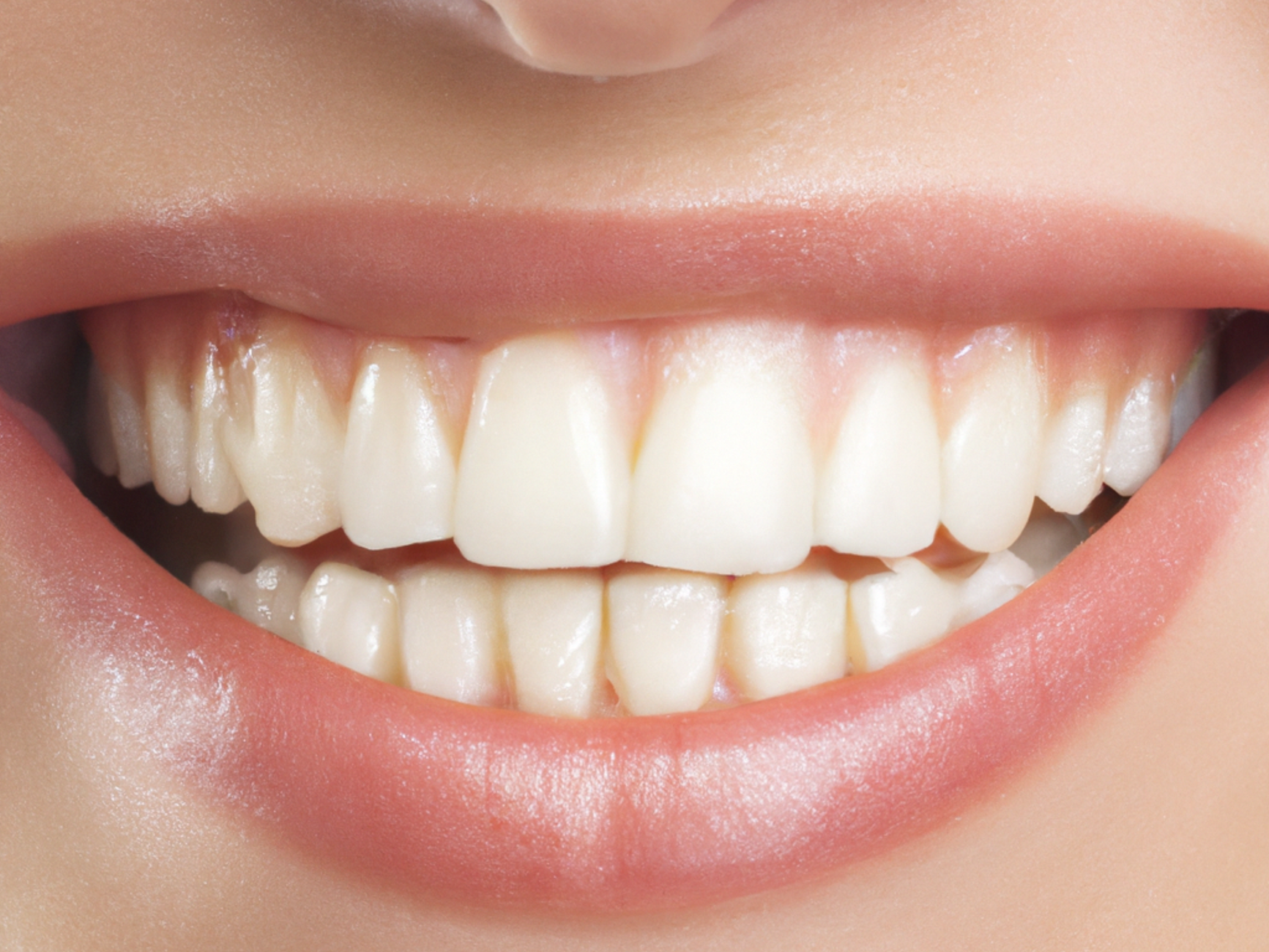
Even a tiny tooth tip can cause noticeable gum swelling and drooling.
How long does teething last in infants?
Each tooth typically takes about 2 weeks to emerge fully, but the surrounding discomfort can linger. Most parents report that the “teething episode” for a single tooth lasts between 3 and 7 days. However, because multiple teeth often erupt close together, the overall period of heightened fussiness can stretch over a few weeks.
Studies from the CDC and the European Society of Paediatric Dentistry indicate that the most intense phase—characterized by frequent night waking, drooling, and chewing—usually peaks around the day the tooth actually breaks through, then tapers off. By the time the next tooth is preparing to emerge, the baby may have a brief calm period of a few days to a week.
After the tooth is visible, the gum tissue may stay tender for another 2–3 days, during which the infant often enjoys extra chewing. Some parents notice a temporary increase in appetite as the baby seeks more nutrition to soothe the sore mouth. This post‑eruption phase is normal and usually resolves without intervention.
It’s also worth noting that the duration can differ between front teeth and molars. Front incisors often cause a sharper, more localized discomfort, while molars, which sit deeper in the jaw, can produce a broader, longer‑lasting soreness that sometimes affects the cheeks as well.
Safe teething pain relief methods
Because infants cannot take over‑the‑counter pain relievers without guidance, most pediatric experts recommend non‑medicinal strategies first. Here are the most widely endorsed options:
Cold relief: A chilled (not frozen) teething ring or a clean, damp washcloth placed in the refrigerator for 15–20 minutes can numb the gums. The cold also reduces swelling.
Gum massage: Gently rub a clean finger over the gums in circular motions. The pressure mimics the chewing action and can be soothing.
Breast‑milk or formula rub: A few drops of warm breast‑milk or formula on a soft cloth can provide a comforting, familiar taste while the baby chews.
Over‑the‑counter pain relievers: If the baby seems unusually irritable, a pediatrician may advise a single dose of infant acetaminophen (Tylenol) or ibuprofen (Motrin) based on weight. Never exceed the recommended dose, and always check with your provider first.
Distraction techniques: Soft singing, a gentle swing, or a calming bedtime routine can shift focus away from gum discomfort.
It’s important to avoid home‑made “teething gels” that contain benzocaine or excessive amounts of menthol, as the FDA has warned that these can cause serious breathing problems in infants. Likewise, never give a baby a hard object that could break or pose a choking hazard.
If you prefer a natural approach, a chilled, food‑grade chamomile tea bag (cooled to room temperature) can be wrapped in a thin muslin cloth and offered as a gentle compress. Chamomile has mild anti‑inflammatory properties, but always test the temperature first and limit use to a few minutes to avoid over‑cooling the skin. The American Academy of Pediatrics cautions that any herbal product should be discussed with a pediatrician before use.
For parents who wonder about the safety of topical numbing creams, the FDA’s 2022 safety update advises against using any benzocaine‑based gels for children under two years old. Instead, rely on the cold‑based methods above, which have a strong safety record in clinical studies.
How to care for a teething baby day‑to‑day
Beyond soothing, daily care can keep your baby comfortable and reduce secondary issues like skin irritation. Here are some practical habits:
Keep the face dry: Gently wipe drool with a soft, absorbent cloth every few hours. A thin barrier of petroleum‑free ointment can protect the chin from rash.
Offer safe chewables: Silicone teething toys, chilled (but not frozen) fruit slices, or a clean, boiled carrot can satisfy the urge to gnaw. Always supervise to avoid choking.
Maintain oral hygiene: Once a tooth appears, wipe it daily with a soft, damp washcloth or a baby toothbrush. This prevents plaque buildup and gets your baby accustomed to oral care.
Monitor feeding patterns: Some babies may nurse more often for comfort; others may reject the breast or bottle temporarily. Offer smaller, more frequent feeds if they seem hungry but fussy.
Stay consistent with sleep cues: A predictable bedtime routine—bath, story, gentle rocking—helps signal that it’s time to rest, even if the gums are sore.
Because constant drooling can irritate the skin around the mouth and even seep into the diaper area, consider using breathable, cotton‑based bibs and changing them frequently. A gentle, fragrance‑free barrier cream on the neck and chin can keep the skin from chafing. The NHS recommends a mild, hypoallergenic moisturizer if the rash persists.
If you’re tracking the progression of your baby’s teeth, the Baby Teething Tracker can help you log each eruption, note symptom changes, and share a concise summary with your pediatrician at your next visit.
Teething schedule and what to expect next
After the first lower central incisor, the typical order of appearance is:
Upper central incisor (usually the partner of the first lower tooth)
Upper lateral incisor
Lower lateral incisor
First molars (lower then upper)
Canines (lower then upper)
Second molars (lower then upper)
Most babies finish the primary set by 24 months, though some may not have all 20 teeth until 30 months. The schedule can be irregular—there may be a “gap” of several weeks between the eruption of the front incisors and the first molars. This pause is normal and often coincides with a period of improved sleep.
When the molars are on the horizon, you’ll often notice your baby chewing more on the sides of the mouth, sometimes pressing their cheeks against a pillow or soft toy. This cheek‑chewing is a sign that the back teeth are preparing to break through, and the pressure can be relieved with a chilled silicone molar‑shaped teether.
Because molars are larger and sit deeper, they sometimes cause a more pronounced swelling that can be mistaken for an ear infection. If you see persistent ear‑pulling together with side‑chewing, a quick check of the back gums can confirm whether the molar is the source.
Early vs. late teething: what’s normal and when to seek advice
“Early” teething—when a tooth appears before 4 months—occurs in roughly 10 % of infants. “Late” teething—when no teeth have emerged by 12 months—also affects about 10 % of babies. Both ends of the spectrum are usually harmless variations of a normal developmental process.
However, certain red flags merit a conversation with your pediatrician: no teeth by 18 months, a sudden loss of previously erupted teeth, or accompanying symptoms such as persistent fever, weight loss, or severe gum bleeding. In rare cases, underlying conditions like hypopituitarism or genetic syndromes can delay tooth development, so a professional evaluation helps rule out systemic issues.
Nutrition tips to soothe teething and support oral health
While teething itself isn’t a nutritional deficiency, the extra drooling and chewing can affect feeding. Offering cool, soft foods can both comfort sore gums and provide essential nutrients. Good options include chilled banana slices, unsweetened applesauce, plain yogurt, and soft‑cooked carrots. These foods are gentle on the gums and supply potassium, calcium, and vitamin A—nutrients that support tooth mineralization.
Avoid hard, crunchy snacks (like raw carrots or hard crackers) until the gums have settled, as they can exacerbate discomfort or increase the risk of choking. Also, limit sugary drinks and purees, because excess sugar can linger on newly erupted teeth and promote early decay. The American Dental Association recommends rinsing the baby’s mouth with water after meals, even before the first tooth appears, to establish a healthy oral‑cleansing habit.
Teething and sleep: how to keep night‑time calm
Nighttime is often when teething discomfort becomes most noticeable, because the baby’s focus shifts to the mouth without the distraction of daytime activities. A few strategies can help maintain a smoother sleep routine:
Give a chilled teething ring about 30 minutes before bedtime to numb the gums.
Include a brief, soothing massage of the gums as part of the bedtime ritual.
Keep the bedroom cool (around 68–70 °F) and dimly lit, which can reduce overall irritability.
Consider a short, low‑dose acetaminophen dose (if approved by your pediatrician) for particularly restless nights.
Consistency is key. If you introduce a new soothing technique, give it a few nights to work before switching to something else. Over time, the baby will associate the routine with comfort, which can shorten the most fussy nights.
Choosing the right teething toys can make a big difference in comfort.
Doctor’s note
From our medical team: Teething is a normal developmental milestone, and most symptoms are mild. If you notice a fever above 100.4 °F (38 °C), persistent diarrhea, a rash that spreads quickly, or if your baby refuses feeds for more than a day, contact your pediatrician. These signs may indicate an infection or another condition unrelated to teething.
🔢 Ready to crunch your numbers? Use our Baby Teething Tracker for a personalized result in seconds.
Myth vs. fact
Myth: Teething causes high fever and severe illness.
Fact: A mild temperature rise (up to 100.4 °F) can accompany teething, but high fevers, chills, or prolonged illness are not caused by tooth eruption and should be evaluated by a clinician.
Myth: All babies get a fever and diarrhea when they teeth.
Fact: While some infants experience looser stools due to increased saliva, most do not develop diarrhea. Persistent GI symptoms warrant a medical check‑up.
Key takeaways
Most babies start teething between 4 and 7 months; a few may show signs as early as 2 months.
Early clues include drooling, gum swelling, and a strong desire to chew.
Each tooth usually takes 2–3 weeks to emerge, with the most intense discomfort lasting 3–7 days.
Cold teething rings, gentle gum massage, and supervised chewables are safe first‑line comforts.
Use the Baby Teething Tracker to log eruptions and share updates with your provider.
Seek medical care if fever exceeds 100.4 °F, if your baby has a rash, refuses feeds, or shows any sudden change in behavior.
Frequently asked questions
What are the signs of teething in babies?
The direct answer: drooling, gum swelling, increased chewing, irritability, and brief sleep disruptions are the hallmark signs. Additional clues can include a slight temperature rise, ear‑pulling, and a mild rash under the chin from excess saliva.
How long does teething last in infants?
Each tooth’s eruption typically produces 3–7 days of noticeable discomfort, but because multiple teeth often emerge close together, the overall teething “season” can span a few weeks to a couple of months.
Can babies start teething at 2 months?
Yes—while uncommon, about 10 % of infants show their first tooth as early as 2 months. If you notice gum swelling and the other signs listed above at this age, it’s likely an early teething pattern rather than a problem.
What are the best teething toys for babies?
Safe options include silicone or rubber rings that can be chilled, soft fabric teethers, and natural‑rubbed wood toys without paint. Look for toys that are BPA‑free, easy to clean, and sized for small hands.
How can I help my baby with teething pain?
Start with non‑medicinal methods: cold teething rings, a gentle gum massage, or a chilled washcloth. If discomfort is severe, consult your pediatrician about a weight‑appropriate dose of infant acetaminophen or ibuprofen.
Is it normal for babies to have a fever while teething?
A mild temperature rise (up to 100.4 °F) can accompany teething, but higher fevers, chills, or prolonged spikes are not typical and should be evaluated by a healthcare professional.
When do the molars usually appear, and how can I tell?
Molars typically emerge between 10 and 16 months. A sign that they’re on the way is increased side‑chewing—babies may press their cheeks against a pillow or chew on the sides of toys more often. You may also notice deeper, more persistent gum swelling toward the back of the mouth.
Should I use herbal teething remedies like chamomile or lavender?
Herbal remedies can be soothing, but they should be used with caution. A cooled chamomile tea bag wrapped in a thin cloth can provide a gentle anti‑inflammatory effect, while lavender oil should never be applied directly to a baby’s skin without proper dilution. Always discuss herbal options with your pediatrician first, as the American Academy of Pediatrics warns that some essential oils can cause skin irritation or respiratory issues in infants.
Can I use over‑the‑counter teething gels?
Most OTC teething gels contain benzocaine or high concentrations of menthol, which the FDA advises against for children under two years because they can cause breathing difficulties. Safer alternatives are cold teething rings, chilled washcloths, or a brief massage of the gums.
Is it safe to give my baby frozen foods for teething relief?
Frozen foods can be too cold and may cause gum tissue to become numb or even cracked. Instead, offer foods that are chilled in the refrigerator (like a banana slice or yogurt) for a soothing effect without the risk of frostbite.
When to call your doctor
Contact your pediatrician or midwife if your baby experiences any of the following: fever above 100.4 °F (38 °C) lasting more than 24 hours, persistent diarrhea or vomiting, a rash that spreads rapidly, refusal to eat or drink for more than a day, or severe, inconsolable crying that does not improve with typical teething comforts. This information is for educational purposes only and does not replace personalized medical advice.
References
American Academy of Pediatrics. “Teething and Infant Oral Health.” Clinical Report, 2022.
National Health Service (UK). “Teething: What to Expect.” NHS Guidance, 2023.
Centers for Disease Control and Prevention. “Child Development: Teething.” CDC, 2022.
World Health Organization. “Infant Oral Health.” WHO Recommendations, 2021.
American Dental Association. “Teething: Common Questions.” ADA, 2023.
Food and Drug Administration. “Safety of Over‑the‑Counter Teething Products.” FDA Consumer Update, 2022.
European Society of Paediatric Dentistry. “Guidelines on Management of Teething Pain.” ESPD, 2022.
Royal College of Paediatrics and Child Health. “Teething in Infancy.” RCPCH, 2023.
Mayo Clinic. “Teething: Symptoms and Treatments.” Mayo Clinic, 2023.
Health Canada. “Safe Teething Practices for Parents.” Health Canada, 2022.
American College of Obstetricians and Gynecologists (ACOG). “Oral Health During Pregnancy and Early Childhood.” Practice Bulletin, 2021.
British Dental Association. “Guidance on Infant Teething and Oral Care.” BDA, 2022.
Not sure about the label on When Do Babies Start Teething Signs And Timing products?
Snap the ingredients list and SafeFilter checks every ingredient for your stage — only 3 free scans this month, then you're locked until reset. Unlimited from $7/mo or $50/yr.
When Shubhra Mishra was expecting her first child in 2016, she was overwhelmed by conflicting food advice — one site said yes, another said never. By the time her second baby arrived in 2019, she realized millions of mothers face the same confusion.
That sparked a five-year journey through clinical nutrition papers, cultural diets, and expert conversations — all leading to BumpBites: a calm, compassionate space where science meets everyday motherhood.
Her long-term vision is to build a global community ensuring safe, supported, and free deliveriesfor every mother — because no woman should face pregnancy alone or uninformed. 🌿
🌍 Stand with mothers, shape safer guidance
Join a small circle of experts who review BumpBites articles so expecting parents everywhere can decide with confidence.