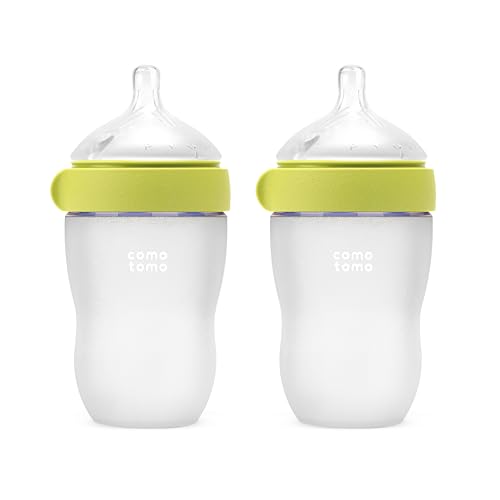
Creating a schedule that fits your family’s routine is as important as the swap itself. Below is a sample daily schedule that balances milk intake with solid foods, ensuring your toddler gets a well‑rounded diet.
Adjust the timing based on your child’s nap schedule and appetite. The total milk amount stays within the 16–24 oz range recommended for toddlers (see the next section for details). If you notice your toddler is consistently refusing milk, try offering it chilled, at room temperature, or mixed with a small amount of fruit puree.
Many families find it helpful to anchor the milk offering to a predictable cue—such as after brushing teeth or before a favorite bedtime story. This routine creates a positive association and reduces the chance of a “milk battle” at mealtime.
According to the AAP and the UK’s NHS, toddlers aged 12‑24 months should consume 16–24 oz (about 470‑710 ml) of whole milk per day. This amount supplies roughly 30 % of daily calcium needs and contributes healthy fats for brain development.
Breaking down the daily amount
- 16 oz (2 cups): Minimum for adequate calcium and vitamin D.
- 20 oz (2½ cups): Ideal for most active toddlers, balancing nutrients without excess calories.
- 24 oz (3 cups): Upper safe limit; avoid exceeding to prevent iron deficiency.
Remember that milk is not a complete source of iron. After weaning, iron‑rich foods such as pureed lentils, fortified cereals, and lean meats become essential. The CDC notes that iron deficiency peaks around 9‑12 months, so maintaining iron intake through solids is critical during the transition.
Some pediatricians also recommend a small vitamin D supplement (400 IU) if your child’s sunlight exposure is limited, especially during winter months. This recommendation aligns with the AAP’s guidance on vitamin D for infants and toddlers.
Before you start swapping, look for these readiness cues. They indicate both physical and developmental maturity.
- Good weight gain: Gaining at least 5‑7 oz per week over the past month.
- Consistent appetite for solids: Eats a variety of mashed or soft foods and shows interest in self‑feeding.
- Decreased reliance on bottle: Sleeps through the night without needing a nighttime bottle.
- Age: Reached 12 months, with no known cow’s milk allergy.
- Iron status: Recent lab work shows normal ferritin levels (if previously monitored).
If your child meets most of these markers, they’re likely ready. If you’re unsure, a quick check‑in with your pediatrician can provide peace of mind. In some cases, providers may order a brief iron panel to confirm that the child’s stores are adequate before the transition.
It’s also helpful to observe your toddler’s reaction to a tiny sip of whole milk during a regular feeding. A neutral or positive response often signals readiness, whereas a strong gag reflex may suggest that more time with solids is needed.
Even with a perfect schedule, you may encounter roadblocks. Below are the most frequent hurdles and practical solutions.
Refusal or dislike of taste
Whole milk tastes richer than formula. Offer it warm (around body temperature) or mix a teaspoon of unsweetened applesauce to ease the flavor transition. Avoid adding sugar or honey, as these can create a habit of sweetening milk.
Digestive upset
Cow’s milk contains more protein and lactose, which can cause mild gas or loose stools in some toddlers. If symptoms appear, reduce the milk amount to 4 oz per day for a few days, then re‑increase gradually. Probiotic‑rich foods like yogurt can help restore gut balance.
Allergic reactions
Milk protein allergy typically presents as hives, vomiting, or persistent diarrhea within minutes to a few hours after drinking milk. If any of these occur, stop milk immediately and seek medical advice. An allergist can confirm the diagnosis and suggest alternatives.
Milk‑driven iron deficiency
Excessive milk can displace iron‑rich foods, leading to anemia. Keep milk intake within the 16‑24 oz range and pair meals with iron‑rich items like fortified cereals, pureed meats, or beans. Vitamin C‑rich foods (e.g., orange slices) alongside iron sources improve absorption.
In practice, many parents find success by offering a small serving of iron‑fortified cereal after the milk snack, ensuring that iron intake is not compromised.
Understanding the nutrient profile helps you fill any gaps left by formula. Below is a side‑by‑side comparison of typical infant formula (fortified) and 2 % whole milk.
Key takeaways: formula provides more vitamin D and iron, while whole milk offers comparable protein and calories. To compensate, ensure daily meals include fortified cereals, leafy greens, or meats for iron, and consider a vitamin D supplement if your pediatrician recommends (especially in low‑sunlight regions).
For families following a vegetarian or vegan pattern, fortified soy milk can supply both calcium and vitamin D, but protein may still lag behind dairy; pairing it with beans or lentils helps meet the protein target.
How to introduce milk gradually to avoid digestive issues
Gradual exposure is the safest route. Here’s a practical timeline that blends the nutrition schedule with gut‑friendly practices.
- Start with a small cup: Offer 1‑2 oz of whole milk in a sippy cup after a solid meal. The meal’s fiber helps slow milk absorption.
- Mix with formula: Combine ½ oz formula with ½ oz milk, then increase the milk portion by ½ oz every two days.
- Monitor stools: A change to softer stools is normal; firmer stools may indicate the need for more fiber.
- Probiotic boost: Add a spoonful of plain, unsweetened yogurt once a day to introduce beneficial bacteria.
- Hydration check: Ensure your toddler drinks water between meals to stay hydrated and aid digestion.
If you notice persistent tummy aches, reduce the milk portion for a few days, then resume the gradual increase. The British Paediatric Association notes that a stepwise approach reduces the risk of lactose intolerance symptoms emerging during the transition.
Another useful tip is to keep a simple diary of milk volume, stool consistency, and any skin changes. Over a week, patterns become clear and you can adjust the plan before a problem escalates.
Fortified formula isn’t a requirement after age 12 months if your child is thriving on whole milk and solid foods. However, certain situations call for continued use:
- Pre‑term infants: May need formula until 18 months for extra calories and nutrients.
- Low iron status: If labs show borderline ferritin, a fortified formula can supplement iron until diet improves.
- Allergy or intolerance to cow’s milk: Specialized hypoallergenic formulas remain the primary source of dairy nutrition.
For most full‑term, healthy toddlers, you can discontinue fortified formula after the two‑week transition, as long as you meet calcium, vitamin D, and iron needs through foods and, if needed, a supplement.
Some clinicians also recommend a “milk‑plus” approach for toddlers who are picky eaters: a small fortified formula feed (2‑4 oz) once per week can act as a nutritional safety net without undermining the goal of milk independence.
Alternatives for toddlers who can’t have cow’s milk
Some children have dairy intolerance, lactose intolerance, or a cow’s milk protein allergy. Here are safe, nutrient‑dense alternatives.
Plant‑based milks
Choose fortified options that provide at least 300 mg calcium and 100 IU vitamin D per cup. Good choices include:
- Calcium‑fortified soy milk (protein comparable to cow’s milk).
- Almond or oat milk fortified with calcium and vitamin D, but beware of low protein content.
Check the label for added sugars; opt for “unsweetened” varieties.
Extensively hydrolyzed or amino‑acid‑based formulas are designed for infants with cow’s milk protein allergy. They can be used until age 2 years, then gradually replaced with fortified soy or other dairy‑free milks.
While homemade “formula” is not recommended as a sole nutrition source, you can create a supplemental drink for picky eaters:
- Blend ½ cup fortified soy milk, ¼ cup plain yogurt, and 1 tbsp pureed pumpkin.
- Add a pinch of calcium‑rich mineral powder (as advised by a pediatric dietitian).
- Serve 2‑3 oz after meals, monitoring for any digestive changes.
Never rely on homemade mixtures as the primary milk source without professional guidance.
Choosing the right cup for milk weaning
Transitioning from bottle to cup is a milestone that can either smooth the weaning process or create extra resistance. Pediatric experts recommend a training cup with a soft spout or a simple open‑cup for toddlers who are ready for a more “grown‑up” feel. The key is to pick a cup that is easy for small hands to grip and that doesn’t require excessive suction, which can cause ear discomfort.
Start with a 4‑oz cup and let your child practice during snack times. If they prefer the familiar bottle, try a sippy cup with a straw—many toddlers enjoy the novelty and it still encourages the shift away from the nipple. The American Academy of Pediatrics notes that offering the cup at the same time each day builds a predictable routine, making the transition less stressful.
Best milk options for toddlers with lactose intolerance
Lactose intolerance occurs when the small intestine produces insufficient lactase enzyme. Symptoms include bloating, gas, and watery stools after dairy consumption. For toddlers with confirmed lactose intolerance, the following options are safe and nutritionally adequate:
- Lactose‑free cow’s milk: Identical nutrition to regular whole milk, but the lactose is pre‑broken down.
- Fortified soy milk: Provides comparable protein and calcium, plus added vitamin D.
- Fermented dairy: Plain yogurt or kefir contain live cultures that help break down lactose; many toddlers tolerate these even when they cannot handle plain milk.
When choosing a lactose‑free product, verify that the label lists calcium and vitamin D fortification. Pair the milk with iron‑rich foods and a small vitamin D supplement if your pediatrician advises, to ensure balanced nutrition.
Tips for successful milk weaning in busy families
Life with a toddler is hectic, and the weaning process can feel like another item on a long to‑do list. Planning ahead makes a huge difference. Prepare a weekly grocery list that includes the milk you’ve chosen, a few iron‑rich foods, and a probiotic snack like plain yogurt. Having everything on hand reduces the temptation to revert to the familiar formula bottle.
Set a reminder on your phone for the two‑week transition milestones. A quick “day 5: milk 2 oz, formula 2 oz” note helps you stay on track even on days when you’re exhausted. If you miss a day, simply resume where you left off—consistency matters more than perfection.
How to track progress and stay motivated
Keeping a simple log can turn an abstract goal into something tangible. Create a small chart with columns for “Day,” “Milk (oz),” “Formula (oz),” “Stool type,” and “Mood.” Fill it in each day; the visual progress often motivates parents to keep going.
Celebrate milestones, such as the first full cup of milk without a bottle, with a low‑key family cheer or a sticker on a reward chart. Positive reinforcement reinforces the habit for both you and your toddler, making the transition smoother.

Myth vs. fact
Myth: “Cow’s milk should never be given before 12 months.”
Fact: The AAP recommends waiting until 12 months because a toddler’s kidneys are not yet able to handle the high mineral load of cow’s milk. However, small amounts of pasteurized cow’s milk can be introduced after 6 months if the child tolerates it and the overall diet is balanced.
Myth: “Formula is always better than milk for toddlers.”
Fact: For most toddlers, whole milk meets caloric and protein needs. Formula offers extra vitamin D and iron, which can be replaced with fortified foods and supplements.
Myth: “If a child refuses milk, they’ll just grow up healthy without it.”
Fact: Milk is a primary source of calcium and vitamin D for toddlers. Persistent refusal should prompt a discussion with a pediatrician to ensure nutritional adequacy.
Key takeaways
- Begin the swap at 12 months, using a 1‑2 week gradual reduction schedule.
- Target 16‑24 oz of whole milk daily, paired with iron‑rich solid foods.
- Watch for readiness signs: steady weight gain, solid‑food appetite, and reduced nighttime bottle use.
- Address common challenges—taste, digestive upset, and allergies—by adjusting temperature, offering probiotics, and seeking medical advice if needed.
- For dairy‑intolerant toddlers, choose fortified soy or other plant‑based milks, or use hypoallergenic formulas under professional guidance.
- Monitor growth and iron status after weaning; supplement vitamin D if recommended by your provider.
- Use a training cup that fits small hands to make the transition from bottle to cup smoother.
- Keep a simple log and celebrate small wins to stay motivated during the weaning process.
Frequently asked questions
Yes. Mixing small amounts of whole milk with formula (starting at 1 oz each) helps your toddler adjust to the new taste while preserving familiar nutrients. Increase the milk portion gradually over 10‑14 days, and watch for any digestive changes.
How many servings of milk should a toddler have each day?
Most toddlers need 2‑3 servings (each serving is 4‑8 oz) of whole milk per day, totaling 16‑24 oz. This range meets calcium and vitamin D needs without displacing iron‑rich foods.
What are the signs that my child is ready to switch to cow’s milk?
Key indicators include reaching 12 months of age, steady weight gain, a growing appetite for solid foods, reduced nighttime bottle use, and no known cow’s milk allergy. A recent iron panel within normal limits also supports the transition.
Is it okay to give whole milk before the first birthday?
Generally, pediatric guidelines advise waiting until 12 months because cow’s milk is low in iron and can stress an infant’s immature kidneys. In rare cases, a pediatrician may approve small amounts earlier if the overall diet is iron‑adequate.
Many toddlers notice a flavor difference and may initially reject whole milk. Offering milk warm, using a familiar cup, or mixing a tiny amount of fruit puree can ease the transition. The preference usually fades within a week.
Track growth on your pediatrician’s growth chart, ensure daily servings of iron‑rich foods (e.g., fortified cereals, meats, beans), and consider a vitamin D supplement if recommended. A quick blood test for ferritin can confirm iron status if you have concerns.
What should I do if my toddler develops a rash after drinking milk?
A rash could signal a cow’s milk protein allergy. Stop the milk immediately, keep a food diary, and contact your pediatrician or an allergist for evaluation. They may recommend an allergy‑tested formula or a fortified plant‑based milk alternative.
Can my toddler drink lactose‑free milk if they’re lactose intolerant?
Yes. Lactose‑free whole milk provides the same calcium and vitamin D as regular milk, without the lactose that can cause digestive upset. Pair it with iron‑rich foods and monitor for any lingering symptoms.
How can I make the milk transition easier if my child is a picky eater?
Offer the milk alongside a favorite finger food, use a fun cup with a favorite character, and keep the amount small at first (1‑2 oz). Repeating the offering at the same time each day builds familiarity without pressure.
Is it safe to give my toddler a vitamin D supplement while weaning?
Yes, when recommended by your pediatrician. The AAP suggests 400 IU daily for infants and toddlers who have limited sun exposure. A supplement helps cover the gap left by the lower vitamin D content of whole milk.
When to see a doctor / specialist
If you notice any of the following red‑flag symptoms, call your pediatrician promptly:
- Persistent vomiting or severe diarrhea after milk intake.
- Skin rash, hives, or swelling of lips/eyes within minutes of drinking milk.
- Failure to gain weight or a sudden drop on the growth chart after weaning.
- Signs of anemia—pale skin, fatigue, or rapid heartbeat.
- Excessive constipation that does not improve with increased fluid and fiber.
Depending on the issue, your pediatrician may refer you to a pediatric gastroenterologist, an allergist, or a pediatric dietitian for specialized guidance.
This article is for informational purposes only and does not replace personalized medical advice. Always discuss dietary changes with your child’s healthcare provider.
References
- American Academy of Pediatrics. “Nutrition: Infant Feeding.” AAP Policy Statement, 2024.
- Academy of Nutrition and Dietetics. “Dietary Guidelines for Children 1‑3 Years.” 2023.
- Centers for Disease Control and Prevention. “Iron Deficiency Anemia.” CDC Health Topics, 2022.
- National Dairy Council. “Milk and Calcium for Toddlers.” 2023.
- World Health Organization. “Infant and Young Child Feeding.” WHO Guidelines, 2023.
- British Paediatric Association. “Cow’s Milk Introduction.” BPA Clinical Guidance, 2024.
- U.S. Food and Drug Administration. “Nutrition Facts for Infant Formula.” FDA, 2022.
- Harvard T.H. Chan School of Public Health. “Lactose Intolerance.” 2023.
- American Academy of Pediatrics. “Vitamin D Supplementation for Infants and Young Children.” AAP Clinical Report, 2022.
- National Institute of Diabetes and Digestive and Kidney Diseases. “Lactose Intolerance.” NIH, 2023.
- American College of Obstetricians and Gynecologists. “Nutrition During the First Year.” ACOG Committee Opinion, 2023.
- National Health Service (UK). “Milk for Children.” NHS, 2024.