Quick take: Most toddlers can start the weaning schedule from bottle to cup around 12 months, and a gradual 2‑ to 4‑week transition using a training cup works for the majority. Look for developmental cues, offer a variety of cup styles, keep fluid intake steady, and watch for dental‑health red flags. If your child refuses the cup or shows signs of dehydration, consult your pediatrician.
Imagine it’s 3 a.m., you’re half‑asleep, and the sound of a tiny bottle clinking against the nightstand jolts you awake. You’ve been feeding your little one from a bottle for months, but the doctor’s recent note said it’s time to switch to a cup. The thought of a “cup‑only” routine feels overwhelming, yet you know it’s best for their teeth, speech, and independence.
You’re not alone. Many parents share the same mixture of excitement and anxiety the first time they try to replace a bottle with a cup. In this guide we’ll walk you through a step‑by‑step weaning schedule from bottle to cup, show you how to choose the right cup, spot the signs that your child is ready, and troubleshoot the most common hurdles. By the end, you’ll have a clear roadmap that fits your family’s rhythm.
We’ll cover everything from the ideal age to start, a detailed timeline (including a plan for a 9‑month‑old), fluid‑intake recommendations, dental‑health considerations, and practical tips that turn a potentially stressful change into a confidence‑building milestone for both you and your toddler. Whether you’re navigating a sleepy night‑time routine or a busy breakfast rush, the strategies below are designed to keep you feeling in control.
How to transition a 12‑month‑old from bottle to cup
At 12 months most children have the fine‑motor skills to grasp a cup and the oral‑motor control to sip without choking. The transition doesn’t have to be an overnight swap; a gradual “mix‑and‑match” approach works best.
Beyond the mechanics, the emotional side matters. Your toddler may associate the bottle with comfort, especially at bedtime. A gentle “cup‑first” rule—where you offer the cup before the bottle—helps re‑wire that association without creating a power struggle. Keep the environment calm, use a familiar lullaby, and celebrate each tiny sip as a win.
Step‑by‑step 2‑week plan
- Week 1, days 1‑3: Offer a small training cup (2‑3 oz) once a day during a snack. Keep the bottle for all other feedings.
- Days 4‑7: Replace one regular bottle feeding (usually the midday or bedtime feed) with the cup. Continue offering the cup at snack time.
- Week 2, days 8‑10: Increase cup use to two feedings a day — typically breakfast and lunch. The bottle remains for one evening feed.
- Days 11‑14: Offer the cup for all daytime meals. The bottle is now only a “comfort” item, used sparingly or not at all.
Throughout this schedule, stay consistent but flexible. If your child resists a particular cup, pause for a day and try again. Consistency builds expectation; flexibility respects temperament.
Why a 2‑week timeline works
Research from the American Academy of Pediatrics (AAP) notes that a gradual reduction in bottle use reduces the risk of “refusal” and helps maintain adequate fluid intake. A short, focused timeline also minimizes the period during which the child might become upset or confused.
For families who prefer even slower pacing, the AAP advises that extending the plan to four weeks is safe as long as overall fluid intake remains adequate (AAP, 2023). The key is to avoid abrupt removal, which can trigger stress‑related feeding issues.
Best cup types for weaning toddlers from bottles
C
hoosing the right cup can feel like navigating a supermarket aisle of endless options. The key is to match the cup’s design with your child’s developmental stage and your family’s routine.
Safety and cleaning are just as important as the cup’s shape. Look for BPA‑free plastics or stainless‑steel options that are dishwasher‑safe, as the FDA recommends using only containers labeled “BPA‑free” for children under three (FDA, 2022). Cups with removable parts make sterilization easier, reducing the risk of lingering bacteria.
Comparison of popular cup styles
For a 12‑month‑old, a straw cup or a small open cup often works best because they encourage the same sucking motion the child already uses, but without the prolonged reliance on a spout.
Choosing based on your child’s preferences
Observe whether your toddler likes to “suck” (favoring straw cups) or prefers a “spill‑free” experience (favoring trainer cups). Let them explore a couple of options during a low‑stress time, like a playdate, and watch which one they gravitate toward.
Timeline for weaning a toddler off the bottle (including a schedule for a 9‑month‑old)
A flexible timeline helps you stay on track while allowing adjustments for temperament or health needs. Below is a master schedule that can be adapted for ages 9 months through 24 months.
Recommended weaning schedule for a 9‑month‑old baby
- Weeks 1‑2: Introduce a weighted training cup during snack time (2 oz). Keep bottle feeds for main meals.
- Weeks 3‑4: Replace one daytime bottle feed with the cup. Offer water in the cup at each meal.
- Weeks 5‑6: Increase cup use to two feedings per day. The bottle remains only for nighttime comfort.
- Weeks 7‑8: Eliminate the bottle entirely, using a cup for all liquids. Offer a pacifier if needed for soothing.
For a 12‑month‑old, the same steps can be compressed into a 2‑week plan (see the first section). The main difference is the child’s already‑developed pincer grasp, making the cup easier to hold.
Adjusting the timeline for setbacks
If your toddler regresses—perhaps after illness or a travel disruption—simply pause the schedule for a few days and resume where you left off. The AAP emphasizes that occasional setbacks do not harm long‑term success.
Tracking progress in a simple log (date, cup type, amount consumed, mood) can help you spot patterns early and adjust the pace without feeling lost.
Signs your child is ready to stop using a bottle
Spotting readiness cues prevents frustration for both parent and child. Below is a quick checklist you can use during daily routines.
Readiness checklist
- Can sit upright unsupported for at least 5 minutes.
- Uses a thumb or finger to grasp objects with purpose.
- Shows interest in watching adults drink from a cup.
- Attempts to sip from a straw or open cup during play.
- Begins to say “more” or “all done” when offered a drink.
- No longer relies on the bottle for soothing (i.e., self‑soothing skills emerging).
If your child meets most of these signs, they’re likely ready for the transition. If not, consider waiting another 2‑4 weeks and re‑evaluate.
Developmental milestones from the NHS highlight that most children achieve these motor skills between 9 and 12 months, reinforcing the timing of the weaning schedule (NHS, 2022).
Common challenges when weaning from bottle to cup and how to solve them
Even with a perfect schedule, hiccups happen. Below are the most frequent roadblocks and practical fixes.
Challenge 1: Bottle refusal
Some toddlers suddenly reject the cup, fearing the unfamiliar. Offer the cup alongside a favorite toy or use a “cup‑first” rule during meals—no bottle until the cup is tried.
Challenge 2: Spillage and mess
Mess can feel like a nightmare. Choose a cup with a spill‑proof lid and a weighted base. Place a silicone mat under the high‑chair tray to catch any drips.
Challenge 3: Decreased fluid intake
Monitor intake by tracking the number of ounces per day (see next section). If your child drinks less than 4 oz at a time, offer the cup more frequently in small sips.
Gradually dilute formula with water in the cup over several days, decreasing the formula proportion each time. This eases the taste transition without reducing nutrition.
Challenge 5: Regression after illness
Fever or a sore throat can make a toddler cling to the familiar bottle. Once they feel better, re‑introduce the cup gently, using the same step‑by‑step plan. The AAP notes that temporary setbacks are common and not a cause for alarm (AAP, 2023).
How many ounces per day should a toddler drink from a cup
Ensuring adequate hydration is a top priority during weaning. The American Academy of Pediatrics recommends 4‑8 oz of water or milk per day for toddlers aged 12‑24 months, in addition to breast‑milk or formula.
Fluid‑intake guideline table
These numbers are averages; some toddlers may need slightly more on hot days or after active play. Offer water or milk in a cup at regular intervals (every 2‑3 hours) to meet the target.
When the weather is warm, the CDC advises increasing fluid intake by about 0.5 oz per kilogram of body weight for each degree above 77 °F (CDC, 2023). Adjust accordingly, especially if your child spends a lot of time outdoors.
Tips for encouraging a toddler to drink from a straw cup (including how to introduce water)
Straw cups can be a game‑changer because they mimic the sucking motion of a bottle while teaching a new skill.
Step‑by‑step straw‑cup introduction
- Start with an empty cup: Let your child explore the straw without liquid. The novelty often sparks curiosity.
- Add a few drops of water: Encourage the child to “blow” into the straw, then sip.
- Gradually increase volume: Fill the cup to 2 oz, then 4 oz over several days.
- Model the behavior: Drink from a similar straw cup yourself and cheer them on.
- Celebrate small successes: Praise any attempt, even if they just touch the straw.
For water introduction, start with lukewarm water (around 98 °F) to mimic the temperature of formula, then transition to cooler water as they get comfortable.
Additional encouragement tricks
- Use a cup with a favorite cartoon character.
- Offer the cup during “special” moments like storytime.
- Allow the child to help fill the cup (with supervision) to increase ownership.
Cleaning and maintenance
Straw cups can harbor residue. The American Academy of Pediatrics recommends disassembling the cup after each use and washing all parts in hot, soapy water or the top rack of a dishwasher (AAP, 2023). A quick‑rinse in a bottle brush helps keep the straw clear.
When to stop using a sippy cup for toddlers (differences between training cup and regular cup)
The term “sippy cup” often covers both training cups with lids and regular open cups. Knowing when to graduate helps prevent prolonged reliance on a spill‑proof design.
Age milestones
- 12‑18 months: Training cup with lid is appropriate; the child is still mastering coordination.
- 18‑24 months: Transition to a regular open cup or straw cup. Most toddlers can handle an open cup without excessive spills.
- 24‑30 months: Aim to have the child use a regular cup for most drinks; the sippy cup can become a backup for travel.
Why the distinction matters
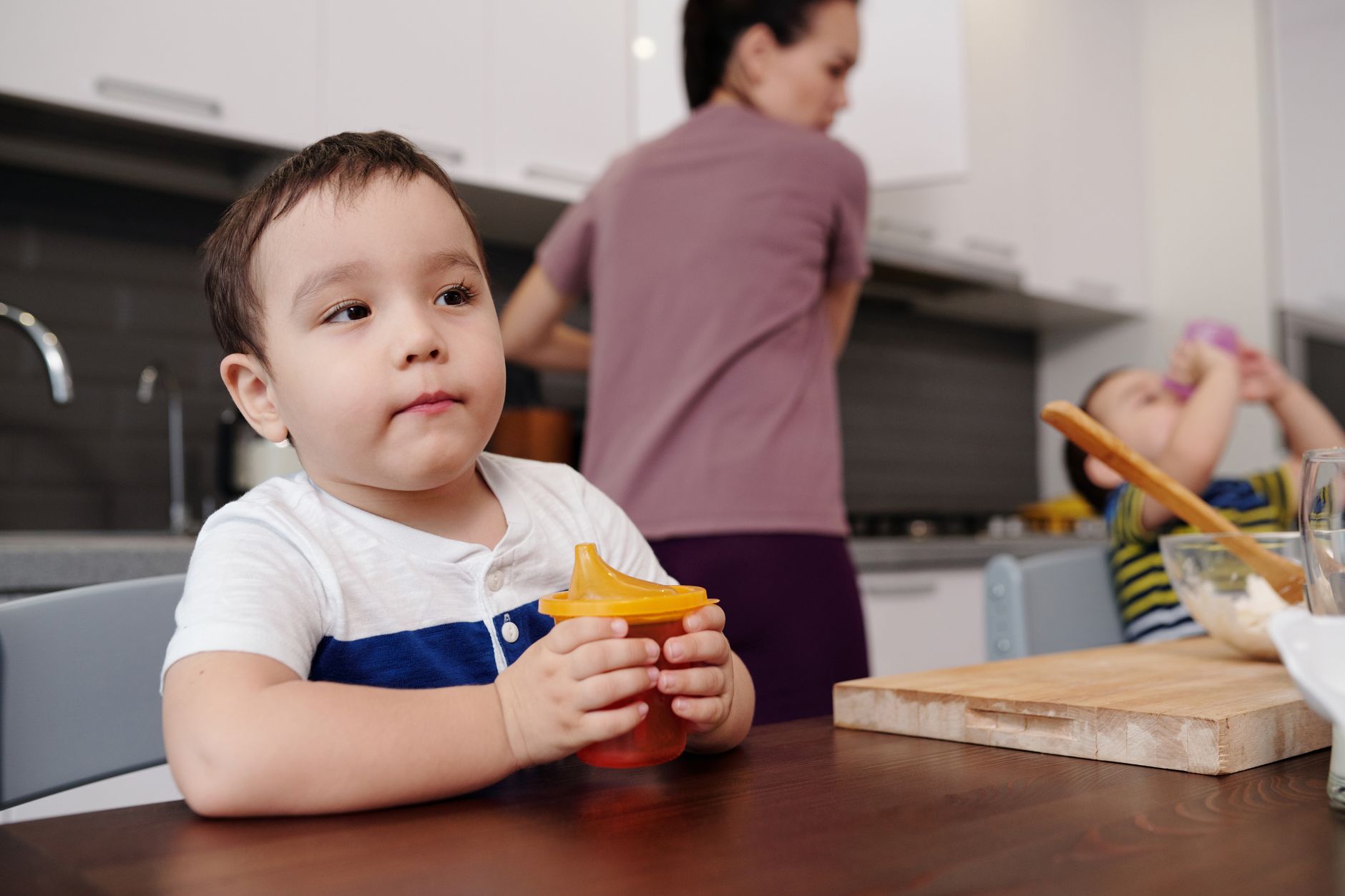
Training cups often delay oral‑motor development because the child does not need to control the flow of liquid. Moving to an open or straw cup encourages stronger tongue and lip muscles, supporting speech development.
Speech‑language pathologists note that children who remain on spout cups beyond 24 months may exhibit lingering articulation challenges (ASHA, 2022). Transitioning early gives the oral muscles a chance to practice the nuanced movements needed for clear speech.
Impact of early bottle weaning on dental health
Prolonged bottle use—especially with sugary liquids—can lead to “baby bottle tooth decay,” a condition the American Dental Association (ADA) warns against.
Dental‑health facts
- Prolonged exposure of teeth to milk or juice for more than 12 months can erode enamel.
- Switching to a cup reduces the time liquids sit against teeth, lowering decay risk.
- Early weaning also encourages proper tongue positioning, helping prevent an open bite.
Even after the bottle is gone, continue to brush your child’s teeth twice daily with fluoride toothpaste and limit sugary drinks to meals. The NHS recommends a dental check‑up at age two to catch any early signs of decay (NHS, 2022).
Fluoride varnish applications, as suggested by the ADA, can provide extra protection during the transition period, especially if your child has a history of early caries.
Weaning schedule for toddlers with sensory processing challenges
Children who are sensitive to textures, temperature, or the sound of liquid may find the bottle‑to‑cup switch particularly stressful. Tailoring the schedule to their sensory profile can smooth the process.
Adapted step‑by‑step plan
- Choose a cup with a familiar texture: Silicone‑lined cups replicate the soft feel of a bottle nipple.
- Gradual temperature shift: Start with warm water (close to formula temperature) and slowly cool over several days.
- Quiet environment: Offer the cup in a low‑noise setting; some children are startled by the clink of a cup.
- Use a visual schedule: A simple picture chart showing “bottle → cup → snack” helps the child anticipate the change.
- Positive sensory reinforcement: Pair the cup with a soothing tactile item (soft blanket) to create a pleasant association.
Occupational therapists often recommend a “sensory diet” that includes brief, repeated exposures to the new cup, which can reduce aversion over time (AOTA, 2021). If progress stalls, consult a pediatric occupational therapist for personalized strategies.
Choosing BPA‑free and dishwasher‑safe cups
Safety standards for children's drinking vessels have tightened in recent years. BPA (bisphenol A) is a chemical once common in plastics that can leach into liquids, especially when heated.
What the FDA says
The U.S. Food and Drug Administration (FDA) classifies BPA‑free containers as safe for children under three, provided they meet the agency’s migration limits (FDA, 2022). Look for the “BPA‑Free” label on the packaging and verify that the cup is marked “microwave‑safe” if you plan to warm liquids.
Alternative materials
- Stainless steel: Durable, non‑reactive, and often insulated to keep drinks at the right temperature.
- Silicone: Soft, flexible, and typically free of BPA, phthalates, and PVC.
- Glass: Offers a pure taste but can be heavy; many brands now offer tempered, shatter‑resistant options.
When selecting a cup, also consider the cleaning method. Cups that are top‑rack dishwasher safe reduce the likelihood of hidden bacteria and make daily upkeep easier for busy parents.
Night‑time weaning: tips for a smooth bedtime transition
Many toddlers cling to the bottle as a bedtime ritual. Shifting that habit without disrupting sleep requires a calm, step‑wise approach.
Evening routine makeover
- Introduce a “bed‑time cup”: Choose a cup with a soft, easy‑grip handle and a familiar character.
- Pair the cup with a soothing activity: Offer the cup after a lullaby or a short story, not before.
- Gradual reduction of volume: Start with the same amount of milk the child had in the bottle, then slowly decrease by 1‑2 oz each night.
- Comfort object substitution: If the bottle was a source of security, introduce a blanket or plush toy at the same time.
- Stay consistent: Offer the cup at the same time each night; consistency signals that bedtime is approaching.
If your child wakes and asks for the bottle, calmly offer the cup instead. Over time, the cup becomes the new sleep cue, and the child learns to self‑soothe without the bottle.
Myth vs. fact
Myth: “If my toddler refuses the cup, I should keep the bottle until they’re older.”
Fact: Continuing bottle use past 24 months increases the risk of dental decay and speech issues. Gentle persistence with a cup, plus a consistent schedule, usually succeeds.
Myth: “Straw cups are too complicated for a 12‑month‑old.”
Fact: Many 12‑month‑olds can manage a soft‑silicone straw, especially if introduced gradually and modeled by a parent.
Myth: “All toddlers need a special training cup.”
Fact: Some children transition smoothly to a regular open cup without a training cup; the key is matching the cup to the child’s developmental readiness.
Myth: “Night‑time bottles are harmless after the child is two.”
Fact: The AAP warns that prolonged nighttime bottle use, even with milk, can still promote tooth decay because saliva flow drops during sleep (AAP, 2023).
Key takeaways
- Start the weaning schedule from bottle to cup around 12 months, but a flexible plan works as early as 9 months.
- Choose a cup that aligns with your child’s motor skills—straw, open, or weighted training cups are all viable.
- Watch for readiness cues: upright sitting, grasping, interest in adults drinking.
- Follow a 2‑week (or 8‑week for younger infants) step‑by‑step plan, adjusting for setbacks.
- Maintain 4‑8 oz of daily fluid from a cup to support hydration and nutrition.
- Transitioning early protects dental health and supports speech development.
- For sensory‑sensitive toddlers, use texture‑friendly cups and visual schedules.
- Pick BPA‑free, dishwasher‑safe cups to keep cleaning simple and safe.
- Night‑time weaning benefits from a consistent bedtime cup routine paired with soothing activities.
Frequently asked questions
What age should a baby stop using a bottle?
Most pediatric guidelines, including those from the American Academy of Pediatrics (AAP), recommend stopping bottle use by 12‑24 months. After 24 months, the risk of tooth decay and speech problems rises.
How long does it take to wean a child off a bottle?
For most toddlers, a focused 2‑week schedule works. Younger infants (9‑10 months) may need 6‑8 weeks, depending on temperament and consistency.
Can a toddler drink from a regular cup?
Yes—by 12 months most children have the coordination to sip from a small open cup. Start with 2‑3 oz servings and offer plenty of encouragement.
What are the signs that a child is ready to use a cup?
Key indicators include sitting upright, grasping objects purposefully, showing interest in adults drinking, and attempting to sip from a straw or open cup during play.
Is it safe to use a straw cup for a 12‑month‑old?
Soft silicone straw cups are safe for most 12‑month‑olds. Introduce the cup gradually and supervise to ensure the child does not choke.
How many ounces should a toddler drink from a cup each day?
Between 4‑8 oz of water or milk from a cup is typical for toddlers 12‑24 months, in addition to any formula or breast‑milk they receive.
Can I use a regular open cup for milk instead of a sippy cup?
Yes. Open cups work well for milk once the child can manage the flow without spilling excessively. Start with a small amount and let the child practice, offering praise for each successful sip.
My toddler still prefers the pacifier over a cup—what should I do?
Gradually replace pacifier use with the cup during mealtimes. Offer the cup first, then let the pacifier be a “comfort” item only after the child has finished drinking. If the pacifier persists beyond 18 months, discuss weaning strategies with your pediatrician, as prolonged use can affect dental alignment.
When to see a doctor or specialist
If you notice any of the following, reach out to a pediatrician promptly:
- Persistent refusal to drink from a cup after two weeks of consistent effort.
- Signs of dehydration (dry mouth, no tears when crying, fewer wet diapers).
- Visible tooth decay or white spots on teeth.
- Repeated choking or coughing while using a straw or open cup.
- Any sudden changes in weight or growth patterns.
- Ongoing oral‑motor delays that affect speech; consider a referral to a speech‑language pathologist.
This article is for informational purposes only and does not replace personalized medical advice. Always discuss major feeding changes with your child’s health provider.
References
- American Academy of Pediatrics. “Guidelines for Infant Feeding.” AAP, 2023.
- American Dental Association. “Early Childhood Caries.” ADA, 2022.
- Academy of Nutrition and Dietetics. “Fluid Needs for Children.” AND, 2021.
- World Health Organization. “Infant and Young Child Feeding.” WHO, 2020.
- National Institutes of Health. “Developmental Milestones: 12‑Month‑Old.” NIH, 2022.
- Food and Drug Administration. “BPA‑Free Plastics for Children.” FDA, 2022.
- National Health Service (UK). “Weaning and Feeding Guidelines.” NHS, 2022.
- American Speech‑Language‑Hearing Association. “Oral‑Motor Development and Bottle Use.” ASHA, 2022.
- American Occupational Therapy Association. “Sensory Strategies for Feeding.” AOTA, 2021.
- Centers for Disease Control and Prevention. “Hydration Guidelines for Children.” CDC, 2023.