Discover what to expect at 10 month old baby, including key milestones, feeding tips, sleep patterns, and developmental activities to support growth.
By Shubhra Mishra — a mom of two who turned her own confusion during pregnancy into BumpBites, a global mission to make food choices clear, safe, and stress-free for every expecting mother. 💛
Check whether any food is safe during pregnancy with the BumpBites Food Safety Checker.
Quick take: At 10 months, most babies are cruising along furniture, saying “mama” or “dada,” eating soft finger foods, and sleeping about 11–14 hours total with two daytime naps. Expect rapid physical, cognitive, and social growth, but also a few temper‑tantrums as independence blooms. Keep the home safe, offer a balanced diet, and follow a gentle sleep routine—if anything feels off, call your pediatrician.
It’s 2 a.m. and you’ve just caught your little one trying to pull herself up on the couch, then suddenly launching a full‑blown “no!” that echoes through the quiet house. You wonder: “Is this normal? What should I be feeding her? How much sleep does she really need?” You’re not alone. Parents of 10‑month‑old babies often feel a mix of awe and anxiety as their child races toward toddlerhood.
In this guide we break down everything you’ll likely see in the next few weeks—milestones, meals, naps, play ideas, safety tips, and the occasional teething flare‑up. We’ll also answer the most common follow‑up questions, so you won’t need to keep searching. Our recommendations reflect guidance from the American Academy of Pediatrics (AAP), the NHS, and the World Health Organization (WHO), and we’ve woven in real‑world anecdotes from families who have been there.
Whether you’re a first‑time parent or adding a new member to a growing family, you’ll find clear, step‑by‑step advice you can start using tonight. Let’s dive in.
What are the 10 month old baby development milestones?
Most 10‑month‑old babies can pull to stand, cruise along furniture, and use a thumb‑and‑index grasp to pick up small objects. Physical, cognitive, language, and social milestones intertwine, giving you a window into how your child’s brain is wiring up.
Physical development: By month ten, many infants can stand while holding onto support, take a few steps while holding onto a caregiver’s hands, and have improved hand‑eye coordination. Fine‑motor skills include transferring objects between hands, using a pincer grasp to pick up peas or small cereal pieces, and turning pages of a board book. If your baby is not yet crawling, don’t panic—some babies skip the classic belly‑crawl and go straight to cruising. Encourage crawling by placing enticing toys just out of reach on a soft blanket, and give plenty of tummy‑time daily.
Cognitive development: Babies at this age love cause‑and‑effect play. Pressing a button that makes a sound, dropping a ball into a cup, or opening a container are all ways they learn that their actions produce results. Memory is sharpening; they may look for a hidden toy after a brief pause. Sign language becomes a useful tool—many parents start teaching simple signs like “more” or “all done” to reduce frustration.
Language development: Expect your baby to say “mama,” “dada,” and maybe one or two other words, often with the correct consonant sound. Babbling becomes more varied, and they’ll respond to their name and simple commands (“come here”). If you notice limited babbling or no response to name, discuss it with your pediatrician, as early intervention can be helpful.
Social and emotional development: Around ten months, separation anxiety often peaks. Your baby may cry when you leave the room, but will calm quickly once you return. They’ll also show affection—hugging, kissing, or offering a toy to a caregiver. Peer interaction is limited but they’ll smile at other babies and may imitate simple facial expressions.
Common health concerns at this stage include teething (often starting around 6‑12 months), mild ear infections, and occasional viral illnesses. Keep an eye on fever, persistent cough, or refusal to eat, and consult your doctor if symptoms linger.
Cruising helps strengthen leg muscles and confidence before the first independent steps.
What should I feed a 10 month old baby?
A balanced diet of soft finger foods, iron‑rich cereals, and a variety of fruits and vegetables meets the nutritional needs of most 10‑month‑old babies. At this stage, solid foods complement breast milk or formula, which should still provide about 24–32 ounces per day.
Introduce new textures gradually: soft cooked vegetables (sweet potatoes, carrots), ripe fruits (banana, avocado), and protein sources like well‑cooked shredded chicken or lentils. Aim for three meals plus two to three snacks daily. A typical day might look like:
Breakfast: Iron‑fortified oatmeal mixed with mashed berries.
Mid‑morning snack: Small pieces of ripe pear.
Lunch: Mashed sweet potato with shredded chicken.
Afternoon snack: Whole‑milk yogurt (if dairy has been introduced) or a slice of soft cheese.
Dinner: Mashed peas with quinoa.
Hydration is key—offer a sippy cup of water with meals. Avoid added sugars and limit fruit juice to no more than 4 oz per day, as recommended by the AAP.
For families looking for creative ideas, try “baby‑friendly sushi rolls” made from avocado, cucumber, and cooked salmon wrapped in a soft rice sheet, or “mini‑veggie muffins” that pack carrots, zucchini, and whole‑grain flour. These foods are easy to hold and encourage self‑feeding.
If your baby is not yet crawling, you might notice a slower appetite or a preference for softer foods. Keep offering a variety of textures; oral‑motor skills often improve as they gain more mobility.
Watch for signs of teething that can affect appetite: drooling, gum swelling, or a desire to chew on everything. Offering chilled teething rings or cold‑soaked carrots can soothe discomfort while providing nutrition.
What does a 10 month old baby sleep schedule look like?
Most 10‑month‑old babies sleep 11–14 hours total, with two daytime naps lasting 1–2 hours each. Consistency is the cornerstone of a good sleep routine.
Typical bedtime for a 10‑month‑old is between 7 p.m. and 8 p.m., with a wind‑down routine that might include a warm bath, a short story, and a lullaby. Nighttime sleep usually consolidates into a 10‑hour stretch, though brief awakenings for feeding or comfort are still common.
Daytime naps are usually scheduled:
Morning nap: 9 a.m.–10:30 a.m.
Afternoon nap: 2 p.m.–3:30 p.m.
Keep the sleep environment safe: a firm mattress, no loose blankets, and a wearable blanket if needed. The WHO recommends a room temperature of 68–72 °F (20–22 °C) for optimal sleep.
If your baby is experiencing separation anxiety at night, a brief “reassurance visit” (entering the room, offering a gentle pat, then leaving) can help. Avoid creating a habit of falling asleep while feeding, as this can lead to night‑time waking when the stomach empties.
Should your baby regularly wake before 6 a.m. or have difficulty falling asleep, consider adjusting nap timing or reviewing daytime stimulation levels. Over‑tiredness can paradoxically make it harder to settle.
What are the best 10 month old baby activities for cognitive development?
Play that encourages problem‑solving, cause‑and‑effect, and language exposure supports rapid cognitive growth at ten months.
Here are activity ideas that hit multiple developmental domains:
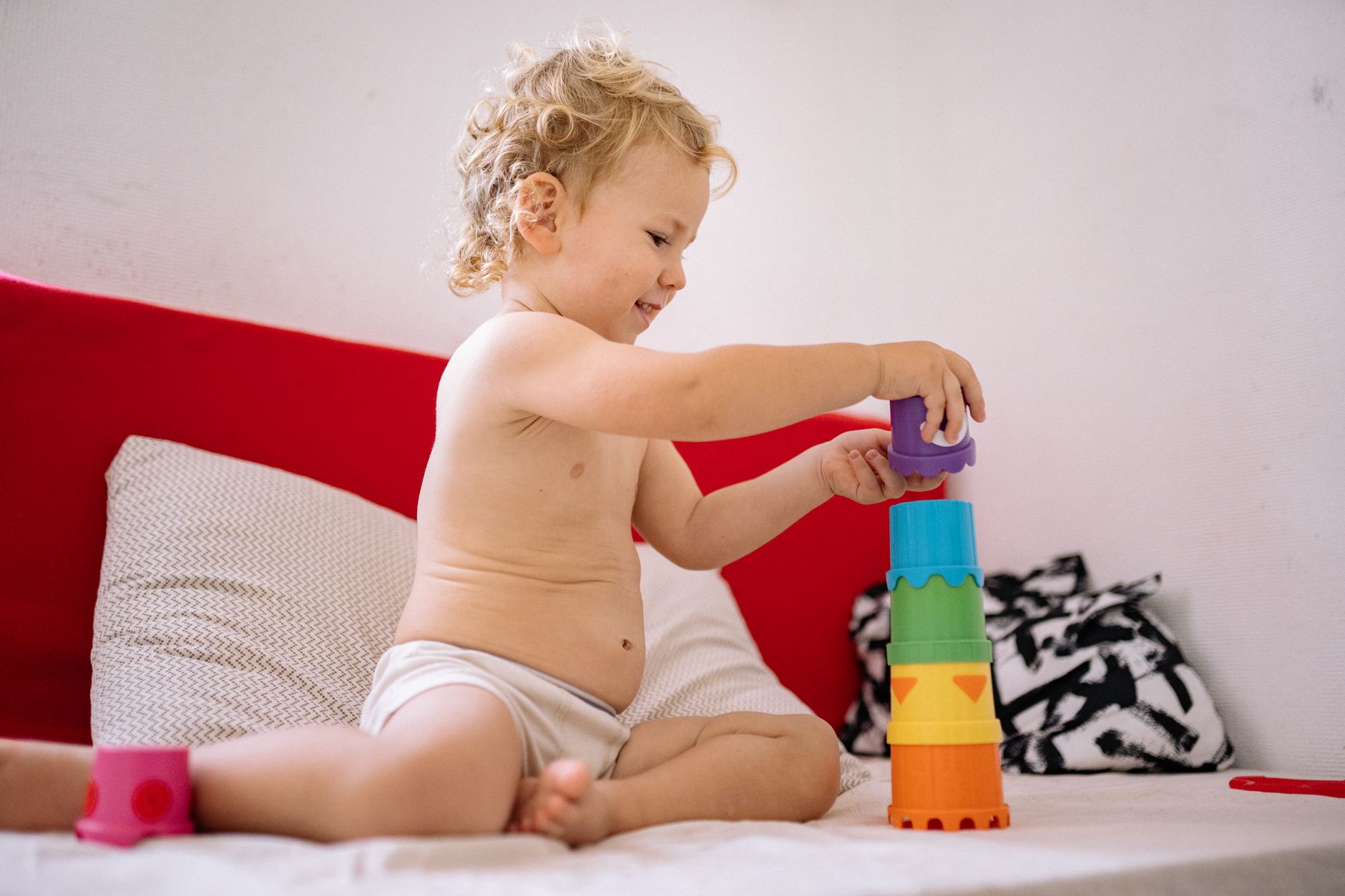
Stacking cups: Babies love nesting and stacking, which builds spatial reasoning.
Peek‑a‑boo variations: Hide a toy under a blanket, then reveal it—this reinforces object permanence.
Music and rhythm: Simple instruments like a maraca or a wooden drum let your baby explore sound, boosting auditory processing.
Texture boards: A board with fabric swatches, smooth plastic, and soft foam invites tactile exploration.
Interactive books: Lift‑the‑flap or sound‑button books encourage turning pages and associating pictures with words.
If your baby isn’t yet crawling, place a favorite toy just out of reach on a soft mat; the effort to move toward it can motivate crawling. For those beginning to walk, a low, sturdy push‑toy (like a wooden walker) offers support while encouraging balance.
Sign language can be woven into play: when you read a book, sign “more” each time you turn a page. Babies often mimic the gesture, reducing frustration and fostering early communication.
Social play is also crucial. Invite a sibling or a friend’s baby for a brief “playdate” in a baby‑proofed space. Simple turn‑taking games—rolling a ball back and forth—teach patience and sharing.
Stacking cups and textured toys spark curiosity and problem‑solving.
What does the 10 month old baby weight and height chart look like?
Typical weight for a 10‑month‑old ranges from 17 to 22 pounds (7.7–10 kg) and height from 28 to 30 inches (71–76 cm), with variations based on genetics and feeding.
Below is a concise reference chart based on CDC growth percentiles for both boys and girls. Your pediatrician will plot your baby’s measurements on a growth curve to assess individual progress.
Age
Weight (boys) 50th percentile
Weight (girls) 50th percentile
Height (boys) 50th percentile
Height (girls) 50th percentile
10 months
20 lb (9.1 kg)
18 lb (8.2 kg)
30 in (76 cm)
29 in (74 cm)
11 months
21 lb (9.5 kg)
19 lb (8.6 kg)
31 in (79 cm)
30 in (76 cm)
12 months
22 lb (10 kg)
20 lb (9.1 kg)
32 in (81 cm)
31 in (79 cm)
Remember, percentiles are a guide—not a verdict. A child consistently tracking along the 10th percentile can be perfectly healthy, especially if family members are smaller. Conversely, a rapid upward jump may warrant a check for over‑nutrition.
Nutrition, sleep, and activity all influence growth. If your baby is not yet walking, they may burn fewer calories, which could slightly affect weight gain. Offer balanced meals and maintain active play to support healthy development.
How can I soothe a 10 month old baby's tantrums?
Tantrums at ten months often stem from frustration, teething discomfort, or emerging separation anxiety, and can be soothed with predictable routines and soothing techniques.
First, identify the trigger. Common cues include:
Teething pain—gums swollen, drooling, chewing on everything.
Hunger or thirst—baby may cry if a feeding schedule is missed.
Overstimulation—bright rooms, loud noises, or too many new experiences.
Desire for independence—wanting to do something “by herself.”
Once you know the cause, try these calming strategies:
Validate feelings: Gently say, “I see you’re upset, it’s okay to feel frustrated.”
Offer a teething toy: Cold silicone rings can reduce gum pain.
Use a gentle distraction: Switch to a favorite book or a soft‑music playlist.
Maintain a routine: Predictable nap and meal times lower anxiety.
Physical comfort: A brief cuddle, rocking, or a swaddle can reset mood.
If tantrums become frequent or intense, consider a brief “quiet corner” with soft pillows and a few soothing objects. Ensure the space is safe—no small parts—and stay nearby to monitor.
Persistent crying that lasts more than an hour, is accompanied by fever, vomiting, or a rash, should prompt a call to your pediatrician.
What are the language development expectations for a 10 month old baby?
By ten months, most babies will babble with varied consonants, say “mama” or “dada” (often indiscriminately), and understand simple commands like “come here.”
Key language milestones include:
Babbling with repeated syllables (“ba‑ba‑ba”).
Using gestures such as waving “bye‑bye” or clapping.
Responding to name and turning toward spoken cues.
Showing preference for familiar words—especially “mommy” and “daddy.”
To encourage speech, narrate your actions throughout the day: “We’re putting on your shoes. One foot, then the other.” Repetition helps babies connect sounds to objects. Reading daily, even for a few minutes, builds vocabulary and listening skills.
If you notice limited babbling or no response to their name, consider a brief hearing screening—early detection of hearing issues can dramatically improve language outcomes.
Sign language is a powerful bridge. Teaching a single sign like “more” can reduce frustration and often leads to spoken word emergence a few weeks later, according to AAP observations.
What safety precautions should I take at home for a 10 month old baby?
Baby‑proofing the home becomes essential once your child starts cruising and pulling up on furniture. The goal is to eliminate hazards while preserving space for exploration.
Key areas to secure:
Stairs: Install safety gates at both top and bottom.
Outlets: Use outlet covers on all accessible plugs.
Furniture: Anchor bookshelves, dressers, and TV stands to the wall.
Cords: Keep blind cords and electrical cords out of reach.
Sharp corners: Apply corner protectors on coffee tables, low shelves, and kitchen counters.
Small objects: Remove items smaller than a thumbnail (e.g., coins, buttons) from floors.
Cleaning supplies: Store detergents, soaps, and medications in locked cabinets.
For bathrooms, always keep a non‑slip mat in the tub and never leave the baby unattended, even for a moment. The NHS advises keeping a “baby‑first‑aid kit” with adhesive bandages, sterile gauze, and a digital thermometer.
When it comes to toys, choose items that are labeled “for ages 6 months+,” free of small detachable parts, and made from non‑toxic materials. Regularly inspect toys for broken pieces.
If you notice your baby attempting to crawl under a coffee table or climb on a bookshelf, reposition the furniture or block the path with a baby gate. The more predictable the environment, the more confidently your child will explore.
From our medical team: “Ten‑month‑old babies are at a stage where curiosity meets mobility. Providing a safe, stimulus‑rich environment, along with responsive feeding and sleep routines, supports healthy growth. If you ever have concerns about development, nutrition, or sleep, schedule a well‑child visit—early guidance can make a big difference.”
Myth vs. fact
Myth: All babies should be crawling before they walk.
Fact: Some babies skip the traditional crawl and go straight to cruising or walking; this is normal as long as they develop core strength and balance.
Myth: Teething always causes high fever.
Fact: Mild temperature rise (under 100.4 °F/38 °C) can accompany teething, but high fever usually signals infection and should be evaluated by a clinician.
Myth: Giving a baby juice daily is a healthy source of vitamins.
Fact: The AAP recommends limiting juice to 4 oz per day and prefers whole fruit for fiber and nutrients; excessive juice can lead to tooth decay.
Key takeaways
Expect cruising, pincer grasp, and “mama/dada” words at ten months.
Offer three balanced meals plus two healthy snacks, emphasizing iron‑rich foods and soft finger foods.
Maintain a bedtime routine with two naps; total sleep should be 11–14 hours.
Stimulate cognition with stacking cups, peek‑a‑boo, and simple sign language.
Baby‑proof stairs, outlets, and furniture to match increased mobility.
Watch for teething pain, persistent fever, or lack of babbling, and contact your pediatrician if concerns arise.
Frequently asked questions
What are the most important milestones for a 10 month old baby?
The key milestones include pulling to stand, cruising along furniture, using a pincer grasp, saying “mama” or “dada,” responding to name, and showing separation anxiety.
How much should a 10 month old baby weigh?
Typical weight ranges from 17 to 22 pounds (7.7–10 kg), but healthy growth is better judged by percentile curves rather than a single number.
What are some healthy snack options for a 10 month old baby?
Soft fruit slices (banana, ripe pear), whole‑milk yogurt, shredded cheese, cooked vegetable sticks, and iron‑fortified cereal bars are all nutritious, easy‑to‑hold snacks.
How can I encourage my 10 month old baby to crawl?
Place enticing toys just out of reach on a soft blanket, increase tummy‑time daily, and create a safe, open space free of obstacles to motivate forward movement.
What are the signs of a 10 month old baby's language development?
Babbling with varied sounds, saying “mama”/“dada,” responding to simple commands, and using gestures like waving are primary indicators of language progress.
How can I prevent my 10 month old baby from getting injured at home?
Install safety gates, anchor furniture, cover outlet plugs, keep small objects out of reach, and maintain a clutter‑free floor to reduce tripping hazards.
When to call your doctor
If your baby experiences any of the following, seek medical advice promptly: fever over 100.4 °F (38 °C) lasting more than 24 hours, persistent vomiting or diarrhea, refusal to eat for more than a day, sudden loss of motor skills, signs of ear infection (pulling at ear, fever), or concerns about hearing or speech development.
These guidelines are for informational purposes only and do not replace personalized medical advice. Always consult your pediatrician or qualified health professional with specific concerns.
References
American Academy of Pediatrics. “Nutrition: Feeding and Developmental Milestones.” AAP Clinical Report, 2023.
Centers for Disease Control and Prevention. “Growth Charts – United States.” CDC, 2022.
National Health Service (UK). “Baby Development: 9‑12 Months.” NHS, 2023.
World Health Organization. “Infant and Young Child Feeding: Guidelines for Health Professionals.” WHO, 2022.
American Academy of Pediatrics. “Sleep Guidelines for Infants and Young Children.” AAP, 2021.
Royal College of Paediatrics and Child Health. “Safe Home Environment for Babies.” RCPCH, 2022.
U.S. Food and Drug Administration. “Infant Formula Guidance.” FDA, 2023.
National Institute for Health and Care Excellence (UK). “Developmental Surveillance and Screening.” NICE, 2022.
Not sure about the label on What To Expect At 10 Month Old Baby products?
Snap the ingredients list and SafeFilter checks every ingredient for your stage — only 3 free scans this month, then you're locked until reset. Unlimited from $7/mo or $50/yr.
When Shubhra Mishra was expecting her first child in 2016, she was overwhelmed by conflicting food advice — one site said yes, another said never. By the time her second baby arrived in 2019, she realized millions of mothers face the same confusion.
That sparked a five-year journey through clinical nutrition papers, cultural diets, and expert conversations — all leading to BumpBites: a calm, compassionate space where science meets everyday motherhood.
Her long-term vision is to build a global community ensuring safe, supported, and free deliveriesfor every mother — because no woman should face pregnancy alone or uninformed. 🌿
🌍 Stand with mothers, shape safer guidance
Join a small circle of experts who review BumpBites articles so expecting parents everywhere can decide with confidence.