

Quick take: The volumetrics diet focuses on eating nutrient-dense, low-calorie foods that fill you up without excess calories. For easy dinners, prioritize vegetables, lean proteins, and whole grains while keeping portions controlled. Our 7-day meal plan and recipe ideas make it simple to stay on track—even for busy moms or pregnant women. Always check with your provider before making dietary changes, especially during pregnancy.Volumetrics Diet Dinner Recipes Easy: The Complete 2026 Guide
It was 10 p.m., the last of the grocery store’s fresh produce was tucked into the cart, and you were exhausted. You’d just spent the evening scrolling through meal prep ideas, only to realize most required complicated prep or ingredients you didn’t have. Then you remembered the volumetrics diet—you’d heard it was all about feeling full on fewer calories, but you couldn’t remember a single easy dinner recipe. That’s where we come in.
If you’ve ever felt overwhelmed by diet trends that promise quick fixes but deliver complicated meals, you’re not alone. The volumetrics diet is different. It’s not about restrictive food groups or counting calories obsessively—it’s about eating smart. By focusing on foods that are high in water and fiber but low in calories, you can enjoy satisfying meals without the guilt. And yes, it’s possible to make that work for busy schedules, pregnancy, or even just the days when you’re too tired to cook from scratch.
In this guide, we’ll break down everything you need to know about the volumetrics diet, from its core principles to easy dinner recipes that fit into your life. Whether you’re looking to lose weight, manage pregnancy cravings, or simply eat healthier, we’ve got you covered. Let’s start with the basics—so you can stop stressing over dinner and start enjoying it.
--- ## What Is the Volumetrics Diet? How It Works and Why It’s DifferentPicture this: You’re at a dinner party, and someone offers you a plate of creamy mashed potatoes versus a big bowl of steamed broccoli. Which will leave you feeling fuller? For most people, the answer is obvious—the mashed potatoes, even though they’re higher in calories. That’s the core idea behind the volumetrics diet: you can eat until you’re satisfied without overeating calories.
Developed by Barbara Rolls, PhD, a professor of nutritional sciences at Penn State, the volumetrics diet isn’t a fad. It’s based on scientific research about how different foods affect satiety (that’s the fancy word for feeling full). The key? Foods with high water and fiber content take up space in your stomach, triggering your brain to register fullness—even when the calories are lower.
Unlike other diets that focus on cutting carbs, fats, or calories outright, volumetrics is all about portion control with nutrient-dense foods. Think of it like this: A cup of air-popped popcorn might have fewer calories than a slice of cheesecake, but it fills you up just as much. The volumetrics diet helps you make smarter choices so you can enjoy meals without the crash or the cravings.
If you’ve ever felt like you’re “starving” an hour after a meal, you might be eating foods that don’t keep you full. The volumetrics diet flips that script. And the best part? It’s flexible. You don’t have to give up your favorite foods entirely—just adjust portions and pair them with the right sides.
--- ## Easy Volumetrics Diet Dinner Recipes for Weight Loss: Start with These 5Let’s be real: If you’re trying to lose weight, you need meals that actually work for your schedule. No complicated prep, no weird ingredients, and definitely no sad desk lunches. Here are five easy volumetrics dinner recipes that will keep you full, satisfied, and on track.
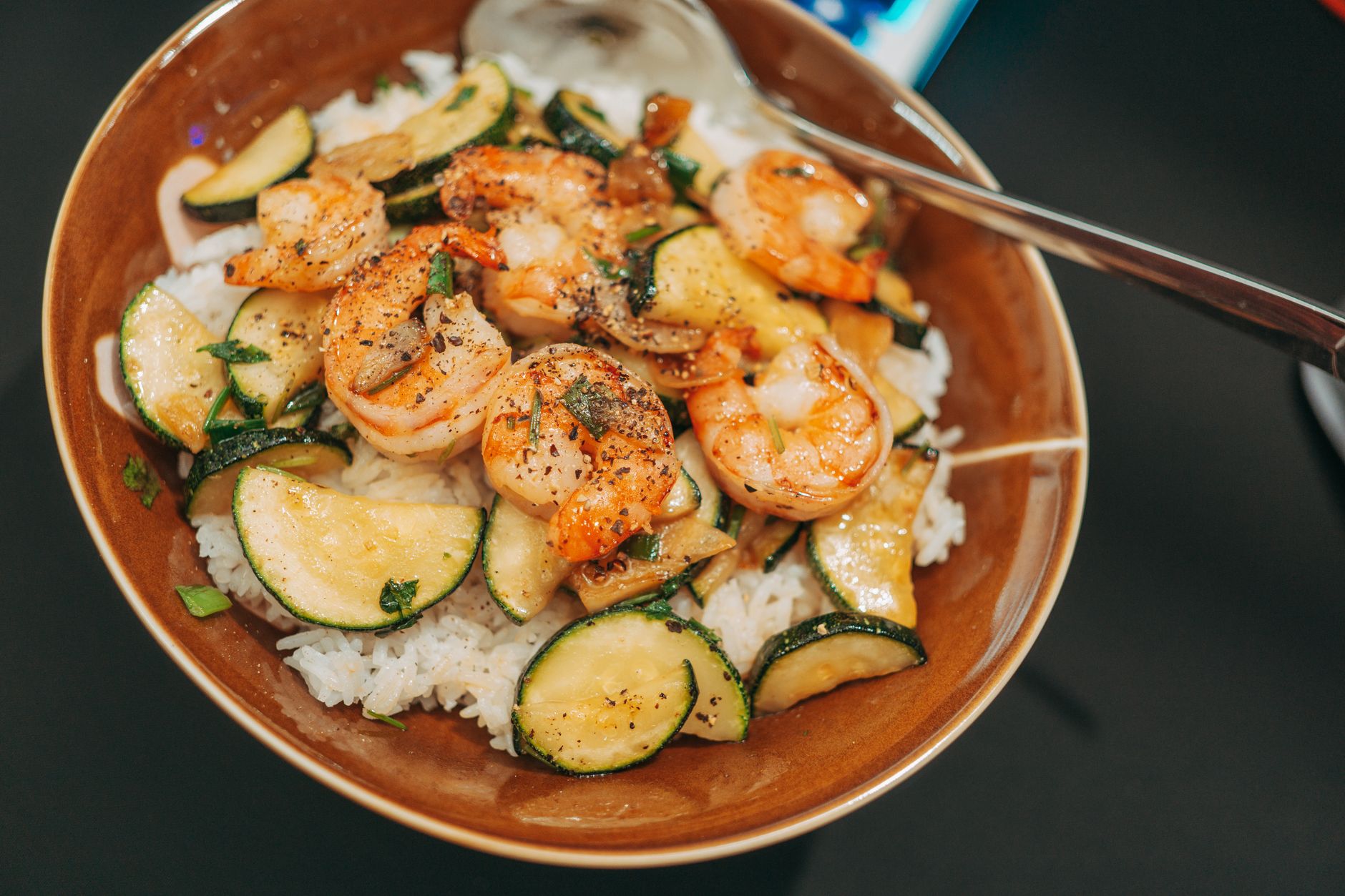
1. Lemon-Garlic Shrimp with Roasted Zucchini
Why it works: Shrimp is a lean protein packed with volume for its calories, and zucchini is a low-calorie veggie that roasts up crispy and delicious.
Ingredients:
- 12 oz shrimp, peeled and deveined
- 2 medium zucchinis, sliced into half-moons
- 2 tbsp olive oil
- 3 cloves garlic, minced
- 1 lemon (juice + zest)
- 1 tsp dried oregano
- Salt and pepper to taste
Instructions:
- Preheat oven to 400°F (200°C). Toss zucchini slices with 1 tbsp olive oil, salt, and pepper. Spread on a baking sheet.
- Roast for 15 minutes, then flip and roast another 10 minutes until tender.
- In a bowl, mix shrimp with remaining olive oil, garlic, lemon juice, zest, oregano, salt, and pepper.
- Heat a skillet over medium-high heat. Add shrimp and cook for 2–3 minutes per side until pink.
- Serve shrimp over roasted zucchini. Squeeze extra lemon juice on top.
Serving size: 1 shrimp portion (4 oz) + 1 cup zucchini (~150 calories).
2. Turkey and Black Bean Chili
Why it works: Ground turkey is lean, and black beans add fiber and volume without excess calories.
Ingredients:
- 1 lb (450g) 93% lean ground turkey
- 1 can (15 oz) black beans, drained and rinsed
- 1 can (15 oz) diced tomatoes
- 1 bell pepper, diced
- 1 onion, diced
- 2 cloves garlic, minced
- 1 tsp cumin
- 1 tsp chili powder
- Salt and pepper to taste
Instructions:
- In a pot, sauté onion and bell pepper in 1 tbsp olive oil until soft.
- Add garlic, ground turkey, and spices. Cook until turkey is browned.
- Stir in tomatoes, beans, and 1 cup water. Simmer for 20 minutes.
- Serve with a side of steamed broccoli or a small whole-grain roll.
Serving size: 1 cup chili (~200 calories).
3. Baked Chicken with Quinoa and Roasted Veggies
Why it works: Chicken breast is a volumetrics staple, and quinoa adds protein and fiber without bloating.
Ingredients:
- 2 boneless, skinless chicken breasts
- 1 cup quinoa, rinsed
- 2 cups low-sodium chicken broth
- 2 cups mixed veggies (carrots, zucchini, bell peppers)
- 2 tbsp olive oil
- 1 tsp dried thyme
- Salt and pepper to taste
Instructions:
- Preheat oven to 375°F (190°C). Place chicken breasts on a baking sheet. Drizzle with 1 tbsp olive oil, thyme, salt, and pepper. Bake for 25 minutes.
- While chicken bakes, toss veggies with remaining olive oil, salt, and pepper. Roast for 20 minutes.
- Cook quinoa in broth according to package instructions.
- Slice chicken and serve over quinoa with roasted veggies.
Serving size: 1 chicken breast (6 oz) + ½ cup quinoa + 1 cup veggies (~350 calories).
4. Spinach and Ricotta Stuffed Shells (Lightened-Up)
Why it works: Jumbo pasta shells are low-calorie when filled with veggies and light ricotta, and spinach adds fiber.
Ingredients:
- 12 jumbo pasta shells
- 1 cup whole-wheat pasta shells
- 1 cup low-fat ricotta cheese
- 2 cups fresh spinach, chopped
- ½ cup part-skim mozzarella, shredded
- 1 egg
- 1 clove garlic, minced
- ½ tsp nutmeg
- Marinara sauce (low-sugar, ~½ cup per serving)
Instructions:
- Cook pasta shells according to package instructions. Drain and rinse under cold water.
- In a bowl, mix ricotta, spinach, garlic, nutmeg, and egg. Stuff shells with mixture.
- Place stuffed shells in a baking dish. Top with marinara sauce and mozzarella.
- Bake at 375°F (190°C) for 20 minutes.
Serving size: 2 stuffed shells + ¼ cup sauce (~250 calories).
5. Tuna-Stuffed Avocado
Why it works: Avocado adds healthy fats (which slow digestion for fullness), and canned tuna is a low-calorie protein.
Ingredients:
- 2 ripe avocados
- 1 can (5 oz) tuna in water, drained
- 1 tbsp Greek yogurt (or light mayo)
- 1 tbsp lemon juice
- ½ tsp Dijon mustard
- Salt and pepper to taste
- Handful of cherry tomatoes, sliced
Instructions:
- Cut avocados in half and remove pits. Scoop out a little flesh to create a well.
- Mash the scooped avocado with lemon juice, Greek yogurt, mustard, salt, and pepper.
- Mix in tuna. Spoon mixture into avocado halves.
- Top with cherry tomatoes and a sprinkle of black pepper.
Serving size: 1 avocado half + tuna filling (~250 calories).
You don’t have to give up flavor to eat low-calorie meals. The volumetrics diet thrives on bold, satisfying flavors that make you forget you’re “dieting.” Here’s how to pack volume into every bite:
1. **Prioritize water-rich veggies:** Zucchini, cucumbers, lettuce, and tomatoes are like nature’s empty-calorie fillers. They take up space in your stomach without adding many calories. Try adding them to soups, salads, or even as a side dish.
2. **Lean proteins are your friends:** Chicken breast, turkey, fish, and tofu are all low-calorie but high in protein, which helps keep you full. Aim for 3–4 oz per serving.
3. **Whole grains in moderation:** Brown rice, quinoa, and whole-wheat pasta are better than white versions, but portion control is key. A half-cup serving of cooked quinoa is enough to bulk up a meal without overdoing it.
4. **Spices and herbs over salt:** Need flavor? Use garlic, ginger, paprika, or fresh herbs instead of salt. They add depth without calories.
5. **Healthy fats in small amounts:** Avocado, nuts, and olive oil add richness but should be used sparingly. A tablespoon of olive oil can make a dish feel indulgent without derailing your calorie count.
For example, swap out heavy cream in your soup for broth or Greek yogurt. Or, make your own salad dressing with olive oil and vinegar instead of buying a high-calorie bottle. Small swaps add up!
Pro tip: If you’re craving something crispy, try air-frying veggies like Brussels sprouts or zucchini fries. They’ll satisfy that crunch without the extra calories.
--- ## Volumetrics Diet Dinner Recipes Easy for Beginners: Start with These 3 No-Fuss MealsIf you’re new to the volumetrics diet, you might feel overwhelmed by the idea of tracking portions or measuring everything. But it doesn’t have to be complicated. Here are three beginner-friendly meals that require minimal prep and no fancy equipment.
1. Microwave Egg White Scramble with Spinach
Why it works: Egg whites are nearly zero-calorie, and spinach adds fiber and volume.
Ingredients:
- ½ cup egg whites
- 1 cup fresh spinach
- 1 tbsp low-fat cheese (optional)
- ½ tsp garlic powder
- Salt and pepper to taste
Instructions:
- In a microwave-safe bowl, whisk egg whites with garlic powder, salt, and pepper.
- Add spinach and stir.
- Microwave in 30-second bursts, stirring between each, until fully cooked (~2 minutes).
- Top with a sprinkle of cheese if desired.
Serving size: ½ cup scramble (~50 calories).
2. Canned Sardines on Whole-Grain Toast
Why it works: Sardines are a volumetrics superfood—high in protein, low in calories, and packed with omega-3s.
Ingredients:
- 1 can (3.75 oz) sardines in water or olive oil, drained
- 1 slice whole-grain toast
- ½ avocado, mashed
- Lemon wedge
- Fresh dill or parsley
Instructions:
- Toast the whole-grain bread.
- Mash avocado and mix with sardines (reserve some for topping).
- Spread mixture on toast. Top with remaining sardines, lemon juice, and fresh herbs.
Serving size: 1 serving (~250 calories).
3. Lentil Soup with a Side Salad
Why it works: Lentils are a fiber-rich, low-calorie protein, and a side salad adds volume without extra calories.
Ingredients:
- 1 cup dried lentils, rinsed
- 4 cups low-sodium vegetable broth
- 1 carrot, diced
- 1 celery stalk, diced
- 1 onion, diced
- 1 tsp cumin
- 1 tsp paprika
- Side salad: 2 cups mixed greens, ½ cup cherry tomatoes, 1 tbsp balsamic vinegar
Instructions:
- In a pot, sauté onion, carrot, and celery in 1 tbsp olive oil until soft.
- Add lentils, broth, and spices. Simmer for 25 minutes until lentils are tender.
- Serve with a side salad dressed lightly with balsamic vinegar.
Serving size: 1 cup soup + 2 cups salad (~200 calories).
If you’re active or trying to build muscle, you need protein—but that doesn’t mean you have to eat high-calorie meats or processed foods. The volumetrics diet makes it easy to get lean protein without the extra calories. Here are three high-protein dinner ideas that keep you full and satisfied.
1. Grilled Salmon with Asparagus and Quinoa
Why it works: Salmon is rich in protein and omega-3s, and asparagus adds fiber without calories.
Ingredients:
- 1 salmon fillet (6 oz)
- 1 cup asparagus, trimmed
- ½ cup cooked quinoa
- 1 tbsp olive oil
- 1 tsp lemon zest
- Salt and pepper to taste
Instructions:
- Preheat grill or skillet to medium-high. Brush salmon with olive oil, salt, and pepper. Grill for 4–5 minutes per side.
- While salmon cooks, toss asparagus with a drizzle of olive oil, salt, and pepper. Roast at 400°F (200°C) for 10 minutes.
- Fluff quinoa and serve with salmon and asparagus. Drizzle with lemon zest.
Serving size: 1 salmon fillet + ½ cup quinoa + 1 cup asparagus (~350 calories).
2. Spicy Tofu Stir-Fry with Broccoli
Why it works: Tofu is a versatile, low-calorie protein, and broccoli adds volume and fiber.
Ingredients:
- 1 block (14 oz) extra-firm tofu, pressed and cubed
- 2 cups broccoli florets
- 2 tbsp low-sodium soy sauce
- 1 tbsp sriracha or chili sauce
- 1 tbsp sesame oil
- 1 tsp grated ginger
- 1 clove garlic, minced
Instructions:
- Heat sesame oil in a pan over medium heat. Add tofu and cook until golden, about 5 minutes.
- Add garlic and ginger, stir for 30 seconds.
- Add broccoli and cook for 5 minutes until tender-crisp.
- Pour in soy sauce and sriracha. Toss and serve.
Serving size: 1 cup stir-fry (~180 calories).
3. Turkey Meatballs with Marinara and Zucchini Noodles
Why it works: Lean ground turkey is a volumetrics favorite, and zucchini noodles replace heavy pasta.
Ingredients:
- 1 lb (450g) 93% lean ground turkey
- 1 egg white
- 2 tbsp breadcrumbs (whole-grain)
- 1 tsp Italian seasoning
- 2 medium zucchinis, spiralized
- 1 cup low-sugar marinara sauce
Instructions:
- Preheat oven to 375°F (190°C). Mix turkey, egg white, breadcrumbs, and seasoning. Form into meatballs.
- Bake for 20 minutes, flipping halfway.
- Meanwhile, sauté zucchini noodles in a pan for 2–3 minutes until tender.
- Serve meatballs over zucchini noodles with marinara sauce.
Serving size: 3 turkey meatballs + 1 cup zucchini noodles (~250 calories).
Let’s be honest: Between school runs, soccer practice, and homework, finding time to cook feels like a luxury. But the volumetrics diet isn’t about giving up your life—it’s about making smart choices that fit into it. Here’s how to prep dinners in 30 minutes or less, even on the busiest nights.
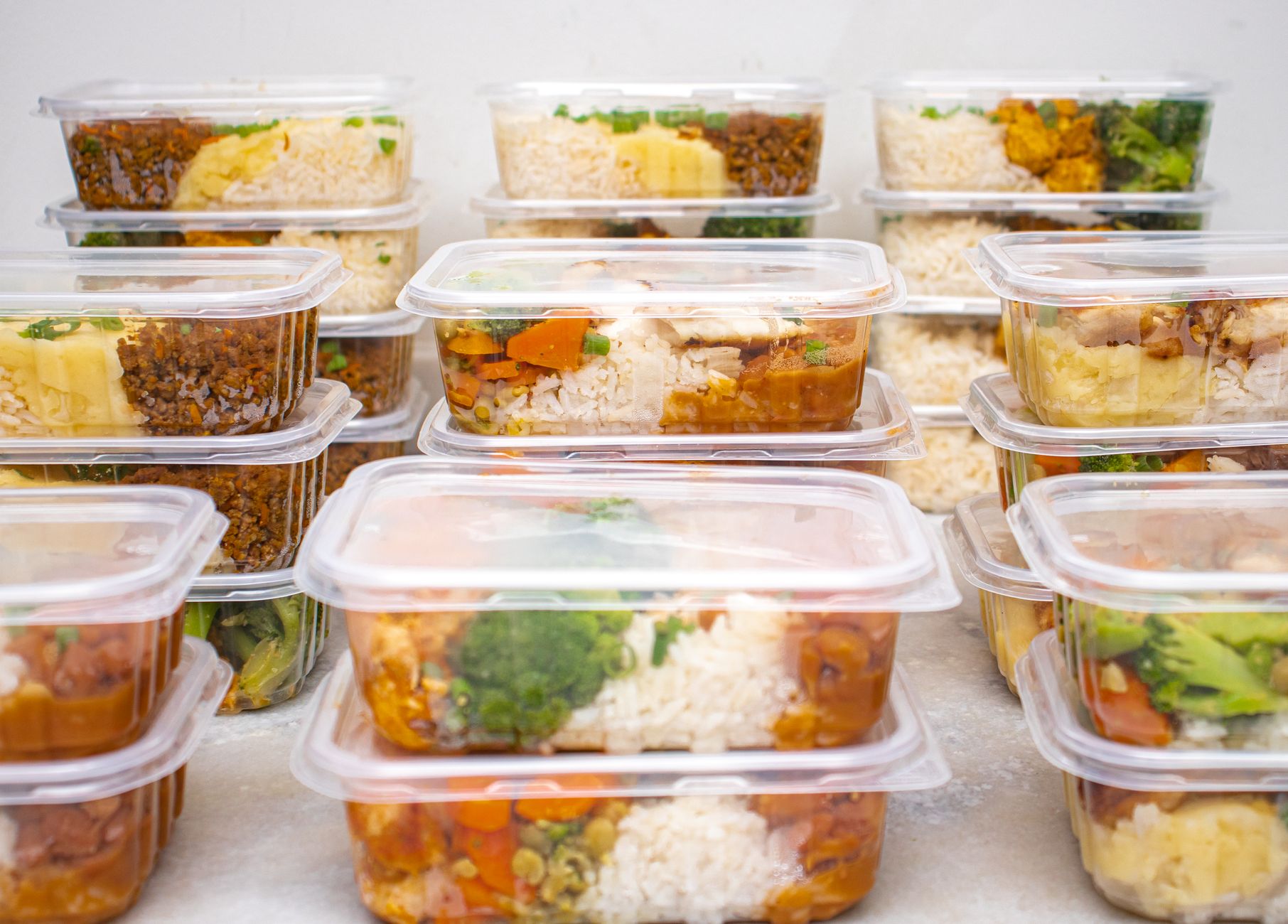
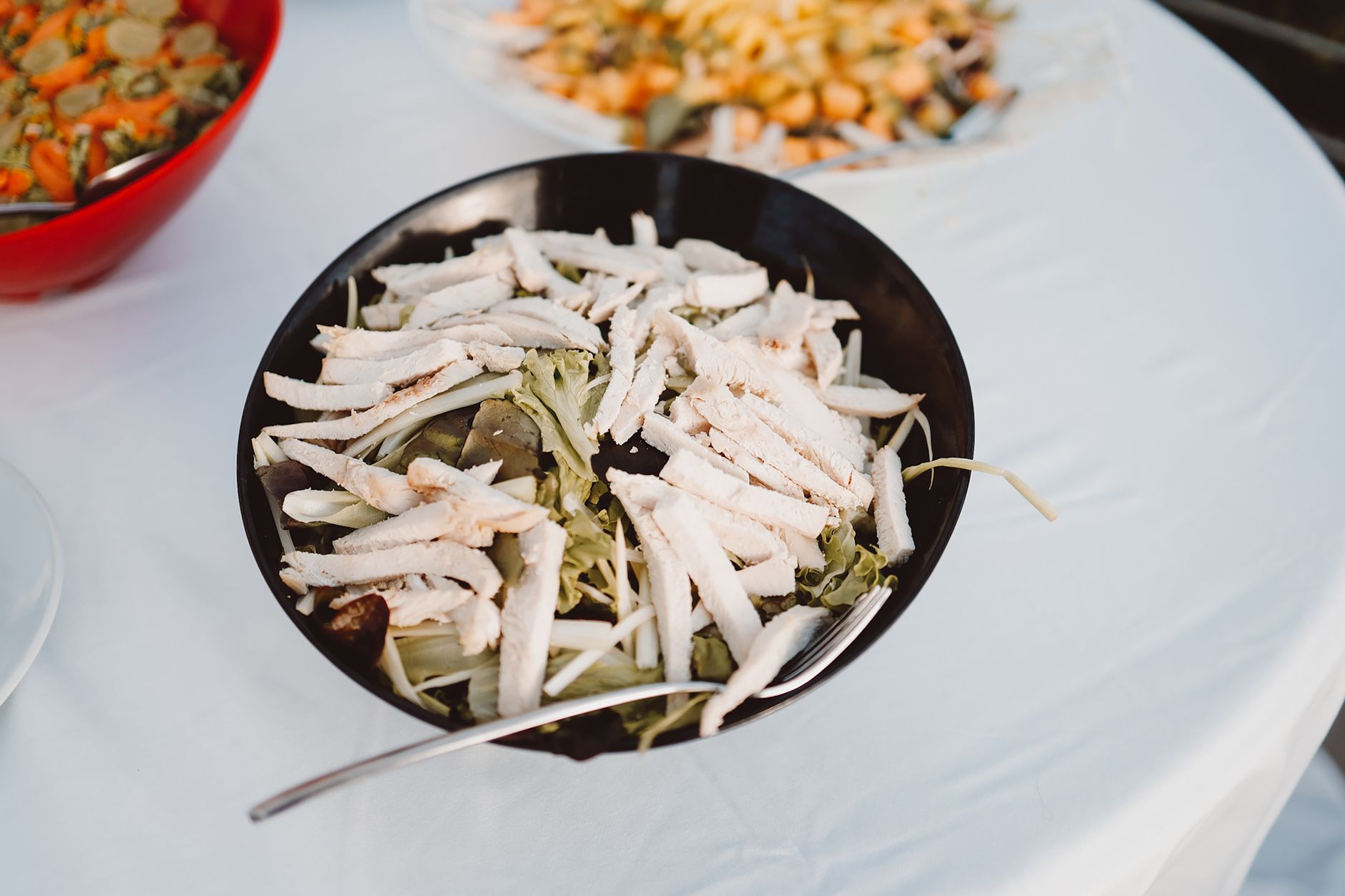
1. **Batch-cook proteins:** Grill a whole chicken or bake a tray of chicken breasts on Sunday. Use them all week in salads, wraps, or pasta dishes.
2. **Pre-cut veggies:** Buy pre-washed greens or chop veggies yourself and store them in containers. Toss them into soups, stir-fries, or salads in seconds.
3. **Use slow cooker magic:** Throw in chicken, veggies, and broth in the morning, and dinner is ready by evening. Try a turkey chili or a lentil soup.
4. **Frozen is fine:** Frozen veggies, pre-cooked quinoa, and even some proteins (like shrimp or salmon) can save time without sacrificing nutrition.
5. **Double-duty meals:** Make a big pot of soup or stew, and use leftovers for lunches or quick dinners. For example, a lentil soup can turn into a salad the next day.
Here’s a **30-minute meal prep plan** to get you started:
Sunday:
- Cook 1 lb ground turkey and portion into freezer bags.
- Roast a whole chicken and shred for wraps or salads.
- Steam a big batch of veggies (broccoli, carrots, zucchini) and store in containers.
- Make a big salad with greens, cherry tomatoes, and cucumber. Store dressing separately.
Monday–Friday:
- **Monday:** Use pre-cooked turkey in a quick chili with canned beans and diced tomatoes. Serve with a side of steamed veggies.
- **Tuesday:** Toss together a turkey wrap with whole-grain tortilla, pre-cut veggies, and a dollop of Greek yogurt.
- **Wednesday:** Heat up the lentil soup and top with a handful of pre-cooked quinoa.
- **Thursday:** Pan-sear frozen shrimp with garlic and lemon. Serve over a bed of pre-washed greens.
- **Friday:** Use leftover chicken in a quick stir-fry with frozen veggies and soy sauce.
Pro tip: Keep a list of your family’s favorite quick meals on the fridge. When you’re exhausted, you can grab one and be done in 10 minutes.
For more easy meal prep ideas, check out our AIP Elimination Diet Dinner Recipes—they’re another great way to simplify healthy eating without the stress.
--- ## Volumetrics Diet Dinner Recipes for Pregnant Women: Safe and Nutrient-Dense MealsPregnancy comes with extra nutritional needs, but that doesn’t mean you have to eat for two in the traditional sense. The volumetrics diet can actually help pregnant women manage cravings, avoid excess weight gain, and stay energized—without feeling deprived. Here’s how to adapt it for pregnancy, along with safe and delicious dinner ideas.
**Key adjustments for pregnancy:**
- Increase calories slightly: Most pregnant women need about 300–500 extra calories per day, but the volumetrics diet helps you add those calories in a way that keeps you full. Focus on nutrient-dense foods like lean proteins, whole grains, and healthy fats.
- Avoid high-mercury fish: Stick to low-mercury options like salmon, sardines, or tilapia. Skip tuna (especially albacore) and swordfish.
- Prioritize iron and folate: Lean meats, lentils, and fortified whole grains help meet these needs without excess calories.
- Stay hydrated: Water-rich foods like cucumbers, watermelon, and soups are great volumetrics staples that also help with hydration.
- Avoid raw or undercooked foods: Pregnancy weakens your immune system, so stick to well-cooked meats, eggs, and veggies.
Here are three volumetrics dinner recipes that are safe and nourishing for pregnancy:
1. Grilled Chicken with Sweet Potato Mash and Steamed Broccoli
Why it works: Chicken is a lean protein, sweet potatoes add fiber and vitamin A, and broccoli is packed with folate.
Ingredients:
- 1 chicken breast (6 oz)
- ½ medium sweet potato, peeled and cubed
- 1 cup broccoli florets
- 1 tbsp olive oil
- ½ tsp paprika
- Salt and pepper to taste
Instructions:
- Preheat oven to 400°F (200°C). Toss sweet potato cubes with ½ tbsp olive oil, paprika, salt, and pepper. Roast for 20 minutes.
- While sweet potatoes cook, grill or pan-sear chicken with remaining olive oil, salt, and pepper until fully cooked.
- Steam broccoli for 5 minutes until tender.
- Mash sweet potatoes slightly with a fork and serve with chicken and broccoli.
Serving size: 1 chicken breast + ½ cup sweet potato mash + 1 cup broccoli (~300 calories).
2. Lentil and Spinach Curry with Brown Rice
Why it works: Lentils are high in iron and fiber, and spinach adds folate. Brown rice provides slow-release energy.
Ingredients:
- ½ cup dried lentils, rinsed
- 1 cup low-sodium chicken broth
- 1 cup fresh spinach
- ½ cup brown rice, cooked
- 1 tbsp coconut milk (light)
- 1 tsp curry powder
- ½ tsp turmeric
- 1 tbsp olive oil
Instructions:
- In a pot, sauté lentils in olive oil for 2 minutes. Add broth, curry powder, and turmeric. Simmer for 20 minutes.
- Stir in spinach until wilted.
- Serve over cooked brown rice with a drizzle of coconut milk.
Serving size: ½ cup lentils + ½ cup rice + 1 cup spinach (~350 calories).
3. Baked Salmon with Roasted Brussels Sprouts and Quinoa
Why it works: Salmon is rich in omega-3s for baby’s brain development, and Brussels sprouts add fiber and vitamin K.
Ingredients:
- 1 salmon fillet (6 oz)
- 1 cup Brussels sprouts, halved
- ½ cup cooked quinoa
- 1 tbsp olive oil
- 1 tsp Dijon mustard
- Lemon wedge
Instructions:
- Preheat oven to 375°F (190°C). Toss Brussels sprouts with olive oil, salt, and pepper. Roast for 20 minutes.
- Mix salmon with Dijon mustard and bake for 12–15 minutes.
- Serve salmon over quinoa with roasted Brussels sprouts and lemon.
Serving size: 1 salmon fillet + ½ cup quinoa + 1 cup Brussels sprouts (~380 calories).
--- ## Volumetrics Diet Dinner Recipes: The 7-Day Meal Plan to Stay on TrackReady to commit to the volumetrics diet? A structured meal plan takes the guesswork out of portion control and keeps you full without excess calories. Below is a **7-day dinner plan** with easy recipes, portion sizes, and calorie estimates. Pair these with volumetrics-friendly breakfasts and snacks (like Greek yogurt, fruit, or veggie sticks) for a balanced day.
Day 1: Lemon-Garlic Shrimp with Roasted Zucchini (~150 calories)
- 4 oz shrimp
- 1 cup roasted zucchini
- Side salad: 2 cups mixed greens + 1 tbsp balsamic vinegar
Day 2: Turkey and Black Bean Chili (~200 calories)
- 1 cup chili
- 1 slice whole-grain toast
- 1 cup steamed broccoli
Day 3: Baked Chicken with Quinoa and Roasted Veggies (~350 calories)
- 6 oz chicken breast
- ½ cup cooked quinoa
- 1 cup mixed roasted veggies
Day 4: Spinach and Ricotta Stuffed Shells (~250 calories)
- 2 stuffed shells
- ¼ cup marinara sauce
- Side of garlic bread (1 small slice, whole-grain)
Day 5: Tuna-Stuffed Avocado (~250 calories)
- 1 avocado half
- 5 oz canned tuna
- 1 cup cherry tomatoes
Day 6: Grilled Salmon with Asparagus and Quinoa (~350 calories)
- 6 oz salmon
- 1 cup asparagus
- ½ cup quinoa
Day 7: Spicy Tofu Stir-Fry with Broccoli (~180 calories)
- 1 cup stir-fry
- 1


