Yes, you can thrive on a vegetarian diet during pregnancy! Discover abundant plant-based protein sources like lentils, beans, tofu, and nuts to meet your needs. Learn how to ensure adequate intake for a healthy mom and baby, making vegetarian pregnancy protein sources easy to find.
By Shubhra Mishra — a mom of two who turned her own confusion during pregnancy into BumpBites, a global mission to make food choices clear, safe, and stress-free for every expecting mother. 💛
Check whether any food is safe during pregnancy with the BumpBites Food Safety Checker.
Quick take: Eating a vegetarian diet during pregnancy can be perfectly healthy and provide all the nutrients you and your baby need, as long as it's well-planned. Focus on a variety of plant-based protein sources like legumes, nuts, seeds, and whole grains, and pay special attention to iron, vitamin B12, and omega-3s. Always chat with your doctor or a registered dietitian to ensure your diet meets your unique pregnancy needs.
You’ve just found out you're pregnant, and suddenly every food choice feels like a monumental decision. If you're vegetarian, you might be wondering, "Can I really get enough protein for my growing baby without meat?" It’s a common and understandable concern, but we're here to tell you that a well-planned vegetarian pregnancy can be incredibly nourishing for both you and your little one.
In fact, many expecting parents find that pregnancy is a great time to lean into healthy eating habits, and a vegetarian diet, with its emphasis on whole, unprocessed foods, can naturally support this. The key is knowing which plant-based powerhouses to include and how to combine them to meet your increased nutritional demands.
This article will walk you through everything you need to know about getting ample protein and other vital nutrients while pregnant and vegetarian. We’ll cover daily protein needs, the best plant-based sources, practical meal ideas, and how to safeguard against common deficiencies, so you can feel confident and calm about your choices.
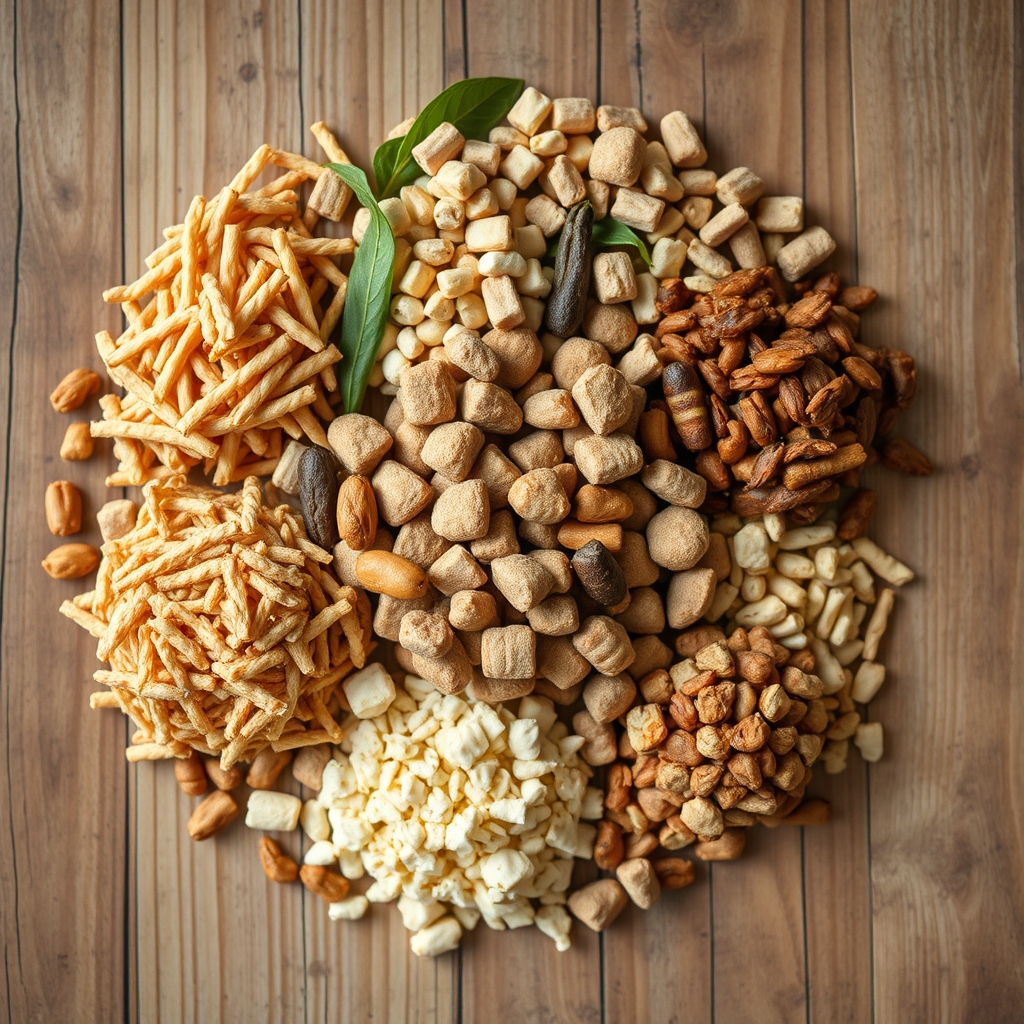
Filling your plate with a variety of plant-based proteins is key for a healthy vegetarian pregnancy.
What are the best plant-based protein sources for pregnant vegetarians?
When you're pregnant, your body needs extra protein to support your baby's rapid growth and your own bodily changes, like increased blood volume and tissue development. As a vegetarian, you have a fantastic array of plant-based options to choose from that are packed with protein and other essential nutrients. The trick is to ensure you're getting "complete proteins" or combining sources to get all nine essential amino acids your body can't make on its own.
Complete plant-based proteins are foods that contain all nine essential amino acids. These are your superstars:
Soy products: Tofu, tempeh, and edamame are excellent sources. Tofu is incredibly versatile, taking on the flavor of whatever you cook it with. Tempeh, made from fermented soybeans, offers a firmer texture and a nutty flavor, plus probiotics. Edamame (young soybeans) makes a great snack or addition to salads.
Quinoa: This ancient grain is unique because it's a complete protein, a rarity among grains. It's also a good source of fiber, iron, and magnesium. Use it as a base for salads, a side dish, or even in breakfast bowls.
Buckwheat: Often mistaken for a grain, buckwheat is actually a fruit seed related to rhubarb. It's another complete protein that's gluten-free and rich in fiber and minerals.
Hemp seeds: These tiny seeds are a nutritional powerhouse, offering complete protein, omega-3 and omega-6 fatty acids, and minerals like magnesium. Sprinkle them on salads, yogurt, or blend into smoothies.
Chia seeds: Like hemp seeds, chia seeds provide complete protein, omega-3s, and a significant amount of fiber. They absorb liquid to form a gel, making them perfect for puddings, overnight oats, or as an egg substitute in baking.
Spirulina: This blue-green algae is one of the most protein-dense foods on the planet, offering a complete amino acid profile. It's usually consumed in powder form, added to smoothies or juices.
Beyond these complete proteins, many other plant foods offer significant protein and should be regular features in your diet. When combined thoughtfully, these "incomplete" proteins can form a complete amino acid profile:
Legumes (beans and lentils): Chickpeas, black beans, kidney beans, pinto beans, and all varieties of lentils are staples. They're not only protein-rich but also packed with fiber, iron, and folate. A classic example of combining incomplete proteins for a complete profile is rice and beans.
Nuts and seeds: Almonds, peanuts, cashews, walnuts, pumpkin seeds, sunflower seeds, and flaxseeds all contribute protein, healthy fats, and various vitamins and minerals. Nut butters are also excellent.
Whole grains: Oats, brown rice, whole wheat bread, and pasta contribute protein along with complex carbohydrates and fiber.
Vegetables: While not as protein-dense as legumes or soy, certain vegetables like spinach, broccoli, asparagus, and potatoes add valuable protein to your overall intake, especially when consumed in larger quantities.
Nutritional yeast: Often used to add a cheesy flavor to dishes, nutritional yeast is also a fantastic source of protein and B vitamins, including B12, which is crucial for vegetarians.
Don't feel like you need to eat a complete protein at every single meal. Your body is smart and can combine amino acids from different foods eaten throughout the day to form complete proteins. The goal is variety and consistency.
Here’s a quick look at some top plant-based protein sources and their typical protein content:
Food Item (Approx. 1/2 cup serving)
Protein (grams)
Additional Benefits
Tofu, firm (1/2 cup)
10-12
Calcium, iron, versatile
Tempeh (1/2 cup)
16-19
Probiotics, fiber, iron
Edamame, shelled (1/2 cup)
9-11
Fiber, folate, vitamin K
Lentils, cooked (1/2 cup)
9
Iron, fiber, folate
Chickpeas, cooked (1/2 cup)
7-8
Fiber, iron, manganese
Black Beans, cooked (1/2 cup)
7-8
Fiber, folate, magnesium
Quinoa, cooked (1/2 cup)
4
Fiber, iron, magnesium, complete protein
Peanuts (1/4 cup)
9
Healthy fats, niacin
Almonds (1/4 cup)
6
Vitamin E, magnesium, healthy fats
Hemp Seeds (2 tbsp)
6-7
Omega-3s, magnesium, zinc, complete protein
Chia Seeds (2 tbsp)
4-5
Omega-3s, fiber, calcium, complete protein
Nutritional Yeast (2 tbsp)
8
B vitamins (including B12), folate
How much protein does a pregnant vegetarian need daily?
Your protein needs increase significantly during pregnancy, particularly as your baby grows. While individual needs can vary based on your pre-pregnancy weight, activity level, and the stage of your pregnancy, there are general guidelines to aim for.
According to the American College of Obstetricians and Gynecologists (ACOG) and other leading health organizations, most non-pregnant women need about 46 grams of protein per day. During pregnancy, this recommendation typically increases to around 71 grams per day starting in the second trimester, and sometimes even more in the third trimester. Some experts suggest even higher amounts, up to 100 grams, especially for active individuals or those carrying multiples. This means you're generally looking at an additional 25 grams of protein daily compared to when you weren't pregnant.
Here’s a general breakdown by trimester:
First Trimester (Weeks 1-13): Your protein needs are similar to your pre-pregnancy needs, typically around 60 grams per day. While your baby is tiny, crucial development is happening, and protein is fundamental for cell formation.
Second Trimester (Weeks 14-27): This is when your baby starts growing rapidly, and your blood volume expands significantly. Your protein needs jump to about 71 grams per day. This extra protein supports your baby's organ and tissue development, as well as your growing uterus and breast tissue.
Third Trimester (Weeks 28-40): Your baby is putting on weight and growing quickly, so your protein needs remain elevated, generally around 71 grams or slightly more. Adequate protein helps ensure your baby reaches a healthy birth weight and continues to develop strong muscles and bones.
Why is this extra protein so vital? Protein is the building block for every cell in your body and your baby's body. It's essential for:
Fetal growth and development: Protein forms your baby's muscles, bones, skin, hair, and organs.
Placenta development: The placenta, which provides oxygen and nutrients to your baby, is also made of protein.
Maternal tissue growth: Your uterus grows, your breast tissue prepares for milk production, and your blood volume increases, all requiring extra protein.
Enzyme and hormone production: Protein is needed to create the enzymes and hormones that regulate countless bodily functions for both you and your baby.
Immune function: Adequate protein supports a strong immune system, which is especially important during pregnancy.
Meeting these higher protein needs on a vegetarian diet means being mindful of your food choices throughout the day. It’s not just about adding a single high-protein item; it’s about making protein a component of every meal and snack. Think about combining different plant-based protein sources to hit your daily target. For example, a breakfast of oatmeal with nuts and seeds, a lunch of lentil soup with whole-grain bread, and a dinner of tofu stir-fry with quinoa can easily get you there.
Are protein supplements safe for vegetarian pregnant women?
The best way to get your protein during pregnancy is always through whole foods. They provide a complex matrix of nutrients – fiber, vitamins, minerals, and antioxidants – that supplements simply can't replicate. However, we know that pregnancy can bring challenges like severe morning sickness, food aversions, or simply not enough time to prepare elaborate meals. In these situations, protein supplements might be considered, but it's crucial to approach them with caution and always under the guidance of your healthcare provider or a registered dietitian.
When might a supplement be considered?
Persistent nausea or vomiting: If you're struggling to keep solid food down and your intake is severely limited.
Extreme food aversions: If you can't tolerate common protein-rich vegetarian foods.
High activity levels: If you're an athlete or have particularly high energy expenditure.
Multiple pregnancy: Carrying twins or more significantly increases your nutritional demands.
Inadequate weight gain: If your provider is concerned about your weight gain or your baby's growth.
Types of plant-based protein powders:
If a supplement is deemed necessary, look for plant-based options. Common types include:
Pea protein: Made from yellow peas, it's easily digestible and a complete protein.
Rice protein: Often combined with pea protein to create a complete amino acid profile.
Hemp protein: Contains healthy fats and fiber in addition to protein.
Soy protein: A complete protein, but some prefer to limit isolated soy protein during pregnancy.
Safety considerations for protein supplements in pregnancy:
Consult your healthcare provider: This is the most important step. They can assess your individual needs and advise if a supplement is appropriate and which type to choose.
Look for third-party tested brands: The supplement industry isn't as tightly regulated as pharmaceuticals. Choose brands that undergo third-party testing (e.g., by NSF International, USP, or ConsumerLab) to ensure purity, potency, and absence of harmful contaminants like heavy metals, pesticides, or unlisted ingredients.
Avoid unnecessary additives: Steer clear of powders with artificial sweeteners, excessive amounts of sugar, artificial colors, or other unfamiliar ingredients. Simpler is generally better.
Check for vitamins and minerals: Some protein powders are fortified with vitamins and minerals. Be careful not to exceed recommended daily allowances, especially if you're already taking a prenatal vitamin. Too much of certain nutrients can be harmful.
Listen to your body: Some women experience digestive upset with protein powders. Start with a small amount and see how you feel.
Remember, protein supplements are meant to *supplement* your diet, not replace whole foods. A smoothie with a scoop of tested pea protein, fresh fruit, spinach, and fortified plant milk can be a good way to boost nutrient intake when whole foods are difficult. But it should always be part of a broader, balanced approach to eating.
What are easy vegetarian protein meal ideas for pregnancy?
Eating well during pregnancy, especially when you're vegetarian, doesn't have to be complicated or require gourmet cooking skills. The goal is to make protein a central component of each meal without adding extra stress to your busy schedule. Here are some easy, delicious, and pregnancy-friendly vegetarian meal ideas:
Breakfast ideas
Tofu Scramble: A fantastic savory option. Crumble firm tofu and sauté it with turmeric (for color), nutritional yeast (for cheesy flavor and B12), and your favorite vegetables like spinach, mushrooms, and bell peppers. Serve with a slice of whole-grain toast.
Protein-Packed Oatmeal or Porridge: Cook rolled oats with fortified plant milk (soy or pea milk are good for protein). Stir in a tablespoon of chia seeds or hemp seeds, a handful of chopped nuts (almonds, walnuts), and fresh berries. A spoonful of nut butter adds even more protein and healthy fats.
Yogurt Parfait (Dairy or Plant-Based): Layer high-protein Greek-style plant-based yogurt (like soy or almond-based) with granola, nuts, seeds, and fruit. If you consume dairy, Greek yogurt is a protein superstar.
Nut Butter and Banana Toast: Spread whole-grain toast with generous amounts of peanut, almond, or cashew butter. Top with sliced banana or berries and a sprinkle of hemp seeds.
Lunch ideas
Hearty Lentil Soup or Chili: Prepare a big batch of lentil soup or bean chili at the beginning of the week. It's packed with protein, fiber, and iron. Serve with a side of whole-grain bread or a dollop of plant-based yogurt.
Chickpea Salad Sandwich/Wrap: Mash chickpeas with a little vegan mayo or avocado, diced celery, red onion, and your favorite seasonings (dill, mustard). Serve on whole-grain bread or in a whole-wheat wrap with plenty of fresh greens.
Quinoa Salad Bowl: Cooked quinoa forms an excellent base. Add black beans, corn, bell peppers, avocado, and a lime-cilantro dressing. You can also add crumbled feta (if consuming dairy) or marinated tofu for extra protein.
Leftover Tofu/Tempeh Stir-fry: If you made a stir-fry for dinner, pack the leftovers! It's an easy way to get a balanced meal with protein, veggies, and whole grains.
Dinner ideas
Black Bean Burgers: Make homemade black bean burgers or choose a high-quality store-bought vegetarian patty. Serve on a whole-grain bun with all the fixings and a side salad.
Tofu/Tempeh Curry or Stir-fry: Sauté cubed tofu or tempeh with a colorful mix of vegetables (broccoli, carrots, snow peas) and a rich curry sauce or stir-fry sauce. Serve over brown rice or quinoa.
Lentil Shepherd's Pie: A comforting and protein-rich meal. Replace the meat in a traditional shepherd's pie with a savory lentil and vegetable filling, topped with mashed potatoes or sweet potatoes.
High-Protein Pasta Dishes: Use chickpea or lentil pasta (which has significantly more protein than regular pasta). Toss with a robust marinara sauce, cannellini beans, and plenty of sautéed greens like spinach or kale.
Bean and Veggie Burrito Bowls: Build a bowl with brown rice, black beans, pinto beans, roasted sweet potatoes, salsa, guacamole, and a sprinkle of nutritional yeast.
The key is to think about how you can incorporate at least two good protein sources into each meal. For example, a pasta dish with lentil pasta *and* some added beans. Or a salad with quinoa *and* chickpeas. Small additions add up quickly!
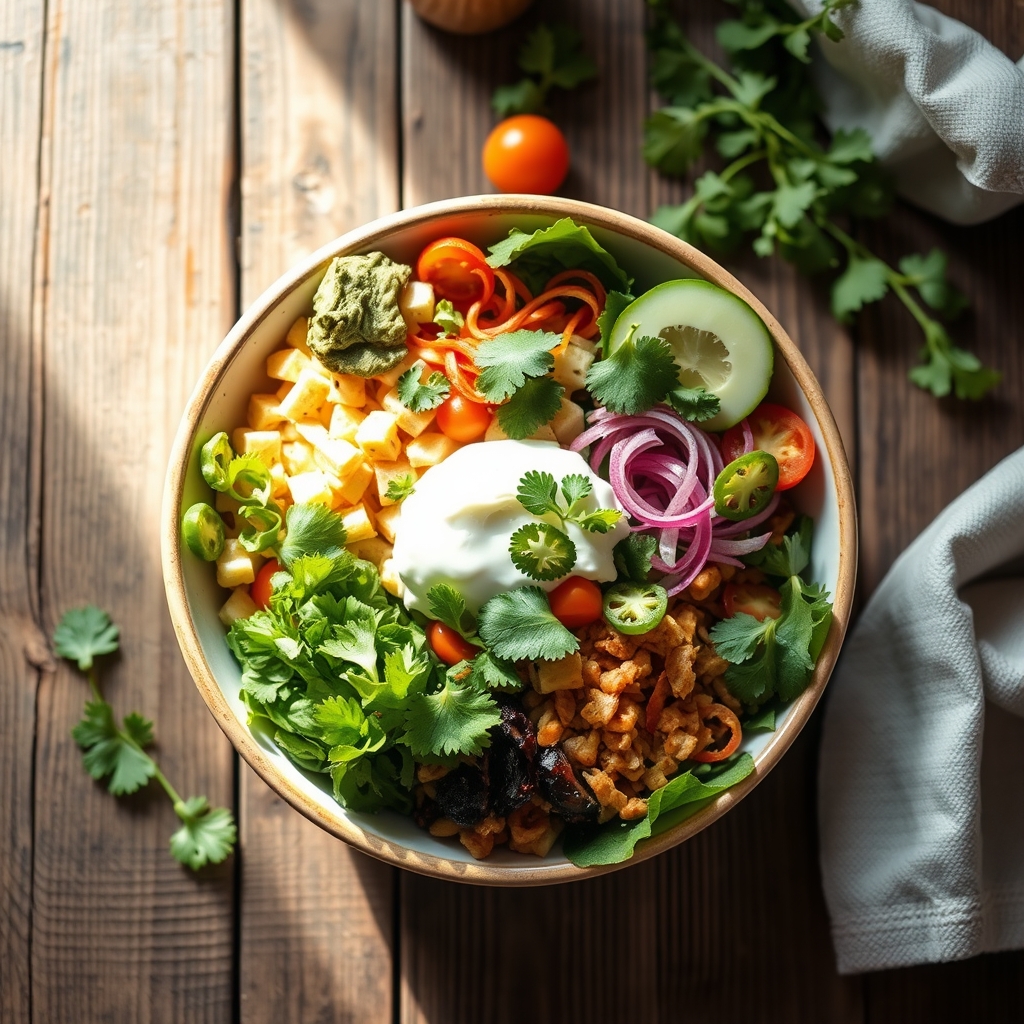
Burrito bowls are endlessly customizable and a fantastic way to pack in plant-based protein and fiber.
How to get enough iron and B12 on a vegetarian pregnancy diet?
While protein is often the first concern for vegetarians, iron and vitamin B12 are two other critical nutrients that require special attention during pregnancy, especially on a plant-based diet. Your needs for both significantly increase, and deficiencies can have serious implications for both you and your baby.
Iron
Iron is essential for making hemoglobin, the protein in red blood cells that carries oxygen to your tissues and to your baby. During pregnancy, your blood volume increases by about 50%, requiring much more iron. Iron deficiency anemia can lead to fatigue, weakness, and an increased risk of preterm birth or low birth weight.
Recommended daily intake: Pregnant women need about 27 mg of iron per day, compared to 18 mg for non-pregnant women.
Best vegetarian iron sources:
Legumes: Lentils, chickpeas, black beans, kidney beans, and white beans are excellent sources.
Dark leafy greens: Spinach, kale, collard greens, and Swiss chard.
Fortified cereals and grains: Many breakfast cereals, breads, and pastas are fortified with iron. Check labels.
Tofu and tempeh: Soy products are good contributors.
Nuts and seeds: Cashews, pumpkin seeds, and sesame seeds (tahini).
Dried fruits: Apricots, prunes, and raisins (consume in moderation due to sugar content).
Other vegetables: Potatoes, broccoli, and Brussels sprouts also contain some iron.
Boost iron absorption: Plant-based iron (non-heme iron) is not absorbed as efficiently as iron from animal sources (heme iron). To maximize absorption:
Pair with Vitamin C: Always consume iron-rich plant foods with a source of Vitamin C. This is a game-changer for absorption. Think spinach salad with orange segments, lentils with bell peppers, or fortified cereal with strawberries.
Avoid certain inhibitors: Coffee, tea, and calcium-rich foods (including dairy and calcium supplements) can inhibit iron absorption. Try to consume these a few hours apart from your iron-rich meals.
Cook in cast iron: Cooking acidic foods in cast iron pots can leach some iron into your food.
Iron supplementation: Your doctor will likely monitor your iron levels throughout pregnancy. If your levels are low, they may recommend an iron supplement. Do not start an iron supplement without medical advice, as too much iron can be harmful.
Vitamin B12
Vitamin B12 is crucial for nerve function, red blood cell formation, and DNA synthesis – all vital for your baby's brain and spinal cord development. Since B12 is primarily found in animal products, it's the most common deficiency concern for vegetarians and especially vegans.
Recommended daily intake: Pregnant women need about 2.6 mcg of B12 per day.
Best vegetarian B12 sources:
Fortified foods: This is your primary source. Look for plant milks (soy, almond, oat), breakfast cereals, and nutritional yeast that are fortified with B12.
Nutritional yeast: (as mentioned above) is a particularly good source if it's fortified.
Eggs and dairy: If your vegetarian diet includes these, they are good sources of B12.
B12 supplementation: Because plant-based sources are limited to fortified foods, a B12 supplement is often recommended for pregnant vegetarians and is essential for vegans. Your prenatal vitamin should contain B12, but check the dosage and discuss with your doctor if you need an additional supplement. Deficiency can lead to serious developmental problems for your baby.
Regular blood tests are important to monitor your levels of both iron and B12 during pregnancy, allowing your healthcare provider to recommend appropriate dietary adjustments or supplements if needed.
What are common protein deficiencies in vegetarian pregnancy and how to avoid them?
While a well-planned vegetarian diet can be incredibly healthy during pregnancy, specific nutrient deficiencies can arise if you're not mindful. Beyond protein itself, the most common concerns for expecting vegetarian parents often revolve around micronutrients that are abundant in meat but can be harder to obtain from plants. The good news is that with a little knowledge and planning, these can be easily avoided.
1. Iron Deficiency
Why it's common: As discussed, plant-based (non-heme) iron is less bioavailable than animal-based (heme) iron. Pregnancy significantly increases iron needs.
Symptoms: Fatigue, weakness, pale skin, shortness of breath, dizziness, cold hands and feet. Severe deficiency can lead to anemia, increasing risks for both mother and baby.
Pair with Vitamin C: Always eat iron-rich foods with a source of Vitamin C (citrus fruits, bell peppers, tomatoes, broccoli) to boost absorption.
Time nutrient intake: Avoid consuming coffee, tea, and calcium supplements/dairy close to iron-rich meals.
Regular monitoring: Your doctor will check your iron levels. Be prepared to take an iron supplement if advised.
2. Vitamin B12 Deficiency
Why it's common: B12 is almost exclusively found in animal products.
Symptoms: Extreme fatigue, weakness, numbness or tingling, difficulty walking, memory loss, and a sore tongue. For the baby, severe deficiency can lead to irreversible neurological damage and developmental delays.
How to avoid:
Fortified foods are key: Regularly consume B12-fortified plant milks, breakfast cereals, and nutritional yeast.
Supplementation: A B12 supplement is often recommended for all vegetarians during pregnancy, and it's essential for vegans. Ensure your prenatal vitamin contains adequate B12, or take a separate supplement as advised by your healthcare provider.
3. Omega-3 Fatty Acids (especially DHA)
Why it's common: DHA (docosahexaenoic acid) is crucial for your baby's brain and eye development. While ALA (alpha-linolenic acid) is found in plant foods, converting it to DHA is inefficient in the body.
Symptoms: While not immediately obvious, low maternal DHA levels can impact fetal development and potentially increase the risk of preterm birth.
How to avoid:
ALA-rich foods: Include flaxseeds, chia seeds, hemp seeds, and walnuts in your diet. These provide the precursor (ALA).
Algae-based DHA supplements: Many experts recommend a direct DHA supplement derived from algae for pregnant vegetarians/vegans. Discuss this with your doctor.
4. Zinc Deficiency
Why it's common: Zinc is vital for cell growth and immune function. Plant sources of zinc can be less bioavailable due to phytates.
Symptoms: Impaired immune function, poor wound healing, and potential growth restrictions for the baby.
Soaking and sprouting: Soaking and sprouting legumes and grains can improve zinc absorption.
5. Calcium Deficiency
Why it's common: Calcium is critical for your baby's bone and teeth development and maintaining your own bone density. While dairy is a common source, a well-planned plant-based diet can provide enough.
Symptoms: Can lead to maternal bone loss if dietary intake isn't sufficient to meet fetal needs.
How to avoid:
Calcium-rich plant foods: Fortified plant milks (soy, almond, oat), fortified orange juice, tofu (calcium-set), dark leafy greens (collard greens, kale, bok choy), sesame seeds/tahini, almonds, and fortified cereals.
Don't forget Vitamin D: Vitamin D is essential for calcium absorption. Get sunlight exposure (safely) and ensure your prenatal vitamin has adequate Vitamin D.
The key to avoiding these deficiencies is consistent variety in your diet, paying attention to food pairings (like iron and Vitamin C), and regular communication with your healthcare provider. They can help monitor your levels and recommend supplements if necessary, ensuring both you and your baby thrive.
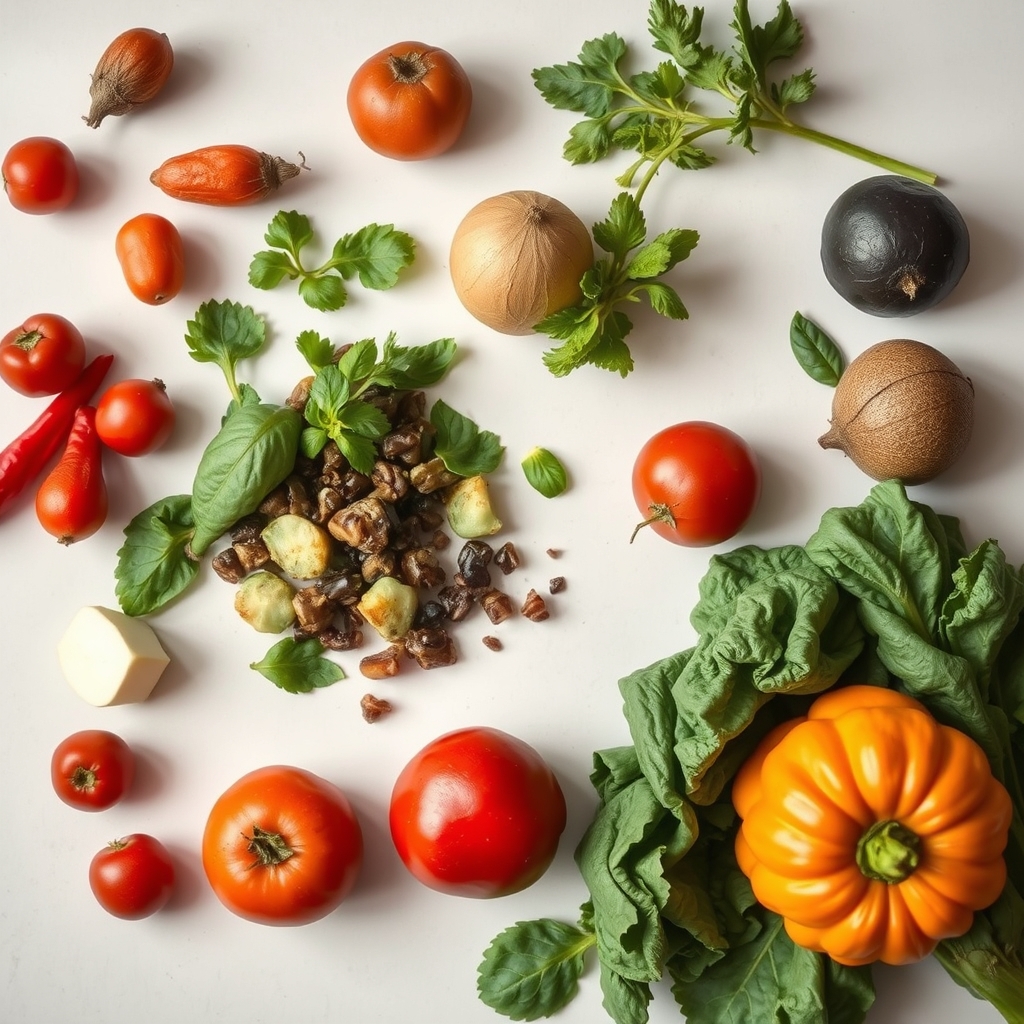
Focus on nutrient-dense plant foods and fortified options to meet your iron and B12 needs.
High protein vegetarian snacks for pregnancy on the go
When you're pregnant, snacking isn't just a treat – it's often a necessity. Small, frequent meals and snacks can help manage nausea, keep your energy levels steady, and ensure you're getting enough nutrients for your growing baby. For vegetarian moms-to-be, having high-protein, easy-to-grab snacks on hand is a game-changer. They help bridge the gap between meals and prevent those "hangry" moments.
Here are some fantastic, high-protein vegetarian snack ideas that are perfect for when you're busy, on the go, or just need a quick boost:
Edamame: Steamed edamame, either in the pod or shelled, is a complete protein and a great source of fiber. A half-cup serving provides around 9-11 grams of protein. Keep a bag in your freezer for a quick microwaveable snack.
Hummus and Veggies/Whole-Grain Crackers: Hummus, made from chickpeas, is a protein-packed dip. Pair it with carrot sticks, cucumber slices, bell pepper strips, or sturdy whole-grain crackers for a satisfying crunch and fiber boost.
Nut Butter with Apple Slices or Celery: A classic for a reason! Spread a generous amount of peanut, almond, or cashew butter onto apple slices or celery sticks. Add a sprinkle of chia or hemp seeds for extra protein and omega-3s.
Mixed Nuts and Seeds: A small handful of almonds, walnuts, cashews, pumpkin seeds, and sunflower seeds offers a good dose of protein, healthy fats, and minerals. Pre-portion into small bags for easy grab-and-go.
Roasted Chickpeas: Crispy, savory, and satisfying. Toss canned chickpeas with olive oil and your favorite spices (paprika, cumin, garlic powder) and roast until crunchy. A perfect alternative to chips.
Hard-Boiled Eggs (if consuming dairy/eggs): If your vegetarian diet includes eggs, hard-boiled eggs are a super convenient and complete protein source. Boil a batch at the start of the week for quick access.
Greek-Style Plant-Based Yogurt (or Dairy): Choose a high-protein variety (like soy or almond-based Greek-style yogurt). Top with a few berries and a sprinkle of chopped nuts or seeds for an extra boost.
Cottage Cheese (if consuming dairy): If you eat dairy, cottage cheese is incredibly high in protein. Pair it with fruit or savory spices.
Protein Bars: Choose wisely. Look for bars made with whole food ingredients, plant-based protein (like pea or brown rice protein), and minimal added sugars. Check for third-party testing if possible.
Smoothies: Blend fortified plant milk (soy or pea milk are great for protein), a scoop of plant-based protein powder (if approved by your doctor), spinach (you won't taste it!), banana, and a tablespoon of nut butter or chia seeds.
Mini Bean Burritos: Warm a small whole-wheat tortilla, spread with refried beans (check for vegetarian versions), add a sprinkle of cheese (if consuming dairy) or nutritional yeast, and a dash of salsa.
The key is preparation. Spend a little time on the weekend prepping some of these snacks so they're ready to grab when hunger strikes. Your future self (and your baby!) will thank you!
Can a vegetarian diet during pregnancy be healthy for the baby?
Absolutely, yes! A well-planned vegetarian diet during pregnancy can be incredibly healthy for both you and your developing baby. In fact, many health organizations, including the Academy of Nutrition and Dietetics, state that vegetarian and vegan diets are appropriate for all stages of life, including pregnancy, provided they are nutritionally adequate. The emphasis here is on "well-planned."
Benefits for mom and baby
Richer in Fiber: Vegetarian diets tend to be higher in fiber, which is fantastic for pregnancy. Fiber helps prevent common pregnancy complaints like constipation and hemorrhoids, and it can also help regulate blood sugar levels, potentially reducing the risk of gestational diabetes.
Abundant in Vitamins and Minerals: Plant-based diets are naturally rich in many vitamins (like folate, Vitamin C, Vitamin E) and minerals (like potassium, magnesium). Folate, in particular, is crucial in early pregnancy for preventing neural tube defects.
Lower Saturated Fat and Cholesterol: Typically, vegetarian diets are lower in saturated fat and cholesterol, which can contribute to better heart health for the mother.
Emphasis on Whole Foods: A vegetarian pregnancy naturally encourages a focus on whole, unprocessed foods like fruits, vegetables, legumes, whole grains, nuts, and seeds. This means fewer empty calories and more nutrient density.
Potential for Healthy Weight Gain: While not guaranteed, a diet rich in plant foods can help support healthy, steady weight gain during pregnancy, which is beneficial for both maternal and fetal outcomes.
Key to success
The success of a vegetarian pregnancy diet hinges on ensuring all essential nutrients are covered. This means:
Variety is key: Eating a wide range of plant foods ensures you get a diverse array of nutrients and amino acids. Don't stick to just a few favorites.
Mindful protein intake: As we've discussed, ensure you're consistently consuming a variety of protein-rich plant foods throughout the day.
Focus on critical nutrients: Pay extra attention to iron, vitamin B12, omega-3s (especially DHA), calcium, vitamin D, and zinc. This often means including fortified foods and, in some cases, specific supplements as advised by your healthcare provider.
Calorie needs: While focusing on nutrient density, also ensure you're meeting your increased calorie needs, especially in the second and third trimesters. Plant foods can be very filling but sometimes less calorically dense than animal products.
Regular medical check-ups: Work closely with your doctor, midwife, or a registered dietitian who specializes in plant-based pregnancy. They can monitor your nutrient levels, offer personalized advice, and recommend appropriate supplementation.
Many moms successfully navigate a vegetarian pregnancy and deliver healthy, thriving babies. With proper planning, a vegetarian diet during pregnancy can be a wonderful way to nourish yourself and your little one, setting a foundation for healthy eating habits for your family.
From our medical team: "We often see expecting parents concerned about their dietary choices, especially if they follow a vegetarian or vegan lifestyle. It's important to know that a well-balanced plant-based diet can absolutely provide all the essential nutrients for a healthy pregnancy. The key is careful planning and focusing on nutrient density. Don't hesitate to partner with a registered dietitian who has expertise in plant-based nutrition during pregnancy. They can help you create a personalized plan and ensure you're meeting all your unique needs, giving you peace of mind."
Myth vs. fact
Let's clear up some common misconceptions about vegetarian pregnancy:
Myth: It's impossible for vegetarians to get enough protein during pregnancy. Fact: With careful planning and a focus on a variety of plant-based protein sources like legumes, soy products, nuts, seeds, and whole grains, it's entirely possible to meet and even exceed your protein needs. Many plant foods are surprisingly protein-rich.
Myth: A vegetarian diet during pregnancy is automatically healthier for the baby. Fact: While a well-planned vegetarian diet can offer many health benefits due to its emphasis on whole foods and fiber, an unplanned vegetarian diet (e.g., relying heavily on processed vegetarian junk food) can be just as unhealthy as any other unbalanced diet. The "healthiness" comes from the quality and variety of foods chosen, not just the absence of meat.
Myth: You can't get all the essential vitamins and minerals without eating meat. Fact: Almost all essential vitamins and minerals can be obtained from a plant-based diet, often in greater quantities than a meat-eating diet. The only exception is Vitamin B12, which must be obtained from fortified foods or supplements. Other nutrients like iron, DHA, and zinc require careful attention to sources and absorption strategies, but are readily available in plant foods.
Key takeaways
A well-planned vegetarian diet can provide all necessary nutrients for a healthy pregnancy.
Aim for around 71 grams of protein daily from the second trimester onwards, focusing on variety.
Prioritize complete plant-based proteins like tofu, tempeh, edamame, quinoa, hemp seeds, and chia seeds.
Be mindful of iron intake: pair plant-based iron sources (lentils, spinach) with Vitamin C for better absorption.
Vitamin B12 supplementation or regular consumption of fortified foods is essential for all pregnant vegetarians.
Consider an algae-based DHA supplement for your baby's brain and eye development.
Keep high-protein vegetarian snacks on hand to maintain energy and nutrient levels throughout the day.
Always consult your doctor, midwife, or a registered dietitian for personalized advice and monitoring.
Frequently asked questions
What are the best vegetarian protein sources for pregnancy?
The best vegetarian protein sources for pregnancy include complete proteins like tofu, tempeh, edamame, quinoa, hemp seeds, and chia seeds. Also incorporate a variety of legumes (lentils, beans), nuts, other seeds, and whole grains, combining them to ensure you get all essential amino acids throughout the day.
How much protein does a pregnant vegetarian need?
A pregnant vegetarian typically needs around 60 grams of protein per day in the first trimester, increasing to about 71 grams per day from the second trimester onwards. This supports your baby's growth and your body's changes, but individual needs may vary, so consult your healthcare provider.
Is a vegetarian diet safe during pregnancy?
Yes, a vegetarian diet is safe and can be very healthy during pregnancy, provided it is well-planned and nutritionally adequate. It's crucial to focus on a wide variety of plant foods and pay special attention to key nutrients like protein, iron, vitamin B12, and omega-3s, often requiring fortified foods or supplements.
What foods are high in protein for vegetarians?
High-protein vegetarian foods include soy products (tofu, tempeh, edamame), all types of lentils and beans (chickpeas, black beans), nuts (almonds, peanuts, cashews), seeds (pumpkin, sunflower, hemp, chia), quinoa, nutritional yeast, and high-protein plant-based yogurts.
How can I get enough iron as a vegetarian pregnant?
To get enough iron as a pregnant vegetarian, eat iron-rich plant foods like lentils, spinach, fortified cereals, and beans. Crucially, always pair these with a source of Vitamin C (e.g., oranges, bell peppers) to significantly boost iron absorption. Your doctor may also recommend an iron supplement.
Are protein shakes safe during pregnancy?
Protein shakes can be safe during pregnancy if used cautiously and with your healthcare provider's approval. Prioritize whole food protein sources first. If using a supplement, choose a third-party tested, plant-based powder with minimal additives. Always discuss with your doctor or a dietitian to ensure it's appropriate for your individual needs.
When to call your doctor
While a vegetarian pregnancy is generally safe and healthy, it's always important to monitor your well-being and communicate any concerns to your healthcare provider. Call your doctor or midwife if you experience:
Persistent or severe fatigue that doesn't improve with rest, as this could be a sign of iron or B12 deficiency.
Unusual cravings for non-food items (like dirt or ice), which can indicate iron deficiency (Pica).
Numbness, tingling, or unusual weakness, which could be related to B12 deficiency.
Concerns about your weight gain, either too little or too much.
Any other new or worsening symptoms that worry you.
Remember, this article is for informational purposes only and is not a substitute for professional medical advice, diagnosis, or treatment. Always seek the advice of your physician or other qualified health provider with any questions you may have regarding a medical condition.
References
American College of Obstetricians and Gynecologists (ACOG). Nutrition During Pregnancy.
Academy of Nutrition and Dietetics. Position of the Academy of Nutrition and Dietetics: Vegetarian Diets.
Centers for Disease Control and Prevention (CDC). Iron and Iron Deficiency.
National Health Service (NHS) UK. Vitamins, supplements and nutrition in pregnancy.
Mayo Clinic. Pregnancy diet: Focus on these essential nutrients.
National Institutes of Health (NIH) - Office of Dietary Supplements. Vitamin B12 Fact Sheet for Health Professionals.
National Institutes of Health (NIH) - Office of Dietary Supplements. Iron Fact Sheet for Health Professionals.
Not sure about the label on Vegetarian Pregnancy Protein Sources products?
Snap the ingredients list and SafeFilter checks every ingredient for your stage — only 3 free scans this month, then you're locked until reset. Unlimited from $7/mo or $50/yr.
When Shubhra Mishra was expecting her first child in 2016, she was overwhelmed by conflicting food advice — one site said yes, another said never. By the time her second baby arrived in 2019, she realized millions of mothers face the same confusion.
That sparked a five-year journey through clinical nutrition papers, cultural diets, and expert conversations — all leading to BumpBites: a calm, compassionate space where science meets everyday motherhood.
Her long-term vision is to build a global community ensuring safe, supported, and free deliveriesfor every mother — because no woman should face pregnancy alone or uninformed. 🌿
🌍 Stand with mothers, shape safer guidance
Join a small circle of experts who review BumpBites articles so expecting parents everywhere can decide with confidence.