Let’s start with the big question: *Is a vegetarian breakfast safe during pregnancy?* The short answer is yes, according to the American College of Obstetricians and Gynecologists (ACOG). However, it requires careful planning to ensure you’re meeting your increased nutrient needs. ACOG recommends focusing on variety—think fortified foods, plant-based proteins, and nutrient-dense whole foods—to cover all bases.
Here’s what experts prioritize in a vegetarian pregnancy breakfast:
- Protein (15–25g per meal): Supports fetal growth and helps manage blood sugar. Sources include eggs, Greek yogurt, tofu, tempeh, and lentils.
- Iron (27mg/day for pregnant women): Critical for red blood cell production. Pair iron-rich foods (spinach, chickpeas) with vitamin C (bell peppers, oranges) to boost absorption.
- Folate (600mcg/day): Prevents neural tube defects. Found in leafy greens, fortified cereals, and beans.
- Calcium (1,000–1,300mg/day): Builds baby’s bones. Dairy alternatives like fortified almond milk or tahini can help.
- Omega-3s (DHA/EPA): Support fetal brain development. Algae-based supplements or plant sources like flaxseeds and walnuts are key.
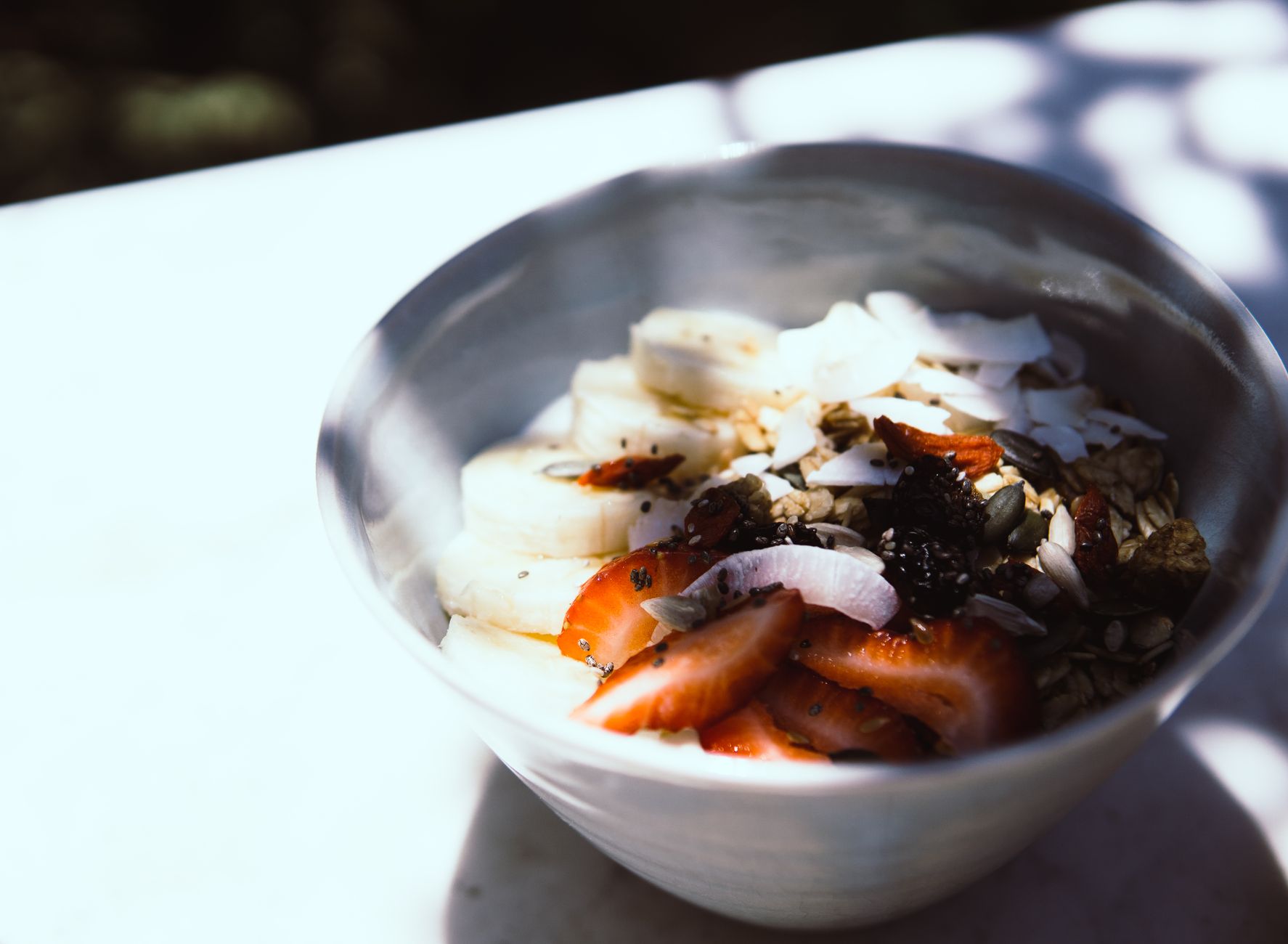
**Real talk:** Many women tell us they worry about "missing out" on nutrients like B12 or iron. But with the right combinations, you can absolutely meet your needs. For example, a smoothie with spinach, flaxseeds, fortified oats, and almond butter isn’t just tasty—it’s a nutrient powerhouse.
---
How to get enough protein in a vegetarian breakfast during pregnancy
Protein is your pregnancy breakfast MVP. You need about 75g per day (up from 46g pre-pregnancy), and breakfast is a great place to start. The challenge? Plant-based proteins often require pairing (e.g., grains + legumes) to get all essential amino acids. Here’s how to do it:
- Tofu + whole-grain toast: Scramble tofu with turmeric and black salt (for an eggy flavor), then top with avocado and whole-grain toast. ~20g protein per serving.
- Greek yogurt + granola: Mix unsweetened Greek yogurt with homemade granola (oats, nuts, seeds) and berries. ~18g protein per cup.
- Chickpea flour pancakes: Blend chickpea flour with flax eggs, then cook like pancakes. Serve with hummus. ~15g protein per serving.
- Eggs + veggie scramble: Even if you’re vegetarian (but not vegan), eggs are a fantastic protein source. Scramble with spinach and feta for a quick, nutrient-dense meal. ~12g protein per egg.
**Pro tip:** If you’re vegan, combine complementary proteins at breakfast, like rice and beans, or peanut butter on whole-grain toast. The amino acids in one food fill the gaps in the other.
**Common mistake:** Relying on processed vegetarian meats (like veggie burgers) for protein. These often lack the fiber and micronutrients of whole foods. Stick to whole grains, legumes, and fortified plant milks for the best balance.
---
Best vegetarian breakfast foods to prevent morning sickness symptoms
First-trimester nausea hits hard, and your stomach’s already sensitive. The goal? Gentle, easy-to-digest foods that won’t trigger waves of vomiting. Here’s what works:
- Crackers + banana: The classic for a reason. Carbs stabilize blood sugar, and bananas are rich in potassium, which helps with fatigue.
- Ginger tea + toast: Sip ginger tea (or chew ginger candies) before getting out of bed. Ginger reduces nausea, and toast is bland but filling.
- Avocado toast with chia seeds: Healthy fats calm an upset stomach, and chia seeds add fiber and omega-3s.
- Smoothies with coconut water: Blend spinach, banana, coconut water, and a scoop of protein powder. Coconut water’s electrolytes help with dehydration from vomiting.
**Avoid:** Greasy foods, strong spices, and overly sweet or acidic foods (like citrus) if they trigger nausea. Instead, opt for cool, bland, and hydrating options.
**Reader story:** "In my first trimester, I could barely keep crackers down until I tried avocado toast with a sprinkle of everything bagel seasoning. The fat helped settle my stomach, and the salt craving was satisfied without making me feel sick. Now it’s my go-to!"
---
Vegan vs. vegetarian breakfast ideas: which is better for pregnancy nutrition?
If you’re choosing between vegan and vegetarian, the answer depends on your nutrient needs. Here’s a quick comparison:
**Bottom line:** Vegetarian diets are generally easier to balance during pregnancy because eggs and dairy provide bioavailable nutrients like B12 and calcium. But with intention, vegan diets can work too—especially if you supplement B12 and omega-3s.
---
Vegetarian breakfast meals that support fetal brain development
Your baby’s brain develops rapidly in the second trimester, so omega-3s (DHA/EPA) and choline are critical. Here’s how to build them into breakfast:
- Chia pudding with walnuts: Mix chia seeds with almond milk, then top with walnuts and blueberries. Chia seeds are packed with omega-3s, and walnuts add more.
- Smoked salmon (if vegetarian) + avocado toast: Smoked salmon is one of the best sources of DHA. If you’re vegan, use algae-based DHA supplements or flaxseed oil.
- Spinach and feta omelet: Eggs contain choline, and spinach adds folate, which supports neural tube development.
**Image placeholder:** 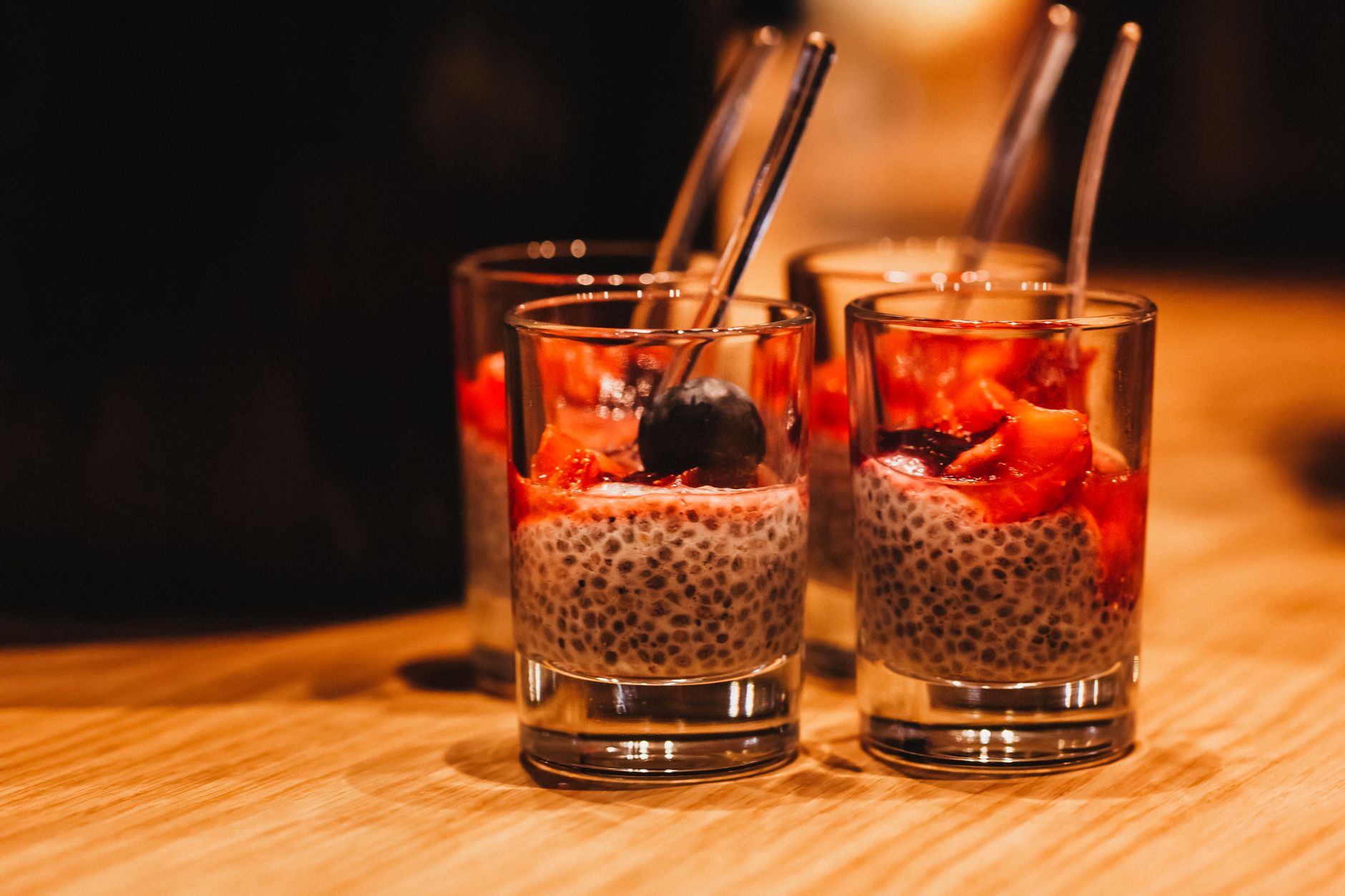
**Science note:** A 2021 study in Nutrients found that pregnant women who consumed at least 200mg of DHA per day had babies with better cognitive scores at 4 months. If you’re vegan, prioritize algae supplements or flaxseeds daily.
---
Common mistakes to avoid when planning a vegetarian pregnancy breakfast
Even well-meaning moms-to-be make these pitfalls. Let’s fix them:
- Skipping breakfast entirely: Low blood sugar worsens nausea and fatigue. Even if you’re not hungry, sip a smoothie or eat a handful of nuts.
- Relying on caffeine to wake up: Excess caffeine can dehydrate you and worsen nausea. Opt for herbal tea or coconut water instead.
- Ignoring portion sizes: A single serving of fortified cereal might not meet your daily iron needs. Track intake to avoid deficiencies.
- Avoiding healthy fats: Fats help absorb fat-soluble vitamins (A, D, E, K). Add avocado, nuts, or olive oil to meals.
- Not pairing iron with vitamin C: Without vitamin C, your body absorbs only about 10% of dietary iron. Always add lemon juice or bell peppers to iron-rich meals.
**Pro move:** Keep a food diary for a week to spot gaps. Apps like Cronometer can help track nutrients.
---
Vegetarian breakfast recipes for gestational diabetes management
Gestational diabetes (GDM) requires careful carb management. Aim for low-glycemic, high-fiber, protein-rich breakfasts to stabilize blood sugar. Here are top picks:
- Oatmeal with flaxseeds and berries: Steel-cut oats are lower-glycemic than instant. Top with flaxseeds (fiber + omega-3s) and berries (antioxidants).
- Chia seed pudding with almond butter: Chia seeds absorb liquid and slow digestion. Mix with unsweetened almond butter for healthy fats.
- Sweet potato toast with avocado: Roast sweet potato slices, top with mashed avocado and a sprinkle of hemp seeds. The fiber and healthy fats prevent blood sugar spikes.
- Scrambled tofu with spinach and whole-grain toast: Tofu is low-carb and high-protein. Pair with whole grains for balanced energy.
**Avoid:** Sugary cereals, white bread, and fruit juices (high in sugar, low in fiber). Instead, choose whole foods with a low glycemic index (GI).
**For reference:** The British Diabetes Association recommends keeping carbs to 40–45% of daily calories for GDM management.
---
How to balance iron and folate in vegetarian pregnancy breakfasts
Iron and folate are a dynamic duo for pregnancy. Here’s how to get both without overloading on one:
- Spinach and lentil smoothie: Blend frozen spinach (folate) with lentils (iron), banana, and almond milk. Add a squeeze of lemon to boost iron absorption.
- Fortified cereal with chickpeas: Top a bowl of fortified cereal with chickpeas (iron) and orange slices (vitamin C).
- Quinoa breakfast bowl: Cook quinoa (iron + folate) with black beans and avocado. The healthy fats in avocado help absorb iron.
Iron + folate combo tip: Pair iron-rich foods with vitamin C (bell peppers, kiwi, strawberries) to enhance absorption by up to 3x. Avoid calcium-rich foods (like milk) at the same meal, as calcium inhibits iron absorption.
**Warning:** Too much iron (especially from supplements) can cause constipation. Stick to food-based sources unless your doctor recommends supplementation.
---
Vegetarian pregnancy breakfast recipes with tofu and eggs for maximum protein
Tofu and eggs are game-changers for vegetarian pregnancy breakfasts. Here’s how to use them:
- Tofu scramble with veggies: Crumble firm tofu into a pan with turmeric, black salt, and sautéed spinach. Top with whole-grain toast. ~22g protein per serving.
- Egg and avocado wrap: Scramble eggs with smoked paprika, wrap in a whole-wheat tortilla with avocado and sprouts. ~18g protein per wrap.
- Tofu and egg muffin cups: Mix scrambled eggs with crumbled tofu, then bake in muffin tins with cheese (if vegetarian). Freeze for grab-and-go breakfasts.
- Image placeholder:**
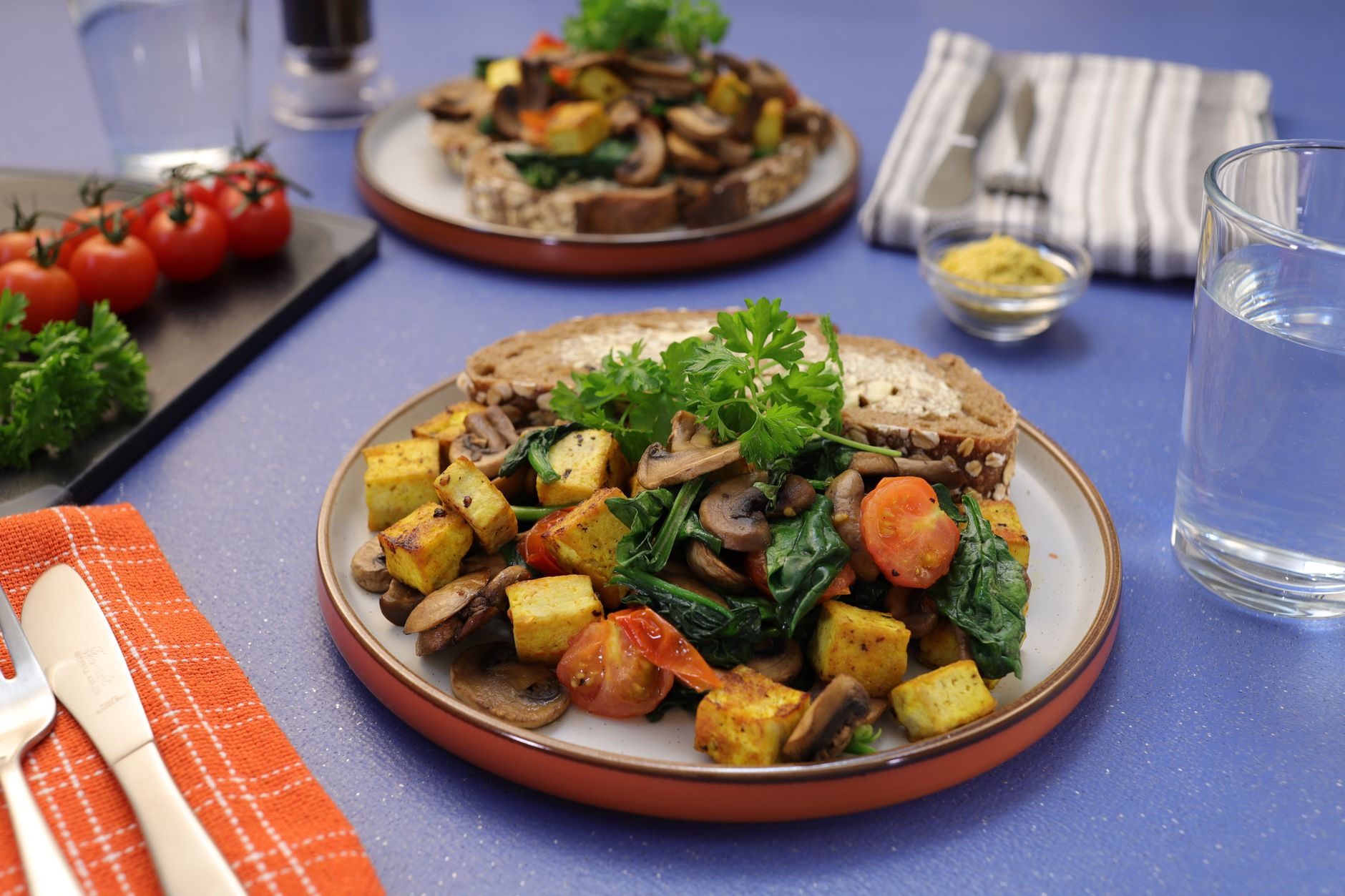
**Pro move:** Marinate tofu in soy sauce and garlic overnight before scrambling—it adds umami flavor and extra protein.
---
Easy vegetarian breakfast ideas for first-trimester nausea relief
First-trimester nausea is brutal. The goal? Keep meals simple, hydrating, and easy to digest. Here’s what works:
- Coconut yogurt with granola: Coconut yogurt is less acidic than dairy yogurt and easy to tolerate.
- Banana "sushi": Spread peanut butter on a whole-grain tortilla, wrap around a banana, and slice into pinwheels.
- Herbal tea + saltine crackers: Sip ginger or peppermint tea before getting up. Keep crackers by your bed for quick bites.
- Avocado on rice cakes: The healthy fats in avocado help settle your stomach.
**Avoid:** Greasy foods, strong spices, and overly sweet or acidic foods. Stick to cool, bland, and hydrating options.
---
Nutrient-dense vegetarian breakfast meals for second-trimester energy boost
Second trimester is all about energy—so your breakfast should fuel you for hours. Focus on:
- Protein + complex carbs: Greek yogurt with granola and berries.
- Healthy fats + fiber: Chia pudding with walnuts and almond butter.
- Iron + vitamin C: Lentil soup with a side of bell peppers.
- Omega-3s + choline: Smoked salmon (or vegan DHA) on whole-grain toast.
**Pro tip:** Add 1–2 tbsp of ground flaxseeds or chia seeds to meals daily for omega-3s and fiber.
---
Vegetarian breakfast smoothie recipes for pregnant women with high fiber needs
High-fiber smoothies are perfect for constipation relief and steady energy. Here are three recipes:
- Berry blast smoothie: 1 cup frozen berries + 1 tbsp chia seeds + 1 cup spinach + 1 cup almond milk + 1 scoop protein powder. ~15g fiber per serving.
- Green goddess smoothie: 1 cup kale + 1 banana + 1 tbsp flaxseeds + 1 cup coconut water + ½ avocado. ~12g fiber per serving.
- Peanut butter power smoothie: 1 cup oats + 2 tbsp peanut butter + 1 tbsp hemp seeds + 1 cup unsweetened almond milk. ~10g fiber per serving.
**Warning:** Increase fiber gradually to avoid bloating. Drink plenty of water with high-fiber meals.
---
Can you eat quinoa and chia seeds for breakfast every day while pregnant?
Quinoa and chia seeds are fantastic for pregnancy—both are nutrient-dense, high in fiber, and packed with protein. But can you eat them every day?
The answer is yes, with balance. Here’s why:
- Quinoa: A complete protein (all 9 essential amino acids) and rich in iron and magnesium. But it’s also high in phytoestrogens, which some studies link to hormonal fluctuations. Rotate with other grains like oats or buckwheat.
- Chia seeds: Loaded with omega-3s, fiber, and calcium. But too much fiber can cause bloating. Stick to 1–2 tbsp per day unless your doctor advises otherwise.
**Sample daily rotation:**
- Day 1: Quinoa bowl with chickpeas and avocado.
- Day 2: Oatmeal with chia seeds and almond butter.
- Day 3: Lentil soup with whole-grain bread.
**Pro tip:** Soak chia seeds before eating to reduce bloating and improve digestion.
---
Vegetarian pregnancy breakfast ideas that help with constipation relief
Constipation is a common pregnancy complaint—especially in the third trimester. Here’s how to keep things moving:
- Prune juice + whole-grain toast: Prune juice is a natural laxative. Pair with fiber-rich toast for a gentle boost.
- Flaxseed smoothie: Blend flaxseeds with banana, spinach, and almond milk. Flaxseeds are high in fiber and healthy fats.
- Oatmeal with ground flaxseeds and raisins: Oats are gentle on digestion, and raisins add natural sweetness and fiber.
- Image placeholder:**
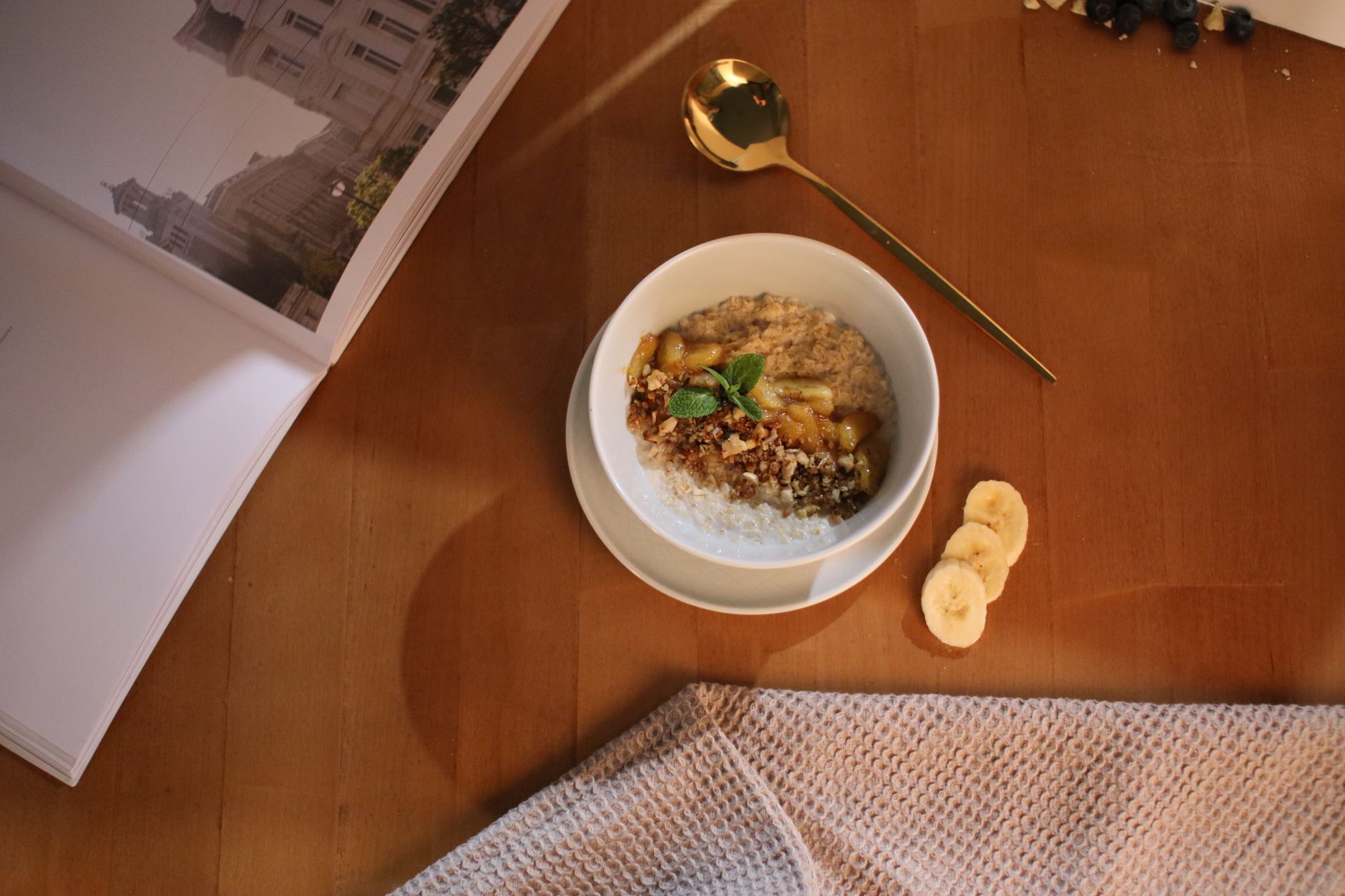
**Avoid:** Low-fiber foods like white bread, processed snacks, and excessive dairy. Drink 8–10 cups of water daily to help digestion.
---
Best vegetarian breakfast foods to avoid food cravings during pregnancy
Pregnancy cravings are real—but they don’t have to derail your nutrition. Here’s how to satisfy them healthily:
- Craving sweets? Try dark chocolate (70%+) with almond butter. The healthy fats and antioxidants curb cravings.
- Craving salty? Opt for roasted chickpeas or edamame instead of chips. They’re high in protein and fiber.
- Craving fried foods? Bake sweet potato fries with olive oil and paprika. The fiber and healthy fats satisfy the same way.
- Craving dairy? Try unsweetened coconut yogurt or fortified almond milk with a sprinkle of cinnamon.
**Science note:** A 2020 study in Appetite found that protein-rich snacks reduce cravings by up to 60%. So if you’re craving something, reach for nuts, Greek yogurt, or hummus first.
---
Vegetarian breakfast meals that support healthy placenta development
The placenta is your baby’s lifeline, and it needs nutrients like folate, iron, and choline to develop properly. Here’s how to support it at breakfast:
- Folate-rich foods: Spinach, lentils, and fortified cereals. Aim for 400mcg of folate daily (600mcg total with prenatal vitamin).
- Iron-rich foods: Beef (if omnivorous) or lentils, chickpeas, and fortified plant milks for vegetarians.
- Choline sources: Eggs, Greek yogurt, and cruciferous veggies (broccoli, Brussels sprouts).
- Omega-3s: Algae oil (vegan), flaxseeds, or walnuts.
**Sample breakfast for placenta health:**
- Scrambled eggs with spinach and whole-grain toast (folate + choline + iron).
- Side of hummus with carrot sticks (fiber + vitamin C for iron absorption).
- Sprinkle of chia seeds on top (omega-3s).
---
7-Day Vegetarian Pregnancy Breakfast Meal Plan
Here’s a sample plan to get you started. Adjust based on your cravings and energy levels!
---
How to consult a dietitian for personalized vegetarian pregnancy meal plans
While this guide covers the basics, every pregnancy is unique. A registered dietitian (RD) can tailor a plan to your specific needs, especially if you have:
- Gestational diabetes
- Iron-deficiency anemia
- Food aversions or allergies
- Multiple pregnancies
**How to find one:**
- Ask your OB/GYN for a referral.
- Search the Academy of Nutrition and Dietetics directory for RDs specializing in pregnancy.
- Check insurance coverage—many plans cover dietitian visits.
**What to discuss:**
- Your current diet and any gaps.
- Symptoms like nausea, constipation, or fatigue.
- Supplements you’re taking (or considering).
---
Seasonal and globally inspired vegetarian breakfast ideas for variety
Bored of the same old breakfast? Here are globally inspired ideas to keep things exciting:
- Indian: Besan chilla (gram flour pancake) with mint chutney – High in protein and fiber, easy to make.
- Mexican: Huitlacoche (corn fungus) breakfast burrito – Fermented corn is rich in probiotics and protein.
- Japanese: Natto (fermented soybeans) with steamed rice – Packed with vitamin K2 and probiotics.
- Mediterranean: Feta and za’atar eggs on whole-grain pita – Creamy feta adds calcium and flavor.
- Ethiopian: Shiro wat (chickpea flour stew) with injera bread – High in protein and iron.
**Pro tip:** Try a new recipe every week to keep meals interesting. Seasonal produce is also more nutrient-dense!
---
Myth vs. Fact: Vegetarian Pregnancy Breakfasts
Let’s debunk some common misconceptions:
- Myth: "Vegetarian diets don’t provide enough protein for pregnancy."
- Fact: With planning, vegetarian diets can easily meet protein needs. Focus on eggs, dairy, tofu, lentils, and quinoa. ACOG confirms that well-balanced vegetarian diets are safe during pregnancy.
- Myth: "You can’t get enough iron on a vegetarian diet."
- Fact: Iron-rich vegetarian foods include lentils, spinach, chickpeas, and fortified cereals. Pair them with vitamin C (bell peppers, citrus) to boost absorption.
- Myth: "Vegan women must avoid all dairy and eggs."
- Fact: Veganism excludes all animal products, but vegetarianism includes eggs and dairy. Both can be healthy if nutrient-dense sources are chosen.
- Myth: "Breakfast isn’t important if you’re not hungry."
- Fact: Even if you’re not hungry, a small, nutrient-dense breakfast helps stabilize blood sugar and prevents nausea. Aim for at least 200–300 calories with protein and fiber.
---
Key Takeaways
- Vegetarian breakfasts can be nutrient-dense and safe for pregnancy if they include protein, iron, folate, calcium, and omega-3s.
- Pair iron-rich foods with vitamin C (bell peppers, citrus) to enhance absorption.
- For nausea, stick to cool, bland, and hydrating foods like crackers, banana, and avocado.
- Quinoa, chia seeds, and lentils are excellent choices, but rotate them to avoid overloading on phytoestrogens or fiber.
- Consult a dietitian if you have gestational diabetes, anemia, or food aversions.
- Globally inspired breakfasts add variety and cultural richness to your meals.
---
Frequently Asked Questions
Is a vegetarian breakfast safe during pregnancy?
Yes, as long as it’s well-planned. ACOG states that vegetarian diets can meet all nutrient needs during pregnancy if they include fortified foods, protein-rich plant sources, and adequate vitamin D and B12. However, some women opt for a carnivore diet for simplicity, but vegetarian is perfectly viable with attention to balance.
What are the best vegetarian breakfast foods for fetal growth?
Focus on foods rich in protein, iron, folate, and omega-3s. Top picks include:
- Eggs (choline + protein)
- Greek yogurt (protein + calcium)
- Lentils and chickpeas (iron + fiber)
- Spinach (folate + iron)
- Flaxseeds and walnuts (omega-3s)
These support brain development, red blood cell production, and overall growth.
How can I ensure I’m getting enough B12 on a vegetarian pregnancy diet?
B12 is critical for fetal nervous system development. If you’re vegetarian (but not vegan), eggs and dairy provide B12. If you’re vegan, you must take a B12 supplement daily (2.4mcg) or eat fortified foods like nutritional yeast or plant-based milks. The Office of Dietary Supplements recommends regular blood tests to monitor levels.
Are there any vegetarian breakfast foods I should avoid in early pregnancy?
Avoid:
- Raw or undercooked sprouts (risk of listeria)
- Excessive caffeine (stick to 200mg/day or less)
- Unpasteurized dairy or soft cheeses (like brie or feta)
- High-mercury fish (if



