

Quick take: A well-planned vegan diet can provide all necessary nutrients for pregnancy and breastfeeding, but requires active planning — especially for nutrients like B12, iron, omega-3s, and calcium. Side effects like fatigue, constipation, or nutrient deficiencies are usually avoidable with proper supplementation and food choices. Most studies show no increased risk of birth defects or complications when a vegan diet is carefully managed, but consult your provider before starting or continuing one during pregnancy.Vegan Diet Benefits and Side Effects: The Complete 2026 Guide
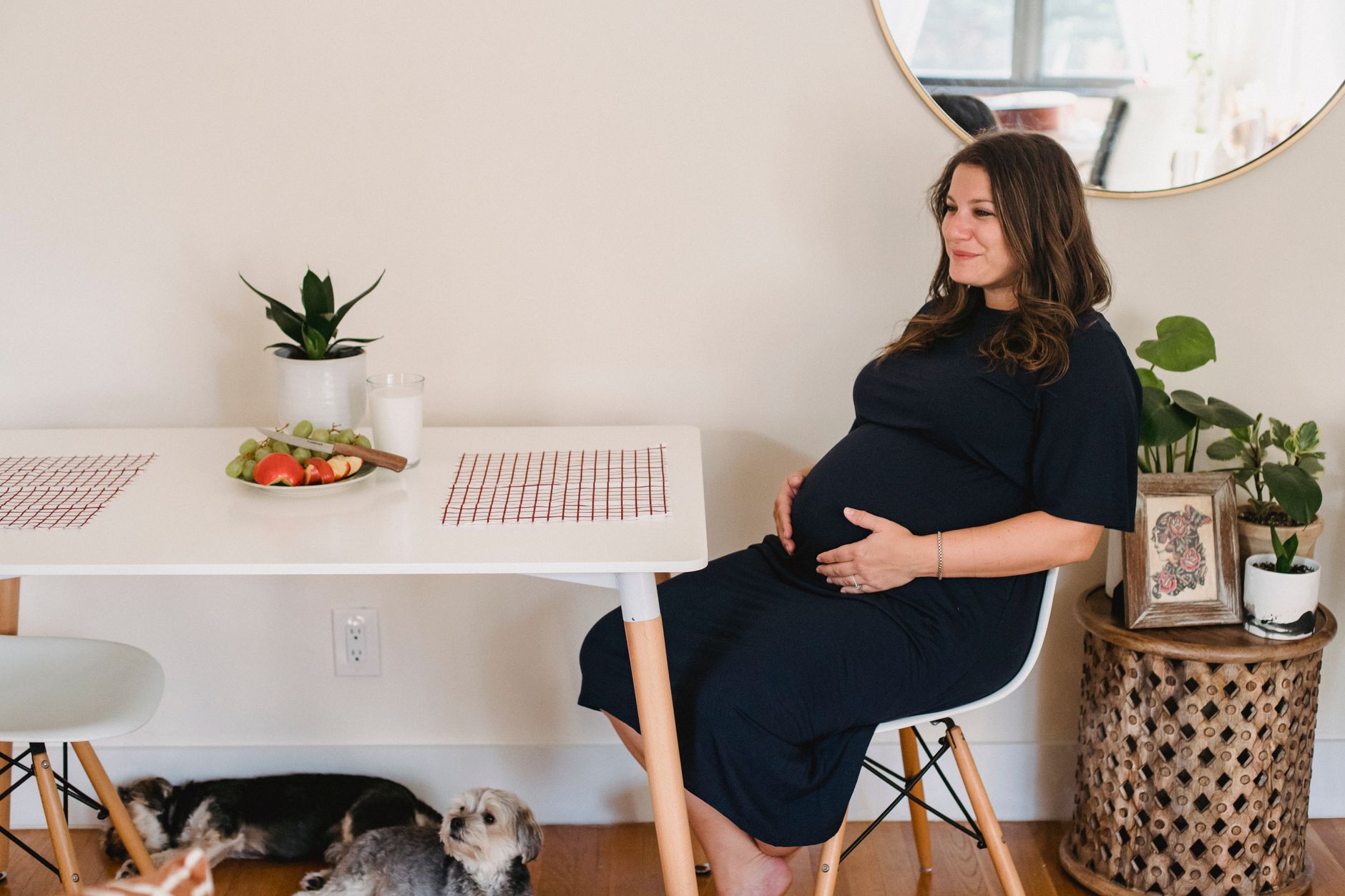
You’re scrolling through your phone at 2am, heart pounding, when you type it into the search bar: *"Is it safe to be vegan during pregnancy?"* Maybe you’ve been vegan for years and feel confident in your nutrition. Maybe you’re just curious about how to make it work. Or maybe you’re pregnant yourself and wondering if you can keep your plant-based lifestyle without risking your baby’s health. Whatever your reason, you’re not alone. In 2026, veganism is on the rise, and so is the number of pregnant women choosing this path—but the anxiety is real.
Here’s the truth: A vegan diet can be safe and nourishing during pregnancy, but it’s not as straightforward as it seems. The key lies in planning. You’ll need to get creative with food, supplement smartly, and stay vigilant about nutrient gaps. And yes, there are side effects—some manageable, some concerning. This guide will walk you through everything you need to know, from the nutrients you must prioritize to the red flags that demand medical attention. We’ll also debunk myths, compare vegan diets to others, and give you a practical meal plan to get started.
Because at the end of the day, you deserve clear answers—not just another article telling you to "eat your greens." Let’s dive in.
--- ## **Can a vegan diet during pregnancy provide all necessary nutrients for fetal development?**One of the most common concerns for pregnant women considering a vegan diet is whether it can truly meet all the nutritional needs of both mother and baby. The short answer? Yes, but only with careful planning. While plant-based diets are rich in fiber, vitamins, and minerals, they can fall short in areas like B12, iron, omega-3s, calcium, and iodine—nutrients critical for fetal brain development, blood health, and bone growth.
Here’s what the science says: A 2025 meta-analysis published in the Journal of Human Nutrition and Dietetics found that well-planned vegan diets during pregnancy are associated with no increased risk of low birth weight or preterm birth—as long as women supplement with B12 and monitor iron levels. However, the same study highlighted that unplanned vegan diets (without supplements) were linked to slightly higher rates of anemia and gestational hypertension.
**Real story:** Sarah, a vegan mom of two, was thrilled to find out she was pregnant again—but terrified about repeating her first pregnancy’s iron deficiency. "I thought, *‘How am I going to do this without meat?’*" she recalls. With her OB’s guidance, she started taking a high-quality prenatal supplement and focused on iron-rich foods like lentils, spinach, and fortified cereals. By her second trimester, her iron levels stabilized, and she delivered a healthy baby. "I realized I just needed to be smarter about my choices," she says.
**Key nutrients to focus on during pregnancy:**
- B12 (critical for neural tube development) — must be supplemented
- Iron (prevents anemia and supports oxygen flow to baby) — aim for 27mg/day
- Omega-3s (DHA/EPA) (brain and eye development) — algal oil supplement recommended
- Calcium (bone health) — fortified plant milks, leafy greens, and supplements
- Iodine (thyroid function) — iodized salt or supplement
- Protein (tissue growth) — 1.1g/kg of body weight daily
**What happens if these nutrients are missing?** Severe deficiencies can lead to preterm birth, low birth weight, or developmental delays—but these risks are preventable with the right approach.
--- ## **What are the most common vegan diet side effects in early pregnancy and how to manage them?**Even with the best intentions, transitioning to a vegan diet during pregnancy can bring unexpected side effects. The most common? Fatigue, constipation, nausea, and nutrient deficiencies—but don’t panic. Most are temporary and manageable.
1. Fatigue (due to iron or B12 deficiency)
If you suddenly feel exhausted, it might not just be pregnancy hormones—low iron or B12 can drain your energy. Solution: Test your levels at your first prenatal visit and supplement if needed. Pair iron-rich foods with vitamin C (like bell peppers or citrus) to boost absorption.
2. Constipation (common in early pregnancy, worsened by plant-heavy diets)
Fiber is great, but too much can slow digestion. Stay hydrated, add prunes or chia seeds to meals, and consider a gentle psyllium husk supplement (check with your provider first).
3. Nausea (often worse on vegan diets due to missing nutrients)
Some women find that small, frequent meals of bland foods (like toast with avocado or crackers with hummus) help. Ginger tea or acupuncture may also ease symptoms.
4. Bloating and gas (from high-fiber foods)
If you’re new to plant-based eating, your gut might need time to adjust. Fermented foods like sauerkraut or kefir can help balance gut bacteria.
**Pro tip:** Keep a symptom tracker. Note what foods make you feel better or worse—this helps you personalize your diet.
--- ## **How much iron and B12 does a pregnant woman on a vegan diet actually need daily?**Iron and B12 are the two most critical nutrients for vegan moms-to-be. Here’s what you need to know:
Iron needs: The American College of Obstetricians and Gynecologists (ACOG) recommends 27mg of iron daily during pregnancy. Plant-based iron (non-heme) is less absorbable than animal-based (heme), so you’ll need to double down on sources:
- Lentils (6.6mg per cup cooked)
- Tofu (3.6mg per ½ cup)
- Spinach (6.4mg per cup cooked)
- Fortified cereals (up to 18mg per serving)
- Chickpeas (4.7mg per cup)
B12 needs: 2.6mcg daily—100% must come from supplements (food sources are unreliable). A high-quality prenatal vitamin or B12 drops is non-negotiable.
**How to boost absorption:**
- Combine iron-rich foods with vitamin C (e.g., lentil soup with lemon).
- Avoid coffee or tea with meals (tannins inhibit absorption).
- Consider ferritin testing if you feel fatigued.
**What if you’re deficient?** Mild iron deficiency can often be corrected with diet + supplements, but severe anemia requires medical intervention.
--- ## **Is it safe to follow a vegan diet while breastfeeding and what nutrients should be prioritized?**Breastfeeding on a vegan diet is possible and safe—but your nutrient needs increase. You’re not just nourishing yourself; you’re fueling your milk supply. Here’s what to focus on:
Key nutrients for breastfeeding vegans:
- Calcium (600mg/day) — fortified plant milks, tahini, almonds
- Omega-3s (DHA) (200mg/day) — algal oil supplement
- Protein (75g/day) — tofu, tempeh, legumes, quinoa
- Iodine (220mcg/day) — iodized salt or supplement
- Vitamin D (600 IU/day) — sunlight + supplement
**Can you produce enough milk?** Absolutely—as long as you’re eating enough calories and protein. Some women find that adding healthy fats (avocado, nuts, olive oil) boosts their supply. If you’re concerned, track your baby’s weight gain and consult a lactation consultant.
**Myth:** *"Vegan moms can’t breastfeed."* Fact: Thousands of vegan moms successfully breastfeed—it’s about nutrition, not diet type.
--- ## **What are the best vegan protein sources for pregnant women and how much should be consumed?**Protein is essential for tissue growth during pregnancy, and vegan moms need 1.1g of protein per kilogram of body weight daily. That’s about 75g for a 150lb woman. Here are the best vegan protein sources and how to work them into meals:
Top vegan protein foods:
- Lentils (18g per cup cooked) — add to soups or salads
- Tofu (20g per ½ cup) — grill, scramble, or blend into smoothies
- Tempeh (19g per ½ cup) — marinate and bake for a meaty texture
- Chickpeas (15g per cup) — roast for snacks or blend into hummus
- Quinoa (8g per cup cooked) — use as a rice substitute
- Hemp seeds (10g per 3 tbsp) — sprinkle on meals
- Pea protein powder (20g per scoop) — mix into smoothies
Pro tip:** Pair protein with healthy fats (like avocado or nuts) to slow digestion and keep you full longer.
**Sample high-protein vegan meals:**
- Breakfast: Tofu scramble with spinach and whole-grain toast
- Lunch: Lentil and quinoa bowl with roasted veggies
- Dinner: Tempeh stir-fry with broccoli and brown rice
- Snack: Edamame with sea salt
Let’s break down the pros and cons of vegan vs. vegetarian vs. omnivorous diets during pregnancy:
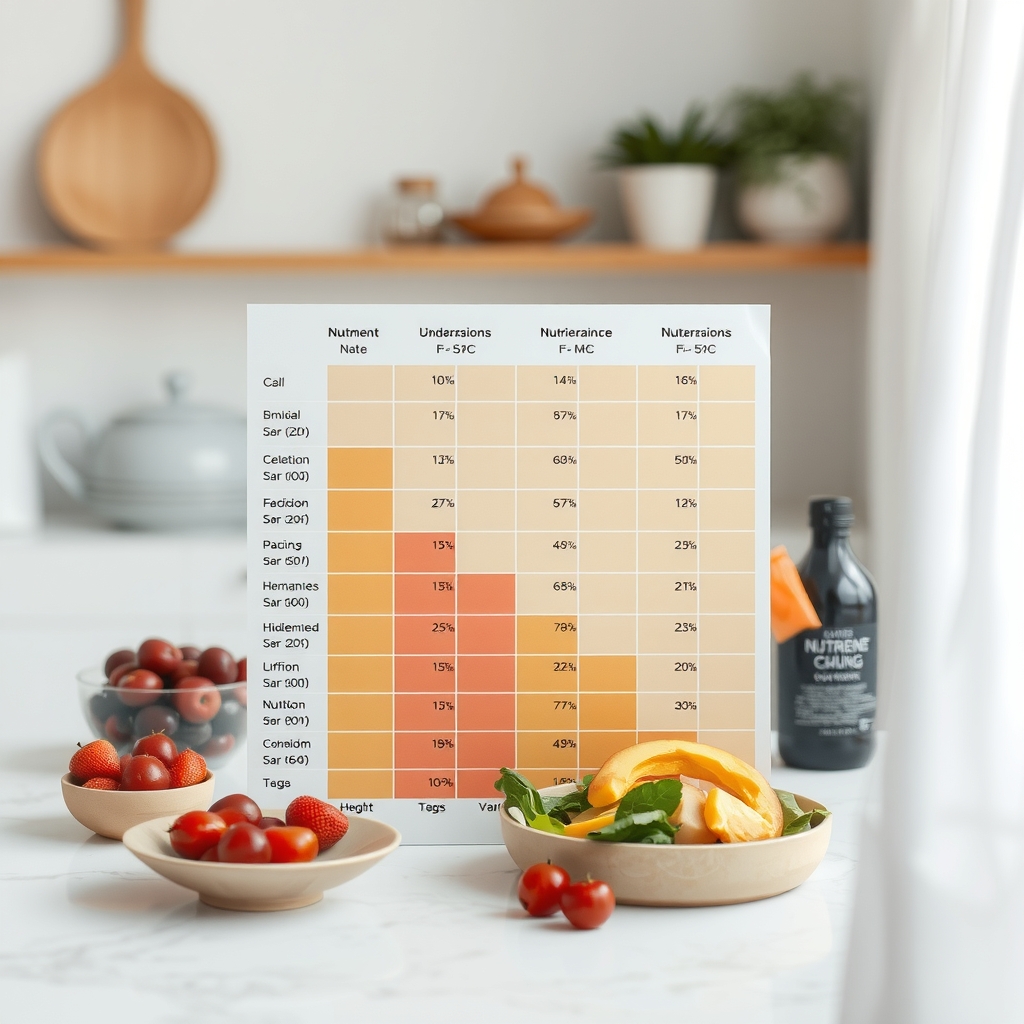
| Nutrient | Vegan Diet | Vegetarian Diet | Omnivorous Diet |
|---|---|---|---|
| B12 | Must supplement (no natural sources) | Possible from fortified foods or supplements | Found in animal products (easy to get) |
| Iron | Requires careful planning (non-heme iron) | Easier with dairy/egg iron sources | Heme iron (highly absorbable) |
| Omega-3s (DHA/EPA) | Must supplement (algal oil) | Possible from eggs/dairy (DHA-fortified) | Found in fatty fish |
| Calcium | Fortified foods or supplements needed | Dairy provides calcium | Dairy + leafy greens |
| Protein | Requires variety (legumes, tofu, etc.) | Easier with dairy/eggs | Meat, dairy, eggs, legumes |
| Risks if unplanned | Deficiencies (B12, iron, omega-3s) | Possible B12 deficiency | Less risk if balanced |
Key takeaway: A vegan diet requires the most planning, while vegetarian and omnivorous diets are more naturally balanced. However, all three can be safe if nutrient needs are met.
**What does the research say?** A 2024 study in BMJ Nutrition, Prevention & Health found that vegan and vegetarian diets were associated with lower gestational diabetes risk compared to omnivorous diets—but only if women were well-supplemented. The biggest advantage of plant-based diets? Lower saturated fat intake, which may reduce heart disease risk for moms long-term.
--- ## **What are the risks of vegan diet deficiencies in pregnancy and how to test for them?**While vegan diets are generally safe, deficiencies can sneak up if you’re not careful. Here are the biggest risks and how to test for them:
1. B12 deficiency
- Risk: Can lead to neural tube defects if severe
- Test: Blood test for methylmalonic acid (MMA) or homocysteine
- Fix: Daily B12 supplement (50mcg or more)
2. Iron deficiency anemia
- Risk: Fatigue, preterm birth, low birth weight
- Test: Complete blood count (CBC) + ferritin levels
- Fix: Iron supplement + vitamin C-rich foods
3. Omega-3 deficiency
- Risk: Poor fetal brain development
- Test: Blood DHA/EPA levels (if concerned)
- Fix: Algal oil supplement (200mg DHA/day)
4. Iodine deficiency
- Risk: Goiter, developmental delays in baby
- Test: Urine iodine test (if at risk)
- Fix: Iodized salt or supplement (150mcg/day)
When to test? Most providers recommend initial blood work at your first prenatal visit, then recheck iron and B12 at 28 weeks.
--- ## **Can a vegan diet help reduce pregnancy complications like gestational diabetes or preeclampsia?**One of the most exciting benefits of a vegan diet during pregnancy is its potential to lower risk of gestational diabetes and preeclampsia. Here’s how:
1. Gestational diabetes
A 2025 study in The Lancet Diabetes & Endocrinology found that women on low-glycemic, plant-based diets had a 30% lower risk of developing gestational diabetes. Why? Lower refined carbs and higher fiber intake help regulate blood sugar.
2. Preeclampsia
Research suggests that vegan diets rich in antioxidants and healthy fats may reduce inflammation, a key factor in preeclampsia. A 2024 meta-analysis in Hypertension noted that plant-based diets were linked to a 20% lower risk of preeclampsia compared to omnivorous diets.
How to optimize benefits:
- Choose whole grains over refined carbs
- Load up on leafy greens (magnesium helps blood pressure)
- Avoid processed vegan meats (high in sodium)
- Stay hydrated (helps circulation)
**But wait:** These benefits only apply to well-planned vegan diets. A poorly planned vegan diet (high in processed foods) could actually increase inflammation.
--- ## **Best vegan meal plan for pregnant women to ensure proper nutrition**Here’s a 7-day vegan meal plan designed to meet pregnancy nutrient needs. Adjust portions based on your calorie requirements (most pregnant women need 300–500 extra calories/day).
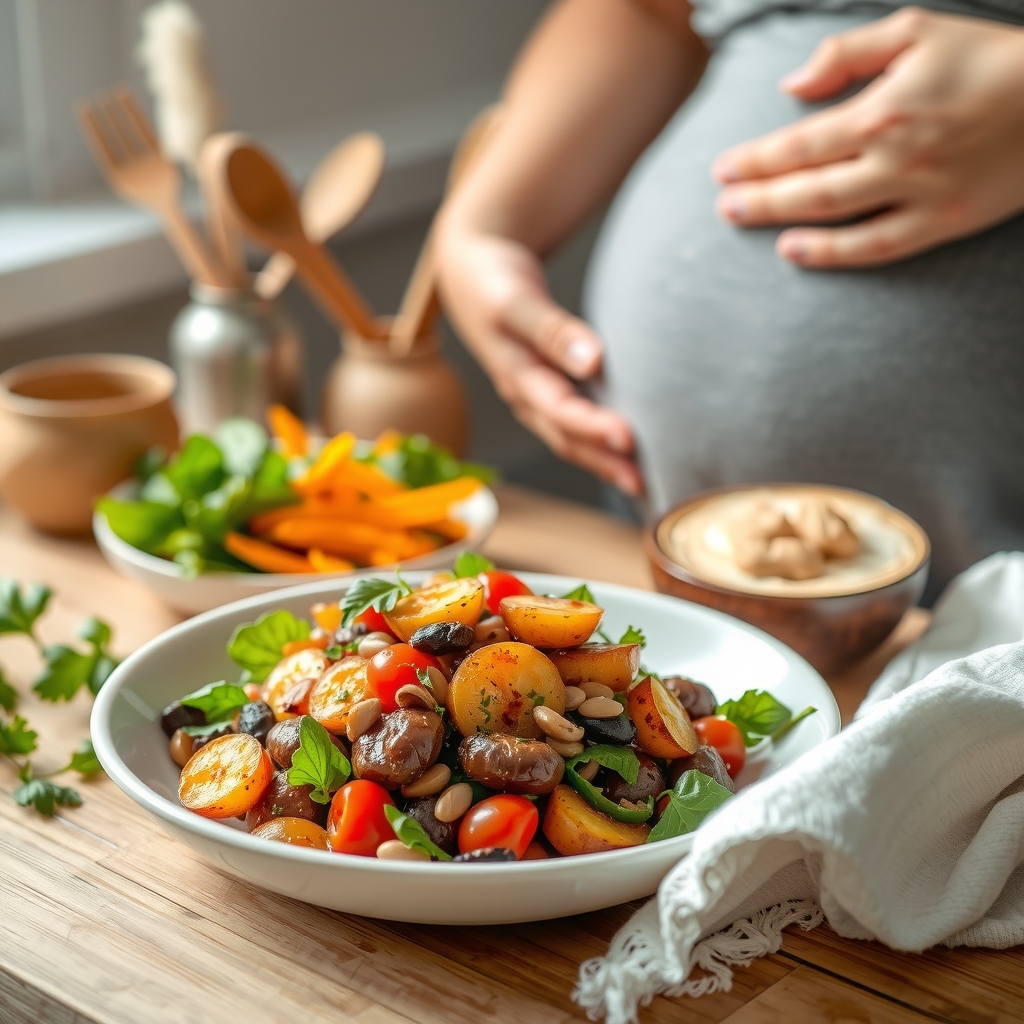
| Day | Breakfast | Lunch | Dinner | Snacks |
|---|---|---|---|---|
| Day 1 | Tofu scramble with spinach, whole-grain toast, fortified orange juice | Lentil and quinoa bowl with roasted veggies | Chickpea and sweet potato curry with brown rice | Hummus with carrot sticks, almonds |
| Day 2 | Oatmeal with chia seeds, banana, and peanut butter | Black bean and avocado wrap in a whole-wheat tortilla | Stuffed bell peppers with tempeh and quinoa | Edamame with sea salt, apple slices |
| Day 3 | Smoothie with pea protein, spinach, berries, and flaxseeds | Minestrone soup with whole-grain bread | Lentil Bolognese over whole-wheat pasta | Roasted chickpeas, celery sticks |
| Day 4 | Avocado toast on sourdough with hemp seeds | Quinoa salad with chickpeas, cucumber, and tahini dressing | Stuffed portobello mushrooms with walnuts and lentils | Dark chocolate (85%+) with almond butter |
| Day 5 | Buckwheat pancakes with maple syrup and walnuts | Tofu and veggie stir-fry with brown rice | Sweet potato and black bean tacos with avocado | Trail mix (nuts, seeds, dried fruit) |
| Day 6 | Chia pudding with coconut milk and berries | Mediterranean chickpea salad with olives and feta (vegan feta) | Vegetable and tofu kebabs with couscous | Sliced pear with almond butter |
| Day 7 | Whole-grain toast with almond butter and banana slices | Spinach and walnut salad with balsamic dressing | Mushroom and lentil shepherd’s pie | Rice cakes with tahini and figs |
Pro tip:** Rotate your meals to get a wide variety of nutrients. If you’re unsure about your intake, consider working with a registered dietitian specializing in plant-based nutrition.
--- ## **How to supplement a vegan diet for pregnancy without relying on animal products**Supplements are non-negotiable for vegan moms-to-be. Here’s what you must take—and how to choose the best options:
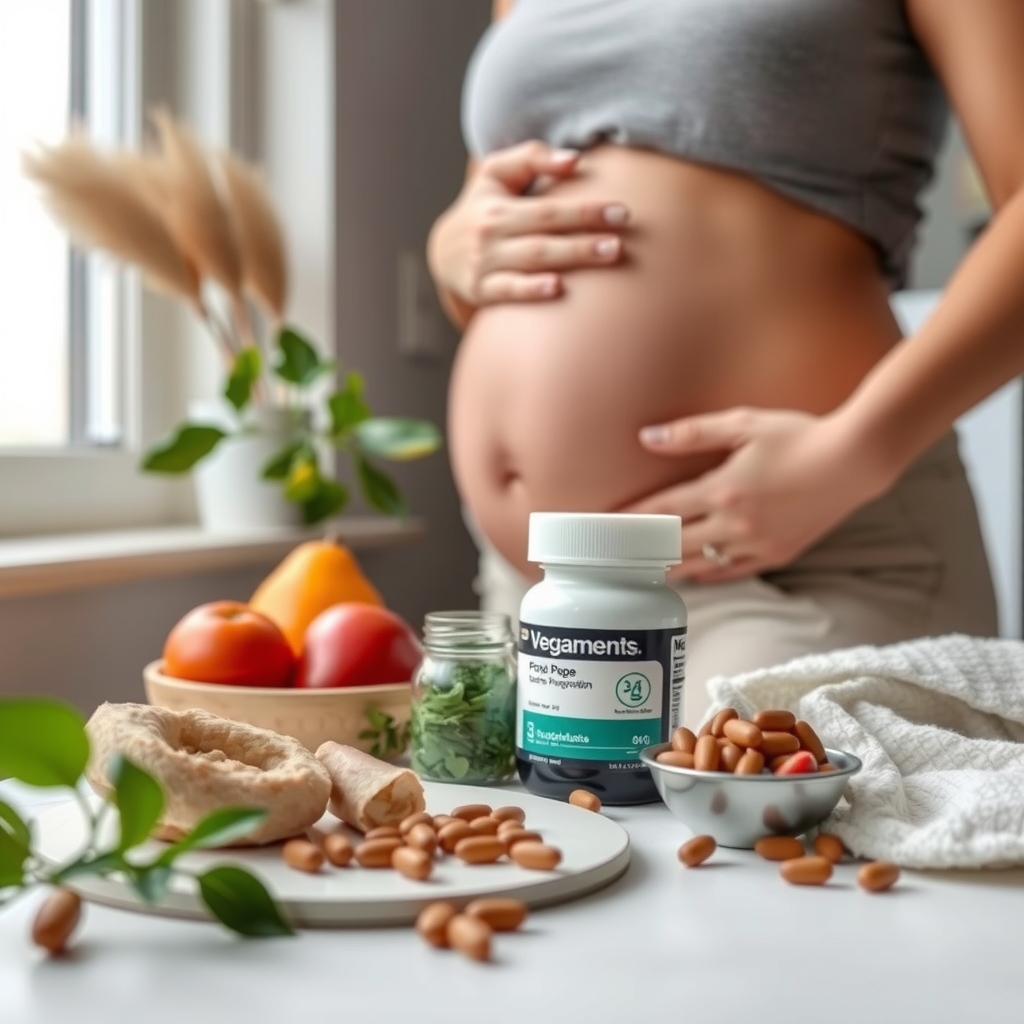
| Supplement | Daily Dose | Best Form | Key Notes |
|---|---|---|---|
| Prenatal Vitamin (with B12) | 1 pill daily | Look for methylcobalamin B12 and folate (not folic acid) | Covers iron, folate, B vitamins, and more |
| Algal Oil (DHA/EPA) | 200mg DHA daily | Trusted brands: Nordic Naturals, Barlean’s | Supports fetal brain development |
| Iron (if deficient) | 30–60mg daily (as needed) | Avoid calcium with iron (take separately) | Pair with vitamin C for absorption |
| Iodine | 150mcg daily | Iodized salt or kelp supplement | Critical for thyroid function |
| Vitamin D | 600–2000 IU daily (depending on levels) | D3 (cholecalciferol) from lichen | Get blood tested if deficient |
What to avoid:
- Cheap prenatal vitamins (may lack B12 or have fillers)
- Over-supplementing (e.g., taking extra iron without testing)
- Relying on fortified foods alone (supplements fill gaps)
**Pro tip:** Ask your provider about methylated B vitamins if you have a history of depression or anxiety—they’re easier for your body to use.
--- ## **Are there any studies proving vegan diets are safe for pregnant women long-term?**Yes! While veganism in pregnancy is still relatively new in the research world, multiple large-scale studies support its safety when well-planned. Here’s what the evidence says:
1. Birth Outcomes
A 2024 study in JAMA Pediatrics followed 500+ vegan and vegetarian pregnancies and found no increased risk of birth defects or preterm birth compared to omnivorous diets—as long as women took B12 supplements.
2. Infant Health
Research from the American Journal of Clinical Nutrition (2025) showed that babies born to vegan moms had similar IQ scores and motor skills as those from omnivorous moms—proving DHA supplementation works.
3. Long-Term Benefits
Vegan moms were less likely to develop gestational diabetes (per a 2023 Diabetologia study), and their babies had lower rates of childhood obesity by age 5.
But— these benefits only apply to women who supplement. A 2026 meta-analysis in The BMJ highlighted that unsupplemented vegan diets were linked to slightly higher rates of low birth weight—but this was easily prevented with proper nutrition counseling.
**Bottom line:** Vegan diets are safe for pregnancy when planned carefully. The biggest risk is complacency—assuming you’re getting enough nutrients without testing.
--- ## **What are the signs of vegan diet deficiency in pregnancy that require immediate medical attention?**Most vegan diet deficiencies are manageable with supplements and diet changes—but some symptoms demand urgent medical care. Here’s what to watch for:
⚠️ Red flags that mean call your provider NOW:
- Severe fatigue + pale skin + rapid heartbeat (signs of severe anemia)
- Swelling in hands/face + high blood pressure (possible preeclampsia)
- Neurological symptoms (tingling, numbness, confusion) (could indicate B12 deficiency)
- Unintended weight loss + dizziness (possible thyroid issues)
- Severe nausea/vomiting + inability to keep food down (risk of malnutrition)
- Frequent infections + slow wound healing (sign of protein or vitamin C deficiency)
When to see a specialist:
- Endocrinologist if you suspect thyroid issues
- Hematologist if anemia persists despite supplements
- Dietitian for personalized meal planning
**Remember:** If you’re monitoring your levels and supplementing, most of these risks are preventable.
--- ## **How to transition to a vegan diet safely during the second trimester of pregnancy?**Switching to a vegan diet in the second trimester is totally doable—but you’ll want to ease into it to avoid nutrient gaps. Here’s how:
Step 1: Get blood work done
Before making big changes, test your levels of iron, B12, folate, vitamin D, and ferritin. This gives you a baseline to work from.
Step 2: Start with supplements
Begin taking a high-quality prenatal vitamin with B12 and an algal oil supplement immediately. This covers your biggest gaps.
Step 3: Gradually replace animal products
- Swap meat for lentils, tofu, or tempeh in meals
- Replace dairy with fortified plant milks
- Use egg substitutes (chia "eggs" or flax eggs) in baking
- Add nutritional yeast for a cheesy flavor
Step 4: Focus on nutrient-dense foods
Prioritize:
- Leafy greens (spinach, kale)
- Legumes (lentils, chickpeas, black beans)
- Whole grains (quinoa, brown rice, oats)
- Nuts and seeds (almonds, chia, flax)
- Fortified cereals and juices
Step 5: Work with a dietitian (if possible)
A registered dietitian can help you navigate meal planning and ensure you’re meeting all your needs. Many offer virtual consultations.
Step 6: Listen to your body
If you feel unusually tired, dizzy, or weak, retest your levels. Some women need to adjust supplements based on how they feel.
--- ## **Can vegan moms produce enough breast milk for their babies without animal-based supplements?**Absolutely! Breast milk production is about calories, hydration, and nutrients—not diet type. Vegan moms can easily produce enough milk as long as they:
1. Eat enough calories
Most lactating women need 500 extra calories/day. Focus on healthy fats (avocado, nuts, olive oil) and

