

Quick take: Twin pregnancies need about 300–500 extra calories a day, plus more protein, iron, calcium, folic acid, and DHA. A balanced, nutrient‑dense diet, a prenatal vitamin formulated for multiples, and steady weight gain (≈2 kg in the first trimester, then 0.5 kg per week) keep you and both babies thriving. Hydrate, snack smart, and tailor meals to any dietary restrictions.
It’s 2 a.m., your belly is growing, and you’ve just felt a wave of nausea after a midnight snack. You wonder: “Did I just eat something risky for my twins?” You’re not alone. Expecting twins amplifies the usual pregnancy questions—how many calories, which nutrients, and what foods keep complications at bay. The good news is that the answers are clear, evidence‑based, and manageable with a little planning.
In this guide we’ll walk through every aspect of twin pregnancy nutrition, from the extra calories you need to the best protein sources for a vegetarian diet. You’ll get a printable checklist, sample menus, snack ideas, and hydration tips, all grounded in recommendations from ACOG, NHS, and other leading health bodies. By the end you’ll feel confident that your plate is supporting two healthy hearts.
Which nutrients are extra important for twin pregnancy nutrition?
When you’re carrying two babies, the demand for certain macro‑ and micronutrients jumps noticeably. Here’s the core list, why it matters, and where to find it in everyday foods.
Protein – the building block for two growing bodies
Protein needs rise to roughly 1.5 g per kilogram of body weight each day, or about 100 g for most pregnant people. This supports fetal tissue, placenta development, and maternal muscle mass. Good sources include lean poultry, fish (low‑mercury), eggs, dairy, legumes, tofu, and tempeh. For vegetarians, aim for a mix of beans, lentils, quinoa, and dairy or fortified plant milks.
Iron – preventing anemia in a double‑load pregnancy
Twins double the risk of iron‑deficiency anemia. ACOG recommends 27 mg of elemental iron daily for multiple pregnancies, compared with 27 mg for a singleton (the same number but the need is higher due to greater blood volume). Heme iron from red meat is most absorbable; pair it with vitamin C‑rich foods (citrus, bell peppers) to boost uptake.
Calcium – building strong bones for both babies
Calcium needs stay at 1,000 mg per day, but meeting this goal is crucial because twins draw more calcium from maternal stores. Dairy, fortified plant milks, leafy greens, and calcium‑set tofu are reliable options.
Folic acid – neural‑tube protection multiplied
Folic acid intake should be 800–1,000 µg daily for twins, a bit higher than the 400 µg for a singleton. This helps close the neural tube and reduces the risk of spina bifida. Prenatal vitamins for multiples include the higher dose, and you can also eat fortified cereals, leafy greens, and beans.
DHA (docosahexaenoic acid) – brain and eye development
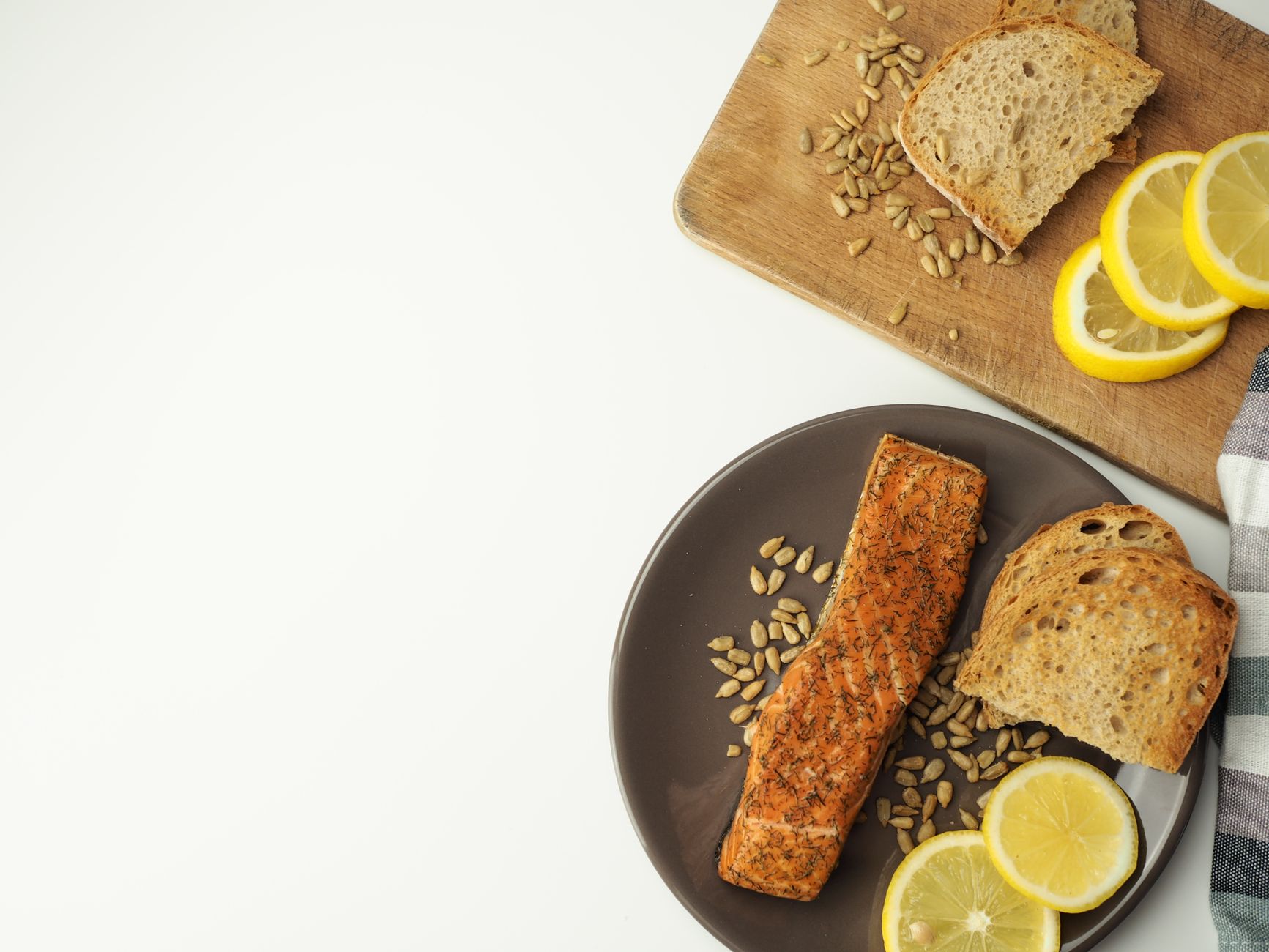
Twins benefit from 300–600 mg of DHA daily. Fatty fish like salmon, sardines, and trout provide it, as do algae‑derived supplements for vegetarians. DHA supports cognitive development and may reduce preterm birth risk.
Other key micronutrients
- Zinc: 12 mg/day – found in meat, nuts, and whole grains.
- Vitamin D: 600–800 IU/day – fortified dairy, sunlight, or supplements.
- Magnesium: 350–400 mg/day – nuts, seeds, whole grains.
Meeting these targets through whole foods is ideal, but a prenatal vitamin designed for multiples fills any gaps. Because twins share a single placenta, the body prioritizes nutrient delivery to both fetuses, making consistent intake especially important. Small, frequent meals and pairing iron‑rich foods with vitamin C can help you absorb the maximum amount.
How many calories should a woman eat during a twin pregnancy?
- First trimester: No additional calories needed beyond normal pre‑pregnancy intake.
- Second trimester: Add about 350 kcal daily.
- Third trimester: Add about 450 kcal daily.
These numbers are averages; individual needs depend on pre‑pregnancy BMI, activity level, and metabolic rate. A practical way to gauge adequacy is to monitor weight gain (see the weight‑gain section) and energy levels. If you feel fatigued, dizzy, or notice a plateau in weight gain, consider a modest increase of 100 kcal from nutrient‑dense snacks.
For reference, a 70‑kg (154‑lb) woman with moderate activity typically consumes 2,200 kcal before pregnancy. Adding 350 kcal in the second trimester brings the total to ~2,550 kcal, and 450 kcal in the third trimester to ~2,650 kcal. Spread these calories across three main meals and two to three snacks to keep blood sugar steady and avoid excessive hunger. Keeping a simple food diary or using a nutrition‑tracking app can help you stay within the target range and adjust quickly if you become more active.
What does a twin pregnancy diet plan look like for the second trimester?
The second trimester is a sweet spot: nausea often eases, appetite rises, and the twins’ growth accelerates. Here’s a sample day that hits the calorie and nutrient targets discussed above.
Sample menu (≈2,550 kcal)
| Meal | Food items | Approx. calories |
|---|---|---|
| Breakfast | Greek yogurt (200 g) with honey, sliced banana, and a handful of walnuts | 420 |
| Mid‑morning snack | Whole‑grain toast with avocado and a boiled egg | 300 |
| Lunch | Grilled chicken breast (120 g), quinoa salad with cherry tomatoes, cucumber, feta, and olive oil | 550 |
| Afternoon snack | Apple slices with peanut butter | 250 |
| Dinner | Baked salmon (150 g), sweet‑potato mash, steamed broccoli, and a glass of fortified soy milk | 600 |
| Evening snack | Cheese cubes and whole‑grain crackers | 230 |
Each meal includes protein (chicken, salmon, yogurt), iron‑rich foods (whey, leafy greens in the quinoa salad), calcium (yogurt, fortified soy milk), and DHA (salmon). Adjust portion sizes up or down based on your personal calorie target.
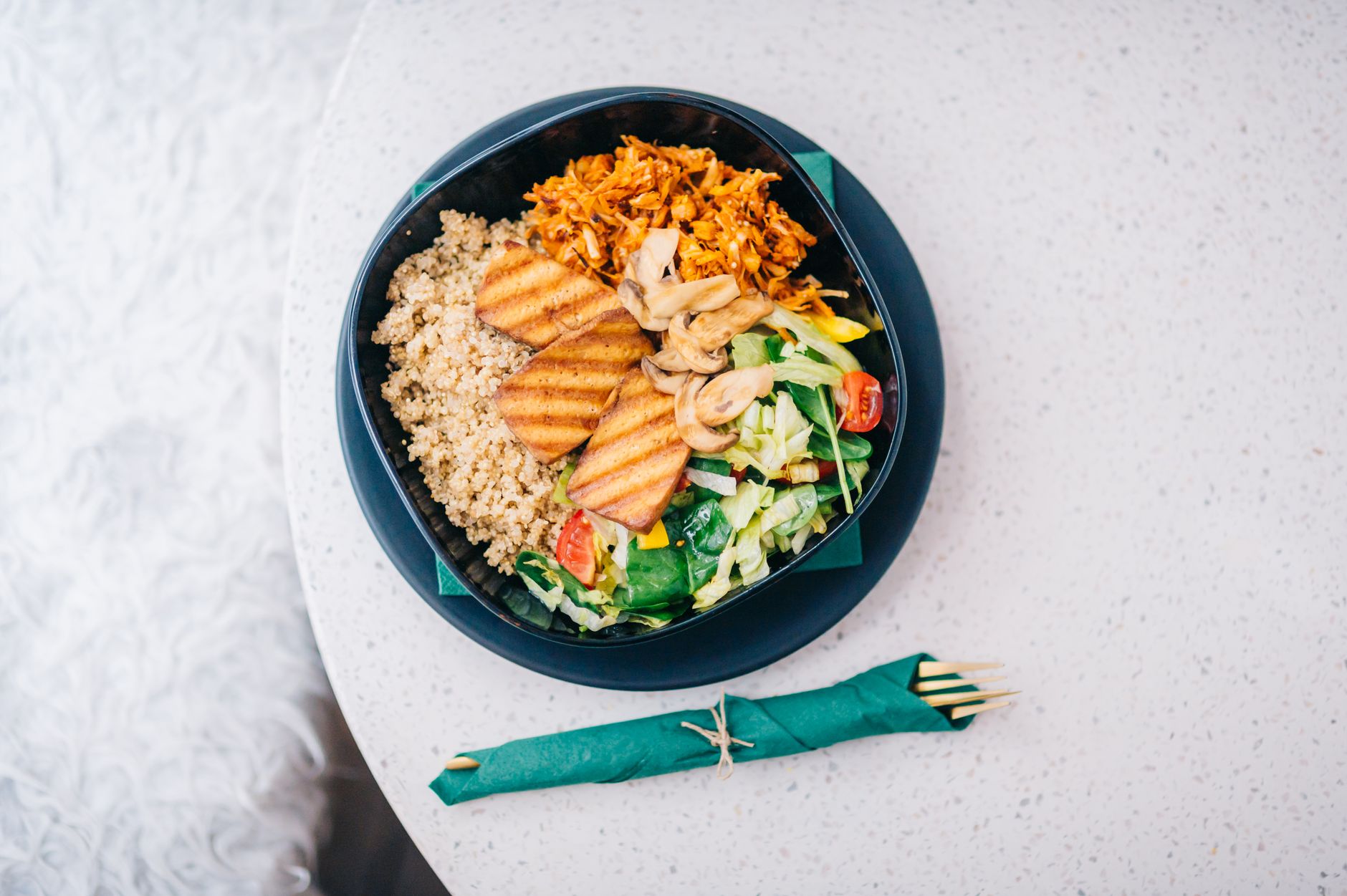
If you’re vegetarian, swap the animal proteins for tofu, tempeh, lentils, and dairy. For example, replace the grilled chicken with a tofu stir‑fry and the salmon with a walnut‑based pesto, keeping the same calorie and nutrient distribution. In the later weeks of the second trimester, you may find you need an extra 50–100 kcal for each snack to keep up with the growing appetite.
Which foods help prevent twin pregnancy complications like preeclampsia?
Pre‑eclampsia—high blood pressure with organ involvement—affects about 10 % of twin pregnancies, higher than singletons. Diet can modulate risk.
Key protective foods
- Leafy greens (spinach, kale): Rich in magnesium and potassium, they help regulate blood pressure.
- Calcium‑rich dairy or fortified plant milks: Adequate calcium (≈1,000 mg) reduces hypertension risk, per ACOG guidelines.
- Whole grains: Provide fiber and B‑vitamins; they moderate glucose spikes that can aggravate blood pressure.
- Omega‑3 fatty acids (fatty fish, chia seeds, walnuts): Anti‑inflammatory properties may lower pre‑eclampsia odds.
- Low‑sodium foods: Avoid processed snacks, canned soups, and added salt; aim for < 2,300 mg sodium per day.
Research from the WHO and the UK’s RCOG indicates that a diet high in fruits, vegetables, and omega‑3s, while low in saturated fat and sodium, can cut pre‑eclampsia risk by up to 30 % in multiple pregnancies. Adding potassium‑rich foods such as bananas, sweet potatoes, and beans further supports healthy blood‑pressure regulation. Pair these dietary steps with regular prenatal check‑ups and moderate exercise for the best protection.
Can I take prenatal vitamins for twins and how much iron is needed?
Standard prenatal vitamins are formulated for a single fetus, typically containing 27 mg of iron and 400 µg of folic acid. For twins, many brands offer a “twin” or “multiple” version with slightly higher iron (30–35 mg) and folic acid (800–1,000 µg). If you’re using a regular prenatal vitamin, you may need a supplemental iron tablet to reach the 27 mg target, but do so under medical guidance to avoid constipation or iron overload.
Recommended supplement regimen
- Iron: 27 mg elemental iron daily (or 30–35 mg if using a twin‑specific formula). Split the dose (morning + evening) if GI upset occurs.
- Folic acid: 800–1,000 µg daily for twins. Some clinicians suggest 4 mg for women with a history of neural‑tube defects, but only under supervision.
- Calcium: If dietary calcium is < 800 mg, add 500 mg calcium citrate split between meals.
- DHA: 300–600 mg from fish oil or algae supplement.
Always check the label for total iron content; some iron‑rich prenatal vitamins exceed 30 mg, which can cause dark stools and nausea. Your provider can run a ferritin blood test to fine‑tune dosing. Vitamin D supplementation (600–800 IU) is also advisable when sunlight exposure is limited, as recommended by the NHS.
What are twin pregnancy weight gain guidelines and healthy snack ideas?
Weight gain is a useful barometer of nutritional adequacy. The Institute of Medicine (IOM) provides twin‑specific targets based on pre‑pregnancy BMI.
Weight‑gain ranges
| Pre‑pregnancy BMI | Total weight gain (kg) | Weekly gain after week 13 |
|---|---|---|
| Underweight (< 18.5) | 16–22 | 0.5–0.7 |
| Normal (18.5–24.9) | 14–20 | 0.5–0.6 |
| Overweight (25–29.9) | 11–16 | 0.4–0.5 |
| Obese (≥ 30) | 7–11 | 0.3–0.4 |
Most women gain roughly 2 kg (4‑5 lb) in the first trimester, then about 0.5 kg (1 lb) per week thereafter. Sudden spikes or plateaus may signal over‑ or under‑nutrition; discuss any concerns with your provider. Regular weigh‑ins at prenatal visits help you and your care team adjust calories or activity levels before a problem develops.
Healthy snack ideas
- Greek yogurt with berries and a drizzle of honey – protein, calcium, and antioxidants.
- Nut butter on whole‑grain crackers – healthy fats, iron, and fiber.
- Hummus and carrot sticks – plant protein and vitamin A.
- Cheese cubes with dried apricots – calcium and iron.
- Smoothie with fortified soy milk, spinach, banana, and chia seeds – calcium, folate, DHA.
These snacks add 150–300 kcal each, helping you meet the extra calorie goal without resorting to sugary processed foods. Pair a snack with a glass of water or a low‑sugar beverage to stay hydrated.
How can I manage morning sickness with a twin pregnancy diet?
Morning sickness often intensifies with twins because of higher hormone levels. Diet adjustments can calm nausea while still delivering the nutrients you need.
Gentle‑start strategies
- Eat small, frequent meals: 5–6 mini‑meals keep stomach acids down.
- Choose bland, low‑fat foods: Plain toast, crackers, applesauce, and rice porridge are easy on the stomach.
- Stay hydrated: Sip water, ginger tea, or electrolyte drinks throughout the day.
- Incorporate ginger: Fresh ginger tea or ginger chews have proven anti‑nausea effects (per NIH).
- Avoid strong odors and spicy foods: These can trigger nausea spikes.
If severe, your provider may prescribe vitamin B6 (pyridoxine) 10–25 mg three times daily, a safe, evidence‑based remedy for nausea in pregnancy. Acupressure wrist bands are another non‑pharmacologic option that many twins‑carrying mothers find helpful. Should nausea prevent you from keeping food down for more than a few days, contact your care team.
Vegetarian twin pregnancy nutrition tips and protein sources
Going vegetarian doesn’t limit your ability to meet twin‑specific protein and iron needs. The key is variety and strategic pairing.
Protein‑rich vegetarian foods
- Legumes: Lentils (18 g protein per cup cooked) and chickpeas.
- Soy products: Tofu (20 g per cup) and tempeh (31 g per cup).
- Quinoa: Complete protein with 8 g per cup.
- Dairy or fortified plant milks: Greek yogurt (10 g per 170 g) and fortified soy milk (7 g per cup).
- Nuts and seeds: Pumpkin seeds (9 g per ounce) and almonds (6 g per ounce).
Boosting iron absorption
Non‑heme iron from plants is less readily absorbed, but vitamin C dramatically enhances uptake. Pair beans with bell peppers, strawberries, or a squeeze of lemon. Cooking in cast‑iron cookware also adds iron.
Omega‑3 sources for vegetarians
Algae‑derived DHA supplements provide the same omega‑3 benefit as fish without the mercury risk. A daily 300–600 mg algae capsule fits neatly into a twin‑specific prenatal vitamin regimen.
Sample vegetarian day (≈2,550 kcal)
| Meal | Food items | Approx. calories |
|---|---|---|
| Breakfast | Oatmeal made with fortified soy milk, topped with sliced almonds and blueberries | 420 |
| Snack | Hummus with carrot and cucumber sticks | 250 |
| Lunch | Quinoa‑black‑bean salad with avocado, corn, and lime dressing | 560 |
| Snack | Greek yogurt (plant‑based) with honey | 240 |
| Dinner | Stir‑fried tofu, broccoli, and bell peppers over brown rice, drizzled with sesame oil | 620 |
| Evening snack | Whole‑grain toast with peanut butter | 260 |
This menu supplies > 100 g protein, 30 mg iron (enhanced with vitamin C), and the needed calcium from fortified soy milk. Adding a daily algae DHA capsule ensures you meet the omega‑3 target without fish.
Additional resources for twin pregnancy nutrition
Below are tools that make planning even easier.
Twin pregnancy nutrition checklist (printable)
- Daily calorie target
- Protein grams per day
- Iron, calcium, folic acid, DHA amounts
- Snack ideas (3‑4 options per day)
- Hydration goal (≈2.5 L water)
- Key foods to include each week
You can download a PDF version from our resources page and tick off each item as you shop and cook. Many readers find that printing the list and keeping it on the fridge makes meal planning feel less overwhelming.
High‑calorie meals for twin pregnancy cravings
If cravings hit hard, choose nutrient‑dense, calorie‑rich meals like avocado toast with poached eggs, nut‑butter smoothies, or whole‑grain pasta tossed with olive oil, cheese, and roasted vegetables. These keep you satiated and add the extra 300–500 kcal you need.
Twin pregnancy diet restrictions for gestational diabetes
Gestational diabetes affects about 15 % of twin pregnancies. The diet focuses on low‑glycemic carbs, consistent spacing, and fiber. Emphasize whole grains, legumes, non‑starchy veg, and pair carbs with protein or healthy fat to blunt glucose spikes. Monitor blood sugar per your provider’s schedule and adjust portions as needed.
How much folic acid should I take for twins?
ACOG and the CDC recommend 800–1,000 µg daily for twins. If you have a previous pregnancy affected by a neural‑tube defect, a higher dose (up to 4 mg) may be prescribed, but only under supervision.
Twin pregnancy nutrition myths debunked
- Myth: “You must eat for two people.”
- Fact: The extra calories are modest (≈300–500 kcal), not double.
- Myth: “All prenatal vitamins are the same.”
- Fact: Twin‑specific formulas contain higher iron and folic acid.
Sample grocery list for twin pregnancy
- Lean meats or tofu
- Fatty fish (salmon, sardines)
- Fortified plant milks
- Greek yogurt
- Leafy greens (spinach, kale)
- Whole‑grain breads, quinoa, brown rice
- Beans, lentils, chickpeas
- Nuts, seeds, nut butters
- Fresh fruit (berries, citrus)
- Vegetables (broccoli, sweet potatoes, carrots)
- DHA algae supplement (if vegetarian)
- Ginger tea bags
Twin pregnancy hydration recommendations
Aim for at least 2.5 L (≈10 cups) of fluid daily. Water is best, but you can include herbal teas, low‑sugar fruit juices, and milk. If you’re active or live in a hot climate, add an extra 0.5 L.
Is sushi and other high‑mercury seafood safe in a twin pregnancy?
Seafood is an excellent source of DHA and protein, but mercury can be a concern, especially when you’re feeding two developing brains. The FDA and EPA advise pregnant people to limit mercury‑rich fish to no more than 2 servings per week (≈8–12 oz total) and to choose low‑mercury options.
Low‑mercury choices
- Salmon, sardines, trout, and herring (rich in DHA, low mercury)
- Shrimp, pollock, and canned light tuna (moderate DHA, low mercury)
- Algae‑derived DHA supplements for those who avoid fish altogether
Avoid swordfish, king mackerel, tilefish, and shark, which can contain mercury levels that exceed safety thresholds. If you enjoy sushi, stick to rolls made with cooked fish or vegetable fillings, and limit raw fish to the low‑mercury options listed above. Pair fish meals with a vitamin C source to improve iron absorption from any accompanying vegetables.
How to recognize nutrient deficiencies in a twin pregnancy
Because twins place extra demand on your body, early signs of deficiency can appear sooner than in a singleton pregnancy. Knowing what to look for helps you address gaps before they affect fetal growth.
Common deficiency signs
- Iron deficiency: Fatigue, pale skin, shortness of breath, and cravings for non‑food items (pica).
- Calcium deficiency: Muscle cramps, tingling in fingers, or a feeling of “bones feeling weak.”
- Folate deficiency: Persistent fatigue, irritability, and, in severe cases, a smooth tongue.
- Vitamin D deficiency: Bone pain, frequent infections, or mood changes.
If you notice any of these symptoms, bring them to your prenatal visit. Blood tests for ferritin, serum calcium, folate, and 25‑hydroxy vitamin D are routine and can guide supplement adjustments. Prompt correction is especially important for twins, as each deficiency can impact two developing babies.
From our medical team: “Your body is already doing incredible work to nourish two babies. By focusing on nutrient‑dense foods, staying within the modest extra‑calorie range, and using a twin‑formulated prenatal vitamin, you’ll give both infants a solid foundation. If you ever feel unsure about a supplement dose or notice unusual swelling, fatigue, or cravings, reach out to your provider promptly.”
Myth vs. fact
Myth: You need to double your portion sizes for twins.
Fact: Only about 300–500 extra calories per day are recommended; quality matters more than quantity.
Myth: All prenatal vitamins work equally for twins.
Fact: Twin‑specific vitamins contain higher iron and folic acid, aligning with increased demands.
Myth: Vegetarian diets can’t meet protein needs for twins.
Fact: Combining legumes, soy, dairy, nuts, and whole grains easily reaches the 100 g protein target.
Key takeaways
- Target an extra 300–500 kcal daily, with protein ≈ 100 g, iron ≈ 27 mg, calcium ≈ 1,000 mg, folic acid 800–1,000 µg, and DHA 300–600 mg.
- Use a twin‑formulated prenatal vitamin to cover iron and folic acid gaps.
- Follow weight‑gain guidelines based on pre‑pregnancy BMI and monitor weekly.
- Choose whole foods rich in leafy greens, lean proteins, calcium, and omega‑3s to lower pre‑eclampsia risk.
- Manage nausea with small, frequent, bland meals and ginger.
- Vegetarians can meet protein and iron goals through tofu, lentils, fortified milks, and vitamin C pairing.
- Stay hydrated (≈2.5 L daily) and snack smart to meet extra calories.
- Download our printable checklist and grocery list to keep meals organized.
- Limit high‑mercury seafood; choose low‑mercury fish or algae DHA for omega‑3s.
- Watch for deficiency symptoms and discuss blood‑test results with your provider.
Frequently asked questions
How many extra calories are needed for a twin pregnancy?
Most guidelines suggest adding about 300 kcal in the second trimester and 450 kcal in the third trimester, roughly 350–500 kcal total per day.
What are the top foods to support a healthy twin pregnancy?
Lean protein (chicken, tofu, fish), leafy greens, fortified dairy or plant milks, whole grains, nuts, seeds, and omega‑3‑rich fish or algae provide the essential nutrients twins require.
Is it safe to take regular prenatal vitamins for twins?
Regular prenatal vitamins meet many needs but often fall short on iron and folic acid for twins; a twin‑specific formula or an iron supplement is usually recommended.
How much weight should I gain during a twin pregnancy?
Based on pre‑pregnancy BMI, total gain ranges from 7 kg (obese) to 22 kg (underweight), with about 0.5 kg per week after the first trimester.
Can a vegetarian diet provide enough protein for twins?
Yes—by combining soy products, legumes, dairy or fortified plant milks, nuts, seeds, and whole grains you can easily exceed the 100 g daily protein target.
What supplements are recommended for twin pregnancies?
Key supplements include a twin‑formulated prenatal vitamin (higher iron and folic acid), DHA (300–600 mg), and calcium if dietary intake is low; vitamin D and vitamin B6 for nausea may also be advised.
Is caffeine safe for twins?
Current evidence suggests limiting caffeine to 200 mg per day (about one 12‑oz cup of coffee). Higher intake has been linked to lower birth weight, especially in multiple pregnancies, so moderation is key.
What should I do if I’m gaining weight too quickly?
Rapid weight gain (more than 2 kg in a week) can signal excess calories or fluid retention. Talk to your provider, who may recommend adjusting your diet, increasing physical activity, or checking for pre‑eclampsia signs.
When to call your doctor
If you notice any of the following, contact your provider right away: sudden swelling of hands or face, severe headaches, visual disturbances, persistent vomiting, rapid weight gain (> 2 kg in a week), or signs of anemia such as fatigue and pale skin. This article is for informational purposes only and does not replace personalized medical advice.
References
- American College of Obstetricians and Gynecologists (ACOG). “Nutrition During Pregnancy.” 2023 clinical guidance.
- National Institute for Health and Care Excellence (NICE). “Antenatal care for uncomplicated pregnancies.” Updated 2022.
- World Health Organization (WHO). “Guidelines on antenatal care for a positive pregnancy experience.” 2022.
- Mayo Clinic. “Twin pregnancy: What to expect.” Accessed 2024.
- U.S. Centers for Disease Control and Prevention (CDC). “Gestational Diabetes.” 2023.
- National Academy of Medicine. “Dietary Reference Intakes for Energy.” 2020.
- Royal College of Obstetricians and Gynaecologists (RCOG). “Preeclampsia: Prevention and management.” 2022.
- National Institutes of Health (NIH). “Ginger for nausea in pregnancy.” 202

