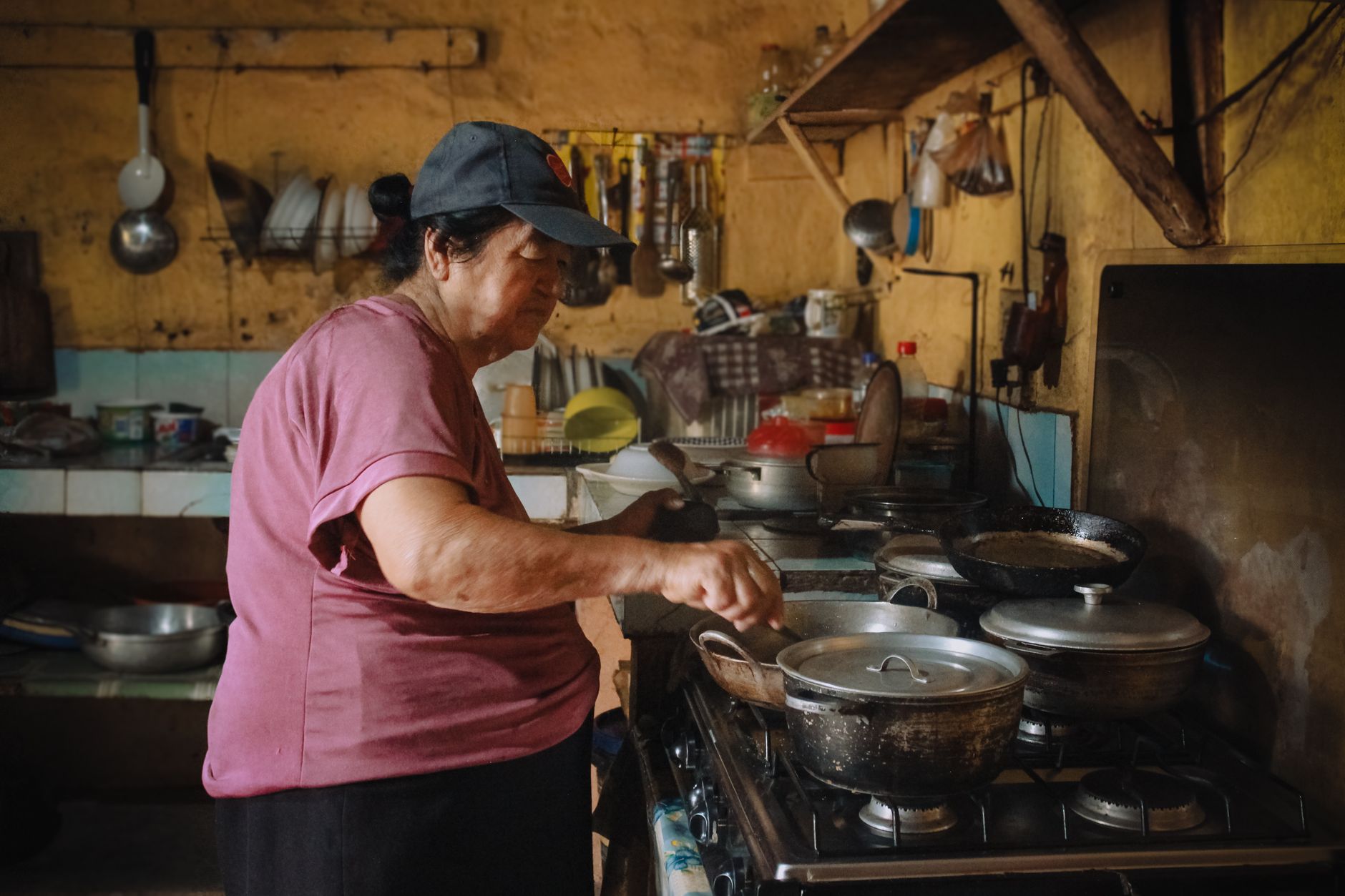
In theory, a tradwife life can be structured around childcare, cooking, and home management. In practice, modern mothers juggle diverse responsibilities—career, digital connectivity, and often single‑parenting pressures—that can make a strict tradwife model challenging.
Tradwife lifestyle daily routine examples
Typical days might look like this:
- 06:30 am – Wake, brew coffee, and read a devotional or journal.
- 07:15 am – Prepare breakfast and pack lunches for the kids.
- 08:30 am – School drop‑off, then a quick house‑cleaning sprint (e.g., 15‑minute tidy).
- 10:00 am – Grocery shopping or meal‑prep for the week.
- 12:30 pm – Lunch, followed by a short nap or hobby (knitting, reading).
- 02:00 pm – Light household projects: laundry, ironing, or garden care.
- 04:30 pm – School pick‑up, snack time, homework assistance.
- 06:00 pm – Cook dinner, family dinner conversation, then clean up.
- 08:00 pm – Wind‑down routine: baths, bedtime stories, and a brief reflection.
While the schedule seems orderly, it assumes reliable childcare, flexible household demands, and a partner who supports the division of labor. If any of those pieces shift, the routine can quickly become overwhelming.
Modern mom tradwife blog tips
Many blogs advise:
- Start with one “trad” habit (e.g., cooking dinner at home three nights a week) rather than a full overhaul.
- Communicate expectations with your partner early and often.
- Use budgeting apps to track household expenses and ensure financial sustainability.
- Leverage community groups for recipe swaps and moral support.
These incremental steps help bridge the gap between the aspirational tradwife trend truth or fantasy and the lived experience of a modern mother.
It’s also worth noting that the American College of Obstetricians and Gynecologists (ACOG) recommends that any major lifestyle shift consider maternal mental health, especially during the postpartum period. A balanced routine that includes self‑care time can reduce the risk of postpartum depression.2
Pros and cons of being a tradwife in 2024
Every lifestyle choice carries trade‑offs. Below is a balanced snapshot of the potential benefits and drawbacks of embracing a tradwife identity today.
How does the tradwife trend affect mental health and relationships?
When the role aligns with personal values, many report higher satisfaction and lower stress. However, women who feel coerced—by a partner, family, or the “perfect” Instagram feed—may experience anxiety, depression, or resentment. Open communication and regular check‑ins with a mental‑health professional can mitigate these risks.
Data from the National Institute of Mental Health (NIMH) indicate that perceived control over one’s daily schedule is a protective factor against stress‑related disorders.3 That finding aligns with the tradwife narrative of “choosing” a simpler, more predictable life.
How to transition to a tradwife lifestyle step by step
Transitioning doesn’t have to be an overnight plunge. Below is a practical, phased approach that respects your current obligations while testing the waters.
Step 1: Self‑assessment
Write down your motivations. Ask yourself: “Do I crave more stability, community, or a slower pace?” Rank the importance of career, family time, personal hobbies, and financial independence on a scale of 1‑10.
Step 2: Partner dialogue
Schedule a calm, distraction‑free conversation with your partner. Discuss expectations around income, household chores, and future goals. Use “I” statements to express desires without blame.
Step 3: Financial audit
Map your household income and expenses. Identify areas where a single‑income model could work—perhaps by reducing daycare costs or leveraging home‑cooking savings. Tools like Mint or YNAB can help visualize the impact.
Step 4: Pilot a tradwife habit
Pick one daily chore to own fully for a month—maybe breakfast preparation or weekly laundry. Track how it feels, noting any stress spikes or moments of joy.
Step 5: Expand gradually
If the pilot feels positive, add another habit each month. Keep communication lines open; adjust as needed based on workload and emotional well‑being.
Join online tradwife community support groups (e.g., Facebook “Tradwife Collective” or Reddit r/Tradwives). Sharing experiences can normalize challenges and provide practical tips.
Remember, the NHS advises that any major lifestyle change be accompanied by a health check, especially if it involves altered physical activity or dietary patterns.4
Tradwife vs feminist: key differences explained
At first glance, the two ideologies seem opposite—one celebrates traditional gender roles, the other champions gender equality. Yet the reality is more nuanced.
Is tradwife feminism or anti‑feminism?
Some argue that choosing a tradwife path is a feminist act of agency: the freedom to define one’s own role without societal judgment. Others view it as anti‑feminist, perpetuating patriarchal norms that limit women’s opportunities. The tradwife trend truth or fantasy debate often hinges on whether the choice is truly voluntary or socially pressured.
Key philosophical differences
- Feminist perspective: Emphasizes equal access to education, career, and decision‑making power.
- Tradwife perspective: Values specialized domestic expertise, often framed as a respected vocation.
- Overlap: Both can advocate for partnership equality—e.g., a tradwife household where the partner shares bread‑earning duties.
Recent scholarship from the Journal of Gender Studies emphasizes that the binary view oversimplifies lived experiences; many women navigate a hybrid identity that blends career ambition with a love for home‑centered tasks.5
Financial implications of adopting a tradwife lifestyle
Money is a concrete factor that can turn a romantic ideal into a practical reality—or expose it as a fantasy.
Typical income and expense patterns
Many tradwife households operate on a single income, often supplemented by side‑hustles like Etsy crafts, freelance writing, or home‑based tutoring. Below is a snapshot of common financial scenarios.
Financial planning tips
- Build an emergency fund covering at least six months of living expenses.
- Consider retirement contributions even if only one partner works.
- Track discretionary spending on home décor and fashion; the tradwife aesthetic can be costly if not budgeted.
- Explore tax benefits for homemakers (e.g., Home Office deductions if you run a side‑business).
The Financial Conduct Authority (FCA) notes that households relying on a single income should regularly review insurance coverage and pension contributions to avoid long‑term financial gaps.6
How does the tradwife trend affect mental health and relationships?
Embracing a tradwife identity can be emotionally rewarding when it aligns with personal values. Yet it can also create strain if expectations clash with reality.
Potential mental‑health benefits
- Purposeful routine: Predictable schedules can lower cortisol levels and boost mood.
- Skill mastery: Learning cooking, sewing, or budgeting can foster a sense of competence.
- Community belonging: Engaging with like‑minded groups reduces loneliness.
Potential mental‑health challenges
- Role inflexibility: Feeling trapped if unable to pursue personal or career ambitions.
- Social comparison: Instagram perfection can trigger anxiety or low self‑esteem.
- Relationship tension: Unequal distribution of power may cause resentment.
Regular mental‑health check‑ins—whether through journaling, therapy, or supportive friends—are essential to keep the balance healthy. The American Psychological Association (APA) recommends at least one professional session per quarter for anyone undergoing a major lifestyle shift.7
Tradwife lifestyle and reproductive health considerations
Choosing a tradwife path often coincides with decisions about family planning, fertility, and postpartum care. Understanding how lifestyle changes intersect with reproductive health helps you make informed choices.
Impact on fertility and pregnancy timing
Women who plan to become pregnant may benefit from a more stable home environment, which can reduce stress—a known factor in ovulatory health. The NHS highlights that chronic stress can disrupt menstrual cycles and lower fertility rates.8 If you’re contemplating pregnancy, discuss timing and any dietary shifts with your OB‑GYN to ensure nutrient needs (like folic acid and iron) are met.
Postpartum recovery and the tradwife routine
After birth, the desire to return to a clean, organized home can feel overwhelming. The American College of Obstetricians and Gynecologists (ACOG) advises new mothers to prioritize rest and gradual re‑introduction of household tasks, rather than jumping straight into a full tradwife schedule.9 Consider delegating chores during the first weeks and using meal‑prep services to maintain nutrition without overexertion.
For breastfeeding mothers, the FDA recommends a balanced diet rich in calcium, vitamin D, and omega‑3 fatty acids to support milk production.10 Incorporating these nutrients into traditional recipes can marry the tradwife aesthetic with evidence‑based health needs.
Eco‑friendly and sustainable practices within the tradwife aesthetic
The vintage‑inspired look of the tradwife movement dovetails nicely with sustainability trends. Embracing eco‑friendly habits can keep the lifestyle affordable and environmentally responsible.
Zero‑waste cooking and pantry management
Traditional cooking often relies on whole ingredients, which naturally reduces packaged waste. Planning meals ahead, using reusable containers, and composting vegetable scraps align with both the tradwife ethos and modern sustainability goals. The Harvard T.H. Chan School of Public Health notes that home‑cooked meals are associated with lower carbon footprints compared with take‑out or processed options.11
Thrifted fashion and home décor
Many tradwives source clothing and décor from thrift stores, reducing the demand for fast‑fashion production. When buying second‑hand, look for timeless pieces that can be mended or up‑cycled—skills often celebrated in tradwife communities.
According to the UK’s Department for Business, Energy & Industrial Strategy, extending the life of garments by just one year can cut an individual’s carbon emissions by up to 10 %.12
Legal and parental rights for stay‑at‑home mothers
Choosing to be a tradwife often means stepping away from the formal workforce, which can raise questions about legal protections, parental leave, and benefits.
Employment rights and benefits
If you transition from paid employment to full‑time homemaking, ensure you’ve secured any accrued benefits—such as retirement contributions, health insurance, or paid family leave—before your last paycheck. In the United States, the Consolidated Omnibus Budget Reconciliation Act (COBRA) allows continuation of employer‑provided health coverage for a limited period.13
Parental leave and childcare subsidies
In the UK, the NHS and Department for Work and Pensions provide statutory maternity pay and parental leave options that can be combined with part‑time work. In the U.S., the Family and Medical Leave Act (FMLA) offers up to 12 weeks of unpaid, job‑protected leave for eligible employees.14 Understanding these provisions helps you avoid unexpected gaps in income or insurance.
Consult a family law attorney if you anticipate a divorce or separation; the division of assets and spousal support can be affected by the decision to become a stay‑at‑home mother.
Criticisms and controversies surrounding the tradwife movement
Every cultural wave invites scrutiny. The tradwife trend is no exception.
Common criticisms of the tradwife movement
- Romanticizing the past: Critics argue that the idealized 1950s home ignores the limited rights and opportunities women historically faced.
- Potential for coercion: Some worry that societal pressure or partner expectations could push women into the role against their will.
- Economic privilege: The ability to forgo a career often assumes a partner’s stable, higher income—a luxury not available to all.
Influencers like “The Vintage Homemaker” and “Retro Rose” curate aesthetically pleasing content that fuels the movement. While they provide inspiration, they also set high standards that can feel unattainable. Remember that behind every picture is editing, staging, and often a team of assistants.
Forums, Discord servers, and private Facebook groups offer recipe swaps, budgeting advice, and emotional support. These spaces can be empowering, but they also sometimes echo echo‑chambers that discourage critical reflection.
Myth vs. fact
Myth: All tradwives quit their jobs and rely solely on a partner’s income.
Fact: Many tradwives maintain part‑time work, freelance gigs, or home‑based businesses to supplement household earnings.
Myth: The tradwife lifestyle guarantees happiness.
Fact: Satisfaction depends on personal alignment, partnership support, and realistic expectations.
Myth: Tradwives are opposed to all forms of feminism.
Fact: Some view the choice as a feminist expression of agency, while others critique it as a step backward.
Key takeaways
- The tradwife trend truth or fantasy is a personal decision shaped by values, finances, and partnership dynamics.
- Start small—adopt one tradwife habit before overhauling your entire lifestyle.
- Open, honest communication with your partner is non‑negotiable for success.
- Financial planning and an emergency fund are essential when shifting to a single‑income household.
- Monitor mental health regularly; seek professional help if anxiety or resentment builds.
- Engage with supportive communities, but stay critical of overly idealized portrayals.

Frequently asked questions
What does tradwife mean?
A tradwife—short for “traditional wife”—is a woman who embraces a homemaker role, focusing on domestic tasks, family care, and often a more gender‑role‑defined partnership. The term gained recent popularity through social media, but its roots trace back to mid‑20th‑century cultural norms.
Is the tradwife trend a new movement?
While the aesthetic and terminology feel contemporary, the underlying concept dates to the post‑World‑War II era. The modern resurgence is fueled by platforms like Instagram, nostalgic fashion, and a desire among some women for a simpler, purpose‑driven routine.
Can a tradwife have a career?
Yes. Many tradwives maintain part‑time jobs, freelance work, or home‑based businesses. The key is negotiating household responsibilities so that professional pursuits don’t clash with chosen domestic priorities.
How much money do tradwives typically earn?
There’s no single figure—earnings vary widely based on geography, partner income, and any side‑hustles. Some tradwives earn nothing from formal employment, relying on a partner’s salary, while others supplement household income through crafts, tutoring, or remote work.
Are tradwives happy with their lifestyle?
Happiness is highly individualized. Studies on satisfaction show that women who voluntarily choose a tradwife role and have supportive partners often report high contentment. Conversely, those who feel pressured may experience stress or regret.
What are common criticisms of the tradwife movement?
Critics point to romanticizing a past that limited women’s rights, potential coercion, and the socioeconomic privilege required for a single‑income household. They also caution against the mental‑health impact of social‑media perfection.
How can I tell if the tradwife lifestyle is right for me?
Start with a self‑reflection exercise: list your core values, financial goals, and desired daily activities. If domestic tasks bring you joy and you have a partner willing to share responsibilities, the tradwife path may align with you. If you crave career advancement or feel constrained, consider a hybrid approach instead.
What if my partner doesn’t support the tradwife lifestyle?
Open dialogue is essential. Explain why the tradwife role appeals to you, and listen to their concerns. Couples counseling can provide a neutral space to negotiate expectations and find a compromise that respects both partners’ goals.
Can I transition back to a career after being a tradwife?
Absolutely. Many women re‑enter the workforce after a period of full‑time homemaking. Updating your résumé, networking, and possibly taking refresher courses can smooth the return. Employers increasingly value skills like organization, budgeting, and project management—competencies often honed in a tradwife setting.

When to see a doctor or specialist
If you notice any of the following, consider reaching out to a professional:
- Persistent feelings of depression, anxiety, or hopelessness that interfere with daily life.
- Relationship strain that feels unresolvable despite communication efforts.
- Financial stress that threatens basic needs or emergency savings.
- Physical health concerns related to diet changes or prolonged inactivity.
For emotional concerns, a licensed therapist or counselor can help navigate role expectations. If financial strain is severe, a certified financial planner or a community credit counselor may provide guidance. Always remember that this article is informational and not a substitute for personalized medical or professional advice.
References
- Pew Research Center. “Women’s Views on Family Roles.” 2022.
- American College of Obstetricians and Gynecologists. “Optimizing Post‑partum Care.” 2021.
- National Institute of Mental Health. “Stress and Coping in Women.” 2023.
- National Health Service (NHS). “Lifestyle Changes and Health Checks.” 2022.
- Ruth Feldstein, PhD. “The Rise of the Tradwife Aesthetic on Instagram.” Journal of Contemporary Culture, 2023.
- Financial Conduct Authority. “Financial Planning for Single‑Income Households.” 2023.
- American Psychological Association. “Guidelines for Psychological Practice with Women.” 2022.
- National Health Service (NHS). “Stress and Fertility.” 2023.
- American College of Obstetricians and Gynecologists. “Recommendations for Post‑partum Care.” 2020.
- U.S. Food and Drug Administration. “Nutrient Recommendations for Breastfeeding Mothers.” 2021.
- Harvard T.H. Chan School of Public Health. “Home‑cooked Meals and Environmental Impact.” 2021.
- UK Department for Business, Energy & Industrial Strategy. “Extending Garment Lifespan.” 2022.
- U.S. Department of Labor. “COBRA Continuation Coverage.” 2022.
- U.S. Department of Labor. “Family and Medical Leave Act (FMLA) Overview.” 2022.