

Quick take: A thyroid-friendly diet focuses on nutrient-dense foods that support thyroid function—prioritizing selenium, zinc, and iodine while avoiding goitrogens (raw cruciferous veggies) and excessive salt. For beginners, start with simple swaps: swap white rice for quinoa, choose fatty fish over fried options, and opt for organic dairy. Pregnant women need extra caution with iodine and goitrogens, while those with hypothyroidism may benefit from extra selenium-rich foods like Brazil nuts. Always check with your endocrinologist before making major dietary changes, especially during pregnancy or with thyroid medication.Thyroid Friendly Diet Food List for Beginners: The Complete 2026 Guide
It was 3 a.m., the kind of moment when the glow of your phone screen feels like a crime against sleep. You’re scrolling through another "thyroid diet" article, this one promising "miracle foods" that’ll finally balance your hormones. You’ve tried everything: the raw food challenge, the keto experiment, even that "detox" juice cleanse your friend swore by. But here you are, staring at your fridge, wondering: What the heck am I even supposed to eat?
You’re not alone. Thyroid disorders—especially hypothyroidism (underactive) and hyperthyroidism (overactive)—affect millions of women, and the diet advice out there can feel like a minefield. Some sources say cruciferous veggies are off-limits; others claim dairy is the enemy. Meanwhile, your endocrinologist’s notes from your last appointment are still half-digested in your brain: "Monitor iodine intake," "Consider selenium," "Avoid excessive soy."
This guide cuts through the noise. We’ll break down exactly what to eat (and what to avoid) for a thyroid-friendly diet, tailored for beginners—whether you’re managing hypothyroidism, hyperthyroidism, or just trying to support your thyroid during pregnancy. No gimmicks, no fads. Just science-backed, practical advice to help you feel more balanced, less anxious, and (finally) like you’re actually helping your body.
By the end, you’ll have:
- A clear food list for thyroid health, organized by nutrient needs.
- A 7-day meal plan to get you started (yes, even if you’re not a chef).
- Answers to the most common myths—so you can stop second-guessing every bite.
- Tips for meal prepping and grocery shopping like a pro.
Let’s start with the basics.
 ---
## **What Is a Thyroid-Friendly Diet?**
A thyroid-friendly diet isn’t about drastic restrictions—it’s about fueling your body with the right nutrients to support thyroid hormone production and regulation. Your thyroid gland relies on specific vitamins and minerals to function properly, and certain foods can either help or hinder its ability to do its job. For example:
- **Hypothyroidism** often requires extra selenium, zinc, and iodine to support hormone synthesis.
- **Hyperthyroidism** may benefit from foods that help stabilize blood sugar and reduce inflammation (like those high in fiber and healthy fats).
- **Pregnancy** adds another layer of complexity, as thyroid hormones are critical for fetal brain development.
The good news? You don’t have to give up your favorite foods entirely. Instead, we’ll focus on simple swaps and nutrient-dense choices that align with your thyroid’s needs. Think of it as upgrading your grocery cart from fast food to "slow health."
Many women tell us they feel overwhelmed by the sheer number of "thyroid diet" rules online. But here’s the truth: There’s no one-size-fits-all thyroid diet. Your needs depend on whether you have hypothyroidism, hyperthyroidism, or are just trying to prevent thyroid issues. This guide covers all three, but we’ll start with the foundational nutrients your thyroid craves.
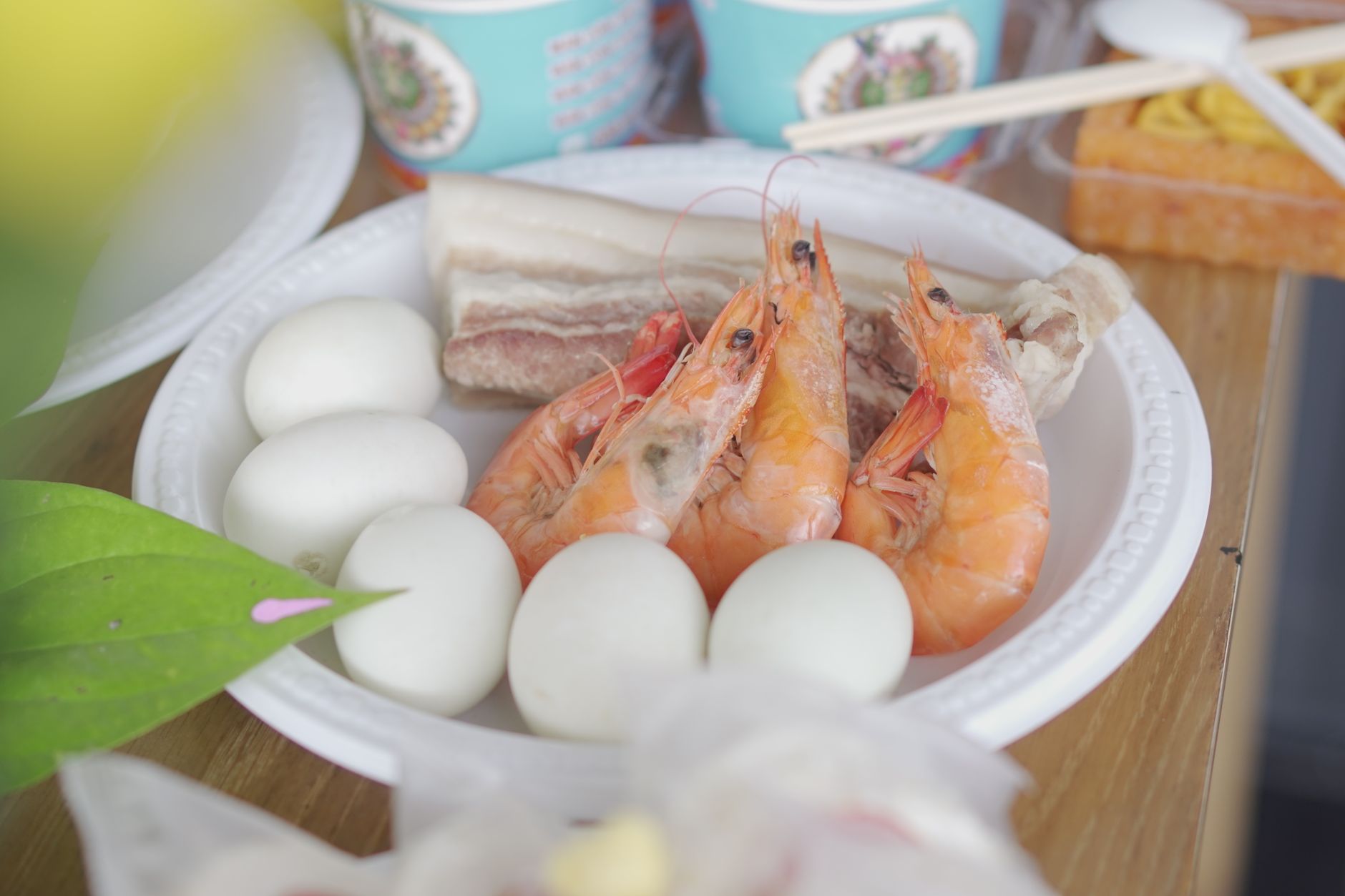
--- ## **Key Nutrients for Thyroid Health (And Where to Find Them)** Your thyroid needs three critical nutrients to produce hormones like T4 and T3: **iodine, selenium, and zinc**. Here’s what each does and where to get it—without overcomplicating things. ### **1. Iodine: The Thyroid’s Superstar** Iodine is essential for making thyroid hormones. Most people get enough from iodized salt, but if you’re pregnant, have thyroid issues, or avoid salt, you might need to pay closer attention. #### **Best Iodine-Rich Foods for Thyroid Health** | **Food** | **Iodine per Serving** | **Notes** | |------------------------|-----------------------|---------------------------------------------------------------------------| | **Seaweed (nori, wakame)** | 1,000–2,000 mcg | Highly concentrated; eat in moderation (1–2 servings/week). | | **Shrimp** | 100–150 mcg | Low-calorie, high-protein; great for hypothyroidism. | | **Sardines** | 100–200 mcg | Packed with omega-3s and vitamin D; opt for wild-caught. | | **Eggs** | 15–20 mcg | Choose pasture-raised for better nutrient absorption. | | **Dairy (milk, yogurt)** | 50–100 mcg | Organic or grass-fed options reduce exposure to hormones. |How much iodine do you need? The NIH recommends 150 mcg/day for adults, but pregnant women need 220 mcg. If you’re on a thyroid medication (like levothyroxine), your doctor may adjust your dose based on diet.
Pro tip: If you’re pregnant or trying to conceive, ask your doctor about an iodine supplement—many women are deficient without realizing it.
### **2. Selenium: The Antioxidant Shield** Selenium helps convert T4 to the active T3 hormone. It also protects your thyroid from oxidative stress. The best sources? Nuts and seafood. #### **Top Selenium Foods** | **Food** | **Selenium per Serving** | **Serving Size** | |------------------------|--------------------------|---------------------------| | **Brazil nuts** | 544 mcg | 1 nut (yes, just one!) | | **Tuna** | 40–60 mcg | 3 oz (cooked) | | **Shrimp** | 30–40 mcg | 3 oz | | **Eggs** | 15–20 mcg | 1 large egg | | **Sunflower seeds** | 20–30 mcg | ¼ cup |Why one Brazil nut a day? That’s all you need to meet your daily selenium requirement (55 mcg for adults). Keep them refrigerated to prevent rancidity.
### **3. Zinc: The Immune and Hormone Helper** Zinc supports thyroid function and immune health. It’s also crucial for wound healing and cell growth. #### **Best Zinc-Rich Foods** | **Food** | **Zinc per Serving** | **Serving Size** | |------------------------|-------------------------|---------------------------| | **Oysters** | 3–4 mg | 3 oz (cooked) | | **Beef (lean)** | 5–7 mg | 3 oz | | **Pumpkin seeds** | 2–3 mg | ¼ cup | | **Chickpeas** | 1–2 mg | ½ cup (cooked) | | **Lentils** | 1–2 mg | ½ cup (cooked) |If you’re vegetarian or vegan, pair zinc-rich foods with vitamin C (like bell peppers or citrus) to boost absorption.
--- ---
## **What Foods Are Safe for a Thyroid-Friendly Diet During Pregnancy?**
Pregnancy is a special case. Your thyroid’s role in fetal brain development makes diet even more critical. The good news? Many thyroid-friendly foods are also pregnancy-safe. The bad news? Some require extra caution.
### **Safe and Beneficial Foods for Pregnant Women**
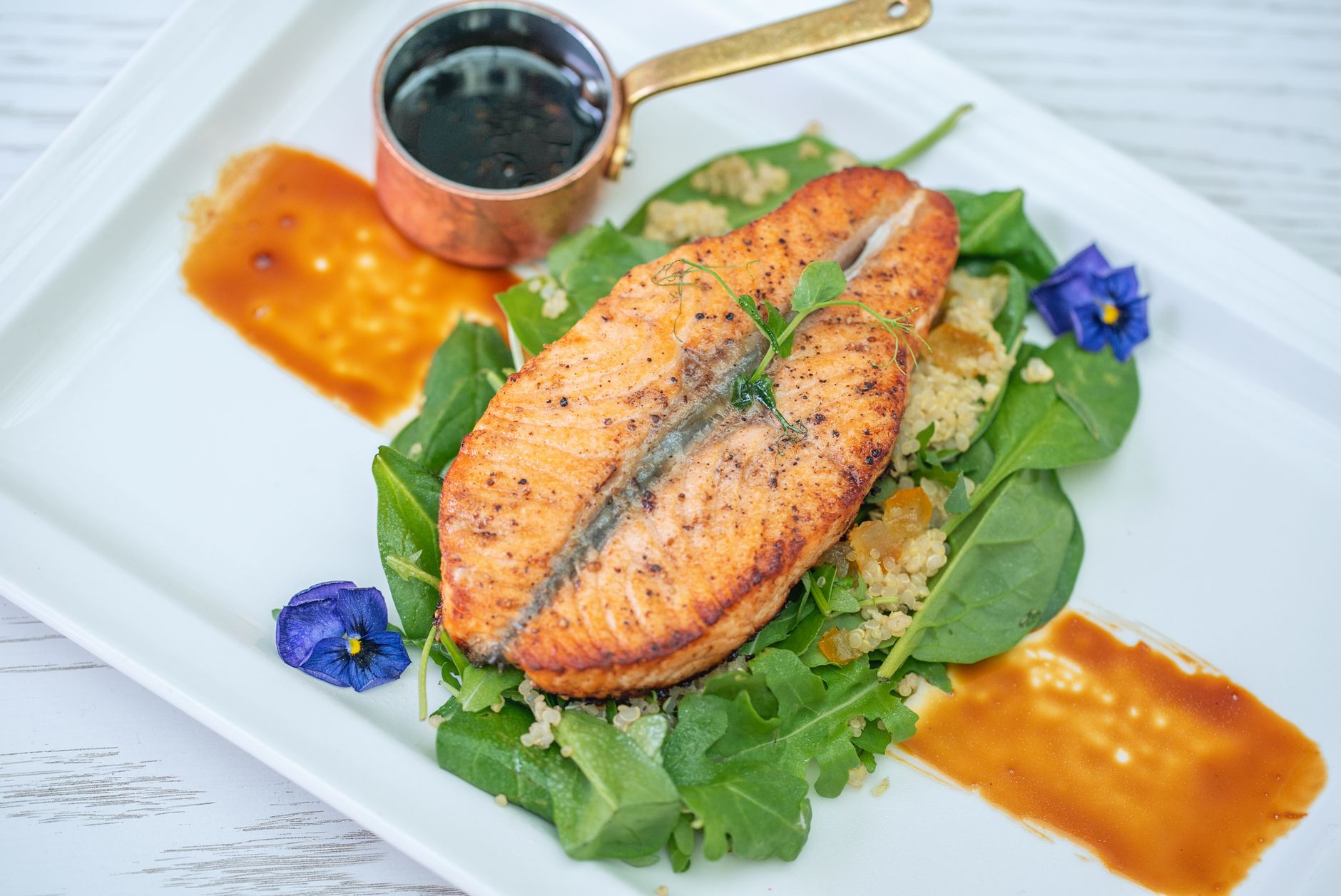
✅ **Fatty fish (salmon, sardines, mackerel)** – Rich in omega-3s and iodine, but limit to 2–3 servings/week due to mercury.
✅ **Organic eggs** – High in choline (critical for baby’s brain) and selenium.
✅ **Quinoa and buckwheat** – Gluten-free, high-protein grains that support energy levels.
✅ **Berries (blueberries, raspberries)** – Packed with antioxidants and fiber.
✅ **Leafy greens (spinach, kale)** – Cooked to reduce oxalates (which may interfere with mineral absorption).
### **Foods to Approach with Caution**
⚠️ **Raw cruciferous veggies (broccoli, cabbage, Brussels sprouts)** – Cooking reduces goitrogens, but pregnant women should limit raw intake.
⚠️ **Excessive soy** – Fermented soy (like tempeh) is safer than soy milk or tofu in large amounts.
⚠️ **High-mercury fish (shark, swordfish, king mackerel)** – Stick to low-mercury options.
Pro tip: If you’re pregnant and have hypothyroidism, your doctor may recommend a slightly higher iodine intake (220 mcg/day). Ask about an iodine supplement if your diet falls short.
One reader, Sarah (32, pregnant with her first baby), shared: "I was so stressed about whether I could eat my favorite foods. Turns out, I just needed to cook my veggies and swap my white rice for quinoa. My endocrinologist even said I could keep my sardines—just not every day!"
--- ## **Best Iodine-Rich Foods for Thyroid Health in Pregnancy** Iodine is non-negotiable during pregnancy. Here’s how to get it without overdoing it: 1. **Seaweed snacks (in moderation)** – A 1-gram serving of nori provides ~1,000 mcg of iodine. Stick to 1–2 servings/week. 2. **Iodized salt** – Use it on meals, but don’t rely on it as your only source. 3. **Dairy (milk, yogurt, cheese)** – Opt for organic or grass-fed to reduce hormone disruptors. 4. **Eggs** – A great all-around nutrient powerhouse.Warning: Too much iodine can cause hyperthyroidism in pregnancy. The Thyroid Foundation recommends pregnant women avoid supplements unless advised by a doctor.
--- ## **How to Avoid Goitrogenic Foods on a Thyroid-Friendly Diet** Goitrogens are compounds found in certain foods that can interfere with thyroid hormone production—especially if you’re iodine-deficient. But here’s the catch: **cooking destroys most goitrogens**. So while raw Brussels sprouts might be a concern, steamed ones? No problem. ### **Goitrogenic Foods to Limit (If Raw)** - **Raw cruciferous veggies**: Broccoli, cabbage, kale, Brussels sprouts, cauliflower. - **Soy products**: Tofu, tempeh, edamame (unless fermented). - **Cassava (yuca)**: A staple in some diets, but high in cyanogenic glycosides. ### **How to Eat Them Safely** - **Cook them**: Steaming, boiling, or sautéing reduces goitrogen levels. - **Soak them**: For soy products, soaking before cooking can help. - **Don’t overdo it**: If you’re iodine-deficient, limit raw cruciferous veggies to 1–2 servings/day.Myth busted: "I can’t eat any cruciferous veggies!" Fact: Most women can eat them safely—just cook them. If you have hyperthyroidism or are pregnant, your doctor may advise extra caution.
--- ---
## **Gluten-Free Thyroid-Friendly Diet Meal Plan**
Gluten sensitivity is common in thyroid disorders, especially Hashimoto’s. If you’re gluten-free, you’re already on the right track—but you’ll want to ensure your diet is still nutrient-dense.
### **7-Day Gluten-Free Thyroid-Friendly Meal Plan**
| **Day** | **Breakfast** | **Lunch** | **Dinner** | **Snack** |
|----------|----------------------------------------|----------------------------------------|----------------------------------------|------------------------------------|
| **Mon** | Scrambled eggs with spinach + Brazil nuts | Grilled salmon with quinoa and roasted veggies | Turkey chili (with beans and pumpkin seeds) | Greek yogurt with berries |
| **Tue** | Chia pudding (almond milk, chia, flax) | Lentil soup with steamed kale | Baked chicken with mashed sweet potatoes | Hard-boiled eggs |
| **Wed** | Smoothie (almond milk, banana, spinach, almond butter) | Quinoa salad with avocado and shrimp | Stuffed bell peppers (ground turkey, black beans) | Hummus with carrot sticks |
| **Thu** | Omelet with mushrooms and feta | Sardine salad (with olive oil and lemon) | Grilled steak with roasted Brussels sprouts | Cottage cheese with pineapple |
| **Fri** | Buckwheat pancakes with almond butter | Turkey lettuce wraps with hummus | Baked cod with garlic and asparagus | Trail mix (Brazil nuts, walnuts) |
| **Sat** | Greek yogurt with flaxseeds and honey | Chickpea and veggie stir-fry | Grilled chicken with wild rice | Apple slices with almond butter |
| **Sun** | Scrambled tofu with turmeric and greens | Tuna salad (with olive oil mayo) | Beef and vegetable soup | Dark chocolate (85%+) with almonds |
Pro tip: If you’re gluten-free, prioritize nutrient-dense gluten-free grains like quinoa, buckwheat, and millet. These are higher in protein and minerals than white rice.
--- ## **Low Sodium Thyroid-Friendly Diet for Pregnant Women** High sodium can contribute to water retention and bloating, which is especially bothersome during pregnancy. But low sodium doesn’t mean boring—it’s about smart swaps. ### **Sodium-Smart Swaps** ✅ **Use herbs and spices** instead of salt: Basil, oregano, turmeric, and garlic powder add flavor without sodium. ✅ **Opt for low-sodium broths** (or make your own from scratch). ✅ **Choose fresh or frozen veggies** over canned (which are often high in sodium). ✅ **Limit processed foods**: Canned soups, deli meats, and frozen meals are usually high in sodium. ### **Low-Sodium Thyroid-Friendly Snacks** - Fresh fruit with nut butter - Hard-boiled eggs - Roasted chickpeas - Cottage cheese with pineapple - Rice cakes with avocadoWarning: If you’re on thyroid medication (like levothyroxine), take it on an empty stomach and at least 30 minutes before eating or drinking anything with calcium, iron, or fiber—including low-sodium foods like fortified plant milks. This ensures proper absorption.
--- ## **Thyroid-Friendly Diet Recipes for Beginners** You don’t need to be a chef to eat thyroid-friendly. Here are three easy, nutrient-packed recipes to get you started. ### **1. 10-Minute Selenium-Packed Scrambled Eggs** **Ingredients:** - 2 eggs - 1 tbsp olive oil - ½ cup spinach (chopped) - 1 Brazil nut (chopped) - Salt and pepper to taste **Instructions:** 1. Whisk eggs in a bowl. 2. Heat olive oil in a pan over medium heat. Add spinach and sauté for 2 minutes. 3. Pour in eggs, stir gently, and cook until set (about 5 minutes). 4. Top with chopped Brazil nut and season with salt/pepper. **Why it works:** Eggs provide selenium and zinc, while spinach adds iron and vitamin A. --- ### **2. Easy Thyroid-Boosting Salmon Bowl** **Ingredients:** - 1 salmon fillet (wild-caught) - ½ cup quinoa (cooked) - ½ avocado (sliced) - 1 cup roasted Brussels sprouts - 1 tbsp olive oil + lemon juice **Instructions:** 1. Season salmon with salt, pepper, and lemon juice. Bake at 375°F for 12–15 minutes. 2. Cook quinoa according to package instructions. 3. Toss Brussels sprouts with olive oil, salt, and pepper; roast at 400°F for 20 minutes. 4. Assemble bowl with quinoa, salmon, avocado, and Brussels sprouts. **Why it works:** Salmon is rich in omega-3s and iodine, while quinoa provides gluten-free protein. --- ### **3. High-Protein Thyroid Smoothie** **Ingredients:** - 1 cup almond milk (unsweetened) - ½ banana - 1 tbsp almond butter - 1 tbsp chia seeds - ½ cup spinach - 1 scoop vanilla protein powder (optional) **Instructions:** Blend all ingredients until smooth. Enjoy immediately. **Why it works:** Almond butter provides vitamin E (important for thyroid health), while chia seeds offer omega-3s. --- ## **Foods to Include in a Thyroid-Friendly Diet** Now that we’ve covered the "how to," let’s dive into the actual food list. Here’s what to prioritize: ### **Protein Powerhouses** - **Fatty fish** (salmon, sardines, mackerel) - **Eggs** (especially pasture-raised) - **Lean meats** (chicken, turkey, beef) - **Plant-based proteins** (lentils, chickpeas, tofu—if tolerated) ### **Healthy Fats** - **Avocados** - **Olive oil** - **Nuts and seeds** (Brazil nuts, walnuts, flaxseeds) - **Coconut oil** (in moderation) ### **Complex Carbs** - **Quinoa** - **Sweet potatoes** - **Buckwheat** - **Wild rice** ### **Fiber-Rich Veggies** - **Leafy greens** (spinach, kale—cooked) - **Zucchini** - **Carrots** - **Bell peppers** ### **Fruits** - **Berries** (blueberries, raspberries) - **Apples** - **Pears** - **Bananas** ### **Dairy (if tolerated)** - **Greek yogurt** (unsweetened) - **Cottage cheese** - **Cheese** (organic or grass-fed) ---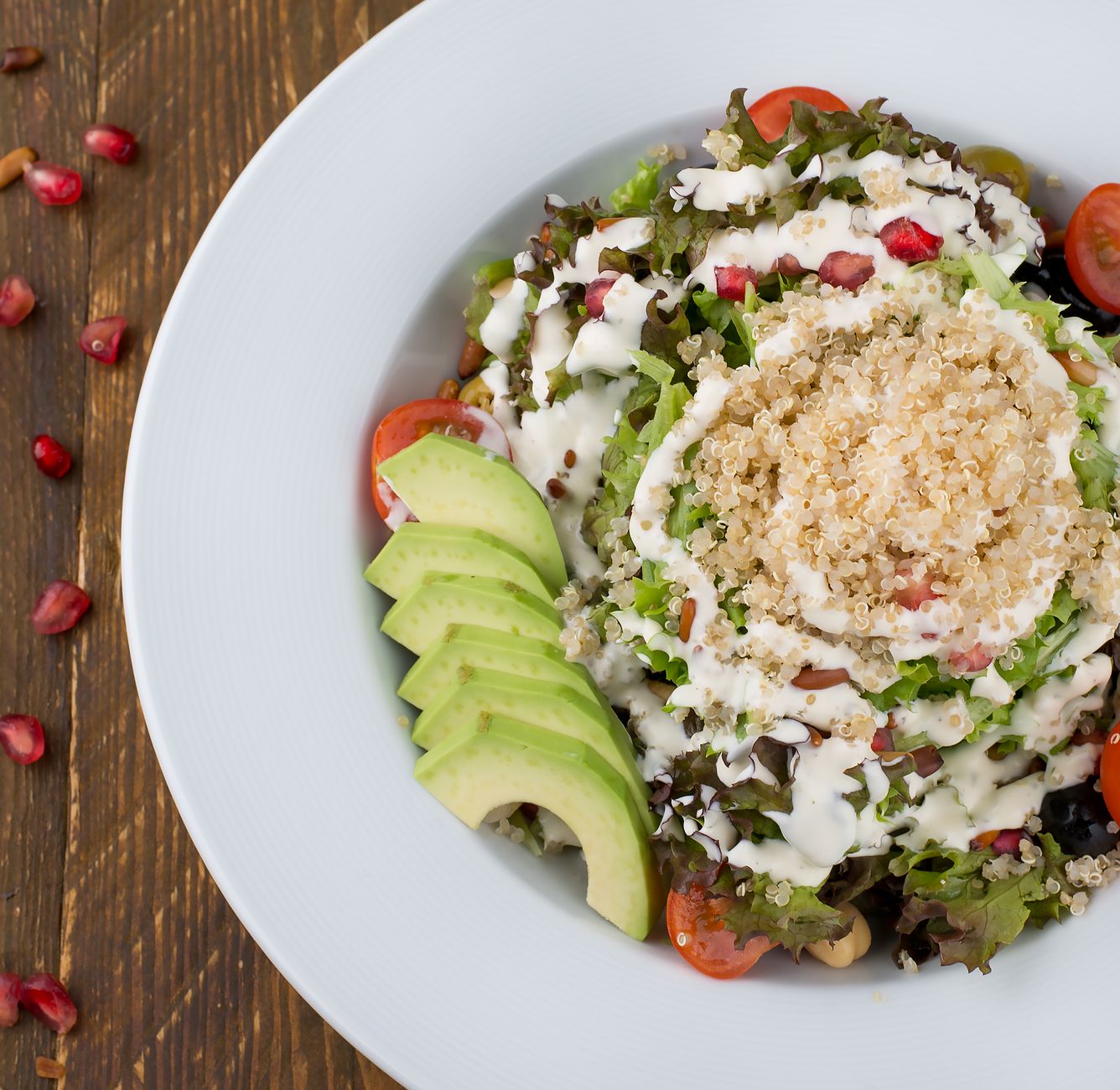 ---
## **Foods to Avoid on a Thyroid-Friendly Diet**
Not all foods are created equal when it comes to thyroid health. Here’s what to limit or avoid:
### **Goitrogenic Foods (If Raw)**
- Raw cruciferous veggies (broccoli, cabbage, Brussels sprouts)
- Soy products (tofu, tempeh, edamame—unless fermented)
### **High-Sodium Foods**
- Processed meats (deli meats, sausages)
- Canned soups and vegetables
- Fast food
### **Refined Carbs and Sugars**
- White bread
- Sugary cereals
- Pastries and cookies
### **Excessive Caffeine and Alcohol**
- More than 2 cups of coffee/day
- Alcohol in excess (aim for <1 drink/day)
### **Trans Fats and Fried Foods**
- Margarine
- Fast food (fries, burgers)
- Packaged snacks (chips, crackers)
---
## **Thyroid-Friendly Diet Grocery List**
Need a quick shopping list? Here’s what to grab next time you’re at the store:
### **Produce**
- Spinach
- Kale (cooked)
- Brussels sprouts (cooked)
- Carrots
- Bell peppers
- Avocados
- Bananas
- Blueberries
### **Proteins**
- Wild-caught salmon
- Sardines
- Eggs (pasture-raised)
- Chicken breast
- Turkey slices
- Lentils
- Chickpeas
### **Grains**
- Quinoa
- Buckwheat
- Wild rice
- Oats
### **Nuts and Seeds**
- Brazil nuts
- Walnuts
- Almonds
- Chia seeds
- Flaxseeds
### **Dairy (if tolerated)**
- Greek yogurt (unsweetened)
- Cottage cheese
- Organic milk
### **Healthy Fats**
- Olive oil
- Coconut oil
- Avocado oil
### **Pantry Staples**
- Almond butter
- Hummus
- Low-sodium broth
- Herbs (basil, oregano, turmeric)
---
## **Thyroid-Friendly Diet Meal Prep Tips**
Meal prepping makes sticking to a thyroid-friendly diet a breeze. Here’s how to do it right:
1. **Batch-cook proteins**: Grill chicken, bake salmon, or hard-boil eggs for the week.
2. **Pre-chop veggies**: Wash and chop spinach, bell peppers, and carrots for easy salads.
3. **Use glass containers**: Store meals in airtight containers to keep foods fresh.
4. **Freeze extras**: Soups, chili, and casseroles freeze well for future meals.
5. **Keep snacks handy**: Portion nuts, cheese, and fruit for grab-and-go options.
Pro tip: If you’re short on time, try autoimmune protocol (AIP) meal prep—it’s even more thyroid-friendly and eliminates common irritants.
--- ## **Supplement Considerations for Thyroid Health** While food should be your first line of defense, some women benefit from supplements. Here’s what to consider: ### **When to Supplement** - If your blood tests show deficiencies (e.g., low selenium or zinc). - If you’re pregnant and struggling to meet iodine needs through diet. - If you have Hashimoto’s and your doctor recommends vitamin D or probiotics. ### **Common Supplements for Thyroid Health** | **Supplement** | **Typical Dose** | **Best Time to Take** | **Food Sources** | |----------------------|--------------------------------|--------------------------------|---------------------------------------| | **Selenium** | 200 mcg/day (short-term) | With breakfast | Brazil nuts, eggs, tuna | | **Iodine** | 150–220 mcg/day (pregnant) | With a meal | Seaweed, shrimp, dairy | | **Zinc** | 15–30 mg/day | With a meal | Oysters, beef, pumpkin seeds | | **Vitamin D** | 1,000–2,000 IU/day | With a fatty meal | Fatty fish, egg yolks | | **Probiotics** | 1–10 billion CFU/day | With breakfast | Yogurt, kimchi, sauerkraut |Warning: Always check with your endocrinologist before starting supplements, especially if you’re on thyroid medication. Some supplements (like iron or calcium) can interfere with levothyroxine absorption.
--- ## **Monitoring Thyroid Function** Your thyroid’s health is personal—what works for one woman may not work for another. That’s why regular monitoring is key. ### **Blood Tests to Track** - **TSH (Thyroid-Stimulating Hormone)** – High TSH often indicates hypothyroidism. - **Free T4 and Free T3** – Measures active thyroid hormones. - **Thyroid antibodies (TPO, Tg)** – Useful for Hashimoto’s diagnosis. - **Vitamin D, selenium, zinc** – If you suspect deficiencies.How often? If your thyroid is stable, annual testing may suffice. If you have Hashimoto’s or are pregnant, your doctor may recommend more frequent checks.
--- ## **Common Myths About Thyroid-Friendly Diets** Let’s debunk some of the biggest misconceptions: ### **Myth: "You can’t eat dairy on a thyroid-friendly diet."** Fact: Dairy can be part of a thyroid-friendly diet—just choose organic or grass-fed options to avoid hormone disruptors. If you tolerate it well, Greek yogurt and cottage cheese are great for protein and calcium. ### **Myth: "A gluten-free diet is automatically thyroid-friendly."** Fact: Gluten-free isn’t always thyroid-friendly. Some women with Hashimoto’s benefit from gluten-free, but others don’t. Focus on nutrient-dense gluten-free grains like quinoa and buckwheat. If you suspect gluten sensitivity, try an elimination diet under medical supervision. ### **Myth: "You need to avoid all soy."** Fact: Fermented soy (like tempeh) is generally safe in moderation. Non-fermented soy (tofu, edamame) may interfere with thyroid function if you’re iodine-deficient. If you love soy, opt for small portions and cook it thoroughly. ### **Myth: "A low-fat diet is best for thyroid health."** Fact: Healthy fats are essential for thyroid hormone production. Avoid trans fats and fried foods, but include avocados, olive oil, and fatty fish in your diet. ### **Myth: "You can’t eat nuts on a thyroid diet."** Fact: Nuts are great for thyroid health—just watch portions. Brazil nuts are especially beneficial for selenium, but almonds and walnuts are also thyroid-friendly. --- ## **Key Takeaways for a Thyroid-Friendly Diet** Here’s what you need to remember: 1. **Prioritize selenium, iodine, and zinc** through food first. 2. **Cook cruciferous veggies** to reduce goitrogens. 3. **Choose nutrient-dense grains** like quinoa and buckwheat. 4. **Limit processed foods and excess salt**. 5. **Supplements are a last resort**—focus on diet first. 6. **Monitor your blood tests** regularly with your endocrinologist. 7. **Pregnancy adds extra caution**—work with your doctor on iodine and medication timing. --- ## **Frequently Asked Questions About Thyroid-Friendly Diets** ### **What foods should I avoid on a thyroid-friendly diet?** Avoid excessive processed foods, raw cruciferous veggies (if raw), high-sodium snacks, and refined sugars. If you have hyperthyroidism, limit caffeine and alcohol. Always check with your doctor if you’re pregnant or on medication. ### **Can I eat dairy on a thyroid-friendly diet?** Yes, but choose organic or grass-fed options to avoid hormone disruptors. If you tolerate dairy well, Greek yogurt and cottage cheese are great for protein and calcium. If you’re lactose intolerant, opt for lactose-free or plant-based alternatives like almond milk (unsweetened). ### **Is a gluten-free diet thyroid-friendly?** Not automatically. Gluten-free isn’t always thyroid-friendly—it depends on your individual needs. If you have Hashimoto’s, some women benefit from gluten-free, while others don’t. Focus on nutrient-dense gluten-free grains like quinoa and buckwheat. If you suspect gluten sensitivity, try an elimination diet under medical supervision. ### **How much iodine do I need on a thyroid-friendly diet?** The NIH recommends 150 mcg/day for adults, but pregnant women need 220 mcg. If you’re on thyroid medication, your doctor may adjust your dose based on diet. Avoid supplements unless advised—too much iodine can cause hyperthyroidism. ### **What is a goitrogenic food?** Goitrogens are compounds found in certain foods that can interfere with thyroid hormone production, especially if you’re iodine-deficient. Raw cruciferous veggies (broccoli, cabbage, Brussels sprouts) and soy products (tofu, tempeh) are common examples. Cooking destroys most goitrogens, so they’re usually safe in moderation. ### **Can a low-sodium diet help thyroid health?** Yes, but it’s more about reducing water retention and bloating than directly supporting thyroid function. High sodium can contribute to fluid retention, which may worsen symptoms of hypothyroidism (like fatigue and weight gain). Focus on whole foods and herbs for flavor instead of salt. ### **What’s the best thyroid-friendly diet for hypothyroidism vs. hyperthyroidism?** - **Hypothyroidism**: Focus on selenium, zinc, and iodine-rich foods. Include healthy fats and fiber to support metabolism. - **Hyperthyroidism**: Emphasize low-glycemic foods (like quinoa and sweet potatoes) to stabilize blood sugar. Limit caffeine, alcohol, and processed foods. - **Pregnancy**: Prioritize iodine, selenium, and vitamin D. Avoid excessive soy and raw cruciferous veggies. --- ## **When to See a Doctor or Specialist** While diet is a powerful tool, some symptoms require medical attention. **See your endocrinologist or primary care doctor if you experience:** ⚠️ **Hypothyroidism red flags:** - Extreme fatigue that doesn’t improve with rest - Unexplained weight gain (especially if you’re not eating more) - Cold intolerance (always feeling chilly) - Hair loss or dry skin - Depression or brain fog ⚠️ **Hyperthyroidism red flags:** - Rapid or irregular heartbeat - Unexplained weight loss - Anxiety or nervousness - Heat intolerance - Frequent bowel movements ⚠️ **Pregnancy-specific concerns:** - Persistent fatigue or dizziness - Swelling in hands/feet (could indicate preeclampsia) - Severe mood swings or depressionIf you’re already diagnosed with a thyroid disorder, your doctor may recommend regular blood tests to monitor your TSH, free T4, and free T3 levels. If you’re pregnant, thyroid function tests are a must—especially in the first trimester.
--- ## **Final Thoughts: You’ve Got This** Starting a thyroid-friendly diet can feel overwhelming, but remember: **it’s about progress, not perfection**. Some days, you’ll nail it; other days, you’ll crave pizza or skip a meal. That’s okay. The key is to **start small**. Swap one meal at a time, focus on adding nutrient-dense foods, and listen to your body. If you’re pregnant, double-check with your doctor before making major changes. And if you hit a snag, don’t hesitate to ask your endocrinologist for guidance.Here’s to feeling more balanced, energized, and in control—one bite at a time.
--- ## **References**- National Institutes of Health Office of Dietary Supplements: Iodine
- Thyroid Foundation of America: Iodine and Thyroid Disease
- EndocrineWeb: Iodine and Thyroid Disease
- Thyroid Foundation of America: Hashimoto’s Thyroiditis
- Healthline: Iodine-Rich Foods
- Mayo Clinic: Hypothyroidism Diagnosis and Treatment
- Harvard Health Publishing: Thyroid Diet


