

Quick take: A thyroid-friendly diet can help manage hypothyroidism, hyperthyroidism, and autoimmune thyroid conditions by focusing on nutrient-dense foods like selenium-rich Brazil nuts, iodine sources (if deficient), and anti-inflammatory ingredients. However, restrictive diets like low-iodine or gluten-free can have side effects—like nutrient deficiencies or digestive upset—if not balanced properly. For hypothyroidism, prioritize iodine, zinc, and vitamin D; for hyperthyroidism, watch caffeine and goitrogens. Always work with your endocrinologist to tailor your diet to your specific thyroid needs.Thyroid Friendly Diet Benefits and Side Effects: The Complete 2026 Guide
It was 2:17 a.m., and you were staring at your kitchen counter like it had just betrayed you. The "thyroid-friendly" meal plan you’d printed out three weeks ago was still sitting unopened in the drawer. You’d read that selenium could help your hashimoto’s, but you’d also seen warnings about iodine overload. And now, your thyroid levels were still creeping up—despite the kale smoothies and quinoa bowls you’d been forcing down. What was even working?
If this sounds familiar, you’re not alone. A thyroid-friendly diet can feel like navigating a minefield of conflicting advice: "Eat more iodine!" "Wait, no—too much iodine is bad!" "Gluten-free helps some people, but what if it’s just a placebo?" The truth is, there’s no one-size-fits-all thyroid diet. Your thyroid’s needs depend on whether you’re battling hypothyroidism, hyperthyroidism, or an autoimmune condition like Hashimoto’s or Graves’ disease. And if you’re pregnant or postpartum, the stakes feel even higher.
This guide cuts through the noise. We’ll break down what a thyroid-friendly diet actually does—the benefits, the risks, and the science-backed tweaks that might finally help you feel like you again. We’ll cover nutrient priorities, meal-planning hacks, and how to avoid common pitfalls (like accidentally starving your gut microbiome). And yes, we’ll talk about pregnancy, postpartum thyroiditis, and even how to navigate a vegan diet without sabotaging your thyroid. By the end, you’ll know exactly which foods to prioritize, which to limit, and when to loop in your endocrinologist for a second opinion.
--- ## What Are the Benefits of a Thyroid-Friendly Diet for Hypothyroidism?If your thyroid is underactive (hypothyroidism), your body’s metabolism slows down, leaving you exhausted, cold, and struggling to lose weight—even when you’re eating "healthy." A thyroid-friendly diet can help by providing the nutrients your thyroid needs to produce enough hormones (like T4 and T3) and reducing inflammation that might be worsening your symptoms. But here’s the catch: the right foods depend on your specific deficiency.
For example, many women with hypothyroidism are deficient in selenium, a mineral that supports thyroid hormone conversion. One small study found that supplementing with selenium improved thyroid function in women with Hashimoto’s (autoimmune thyroiditis). Others benefit from zinc, which helps regulate thyroid hormones, or vitamin D, which is often low in hypothyroidism and linked to worse symptoms. Meanwhile, iodine—the mineral that fuels thyroid hormone production—is critical for people with iodine deficiency, but too much can backfire.
Key benefits of a thyroid-friendly diet for hypothyroidism:
- Supports hormone production by providing iodine, selenium, and zinc.
- Reduces inflammation with anti-inflammatory foods like fatty fish, leafy greens, and turmeric.
- Helps with weight management by addressing nutrient deficiencies that slow metabolism.
- May improve energy levels by supporting mitochondrial function (your cells’ energy factories).
But here’s the reality: If you’re eating a diet rich in whole foods but still struggling, it might not be your diet—it could be your gut health. Leaky gut and autoimmune thyroid disease often go hand in hand, and healing your gut might be the missing piece. (More on that later.)
--- ## Side Effects of a Low-Iodine Diet for Thyroid Health
You might have heard that cutting iodine is the key to healing a hyperactive thyroid or managing Hashimoto’s. But here’s the problem: iodine isn’t just about your thyroid—it’s essential for your brain, reproductive system, and even your immune function. Cutting it too aggressively can lead to:
- Goiter (an enlarged thyroid) if your body can’t make enough thyroid hormone.
- Hypothyroidism symptoms like fatigue, weight gain, and depression.
- Pregnancy complications if you’re deficient, as iodine is critical for fetal brain development.
- Increased risk of autoimmune flare-ups in some people with Hashimoto’s.
Who might benefit from a low-iodine diet? Only those with:
- Hyperthyroidism (especially Graves’ disease) under medical supervision.
- A confirmed iodine allergy or sensitivity.
- Post-thyroidectomy patients (after thyroid removal) who need to avoid iodine-rich foods to prevent inflammation.
Pro tip: If you’re reducing iodine, work with your endocrinologist to monitor your levels. A simple blood test can check your TSH, free T4, and free T3 to ensure you’re not slipping into deficiency.
--- ## How Does a Gluten-Free Diet Affect Thyroid Function?If you’ve been diagnosed with Hashimoto’s, you’ve probably heard that gluten is the enemy. But here’s the thing: gluten isn’t the root cause of Hashimoto’s for everyone. Some people see dramatic improvements when they cut gluten, while others see no change—or even worse symptoms if they’re missing out on fiber and B vitamins.
How gluten might impact thyroid health:
- Inflammation trigger: Gluten can cause gut lining damage in people with celiac disease or non-celiac gluten sensitivity, leading to systemic inflammation that may worsen autoimmune thyroid disease.
- Immune response: Gluten contains proteins that can trigger an autoimmune reaction in genetically predisposed individuals, potentially accelerating Hashimoto’s progression.
- Nutrient absorption: If you have celiac disease, gluten damages your gut, making it harder to absorb iron, vitamin D, and zinc—all critical for thyroid function.
But wait—there’s a catch: If you don’t have celiac disease or gluten sensitivity, going gluten-free might not help your thyroid—and it could hurt your gut health. Gluten-free products are often high in refined grains and low in fiber, which can feed gut-damaging bacteria and worsen bloating.
How to test if gluten is the issue:
- Try a 4–6 week elimination of gluten (and other potential triggers like dairy) while monitoring symptoms.
- Get tested for celiac disease (tTG-IgA blood test) before assuming gluten is the culprit.
- If you feel better, reintroduce gluten carefully to see if symptoms return.
Bottom line: Gluten-free diets can help some people with Hashimoto’s, but they’re not a magic bullet. If you choose to go gluten-free, focus on whole-food alternatives like quinoa, buckwheat, and certified gluten-free oats to avoid nutrient gaps.
--- ## Best Foods for a Thyroid-Friendly Diet During PregnancyIf you’re pregnant and managing thyroid issues, your diet becomes even more critical. Your thyroid hormones affect your baby’s brain development, and deficiencies can lead to complications like preterm birth or low birth weight. Here’s what to prioritize:
Top thyroid-supportive foods for pregnancy:
| Nutrient | Best Food Sources | Daily Pregnancy Goal | Why It Matters |
|---|---|---|---|
| Iodine | Seafood (cod, shrimp), iodized salt, dairy, eggs | 220 mcg/day | Supports fetal brain development and thyroid hormone production. |
| Selenium | Brazil nuts (2–3 per day), eggs, fish | 60 mcg/day | Protects thyroid cells from oxidative stress and supports hormone conversion. |
| Zinc | Pumpkin seeds, lentils, beef, chicken | 11 mg/day | Regulates thyroid hormones and supports immune function. |
| Vitamin D | Fatty fish (salmon, mackerel), fortified dairy, sunlight | 600 IU/day (often higher in deficiency) | Low vitamin D is linked to worse thyroid function and autoimmune flare-ups. |
Foods to limit:
- Excessive soy (fermented soy like tempeh is fine; raw soy may interfere with thyroid hormone absorption).
- Goitrogens in large amounts (raw cruciferous veggies like kale and broccoli are fine cooked; limit raw consumption).
- High-mercury fish (avoid king mackerel, shark, and swordfish; opt for salmon or sardines instead).
Real talk: One reader, Sarah, was diagnosed with postpartum thyroiditis after her first pregnancy. She swore off dairy and gluten—only to feel worse until she realized her gut was starving for fiber. She swapped gluten-free pasta for chickpea pasta and added fermented foods like sauerkraut to her meals. Within a month, her energy stabilized, and her endocrinologist noted improved thyroid markers.
--- ## Can a Vegan Diet Support Thyroid Health—and What Are the Risks?
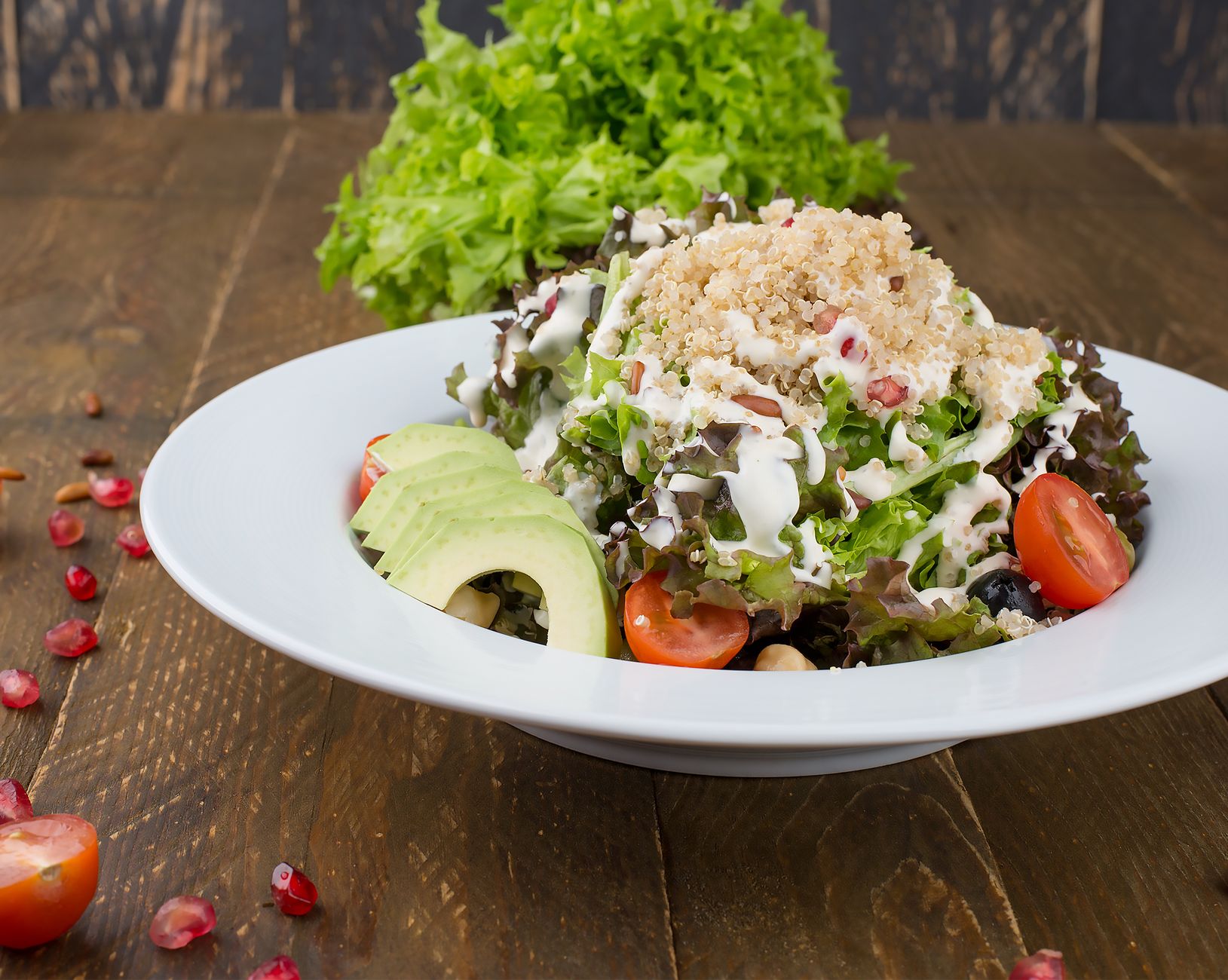
You can absolutely eat a thyroid-friendly vegan diet—but it requires planning. The biggest risks are nutrient deficiencies in iodine, selenium, zinc, and vitamin B12, all of which are critical for thyroid function. Here’s how to do it right:
Vegan thyroid-friendly swaps:
- Iodine: Use iodized salt or supplement with 150 mcg/day if you’re avoiding seafood.
- Selenium: Eat 2–3 Brazil nuts daily or supplement with 55 mcg/day.
- Zinc: Pair plant-based zinc sources (pumpkin seeds, lentils) with vitamin C (bell peppers, citrus) to boost absorption.
- Vitamin B12: Supplement with 250–500 mcg daily (methylcobalamin is the best form).
- Omega-3s: Take algae-based DHA/EPA supplements (250–500 mg/day).
Potential risks of a poorly planned vegan diet for thyroid health:
- Hypothyroidism from iodine or selenium deficiency.
- Autoimmune flare-ups due to low vitamin D or zinc.
- Weight gain from lack of thyroid-supportive nutrients.
- Fatigue from B12 or iron deficiency.
Pro tip: If you’re vegan and struggling with thyroid symptoms, work with a dietitian who specializes in thyroid health. They can help you design a meal plan that covers all your bases—like this sample day:
- Breakfast: Tofu scramble with spinach, mushrooms, and fortified soy milk.
- Lunch: Lentil soup with quinoa and a side of sauerkraut.
- Snack: Hummus with carrot sticks and 2 Brazil nuts.
- Dinner: Tempeh stir-fry with broccoli, bell peppers, and brown rice.
If your thyroid is overactive (hyperthyroidism), your goal is to calm inflammation, support liver detox, and avoid foods that spike your metabolism further. Unlike hypothyroidism, where you need more thyroid-supportive nutrients, hyperthyroidism often benefits from:
- Anti-inflammatory foods (like turmeric, ginger, and fatty fish).
- Liver-supportive nutrients (like milk thistle and cruciferous veggies, cooked).
- Caffeine moderation (coffee and energy drinks can worsen anxiety and heart palpitations).
- Goitrogen control (limit raw cruciferous veggies if they’re triggering symptoms).
Nutrients to prioritize for hyperthyroidism:
| Nutrient | Best Food Sources | Avoid or Limit | Why It Matters |
|---|---|---|---|
| Magnesium | Spinach, pumpkin seeds, dark chocolate | Processed foods | Helps regulate heart rhythm and reduces anxiety. |
| Vitamin B6 | Chickpeas, bananas, avocados | Alcohol | Supports liver detox and calms nerves. |
| Omega-3s | Wild salmon, walnuts, flaxseeds | Excessive omega-6s (fried foods) | Reduces inflammation that worsens hyperthyroidism. |
Foods to avoid with hyperthyroidism:
- Excessive caffeine (stick to 1–2 cups of coffee/day max).
- Raw goitrogens (limit raw kale, broccoli, and cabbage; cook them instead).
- Processed foods (high in refined carbs and unhealthy fats).
- Alcohol (can worsen liver strain and anxiety).
Real-world example: Emily, a 38-year-old with Graves’ disease, found that her heart palpitations improved dramatically when she swapped her daily 3 cups of coffee for herbal tea and added magnesium-rich foods to her diet. She also noticed that cooking her cruciferous veggies (instead of eating them raw) helped stabilize her symptoms.
--- ## Thyroid-Friendly Diet Meal Plan: 7 Days of Simple, Science-Backed MealsReady to put it all together? Here’s a 7-day thyroid-friendly meal plan that covers nutrient needs for both hypothyroidism and hyperthyroidism (with adjustments noted). Each day includes breakfast, lunch, dinner, and snacks—plus a grocery list at the end.
Day 1 (Hypothyroidism Focus)
| Meal | Recipe | Key Nutrients |
|---|---|---|
| Breakfast | Scrambled eggs with spinach, mushrooms, and 1 Brazil nut | Selenium, vitamin D, protein |
| Lunch | Grilled salmon with quinoa and roasted Brussels sprouts | Omega-3s, iodine, fiber |
| Dinner | Lentil curry with coconut milk and brown rice | Zinc, magnesium, plant-based protein |
| Snacks | Handful of almonds + apple slices | Vitamin E, fiber |
Day 4 (Hyperthyroidism Focus)
| Meal | Recipe | Key Nutrients |
|---|---|---|
| Breakfast | Chia pudding with almond milk, berries, and flaxseeds | Omega-3s, fiber, antioxidants |
| Lunch | Steamed cod with roasted sweet potatoes and steamed broccoli | Iodine, vitamin A, fiber |
| Dinner | Turmeric-tahini chickpea salad with cucumber and olive oil | Anti-inflammatory compounds, plant protein |
| Snacks | Herbal tea + dark chocolate (85% cocoa) | Magnesium, antioxidants |
Grocery List (Thyroid-Friendly Staples)
- Seafood: Salmon, cod, shrimp, sardines
- Protein: Eggs, chicken, turkey, lentils, chickpeas, tofu
- Nuts/Seeds: Brazil nuts, almonds, pumpkin seeds, flaxseeds
- Vegetables: Spinach, kale (cooked), Brussels sprouts, broccoli (cooked), mushrooms
- Fruits: Berries, apples, bananas
- Grains: Quinoa, brown rice, certified gluten-free oats
- Healthy Fats: Olive oil, avocado, coconut milk
- Spices: Turmeric, ginger, cinnamon
- Dairy Alternatives: Fortified soy milk, almond milk
Not all supplements are created equal—and some can even interfere with thyroid medications. Here’s what the science says about the most popular thyroid-supportive supplements:
Supplements with evidence for thyroid health:
| Supplement | Typical Dose | Best Time to Take | Food Sources | Known Interactions |
|---|---|---|---|---|
| Selenium | 200 mcg/day (max 400 mcg/day) | With breakfast | Brazil nuts, eggs, fish | Warfarin (blood thinner) |
| Vitamin D3 + K2 | 1,000–5,000 IU/day (depending on deficiency) | With a fatty meal | Fatty fish, egg yolks, sunlight | Thyroid medications (take 4+ hours apart) |
| Zinc | 15–30 mg/day | With meals | Pumpkin seeds, beef, lentils | Copper supplements, penicillin |
| Magnesium | 300–400 mg/day | Before bed | Leafy greens, nuts, dark chocolate | Antibiotics, diuretics |
Supplements to approach with caution:
- Iodine supplements: Only take if you’re deficient (tested by your doctor). Too much can worsen hyperthyroidism.
- Ashwagandha: May help with stress-related thyroid dysfunction but can interact with thyroid medications.
- Licorice root: Can lower cortisol but may worsen high blood pressure.
Pro tip: Always check with your endocrinologist before starting supplements, especially if you’re on thyroid hormone replacement (like levothyroxine). Some supplements, like iron or calcium, can interfere with absorption if taken at the wrong time.
--- ## Thyroid-Friendly Diet for Weight Loss: Does It Work?If you’re struggling with thyroid-related weight gain, a thyroid-friendly diet can help—but it’s not a magic bullet. The key is addressing nutrient deficiencies that slow metabolism and reducing inflammation that stores fat. Here’s how to approach it:
Diet tweaks for thyroid-friendly weight loss:
- Prioritize protein (aim for 20–30g per meal) to stabilize blood sugar and support thyroid hormone production.
- Add healthy fats (avocado, olive oil, nuts) to improve hormone balance.
- Reduce processed carbs (white bread, sugary cereals) that spike insulin and worsen fat storage.
Sample thyroid-friendly weight loss meal:
- Breakfast: Veggie omelet with feta and whole-grain toast
- Snack: Greek yogurt with chia seeds and berries
- Lunch: Grilled chicken salad with olive oil dressing and mixed greens
- Snack: Hard-boiled eggs with celery sticks
- Dinner: Baked salmon with roasted sweet potatoes and asparagus
Real talk: Sarah, a 42-year-old with Hashimoto’s, lost 15 pounds in 3 months by focusing on selenium-rich foods and reducing her gluten intake. She swapped her afternoon coffee for herbal tea and added resistance training to her routine. The key was consistency—not perfection.
--- ## Thyroid-Friendly Diet and Autoimmune Thyroiditis: What to Eat (and Avoid)If you have autoimmune thyroiditis (like Hashimoto’s or Graves’ disease), your diet should focus on reducing inflammation, healing your gut, and supporting immune regulation. Here’s what to prioritize:
Foods to eat:
- Anti-inflammatory foods: Fatty fish, turmeric, ginger, leafy greens.
- Probiotic-rich foods: Sauerkraut, kimchi, kefir, yogurt (if tolerated).
- Bone broth for gut healing and collagen support.
- Healthy fats (avocado, olive oil, nuts) to reduce systemic inflammation.
Foods to limit or avoid:
- Processed foods (high in additives and refined sugars).
- Excessive gluten (if you’re sensitive).
- Raw cruciferous veggies in excess (limit raw kale, broccoli, cabbage).
- Alcohol (can worsen liver strain and inflammation).
Pro tip: If you suspect your autoimmune thyroiditis is linked to gut issues, try the Blue Zones diet principles—focus on plant-heavy, fiber-rich meals with fermented foods to support a healthy microbiome.
--- ## Thyroid-Friendly Diet for Postpartum Thyroiditis: What to EatPostpartum thyroiditis (PPT) affects up to 10% of women after childbirth, causing temporary hyperthyroidism followed by hypothyroidism. Your diet can help stabilize your thyroid during this chaotic time:
Nutrients to prioritize:
- Selenium (200 mcg/day) to support thyroid recovery.
- Vitamin D (1,000–2,000 IU/day) to reduce autoimmune flare-ups.
- Omega-3s (from fish or algae oil) to reduce inflammation.
- Magnesium (300–400 mg/day) to support stress recovery.
Easy postpartum-friendly meals:
- Breakfast: Smoothie with spinach, banana, almond butter, and chia seeds.
- Lunch: Pre-made lentil soup with whole-grain crackers.
- Dinner: Sheet-pan salmon and veggies with quinoa.
- Snacks: Hard-boiled eggs, Greek yogurt, or dark chocolate squares.
Real-world hack: Keep frozen thyroid-friendly meals on hand (like pre-cooked salmon or pre-chopped veggies) to save time. And don’t forget to hydrate—dehydration worsens fatigue, which is already a PPT symptom.
--- ## Myth vs. Fact: Thyroid Diet MisconceptionsLet’s bust some common myths about thyroid diets:
Myth: "A gluten-free diet will cure Hashimoto’s."
Fact: Gluten-free diets can help some people with Hashimoto’s, but they’re not a cure. If you don’t have celiac disease or gluten sensitivity, going gluten-free might not help—and it could lead to nutrient deficiencies. Always test for celiac first.
Myth: "You should avoid all soy if you have thyroid issues."
Fact: Fermented soy (like tempeh and miso) is generally safe and may even support thyroid health. Raw soy (like edamame) in large amounts might interfere with thyroid hormone absorption, but moderate intake is fine.
Myth: "A low-iodine diet is always best for thyroid health."
Fact: Most people with hypothyroidism or iodine deficiency need more iodine, not less. Only those with hyperthyroidism or iodine allergies should reduce iodine under medical supervision.
--- ## Key Takeaways: Your Thyroid-Friendly Diet Checklist
- Prioritize selenium, iodine, zinc, and vitamin D based on your thyroid type (hypo vs. hyper).
- Eat anti-inflammatory foods like fatty fish, leafy greens, and turmeric daily.
- Limit processed foods, excess caffeine, and raw goitrogens if they trigger symptoms.
- Test for nutrient deficiencies (especially vitamin D and selenium) before assuming your diet is the issue.
- Work with your endocrinologist to adjust your diet alongside medications.
- Be patient—thyroid diets take 3–6 months to show noticeable changes.
What are the benefits of a thyroid-friendly diet?
A thyroid-friendly diet can improve hormone production, reduce inflammation, support weight management, and stabilize energy levels. For hypothyroidism, it focuses on selenium, iodine, and zinc; for hyperthyroidism, it emphasizes anti-inflammatory foods and liver support. The key is tailoring the diet to your specific thyroid type and deficiencies.
What are the side effects of a thyroid-friendly diet?
Side effects depend on the diet’s restrictions. A low-iodine diet can cause hypothyroidism symptoms if overdone; a gluten-free diet might lead to nutrient gaps if not balanced; and restrictive vegan diets can cause selenium or B12 deficiencies. Always monitor symptoms and work with a doctor.
Can a low-iodine diet help with hypothyroidism?
No—most people with hypothyroidism need more iodine, not less. Iodine is essential for thyroid hormone production, and deficiency can worsen hypothyroidism symptoms. Only those with hyperthyroidism or iodine allergies should reduce iodine under medical supervision.
Is a gluten-free diet good for thyroid health?
A gluten-free diet can help some people with Hashimoto’s, especially if they have celiac disease or gluten sensitivity. However, it’s not a cure-all, and eliminating gluten without testing for celiac first can lead to unnecessary nutrient deficiencies. Always get tested first.
What foods should I avoid on a thyroid-friendly diet?
Avoid processed foods, excessive caffeine, raw goitrogens (in large amounts), and alcohol if they worsen your symptoms. For hyperthyroidism, limit soy and gluten if they trigger flare-ups. Always listen to your body—what works for one person may not work for another.
How long does it take to see results from a thyroid-friendly diet?
Most women see improvements in energy and digestion within 2–4 weeks, but thyroid hormone levels may take 3–6 months to stabilize. Consistency is key—focus on small, sustainable changes rather than extreme diets.
--- ## When to See a Doctor or SpecialistWhile diet can help manage thyroid issues, some symptoms require medical attention immediately:
- Severe fatigue, weight gain, or cold intolerance that doesn’t improve with


