

Quick take: A safe, healthy weight loss plan for a growing teenager focuses on nutrient-dense foods, slow, steady progress, and supporting growth—not restriction. Most teens can safely lose 0.5–1 lb per week without stunting development, but every plan should start with a doctor’s green light. Growth spurts temporarily slow weight loss but don’t halt it entirely; the key is balancing calories with protein, calcium, and healthy fats to fuel bones and muscles while gently creating a deficit. Emotional eating and body image struggles are normal during puberty, but disordered patterns like skipping meals or extreme exercise need immediate attention.Teenager Growing Diet for Weight Loss: The Complete 2026 Guide
It was 2 AM, and your 14-year-old was staring at her reflection in the bathroom mirror, her fingers tracing the curve of her hips. "I just don’t fit in anymore," she whispered, voice trembling. You knew the numbers on the scale had been creeping up since her growth spurt last year, but you’d assumed it was just her body adjusting. Now, she wanted to lose weight—fast. The internet was full of extreme diets and workout routines that promised results in weeks, but you both knew something felt off. That’s when you realized: this wasn’t just about weight. It was about growth, hormones, and a body that was still changing.
If you’re here, you’re likely searching for answers to the same questions: How can my teen lose weight safely during this phase? Will it stunt her growth? What should she eat—and what should she avoid? The good news is that healthy weight loss is absolutely possible for growing teens—but it requires a plan that’s gentle, balanced, and growth-friendly. The bad news? Many of the fad diets and quick-fix solutions floating around online are dangerous for adolescents, especially when hormones and growth plates are still active.
This guide is your roadmap. We’ll break down what science says about safe weight loss during growth, how to fuel her body without stunting development, and how to navigate the emotional and psychological challenges that come with puberty and body image struggles. You’ll find practical meal plans, exercise routines, and strategies to talk to your teen about this in a way that feels supportive—not pressuring. And most importantly, we’ll help you spot the red flags of disordered eating so you can step in before it becomes a bigger issue.
Before we dive in: If your teen is already struggling with an eating disorder—or if she’s lost more than 5% of her body weight in a short period—seek help immediately. Weight loss should never come at the cost of her health, growth, or happiness. This guide assumes your teen is healthy, active, and simply looking to reach a more comfortable weight in a way that supports her development.
--- ## **Safe Weight Loss Tips for Teenage Girls During Growth Spurts Without Stunting Development**The idea of a growing teen losing weight can feel terrifying—especially when you imagine her bones and muscles still developing. But here’s the truth: growth spurts don’t stop weight loss entirely, but they do slow it down temporarily because her body is prioritizing height over fat loss. The key is to create a small, sustainable calorie deficit while ensuring she’s getting enough protein, calcium, and healthy fats to support bone and muscle growth.
According to the American College of Obstetricians and Gynecologists (ACOG), teens should aim for 0.5–1 pound of weight loss per week—the same rate as adults. Losing weight faster can deplete nutrients, disrupt her cycle, and even impair growth. That’s why skipping meals or extreme calorie restriction is a hard no. Instead, focus on:
- Prioritizing protein (chicken, fish, tofu, Greek yogurt) to preserve muscle.
- Including calcium-rich foods (dairy, leafy greens, fortified plant milks) for bone health.
- Avoiding liquid diets or "cleanses" that cut out entire food groups.
- Staying hydrated—dehydration can mimic hunger and slow metabolism.
Real talk: Many teens (and parents!) make the mistake of thinking "less food = faster results". But that’s how disordered eating starts. The goal isn’t just weight loss—it’s building habits that support her long-term health.
If your teen is asking, "How much can I lose in a month?", the answer is: about 1–2 pounds—if she’s doing it right. That’s roughly 0.25–0.5 lb per week, which aligns with the CDC’s guidelines for healthy weight loss in adolescents. Why so slow? Because her body is still building—muscles, bones, organs—so it needs fuel.
Warning signs she’s losing too fast:
- Skipping meals or eating less than 1,200 calories a day (for girls).
- Feeling constantly cold or fatigued.
- Missing periods (if she’s already had them) or irregular cycles.
- Dizziness, fainting, or extreme irritability.
- Obsessive focus on food, calories, or body shape.
What if she’s already lost weight too quickly? If your teen has lost more than 5% of her body weight in a month—or if she’s showing signs of disordered eating—pause the weight loss plan and consult a pediatrician or dietitian. Growth can catch up later, but nutrient deficiencies now can have lifelong consequences.
Pro tip: Track progress with photos and how she feels—not just the scale. Muscle gain can offset fat loss, so the number might not budge even if she’s eating well and exercising.
--- ## **Is It Normal for a Teenager to Lose Weight During Puberty and Growth Phases?**Absolutely—but with caveats. Puberty is a rollercoaster of hormonal changes, and weight fluctuations are completely normal. Some teens gain weight during growth spurts because their body is storing fat as fuel for development. Others lose weight because their metabolism speeds up (thanks, thyroid!) or because they’re suddenly more active. Mayo Clinic notes that weight loss during puberty isn’t inherently unhealthy—as long as it’s not forced or extreme.
Here’s what’s happening biologically:
- Hormonal shifts (estrogen, growth hormone) can increase metabolism temporarily.
- Muscle growth can make her look leaner even if the scale doesn’t change.
- Bone density increases, which can alter body composition.
When to worry: If your teen is losing weight without trying (due to stress, illness, or poor eating habits) or if she’s losing muscle mass (she feels weak, tires easily), that’s a red flag. The goal is steady, intentional weight management—not weight loss for its own sake.
Parent hack: If she’s concerned about her weight, reframe the conversation. Instead of asking, "Do you want to lose weight?" try, "How can we make sure you’re feeling strong and energized?" Often, teens aren’t just worried about their size—they’re struggling with body image, and a gentle, non-food-focused approach can go a long way.
--- ## **Best Foods to Eat for Teenage Girls Who Want to Lose Weight but Still Grow Taller**The single biggest mistake teens make when trying to lose weight is cutting out entire food groups. But the right foods can help her lose fat while fueling growth. Here’s what her plate should look like:
The Power Foods for Growth + Weight Loss
| Food Category | Best Choices | Why It Matters |
|---|---|---|
| Protein | Greek yogurt, eggs, chicken breast, salmon, lentils, tofu | Preserves muscle, keeps her full, and supports growth hormone production. |
| Calcium-Rich Foods | Milk, cheese, kale, almonds, fortified plant milks | Essential for bone strength—critical during growth spurts. |
| Healthy Fats | Avocados, nuts, olive oil, fatty fish (salmon, mackerel) | Supports brain development and hormone balance. |
| Complex Carbs | Quinoa, sweet potatoes, whole-grain bread, brown rice | Provides steady energy without spiking blood sugar. |
| Fiber-Rich Veggies | Spinach, broccoli, carrots, bell peppers | Keeps digestion smooth and reduces cravings. |
What to avoid:
- Processed snacks (chips, candy, fast food)—they crash energy and don’t support growth.
- Sugary drinks (soda, juice, energy drinks)—they disrupt metabolism and contribute to fat storage.
- Skipping breakfast—it slows metabolism and leads to overeating later.
Example meal plan:
- Breakfast: Scrambled eggs with spinach + whole-grain toast.
- Snack: Greek yogurt with berries and a handful of almonds.
- Lunch: Grilled chicken salad with quinoa, avocado, and olive oil dressing.
- Snack: Carrot sticks with hummus.
- Dinner: Baked salmon with roasted sweet potatoes and steamed broccoli.
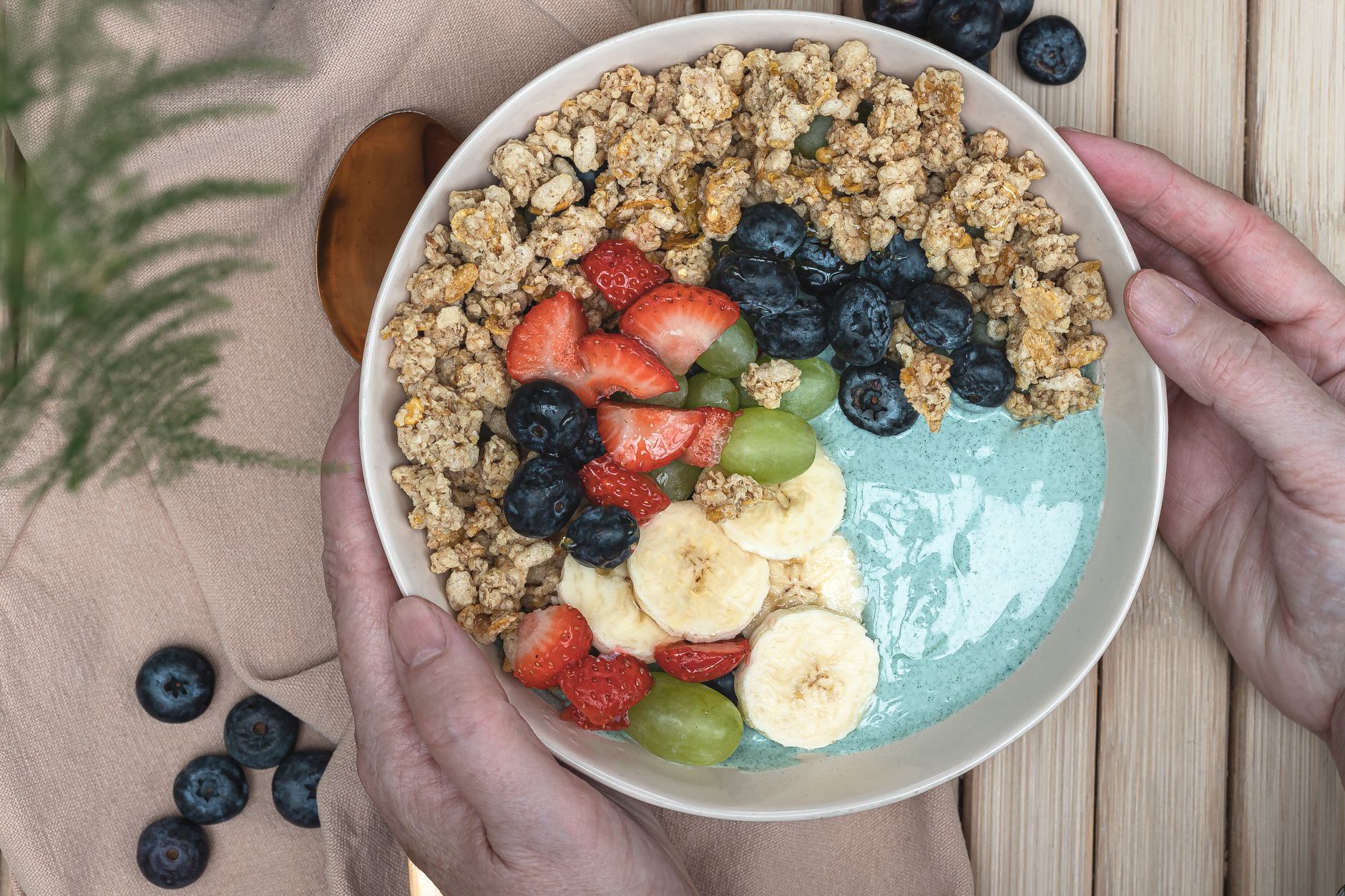
Why this works: She’s getting protein for muscle, fiber for fullness, and healthy fats for hormones—without excess empty calories.
--- ## **How to Create a Balanced Meal Plan for a Growing Teen Aiming for Healthy Weight Loss**A balanced meal plan isn’t about deprivation—it’s about smart swaps and portion control. Here’s how to structure it:
Sample 7-Day Meal Plan for Weight Loss + Growth
| Day | Breakfast | Snack | Lunch | Snack | Dinner |
|---|---|---|---|---|---|
| Monday | Oatmeal with chia seeds, banana, and almond butter | Hard-boiled eggs + cucumber slices | Turkey wrap with whole-wheat tortilla, avocado, and greens | Greek yogurt with walnuts | Grilled chicken with roasted Brussels sprouts and quinoa |
| Tuesday | Smoothie (spinach, protein powder, almond milk, berries) | Apple slices with peanut butter | Salmon salad with mixed greens, cherry tomatoes, and balsamic | Cottage cheese with pineapple | Stuffed bell peppers with lean ground turkey and brown rice |
| Wednesday | Scrambled tofu with sautéed veggies and whole-grain toast | Handful of mixed nuts | Quinoa bowl with black beans, corn, avocado, and lime | Cheese cubes and whole-grain crackers | Baked cod with roasted asparagus and sweet potato mash |
| Thursday | Greek yogurt parfait with granola and mixed berries | Celery sticks with almond butter | Grilled shrimp salad with mixed greens and olive oil | Edamame with sea salt | Lean beef stir-fry with broccoli and brown rice |
| Friday | Avocado toast on whole-grain bread with a poached egg | Hummus with bell pepper strips | Chicken Caesar salad (light dressing) with whole-grain croutons | String cheese and grapes | Baked chicken thighs with roasted carrots and wild rice |
| Saturday | Protein pancakes (oats, egg, banana) with sugar-free syrup | Trail mix (nuts, seeds, dried fruit) | Lentil soup with a side of whole-grain bread | Tuna salad (light mayo) with whole-grain crackers | Grilled tofu with stir-fried veggies and soba noodles |
| Sunday | Chia pudding with almond milk and berries | Sliced pear with cheese | Grilled chicken and veggie skewers with couscous | Roasted chickpeas | Vegetarian chili with black beans, tomatoes, and brown rice |
Key rules for success:
- Hydrate like it’s your job—aim for 6–8 cups of water daily.
- Don’t skip meals—it slows metabolism and leads to binges.
- Use smaller plates to control portions without feeling deprived.
- Include a protein at every meal to keep her full and support muscle.
Pro tip: Let your teen customize her meals. If she loves tacos, make a high-protein taco night with lean beef, black beans, and veggies. If she’s a snack person, keep healthy grab-and-go options (hard-boiled eggs, cheese sticks, nuts) in the fridge.
--- ## **Diet Mistakes That Prevent Teenage Girls from Losing Weight While Still Growing**Even with the best intentions, teens (and parents!) often make common mistakes that sabotage weight loss—or worse, hurt growth. Here’s what to avoid:
The Top 5 Diet Mistakes
| Mistake | Why It Fails | What to Do Instead |
|---|---|---|
| Skipping breakfast | Slows metabolism and leads to over-eating later. | Eat a protein-rich breakfast (eggs, yogurt, smoothie) within 1 hour of waking. |
| Cutting out carbs entirely | Leads to energy crashes and cravings. | Choose complex carbs (whole grains, sweet potatoes) for steady energy. |
| Drinking calories (soda, juice, smoothies) | Adds empty calories without nutrition. | Stick to water, herbal tea, or black coffee. |
| Over-exercising without eating enough | Can stunt growth and lead to injury. | Prioritize strength training and flexible cardio (walking, swimming). |
| Following extreme diets (keto, juice cleanses) | Can deplete nutrients needed for growth. | Focus on balanced, sustainable habits—not fads. |
Why these mistakes matter: If your teen is skipping meals to "save calories," she might be losing muscle instead of fat—which slows metabolism and hurts growth. If she’s over-exercising, she could injure her growth plates or disrupt her cycle.
Real talk from a teen:
"I tried cutting out all sugar for a month, and I felt like I was running on fumes. My mom made me eat an apple with peanut butter, and I was so hungry I ate the whole thing. Now I know sugar isn’t the enemy—balance is."--- ## **Natural Ways to Boost Metabolism for a Growing Teenager Looking to Lose Weight Safely**
While diet is the #1 factor in weight loss, metabolism plays a role too. But here’s the catch: you can’t "hack" metabolism—especially during growth. Instead, focus on lifestyle habits that support a healthy metabolic rate:
Metabolism-Boosting Strategies
- Strength training 2–3x/week—builds muscle, which increases resting metabolism.
- Walking 8,000–10,000 steps daily—gentle cardio burns calories without stressing growth plates.
- Prioritizing sleep (8–10 hours/night)—poor sleep slows metabolism and increases cravings.
- Eating enough protein—helps maintain muscle mass during weight loss.
- Avoiding liquid diets—they crash metabolism and don’t support growth.
What about supplements? Most don’t work for teens—and some can be dangerous. The FDA warns against fat burners, appetite suppressants, or stimulants for adolescents. Instead, stick to:
- Vitamin D (if she’s deficient—common in teens).
- Magnesium (supports muscle and sleep).
- Omega-3s (from fish oil or flaxseeds—good for brain and growth).
Exercise routine for growing teens:
- Monday & Thursday: Strength training (bodyweight exercises, resistance bands).
- Tuesday & Friday: Walking or swimming (low-impact cardio).
- Wednesday & Saturday: Yoga or stretching (for flexibility and recovery).
- Sunday: Active rest (hiking, dancing, or a fun sport).
Puberty is hard. Hormones are all over the place, social media is full of unrealistic body standards, and emotions run high. For many teens, food becomes a coping mechanism—whether it’s stress-eating junk food or restricting to "earn" weight loss. The good news? Emotional eating can be managed without derailing progress.
Strategies for Emotional Eating
| Trigger | Healthy Coping Mechanism | Avoid |
|---|---|---|
| Stress/anxiety | Deep breathing, journaling, or a 10-minute walk. | Reaching for chips or candy. |
| Loneliness | Call a friend, text a family member, or try a new hobby. | Isolating and binge-eating. |
| Body image struggles | Write down 3 things you love about yourself (not just your body). | Weighing yourself daily or comparing to others. |
| Boredom | Listen to music, draw, or do a puzzle. | Grabbing a bag of cookies. |
Script for tough moments:
"I know you’re feeling overwhelmed right now. Let’s take 5 minutes to breathe together. When you’re ready, we can talk about what’s really going on—and we’ll figure it out without food."
If emotional eating becomes a pattern: It might be disordered eating. Signs to watch for:
- Skipping meals to "save calories."
- Exercising obsessively to "burn off" food.
- Feeling guilty after eating normal amounts.
- Avoiding social events because of food.
If your teen is ready to have the conversation, here’s how to make it supportive—not judgmental:
How to Have the Conversation
- Start with curiosity, not criticism.
"I’ve noticed you’ve been thinking a lot about your weight. What’s been on your mind?"
- Avoid labeling weight loss as "good" or "bad."
"I just want to make sure you’re feeling good in your body. What would help you feel more comfortable?"
- Focus on health, not appearance.
"I know you’re active and strong. Let’s figure out how to keep you energized and healthy—whether that means adjusting your diet or your workout routine."
- Offer to help, don’t take over.
"I’d love to help you find some healthy recipes or meal ideas. What sounds good to you?"
- Set boundaries together.
"If you ever feel like you’re struggling or not eating enough, we can talk to the doctor or a dietitian together."
If she’s resistant: Sometimes teens need space to process. Instead of pushing, try:
"You don’t have to talk about it now, but I’m here when you’re ready. And I’ll always support you, no matter what."--- ## **Does Skipping Meals Help Teenage Girls Lose Weight Faster or Slow Down Growth?**
Short answer: No. Skipping meals does not help with weight loss—and it definitely doesn’t support growth. In fact, it can backfire in three big ways:
Why Skipping Meals Is a Bad Idea
- Slows metabolism. When your teen skips meals, her body goes into "starvation mode", burning fewer calories to conserve energy.
- Leads to muscle loss. Without protein, her body breaks down muscle for energy—which slows metabolism and hurts growth.
- Triggers overeating later. Skipping meals increases hunger hormones, leading to binges and more weight gain.
What to do instead:
- If she’s not hungry at a meal, offer a small protein snack (yogurt, nuts, cheese).
- If she’s too busy, prep grab-and-go meals (overnight oats, hard-boiled eggs, wraps).
- If she’s stressed, remind her that food is fuel—not punishment.
Science-backed fact: A study in JAMA Pediatrics found that adolescents who skip breakfast are more likely to have higher BMI and poorer nutrition overall. So eating regularly is key.
--- ## **How to Maintain Weight Loss as a Teenager After Reaching a Healthy BMI**For many teens, the hardest part isn’t losing weight—it’s keeping it off. Once your teen reaches a healthy BMI, the goal shifts to maintaining habits that support long-term health. Here’s how:
Habits for Long-Term Success
- Continue strength training. Muscle keeps metabolism high even at rest.
- Prioritize sleep (8–10 hours). Poor sleep increases cravings and slows metabolism.
- Stay hydrated. Sometimes thirst feels like hunger.
- Practice mindful eating. Eat slowly, without distractions, and stop when 80% full.
- Keep a food journal (for a week). Helps identify triggers and patterns.
If she regains weight: Don’t panic. Weight fluctuations are normal, especially during puberty. Instead of restricting again, focus on:
- Adjusting portions slightly (not cutting out food groups).
- Adding more movement (walking, dancing, sports).
- Reducing processed foods and increasing whole foods.
Real talk: Some teens will naturally gain weight during growth spurts—and that’s okay. The goal isn’t perfection—it’s health and happiness.
--- ## **Natural Supplements That Support Healthy Weight Loss for Growing Teenagers**While diet and exercise are the foundation, some supplements can help fill nutrient gaps—if chosen carefully. Here’s what’s safe and effective for teens:


