Quick take: A teenage mom-to-be needs extra nutrients like folic acid, iron, and omega-3s to support her baby’s brain development and her own growing body. Focus on lean proteins (eggs, lentils), leafy greens, whole grains, and healthy fats (avocados, nuts). Avoid raw fish, unpasteurized dairy, and excessive caffeine. Track energy levels, stable weight gain, and baby’s movement as signs of proper nutrition. Budget-friendly meals like oatmeal with peanut butter or lentil soups can help meet needs without breaking the bank.
You’re 16 weeks pregnant and staring at a fridge full of avocado toast. Again.
That’s the moment many teenage moms describe when pregnancy cravings collide with the reality of growing a tiny human while still figuring out how to keep your own energy up. One reader wrote to us: “I love avocado toast, but now I feel like I’m eating it for breakfast, lunch, and dinner. It’s not just about cravings—it’s about knowing what my body *actually* needs to stay healthy and support my baby.”
If you’re a teenager navigating pregnancy for the first time—or even if you’re a mom-to-be who’s just now realizing how much more demanding your diet needs to be—you’re not alone. The foods that fueled your growth in your teens won’t cut it now. Your body is working overtime, and your baby’s brain is developing at an astonishing rate. The good news? With the right foods, you can nourish both of you without feeling deprived or overwhelmed.
This guide breaks down everything you need to know about a teenager growing diet during pregnancy—what to eat, how much of it, how to manage cravings, and how to make it work on a budget. We’ll also address the myths, the risks, and the practical tips that actually help. Because when you’re pregnant as a teen, every choice matters—both for you and your baby.
Let’s start with the foundation: the foods that will give you and your baby the best start.
---
What are the best foods for a teenager growing during pregnancy to support baby’s brain development?
Y
our baby’s brain is growing faster now than at any other time in their life. By the end of pregnancy, it will have 100 billion neurons—and the right nutrients are the building blocks. For a teenage mom, who might already be smaller in stature, prioritizing brain-supporting foods is especially important because your own nutrient stores might be lower to begin with.
Here are the top foods to focus on, along with why they matter:
- Fatty fish (wild-caught salmon, sardines, mackerel) – Packed with omega-3s (DHA and EPA), which are critical for your baby’s brain and eye development. The American Pregnancy Association recommends 2–3 servings per week, but avoid high-mercury fish like swordfish or king mackerel.
- Leafy greens (spinach, kale, Swiss chard) – High in folate (a B vitamin that prevents neural tube defects) and iron. Aim for 1–2 cups daily. Sauté them with garlic for extra flavor if you’re not used to their taste.
- Eggs (especially yolks) – Contain choline, which supports brain development, plus high-quality protein and vitamin D. Hard-boiled eggs make for an easy snack.
- Nuts and seeds (chia, flaxseeds, walnuts, almonds) – These are rich in omega-3s and magnesium. A handful of walnuts or a spoonful of ground flaxseeds in smoothies is an easy way to add them.
- Beef liver (or lean beef) – One of the best sources of iron and vitamin A. If the idea of liver makes you queasy, try lean ground beef or beef stews with plenty of veggies.
- Berries (blueberries, strawberries, raspberries) – Antioxidants like vitamin C and flavonoids protect cells and support brain health. Frozen berries work just as well and last longer.
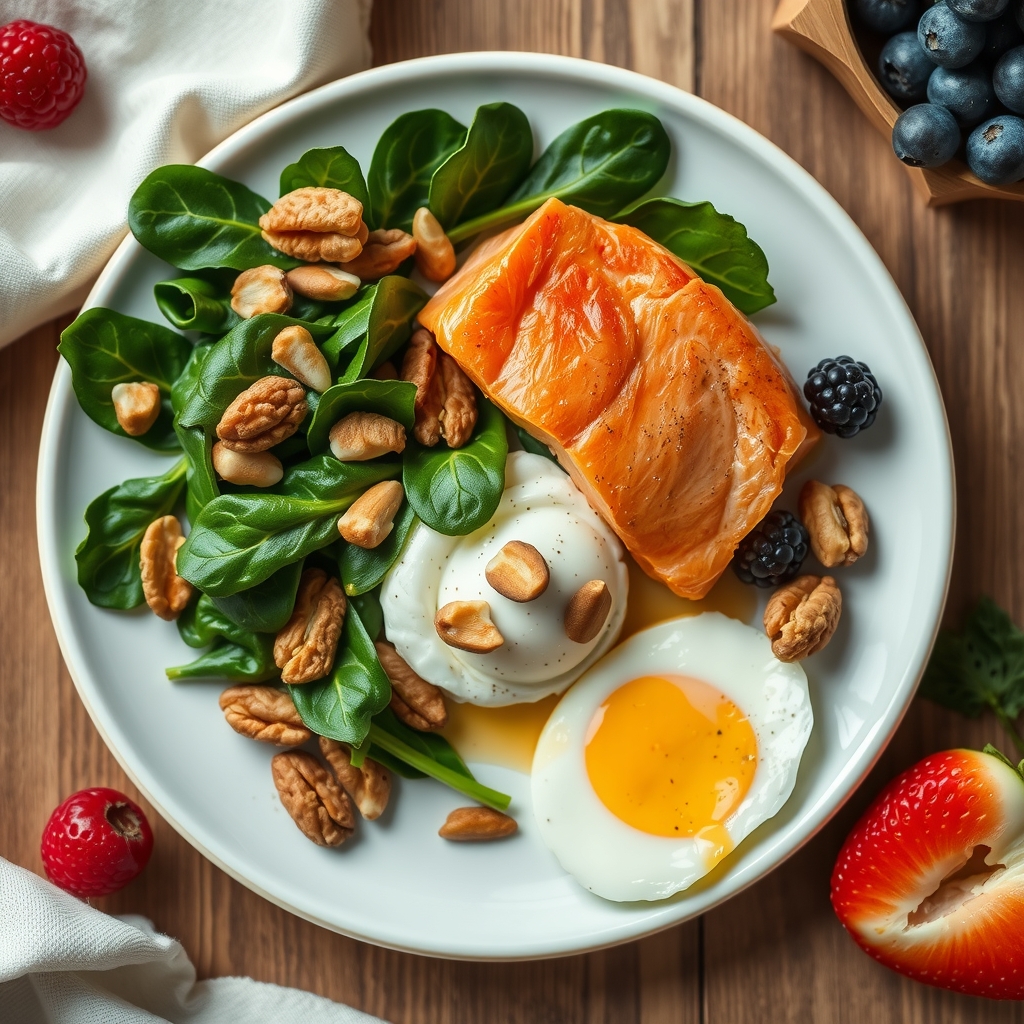
**Pro tip:** If you’re not used to eating these foods, start small. For example, blend spinach into smoothies or sprinkle chia seeds on yogurt. Gradually increase portions as your appetite adjusts.
---
How much protein should a teenager eating for two consume daily and which foods provide the most?
When you’re pregnant, your protein needs increase by about 25 grams per day—that’s roughly the amount in a cup of Greek yogurt. For a teenage mom, who might already have lower calorie and protein intake, this can feel like a lot. But protein isn’t just about muscle growth; it’s essential for your baby’s tissue development, your immune system, and even your hair and nails.
The American Academy of Pediatrics recommends 75–100 grams of protein daily for pregnant teens, depending on your pre-pregnancy weight. Here’s how to hit that target without feeling like you’re eating a protein shake every hour:
- Lean meats and poultry (chicken breast, turkey, lean ground beef) – 3–4 oz cooked provides about 20–25g of protein. Try baking chicken thighs with herbs for extra flavor.
- Eggs – One large egg has 6g of protein. Scrambled eggs with cheese make a quick breakfast.
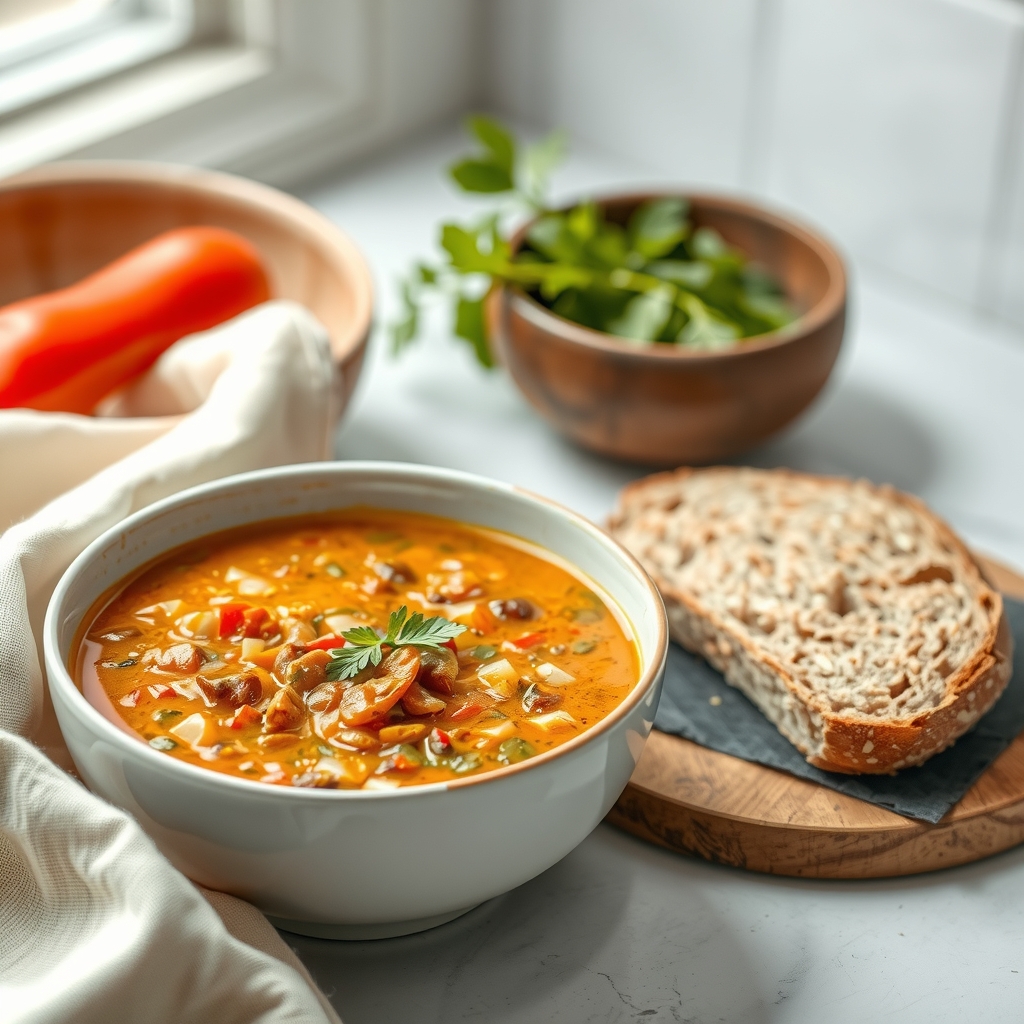
- Legumes (lentils, chickpeas, black beans) – Half a cup cooked gives you 7–9g of protein. Add them to soups, salads, or make hummus for snacks.
- Dairy (Greek yogurt, cottage cheese, milk) – A cup of Greek yogurt has 20g of protein. If you’re lactose intolerant, opt for lactose-free dairy or dairy-free alternatives like soy or almond yogurt.
- Tofu and tempeh – 3 oz provides 10–20g of protein. Marinate and bake for a meaty texture.
**Myth vs. Fact:**
Myth: You need to eat double your usual protein because you’re “eating for two.”
Fact: While your protein needs do increase, it’s not about doubling your intake—it’s about quality. Focus on lean, nutrient-dense sources like those above to support both you and your baby without excess calories.
---
Is it safe to eat sushi or raw fish while pregnant as a teenager and what are the risks?
If you’re craving sushi or sashimi, you’re not alone—many pregnant women (and teens) miss the taste of raw fish. But here’s the hard truth: raw fish is not safe during pregnancy, and the risks are higher for teenage moms because their immune systems might be less resilient to foodborne illnesses. The CDC warns that raw or undercooked fish can contain Listeria or Salmonella, which can lead to miscarriage or stillbirth.
**The risks of raw fish during pregnancy:
- Listeria monocytogenes – Found in raw fish and unpasteurized products. Can cause listeriosis, a serious infection that may require hospitalization.
- Mercury – Even cooked fish can contain mercury, which can harm your baby’s developing nervous system. High-mercury fish (shark, swordfish, king mackerel, tilefish) should be avoided entirely.
- Parasites – Raw fish can harbor parasites like Anisakis, which can cause stomach pain and nausea.
**Safe alternatives to sushi:
- Cooked sushi rolls (like cucumber or avocado rolls) made with fully cooked fish or shrimp.
- Miso soup with tofu or seaweed (ensure the miso is pasteurized).
- Sushi-grade fish that’s thoroughly cooked (like seared salmon or tuna steak).
- Veggie sushi rolls with avocado, cucumber, and rice.
**What to do if you’re craving sushi:**
Try making your own rolls with cooked shrimp or tofu. Or, satisfy the craving with cooked fish dishes like teriyaki salmon or miso-glazed cod. If you’re at a restaurant, ask for sushi made with only cooked ingredients.
---
What are the signs of proper nutrition during pregnancy for teenagers and how to track them?
When you’re pregnant as a teen, it’s easy to feel like you’re “doing it wrong”—especially if your energy is low or your weight isn’t changing as much as you’d like. But proper nutrition during pregnancy isn’t about the number on the scale; it’s about how you feel and how your baby is growing. Here’s what to watch for:
- Stable energy levels – If you’re constantly exhausted, it could mean you’re not getting enough iron, B vitamins, or calories. Try adding iron-rich foods like spinach or lean meats and complex carbs like oatmeal.
- Healthy weight gain – Teenage moms should aim for 28–40 pounds total during pregnancy, with most of that gain happening in the second and third trimesters. If you’re gaining too slowly, focus on calorie-dense, nutrient-rich foods like nuts, avocados, and full-fat dairy.
- Baby’s movement – After the first trimester, you should feel your baby move regularly (usually 10 or more times in an hour by the third trimester). If you’re worried about your baby’s growth, ask your provider about a non-stress test or ultrasound.
- No excessive swelling or headaches – These can be signs of preeclampsia, a serious condition that requires medical attention. If you notice sudden swelling in your hands or face or persistent headaches, call your doctor immediately.
- Good digestion – Constipation and heartburn are common, but if you’re experiencing severe nausea or diarrhea, it could indicate a food intolerance or infection.

**How to track your nutrition:
- Keep a food diary for a few days to identify patterns. Apps like Cronometer or MyFitnessPal can help you log nutrients.
- Weigh yourself weekly (at the same time of day) to monitor steady, healthy gain.
- Ask your provider to check your hemoglobin levels (to ensure you’re not anemic) and urine for protein (to rule out preeclampsia).
- Listen to your body. If you’re craving something specific, it might be your body’s way of telling you it needs a particular nutrient.
---
How does a teenager’s growing diet differ from an adult’s during pregnancy and what adjustments should be made?
Teenage bodies are still growing and developing, which means their nutrient needs during pregnancy are slightly different from those of adult women. Here’s how to adjust:
- Higher calorie needs – Teenage moms need 300–500 extra calories per day compared to adults, who typically need around 300. This is because teens are still growing themselves while supporting their baby.
- More iron and calcium – If you’re a teen, your iron stores might be lower to begin with. The American College of Obstetricians and Gynecologists (ACOG) recommends 27 milligrams of iron daily for pregnant teens, compared to 25mg for adults. Dairy and leafy greens are great sources.
- Folate (folic acid) requirements – All pregnant women need 600 micrograms of folate daily, but teens might need slightly more if they didn’t take a prenatal vitamin before conception. Folate prevents neural tube defects.
- Smaller portions, more frequent meals – Teenagers often have smaller stomachs. Instead of three big meals, try 5–6 smaller meals throughout the day to avoid nausea and keep energy up.
- More hydration – Teens naturally drink less water than adults, which can lead to dehydration. Aim for 8–10 cups of water daily (more if you’re active or in hot weather).

**Key adjustment:** If you’re a teen who didn’t eat a lot of meat or dairy before pregnancy, you’ll need to be more intentional about getting these nutrients from other sources, like fortified cereals, legumes, or supplements.
---
What are the most common food aversions in teenage pregnancies and how to manage them?
Morning sickness isn’t just in the morning—it can strike at any time, and for many teenage moms, it’s worse than they expected. Food aversions (when certain foods trigger nausea or disgust) are incredibly common, with up to 80% of pregnant women experiencing them at some point. For teens, who might already have sensitive stomachs, these aversions can feel overwhelming.
**Common food aversions during pregnancy and how to cope:
- Aversion to meat – If the smell of cooked meat makes you sick, try:
- Eating meat in small portions (e.g., a few slices of turkey on a wrap).
- Choosing milder meats like chicken or fish (if cooked properly).
- Adding strong flavors like lemon, herbs, or spices to mask the smell.
- Aversion to coffee or caffeine – If you’re used to starting your day with coffee, try:
- Switching to decaf or herbal teas like ginger or peppermint.
- Sipping small amounts of coffee with meals (when nausea is less likely).
- Avoiding caffeine after 2 PM to improve sleep.
- Aversion to dairy – If you can’t stand milk or cheese, try:
- Fortified dairy-free alternatives like almond or soy milk with added calcium.
- Calcium-rich foods like leafy greens, tofu, or canned salmon.
- Supplements if your provider recommends them (e.g., calcium citrate).
- Aversion to strong smells (like garlic or onions) – If cooking feels impossible, try:
- Preparing meals ahead and freezing portions.
- Choosing foods with mild flavors (e.g., plain pasta with olive oil and veggies).
- Avoiding cooking in the kitchen if smells trigger nausea (eat simple snacks like crackers or fruit).
**What to do if you’re not eating enough:**
If you’re losing weight or feeling weak, talk to your provider about a prenatal vitamin with higher doses of B vitamins or a multivitamin. In extreme cases, they may recommend IV nutrition or a liquid meal supplement.
---
How to create a balanced meal plan for a teenager growing during pregnancy on a tight budget?
Let’s be real: pregnancy is expensive. Between doctor visits, baby clothes, and unexpected costs, food can easily slip to the bottom of the list. But eating well doesn’t have to break the bank. With a little planning, you can create a nutrient-dense, budget-friendly meal plan that supports both you and your baby.
**Budget-friendly staples to stock up on:
- Dry beans and lentils – Cheap protein sources. Cook a big batch and freeze portions.
- Oats and whole-grain pasta – Fiber-rich and filling. Add peanut butter for extra calories.
- Eggs – One of the most nutrient-dense foods for the price. Hard-boil a dozen at once.
- Frozen veggies – Just as nutritious as fresh and lasts longer. Great for soups and stir-fries.
- Canned tuna or salmon – Affordable protein with omega-3s. Choose low-sodium options.
- Bananas and apples – Quick snacks with potassium and fiber.
**7-day budget meal plan example:
**Pro tip:** Cook in bulk and freeze meals. For example, make a big pot of lentil stew or chili and freeze portions for easy grab-and-go meals.
---
What are the best supplements for a teenage mom-to-be and when should they be taken?
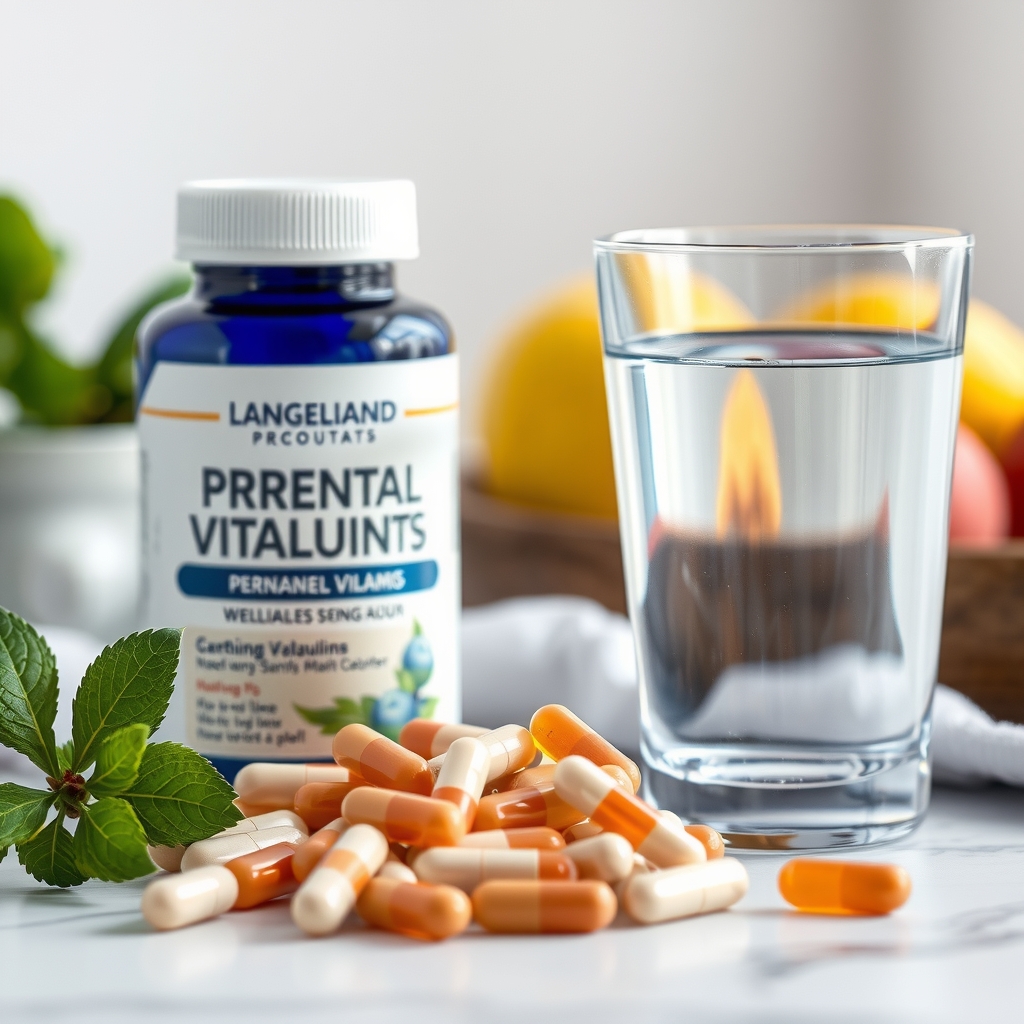
While food should be your first line of defense for nutrients, supplements can help fill gaps—especially for teenage moms who might not eat a balanced diet. The ACOG recommends all pregnant women take a prenatal vitamin, but teens may need additional support. Here’s what to consider:
- Prenatal vitamin – Should be taken daily, with a meal (to improve absorption). Look for one with:
- 400–800 mcg of folic acid (to prevent neural tube defects).
- 27–30 mg of iron (to prevent anemia).
- 400 mcg of vitamin D (for bone and immune health).
- 200–300 mcg of omega-3s (DHA) (for brain development).
- Calcium supplement – If you’re not getting enough from food (e.g., if you avoid dairy), take 500–600 mg at bedtime (calcium absorbs better on an empty stomach).
- Vitamin D supplement – If you’re not getting sunlight regularly, take 1,000–2,000 IU daily with a meal.
- Probiotics – Can help with digestion and may reduce group B strep risks. Take 1–2 billion CFU daily with food.
**Supplement table for teenage moms:
---
Easy snacks for pregnant teenagers that won’t make them feel sick
When nausea strikes, you need snacks that are easy to digest, low in odor, and high in nutrients. Here are some of the best options:
- Crackers with peanut butter – The salt and healthy fats can settle your stomach.
- Banana slices with almond butter – Potassium and protein to combat fatigue.
- Ginger tea or ginger chews – Ginger is proven to reduce nausea.
- Applesauce or applesauce pouches – Mild and easy to eat.
- Cheese and whole-grain crackers – Protein and calcium without strong smells.
- Popcorn (air-popped) – Fiber and whole grains for energy.
- Smoothies (spinach, banana, yogurt, flaxseeds) – Blends flavors you might not like on their own.
- Dried fruit (apricots, dates) – Natural sugars for quick energy.
**Avoid these when nauseous:
- Strong-smelling foods (like garlic or onions).
- Greasy or fried foods.
- Spicy foods (if they upset your stomach).
- Caffeine (if it triggers nausea).
---
How to increase appetite during pregnancy as a teenager when food tastes weird
Pregnancy changes how your taste buds work—suddenly, foods you loved might taste metallic or bland, and new flavors might seem appealing. If you’re struggling to eat enough, here’s how to work with (not against) your changing palate:
- Try sweet and salty combos – Pair sweet foods (like fruit) with salty ones (like crackers or nuts) to balance flavors.
- Add strong herbs and spices – Ginger, lemon, or basil can make plain foods more exciting. Try adding lime juice to water or sipping ginger tea.
- Eat small, frequent meals – Instead of three big meals, try 5–6 small meals throughout the day. This prevents your stomach from feeling overwhelmed.
- Stay hydrated – Dehydration can make you feel nauseous and reduce your appetite. Sip water, herbal tea, or electrolyte drinks throughout the day.
- Snack on nutrient-dense foods – Even if you’re not hungry, try to eat small snacks like yogurt, nuts, or fruit. Aim for calorie-dense foods like avocados or nut butters.
- Ask for help – If you’re too tired to cook, ask a family member, friend, or partner to prepare simple meals for you. Meal delivery services can also be a lifesaver.
---
Safe dairy alternatives for teenage moms with lactose intolerance
If you’re lactose intolerant or simply don’t like dairy, you don’t have to miss out on the calcium and protein your body needs. Here are the best dairy-free alternatives that are safe and nutritious:
- Fortified soy milk – Contains similar amounts of calcium and protein as cow’s milk. Choose unsweetened varieties.
- Almond or oat milk (fortified) – Lower in protein but still a good calcium source. Look for brands with added vitamin D.
- Lactose-free dairy – If you’re not strictly avoiding dairy, lactose-free milk, cheese, and yogurt are great options.
- Tofu and tempeh – Made from soybeans, these are excellent protein sources. Silken tofu blends well into smoothies.
- Canned fish with bones (sardines, salmon) – Provide calcium and omega-3s. Choose low-sodium options.
- Leafy greens (kale, collard greens, bok choy) – Steamed or sautéed, these are packed with calcium and iron.
**Dairy-free calcium comparison:
**Pro tip:** If you’re avoiding dairy, consider a calcium supplement to ensure you’re meeting your daily needs.
---
How much folic acid does a teenage pregnant woman need and what foods have it?
Folic acid (or folate) is one of the most critical nutrients during pregnancy, especially for teenage moms. It helps prevent neural tube defects (like spina bifida) and supports your baby’s brain and spinal cord development. The ACOG recommends 600 micrograms of folic acid daily for all pregnant women, but teens may need slightly more if they didn’t take a prenatal vitamin before conception.




