Quick take: Stretch marks usually soften and fade over the first 12 months after birth, but the exact timing varies. Most women see noticeable lightening by six months, yet some marks can linger for years. Staying hydrated, using proven topical products, and protecting skin from sun are the safest ways to speed healing; professional laser or peel treatments are options for stubborn marks.
Imagine it’s 2 a.m.; you’ve just gotten up to nurse your newborn, and you catch a glimpse of your belly in the bathroom mirror. Alongside the miracle of a new life, you notice those pink‑to‑red lines that appeared during pregnancy. You wonder: “Will they ever fade? How long will this take?” You’re not alone. Hundreds of new moms scroll through similar worries nightly, hoping for clear, evidence‑based answers.
In this guide we walk you through the entire stretch marks fade timeline postpartum. We break down the typical healing curve, the factors that speed or slow it, the most effective creams and oils, home remedies, and when professional treatments make sense. By the end you’ll have a month‑by‑month roadmap, practical lifestyle tips, and a realistic sense of what “faded” really looks like.
Let’s get comfortable with the science, the myths, and the everyday steps you can take right now. Whether you’re nursing, returning to work, or simply looking at your skin in the mirror, this guide is built for you.

How long does it take for stretch marks to fade after pregnancy?
Most research and dermatology guidelines agree that stretch marks gradually transition through three phases:
- Immediate postpartum (0‑2 weeks): Marks appear pink or red as the skin’s collagen fibers are torn.
- Early healing (1‑6 months): The red hue fades to a lighter pink or purple as new collagen forms.
- Long‑term remodeling (6‑12 months+): Marks become silvery or flesh‑colored as they mature.
The American Academy of Dermatology (AAD) notes that 70‑80 % of women observe noticeable lightening by the six‑month mark, yet complete fading can take up to 24 months for some individuals. The timeline is rarely linear; some months may feel stagnant while others show rapid improvement.
Below is a month‑by‑month overview that reflects typical experiences, not guarantees. Your personal journey may differ based on genetics, skin type, and lifestyle factors.
Remember, “fade” does not always mean “disappear.” The marks become less conspicuous, but a faint line can remain indefinitely.
Can stretch marks disappear completely after childbirth?
The short answer: rarely, but they can become almost invisible. A 2021 review in the Journal of Cosmetic Dermatology concluded that complete resolution occurs in less than 10 % of cases, typically when the marks are very shallow and the individual has a lighter skin tone. Most women achieve a “faded” appearance rather than total erasure.
Factors that increase the chance of near‑complete disappearance include:
- Early and consistent use of proven topical treatments (retinoids, silicone gels).
- Genetics that favor rapid collagen remodeling.
- Optimal hydration and nutrition supporting skin repair.
Even when marks stay, they rarely return to the vivid red of early pregnancy. If total removal is a priority, professional procedures such as fractional laser or radiofrequency can dramatically improve appearance, though they rarely make marks vanish entirely.
Best creams and oils for fading postpartum stretch marks
Topical products are the first line of defense for most new mothers because they’re easy to incorporate into a daily routine and have a solid safety profile. The AAD recommends looking for ingredients with demonstrated collagen‑boosting or barrier‑repair properties.
When choosing a product, consider the following safety tips:
- If you’re breastfeeding, avoid retinoids unless your provider says it’s safe; many lactating mothers opt for non‑retinoid options like silicone or hyaluronic acid.
- Patch‑test any new cream on a small area for 48 hours to check for irritation.
- Apply twice daily after showering, when skin is still slightly damp, to lock in moisture.
Oil‑based moisturizers such as rosehip seed oil, sweet almond oil, or cocoa butter are popular for their emollient properties, but the clinical evidence is mixed. A 2018 systematic review in Dermatology Research and Practice found that while oils improve skin hydration, they do not significantly accelerate fading compared with silicone or retinoid products.
Does breastfeeding affect stretch mark healing timeline?
Breastfeeding introduces hormonal shifts—particularly higher prolactin and fluctuating estrogen—that can influence skin elasticity. The CDC notes that estrogen levels tend to be lower during lactation, which may modestly slow collagen synthesis.
In practice, most women report no major delay in the visual fading of stretch marks while nursing. However, the following nuances are worth noting:
- Hydration needs increase: Breast milk production uses up body water, so staying well‑hydrated is crucial for skin repair.
- Skin sensitivity: Hormonal changes can make skin more prone to itching; gentle moisturizers help.
- Timing of topical retinoids: Because retinoids are category C for pregnancy and limited data exist for lactation, many clinicians advise postponing prescription-strength retinoids until after weaning.
If you’re concerned, discuss your skincare plan with a dermatologist who can tailor recommendations to your breastfeeding schedule.
Natural remedies to speed up stretch mark fading after delivery
Many new moms gravitate toward kitchen‑cabinet solutions. While the evidence is often anecdotal, a few natural options have modest support from dermatology studies.
- Rosehip seed oil: Rich in essential fatty acids and vitamin A, a 2015 trial published in International Journal of Cosmetic Science showed a small but significant improvement in stretch‑mark color after 12 weeks of twice‑daily application.
- Vitamin E capsules: Applied topically, vitamin E may aid in skin barrier repair, though a 2014 Cochrane review found inconsistent results. Use only if you have no allergy.
- Green tea extract: Antioxidant polyphenols can support collagen health; a small pilot study suggested topical green‑tea creams reduced redness.
- Aloe vera gel: Soothes itching and provides moisture; while not a fading agent per se, it improves comfort during the healing phase.
When using natural remedies, treat them as adjuncts to clinically proven products. Consistency matters more than the specific ingredient.
What to expect: stretch mark color changes in the first year postpartum
Color transition is a visible cue of the underlying healing process. Here’s what most women experience:
- Weeks 1‑4: Fresh, bright pink or red marks due to inflammation and newly broken collagen.
- Months 2‑4: Marks shift to a muted purple or dark pink as blood vessels remodel.
- Months 5‑8: A soft, silvery‑gray hue emerges; the skin’s surface becomes smoother.
- Months 9‑12: Marks blend with the surrounding skin, often appearing as faint, skin‑colored lines.
Sun exposure can darken the reddish phase, making marks look more pronounced. Always use broad‑spectrum SPF 30 or higher when outdoors, even if you’re indoors most of the day—UVA rays penetrate windows and can affect scar pigmentation.
How to prevent new stretch marks while your old ones fade
Even as you work on existing marks, you can reduce the risk of fresh ones forming. The key is to support skin’s elasticity and keep it well‑hydrated.
- Moisturize daily: Apply a rich, fragrance‑free cream or silicone gel after showering.
- Stay hydrated: Aim for at least 2.7 L (≈ 10 cups) of water daily, more if breastfeeding.
- Gentle strength training: Light resistance exercises improve muscle tone and skin support without over‑stretching.
- Balanced nutrition: Prioritize protein, zinc, and vitamin C to aid collagen synthesis (see diet tips below).
- Avoid rapid weight swings: Gradual weight gain during pregnancy and slow weight loss postpartum give skin time to adapt.
If you notice new lines forming, start a targeted moisturizer right away and consider a short‑term silicone gel regimen. Early intervention yields the best cosmetic outcome.
Timeline of skin elasticity recovery after pregnancy
Skin elasticity is governed by collagen, elastin, and hyaluronic acid. After delivery, the body reverses many of the hormonal changes that caused stretching.
Research from the National Institutes of Health (NIH) indicates the following general pattern:
- 0‑3 months: Collagen turnover is high; skin may feel “tight” as it contracts.
- 4‑6 months: Elastin fibers begin to realign; many women report a smoother belly.
- 7‑12 months: Most of the measurable loss of elasticity is regained, though some residual laxity can remain.
- Beyond 12 months: Lifestyle factors (weight, sun exposure, smoking) dictate long‑term elasticity.
Massage with a silicone‑based cream can stimulate micro‑circulation, potentially enhancing elasticity recovery. Use gentle, upward strokes for 2‑3 minutes each day.
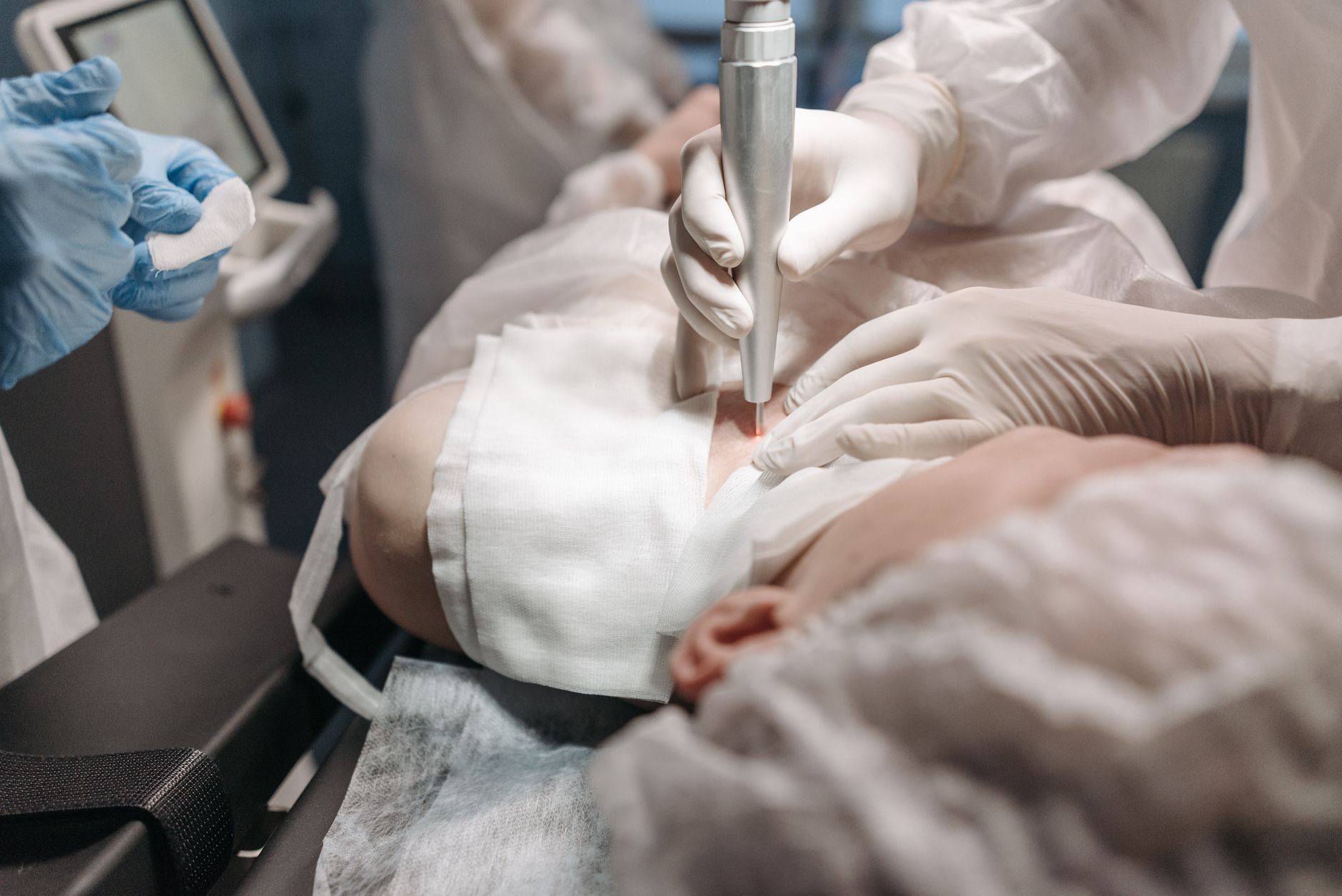
Professional options and skin type: laser, microdermabrasion, and does skin type affect fading?
When topical treatments plateau, many turn to dermatology‑office procedures. The effectiveness of each depends on skin type, stretch‑mark depth, and your aesthetic goals.
For women with darker skin (Fitzpatrick IV‑VI), silicone gels and gentle laser options (like pulsed‑dye) are often recommended first to avoid post‑inflammatory hyperpigmentation.
Before committing, schedule a consultation with a board‑certified dermatologist. They’ll assess your skin type, mark depth, and discuss realistic outcomes.
Myth vs. fact
Myth: Stretch marks disappear completely if you use “miracle” creams.
Fact: No over‑the‑counter product can guarantee total erasure. Proven ingredients like retinoids and silicone improve appearance, but residual lines often remain.
Myth: Breastfeeding prevents stretch‑mark fading.
Fact: Hormonal changes may slightly slow collagen synthesis, but proper hydration and moisturization keep healing on track.
Myth: Sun exposure helps stretch marks fade faster.
Fact: UV rays can darken marks and increase pigment irregularities. Sunscreen is essential for protecting healing skin.
Key takeaways
- Most stretch marks significantly lighten within six months; full fading may take up to two years.
- Topical retinoids, silicone gels, and hyaluronic acid have the strongest evidence for improvement.
- Hydration, balanced nutrition, and sun protection are foundational lifestyle steps.
- Breastfeeding does not dramatically delay fading, but stay extra hydrated and consider postponing prescription retinoids.
- Professional laser or peel treatments are effective for stubborn marks, especially when tailored to your skin type.
- If marks remain raised, painful, or change color after a year, consult a dermatologist.
Frequently asked questions
How many months does it usually take for stretch marks to fade after pregnancy?
On average, noticeable lightening occurs by the six‑month mark, with most women seeing a silvery‑gray or flesh‑colored appearance by 12 months. Some marks may continue to improve up to 24 months, especially on darker skin.
Can stretch marks completely disappear after giving birth?
Complete disappearance is uncommon; less than 10 % of women achieve this. Most experience a substantial reduction in color and texture, making the marks faint rather than invisible.
What are the most effective products for fading postpartum stretch marks?
Products containing retinoids (prescription tretinoin or OTC retinol), silicone gel, hyaluronic acid, and vitamin C have the strongest evidence. Pair them with daily moisturization and sunscreen for best results.
Does breastfeeding slow down the fading of stretch marks?
Breastfeeding can modestly affect collagen synthesis due to lower estrogen levels, but with adequate hydration and gentle skin care, most mothers see a normal fading timeline.
Are there any home remedies that actually work for stretch‑mark fading?
Rosehip seed oil and green‑tea‑based creams have modest clinical support for improving color and texture. They work best when used consistently alongside proven topical treatments.
When will my stretch marks change color after delivery?
Color typically shifts from bright pink/red (0‑2 weeks) to purple (1‑4 months), then to silvery‑gray (6‑12 months), finally blending with skin tone by the end of the first year.
What should I do if my stretch marks stay raised or painful after a year?
Schedule an appointment with a board‑certified dermatologist. They can evaluate for hypertrophic scars or other skin conditions and discuss laser, silicone, or other interventions.

When to see a doctor or specialist
If you notice any of the following, reach out promptly:
- Stretch marks that remain bright red, raised, or painful beyond 12 months.
- Rapid expansion of marks, sudden itching, or bleeding.
- Signs of infection (redness spreading, warmth, pus).
- Any concern that the marks are changing in shape or texture unexpectedly.
For persistent or severe stretch marks, a dermatologist is the appropriate specialist. They can assess whether laser therapy, silicone gel, or other treatments are right for you. Remember, this article provides general information and is not a substitute for personalized medical advice.
References
- American Academy of Dermatology. “Stretch Marks.” AAD.org. Accessed August 2026.
- Journal of Cosmetic Dermatology. “Topical Treatments for Striae Distensae: A Review.” 2021.
- International Journal of Cosmetic Science. “Rosehip Seed Oil Improves Appearance of Stretch Marks.” 2015.
- Dermatology Research and Practice. “Efficacy of Oils in Stretch‑Mark Management.” 2018.
- National Institutes of Health. “Skin Elasticity Changes During Pregnancy and Postpartum.” NIH.gov. 2024.
- Centers for Disease Control and Prevention. “Breastfeeding and Maternal Health.” CDC.gov. 2023.
- American Academy of Dermatology. “Laser Therapy for Stretch Marks.” AAD.org. 2022.
- Mayo Clinic. “Stretch marks (striae).” MayoClinic.org. Updated 2024.
- American Society for Dermatologic Surgery. “Guidelines for Laser Use in Darker Skin Types.” ASDS.org. 2023.
- World Health Organization. “Skin health in the postpartum period.” WHO.int. 2022.



