Quick take: Sneezing‑related urine leakage after childbirth is usually a sign of temporary pelvic floor weakness, not a disaster. Gentle pelvic‑floor exercises, guided physical therapy, and lifestyle tweaks often restore control within weeks to months. Seek medical help if leakage is frequent, accompanied by pelvic pressure, or if you notice a bulge—those could signal prolapse or a need for stronger intervention.
Imagine this: It’s 3 a.m., you’ve just gotten up to soothe a crying newborn, and a sudden sneeze surprises you with a damp patch on your nightgown. You pause, stare at the stain, and wonder, “Is this normal?” You’re not alone. Many new moms experience sneezing peeing postpartum treatment concerns, and the good news is that most cases improve with targeted care.
In this guide we’ll explain why sneezing can trigger urine leakage after birth, how to strengthen the pelvic floor, when to seek professional help, and what everyday habits—like diet, yoga, and home remedies—can support recovery. We’ll also bust common myths, lay out treatment options in a clear table, and give you a roadmap for long‑term pelvic health.
Whether you delivered vaginally or by cesarean, this article is your step‑by‑step companion for a safe, confident sneezing peeing postpartum treatment plan.

Why does sneezing cause urine leakage after childbirth?
Sneezing creates a sudden increase in abdominal pressure that forces the bladder to contract. After pregnancy, the pelvic floor muscles—especially the levator ani—may be stretched or weakened, making it harder to keep the urethra closed during that pressure spike. This type of leakage is called stress urinary incontinence (SUI).
Key physiological contributors include:
- Pelvic‑floor muscle stretch: The weight of a growing baby and the pushing of labor can over‑extend the supportive muscles.
- Nerve irritation: Stretching of the pudendal nerve during delivery can reduce muscle coordination.
- Connective‑tissue changes: Hormonal shifts (especially estrogen decline postpartum) affect tissue elasticity.
According to the American College of Obstetricians and Gynecologists (ACOG), up to 30 % of women report some form of stress incontinence in the first three months after delivery.
How to strengthen pelvic floor to stop sneezing pee postpartum?
R
ebuilding pelvic‑floor strength is the cornerstone of most sneezing peeing postpartum treatment plans. Here’s a practical roadmap you can start today:
- Identify the right muscles: Imagine stopping the flow of urine mid‑stream. The muscles you contract are your pelvic floor.
- Start with gentle “quick‑pulse” contractions: 10 seconds on, 10 seconds off, for 10 repetitions, three times a day. This builds endurance without over‑fatiguing the muscles.
- Progress to “hold” contractions: Aim for 5‑second holds, building up to 10 seconds as comfort allows.
- Incorporate functional movements: While lifting a diaper or picking up a baby, gently engage the pelvic floor (known as “functional Kegels”).
- Use biofeedback tools: Small vaginal sensors (often covered by insurance) give real‑time feedback on muscle activation.
Consistency matters more than intensity. Most women notice improvement within 4‑6 weeks, but full recovery can take 3‑6 months, especially after a high‑weight delivery.
Is sneezing urine leakage a sign of pelvic organ prolapse after delivery?
Pelvic organ prolapse (POP) occurs when pelvic organs descend into or beyond the vaginal canal. While occasional leakage from sneezing alone is usually due to stress incontinence, a persistent feeling of heaviness, bulging tissue, or leakage with activities beyond sneezing (e.g., coughing, lifting) may suggest early prolapse.
Key red‑flag signs include:
- Noticeable bulge at the vaginal opening.
- Feeling of pressure or fullness in the pelvis.
- Leakage that occurs with minimal activity.
If you experience any of these, schedule a pelvic exam with your OB‑GYN or a urogynecologist. They may perform a POP‑Q (Pelvic Organ Prolapse Quantification) exam to grade the descent.
Best Kegel exercises for sneezing‑related urinary incontinence postpartum
Not all Kegels are created equal. Below are three evidence‑based variations that target the muscles most involved in resisting sneezing pressure:
- Quick‑pulse “Fast‑Kegel”: Contract for 1‑2 seconds, then relax. Repeat 20 times. This trains rapid muscle response, crucial for sudden pressure spikes.
- Long‑hold “Slow‑Kegel”: Hold a contraction for 8‑10 seconds, then relax for an equal length. Perform 10 repetitions. This builds endurance.
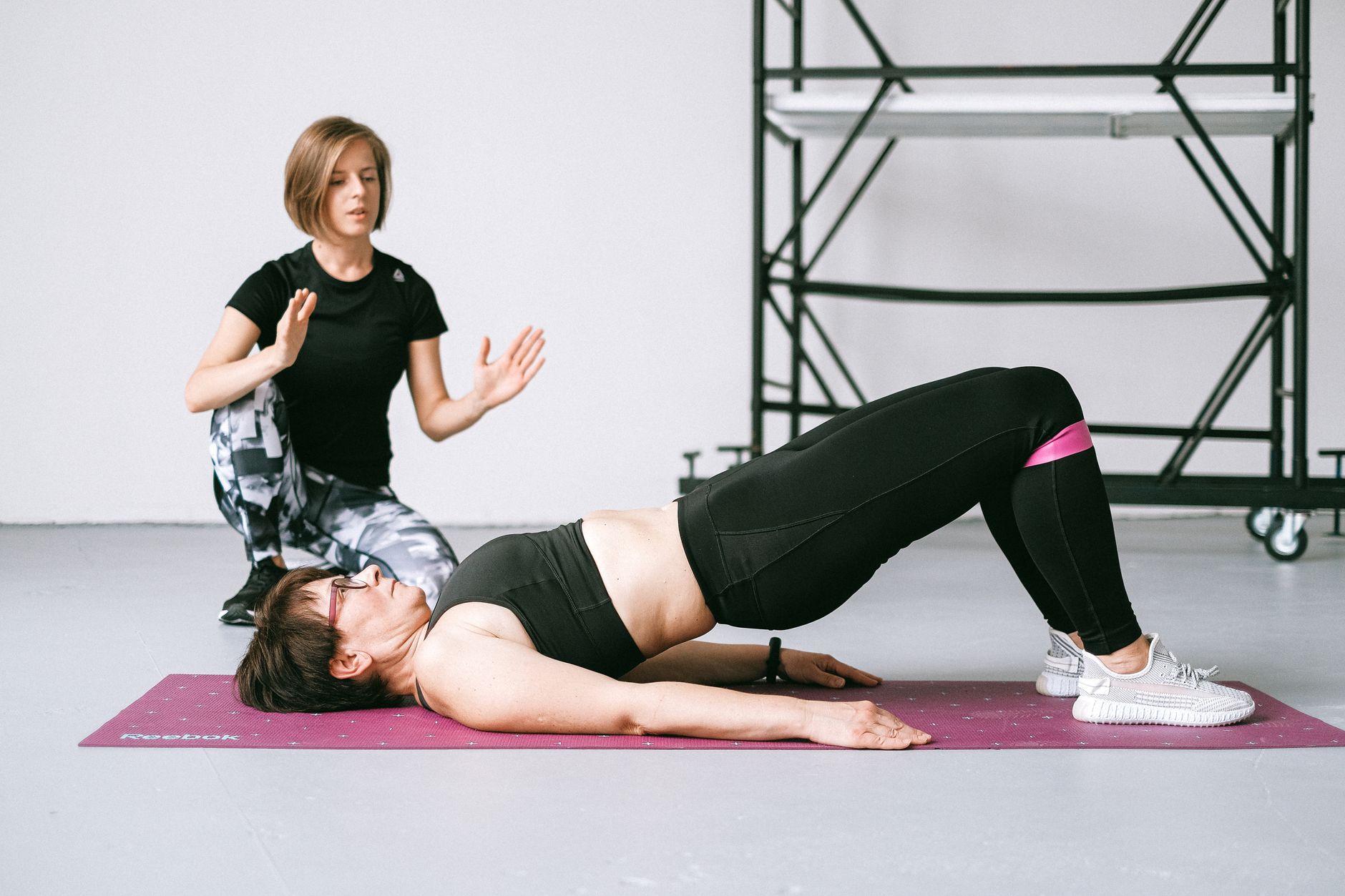
- Bridge‑Kegel combo: Lie on your back with knees bent, lift hips into a bridge while simultaneously performing a slow‑Kegel. This integrates core and pelvic‑floor activation.
Do these three sets once daily. As you gain confidence, increase frequency to two or three times a day. A 2021 systematic review in the International Urogynecology Journal found that combined fast and slow Kegels improved stress incontinence more than either technique alone.
When to see a doctor for sneezing pee after giving birth?
Most women improve with home care, but you should contact a provider if you notice any of the following:
- Leakage occurs more than a few times a week or interferes with daily activities.
- Accompanying pelvic pressure, bulging, or a sense of “something falling down.”
- Urinary urgency, burning, or blood in the urine.
- Persistent leakage beyond 6 months postpartum.
These signs could indicate a need for further evaluation, such as a urodynamic study or referral to a pelvic‑floor physical therapist. Early intervention often prevents chronic issues.
Difference between stress incontinence and urge incontinence after pregnancy
Understanding the type of leakage guides treatment.
Most new moms experience stress incontinence; urge symptoms often arise later if bladder irritants (caffeine, infection) are present.
Can postpartum yoga reduce sneezing‑induced urinary leakage?
Yoga can enhance core stability, improve breathing patterns, and gently activate the pelvic floor. A 2020 trial published by the American Council on Exercise found that a 12‑week yoga program reduced stress incontinence episodes by 30 % in postpartum participants.
Recommended poses (hold each 30 seconds, repeat 3 times):
- Cat‑Cow (Marjaryasana‑Bitilasana): Synchronizes breath with spinal movement, encouraging diaphragmatic engagement.
- Bridge Pose (Setu Bandhasana): Strengthens glutes and pelvic floor simultaneously.
- Child’s Pose with pelvic floor focus: While exhaling, gently draw the pelvic floor up.
- Modified Warrior II: Engages thigh muscles that support pelvic stability.
Pair each session with a brief “quick‑pulse” Kegel to maximize benefit.
Postpartum pelvic floor physical therapy for sneezing incontinence
Specialized pelvic‑floor PT combines manual techniques, biofeedback, and targeted exercises.
Typical components include:
- External muscle assessment: Therapist feels for muscle tone and trigger points.
- Biofeedback training: Using a small vaginal sensor, you learn to contract the correct muscles.
- Pelvic‑floor muscle retraining: Customized Kegel program with progressive overload.
- Functional training: Incorporating pelvic‑floor activation during daily tasks—lifting, coughing, and yes, sneezing.
According to the National Institute for Health and Care Excellence (NICE), referral to PT is recommended when symptoms persist beyond 3 months or interfere with quality of life.
How long does sneezing urine leakage last after delivery?
Recovery timelines vary:
- First 6 weeks: Most women notice occasional leakage as the pelvic floor heals.
- 3‑6 months: With regular Kegels or PT, many report significant improvement or complete resolution.
- Beyond 6 months: Persistent symptoms may indicate deeper muscle damage or early prolapse and merit further evaluation.
Factors influencing duration include delivery mode, birth weight, maternal age, and adherence to a pelvic‑floor regimen.
Foods that help reduce urinary leakage after childbirth
Nutrition supports tissue repair and reduces bladder irritants.
- Protein‑rich foods: Lean poultry, eggs, beans, and Greek yogurt provide amino acids for muscle recovery.
- Omega‑3 fatty acids: Salmon, walnuts, and flaxseed have anti‑inflammatory properties that may aid connective‑tissue health.
- Hydration with low‑caffeine fluids: Aim for 1.5–2 L of water daily; limit coffee and tea, which can irritate the bladder.
- Magnesium‑rich foods: Spinach, almonds, and avocado support muscle function.
The Academy of Nutrition and Dietetics notes that a balanced diet promotes overall postpartum healing, including pelvic‑floor recovery.
Research shows a modest difference in risk:
- Vaginal delivery: Approximately 30 % experience stress incontinence at 6 weeks, dropping to 10‑15 % by one year.
- Cesarean delivery: Risk is lower—around 15 % at 6 weeks and 5‑8 % at one year—but not eliminated, because pregnancy itself weakens pelvic muscles.
Thus, a C‑section does not guarantee immunity; pelvic‑floor strengthening remains important regardless of delivery mode.
Home remedies for sneezing pee postpartum
Beyond exercises, simple lifestyle tweaks can lessen leakage:
- Timed voiding: Empty bladder every 2‑3 hours to avoid over‑distension.
- Double‑void technique: After urinating, wait a few seconds and try again to ensure complete emptying.
- Weight management: Maintaining a healthy BMI reduces abdominal pressure on the bladder.
- Proper breathing: Practice diaphragmatic breathing to reduce intra‑abdominal pressure during sneezes.
These measures, combined with Kegels, often yield noticeable improvement within a month.
Insurance coverage for postpartum pelvic floor rehab
Many U.S. plans, including Medicare and most private insurers, cover pelvic‑floor physical therapy when ordered by a physician. Typical billing uses CPT codes 97110 (therapeutic exercises) and 97001 (evaluation). In the UK, the NHS provides up to 10 sessions of pelvic‑floor PT for postpartum women showing functional impairment.
Check your policy’s “post‑delivery rehabilitation” clause and ask your provider to submit an order. If coverage is denied, appeal using the physician’s letter citing ACOG recommendations.
Timeline of recovery for urinary control after baby
Here’s a quick visual of what many mothers experience:
Remember, every body heals at its own pace. Consistency, patience, and professional support are your best allies.
Myth vs. fact
Myth: If you leak when you sneeze, you’ll always have incontinence.
Fact: Most women regain full control within months with proper pelvic‑floor training.
Myth: A C‑section completely prevents urinary leakage.
Fact: Pregnancy itself weakens pelvic muscles; leaks can still occur after surgery.
Myth: Drinking less water will stop leaks.
Fact: Adequate hydration maintains healthy bladder function; dehydration can actually worsen urgency.
Key takeaways
- Sneezing‑related leakage is usually stress incontinence caused by temporary pelvic‑floor weakness.
- Gentle, consistent Kegel exercises—especially fast‑pulse and slow‑hold variations—are the first line of treatment.
- Postpartum pelvic‑floor physical therapy offers targeted, evidence‑based recovery for persistent symptoms.
- Yoga, proper nutrition, and lifestyle adjustments can boost pelvic‑floor health.
- Seek medical evaluation if leakage is frequent, accompanied by pelvic pressure, or persists beyond 6 months.
- Insurance often covers pelvic‑floor rehab; verify codes and provider orders.
Frequently asked questions
Can sneezing cause urine leakage after giving birth?
Yes. Sneezing creates a rapid rise in abdominal pressure, and if the pelvic floor is weakened from pregnancy, the urethra may not stay fully closed, leading to stress urinary incontinence.
Is it normal to leak urine when I sneeze postpartum?
Occasional leakage in the first few weeks is common and usually resolves with pelvic‑floor exercises. If it continues beyond three months or worsens, consult your provider.
Start with “quick‑pulse” Kegels (1‑2 seconds) and “slow‑hold” Kegels (8‑10 seconds). Adding bridge‑Kegel combos and functional pelvic‑floor activation during daily tasks enhances results.
When should I worry about urinary leakage after childbirth?
Seek care if leakage occurs more than a few times a week, is accompanied by pelvic pressure or a bulge, involves urgency or pain, or persists beyond six months.
Does a C‑section affect the chances of sneezing urine leakage?
A C‑section reduces—but does not eliminate—the risk because pregnancy itself weakens pelvic muscles. Post‑delivery pelvic‑floor strengthening remains important.
How long does it take for pelvic floor muscles to heal after pregnancy?
Most women notice improvement within 4‑6 weeks, with substantial recovery by 3‑6 months. Full healing can take up to a year, especially after a high‑weight or prolonged labor.
Can diet really influence urinary leakage?
Yes. Adequate protein, omega‑3s, magnesium, and proper hydration support muscle repair and reduce bladder irritants, helping to curb leakage.
When to see a doctor or specialist
If you notice any of the following, schedule an appointment promptly:
- Leakage more than twice a week or affecting daily activities.
- Painful urination, blood in urine, or burning.
- Feeling of pelvic pressure, bulging, or a visible protrusion.
- Persistent leakage beyond 6 months postpartum.
For most cases, start with your OB‑GYN. If they suspect prolapse or refractory stress incontinence, they may refer you to a urogynecologist or a pelvic‑floor physical therapist. Remember, this article provides general information and does not replace personalized medical advice.
References
- American College of Obstetricians and Gynecologists (ACOG). “Urinary Incontinence in Women.” Practice Bulletin No. 176, 2020.
- National Institute for Health and Care Excellence (NICE). “Pelvic floor muscle training for urinary incontinence in women.” NG123, 2021.
- International Urogynecology Journal. “Combined fast and slow Kegel training for stress urinary incontinence postpartum.” 2021.
- American Council on Exercise. “Yoga for postpartum pelvic floor health.” 2020.
- Academy of Nutrition and Dietetics. “Nutrition considerations for postpartum recovery.” 2022.
- U.S. Centers for Medicare & Medicaid Services (CMS). “CPT coding for pelvic floor physical therapy.” Updated 2023.
- National Institute of Diabetes and Digestive and Kidney Diseases (NIDDK). “Stress urinary incontinence.” 2021.
- World Health Organization (WHO). “Postpartum care guidelines.” 2022.



