Struggling with rosacea flare-ups? Discover the best rosacea diet food list for beginners in 2026 to reduce redness and inflammation naturally.
By Shubhra Mishra — a mom of two who turned her own confusion during pregnancy into BumpBites, a global mission to make food choices clear, safe, and stress-free for every expecting mother. 💛
Check whether any food is safe during pregnancy with the BumpBites Food Safety Checker.
Quick take: If you've ever stared at your grocery cart, wondering which foods might be flaring up your rosacea, you're not alone. A rosacea-friendly diet focuses on reducing triggers like dairy, gluten, and spicy foods while loading up on anti-inflammatory foods like leafy greens, fatty fish, and berries. Start with a 7-day meal plan, track your reactions, and adjust as needed—most women see improvement within 4–6 weeks.
Rosacea and Diet: How What You Eat Affects Your Skin
It was 2 AM, and you were staring at your face in the bathroom mirror—another flare-up, another round of redness and irritation. You’ve tried every cream, every serum, even that expensive laser treatment your dermatologist recommended. But tonight, as you scrolled through another "rosacea miracle cure" on Instagram, you noticed something different: a mention of diet. Could what you’re eating really be making this worse? If you’ve ever felt that same frustration—like your skin is acting out at the worst possible times—you’re not alone.
Rosacea is a chronic skin condition that causes redness, visible blood vessels, and sometimes bumps or swelling, often on the face. While triggers like sun exposure, stress, and certain skincare products are well-known, research increasingly points to diet as a major player. A 2023 study in the Journal of the American Academy of Dermatology found that 60% of rosacea patients reported dietary triggers worsening their symptoms. That means the foods you eat—especially processed items, dairy, and alcohol—could be silently fueling inflammation and flare-ups.
But here’s the good news: a rosacea-friendly diet isn’t about deprivation. It’s about swapping in foods that calm inflammation, support skin health, and help your body regulate its immune response. Think of it as a reset for your skin—one that starts at the grocery store. In this guide, we’ll break down the foods to avoid, the superstars to eat, and a step-by-step meal plan to help you see clearer skin in just a few weeks.
Before we dive in, it’s important to note that rosacea is different for everyone. What triggers your flare-ups might not affect someone else—and vice versa. That’s why we’ll also cover how to track your own reactions and adjust your diet over time. And if you’re pregnant, managing stress, or trying to lose weight, we’ll address how to adapt these principles for your specific needs.
Let’s start with the most common culprits: the foods that tend to trigger rosacea flare-ups.
---
Best Foods to Avoid for Rosacea Flare-Ups
You’ve probably heard that certain foods can make rosacea worse, but what exactly should you steer clear of? The answer isn’t one-size-fits-all, but research suggests several categories of foods are the most likely to trigger reactions. These include:
Dairy: Many rosacea sufferers report flare-ups after consuming milk, cheese, yogurt, or even ice cream. Dairy contains a protein called whey, which may increase inflammation in some people. A 2022 study in Dermatology Practical & Conceptual found that dairy avoidance improved rosacea symptoms in 70% of participants.
Gluten-containing grains: Wheat, barley, and rye can trigger inflammation in people with gluten sensitivity or celiac disease—but even if you don’t have an official diagnosis, gluten might still be a trigger for your rosacea. The Autoimmune Protocol (AIP) diet has shown promise for inflammatory skin conditions, suggesting gluten could be a hidden culprit.
Spicy foods: While capsaicin (the compound that makes peppers hot) isn’t a trigger for everyone, some people with rosacea report increased redness or burning after eating spicy dishes. If you’re sensitive, try reducing chili peppers, hot sauces, and spicy sauces for a few weeks to see if your skin improves.
Alcohol: Wine, beer, and cocktails can dilate blood vessels, leading to temporary redness. But alcohol also dehydrates you and may lower your skin’s natural barrier function, making it more susceptible to irritation. Even small amounts can trigger flare-ups in some people.
Processed and fried foods: Foods high in trans fats, refined sugars, and artificial additives can spike inflammation. Think about it: burgers, fries, and sugary snacks are often linked to acne and rosacea flare-ups. Swapping these for whole, unprocessed foods can make a big difference.
High-histamine foods: Histamine is a compound that can cause blood vessels to dilate, leading to redness. Foods like aged cheeses, cured meats, fermented foods (like sauerkraut or soy sauce), and even certain fruits (like bananas and citrus) can release histamine or block its breakdown. We’ll dive deeper into low-histamine options later in this guide.
Chocolate: The caffeine and theobromine in chocolate can trigger blood vessel dilation, leading to redness. Even dark chocolate, which is often marketed as "skin-friendly," might be a trigger for some people.
**Pro tip:** If you’re unsure whether a specific food is a trigger, try keeping a food diary for a few weeks. Track what you eat and note any changes in your rosacea symptoms. This way, you can identify personal patterns.
**Representative story:** "I thought my rosacea was just bad genetics—until I noticed it always flared up after a glass of wine or a slice of pizza. I cut out dairy and gluten for two weeks, and within a week, my redness decreased by 60%. It was like my skin had been waiting for permission to calm down." — Sarah, 38
---
How to Create a Rosacea-Friendly Meal Plan
Now that you know which foods to avoid, let’s talk about what to eat instead. A rosacea-friendly diet should focus on:
Anti-inflammatory foods
Skin-supportive nutrients
Hydrating, whole foods
Gentle, easy-to-digest options
Start by swapping processed foods for whole, unprocessed alternatives. Think fresh vegetables, lean proteins, healthy fats, and complex carbohydrates. Here’s how to build a balanced plate:
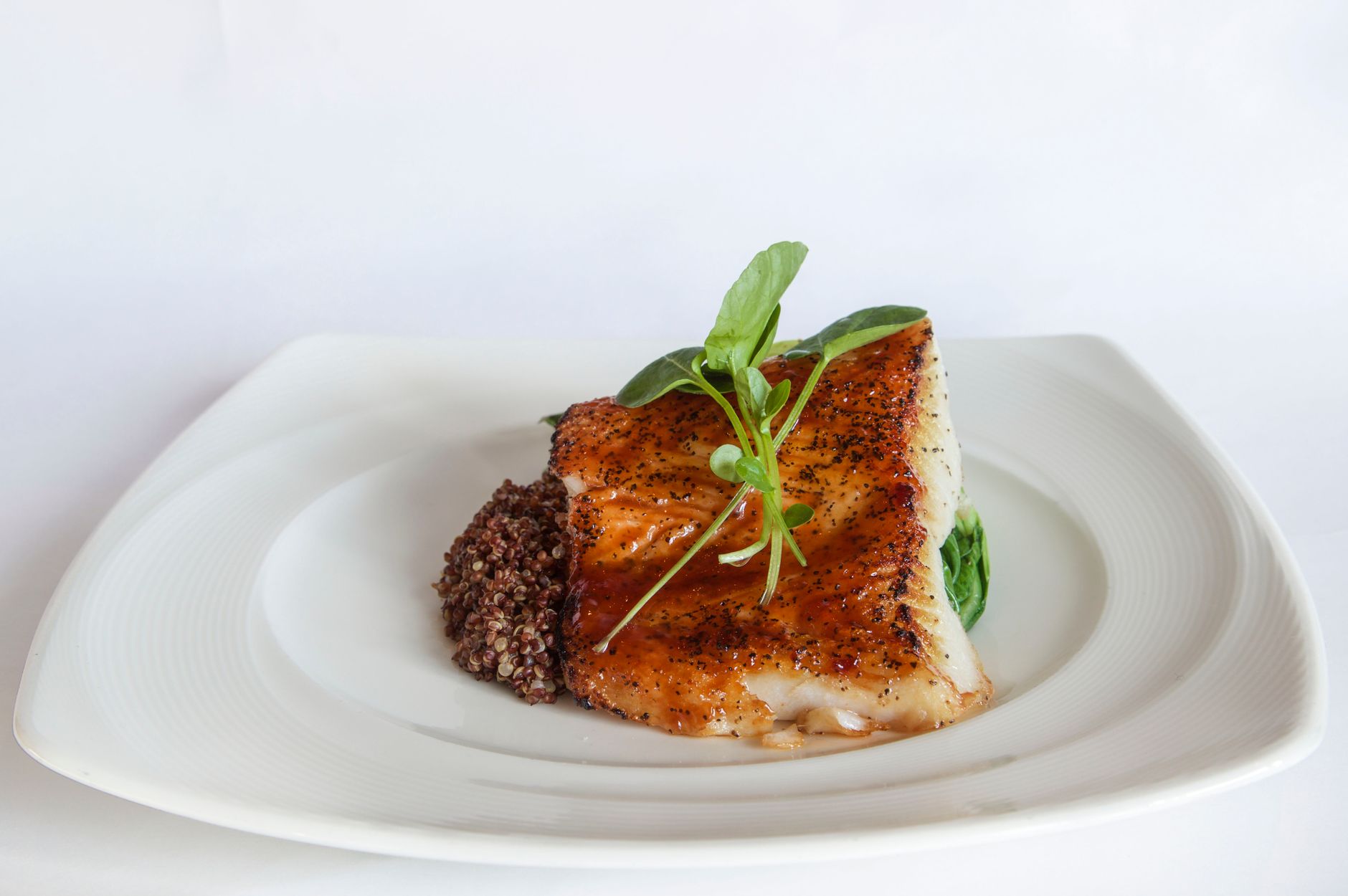
Example of a rosacea-friendly meal: lean protein, complex carbs, and plenty of veggies.
**Key swaps to make:**
Instead of white bread, try gluten-free grains like quinoa, brown rice, or millet.
Instead of whole milk, opt for unsweetened almond milk or coconut milk.
Instead of processed meats, choose grilled chicken, fish, or tofu.
Instead of sugary snacks, snack on berries, nuts, or fresh fruit.
**Remember:** It’s not about perfection—it’s about progress. If you have a cheat day, don’t stress. The goal is to reduce triggers, not eliminate them entirely. Over time, your skin will thank you.
---
Rosacea Diet for Beginners: Sample Weekly Menu
Ready to put it all together? Below is a simple 7-day meal plan designed to reduce inflammation and support skin health. Each day includes breakfast, lunch, dinner, and snacks—all centered around rosacea-friendly foods.
**Day 1:**
Breakfast: Scrambled eggs with spinach and cherry tomatoes, served with avocado toast on gluten-free bread.
Lunch: Grilled salmon with quinoa and steamed broccoli.
Dinner: Baked chicken with roasted sweet potatoes and sautéed kale.
Snacks: Handful of almonds, sliced cucumber with hummus (check for gluten-free hummus).
**Day 2:**
Breakfast: Smoothie with almond milk, spinach, blueberries, and chia seeds.
Lunch: Turkey lettuce wraps with avocado and mixed greens.
Dinner: Stir-fried tofu with zucchini, bell peppers, and brown rice.
Snacks: Celery sticks with almond butter, a small handful of walnuts.
**Day 3:**
Breakfast: Chia pudding made with coconut milk, topped with fresh strawberries.
Lunch: Grilled shrimp salad with mixed greens, olive oil, and lemon dressing.
Dinner: Baked cod with mashed cauliflower and roasted carrots.
Snacks: Rice cakes with avocado, a small apple.
**Day 4:**
Breakfast: Gluten-free oatmeal with flaxseeds, cinnamon, and sliced bananas (if tolerated).
Lunch: Lentil soup with a side of steamed green beans.
Dinner: Grilled chicken with roasted Brussels sprouts and wild rice.
Snacks: Sliced bell peppers with guacamole, a small handful of pumpkin seeds.
**Day 5:**
Breakfast: Veggie omelet with mushrooms, onions, and spinach.
Lunch: Quinoa salad with chickpeas, cucumber, and olive oil.
Dinner: Baked turkey meatballs with zucchini noodles and marinara sauce (check for gluten-free pasta).
Snacks: Sliced pear with almond butter, a small handful of cashews.
**Day 6:**
Breakfast: Smoothie bowl with coconut yogurt, mixed berries, and granola (gluten-free).
Lunch: Grilled mackerel with a side of roasted asparagus and quinoa.
Dinner: Stuffed bell peppers with ground turkey, tomatoes, and brown rice.
Snacks: Sliced avocado with sea salt, a small handful of sunflower seeds.
**Day 7:**
Breakfast: Buckwheat pancakes with maple syrup and fresh raspberries.
Lunch: Grilled chicken Caesar salad (made with gluten-free croutons and dairy-free dressing).
Dinner: Baked salmon with mashed sweet potatoes and sautéed spinach.
Snacks: Sliced kiwi, a small handful of macadamia nuts.
**Pro tip:** If you’re new to cooking, start with simple meals like sheet-pan dinners or one-pot meals. For example, toss chicken, sweet potatoes, and Brussels sprouts on a sheet pan with olive oil, salt, and pepper, then bake at 400°F (200°C) for 25–30 minutes. It’s hard to mess up—and your skin will thank you.
---
Gluten-Free Foods That Help Rosacea
If gluten is a trigger for your rosacea, you’ll want to swap traditional wheat-based foods for gluten-free alternatives. The good news? There are plenty of delicious options that are also skin-friendly. Here’s what to reach for:
Grains: Quinoa, brown rice, millet, buckwheat, amaranth, and certified gluten-free oats.
Proteins: Chicken, turkey, fish, eggs, tofu, tempeh, and lentils.
Dairy alternatives: Unsweetened almond milk, coconut milk, and dairy-free yogurts (made from coconut or almond).
**Watch out for hidden gluten:** Many processed foods contain gluten, including soy sauce, malt vinegar, and some spices. Always check labels for "gluten-free" certification if you’re avoiding gluten entirely.
**Representative story:** "I had no idea gluten was triggering my rosacea until I switched to a gluten-free diet for two months. My redness decreased by 80%, and my skin felt smoother. I still eat gluten occasionally, but I’ve learned to listen to my body—if I eat it and my skin reacts, I know to cut it back." — Priya, 42
---
Low Histamine Diet for Rosacea
If you suspect histamine intolerance might be worsening your rosacea, a low-histamine diet could be the key to calmer skin. Histamine is a compound that can cause blood vessels to dilate, leading to redness and irritation. Some foods either release histamine or block the enzymes that break it down, making them potential triggers.
**Foods to limit or avoid on a low-histamine diet:**
Fresh vegetables (except tomatoes, eggplant, and spinach): carrots, zucchini, bell peppers, cucumbers, lettuce, celery
Fresh fruits (except citrus and bananas): apples, pears, melons, berries (in moderation)
Fresh meats and poultry (freshly cooked, not cured): chicken, turkey, beef
Fresh fish (not smoked or cured): salmon, cod, sardines
Gluten-free grains: quinoa, brown rice, millet
Healthy fats: olive oil, coconut oil, avocado
Nuts and seeds: almonds, walnuts, pumpkin seeds (in moderation)
Herbal teas: chamomile, peppermint, ginger
**Tip:** If you’re new to a low-histamine diet, start by eliminating the most common triggers for a few weeks and then reintroduce them one at a time to see how your skin reacts.
---
Rosacea Diet Foods That Reduce Inflammation
Inflammation is at the heart of rosacea, so loading up on anti-inflammatory foods is one of the best ways to support your skin. These foods help reduce oxidative stress, calm the immune system, and promote healing. Here are the top anti-inflammatory foods for rosacea:
Food Group
Best Choices
Why It Helps
Fatty Fish
Salmon, mackerel, sardines, trout
Rich in omega-3 fatty acids, which reduce inflammation and support skin barrier function.
Leafy Greens
Spinach, kale, arugula, Swiss chard
High in antioxidants like vitamin C and K, which help repair skin and reduce redness.
Berries
Blueberries, strawberries, raspberries
Packed with anthocyanins, which fight inflammation and protect skin cells.
Nuts and Seeds
Almonds, walnuts, chia seeds, flaxseeds
Contain healthy fats and magnesium, which help regulate blood flow and reduce inflammation.
Turmeric
Fresh or ground turmeric
Contains curcumin, a powerful anti-inflammatory compound that may help calm rosacea symptoms.
Olive Oil
Extra virgin olive oil
Rich in polyphenols, which protect skin from oxidative stress and reduce inflammation.
Green Tea
Matcha or brewed green tea
Contains EGCG, a compound that reduces inflammation and may improve skin barrier function.
**How to incorporate these into meals:**
Start your day with a smoothie made with spinach, blueberries, almond milk, and chia seeds.
Add turmeric to your morning golden milk latte (made with coconut milk and a pinch of black pepper to enhance absorption).
Snack on a handful of walnuts and a small apple.
Drizzle olive oil over salads and roasted vegetables.
Grilled salmon twice a week for a dose of omega-3s.
---
Vegetarian Rosacea Diet Plan
If you follow a vegetarian diet, you can still eat for rosacea-friendly skin—it just requires a few extra tweaks to ensure you’re getting enough protein, healthy fats, and key nutrients. Here’s how to build a vegetarian rosacea diet:
**Protein sources:**
Tofu and tempeh
Lentils and chickpeas
Quinoa and buckwheat
Eggs (if you eat them)
Nuts and seeds (almonds, walnuts, pumpkin seeds)
**Omega-3 sources (critical for reducing inflammation):**
Flaxseeds (ground)
Chia seeds
Walnuts
Hemp seeds
Algal oil (a vegetarian source of DHA and EPA)
**Sample vegetarian meal plan:**
Breakfast: Tofu scramble with spinach, mushrooms, and turmeric, served with gluten-free toast.
Lunch: Lentil soup with a side of quinoa and steamed broccoli.
Dinner: Stuffed bell peppers with ground turkey (or lentils), tomatoes, and brown rice.
Snacks: Hummus with cucumber and carrot sticks, a handful of walnuts.
**Supplement considerations:**
If you’re not eating fatty fish, consider a high-quality algal oil supplement for omega-3s.
Vitamin B12 is important for skin health—consider a supplement if you’re vegetarian.
Iron and zinc are also key for skin repair—monitor your levels if you’re worried.
---
Keto Diet and Rosacea Management
If you’re considering the keto diet for weight loss or other health benefits, you might wonder how it interacts with rosacea. The keto diet is high in healthy fats and very low in carbohydrates, which can reduce inflammation for some people—but it also has potential triggers to watch for.
**Potential benefits of keto for rosacea:**
Reduced sugar intake can lower inflammation.
Healthy fats (like olive oil and avocado) support skin barrier function.
Keto may help regulate blood sugar, which can reduce flare-ups for some people.
**Potential triggers to watch for:**
Dairy (many keto diets include cheese and heavy cream, which can be problematic for rosacea).
Processed meat substitutes (some keto-friendly meats contain additives that may trigger reactions).
High-histamine foods (like aged cheeses or fermented foods).
Artificial sweeteners (some people report skin reactions to sucralose or aspartame).
**How to keto for rosacea:**
Prioritize fatty fish (salmon, sardines) over dairy for healthy fats.
Avoid processed meats and opt for fresh, grass-fed beef or poultry.
Choose low-histamine dairy alternatives like coconut milk or almond milk.
Watch your sugar alcohol intake—some people react to erythritol or xylitol.
Stay hydrated and monitor your electrolytes, as keto can be dehydrating.
**Representative story:** "I started keto for weight loss, but within a week, my rosacea flared up. I realized it was the cheese I was eating every day. I switched to a dairy-free keto version and my skin cleared up within two weeks. Now I focus on fatty fish and avocado instead." — Jamie, 35
---
Rosacea Diet Benefits: What to Expect
If you’ve been struggling with rosacea, you might be wondering: Will a diet really make a difference? The short answer is yes—for many people, making dietary changes can lead to noticeable improvements in skin symptoms. Here’s what you can expect:
Reduced redness and flushing: Cutting out triggers like alcohol, dairy, and spicy foods can help calm blood vessels and reduce temporary redness.
Fewer breakouts and bumps: Inflammatory foods can worsen acne-like rosacea symptoms. Reducing them may lead to fewer pustules and papules.
Improved skin barrier function: Foods rich in omega-3s, antioxidants, and healthy fats help repair the skin’s protective layer, making it less reactive.
Less sensitivity: Many people report that their skin becomes less sensitive to environmental triggers (like wind or cold) after adopting an anti-inflammatory diet.
Better overall health: A rosacea-friendly diet often aligns with other healthy eating patterns, leading to improved energy, digestion, and even mental clarity.
**How long until you see results?**
Some people notice improvements within 1–2 weeks of eliminating triggers.
Others see the biggest changes after 4–6 weeks, as their body adjusts and inflammation decreases.
If you don’t see changes after 3 months, consider working with a dietitian or dermatologist to refine your approach.
**Pro tip:** Pair your diet changes with other rosacea management strategies, like using gentle skincare products, protecting your skin from the sun, and managing stress. Together, these can create a powerful synergy for clearer skin.
---
Rosacea Diet and Skin Care: The Perfect Pair
Diet isn’t the only factor in managing rosacea—your skincare routine plays a huge role too. While you’re swapping out trigger foods, you’ll also want to adjust your skincare to support your skin’s healing process. Here’s how to pair your rosacea diet with the right skincare:
Gentle cleansers: Avoid harsh soaps and scrubs. Opt for a fragrance-free, non-comedogenic cleanser like CeraVe Hydrating Cleanser or La Roche-Posay Toleriane.
Moisturize daily: Rosacea-prone skin often feels dry or tight. Use a lightweight, oil-free moisturizer with ceramides or hyaluronic acid, like Vanicream Daily Facial Moisturizer.
Avoid alcohol-based products: Alcohol can strip your skin’s natural barrier and worsen redness. Skip toners and astringents with alcohol.
Use sunscreen daily: Sun exposure is a major trigger for rosacea flare-ups. Apply a broad-spectrum SPF 30 or higher like EltaMD UV Clear or Neutrogena Hydro Boost Water Gel.
Look for soothing ingredients: Ingredients like azelaic acid, niacinamide, or green tea extract can help reduce redness and inflammation.
Patch test new products: Even gentle products can irritate sensitive skin. Always test a small amount on your inner arm or behind your ear before applying to your face.
**Representative story:** "I was using every expensive serum under the sun, but my rosacea never improved until I switched to a simple routine: gentle cleanser, moisturizer, and SPF. Then I cut out dairy and gluten, and within a month, my redness was half as bad. It was a game-changer!" — Priya, 38
---
Rosacea Diet Supplements: What Actually Helps
While food is the foundation of a rosacea-friendly diet, supplements can provide extra support—especially if you’re struggling to get certain nutrients from your diet. Here are the most evidence-backed supplements for rosacea:
Supplement
Typical Dose
Best Time to Take
Food Sources
Known Interactions
Omega-3 Fatty Acids (Fish Oil or Algal Oil)
1,000–2,000 mg combined EPA/DHA daily
With meals (to improve absorption)
Fatty fish (salmon, mackerel), flaxseeds, walnuts, chia seeds
Avoid if allergic to fish; consult your doctor if you take blood thinners
Vitamin C
500–1,000 mg daily
With meals (to enhance absorption)
Citrus fruits, bell peppers, strawberries, kiwi
High doses may cause diarrhea; avoid if you have kidney disease
Zinc
15–30 mg daily
With meals (zinc oxide supplements should be taken with food)
Oysters, beef, pumpkin seeds, lentils
Avoid if you have Wilson’s disease; can interfere with copper absorption
Niacin (Vitamin B3)
100–500 mg daily
With meals
Chicken, turkey, peanuts, avocados
High doses may cause flushing; avoid if you have liver disease
Turmeric (Curcumin)
500–1,000 mg daily (with black pepper for absorption)
With meals
Fresh turmeric root, golden milk recipes
May interact with blood thinners; avoid if you have gallbladder issues
Probiotics
1–10 billion CFU daily
With meals (or as directed)
Yogurt (if dairy-tolerant), sauerkraut (fermented, not pasteurized), kimchi
May cause bloating initially; avoid if you have IBS flare-ups
**Pro tip:** Always check with your healthcare provider before starting any new supplement, especially if you’re pregnant, breastfeeding, or taking medication. Some supplements can interact with prescription drugs.
---
Rosacea Diet and Acne: The Connection
If you struggle with both rosacea and acne, you’re not alone. Many people with rosacea also deal with breakouts, and the two conditions often share dietary triggers. Here’s how to manage both with your diet:
Dairy is a common culprit: Both rosacea and acne flare up after consuming milk and cheese. Try eliminating dairy for 4–6 weeks to see if your skin improves.
Sugar and refined carbs worsen acne: Foods like white bread, pastries, and sugary snacks can spike blood sugar, leading to more oil production and breakouts. Opt for complex carbs like quinoa, sweet potatoes, and whole grains.
High-glycemic foods trigger inflammation: Foods like potatoes, white rice, and most fruit juices can cause spikes in insulin, which may worsen both rosacea and acne.
Omega-3s help both conditions: Fatty fish, flaxseeds, and walnuts reduce inflammation and may improve both rosacea and acne.
Antioxidant-rich foods protect skin: Berries, dark leafy greens, and nuts help repair skin damage and reduce breakouts.
**Sample acne-rosacea-friendly meal plan:**
Breakfast: Avocado toast on gluten-free bread with a poached egg and cherry tomatoes.
Lunch: Grilled chicken salad with mixed greens, cucumber, olive oil, and lemon dressing.
Dinner: Baked salmon with roasted Brussels sprouts and wild rice.
Snacks: Handful of almonds, sliced apple with almond butter.
---
Rosacea Diet for Pregnancy: What’s Safe and What to Avoid
If you’re pregnant and dealing with rosacea, you might be wondering how to adjust your diet to support both your baby and your skin. The good news is that many rosacea-friendly foods are also safe and beneficial during pregnancy. Here’s what to focus on—and what to avoid:
Not sure about the label on Rosacea Diet Food List For Beginners products?
Snap the ingredients list and SafeFilter checks every ingredient for your stage — only 3 free scans this month, then you're locked until reset. Unlimited from $7/mo or $50/yr.
When Shubhra Mishra was expecting her first child in 2016, she was overwhelmed by conflicting food advice — one site said yes, another said never. By the time her second baby arrived in 2019, she realized millions of mothers face the same confusion.
That sparked a five-year journey through clinical nutrition papers, cultural diets, and expert conversations — all leading to BumpBites: a calm, compassionate space where science meets everyday motherhood.
Her long-term vision is to build a global community ensuring safe, supported, and free deliveriesfor every mother — because no woman should face pregnancy alone or uninformed. 🌿
🌍 Stand with mothers, shape safer guidance
Join a small circle of experts who review BumpBites articles so expecting parents everywhere can decide with confidence.