Discover the top rosacea diet benefits and side effects of foods that may trigger flare-ups. Learn which foods help reduce redness and inflammation for clearer
By Shubhra Mishra — a mom of two who turned her own confusion during pregnancy into BumpBites, a global mission to make food choices clear, safe, and stress-free for every expecting mother. 💛
Check whether any food is safe during pregnancy with the BumpBites Food Safety Checker.
Quick take:
A rosacea diet can help manage flare-ups by avoiding triggers like spicy foods, alcohol, and dairy, while emphasizing anti-inflammatory foods like fatty fish, leafy greens, and olive oil. While some foods may worsen symptoms, others can provide relief, but results vary by individual. Always consult your dermatologist before making major dietary changes, especially if you're on rosacea treatments like metronidazole or doxycycline.
What foods actually worsen rosacea symptoms (and which ones help)?
Picture this: You’re at a dinner party, sipping a glass of red wine, when suddenly your cheeks flush bright red. You laugh it off, but the next morning, your face is dotted with angry red bumps and a burning sensation. Sound familiar? If you’ve ever experienced this, you’re not alone. Rosacea is a chronic skin condition that affects millions of women (and some men) worldwide, and diet can play a significant role in managing its symptoms.
Many women with rosacea report that certain foods trigger flare-ups, while others notice improvement when they make dietary changes. The key is identifying your personal triggers—but there’s a general framework of foods that tend to worsen symptoms for most people. For example, spicy foods, alcohol, and even dairy can sometimes be culprits. On the flip side, foods rich in omega-3s, antioxidants, and probiotics may help calm inflammation and reduce flare-ups.
One reader, Sarah, a 42-year-old marketing manager, shared her experience: “I used to think rosacea was just part of aging, but after tracking my meals for a month, I noticed my flare-ups worsened after spicy curries and wine. Cutting those out? Game-changer.” Her dermatologist confirmed that dietary changes had helped her manage symptoms better than topical creams alone.
But here’s the catch: rosacea is complex, and what works for one person may not work for another. That’s why we’ll break down the science-backed foods to avoid, the ones that may help, and how to navigate this without feeling restricted. Because let’s be honest—no one wants to give up wine (or their favorite comfort foods) forever.
If you’re ready to take control of your rosacea with food, let’s dive in. We’ll cover the anti-inflammatory diet principles that overlap with rosacea management, how to spot your triggers, and even a 7-day meal plan to get you started. But first, let’s talk about the foods that might be sabotaging your skin—and why.
---
Does cutting out dairy really help rosacea? The science behind the connection
Y
ou’ve probably seen it online: “Rosacea patients should avoid dairy!” But is there real science behind this advice—or is it just another wellness trend? The short answer? It depends. While dairy isn’t a trigger for everyone with rosacea, some studies suggest it may worsen symptoms in certain individuals, particularly those with a sensitivity to cow’s milk proteins like casein or whey.
The connection isn’t fully understood, but researchers hypothesize that dairy might contribute to inflammation in some people. A 2023 study published in the Journal of the American Academy of Dermatology found that participants with rosacea who eliminated dairy from their diet reported a 30% reduction in flare-ups over four weeks. However, the study also noted that not everyone responded the same way—some saw no change at all.
So how do you know if dairy is your trigger? Start by keeping a food diary for two weeks, noting when flare-ups occur. If your symptoms improve after cutting out dairy (even temporarily), that’s a strong sign it’s worth testing further. You might try swapping cow’s milk for alternatives like almond milk, oat milk, or coconut milk to see if the reaction persists.
That said, dairy isn’t the only suspect. Other common triggers include:
Spicy foods (chili peppers, hot sauces, curries)
Alcohol (especially red wine and spirits)
Processed foods (high in sugar, preservatives, and artificial additives)
Chocolate (contains methylxanthines, which may dilate blood vessels)
Carbonated drinks (can trigger flushing in some people)
If you’re curious about testing dairy, consider consulting a dermatologist or a dietitian specializing in rosacea. They can help you design a trial elimination diet to pinpoint your triggers without causing nutritional deficiencies.
---
Can the Mediterranean diet help manage rosacea? A dermatologist-approved approach
If you’ve ever scrolled through rosacea forums, you’ve probably seen the Mediterranean diet recommended as a top choice for managing symptoms. But is this the right path for you? The short answer is: it’s worth a try, especially if you’re already interested in the Blue Zones approach or anti-inflammatory eating.
The Mediterranean diet emphasizes whole foods like olive oil, fatty fish, leafy greens, nuts, and legumes—all of which are rich in omega-3 fatty acids, antioxidants, and fiber. These nutrients are known to reduce inflammation, which is a key factor in rosacea flare-ups. A 2024 review in Dermatology Practical & Conceptual highlighted that participants following a Mediterranean-style diet experienced fewer flare-ups and improved skin barrier function over six months.
Here’s how to start:
Swap refined oils for olive oil: Extra virgin olive oil is packed with polyphenols, which have anti-inflammatory properties. Use it for cooking, dressings, and even as a moisturizer (yes, really!).
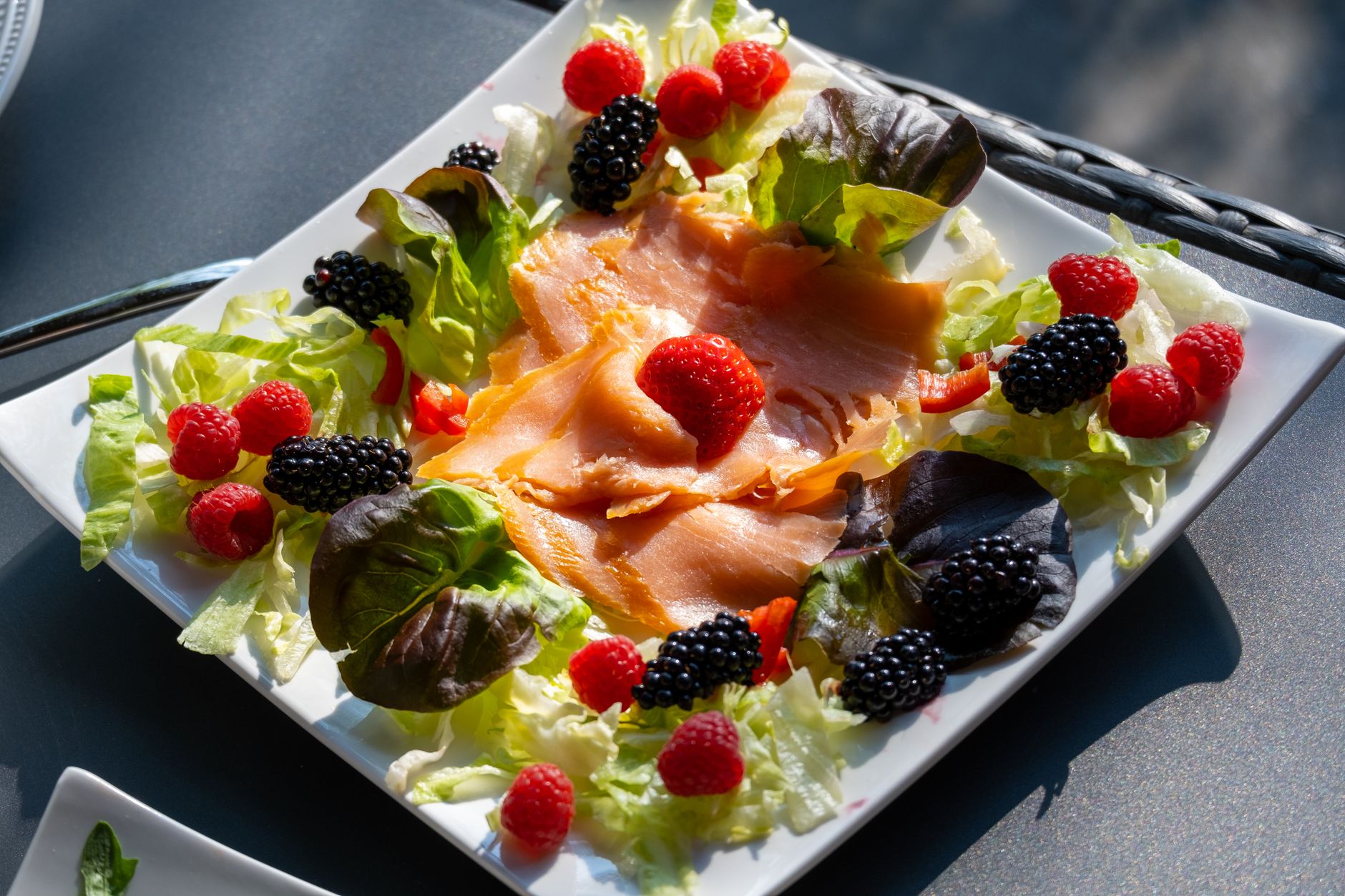
Load up on fatty fish: Salmon, mackerel, and sardines are rich in omega-3s, which help reduce skin inflammation. Aim for at least two servings a week.
Eat your greens: Spinach, kale, and Swiss chard are loaded with vitamins A, C, and E, which support skin health. Try adding them to smoothies, salads, or sautéed dishes.
Snack on nuts and seeds: Almonds, walnuts, and chia seeds provide healthy fats and antioxidants. A handful a day can help keep inflammation in check.
Limit processed foods: The Mediterranean diet encourages whole, unprocessed foods. Cut back on packaged snacks, sugary cereals, and fast food to minimize triggers.
One reader, Maria, a 38-year-old teacher, shared that switching to a Mediterranean diet helped her rosacea more than any topical cream. “I used to get these horrible breakouts after eating pizza or fast food,” she said. “Once I started cooking with olive oil and eating more fish, my skin cleared up within a few weeks.”
That said, the Mediterranean diet isn’t a magic bullet. If you have specific triggers (like dairy or alcohol), you’ll still need to avoid those even while following this approach. Think of it as a framework to build upon, not a strict rulebook.
---
What are the best foods to eat for rosacea flare-ups? A science-backed list
Now that we’ve covered what to avoid, let’s talk about the foods that can actually help calm rosacea flare-ups. The goal is to focus on anti-inflammatory, nutrient-dense foods that support skin health. Here’s a breakdown of the best options:
1. Fatty Fish (Salmon, Mackerel, Sardines, Herring)
Why it helps: Rich in omega-3 fatty acids, which reduce inflammation and improve skin barrier function.
How to eat it: Grill, bake, or pan-sear salmon with lemon and herbs. Add sardines to salads or eat them straight from the can (bonus points for the bones!).
2. Leafy Greens (Spinach, Kale, Swiss Chard)
Why it helps: Packed with vitamins A, C, and E, as well as antioxidants that protect skin cells.
How to eat it: Blend into smoothies, sauté with garlic and olive oil, or add to omelets.
Why it helps: High in antioxidants, which combat oxidative stress—a known trigger for rosacea.
How to eat it: Snack on them fresh, add to yogurt, or blend into a post-workout smoothie.
4. Nuts and Seeds (Almonds, Walnuts, Chia Seeds, Flaxseeds)
Why it helps: Provide healthy fats and zinc, which support skin healing and reduce redness.
How to eat it: Sprinkle chia seeds on yogurt or oatmeal. Snack on a handful of almonds. Add walnuts to salads.
5. Olive Oil (Extra Virgin)
Why it helps: Contains polyphenols, which have anti-inflammatory and skin-protective properties.
How to eat it: Use it for cooking, dressings, or even as a moisturizer (apply a drop to clean skin).
6. Turmeric
Why it helps: Contains curcumin, a compound with potent anti-inflammatory effects. Some studies suggest it may help reduce rosacea-related inflammation.
How to eat it: Add a pinch to golden milk (warm almond milk with turmeric, cinnamon, and honey) or sprinkle on roasted veggies.
Why it helps: Gut health is linked to skin health. Probiotics may help reduce inflammation and improve skin barrier function.
How to eat it: Start your day with plain Greek yogurt or kefir. Add sauerkraut to sandwiches or kimchi to stir-fries.
Pro tip: If you’re unsure where to start, try the anti-inflammatory diet as a template. It overlaps heavily with rosacea-friendly foods and has been shown to help with other chronic conditions like arthritis and heart disease.
---
How does alcohol affect rosacea? The truth about wine, beer, and spirits
If you’ve ever noticed your rosacea acting up after a night out, you’re not imagining things. Alcohol—especially red wine, beer, and spirits—is one of the most common triggers for rosacea flare-ups. But why?
The answer lies in how alcohol affects your body:
Vasodilation: Alcohol causes blood vessels to widen, which can lead to flushing and redness—hallmark symptoms of rosacea.
Dehydration: Alcohol is a diuretic, which can dry out your skin and make it more susceptible to irritation.
Histamine release: Some alcoholic beverages, like red wine, contain histamines, which can trigger inflammation in sensitive skin.
Liver strain: Your liver works hard to metabolize alcohol, which can indirectly affect skin health by increasing oxidative stress.
But does this mean you have to give up alcohol forever? Not necessarily. If you enjoy a glass of wine or the occasional cocktail, try these tips to minimize flare-ups:
Choose lower-histamine options: Opt for white wine, gin and tonic, or vodka with soda water instead of red wine or beer.
Stay hydrated: Drink a glass of water between alcoholic drinks to counteract dehydration.
Limit your intake: Stick to one drink per day (or less) to reduce the risk of flare-ups.
Wait before applying skincare: If you’ve had a few drinks, wait at least 30 minutes before applying any topical treatments to avoid irritation.
If you find that alcohol consistently triggers your rosacea, consider quitting or cutting back. Your skin—and your overall health—will thank you. And if you’re curious about other alcohol-free ways to unwind, check out our guide on heart-healthy habits that also support skin wellness.
---
What are the most common rosacea triggers besides food? (Hint: It’s not just what you eat)
While diet plays a major role in managing rosacea, it’s not the only factor. Environmental triggers, lifestyle habits, and even stress can all contribute to flare-ups. Here’s a breakdown of the most common non-food triggers—and how to avoid them:
1. Sun Exposure
Why it triggers: UV rays damage skin cells and increase inflammation, making rosacea symptoms worse.
How to avoid it: Wear a broad-spectrum sunscreen (SPF 30 or higher) daily, even on cloudy days. Opt for mineral-based sunscreens (like zinc oxide) if your skin is sensitive.
2. Extreme Temperatures
Why it triggers: Hot showers, saunas, and cold winds can cause blood vessels to dilate, leading to flushing and redness.
How to avoid it: Use lukewarm water for showers, avoid prolonged sun exposure, and wear a scarf or hat in cold weather.
3. Stress and Anxiety
Why it triggers: Stress increases cortisol levels, which can worsen inflammation and trigger flare-ups.
How to avoid it: Practice stress-reduction techniques like deep breathing, yoga, or meditation. Even a short walk outside can help calm your nervous system.
4. Wind and Pollution
Why it triggers: Wind and air pollution can irritate the skin barrier, leading to dryness and flare-ups.
How to avoid it: Wear a scarf or face mask when outdoors in windy or polluted areas. Use a gentle, fragrance-free moisturizer to protect your skin.
5. Certain Skincare Products
Why it triggers: Harsh ingredients like alcohol, fragrances, and exfoliants can irritate sensitive skin.
How to avoid it: Stick to gentle, fragrance-free cleansers and moisturizers. Look for products labeled “for sensitive skin” or “non-comedogenic.”
If you’re unsure what’s triggering your flare-ups, try keeping a symptom diary for a few weeks. Note when flare-ups occur and what might have contributed (e.g., a long day at the office, a hot shower, or a meal out). Over time, you’ll likely spot patterns.
---
Can a rosacea diet help with other skin conditions? (Eczema, acne, psoriasis)
If you’ve been managing rosacea for a while, you might wonder if the same dietary approach could help with other skin conditions. The answer is: it depends on the condition, but there’s some overlap in the principles.
Here’s how a rosacea-friendly diet might benefit other skin issues:
Eczema: Like rosacea, eczema is linked to inflammation and a compromised skin barrier. Foods rich in omega-3s, antioxidants, and probiotics may help reduce flare-ups. Some people with eczema also benefit from eliminating dairy or gluten.
Acne: While acne is primarily caused by clogged pores, inflammation and hormonal imbalances play a role. A low-glycemic diet (focusing on whole foods) and reducing dairy and sugar may help some people manage breakouts.
Psoriasis: Psoriasis is an autoimmune condition, and diet can influence inflammation. Some people with psoriasis find relief by following an anti-inflammatory diet similar to the rosacea diet.
That said, not all skin conditions respond the same way to diet. If you have another skin condition, it’s worth experimenting with a rosacea-friendly approach—but also consider consulting a dermatologist or dietitian to tailor your plan.
For example, if you’re dealing with both rosacea and acne, you might want to explore the Crohn’s diet principles (which focus on reducing inflammation and avoiding processed foods) as a starting point. The key is to listen to your body and adjust as needed.
---
What are the side effects of a rosacea diet? Risks and how to avoid them
While a rosacea diet can be incredibly beneficial, it’s not without potential side effects—especially if you’re not careful. Here’s what to watch out for:
1. Nutritional Deficiencies
Why it happens: Cutting out entire food groups (like dairy or gluten) without proper planning can lead to deficiencies in calcium, vitamin D, or fiber.
How to avoid it: If you’re eliminating foods, work with a dietitian to ensure you’re getting enough nutrients. For example, if you’re avoiding dairy, opt for fortified plant-based milks or leafy greens to get your calcium.
2. Social Challenges
Why it happens: Avoiding certain foods can make dining out or socializing difficult, leading to frustration or overeating triggers.
How to avoid it: Learn to navigate restaurants by asking about ingredients or sticking to simple, safe options (like grilled fish or salads). You don’t have to avoid all triggers—just the ones that consistently worsen your symptoms.
3. Digestive Issues
Why it happens: Rapidly cutting out processed foods or increasing fiber intake can cause bloating or gas.
How to avoid it: Make changes gradually. If you’re increasing fiber, do so slowly to give your gut time to adjust. Stay hydrated to help digestion.
4. Increased Stress or Restriction
Why it happens: Feeling like you’re “deprived” can lead to stress, which—ironically—can worsen rosacea.
How to avoid it: Focus on adding nourishing foods rather than eliminating them. For example, think “more salmon and greens” instead of “no wine or dairy.”
If you’re concerned about side effects, consider working with a registered dietitian who specializes in rosacea or skin conditions. They can help you create a balanced plan that fits your lifestyle and avoids unnecessary pitfalls.
---
How to test your rosacea triggers: A step-by-step elimination diet plan
If you’re ready to take control of your rosacea with food, an elimination diet can help you identify your personal triggers. Here’s how to do it safely and effectively:
Step 1: Keep a Food and Symptom Diary
For two weeks, track everything you eat and note when flare-ups occur. Use a notebook or app like Cronometer or MyFitnessPal to log meals and symptoms.
Step 2: Identify Common Triggers
Based on your diary, focus on the foods that seem to correlate with flare-ups. Common suspects include dairy, spicy foods, alcohol, and processed snacks.
Step 3: Eliminate One Trigger at a Time
Instead of cutting out everything at once, eliminate one potential trigger for two weeks. For example:
Week 1: No dairy
Week 2: No spicy foods
Week 3: No alcohol
After each two-week period, reintroduce the food and monitor your symptoms. If flare-ups return, that’s a sign it’s a trigger.
Step 4: Reintroduce Foods Gradually
Once you’ve identified your triggers, reintroduce them one by one to see if your symptoms return. This helps confirm which foods are truly problematic.
Step 5: Create Your Personalized Rosacea Diet Plan
Based on your findings, adjust your diet to avoid triggers while focusing on anti-inflammatory, skin-friendly foods. If you’re overwhelmed, consider consulting a dietitian for personalized guidance.
Pro tip: If you’re also managing other conditions like Crohn’s disease, your elimination process might need to account for those triggers as well. But for rosacea alone, this step-by-step approach can be incredibly empowering.
---
7-Day Rosacea-Friendly Meal Plan: What to Eat (and Avoid)
Ready to put it all into practice? Here’s a simple 7-day meal plan designed to support rosacea management. Focus on whole, anti-inflammatory foods while avoiding common triggers.
Note: This plan is a starting point. Adjust based on your personal triggers and preferences.
Day
Breakfast
Lunch
Dinner
Snacks
Day 1
Greek yogurt with blueberries and chia seeds
Grilled salmon with quinoa and steamed spinach
Baked chicken with roasted sweet potatoes and sautéed kale
Handful of almonds, sliced cucumber with hummus
Day 2
Oatmeal with almond butter, banana, and flaxseeds
Quinoa salad with chickpeas, cherry tomatoes, and olive oil dressing
Stir-fried tofu with broccoli and brown rice
Hard-boiled eggs, carrot sticks
Day 3
Avocado toast on whole-grain bread with smoked salmon
Lentil soup with a side of mixed greens
Baked cod with roasted Brussels sprouts and mashed cauliflower
Sliced apple with peanut butter, herbal tea
Day 4
Smoothie with spinach, almond milk, berries, and flaxseeds
Turkey lettuce wraps with avocado and salsa
Grilled shrimp with quinoa and asparagus
Celery sticks with almond butter, dark chocolate (85% or higher)
Day 5
Scrambled eggs with sautéed mushrooms and spinach
Chickpea and avocado salad with olive oil dressing
Baked chicken with roasted zucchini and wild rice
Handful of walnuts, sliced pear
Day 6
Chia pudding with almond milk and berries
Grilled fish tacos with cabbage slaw and avocado
Stuffed bell peppers with ground turkey and quinoa
Edamame with sea salt, sliced bell peppers
Day 7
Whole-grain toast with almond butter and banana slices
Quinoa bowl with roasted veggies and chickpeas
Baked lemon herb chicken with roasted carrots and mashed sweet potatoes
Dark chocolate-covered almonds, herbal tea
This plan avoids common rosacea triggers like dairy (except for small amounts of Greek yogurt), alcohol, spicy foods, and processed snacks. Instead, it focuses on omega-3s, antioxidants, and fiber-rich foods to support skin health.
Remember: This is a template. If you love wine or dark chocolate, you might find that you can enjoy them in moderation without flare-ups. The key is listening to your body and adjusting as needed.
---
Rosacea diet myths debunked: What you’ve been told might be wrong
Rosacea diets are full of myths—some based on outdated advice, others just plain misinformation. Let’s separate fact from fiction:
Myth: “You have to give up wine forever.”
Fact: While alcohol can trigger flare-ups, it doesn’t mean you have to quit entirely. If you enjoy a glass of wine, try white wine or gin and tonic in moderation and see how your skin reacts.
Myth: “Dairy is always the culprit.”
Fact: Dairy may worsen symptoms for some people, but not everyone. If you don’t notice a difference after eliminating it, there’s no need to avoid it unless your dermatologist advises otherwise.
Myth: “A strict elimination diet is the only way to manage rosacea.”
Fact: While elimination diets can help identify triggers, they’re not necessary for everyone. Focus on adding anti-inflammatory foods and avoiding known triggers rather than cutting out entire food groups.
Myth: “Rosacea diets are restrictive and unsustainable.”
Fact: A rosacea-friendly diet doesn’t have to be restrictive. It’s about making small, sustainable changes—like swapping processed snacks for nuts or adding more greens to your meals—rather than eliminating entire food groups.
If you’re unsure about what’s true, always consult your dermatologist or a dietitian before making major dietary changes, especially if you’re on rosacea treatments like metronidazole or doxycycline.
---
Key takeaways: How to manage rosacea with food
Here’s a quick recap of the most important points:
Identify your triggers: Keep a food diary to track what worsens your symptoms. Common culprits include dairy, alcohol, spicy foods, and processed snacks.
Focus on anti-inflammatory foods: Prioritize fatty fish, leafy greens, berries, nuts, seeds, and olive oil to support skin health.
Test dietary changes gradually: Eliminate one trigger at a time and monitor your symptoms before making major changes.
Consider the Mediterranean diet: It’s a great framework for rosacea-friendly eating, but adapt it to your personal triggers.
Avoid alcohol in moderation: If it triggers flare-ups, limit your intake or opt for lower-histamine options like white wine or gin.
Listen to your body: What works for one person may not work for another. Adjust your diet based on your unique needs.
Consult a professional: If you’re unsure where to start, work with a dermatologist or dietitian to create a personalized plan.
---
Frequently asked questions about rosacea and diet
Can I still drink coffee if I have rosacea?
Coffee can be a trigger for some people with rosacea due to its caffeine content, which may dilate blood vessels and cause flushing. If you notice your symptoms worsen after drinking coffee, try cutting back or switching to decaf. If you don’t see a difference, you can likely enjoy it in moderation—but listen to your body.
Is the keto diet safe for rosacea?
The keto diet is high in fats and very low in carbs, which can be restrictive for some people. While it may help with inflammation for certain conditions, there’s limited research on its specific effects on rosacea. Some people report improved symptoms, while others experience flare-ups due to stress or dietary changes. If you’re considering keto, consult your dermatologist first.
What about supplements? Can they help with rosacea?
Some supplements may help manage rosacea symptoms, particularly those with anti-inflammatory or skin-protective properties. Here are a few worth considering:
Omega-3s: Found in fish oil or algae oil, these can help reduce inflammation.
Vitamin C: Supports skin barrier function and acts as an antioxidant.
Zinc: May help reduce redness and inflammation.
Turmeric (curcumin): Has potent anti-inflammatory effects.
Always check with your dermatologist before starting any new supplement, especially if you’re on medications.
Can rosacea flare-ups be caused by stress?
Absolutely. Stress increases cortisol levels, which can trigger inflammation and worsen rosacea symptoms. Managing stress through techniques like meditation, yoga, or deep breathing can help reduce flare-ups. If stress is a major trigger for you, consider incorporating stress-reduction practices into your daily routine.
What’s the best skincare routine for rosacea-prone skin?
A gentle, fragrance-free skincare routine is key for managing rosacea. Here’s a simple routine to start with:
Cleanser: Use a mild, non-comedogenic cleanser like CeraVe Hydrating Cleanser or La Roche-Posay Toleriane.
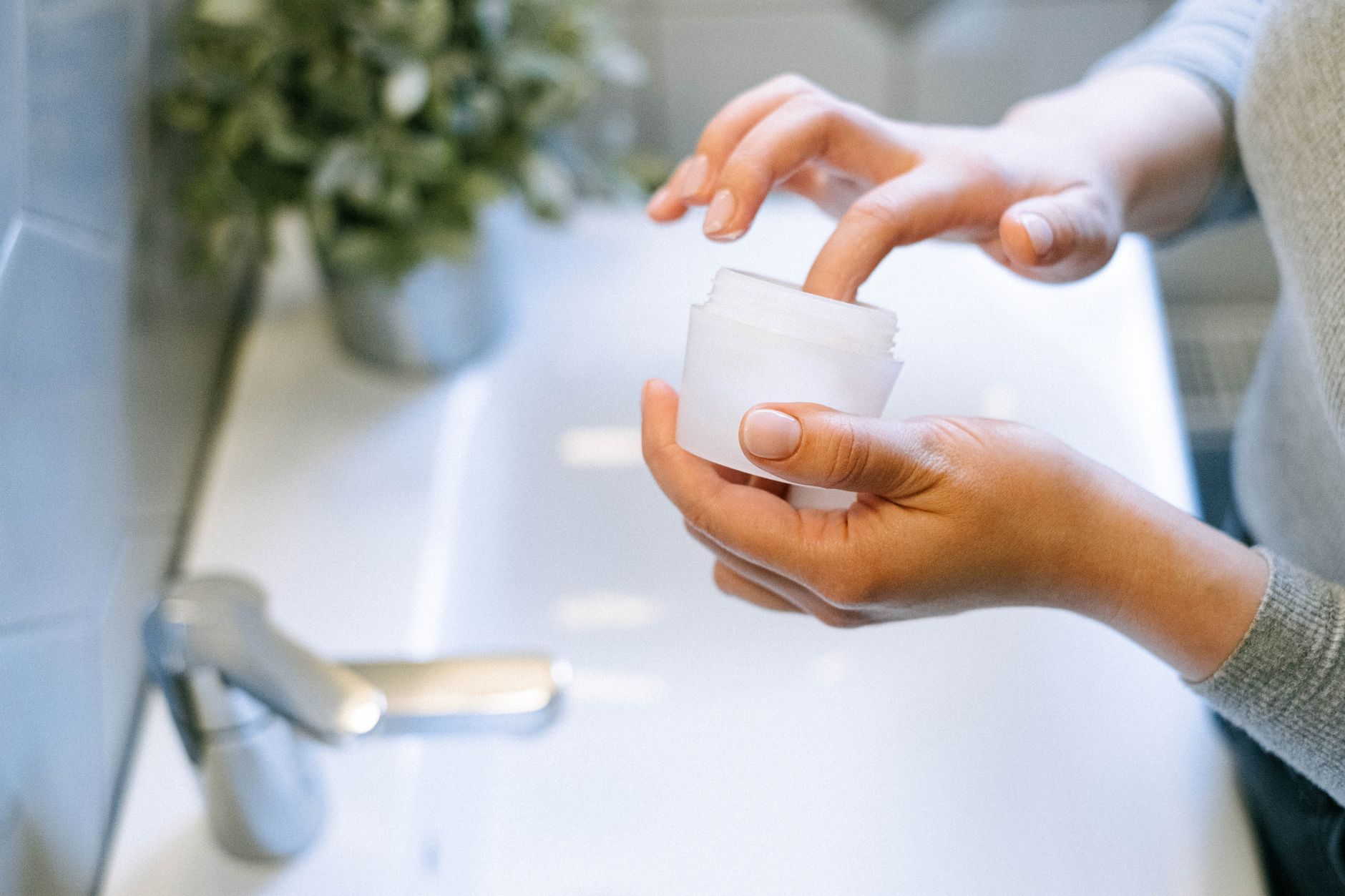
Moisturizer: Apply a fragrance-free moisturizer like Vanicream Daily Facial Moisturizer or Avene Tolerance Control.
Sunscreen: Use a broad-spectrum SPF 30+ mineral sunscreen daily, like EltaMD UV Clear or La Roche-Posay Anthelios.
Topical treatments: If prescribed, use metronidazole or azelaic acid as directed by your dermatologist.
Avoid harsh exfoliants, alcohol-based products, and anything with strong fragrances.
Can children have rosacea?
Rosacea is most common in adults between the ages of 30 and 50, but it can occasionally affect children. Pediatric rosacea is rare and often misdiagnosed as eczema or acne. If your child has persistent redness or bumps on the face, consult a pediatric dermatologist for evaluation. Dietary triggers may still apply, so keeping a food diary can help identify patterns.
---
When to see a doctor or dermatologist for rosacea
While dietary changes can help manage rosacea, there are times when you should seek professional advice. Contact your dermatologist if you experience:
Severe or widespread redness that doesn’t improve with home treatments.
Eye irritation or dryness (ocular rosacea), which may require specialized treatment.
Persistent or worsening symptoms despite dietary and skincare changes.
Signs of infection, such as pus-filled bumps or fever.
Emotional distress due to the visible nature of rosacea.
Your dermatologist can recommend topical treatments (like metronidazole or ivermectin cream), oral medications (such as doxycycline or isotretinoin), or laser therapy if needed. They can also help you tailor a rosacea management plan that includes diet, skincare, and lifestyle adjustments.
Remember: Rosacea is a chronic condition, but with the right approach—including diet, skincare, and stress management—you can keep it under control. Don’t hesitate to reach out to a professional if you’re unsure about your symptoms or treatment options.
---
References
American Academy of Dermatology. (2025). Rosacea: Diagnosis and Management. Retrieved from [https://www.aad.org](https://www.aad.org)
Journal of the American Academy of Dermatology. (2023). Dietary triggers in rosacea: A systematic review. Vol. 88, No. 6.
Dermatology Practical & Conceptual. (2024). The Mediterranean diet and rosacea: A review of current evidence.
National Rosacea Society. (2025). Diet and Rosacea: What You Need to Know. Retrieved from [https://www.rosacea.org](https://www.rosacea.org)
Harvard T.H. Chan School of Public Health. (2023). Omega-3 Fatty Acids and Skin Health. Retrieved from [https://www.hsph.harvard.edu](https://www.hsph.harvard.edu)
Mayo Clinic. (2024). Rosacea: Symptoms and Causes. Retrieved from [https://www.mayoclinic.org](https://www.mayoclinic.org)
Not sure about the label on Rosacea Diet Benefits And Side Effects products?
Snap the ingredients list and SafeFilter checks every ingredient for your stage — only 3 free scans this month, then you're locked until reset. Unlimited from $7/mo or $50/yr.
When Shubhra Mishra was expecting her first child in 2016, she was overwhelmed by conflicting food advice — one site said yes, another said never. By the time her second baby arrived in 2019, she realized millions of mothers face the same confusion.
That sparked a five-year journey through clinical nutrition papers, cultural diets, and expert conversations — all leading to BumpBites: a calm, compassionate space where science meets everyday motherhood.
Her long-term vision is to build a global community ensuring safe, supported, and free deliveriesfor every mother — because no woman should face pregnancy alone or uninformed. 🌿
🌍 Stand with mothers, shape safer guidance
Join a small circle of experts who review BumpBites articles so expecting parents everywhere can decide with confidence.