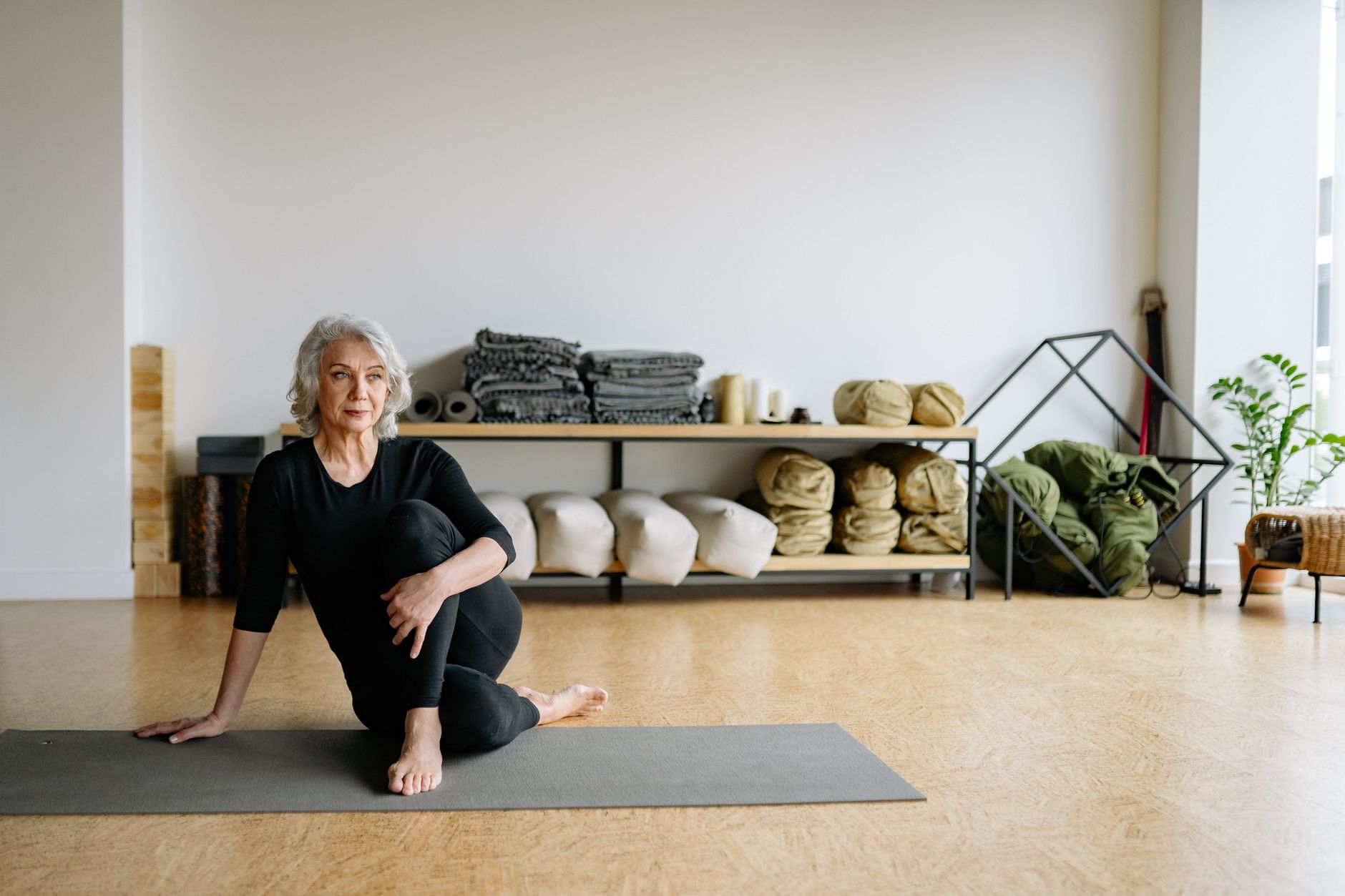
First‑time mothers often feel extra pressure to “bounce back” quickly. The truth is that every body heals at its own pace, and a realistic timeline helps set expectations and reduces anxiety. Below is a week‑by‑week overview that balances safety with gradual progression.
- Weeks 1‑2: Focus on breath, gentle pelvic‑floor activation, and restorative poses (e.g., supported child’s pose, legs‑up‑the‑wall). Aim for 5‑10 minutes per day.
- Weeks 3‑4: Introduce low‑impact standing poses—mountain, tree, and modified warrior I—while continuing diaphragmatic breathing. Sessions can expand to 15‑20 minutes, 2‑3 times a week.
- Weeks 5‑6: Begin core‑re‑education with supine pelvic tilts, heel squeezes, and gentle boat pose (with a bolster). Add a short walking meditation or stroller walk to increase circulation.
- Weeks 7‑8: If your incision (C‑section) has healed and your provider has cleared you, incorporate more dynamic flow (vinyasa) with an emphasis on alignment and breath‑linked movement. Sessions of 30 minutes, 3‑4 times a week, are typical.
- Weeks 9‑12: Introduce deeper stretches (low forward folds) and, if comfortable, light inversions such as legs‑up‑the‑wall or supported shoulder stand. This is also a good time to explore postpartum‑specific classes, including “Yoga for New Moms” offered at many studios.
One new mother we spoke with, Maya, described her experience: “I started with just five minutes of breathing while my baby was napping. By week six, I felt strong enough to join a gentle flow class, and that community kept me motivated.” Her story underscores the importance of starting small, celebrating incremental wins, and seeking supportive environments. Emotional readiness matters just as much as physical healing; many first‑time moms find that a brief journaling habit alongside yoga helps track mood swings and builds confidence.
How many weeks after birth is it safe to do inversions?
Inversions—poses where the heart is above the head—increase intra‑abdominal pressure and can challenge a healing pelvic floor. Most clinicians advise waiting 8‑12 weeks after a vaginal delivery and 12‑16 weeks after a C‑section before attempting full inversions like headstand or handstand.
Safe, gentle inversions that can be introduced earlier include:
- Legs‑up‑the‑wall (Viparita Karani) – excellent for circulation and can be done as early as week 2.
- Supported shoulder stand with a folded blanket under the shoulders – usually safe after week 6, provided you keep the core lightly engaged.
- Bridge pose (Setu Bandhasana) – not a true inversion, but a mild upward tilt that strengthens the back and glutes without excessive pressure.
If you’re drawn to more challenging inversions, build a foundation first: strengthen the core with bird‑dog, plank (modified on knees), and pelvic‑floor exercises. When you feel ready, practice against a wall or with a yoga block for support, and always keep a partner or teacher nearby for safety. The American College of Obstetricians and Gynecologists (ACOG) cautions that “women should avoid poses that increase intra‑abdominal pressure until the uterus has involuted and the pelvic floor has regained adequate strength.”
Postpartum yoga schedule for diastasis recti recovery
Diastasis recti—a separation of the abdominal muscles—affects up to 60 % of postpartum women. A focused yoga schedule can help close the gap while avoiding harmful pressure.
The key principles are:
- Engage the deep core (transverse abdominis) before any movement.
- Avoid forward‑folding and crunch‑type poses that pull the belly outward.
- Use props (bolsters, blankets) to support the spine and maintain neutral alignment.
Here’s a weekly plan for weeks 4‑12 postpartum:
Each session should begin with a 3‑minute diaphragmatic breath and end with a short relaxation. If any pose causes a bulge or pulling sensation, modify by reducing the range of motion or using a prop for support. Many mothers find that adding a small yoga block under the hands in seated forward folds keeps the spine neutral and protects the core. Tracking your diastasis width with a simple finger‑measure once a week can give objective feedback and keep you motivated.
What yoga poses are safe in the first month postpartum?
The first month is all about gentle movement, breath awareness, and reconnecting with your body. Below are the safest poses, grouped by purpose.
Gentle mobility
- Cat‑Cow (Marjaryasana/Bitilasana) – promotes spinal flexibility and encourages diaphragmatic breathing.
- Seated Side Stretch (Parsvakonasana variation) – opens the ribs without compressing the abdomen.
- Supported Child’s Pose (Balasana) – restores the nervous system and offers a restful pause.
Pelvic‑floor activation
- Pelvic Tilts (Supine) – gently engage the transverse abdominis.
- Heel Squeezes (Supine) – small gluteal contractions that also stimulate pelvic‑floor muscles.
- Bridge Pose (Setu Bandhasana) with a bolster – strengthens the glutes while keeping the core light.
Stress‑relief breathing
- Diaphragmatic Breath – inhale 4 counts, pause 2, exhale 6; repeat for 5 minutes.
- Alternate Nostril Breath (Nadi Shodhana) – calms the nervous system, especially useful during nighttime feedings.
Remember to keep every movement within a pain‑free range. If a pose feels “tight” rather than “stretchy,” back off or use a prop for support. Consistency—short, daily sessions—trumps intensity in the early weeks. The NHS recommends “starting with short sessions of 5‑10 minutes and gradually increasing as comfort improves,” reinforcing the idea that gentle is best.
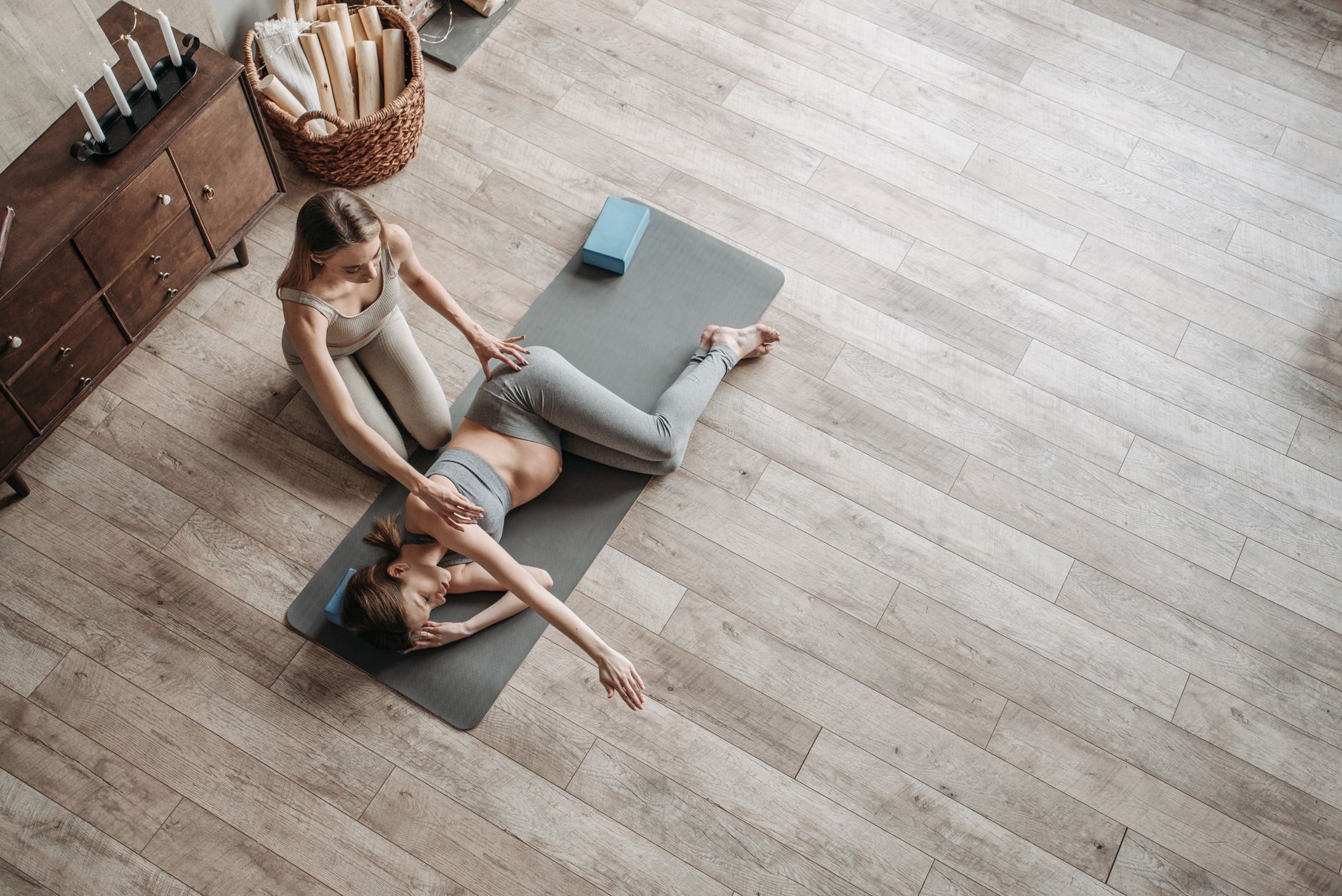
How to modify yoga practice after vaginal delivery
Vaginal delivery can leave you with perineal soreness, pelvic‑floor fatigue, and occasional bruising. Modifications focus on protecting the perineum while still re‑engaging the core and promoting circulation.
- Use a cushion or folded blanket under the tailbone in seated poses to relieve pressure.
- Limit deep forward folds—instead, opt for a wide‑legged seated forward bend with a bolster supporting the chest.
- Replace high‑impact transitions with slow, breath‑linked movements (e.g., inhale to rise, exhale to lower).
Here’s a “vaginal‑delivery friendly” flow you can practice in 20 minutes:
- Start in seated meditation (5 min) with diaphragmatic breathing.
- Move to cat‑cow (10 breaths).
- Transition to gentle seated twist (using a strap if needed).
- Finish with legs‑up‑the‑wall (5 min) for pelvic circulation.
Many new moms report that incorporating a pillow under the knees during supine work reduces strain on the perineum. If you’re nursing, a feeding pillow can double as a prop for seated poses, keeping the spine upright while supporting your baby. The NHS advises “avoiding pressure on the perineum for at least two weeks after a vaginal birth,” so listening to any lingering soreness is essential.
Returning to yoga after postpartum depression
Postpartum depression (PPD) can make it feel impossible to find motivation, but yoga offers a gentle, evidence‑based pathway to mood regulation. Research from the American Psychological Association (APA) indicates that mind‑body practices, including yoga, can reduce depressive symptoms by up to 30 % when practiced regularly.
Key steps for a safe return:
- Start with breath‑focused sessions—even 5‑minute seated breathing can lower cortisol.
- Choose a supportive environment—online classes or small‑group sessions where you feel seen, not judged.
- Set realistic goals—aim for consistency (e.g., three 10‑minute sessions per week) rather than length.
- Pair yoga with professional care—continue therapy or medication under your provider’s guidance.
One mother, Jenna, shared: “I felt overwhelmed just getting out of bed. I started with a 5‑minute ‘breath and stretch’ video on YouTube while my baby was napping. Over a month, those minutes grew into a full 30‑minute online class, and my mood lifted enough to seek further therapy.” Her story illustrates that even the smallest, consistent effort can create a ripple effect for mental health. Adding a brief gratitude journal after each practice can further reinforce positive neural pathways.
Progressive yoga plan for 6 weeks postpartum
Below is a week‑by‑week progressive plan that blends gentle recovery work with gradually increasing intensity. Adjust the timeline based on your provider’s clearance and how you feel each day.
Each week, aim for 3‑4 sessions. If you’re breastfeeding, practice after a feeding when your prolactin levels are high; this can help promote relaxation. Keep a simple journal noting how you feel after each session—energy, mood, any discomfort—to fine‑tune the plan. Over time, you’ll notice patterns that guide you to either add a new pose or hold back for extra rest.
Additional considerations: classes, props, breathing, and hot yoga
Postpartum yoga classes near me schedule
Many studios now list “New Mom” or “Postpartum” classes on their websites. Look for classes that specify “low impact,” “core focus,” or “diastasis‑friendly.” If you’re unsure, call the studio and ask, “Do you have a teacher certified in postpartum yoga?” A typical schedule might include a 45‑minute class on Tuesdays and Thursdays at 10 am, with a shorter 30‑minute “babies‑and‑beyond” session on Saturdays.
Best yoga props for new mothers
- Yoga bolster or firm pillow – supports the back in seated or supine poses.
- Yoga strap – assists in maintaining alignment without over‑stretching.
- Blanket or folded towel – cushions the knees or perineum.
- Blocks – bring the floor closer for standing forward bends.
Postpartum yoga breathing techniques for stress relief
Two techniques are especially helpful:
- Box breathing (4‑4‑4‑4) – inhale 4 counts, hold 4, exhale 4, hold 4. Repeat for 5 minutes.
- Ujjayi breath – soft throat constriction creates an audible “ocean” sound, calming the nervous system.
How many yoga sessions per week after baby?
Most experts, including the American College of Obstetricians and Gynecologists (ACOG), suggest starting with 2‑3 short sessions per week and gradually increasing to 4‑5 as your energy returns. Quality beats quantity—listen to your body, especially during nighttime feedings.
Postpartum yoga vs. Pilates for core recovery
Yoga for breastfeeding mothers benefits
Research from the Academy of Nutrition and Dietetics notes that yoga can improve milk let‑down by reducing stress hormones. Gentle forward bends and chest‑openers increase circulation to the breasts, while diaphragmatic breathing supports relaxation. Practicing after a feeding—when oxytocin is already high—can further enhance milk flow.
Postpartum yoga video tutorials free
Many reputable platforms offer free classes:
- Yoga with Adriene – “Postnatal Yoga” playlist (YouTube).
- DoYogaWithMe – “New Mom Yoga” series (free basic membership).
- Fitness Blender – “Postpartum Recovery” videos (no cost).
When using free videos, verify that the instructor mentions “postpartum modifications” and that the routine aligns with the timeline we’ve outlined.
Timeline for returning to hot yoga after pregnancy
Hot yoga (Bikram or heated Vinyasa) raises core temperature, which can be risky for the first 12 weeks postpartum—especially if you’re still nursing, as dehydration can affect milk supply. Most experts recommend waiting 12‑16 weeks after a vaginal birth and 16‑20 weeks after a C‑section, provided you’ve regained core strength and have clearance from your provider.
When you do return, start with a short 30‑minute heated class (temperature ~80°F) and keep hydration top of mind. Listen for signs of dizziness, excessive sweating, or abdominal cramping; these indicate you should exit the room and cool down.
Yoga while breastfeeding: safe poses and timing
Breastfeeding adds a unique set of considerations: you’ll want to avoid poses that compress the chest or cause excessive fatigue, and you’ll need to stay well‑hydrated. Gentle forward bends, seated spinal twists, and restorative supine poses are all compatible with lactation. The key is to practice after a feeding, when prolactin levels are high and the let‑down reflex is already active.
Start with a 10‑minute session that includes:
- Seated cat‑cow to open the thoracic spine.
- Supported bridge to engage glutes without straining the abdomen.
- Legs‑up‑the‑wall for circulation and to reduce swelling in the feet.
- Ending with a brief diaphragmatic breath to promote relaxation and milk flow.
Keep a water bottle within reach; the FDA recommends at least 2.7 L of fluid per day for lactating women. If you feel light‑headed or notice a sudden drop in milk supply, pause the practice, hydrate, and consider a shorter session next time.
Pelvic‑floor focused yoga exercises
The pelvic floor bears much of the load after childbirth, especially after a vaginal delivery or an episiotomy. Yoga can gently strengthen these muscles without the high‑pressure maneuvers found in some Pilates routines. Below are three yoga‑based pelvic‑floor exercises that can be woven into any postpartum practice.
- Pelvic‑floor lift (Supta Baddha Variation) – Lie on your back with soles of the feet together and knees open. Inhale to gently lift the pelvis a few centimeters, engaging the floor muscles, then exhale to lower. Repeat 10‑12 times.
- Standing heel‑squeeze with wall support – Stand with your back against a wall, feet hip‑width apart. Tighten the glutes and pelvic floor, holding for 5 seconds, then release. Perform 8‑10 repetitions.
- Bird‑dog with a pillow – From tabletop, place a small pillow under each hand. Extend opposite arm and leg while keeping the core stable, then return. This version reduces intra‑abdominal pressure while still activating the floor.
Progressively increase hold times as comfort improves. If you feel any “bulging” sensation or increased urinary leakage, back off and consult a pelvic‑floor physical therapist. The NHS recommends “starting with low‑impact pelvic‑floor activation and avoiding high‑impact activities for the first six weeks.”
Science behind yoga and postpartum mental health
Beyond the physical benefits, yoga has measurable effects on brain chemistry. A 2022 systematic review in the Journal of Affective Disorders found that yoga reduced cortisol levels by an average of 15 % and increased gamma‑aminobutyric acid (GABA), a neurotransmitter linked to anxiety reduction. For new mothers, the combination of breathwork, gentle movement, and mindfulness can counteract the “baby blues” and lower the risk of progressing to postpartum depression.
Mindful yoga also stimulates the vagus nerve, which helps regulate heart‑rate variability—a marker of stress resilience. Incorporating a brief 5‑minute body‑scan meditation at the end of each session can deepen this effect. While yoga is not a substitute for professional mental‑health treatment, it serves as a supportive adjunct that many clinicians, including those at the National Institute of Mental Health (NIMH), recommend as part of a comprehensive postpartum care plan.
Myth vs. fact
Myth: You should avoid any abdominal work for at least six months after birth.
Fact: Gentle core activation (pelvic tilts, heel squeezes) can begin within the first two weeks, as long as you have medical clearance and avoid deep flexion.
Myth: All inversions are dangerous until the uterus fully shrinks.
Fact: Supported inversions like legs‑up‑the‑wall are safe early on; full headstands should wait until the abdominal wall is healed and pelvic‑floor strength is adequate.
Myth: If you’re breastfeeding, you can’t practice yoga because it will reduce milk supply.
Fact: Yoga actually supports lactation by lowering stress hormones; just stay hydrated and avoid overly strenuous sessions that could deplete energy.
Key takeaways
- Get medical clearance before starting any postpartum yoga, especially after a C‑section.
- Begin with breath‑focused, low‑impact poses; progress gradually over 6‑12 weeks.
- Use props (bolster, block, blanket) to protect the core and perineum.
- Aim for 2‑4 sessions per week, starting at 10‑15 minutes and building to 30‑40 minutes.
- Listen for red‑flag signs—sharp pain, worsening diastasis, or excessive pelvic‑floor strain—and pause if they appear.
- Yoga can aid mood, lactation, and overall recovery, making it a valuable tool for new mothers.
Frequently asked questions
In most cases, gentle, seated breathing and very light mobility are safe within the first few days. However, you should wait until you have a postpartum check‑up (usually 4‑6 weeks) for a formal clearance before adding standing or core‑engaging poses.
How long should I wait before starting yoga postpartum?
For vaginal deliveries, many providers clear low‑impact yoga at 2‑4 weeks if you feel comfortable. After a C‑section, aim for 6‑8 weeks and only after your surgeon confirms the incision has healed.
Can I practice yoga if I have diastasis recti?
Yes—focus on transverse abdominis activation, avoid forward folds and crunches, and use props for support. A qualified postpartum yoga instructor can guide you through safe modifications.
What are the best yoga poses for postpartum recovery?
Safe early poses include cat‑cow, pelvic tilts, supported child’s pose, legs‑up‑the‑wall, and gentle seated side stretches. As you progress, add bridge, modified warrior I, and low‑impact vinyasa flows.
How often should I do yoga after having a baby?
Start with 2‑3 short sessions per week (10‑20 minutes) and gradually increase to 4‑5 sessions of 30‑40 minutes as energy and strength return. Consistency matters more than duration.
Do I need a doctor’s clearance to start yoga postpartum?
Yes—especially after a C‑section, if you experienced complications, or if you have diastasis recti or pelvic‑floor concerns. A quick check‑up can confirm you’re ready to begin.
Can yoga help with postpartum depression?
Evidence from the American Psychological Association suggests that regular, gentle yoga combined with breathing exercises can lower depressive symptoms and improve mood. It should complement, not replace, professional mental‑health care.
What should I do if I feel anxiety while practicing postpartum yoga?
If anxiety spikes during a session, pause the movement, return to diaphragmatic breathing, and focus on a grounding point in the room. Gentle humming or chanting can also calm the nervous system. If anxiety persists, consider speaking with a therapist who specializes in perinatal mental health.
Are there yoga poses I should avoid while nursing?
Avoid deep forward bends that compress the chest and any pose that leaves you feeling light‑headed. Stick to open‑heart poses, gentle twists, and restorative inversions. Keep a water bottle nearby and listen to your body’s signals.
When to see a doctor or specialist
If you notice any of the following, pause your practice and contact a healthcare professional:
- Sharp or stabbing abdominal pain during or after a pose.
- Visible bulging of the abdomen (worsening diastasis) or a “gaping” sensation.
- Persistent pelvic‑floor pain, urinary leakage, or bowel changes.
- Fever, redness, or discharge from a C‑section incision.
- Severe dizziness, shortness of breath, or excessive fatigue.
For most concerns, start with your OB/GYN or midwife. If you have persistent core or pelvic‑floor issues, a physical therapist specializing in women’s health (often called a pelvic‑floor therapist) can provide targeted exercises. For mood concerns, reach out to a mental‑health professional such as a therapist or psychiatrist.
References
- American College of Obstetricians and Gynecologists (ACOG). “Postpartum Care.” 2023.
- American Psychological Association (APA). “Yoga as a Complementary Treatment for Depression.” 2022.
- Academy of Nutrition and Dietetics. “Nutrition for Breastfeeding Mothers.” 2024.
- National Center for Complementary and Integrative Health (NCCIH). “Yoga for Stress Management.” 2023.
- International Society of Women’s Health and Fitness. “Guidelines for Postpartum Exercise.” 2022.
- Harvard T.H. Chan School of Public Health. “Postpartum Recovery and Physical Activity.” 2023.
- National Health Service (NHS). “Postnatal care: exercise after birth.” 2023.
- Food and Drug Administration (FDA). “Hydration guidelines for lactating women.” 2022.
- Journal of Affective Disorders. “Systematic review of yoga’s impact on cortisol and GABA.” 2022.
- National Institute of Mental Health (NIMH). “Postpartum depression: treatment options.” 2024.