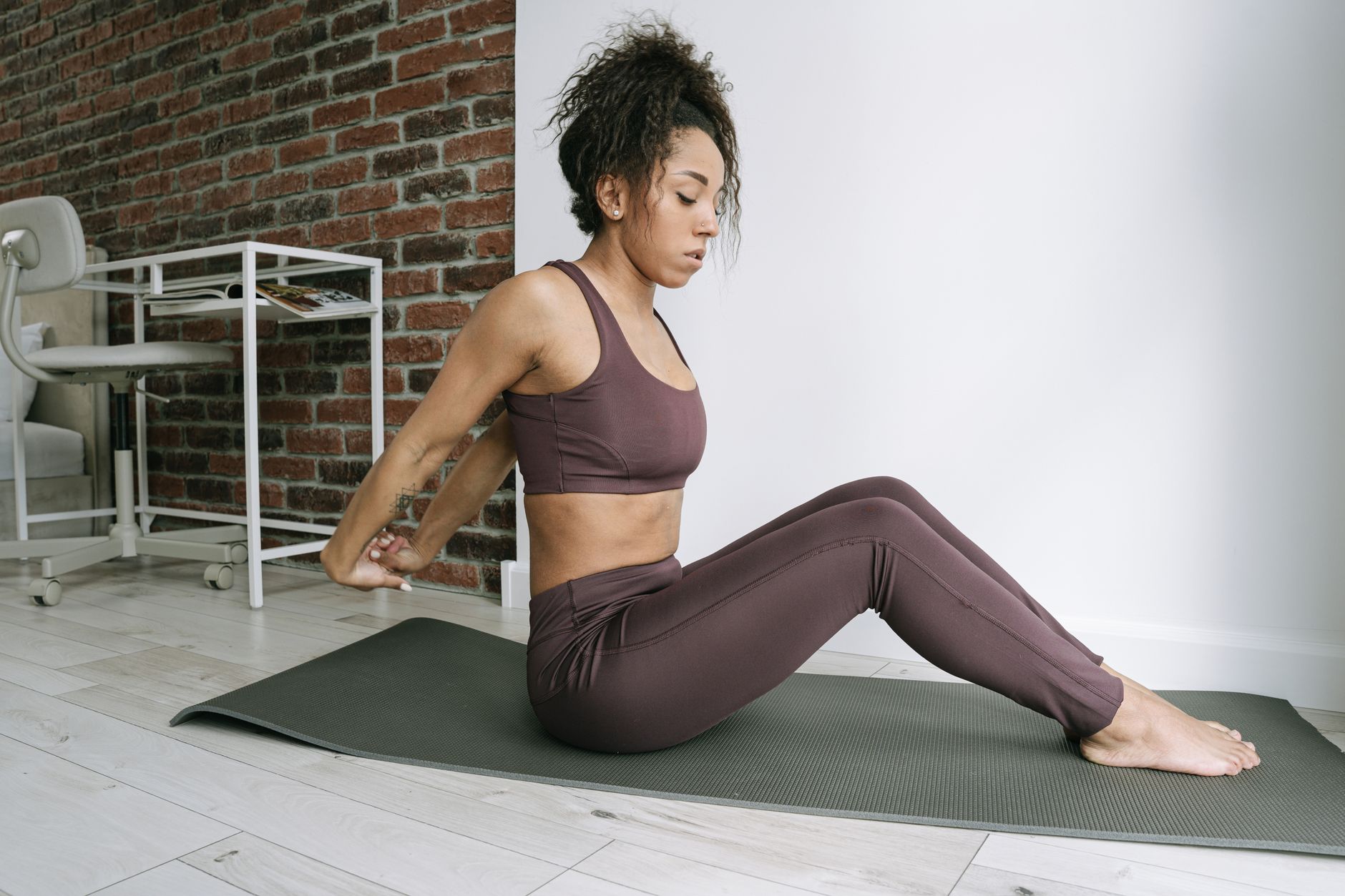
Discover a safe, step-by-step postpartum running program to rebuild strength and endurance. Learn expert tips for modern moms returning to running after childbirth.
By Shubhra Mishra — a mom of two who turned her own confusion during pregnancy into BumpBites, a global mission to make food choices clear, safe, and stress-free for every expecting mother. 💛
Check whether any food is safe during pregnancy with the BumpBites Food Safety Checker.
Quick take: You can safely get back to running after birth, even after a C‑section, by getting medical clearance, rebuilding core and pelvic floor strength, and progressing your mileage gradually. Start with short walks, add gentle jogs, listen to your body, and adjust for breastfeeding and newborn care. A structured “returning to running postpartum program” typically takes 12‑20 weeks to reach a 5 k, but your timeline may vary.
“I was standing in the kitchen at 2 a.m., cradling my newborn, and the thought of lacing up my shoes felt impossible,” says one new mom who reached out to us. She wasn’t alone—many moms wonder when and how they can reclaim the runner’s high after pregnancy. The good news is that with a clear, step‑by‑step plan, you can ease back into running safely and enjoyably. It’s not just about physical recovery; it's also about reclaiming a piece of yourself and building resilience in this new chapter.
This guide walks you through every piece of a “returning to running postpartum program”: medical clearance, a realistic timeline, core and pelvic floor prep, shoe selection, nutrition, breastfeeding considerations, and how to blend stroller jogging with your own runs. We’ve also gathered myths, practical tips, and a quick‑reference checklist so you can feel confident every step of the way. Remember, your journey is unique, and progress isn't always linear, but consistency and self-compassion are key.
How to safely start a postpartum running program after C‑section
Recovering from a C‑section adds a few extra layers of caution, but it doesn’t mean you’ll never run again. The incision is essentially a deep abdominal wound, and the tissues need time to heal before bearing the repetitive impact of running. Beyond the external scar, the deeper layers of muscle and fascia also need significant time to mend and regain their strength.
Medical clearance is the first step
Before you lace up, schedule a postpartum check‑up with your OB‑GYN or midwife. Most providers recommend waiting 6‑8 weeks after a C‑section before any impact activity, but the exact timing depends on your healing, any complications, and how you feel. Ask your clinician specifically about:
Incision tenderness or drainage
Any signs of infection (redness, fever, foul odor)
Abdominal strength and pain with gentle core activation
Pelvic floor function
When your provider gives the green light, start with low‑impact moves that protect the scar. You might also find gentle scar tissue massage, once cleared by your doctor, can help improve mobility and reduce discomfort around the incision.
First‑week gentle re‑introduction
Day 1–3: Focus on short, flat walks (5‑10 minutes) to get blood flowing. Keep a brisk pace but avoid hills.
Day 4–7: Add a light “walk‑jog” routine—30 seconds of easy jogging followed by 90 seconds of walking, repeated 4‑6 times. Keep the jog at a conversational pace (≈2 mph). If you feel any pulling, sharp pain, or increased swelling around the incision, stop and call your provider.
Key tip: Wear a supportive abdominal binder or compression garment if recommended by your surgeon. It can reduce discomfort but should not be so tight that it restricts breathing. This external support can offer a sense of security and gentle compression as your internal tissues continue to heal.
Progression checklist
Week
Activity
Duration / Distance
Notes
1‑2
Walking
10‑15 min daily
Flat surface, comfortable shoes
2‑4
Walk‑jog intervals
30 sec jog / 90 sec walk × 5‑6
Focus on soft landing
4‑6
Continuous jog
5‑10 min easy pace
Maintain upright posture
6‑8
Steady jog
15‑20 min
Add slight incline if comfortable
8‑12
Run/walk mix
30 min (2‑3 mi)
Monitor scar and pelvic floor
These milestones are a guide, not a rule. If any step feels too hard, repeat the previous week before moving on. The most important thing is to listen to your body and prioritize pain-free movement over hitting arbitrary targets.
Postpartum running schedule for new moms returning to exercise
Newborns dictate a rhythm that’s anything but predictable. Your running schedule should be flexible, honor sleep patterns, and include rest days that align with feeding and diaper changes. It's crucial to approach this with adaptability, knowing that some days a run just won't happen, and that's perfectly okay.
Sample weekly schedule (12‑week program)
Monday: 20‑minute easy jog (or walk‑jog if early weeks)
Tuesday: Core & pelvic floor routine (20 min)
Wednesday: Rest or gentle stroller walk
Thursday: 30‑minute run, focusing on steady pace
Friday: Light strength work (bodyweight) + stretching
Saturday: Longer run (gradually increase 5‑10 min each week)
Sunday: Family walk or active recovery (yoga, stretching)
Swap days as needed; the key is at least two rest days per week to let the body recover, especially when you’re also coping with night feeds. Incorporating cross-training activities like swimming or cycling can also provide cardiovascular benefits without the impact of running, giving your joints and pelvic floor a break.
Adjusting for night feeds
If you breastfeed, you may wake multiple times. Treat each feeding as a potential “mini‑break.” A 10‑minute walk after a feed can serve as an active recovery, and short “micro‑jogs” (2‑3 minutes) can be squeezed in when you have a quiet moment. Prioritize sleep whenever possible, even if it means skipping a planned run, as adequate rest is fundamental to recovery and milk supply.
Tracking progress without obsession
Use a simple log—paper or app—to note duration, perceived effort (1‑10 scale), and any soreness. Celebrate consistency over speed; the “returning to running postpartum program” is about rebuilding safely, not chasing personal records. Focus on how your body feels, not just the numbers on your watch, to prevent burnout or injury.
What is a realistic timeline for running a 5 k after pregnancy?
Most moms who follow a structured plan can aim for a 5 k (3.1 mi) within 12‑20 weeks after clearance, but individual factors—type of delivery, pre‑pregnancy fitness, and postpartum recovery—shift the timeline. This extended timeline allows for the deep physiological healing required after childbirth, which goes far beyond surface-level recovery.
Typical milestones
Weeks 1‑4: Walking and very short jog intervals.
Weeks 5‑8: Continuous easy jogs up to 15 minutes.
Weeks 9‑12: Build to 30‑minute runs, covering 2‑3 mi.
Weeks 13‑16: Introduce light speed work (short pickups) and aim for 3 mi without walking.
Weeks 17‑20: Fine‑tune pacing, practice race‑day nutrition, and run a 5 k comfortably.
If you’re a seasoned runner pre‑pregnancy, you may progress faster; if you’re a beginner or had a complicated delivery, give yourself extra weeks. The bottom line: listen to your body, and let the timeline be a flexible guide, not a deadline. Celebrating each small step, like a pain-free jog or a slightly longer walk, can keep you motivated through the longer journey.
Best supportive running shoes for postpartum women
Pregnancy changes the shape of your feet—many women notice widening arches, swelling, or a shift in gait. Choosing the right shoe protects your joints, supports your core, and reduces injury risk as you restart running. Investing in a good pair of shoes is a foundational step in your postpartum running journey, providing crucial support for your changing body.
Key features to look for
Stability: Moderate arch support helps counter the increased pronation many experience after pregnancy.
Cushioning: A responsive midsole (e.g., EVA or proprietary foam) absorbs impact, especially important if you’re still healing from a C‑section.
Fit: Look for a shoe with a slightly wider toe box and adjustable lacing or straps to accommodate swelling.
Weight: Light‑to‑moderate weight (≈250‑300 g) keeps you from feeling bogged down during longer runs.
Top three models (2024)
Brand & Model
Support Type
Weight (g)
Why it’s good for postpartum
Brooks Ghost 15
Neutral cushioning
280
Soft ride, roomy toe box, excellent for swelling.
ASICS Gel‑Kayano 30
Stability
300
Guided support for overpronation; plush gel reduces joint stress.
New Balance Fresh Foam 1080v12
Neutral
260
Breathable upper, adaptable fit, great for varied terrain.
Try shoes on in the afternoon (when feet are naturally a bit larger) and wear the socks you’ll run in. If you’re unsure about pronation, a quick gait analysis at a specialty running store can pinpoint the best category for you. Don't forget the importance of good running socks, which can prevent blisters and improve overall comfort by wicking away moisture.
How many miles can I run per week after giving birth?
Weekly mileage should increase gradually—typically no more than a 10‑15 % rise each week—to prevent overuse injuries, especially when your core and pelvic floor are still regaining strength. This conservative approach is vital for allowing your body to adapt to the new demands of running after pregnancy and birth.
Starter mileage range
Weeks 1‑4: 0‑5 mi total (mostly walking).
Weeks 5‑8: 5‑10 mi, split across 3‑4 sessions.
Weeks 9‑12: 10‑15 mi, adding a longer run once per week.
Weeks 17‑20: 20‑25 mi, ready for a 5 k or a light half‑marathon training block.
These numbers assume you’ve cleared your provider and have no complications. If you’re feeling unusually fatigued, sore, or notice pelvic floor leakage, cut back mileage and focus on recovery. A good rule of thumb is the "talk test": you should be able to hold a conversation comfortably during your runs, especially in the early stages.
Focus on gentle, controlled movements when rebuilding core strength postpartum.
Postpartum core exercises to prepare for running again
Re‑building a strong core is the foundation of any “returning to running postpartum program.” It protects your spine, improves running efficiency, and reduces the risk of diastasis recti worsening. A strong core acts as your body's powerhouse, stabilizing your pelvis and spine with every stride you take.
Three‑phase core progression
Phase 1 – Activation (Weeks 1‑4): Gentle diaphragmatic breathing, pelvic tilts, and supine heel slides. Aim for 2 sets of 10‑15 reps each.
Phase 2 – Strength (Weeks 5‑10): Modified planks (knees), bird‑dog, and dead‑bug variations. Hold each for 20‑30 seconds, 3 sets.
Phase 3 – Integration (Weeks 11‑16): Full planks, side planks, and standing anti‑rotation holds (e.g., Pallof press with a resistance band). Progress to 45‑60 seconds per set.
Sample core circuit (15 minutes)
Pelvic tilt – 2 × 15 reps
Dead bug – 3 × 10 each side
Modified plank – 3 × 20 seconds
Bird‑dog – 3 × 12 each side
Standing Pallof press – 2 × 12 each side
Perform this circuit 2‑3 times per week on non‑running days. If you notice a bulge or “doming” in the midline, pause the program and consult a physical therapist specialized in postpartum rehab. Consistent focus on diaphragmatic breathing during these exercises helps to properly engage your deep core muscles.
Signs it’s unsafe to run after giving birth
Running is low‑impact for many, but certain symptoms signal that you need to pause and seek medical advice. Ignoring these signs can lead to more serious, long-term complications, so always prioritize your health and recovery.
Sharp or worsening pain at the incision site (C‑section) or around the lower abdomen.
Persistent pelvic floor leakage that doesn’t improve with pelvic floor exercises.
Increased swelling, redness, or warmth in the legs (possible DVT).
Severe fatigue, dizziness, or heart palpitations during or after runs.
Exacerbation of diastasis recti (a visible gap >2 cm between the rectus muscles).
Joint pain that lingers beyond a day or worsens with each session.
If any of these appear, stop running, rest, and contact your OB‑GYN, a pelvic health physiotherapist, or your primary care provider. Early intervention for these symptoms can prevent minor issues from becoming chronic problems, ensuring a safer and more effective return to running.
How to combine stroller jogging with a postpartum running plan
Stroller jogging lets you bond with baby while fitting in cardio. It’s especially handy when you can’t find a babysitter or when you want to stay close to home. This can be a wonderful way to integrate your fitness goals with your new role as a parent, making the most of your time.
Choosing the right stroller
Three‑wheel design for smoother turning.
Lockable front swivel to prevent wobble at higher speeds.
Suspension system to cushion both you and baby over uneven surfaces.
Weight limit that accommodates newborns (often 15‑20 lb).
Starter stroller jog routine
Week 1‑2: Walk with the stroller for 10‑15 minutes while you push. Focus on maintaining an upright posture and engaging your core.
Week 3‑4: Add gentle jog intervals—30 seconds of light jog followed by 90 seconds of walking—while pushing the stroller. Keep the speed under 4 mph.
Week 5‑6: Increase jog intervals to 60 seconds, aiming for a total of 20 minutes of moving time. Ensure the stroller’s brakes are functional and that your baby is securely fastened.
Safety tips
Run on smooth, flat surfaces (sidewalks, tracks) to avoid jolts.
Check the stroller’s tires for proper inflation.
Never jog on steep hills until you’ve built adequate core stability.
Stay hydrated—bring water for both you and baby (breast‑milk or formula).
When pushing a stroller, focus on maintaining good posture, keeping your shoulders relaxed, and avoiding hunching over the handlebars. This helps protect your back and promotes more efficient running form.
Postpartum running tips for beginners
Even if you never ran before pregnancy, you can start a gentle “returning to running postpartum program.” The key is to build a solid foundation slowly and consistently, honoring your body's recovery process.
Start with walk‑jog intervals. 30 seconds of jog, 90 seconds of walk, repeat 5‑6 times.
Focus on cadence. Aim for ~170 steps per minute; a higher cadence reduces impact forces.
Use a run‑walk app. Apps like Couch to 5K provide audio cues that keep you on schedule.
Prioritize recovery. Include foam rolling and stretching after each session.
Set realistic goals. A 5 k finish line is a great first milestone; celebrate every mile logged.
Always begin your runs with a dynamic warm-up (e.g., leg swings, arm circles) and end with a gentle cool-down and static stretches (holding stretches for 20-30 seconds). This helps prepare your muscles and aids in recovery.
Can I run while breastfeeding?
Yes—running is compatible with breastfeeding, but you’ll need to manage a few practical details. Many women successfully combine their running routines with nursing, but it requires mindful planning and attention to your body's needs.
Hydration and calorie needs
Breastfeeding burns roughly 500 kcal per day. Add an extra 250‑300 kcal for a 30‑minute run, and make sure you’re drinking at least 2.5 L of fluids daily (more if you sweat heavily). Include a post‑run snack with protein and carbs (e.g., Greek yogurt + fruit) within 30 minutes to support milk supply. The Academy of Nutrition and Dietetics emphasizes that adequate caloric intake is crucial for maintaining both your energy levels and milk production.
Breast comfort
Wear a supportive sports bra with adjustable straps.
Consider “nursing‑friendly” tops that allow easy access for quick feeds.
If you experience engorgement, pump before your run to reduce discomfort.
Timing runs around feeds
Many moms find a “feed‑run‑feed” pattern works: breastfeed, run, then feed again shortly after. This helps manage blood sugar and keeps milk flow steady. Be mindful of any breast tenderness or lumps, and if they persist, consult your doctor to rule out mastitis, an infection that can sometimes occur in breastfeeding mothers.
Postpartum weight loss running plan
If shedding pregnancy weight is a goal, combine running with balanced nutrition and strength training. Aim for a modest 0.5‑1 lb per week loss, which is safe while nursing. Remember that sustainable weight loss is a gradual process that prioritizes your overall health and energy.
Weekly mileage for weight loss
Target 15‑25 mi per week, divided into 4‑5 sessions. Mix steady‑state runs (30‑45 minutes) with one day of interval training (e.g., 4 × 400 m at a fast pace with 2‑minute jog recoveries).
Strength component
Two 20‑minute strength sessions per week (bodyweight squats, lunges, push‑ups, and rows) preserve lean muscle mass, which boosts metabolism. Lean muscle mass is key for a healthy metabolism and helps your body burn calories more efficiently, even at rest.
Nutrition basics
Consume 1.2‑1.5 g protein per kg body weight daily.
Focus on whole foods: fruits, veggies, whole grains, lean proteins, and healthy fats.
Avoid drastic calorie cuts; a 250‑500 kcal deficit is enough for gradual loss and maintains milk supply.
Beyond diet and exercise, adequate sleep and stress management play a significant role in postpartum weight loss, as sleep deprivation and high stress can impact hormones that regulate appetite and fat storage.
How long after delivery can I start running?
General guidelines suggest waiting 4‑6 weeks after a vaginal birth and 6‑8 weeks after a C‑section before initiating any impact activity. However, the exact timing hinges on:
Absence of infection or excessive bleeding.
Comfortable core activation without pain.
Pelvic floor strength sufficient for low‑impact movement.
Provider clearance based on your individual healing.
Even after clearance, start with low‑impact options—walking, swimming, or stationary cycling—before moving to jogging. It's highly recommended to consult a pelvic floor physical therapist (PT) even if you don't have obvious symptoms, as they can provide a thorough assessment and personalized guidance for safe return to activity, as recommended by the American Physical Therapy Association.
Postpartum pelvic floor exercises for runners
The pelvic floor supports your bladder, bowel, and uterus, and it helps with running stability. Strengthening it reduces incontinence and improves stride efficiency. A strong and responsive pelvic floor is crucial for absorbing impact and maintaining continence during the repetitive motion of running.
Kegels and functional lifts
Kegels: Contract the muscles you’d use to stop urine flow. Hold 5 seconds, release 5 seconds. Perform 10 reps, 3 sets daily.
Bridge with pelvic floor activation: Lie on your back, knees bent, feet hip‑width. Lift hips while engaging the pelvic floor. Hold 3 seconds, lower slowly. 15 reps, 2 sets.
Standing hip abductors with pelvic floor cue: While standing, gently draw in the pelvic floor as you lift the leg sideways. 12 reps each side, 2 sets.
Progress to “quick‑fire” contractions (10‑15 rapid squeezes) after a few weeks to mimic the rapid core engagement needed during a run. Remember to integrate your breath with these exercises, exhaling as you engage your pelvic floor and inhaling as you release, which helps to optimize muscle function.
Gentle, consistent core work is key to prepare your body for running.
Running after pregnancy diastasis recti
Diastasis recti—a separation of the abdominal muscles—affects up to 60 % of postpartum women. It can make running uncomfortable if not addressed. Running with unaddressed diastasis recti can potentially worsen the separation or lead to other issues like back pain, as the core can't provide adequate support.
Assessment
Lie on your back with knees bent, place a finger just above your belly button, and lift your head slightly. If you feel a gap wider than two finger‑breadths, you likely have diastasis recti. A physical therapist can provide a more accurate assessment.
Avoid traditional crunches or sit‑ups until the gap closes.
Progress to modified planks and side planks as strength improves.
Consider a postpartum physical therapist for guided exercises.
Running integration
When you can comfortably hold a neutral spine for 30 seconds during a plank, start incorporating short jogs (30‑seconds) while maintaining that core engagement. Increase jog length gradually, watching for any bulging in the midline. Focus on activating your "T-zone" – the pelvic floor and transverse abdominis – before and during impact activities to provide internal support.
Postpartum nutrition for runners
Fueling your runs and supporting recovery is a balancing act, especially if you’re breastfeeding. Your body is not only recovering from childbirth but also producing milk and adapting to new physical demands, making optimal nutrition more critical than ever.
Macronutrient breakdown
Carbohydrates: 45‑55 % of total calories. Choose complex carbs (oats, quinoa, sweet potatoes) for sustained energy.
Protein: 20‑25 % of calories. Aim for 1.2‑1.5 g/kg body weight daily to repair muscle and support milk production.
Fats: 25‑35 % of calories. Include omega‑3 rich sources (salmon, chia seeds) for inflammation control.
Hydration checklist
Drink water throughout the day—aim for 2.5‑3 L. Add electrolytes after longer runs (≥45 minutes) or on hot days. Herbal teas (without caffeine) can also count toward fluid intake. Beyond water, ensure you're getting enough micronutrients like iron, calcium, and Vitamin D, which are vital for both your health and milk quality, if breastfeeding.
Sample pre‑run snack (200‑250 kcal)
Whole‑grain toast with almond butter and sliced banana, or a small smoothie containing Greek yogurt, berries, and a splash of oat milk. Timing your snacks and meals around your runs can help ensure you have enough energy for your workout and support faster recovery afterwards.
Best postpartum running groups online
Connecting with other moms can boost motivation and provide accountability. Here are three reputable virtual communities: The shared experience of motherhood and running can create a powerful support system, making the journey feel less isolating and more empowering.
Postpartum Runners Collective (Facebook) – Private group with weekly challenges, Q&A with a certified running coach, and a “share your milestone” thread.
Run Momma (Instagram) – Daily stories featuring real‑life runs, stroller tips, and a monthly “virtual 5 k” where members submit times.
Fit4Moms Running Club (Meetup.com) – Hosts live Zoom workouts, virtual half‑marathon training plans, and a forum for nutrition and gear swaps.
Choose a group that matches your fitness level and schedule. Engaging with other moms who understand the juggle of diapers and miles can make your “returning to running postpartum program” feel less solitary. These communities often share practical advice, from managing sleep deprivation to finding the best running gear for moms.
Myth vs. fact
Myth: You must wait at least six months after birth to run again.
Fact: With medical clearance, many women safely begin low‑impact jogging as early as 4‑6 weeks postpartum, especially after a vaginal delivery. The timeline is highly individual, emphasizing gradual progression over arbitrary deadlines.
Myth: Breastfeeding will dramatically reduce your running performance.
Fact: While you may need extra calories and hydration, most breastfeeding runners maintain performance with proper fueling. Some even find breastfeeding offers a mental edge, enhancing their focus and resilience.
Myth: A C‑section scar means you’ll never run without pain.
Fact: Gradual progression and core strengthening typically allow C‑section moms to run pain‑free after the initial healing period. Scar tissue mobilization and targeted physical therapy can also significantly improve comfort and function.
Key takeaways
Get doctor clearance—especially after C‑section or if you notice diastasis recti.
Start with walking and short jog intervals; increase mileage by no more than 10 % per week.
Prioritize core and pelvic floor work before and during your running plan.
Choose supportive shoes with a roomy toe box and adequate cushioning.
Stay hydrated, eat enough protein, and adjust calorie intake if breastfeeding.
Listen to your body—pain, swelling, or leakage are red‑flags to pause and seek care.
Frequently asked questions
When can I start running after giving birth?
Most providers clear you for low‑impact activity 4‑6 weeks after a vaginal birth and 6‑8 weeks after a C‑section, provided you have no complications and feel comfortable with core activation. Always get personalized medical clearance before starting any exercise program.
Is it safe to run with a C‑section scar?
Yes, once the incision has fully healed (usually 6‑8 weeks) and you’ve received clearance. Begin with gentle walk‑jog intervals, use a supportive binder if recommended, and avoid high‑impact hills until strength returns. Scar massage can also aid in healing and mobility.
How many weeks should I wait before jogging postpartum?
Aim for 4‑6 weeks after a vaginal delivery and 6‑8 weeks after a C‑section, but always base the decision on your provider’s advice and your own comfort level. This waiting period allows your body to recover from the significant physiological changes of pregnancy and childbirth.
What are the signs of overtraining after pregnancy?
Persistent fatigue, worsening pelvic floor leakage, increased abdominal pain, joint aches that don’t subside after rest, and a drop in milk supply are all signs you may be pushing too hard. It's essential to listen to these signals and adjust your training or seek professional advice.
Do I need a special running plan after having a baby?
A “returning to running postpartum program” tailors mileage, core work, and recovery to the postpartum body. It typically includes progressive jog intervals, pelvic floor strengthening, and flexibility for newborn care. This specialized approach addresses the unique physical demands and recovery needs of new mothers.
Can I run while breastfeeding?
Absolutely. Keep hydration high, eat enough calories, wear a supportive sports bra, and consider pumping before longer runs to avoid engorgement. Many mothers successfully run while breastfeeding by prioritizing these practical adjustments.
How can I prevent common running injuries postpartum?
To prevent injuries, prioritize proper warm-ups and cool-downs, gradually increase mileage (the 10-15% rule), wear appropriate supportive shoes, and consistently perform core and pelvic floor strengthening exercises. Listening to your body and taking rest days are also crucial for injury prevention.
When to see a doctor or specialist
If you notice any of the following, contact a healthcare professional promptly:
Sharp pain at the C‑section scar that worsens with movement.
Visible bulging of the abdominal midline (diastasis recti >2 cm) that doesn’t improve with core work.
Swelling, redness, or warmth in the calf or thigh (possible DVT).
Severe fatigue, dizziness, or heart palpitations during or after runs.
Depending on the symptom, you may need to see your OB‑GYN, a pelvic health physical therapist, a sports medicine physician, or a primary care provider. This article provides general information and is not a substitute for personalized medical advice.
References
American College of Obstetricians and Gynecologists (ACOG). “Physical Activity and Exercise After Pregnancy.” 2023.
American Council on Exercise (ACE). “Postpartum Exercise Guidelines.” 2022.
National Academy of Sports Medicine (NASM). “Core Stability and Diastasis Recti.” 2021.
Academy of Nutrition and Dietetics. “Nutrition for Breastfeeding Mothers.” 2023.
American Physical Therapy Association. “Pelvic Floor Rehabilitation for Postpartum Women.” 2022.
Brooks Running. “Best Shoes for Postpartum Runners.” 2024.
Harvard T.H. Chan School of Public Health. “Postpartum Weight Management.” 2023.
World Health Organization (WHO). “Guidelines on Physical Activity for Women.” 2022.
American College of Sports Medicine (ACSM). “Exercise Prescription for Postpartum Women.” 2023.
Not sure about the label on Returning To Running Postpartum Program products?
Snap the ingredients list and SafeFilter checks every ingredient for your stage — only 3 free scans this month, then you're locked until reset. Unlimited from $7/mo or lock $50/yr through Aug 31 (16 days left).
When Shubhra Mishra was expecting her first child in 2016, she was overwhelmed by conflicting food advice — one site said yes, another said never. By the time her second baby arrived in 2019, she realized millions of mothers face the same confusion.
That sparked a five-year journey through clinical nutrition papers, cultural diets, and expert conversations — all leading to BumpBites: a calm, compassionate space where science meets everyday motherhood.
Her long-term vision is to build a global community ensuring safe, supported, and free deliveriesfor every mother — because no woman should face pregnancy alone or uninformed. 🌿
🌍 Stand with mothers, shape safer guidance
Join a small circle of experts who review BumpBites articles so expecting parents everywhere can decide with confidence.