Open, non‑blaming dialogue is the cornerstone of healing. Below is a step‑by‑step framework you can try during a calm moment (perhaps after a feed, not in the middle of a diaper crisis).
1. Choose the right time and setting
Pick a moment when both of you are rested enough to talk—maybe after the baby’s bedtime routine, with the lights dimmed and a cup of tea in hand.
2. Use “I” statements
Instead of “You never help,” say “I feel overwhelmed when I’m the only one up for night feeds.” This reduces defensiveness.
3. Name the specific behavior
Identify concrete actions (e.g., “When the laundry piles up and I’m still caring for the baby, I feel stuck”). Avoid vague generalizations.
4. Express the impact
Share how the behavior affects you emotionally and physically. “It makes me feel exhausted and unheard.”
5. Invite collaboration
Ask, “What can we change together so we both feel supported?” This frames the conversation as problem‑solving.
6. Validate his perspective
Allow him to share his feelings without interruption. He may also be feeling pressure or guilt.
Practicing this “I‑feel‑need‑solution” script can turn a potentially volatile exchange into a constructive planning session.
When you’ve had the conversation, follow up with a brief written recap of any agreements. A simple note—“Tonight I’ll handle the feed; you’ll take the next diaper change”—helps keep both partners accountable and reduces the mental load of remembering every detail.
Signs my partner is also feeling resentment after the baby arrives
Resentment isn’t exclusive to mothers; partners often experience it too. Recognizing the signs early can prevent a silent drift.
- Withdrawal: He spends more time on his phone or in the garage, avoiding shared spaces.
- Increased irritability: Small disagreements spark louder arguments.
- Reduced affection: He stops initiating hugs, kisses, or cuddles.
- Complaints about workload: He voices feeling “stuck” or “overwhelmed,” even if you haven’t heard it before.
- Avoidance of baby duties: He consistently declines nighttime feedings or diaper changes.
If you notice two or more of these patterns persisting for more than a few weeks, it may be time to sit down together and address the underlying stressors.
Sometimes partners mask their own frustration with humor or “I’m fine” responses. Asking open‑ended questions like “How are you feeling about the night routine?” can create space for honest sharing without pressure.
Ways to rebuild intimacy and reduce resentment after baby
Intimacy isn’t just about sex; it’s about emotional closeness, shared joy, and feeling seen. Below are budget‑friendly ideas to rekindle that bond.
1. Micro‑date nights
Even a 15‑minute coffee on the balcony after the baby sleeps can create a “us” moment. Consistency beats extravagance.
2. Shared rituals
Pick a simple daily ritual—like a 5‑minute morning stretch together or a nightly gratitude exchange. These moments anchor the relationship.
3. Sensory touch
Brief, non‑sexual touch—hand squeezes, a quick shoulder rub—releases oxytocin for both partners, fostering calm and connection.
4. “Love language” check‑in
Take the 5 Love Languages quiz together (available free online) and discuss each other's primary love language. Then, intentionally speak that language each week.
5. Celebrate small wins
Mark milestones—first smile, first solid food—by sharing a favorite snack or a short dance in the kitchen. Positive experiences create shared memories.
Rebuilding intimacy is a gradual process; aim for consistency, not perfection. Even when you’re exhausted, a quick “thank you” or a shared smile can reinforce the bond.
How postpartum depression contributes to resentment towards partner
Postpartum depression (PPD) affects up to 15 % of mothers (National Institute of Mental Health). While PPD is a distinct clinical condition, its symptoms—persistent sadness, loss of interest, and feelings of worthlessness—can amplify resentment.
Overlap of symptoms
Both PPD and resentment share irritability and fatigue, but PPD also includes hopelessness, anxiety, and sometimes thoughts of self‑harm. If you notice a loss of pleasure in activities you once enjoyed, or thoughts that you’re a “bad mother,” it may be more than resentment.
Hormonal and neurochemical factors
Low serotonin and altered cortisol levels in PPD can affect mood regulation more profoundly than typical postpartum hormonal shifts.
When resentment is a symptom of PPD
Consider PPD if resentment is accompanied by:
- Persistent sadness lasting more than two weeks.
- Feelings of guilt or inadequacy that interfere with daily functioning.
- Loss of interest in the baby or self‑care.
- Physical changes such as appetite loss or significant weight change.
If you identify these signs, reach out to a mental‑health professional promptly. Early treatment—often a combination of therapy and, when appropriate, medication—greatly improves outcomes (American Psychological Association). The FDA classifies many antidepressants as safe for breastfeeding, but any medication decision should be made with your provider.
Coping strategies for new moms feeling angry at their spouse
Beyond communication, you can adopt personal coping tactics that reduce the emotional charge of resentment.
Mindful breathing
When you feel a surge of anger, pause and take a 4‑4‑8 breath: inhale 4 seconds, hold 4 seconds, exhale 8 seconds. This simple technique activates the parasympathetic nervous system, calming the fight‑or‑flight response.
Journaling
Spend 5 minutes each night writing down three things that went well and one thing you’d like to improve. This shifts focus from what’s lacking to what’s working.
Physical activity
Even a short walk with the stroller releases endorphins and improves mood. The Harvard T.H. Chan School of Public Health recommends at least 150 minutes of moderate exercise per week for mental‑health benefits.
Set realistic expectations
Accept that perfection isn’t attainable. Celebrate “good enough” moments—like a night where both of you managed a feed without arguments.
Seek peer support
Join an online community of mothers navigating similar feelings. Hearing others’ stories normalizes your experience and offers practical tips.
Remember that coping strategies are most effective when practiced consistently, not just during moments of crisis. Building a habit of brief mindfulness or daily gratitude can create a buffer against rising resentment.
Professional help options for resentment in new parents
When personal strategies aren’t enough, professional support can provide a neutral space to untangle complex emotions.
Couples therapy
Therapists trained in the Emotionally Focused Therapy (EFT) model help partners identify negative interaction cycles and rebuild emotional safety. Sessions typically last 60 minutes, weekly for 8–12 weeks.
Individual therapy
A licensed psychologist or counselor can address personal feelings of anger, anxiety, or depression. Cognitive‑behavioral therapy (CBT) is especially effective for reshaping negative thought patterns.
Postpartum support groups
Many hospitals and community centers run groups led by perinatal mental‑health specialists. These groups blend education with peer connection.
Medication evaluation
If PPD is suspected, a psychiatrist can assess whether antidepressants are appropriate. Most SSRIs are considered safe for breastfeeding mothers, but the decision should be individualized.
Cost and insurance coverage
Most health plans cover a portion of therapy sessions. Check your insurer’s mental‑health benefits and ask providers about sliding‑scale fees if cost is a barrier.
*Coverage varies by plan; always verify with your insurer.
Budget‑friendly activities to reconnect as a couple after baby
Reconnection doesn’t require pricey date nights. Below are simple, low‑cost ideas that fit into a newborn’s schedule.
- Stroller strolls: Take a 20‑minute walk around the neighborhood while the baby naps in the carrier.
- Home‑cooked “dessert” night: Pick a cheap ingredient (e.g., frozen berries) and make a quick parfait together.
- DIY spa: Light a candle, play soothing music, and give each other a 5‑minute shoulder massage.
- Joint playlist: Create a “new parent” playlist of songs you both love and play it during bedtime routines.
- Story swap: Take turns sharing a funny or sweet memory from before the baby arrived—laughing together reignites connection.
These activities cost little but deliver big emotional returns, reinforcing the partnership you both need.
Is it normal to resent my partner after baby?
Yes. Feeling resentment after a birth is a common reaction to the abrupt shift in responsibilities, sleep patterns, and identity. The National Institutes of Health (NIH) acknowledges that many couples report increased tension during the first six months postpartum.
Normalizing the feeling doesn’t mean you should ignore it. Recognizing that resentment is a signal—like a smoke alarm—helps you address the underlying cause before it escalates.
How long does resentment after childbirth last?
Resentment varies widely. For many, feelings ease within a few weeks as routines settle and sleep improves. However, if underlying issues—such as uneven division of labor or unresolved mental‑health concerns—remain, resentment can persist for months or longer.
Tracking your mood in a simple chart (e.g., rating resentment on a 1‑10 scale each night) can help you see patterns and decide when professional assistance may be needed.
What are common triggers for resentment in new parents?
- Unequal distribution of nighttime feeds.
- Perceived lack of appreciation for household work.
- Sleep deprivation and fatigue.
- Unmet expectations about parenting roles.
- Financial stress from baby‑related expenses.
- Feeling isolated from friends or support networks.
Identifying which trigger(s) dominate your experience is the first step toward targeted solutions.
How to differentiate postpartum depression from resentment?
Resentment is typically situation‑specific (e.g., feeling angry about a partner’s actions). Postpartum depression includes pervasive sadness, loss of interest in most activities, and often thoughts of self‑harm. If you notice a persistent low mood, hopelessness, or an inability to enjoy time with the baby, seek professional evaluation.
The NHS postpartum mental‑health guidance recommends screening for depression if symptoms persist beyond two weeks, especially when accompanied by anxiety or irritability. Early detection leads to better outcomes.
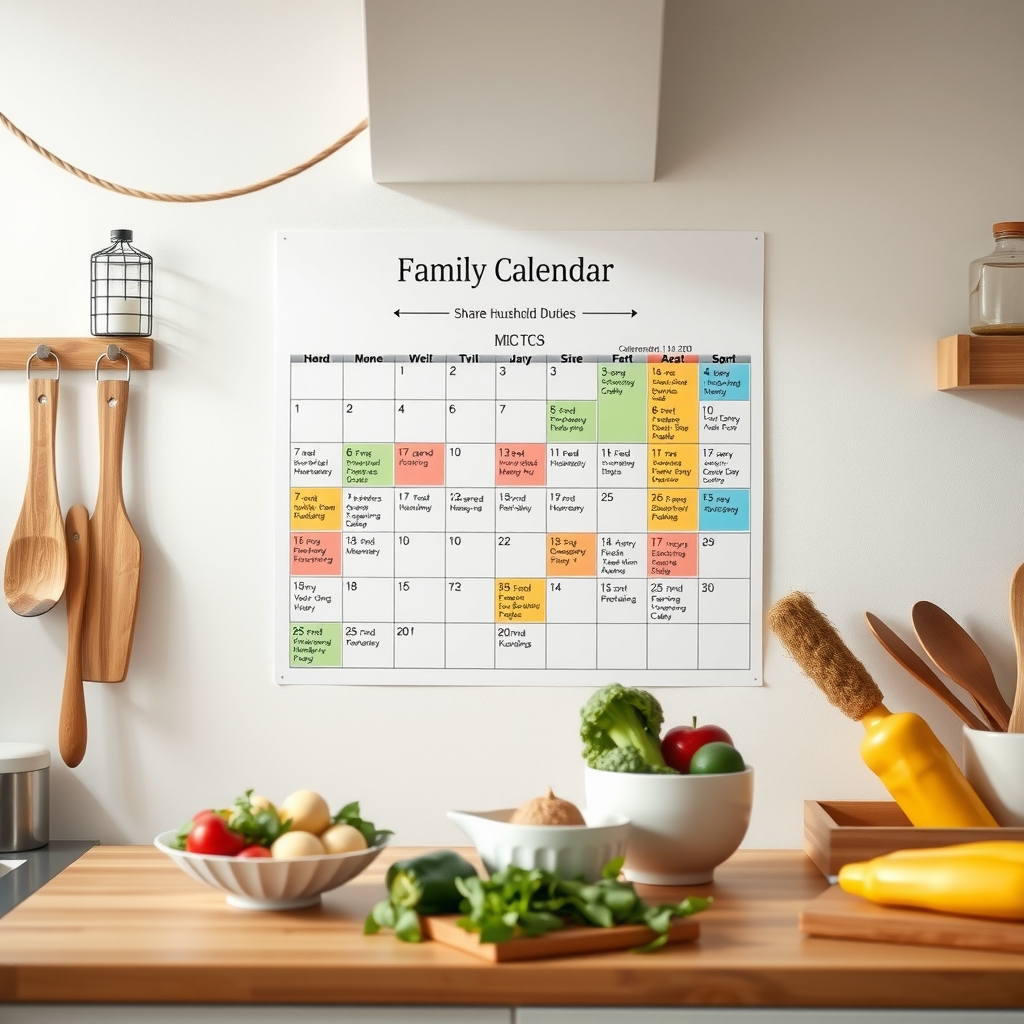
Tips for sharing household duties to reduce resentment
- Make a chores list: Write down all tasks—laundry, dishes, grocery shopping, and baby care.
- Assign based on strengths: One partner may enjoy cooking, the other may be better at nighttime feeds.
- Rotate weekly: Switch responsibilities every week to prevent monotony.
- Set a “check‑in” time: Every Sunday, review what worked and adjust the plan.
- Use technology: Shared calendar apps can remind both partners of upcoming tasks.
When you both see the list, the invisible mental load becomes visible, reducing the chance of hidden resentment building up.
Books on navigating resentment after baby
- “The Fourth Trimester” by Kimberly Ann Johnson – offers practical strategies for partnership renewal.
- “And Baby Makes Three” by John Gottman – focuses on communication and conflict resolution for new couples.
- “Beyond the Baby Blues” by Sheryl Ziegler – explores emotional challenges, including resentment, and provides coping tools.
Online support groups for mothers feeling resentful
Platforms such as Momsnet, Peacemaking Parenting Community, and sub‑reddits like r/Parenting offer moderated spaces where you can share experiences anonymously and gain peer advice.
Impact of lack of sleep on marital resentment after baby
Sleep loss reduces emotional regulation by impairing the prefrontal cortex. A study by the National Sleep Foundation found that couples who sleep less than six hours per night report 30 % higher relationship conflict. Prioritizing sleep—through shared nighttime duties, nap scheduling, or professional help for infant sleep—can dramatically lower resentment.
Consider a “sleep swap” where each partner takes turns covering the night feed for a set period, allowing the other to catch up on restorative sleep. Even a few uninterrupted hours can reset mood and improve communication.
How breastfeeding can influence feelings of resentment
Breastfeeding often intensifies the physical and emotional demands placed on the mother, especially when the partner is not directly involved in feeding. The NHS notes that while breastfeeding offers health benefits for baby, it can also increase maternal fatigue and feelings of isolation.
To mitigate resentment, discuss ways your partner can support lactation without feeling left out. This might include helping with burping, changing diapers, or preparing meals. Even small gestures—like a warm compress or a back rub while you nurse—signal shared responsibility and can reduce the sense of being “alone” in the process.
Returning to work: juggling career and new parenthood without resentment
Re‑entering the workforce adds another layer of role overload. The American Psychological Association (APA) highlights that work‑family conflict is a leading predictor of marital strain in the postpartum period.
Practical steps include negotiating flexible hours or remote work, establishing a reliable childcare plan, and setting clear boundaries about after‑hours availability. Communicating your schedule with your partner helps them understand when you truly need downtime, reducing misunderstandings that can fuel resentment.
Remember to schedule “re‑entry debriefs” with your partner—short conversations about what’s working and where adjustments are needed. This ongoing dialogue keeps both partners aligned and prevents resentment from building silently.
Self‑compassion and mindfulness techniques for new moms
Self‑compassion is the practice of treating yourself with the same kindness you’d offer a friend. Research from the University of Texas at Austin shows that higher self‑compassion correlates with lower postpartum anxiety and depressive symptoms.
Try a simple three‑step self‑compassion exercise: (1) notice the feeling of resentment without judgment; (2) label it (“I’m feeling angry and overwhelmed”); (3) offer yourself a kind phrase (“I’m doing my best, and it’s okay to feel tired”). Pair this with a brief body scan meditation before bedtime to calm the nervous system.
Over time, self‑compassion creates an internal buffer, making external stressors—like partner disagreements—less likely to trigger intense resentment.
Myth vs. fact
Myth: Resentment means you don’t love your partner.
Fact: Resentment is an emotional response to stressors, not a measure of love. It can coexist with deep affection.
Myth: Only mothers feel resentment after a baby.
Fact: Partners of any gender can experience resentment, especially if they feel excluded from decision‑making or overwhelmed by new responsibilities.
Myth: You must “tough it out” and wait for feelings to fade.
Fact: Proactive communication and shared responsibilities often shorten the duration of resentment and improve relationship satisfaction.
Key takeaways
- Resentment after a baby is common and linked to hormonal shifts, sleep loss, and increased workload.
- Use “I‑feel‑need‑solution” communication to discuss emotions without blame.
- Share chores intentionally; a written chore schedule reduces the mental load.
- Rebuild intimacy with micro‑dates, shared rituals, and small gestures of touch.
- If feelings include persistent sadness, hopelessness, or thoughts of self‑harm, seek professional help—PPD may be present.
- Budget‑friendly activities like stroller walks or DIY spa nights can reignite connection without breaking the bank.
- Self‑compassion practices and mindful breathing can buffer resentment before it escalates.
Frequently asked questions
Can having a baby cause resentment in a marriage?
Yes. The sudden shift in responsibilities, sleep patterns, and identity can trigger feelings of unfairness, leading to resentment. Addressing these changes early helps prevent long‑term strain.
How can I tell if my resentment is due to postpartum depression?
If resentment is accompanied by persistent sadness, loss of interest in most activities, feelings of guilt, or thoughts of self‑harm, it may be postpartum depression. Consult a mental‑health professional for a proper assessment.
What are effective ways to talk about resentment with my partner?
Pick a calm moment, use “I” statements, name specific behaviors, explain the emotional impact, invite collaboration, and validate his perspective. A structured script can keep the conversation constructive.
When should I seek couples therapy after having a baby?
If resentment persists for more than 4–6 weeks, escalates into frequent arguments, or interferes with daily functioning, couples therapy can provide a neutral space to rebuild connection.
Does lack of sleep increase resentment towards my spouse?
Absolutely. Sleep deprivation impairs emotional regulation and heightens irritability, making partners more prone to feeling resentful. Prioritizing shared nighttime duties and naps can mitigate this effect.
How can we rebuild intimacy after feeling resentful post‑birth?
Start with micro‑date nights, shared rituals, brief physical touch, and speaking each other’s love languages. Consistency, even in small doses, restores emotional closeness.
Are there any quick practices to calm anger when it spikes?
Try a 4‑4‑8 breathing exercise (inhale 4 seconds, hold 4, exhale 8), then pause before responding. This simple technique reduces the immediate fight‑or‑flight response.
Can resentment affect my baby’s development?
Prolonged high‑stress environments can influence a child’s emotional security. While occasional tension is normal, chronic conflict may affect attachment patterns. Seeking support early helps protect both your relationship and your baby’s well‑being.
What signs indicate my partner may need professional help?
If your partner shows persistent irritability, withdraws from family activities, expresses hopelessness, or avoids baby‑related duties for weeks, it may be a sign of depression or anxiety. Encourage a check‑in with a primary‑care provider or mental‑health specialist.
When to see a doctor or specialist
If you notice any of the following red‑flag symptoms, reach out promptly:
- Persistent sadness or hopelessness lasting more than two weeks.
- Thoughts of harming yourself or the baby.
- Severe anxiety that interferes with daily activities.
- Inability to perform basic self‑care (eating, bathing).
- Intense, ongoing resentment that feels unmanageable.
In such cases, contact your OB/GYN, a primary‑care provider, or a mental‑health professional (psychologist, psychiatrist, or licensed therapist). Early intervention can prevent escalation and protect both your wellbeing and your family’s health.
References
- American College of Obstetricians and Gynecologists. “Postpartum Care.” ACOG Committee Opinion, 2020.
- American Psychological Association. “Postpartum Depression.” APA Fact Sheet, 2022.
- Centers for Disease Control and Prevention. “Sleep and Parenting.” CDC Health Topics, 2021.
- National Institute of Mental Health. “Postpartum Depression.” NIH, 2023.
- Harvard T.H. Chan School of Public Health. “Physical Activity and Mental Health.” HSPH, 2022.
- National Health Service (UK). “Postnatal mental health: support for new parents.” NHS, 2022.
- American Academy of Pediatrics. “Breastfeeding and Maternal Well‑Being.” AAP, 2021.
- American Psychological Association. “Work‑Family Conflict and Postpartum Adjustment.” APA, 2023.
- University of Texas at Austin. “Self‑Compassion and Postpartum Mood.” UT Austin Research Report, 2022.