Let’s start with the first day—because that’s often the hardest. The key to success? Prep the night before. Chop your veggies, portion your nuts, and set out your smoothie ingredients so morning feels like a breeze, not a chore.
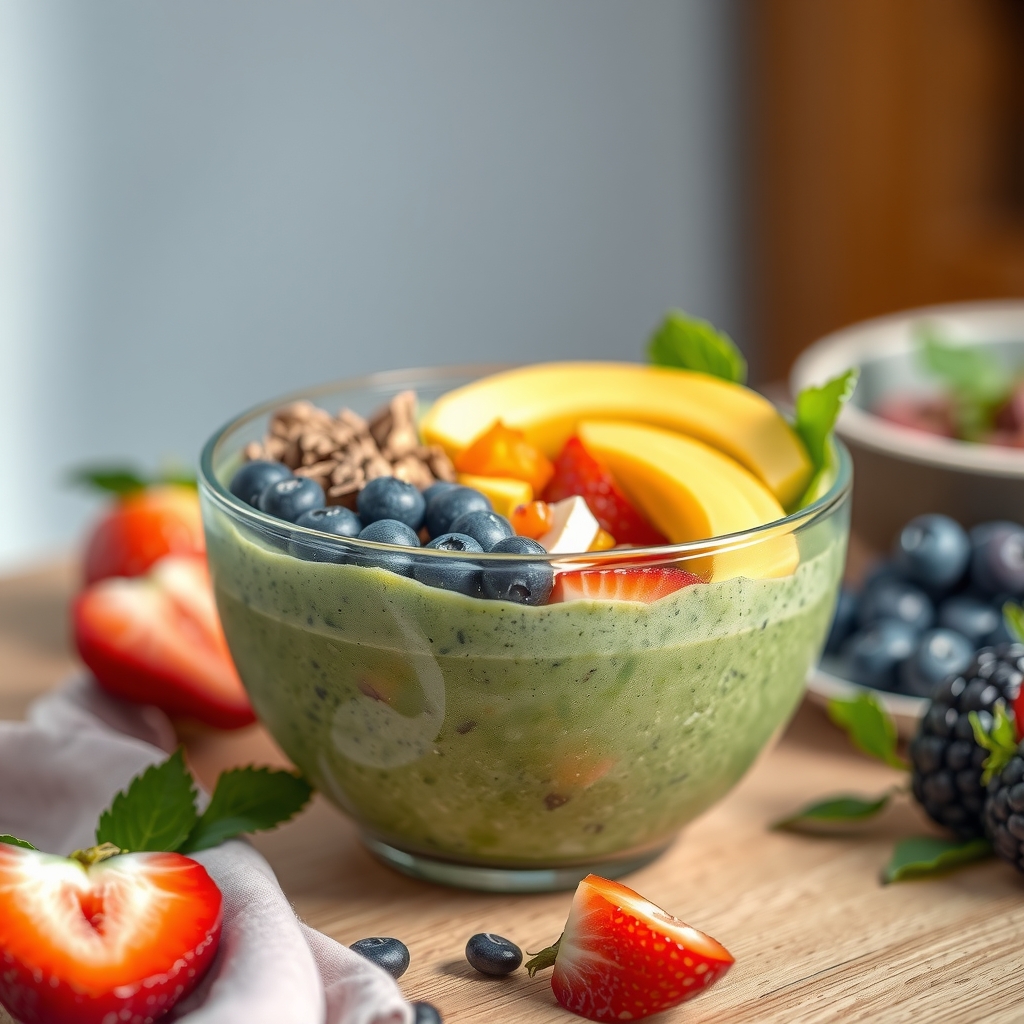
Breakfast: Green Power Smoothie Bowl
Blend 1 cup frozen mango, ½ banana, 1 cup spinach, 1 tbsp chia seeds, and 1 cup coconut water. Top with sliced kiwi, hemp seeds, and a sprinkle of coconut flakes. Why it works: This bowl packs antioxidants, fiber, and healthy fats to kickstart your metabolism.
Lunch: Sunflower Seed Butter Wrap
Spread sunflower seed butter on a large lettuce leaf (romaine or butter lettuce works great), add sliced avocado, shredded carrots, and a sprinkle of sea salt. Roll it up and enjoy. Pro tip: Use a tortilla made from raw ingredients if you’re craving something more substantial.
Dinner: Zucchini Noodles with Tahini Dressing
Use a spiralizer to create zucchini noodles. Toss with tahini dressing (2 tbsp tahini + lemon juice + water to thin), sliced bell peppers, and sun-dried tomatoes. Bonus: This meal is light but packed with protein and omega-3s.
---
How to Prepare Raw Vegan Smoothie Bowls for 7 Days
Smoothie bowls are your best friend on a raw vegan diet. They’re quick, customizable, and nutrient-packed. Here’s how to make them a staple:
Step 1: Batch Prep Your Base
Freeze bananas, berries, and mangoes in portions. This makes blending faster and keeps your smoothies cold. For example, freeze 3–4 bananas at a time so you can grab one when needed.
Step 2: Rotate Your Toppings
Keep a variety of toppings on hand to avoid boredom. Think granola (raw, of course), coconut flakes, shredded coconut, seeds (chia, flax, hemp), and fresh fruit. Pro move: Make your own granola by dehydrating oats, nuts, and seeds with a touch of maple syrup.
Step 3: Experiment with Greens
Don’t be afraid to sneak in leafy greens like kale, spinach, or Swiss chard. They add nutrients without overpowering the flavor. Try a lion diet-inspired green smoothie for an extra boost of energy.
Step 4: Add Superfood Powders
Enhance your smoothie bowls with superfood powders like spirulina, matcha, or acai. These add a nutrient punch and can help with energy levels. Start with ½ tsp per serving to avoid bitterness.
---
Raw Vegan Meal Prep Tips for Busy Moms
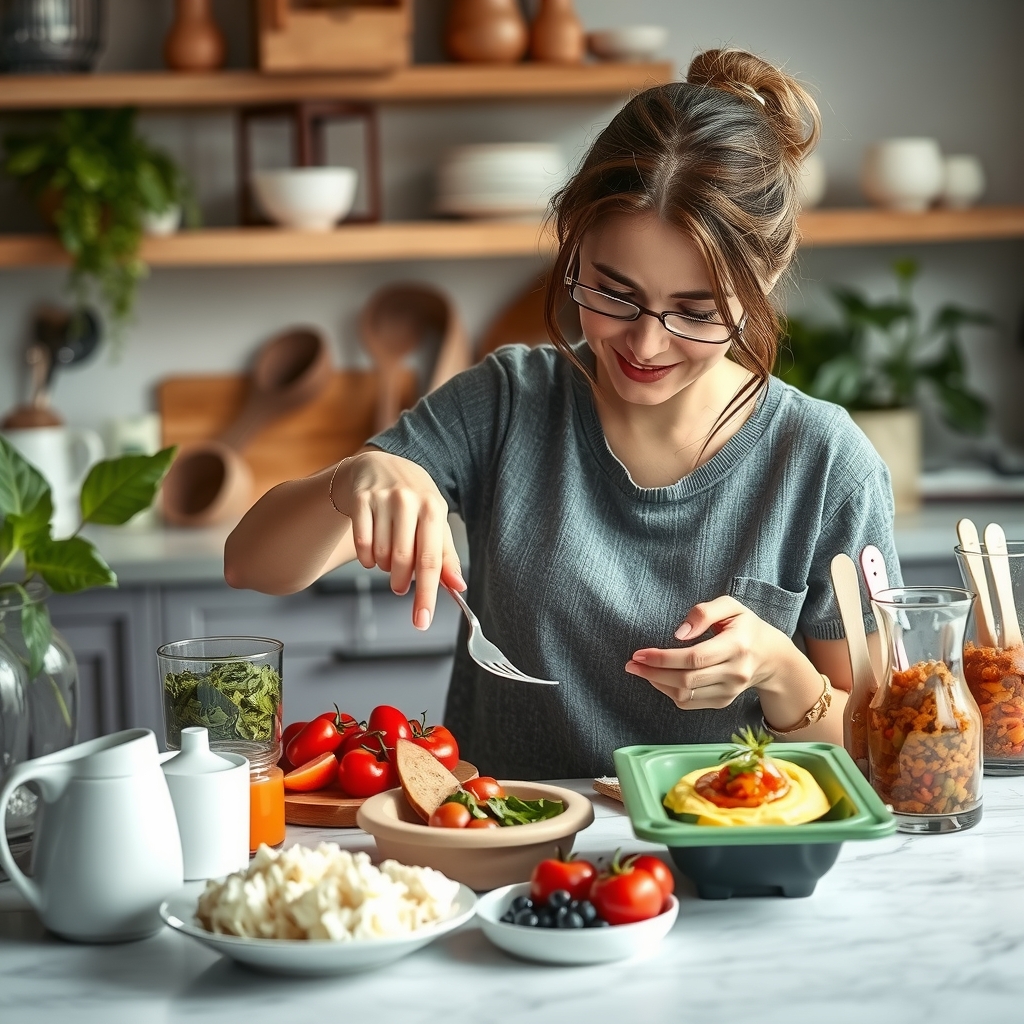
Let’s be honest: raw vegan meal prep for busy moms isn’t about perfection—it’s about practicality. You don’t have time to spend hours in the kitchen, but you do have 10–15 minutes here and there. Here’s how to make it work:
1. Invest in a Good Blender
A high-speed blender (like a Vitamix) is your new best friend. It makes smoothies, sauces, and even nut milks in minutes. Pro tip: Keep a few pre-portioned blends in the freezer for quick grab-and-go meals.
2. Use a Dehydrator or Food Processor
A dehydrator can turn fruits and veggies into chips, jerky, or even raw crackers. A food processor helps you make nut butters, granola, or even raw pasta from zucchini or sweet potato.
3. Pre-Cut Your Veggies
Wash and chop your veggies on Sunday. Store them in airtight containers in the fridge. This way, you can quickly assemble wraps, salads, or noodles without the hassle.
4. Keep Emergency Snacks Handy
Stock up on raw energy balls (dates, nuts, cocoa powder), seaweed snacks, and veggie sticks with hummus. These are lifesavers when you’re running late or the kids are hungry.
5. Plan for Leftovers
Double your smoothie bases or salads on weekends so you can reheat (or eat cold) during the week. Raw meals stay fresh in the fridge for 3–4 days.
---
Nutritional Balance in a 7-Day Raw Vegan Plan
The raw vegan diet can be incredibly nutritious, but it’s easy to miss key nutrients if you’re not careful. Here’s what you need to watch for and how to include it:
Protein
Many people assume raw vegan diets lack protein, but that’s not true if you plan smartly. Combine complementary proteins like beans and rice (though raw, you can use soaked lentils or chickpeas), nuts, seeds, and sprouted grains. For example, a meal of sunflower seeds, avocado, and hemp hearts gives you a complete protein profile.
Iron
Iron from plant sources (non-heme iron) is less easily absorbed than from meat. Boost absorption by pairing iron-rich foods (like spinach or lentils) with vitamin C (bell peppers, citrus, or kiwi). Warning: If you’re deficient, consider working with a dietitian to ensure you’re getting enough.
Omega-3s
Flaxseeds, chia seeds, and walnuts are your best friends here. Sprinkle them on smoothie bowls, salads, or blend them into dressings. Note: If you’re pregnant or breastfeeding, omega-3s are especially important for baby’s brain development.
Calcium
Leafy greens (kale, collard greens), almonds, and tahini are great sources. Soak or sprout your nuts and seeds to improve calcium absorption.
Vitamin B12
Vitamin B12 is critical for nerve function and red blood cell production. Since it’s primarily found in animal products, supplementation is recommended for raw vegans. The NIH recommends 2.4 mcg daily for adults. A fortified nutritional yeast or B12 supplement can help meet this need.
Here’s a quick comparison of nutrient needs vs. raw vegan sources:
---
Raw Vegan Meal Plan for Pregnancy: Safety and Nutrient Needs
If you’re pregnant and considering a raw vegan diet, consult your provider first. While it’s possible to meet all your nutritional needs on a raw vegan diet, it requires careful planning. Here’s what you need to know:
Key Nutrients for Pregnancy
Pregnant women need extra folate, iron, calcium, and omega-3s. Raw vegan sources include:
- Folate: Leafy greens, avocado, and fortified plant milks
- Iron: Lentils, pumpkin seeds, and spinach (paired with vitamin C)
- Calcium: Tahini, almonds, and kale
- Omega-3s: Flaxseeds, chia seeds, and walnuts
- Vitamin B12: Fortified foods or supplements
Safety Considerations
Raw sprouts (like alfalfa or clover) carry a risk of Listeria, which can harm your baby. Avoid them during pregnancy. Also, be cautious with raw nuts and seeds—soak them thoroughly to reduce mold risk.
Sample Pregnancy-Friendly Meal
Breakfast: Spinach, avocado, and hemp seed smoothie with a sprinkle of pumpkin seeds.
Lunch: Sprouted lentil salad with cucumber, cherry tomatoes, and tahini dressing.
Dinner: Zucchini noodles with sunflower seed butter, shredded carrots, and a side of soaked chickpeas.
Prenatal Supplements
According to the American College of Obstetricians and Gynecologists (ACOG), prenatal vitamins are recommended for all pregnant women. These typically include folic acid, iron, and vitamin D. If you’re following a raw vegan diet, discuss with your provider about additional B12 supplementation.
⚠️ When to see a specialist: If you experience fatigue, dizziness, or persistent nausea, contact your provider. These could be signs of nutrient deficiencies that need medical attention.
---
Raw Vegan Meal Plan for Athletes: Energy and Recovery
Athletes on a raw vegan diet can thrive with the right fueling strategy. The key is balancing carbs for energy, protein for recovery, and healthy fats for endurance. Here’s how:
Pre-Workout
Eat a mix of carbs and protein 1–2 hours before exercise. Try a smoothie with banana, berries, hemp seeds, and coconut water.
Post-Workout
Within 30–60 minutes after working out, focus on replenishing glycogen and repairing muscles. A meal like sprouted lentil and avocado wrap with tahini dressing works well.
Hydration and Electrolytes
Athletes need to replenish electrolytes lost through sweat. Add a pinch of sea salt or coconut water to your smoothies or meals. For intense workouts, consider an electrolyte drink with magnesium and potassium.
Sample Athlete Meal Plan
Breakfast: Chia pudding with almond butter, banana, and walnuts.
Lunch: Sunflower seed butter and avocado sandwich on sprouted bread with a side of dehydrated sweet potato (raw, dehydrated).
Dinner: Raw zucchini pasta with marinara (blended tomatoes, garlic, and basil), topped with hemp seeds.
Recovery Tips
After intense training, prioritize meals rich in protein and antioxidants. For example, a smoothie with protein powder (plant-based), berries, and flaxseeds can help reduce muscle soreness and speed up recovery.
---
Raw Vegan Meal Plan for Weight Loss
If your goal is weight loss, the raw vegan diet can be a powerful tool—if done correctly. The key is calorie control and nutrient density. Here’s how to structure your meals:
Calorie Needs
Most women need around 1,600–2,000 calories daily for weight maintenance. Raw vegan foods are naturally lower in calories but high in fiber, which helps you feel full. Track your intake using an app like Cronometer to ensure you’re not undereating.
High-Protein Meals
Protein helps preserve muscle mass while losing fat. Include hemp seeds, sunflower seed butter, and sprouted lentils in every meal. Aim for at least 20g of protein per meal.
Sample Weight Loss Meal Plan
Breakfast: Green smoothie with spinach, banana, flaxseeds, and coconut water.
Lunch: Sunflower seed butter and avocado on lettuce wraps with shredded carrots.
Dinner: Raw kale chips with tahini dip and a side of sprouted chickpeas.
Intermittent Fasting
Many raw vegan dieters incorporate intermittent fasting for enhanced weight loss. A common approach is the 16:8 method, where you eat within an 8-hour window. Start with a 12-hour fast overnight and gradually increase. Stay hydrated and include electrolytes to avoid fatigue.
---
Raw Vegan Meal Plan for Beginners
Starting a raw vegan diet can feel overwhelming, but it doesn’t have to be. The secret? Start slow and focus on replacing, not eliminating. Here’s how to ease in:
Step 1: Replace One Meal at a Time
Swap your breakfast cereal for a smoothie bowl, your lunch sandwich for a raw wrap, and your dinner pasta for zucchini noodles. This makes the transition smoother.
Step 2: Keep Familiar Foods
Don’t ditch your favorite snacks entirely. Swap processed chips for raw veggie chips or store-bought granola for homemade raw granola.
Step 3: Experiment with New Recipes
Try a simple vegan meal plan for inspiration. Start with easy recipes like fruit salads, nut butters, and raw energy balls.
Sample Beginner Meal Plan
Breakfast: Banana and almond butter on raw oat crackers.
Lunch: Avocado and sunflower seed butter on a lettuce wrap.
Dinner: Blended tomato soup with a side of raw kale salad.
Transition Tips
If you experience digestive discomfort, ease into the diet by adding more fiber gradually. Drink plenty of water and include probiotic-rich foods like sauerkraut or kimchi to support gut health.
---
Raw Vegan Meal Plan for Kids: Fun and Nutrient-Packed Meals
Feeding kids a raw vegan diet is possible, but it requires creativity and patience. Kids need calories, protein, and healthy fats to grow, so focus on nutrient-dense foods they’ll actually eat. Here’s how:
Tips for Picky Eaters
Involve your kids in meal prep. Let them choose their toppings or help blend smoothies. Turn meals into fun shapes—use cookie cutters for fruit or veggie sticks. For example, cut cucumbers into stars or apples into smiley faces.
Easy Kid-Friendly Meals
Breakfast: Smoothie with banana, berries, and chia seeds (blend with a little maple syrup for sweetness).
Lunch: Sunflower seed butter and jelly on whole-grain crackers with carrot sticks.
Dinner: Raw zucchini fries (baked in the oven at 200°F for 1–2 hours) with tahini dip.
Grocery List for Kids
- Bananas, berries, and mangoes (for smoothies)
- Sunflower seed butter (easy to spread)
- Whole-grain crackers or raw granola
- Avocado (for creamy textures)
- Carrots, cucumbers, and bell peppers (for crunch)
- Dark chocolate (70% or higher, for healthy fats)
Snack Ideas
Create fun snacks like "ants on a log" (celery sticks with sunflower seed butter and raisins) or energy balls (blend dates, nuts, and cocoa powder, then roll into balls). These are easy to make ahead and store in the fridge.
---
Raw Vegan Meal Plan for Detox: Supporting Your Body’s Natural Processes
If your goal is detoxification, the raw vegan diet can help support your body’s natural processes. Focus on alkaline foods, fiber, and antioxidants to flush toxins and boost energy. Here’s how to optimize your detox:
Detox-Friendly Foods
- Leafy greens (kale, spinach, Swiss chard)
- Cruciferous veggies (broccoli, Brussels sprouts, cabbage)
- Citrus fruits (lemons, oranges, grapefruit)
- Herbs (ginger, turmeric, cilantro)
- Green juices or smoothies
- Alkaline foods like cucumber, celery, and watermelon
Sample Detox Meal Plan
Breakfast: Green juice with lemon, ginger, and spinach.
Lunch: Kale and avocado salad with tahini dressing and a side of raw beet chips.
Dinner: Blended tomato and cucumber soup with a side of steamed (raw) broccoli florets.
Hydration and Detox
Drink plenty of water throughout the day, and consider adding herbal teas like dandelion or peppermint. These can support liver function and digestion. Avoid caffeine, which can dehydrate you and hinder detoxification.
---
Raw Vegan Meal Plan for Heart Health: Optimizing Your Diet for Long-Term Wellness
A raw vegan diet is one of the best ways to support heart health. It’s naturally low in saturated fat and high in fiber, antioxidants, and healthy fats. Here’s how to optimize it:
Key Heart-Healthy Foods
- Avocados (healthy fats)
- Nuts and seeds (omega-3s and magnesium)
- Leafy greens (potassium and folate)
- Berries (antioxidants)
- Garlic and onions (anti-inflammatory)
- Olives and olive oil (monounsaturated fats)
Sample Heart-Healthy Meal Plan
Breakfast: Blueberry and almond smoothie with flaxseeds and a sprinkle of cinnamon.
Lunch: Sunflower seed butter and banana wrap with shredded carrots and a side of raw olives.
Dinner: Raw beet and carrot salad with tahini dressing and walnuts.
Lifestyle Tips
Combine your diet with regular physical activity, stress management, and adequate sleep. According to the American Heart Association, these lifestyle factors significantly impact heart health. Avoid smoking and limit alcohol intake.
---
Raw Vegan Meal Plan for Menopause: Managing Symptoms with Nutrition
As women transition into menopause, hormonal changes can affect energy levels, digestion, and overall well-being. A raw vegan diet can support menopausal symptoms by providing phytoestrogens, healthy fats, and antioxidants. Here’s how to tailor your meals:
Key Nutrients for Menopause
- Phytoestrogens: Found in soy, flaxseeds, and sesame seeds, these can help balance hormones.
- Calcium and Vitamin D: Crucial for bone health, found in leafy greens and fortified plant milks.
- Magnesium: Helps with sleep and muscle relaxation, found in almonds, pumpkin seeds, and dark chocolate.
- Omega-3s: Reduce inflammation and support brain health, found in flaxseeds and walnuts.
Sample Menopause-Friendly Meal Plan
Breakfast: Chia pudding with almond butter, banana, and a sprinkle of flaxseeds.
Lunch: Lentil and avocado salad with tahini dressing and a side of steamed broccoli.
Dinner: Raw zucchini pasta with marinara sauce, hemp seeds, and a sprinkle of nutritional yeast.
Hormonal Balance
Incorporate foods rich in phytoestrogens like soy-based products (tofu, tempeh) and flaxseeds to help balance hormones. According to the North American Menopause Society (NAMS), these foods can alleviate hot flashes and night sweats.
---
Myth vs. Fact: Raw Vegan Diet
Let’s debunk some common myths about the raw vegan diet:
Myth: A raw vegan diet is always low in calories.
Fact: While raw foods are naturally lower in calories than cooked foods, you can still meet your calorie needs by including healthy fats (avocado, nuts, seeds) and nutrient-dense foods (leafy greens, legumes). Track your intake to ensure you’re eating enough.
Myth: You can’t get enough protein on a raw vegan diet.
Fact: Protein is abundant in raw vegan foods like hemp seeds, sunflower seeds, tahini, and sprouted lentils. Combine different protein sources throughout the day to meet your needs.
Myth: Raw vegan diets are always safe for pregnancy.
Fact: While it’s possible to meet nutritional needs on a raw vegan diet during pregnancy, it requires careful planning. Consult your provider to ensure you’re getting enough folate, iron, calcium, omega-3s, and B12.
Myth: Raw vegan diets lack variety.
Fact: The raw vegan diet offers a wide variety of foods, from fresh fruits and vegetables to nuts, seeds, and fermented foods. Experiment with different cuisines and flavors to keep meals exciting.
---
Key Takeaways
- A raw vegan diet can be nutritious and balanced if you plan carefully, including protein, iron, omega-3s, calcium, and B12.
- Meal prep is key—soak nuts, sprout seeds, and batch-cook smoothie bases to save time.
- For pregnancy, athletes, kids, or menopause, adjust your plan to meet specific needs (e.g., extra protein for athletes, phytoestrogens for menopause).
- Avoid common mistakes like relying too much on fruit, skipping protein, or not soaking seeds.
- Listen to your body—if you feel fatigued or low on energy, reassess your nutrient intake.
- Always consult your provider before starting any new diet, especially if you’re pregnant, breastfeeding, or have health conditions.
- Include a variety of foods to keep meals interesting and ensure you’re getting a broad spectrum of nutrients.
---
Frequently Asked Questions
What are the benefits of a raw vegan diet?
The raw vegan diet is linked to improved digestion, increased energy, and better heart health due to its high fiber and antioxidant content. Many people also report clearer skin and reduced inflammation. However, benefits depend on proper planning to avoid nutrient deficiencies. Additionally, the diet can support weight management and may help with conditions like diabetes or high blood pressure when combined with a balanced approach.
Is a raw vegan diet safe for pregnancy?
It’s possible to meet all nutritional needs on a raw vegan diet during pregnancy, but it requires careful planning. Focus on folate (leafy greens, fortified plant milks), iron (lentils, pumpkin seeds), calcium (tahini, almonds), omega-3s (flaxseeds, chia seeds), and B12 (supplements or fortified foods). Always check with your provider to ensure you’re getting enough nutrients, especially B12, which is critical for fetal brain development.
How many calories should I eat on a raw vegan diet?
Calorie needs vary by activity level and goals. Most women need around 1,600–2,000 calories daily for weight maintenance. If you’re active or trying to gain weight, aim for 2,000–2,500 calories. Use a food tracker to monitor your intake. For athletes, you may need even more, depending on your training intensity.
Can I get enough protein on a raw vegan diet?
Absolutely! Raw vegan foods like hemp seeds, sunflower seeds, tahini, and sprouted lentils are excellent protein sources. Aim for 15–20g of protein per meal by combining different plant-based proteins (e.g., nuts + seeds + sprouted grains). For example, a meal of sunflower seed butter, avocado, and hemp seeds can provide a complete protein profile.
What are common mistakes people make on a raw vegan diet?
Many people skip protein, rely too much on fruit, or forget to soak/seeds. Others don’t plan ahead and end up with energy crashes. To avoid these, include a protein source in every meal, balance carbs with fats, and prep your foods in advance. Additionally, ensure you’re getting enough B12 through supplements or fortified foods.
How long does it take to see results on a raw vegan diet?
Results vary by individual, but many people notice improved energy and digestion within the first week. Weight loss, if intentional, typically takes 2–4 weeks to become noticeable. Consistency and proper nutrition are key. For hormonal balance, such as during menopause, results may take longer as they depend on your body’s natural processes.
Can I still enjoy desserts on a raw vegan diet?
Yes! Raw vegan desserts are not only possible but delicious. Try making energy balls with dates, nuts, and cocoa powder, or a raw chocolate mousse with avocado and cacao. These desserts provide healthy fats and natural sweetness without processed ingredients. Experiment with recipes to find your favorites!
---
When to See a Doctor or Specialist
While the raw vegan diet can be healthy, some signs mean you should consult your provider:
- Persistent fatigue or dizziness (possible iron or B12 deficiency)
- Unexplained weight loss or gain
- Digestive issues like chronic constipation or diarrhea
- Irregular menstrual cycles (if applicable)
- Signs of malnutrition (e.g., hair loss, brittle nails, frequent infections)
- Severe mood swings or anxiety (possible hormonal or nutrient imbalances)
For pregnancy-specific concerns, see your OB/GYN or midwife to discuss nutrient needs and safety. For general nutrition, a registered dietitian can help tailor your plan, especially if you’re transitioning to this diet for health reasons like menopause or heart health.
---
References
- The Academy of Nutrition and Dietetics. (2023). *Plant-Based Diets: Position of the Academy of Nutrition and Dietetics*.
- American Heart Association. (2022). *Diet and Lifestyle Recommendations to Prevent Cardiovascular Disease*.
- Harvard T.H. Chan School of Public Health. (2023). *Nutrition Source: Plant-Based Diets*.
- National Institutes of Health. (2023). *Office of Dietary Supplements: Flaxseed*.
- The Menopause Society (NAMS). (20



