

Quick take: A psoriasis diet can help manage flare-ups by reducing inflammation and immune response, but it’s not a cure. Focus on anti-inflammatory foods like fatty fish, leafy greens, and nuts while minimizing sugar, processed foods, and gluten if sensitive. Side effects—like energy crashes or weight changes—can occur, especially with high-protein or low-carb approaches. Always consult your dermatologist before making major dietary shifts, especially if pregnant or trying to conceive.
You’re staring at your flaky knees in the mirror at 2 AM, wondering if what you eat could be making it worse — again.
Psoriasis isn’t just a skin condition; it’s a chronic immune system disorder that can feel like a never-ending cycle of flare-ups and frustration. You’ve tried every cream, ointment, and light therapy under the sun, but the itch, the red patches, the embarrassment—it never really goes away. Then you read online that your diet might be fueling it. Maybe cutting gluten or loading up on omega-3s could actually help. But where do you even start? What if you accidentally make things worse? And what about pregnancy? Can you still eat for your skin if you’re trying to grow a baby?
You’re not alone. Millions of women—like Sarah, a 32-year-old teacher who swore she’d never touch another slice of bread after her psoriasis worsened after a gluten-free fad—are searching for answers. The good news? Diet *can* play a role in managing psoriasis, but it’s not as simple as eliminating one food group or following a rigid plan. The right approach combines science, personalization, and patience. This guide breaks down what works, what might backfire, and how to tailor a psoriasis-friendly diet—whether you’re trying to conceive, losing weight, or just tired of the itch.
We’ll cover the foods that may help (and those that could trigger flare-ups), how to navigate pregnancy safely, and what to watch for if you’re trying a new diet. Most importantly, we’ll separate the myths from the evidence—because while diet can’t cure psoriasis, it might just be the missing piece in your management toolkit.
---Best foods for psoriasis skin health: what science says (and what doesn’t)
According to the National Psoriasis Foundation, foods rich in antioxidants, healthy fats, and vitamins like A, C, D, and E may help reduce flare-ups. But don’t fall for fad diets promising quick fixes—what works for one person might not work for another. Let’s break down the evidence.
Foods that may help psoriasis
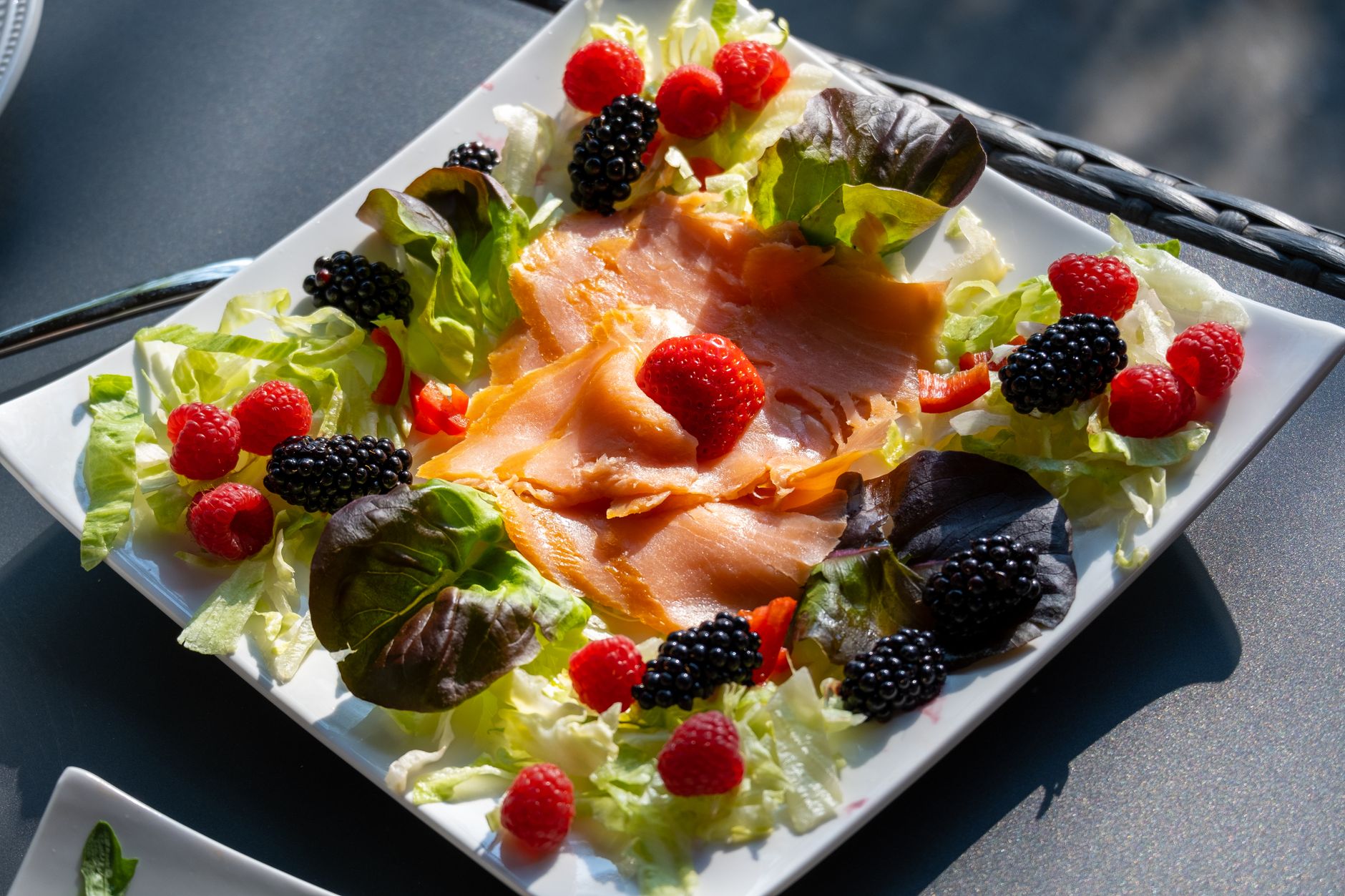
- Fatty fish (salmon, mackerel, sardines): Packed with omega-3s, which reduce inflammation. A 2022 study in Journal of Clinical and Aesthetic Dermatology found that omega-3 supplements improved psoriasis severity in 60% of participants.
- Leafy greens (spinach, kale): High in vitamin D and antioxidants, which support skin repair. A 2021 study linked higher vitamin D intake to fewer psoriasis flare-ups.
- Nuts and seeds (almonds, chia, flaxseeds): Rich in omega-3s and zinc, both of which help regulate immune response.
- Berries (blueberries, strawberries): Loaded with antioxidants that combat oxidative stress, a driver of psoriasis flare-ups.
- Turmeric: Contains curcumin, a compound with strong anti-inflammatory properties. A 2019 review in Phytotherapy Research suggested it may reduce psoriasis symptoms when combined with standard treatments.
Foods to approach with caution
- Processed sugars: Linked to higher inflammation and immune activation. A 2020 study found that high sugar intake correlated with worse psoriasis severity.
- Refined carbs (white bread, pasta): Can spike blood sugar, triggering inflammatory responses.
- Dairy (for some people): Casein, a protein in dairy, may worsen psoriasis in sensitive individuals. A 2019 study reported that eliminating dairy improved symptoms in 40% of participants.
- Alcohol: Can dehydrate skin and trigger flare-ups, especially in those with alcohol sensitivity.
What about the carnivore diet?
You might’ve heard that extreme diets like the carnivore diet can help psoriasis—but the evidence is mixed. While some anecdotal reports suggest benefits, a 2020 review found no strong clinical trials supporting its use for psoriasis. In fact, cutting out plant-based foods could deprive you of fiber and antioxidants, which many people with psoriasis *need* to manage inflammation. If you’re curious, try a short elimination trial—but don’t rely on it long-term.
How does a gluten-free diet affect psoriasis? The science and the side effects
Gluten-free diets have exploded in popularity, but what does science say about psoriasis? The answer isn’t as straightforward as you might think.
The potential link between gluten and psoriasis
Some research suggests that gluten—found in wheat, barley, and rye—may trigger inflammation in people with psoriasis, particularly those with celiac disease or non-celiac gluten sensitivity. A 2018 study found that eliminating gluten improved psoriasis symptoms in 30% of participants, though the effect wasn’t universal. If you suspect gluten is a trigger, try an elimination trial: cut it out for 4–6 weeks and monitor your symptoms. If flare-ups improve, reintroduce gluten to see if they return.
But going gluten-free isn’t always the answer
Here’s the catch: gluten-free products are often high in refined starches and sugars, which *can* worsen inflammation. Plus, cutting gluten without replacing it with nutrient-dense foods might leave you deficient in fiber, B vitamins, and minerals like iron and magnesium—all important for skin health. If you’re considering a gluten-free diet, focus on whole-food alternatives like quinoa, rice, and gluten-free oats to avoid nutritional gaps.
Watch out for these side effects
- Nutrient deficiencies: Without careful planning, you might miss out on essential nutrients like folate, B vitamins, and fiber.
- Digestive issues: Some people experience bloating or constipation when switching to gluten-free grains.
- Social and practical challenges: Eating out or traveling can become a hassle, and gluten-free products are often more expensive.
If you’re unsure whether gluten is your trigger, start with a simple anti-inflammatory diet first—it’s less restrictive and still packed with psoriasis-friendly foods.
---Anti-inflammatory diet for psoriasis patients: the evidence-backed approach
If you’ve ever felt like your psoriasis is a fire you’re trying to douse with a garden hose, you’ll understand the appeal of an anti-inflammatory diet. The goal isn’t just to eat "healthier"—it’s to systematically reduce the triggers that fuel your immune system’s overreaction.
How to start
Begin by identifying your top 3 inflammatory triggers (sugar, gluten, dairy, or alcohol) and eliminate them for 2–4 weeks. Track your symptoms in a journal—notice any improvements in itchiness, redness, or new flare-ups. Then, gradually reintroduce foods one at a time to pinpoint exactly what works (or doesn’t) for you.
The Mediterranean diet: a proven psoriasis ally
The Mediterranean diet—rich in olive oil, fish, vegetables, and nuts—has been shown in multiple studies to reduce psoriasis severity. A 2020 meta-analysis found that participants following a Mediterranean diet experienced fewer flare-ups and improved quality of life. The diet’s emphasis on whole foods and healthy fats makes it a practical choice for long-term management.
Sample anti-inflammatory meal plan
Here’s a simple starting point:
- Breakfast: Overnight oats made with chia seeds, almond milk, and berries.
- Lunch: Grilled salmon with quinoa and roasted Brussels sprouts.
- Dinner: Lentil curry with spinach and brown rice.
- Snacks: Handful of almonds, Greek yogurt (if tolerated), or sliced apple with peanut butter.
Pro tip: Keep a food diary using an app like MyFitnessPal to track how different foods affect your skin. Over time, you’ll start to see patterns.
---Psoriasis diet benefits for pregnancy: what you need to know
If you’re pregnant—or trying to conceive—with psoriasis, you’re probably wondering: *Can I still eat for my skin without risking my baby?* The short answer? Yes, but with some important caveats.
Pregnancy and psoriasis: the risks and opportunities
Pregnancy can be a double-edged sword for psoriasis. On one hand, many women experience fewer flare-ups during pregnancy due to hormonal changes. On the other hand, some report worsening symptoms postpartum. According to the National Psoriasis Foundation, about 10–20% of pregnant women with psoriasis see improvements, while 10–25% see worsening.
Safe dietary adjustments for pregnancy
If you’re trying to manage psoriasis during pregnancy, focus on:
- Vitamin D: Critical for both skin health and fetal development. Aim for 600–800 IU/day from food (fortified dairy, fatty fish) or a supplement if your provider recommends it.
- Omega-3s: Found in salmon, walnuts, and flaxseeds, these support both skin and brain development.
- Avoiding excessive sugar and processed foods: These can spike blood sugar and inflammation, potentially triggering flare-ups.
Foods to approach with caution
- High-mercury fish (shark, swordfish, king mackerel): Limit these to avoid mercury exposure for your baby.
- Raw sprouts and undercooked meats: Risk of foodborne illness during pregnancy.
- Excessive caffeine: May contribute to dehydration and skin irritation.
When to talk to your provider
If you’re considering a restrictive diet (like gluten-free or dairy-free) during pregnancy, consult your obstetrician or a dietitian first. Some women with celiac disease or severe dairy sensitivity may need to eliminate these foods, but others can safely enjoy them in moderation. Always prioritize nutrient-dense foods to support both your skin *and* your baby’s health.
---Psoriasis diet side effects of high protein: what to watch for
High-protein diets—like those popularized by the carnivore diet or keto—can be tempting for psoriasis management, especially if you’ve heard protein helps "repair" skin. But too much protein (especially from animal sources) can backfire, especially if you’re not used to it.
Potential side effects of high-protein diets
- Kidney strain: While healthy kidneys handle excess protein well, those with pre-existing kidney issues may need to be cautious.
- Digestive discomfort: High-protein diets can cause bloating, constipation, or even diarrhea if you’re not hydrated enough.
- Increased inflammation: Processed meats (like sausages or deli meats) are often high in sodium and preservatives, which can trigger flare-ups.
- Nutrient imbalances: Cutting carbs too drastically can lead to low energy, mood swings, and even hair loss—all of which can worsen psoriasis symptoms.
How to balance protein for psoriasis
If you’re trying a high-protein approach, focus on:
- Lean proteins: Chicken, turkey, tofu, and lentils are lower in saturated fat than red meat.
- Plant-based proteins: Chickpeas, quinoa, and tempeh provide fiber and antioxidants.
- Hydration: Aim for at least 8 cups of water daily to support digestion and kidney function.
Pro tip: If you’re trying a high-protein diet, monitor your energy levels and skin for the first few weeks. If you notice worsening itchiness or fatigue, it might be time to adjust your intake.
---Psoriasis diet and weight loss results: what to expect
If you’re overweight or obese, you’re more likely to experience severe psoriasis flare-ups. The good news? Losing even 5–10% of your body weight can significantly improve symptoms. But weight loss diets aren’t one-size-fits-all—some approaches work better for psoriasis than others.
Diet approaches that support weight loss *and* psoriasis
- Low-glycemic diets: Focus on whole foods like vegetables, lean proteins, and healthy fats to stabilize blood sugar and reduce inflammation.
- Intermittent fasting (with caution): Some women report improved psoriasis symptoms with IF, but others experience stress-related flare-ups. If you try it, start with a 12-hour overnight fast and monitor your skin.
- Plant-based diets: Linked to lower inflammation and better weight management. A 2019 study found that vegans with psoriasis had fewer severe flare-ups than omnivores.
Diet approaches to approach with caution
- Very low-calorie diets (VLCDs): Can lead to nutrient deficiencies and fatigue, which may worsen psoriasis.
- Extreme low-carb or keto diets: While some people report improvements, others experience worsened symptoms due to dehydration or electrolyte imbalances.
How to lose weight *and* manage psoriasis
Focus on:
- Gradual, sustainable weight loss: Aim for 0.5–1 kg (1–2 lbs) per week to avoid muscle loss and metabolic stress.
- Strength training: Helps maintain muscle mass and supports overall skin health.
- Stress management: Chronic stress worsens psoriasis—prioritize sleep, meditation, or gentle yoga.

Psoriasis diet and gut health connection: the microbiome link
Your gut isn’t just for digestion—it’s a powerful regulator of your immune system, and psoriasis is heavily influenced by immune activity. Emerging research suggests that gut health plays a crucial role in managing flare-ups, and diet is one of the biggest levers you have to influence it.
How the gut affects psoriasis
The gut microbiome—your community of trillions of bacteria—communicates with your immune system via the gut-skin axis. When your gut is out of balance (dysbiosis), it can trigger inflammation that worsens psoriasis. A 2020 study found that people with psoriasis had lower diversity in their gut bacteria compared to healthy controls.
Dietary strategies to support gut health
- Fiber-rich foods: Promote healthy gut bacteria. Aim for 25–30g of fiber daily from sources like oats, beans, and vegetables.
- Probiotics: Found in fermented foods like sauerkraut, kimchi, and kefir. A 2019 review suggested probiotics may reduce psoriasis severity in some people.
- Avoiding processed foods: Linked to lower gut diversity and higher inflammation.
Supplements that may help
- Probiotics: Strains like Lactobacillus and Bifidobacterium have shown promise in reducing psoriasis symptoms.
- Prebiotics: Foods like garlic, onions, and bananas feed good gut bacteria.
- Psyllium husk: A fiber supplement that may help regulate bowel movements and reduce inflammation.
Psoriasis diet plan for beginners: your 7-day starter guide
Ready to give a psoriasis-friendly diet a try? Start with this simple 7-day plan, designed to reduce inflammation and introduce nutrient-dense foods without overwhelming you.
| Day | Breakfast | Lunch | Dinner | Snacks |
|---|---|---|---|---|
| Day 1 | Overnight oats with chia seeds, almond milk, and blueberries | Grilled chicken salad with spinach, avocado, and olive oil dressing | Baked salmon with roasted Brussels sprouts and quinoa | Handful of almonds, Greek yogurt (if tolerated) |
| Day 2 | Smoothie with spinach, banana, flaxseeds, and almond butter | Lentil soup with a side of steamed carrots | Turkey lettuce wraps with avocado and salsa | Celery sticks with hummus, sliced apple |
| Day 3 | Scrambled eggs with sautéed mushrooms and spinach | Quinoa bowl with black beans, corn, and mango | Grilled shrimp with asparagus and wild rice | Handful of walnuts, carrot sticks with guacamole |
| Day 4 | Chia pudding with coconut milk and raspberries | Grilled chicken with roasted sweet potatoes and green beans | Stuffed bell peppers with ground turkey and brown rice | Sliced pear with almond butter, handful of pistachios |
| Day 5 | Avocado toast on whole-grain bread with cherry tomatoes | Tuna salad (with olive oil dressing) on mixed greens | Baked cod with roasted zucchini and farro | Edamame with sea salt, sliced cucumber |
| Day 6 | Greek yogurt parfait with granola and berries | Chickpea and vegetable stir-fry with tofu | Grilled steak with a side of roasted beets and kale | Dark chocolate (85%+) with a few almonds, herbal tea |
| Day 7 | Smoothie bowl with frozen mango, spinach, and hemp seeds | Quinoa salad with roasted vegetables and feta (if tolerated) | Baked chicken thighs with mashed cauliflower and sautéed green beans | Sliced bell peppers with guacamole, handful of cashews |
Foods to enjoy
- Fatty fish (salmon, mackerel, sardines)
- Leafy greens (spinach, kale, arugula)
- Berries (blueberries, strawberries, raspberries)
- Nuts and seeds (almonds, walnuts, chia, flaxseeds)
- Turmeric, ginger, and garlic
- Fermented foods (sauerkraut, kimchi, kefir)
Foods to limit or avoid
- Refined sugars and sweets
- Processed meats (sausages, hot dogs)
- Fried foods and fast food
- Alcohol (especially beer and cocktails with mixers)
- Gluten (if sensitive)
- Dairy (if it triggers flare-ups)
Psoriasis diet supplements: what actually helps
Supplements can be a helpful addition to a psoriasis diet, but not all are created equal. Before you reach for the first bottle you see, let’s break down which supplements have the most evidence—and which are overhyped.
Supplements with the strongest evidence
| Supplement | Typical Dose | Best Time to Take | Food Sources | Known Interactions |
|---|---|---|---|---|
| Omega-3 fatty acids (EPA/DHA) | 1,000–2,000 mg/day | With meals | Fatty fish (salmon, mackerel), flaxseeds, walnuts | Blood thinners (e.g., warfarin), diabetes medications |
| Vitamin D | 1,000–4,000 IU/day (consult provider) | With a fatty meal | Fortified dairy, egg yolks, fatty fish | Steroids, thiazide diuretics |
| Probiotics | 1–10 billion CFU/day | With meals | Fermented foods (sauerkraut, kefir, yogurt) | Immunosuppressants |
| Turmeric (curcumin) | 500–1,000 mg/day (with black pepper for absorption) | With meals | Fresh turmeric root, curry dishes | Blood thinners, diabetes medications |
| Zinc | 15–30 mg/day | With meals | Oysters, pumpkin seeds, lentils | Copper supplements, penicillin antibiotics |
Supplements with mixed or weak evidence
- Evening primrose oil: Some studies suggest it may help, but results are inconsistent.
- Flaxseed oil: Contains omega-3s but lacks strong psoriasis-specific research.
- Milk thistle: Often marketed for liver support, but no strong evidence for psoriasis.
Supplements to approach with caution
- High-dose vitamin A: Can be toxic in excess and may worsen psoriasis in some cases.
- Unregulated "psoriasis blends": Some supplements contain unknown ingredients or interact with medications.
- Over-the-counter "immune boosters": Often lack scientific backing.
Always check with your dermatologist or a registered dietitian before starting supplements, especially if you’re pregnant, breastfeeding, or taking medications.
---Psoriasis diet and vitamin D: the sunshine vitamin’s role
Vitamin D isn’t just for bones—it’s a powerful immune modulator that plays a key role in managing psoriasis. In fact, low vitamin D levels are linked to more severe flare-ups and slower healing. But how much do you need, and where should you get it?
Why vitamin D matters for psoriasis
Vitamin D helps regulate your immune system by reducing the production of pro-inflammatory cytokines—the very molecules that drive psoriasis flare-ups. A 2019 review found that supplementing with vitamin D improved psoriasis symptoms in 60% of participants with deficiencies.
How to get enough vitamin D
- Sunlight: 10–30 minutes of midday sun (without sunscreen) 2–3 times per week, depending on your skin tone and location.
- Diet: Fatty fish (salmon, mackerel), egg yolks, and fortified dairy or plant-based milks.
- Supplements: If you’re deficient, your provider may recommend 1,000–4,000 IU/day. Have your levels tested before starting high doses.
Signs of vitamin D deficiency
- Fatigue or low energy
- Frequent infections or slow wound healing
- Bone pain or muscle weakness
- Worsening psoriasis symptoms
If you suspect a deficiency, ask your provider to check your levels with a simple blood test. Many people with psoriasis are deficient, especially those with limited sun exposure or darker skin.
---Psoriasis diet and omega-3 fatty acids: the fat that fights inflammation
Omega-3 fatty acids—found in fish, flaxseeds, and walnuts—are one of the most well-studied nutrients for psoriasis. They work by reducing inflammation, lowering immune system overactivity, and even slowing skin cell turnover. But not all omega-3s are equal, and dosing matters.
Types of omega-3s and their roles
- EPA (eicosapentaenoic acid): The anti-inflammatory powerhouse that reduces psoriasis symptoms.
- DHA (docosahexaenoic acid): Supports brain and eye health but has less direct anti-inflammatory effect for psoriasis.
- ALA (alpha-linolenic acid): Found in plant sources like flaxseeds and walnuts; your body converts it to EPA/DHA, but the conversion rate is low.
How much omega-3s do you need?
Aim for at least 1,000 mg of combined EPA and DHA daily. If you’re not eating fatty fish regularly, consider a high-quality supplement. Look for one with at least 30% EPA and 20% DHA. A 2021 study found that 2,000 mg/day of omega-3s improved psoriasis severity in 70% of participants.
Best food sources of omega-3s
- Wild-caught salmon
- Sardines
- Mackerel
- Anchovies
- Flaxseeds and flaxseed oil
- Walnuts
- Chia seeds
Watch out for these common mistakes
- Choosing cheap, low-quality fish oil: May contain contaminants or lack sufficient EPA/DHA.
- Overdoing it: More than 3,000 mg/day of omega-3s can cause blood thinning or digestive issues.
- Ignoring DHA: While EPA is great for inflammation, DHA supports skin repair.
Psoriasis diet and sugar intake: the hidden trigger
Sugar isn’t just empty calories—it’s a potent inflammatory trigger that can worsen psoriasis flare-ups. Even if you don’t have diabetes, high sugar intake can spike your blood sugar, trigger insulin resistance, and promote chronic inflammation. The irony? Many people with psoriasis *crave* sugar during flare-ups, making it a vicious cycle.
How sugar worsens psoriasis
When you eat sugar, your body releases insulin to lower blood sugar levels. Insulin isn’t just for glucose—it’s also a growth factor for skin cells. In people with psoriasis, this can accelerate skin cell turnover, leading to thicker, scaly plaques. Additionally, sugar promotes the production of advanced glycation end-products (AGEs), which damage collagen and worsen skin integrity.
How much sugar is too much?
The American Heart Association recommends no more than 25g (6 teaspoons) of added sugar per day for women. That’s about the amount in one small soda or a single cookie. If you’re trying to manage psoriasis, aim for even less—15g or fewer per day.
Sneaky sources of sugar
- Fruit juices (even "natural" ones)
- Granola bars and protein bars
- Sauces (ketchup, BBQ sauce, teriyaki)
- Bread and cereals (look for "sugar" in the first 3 ingredients)
- Alcohol (especially cocktails and sweet wines)
Healthy alternatives to sugar
- Stevia or monk fruit sweetener
- Fresh fruit (berries, apples, pears)
- Dark chocolate (85%+ cocoa)
- Spices like cinnamon or vanilla
Psoriasis diet and dairy elimination: does it help?
Dairy is a polarizing topic in the psoriasis world. Some people swear by eliminating it and see dramatic improvements, while others notice no change. The science is mixed, but there’s enough anecdotal and preliminary evidence to make it worth experimenting with—if you’re open to it.
Why dairy might trigger psoriasis
Casein, the protein in dairy, is a known inflammatory trigger for some people. It can also increase insulin levels, which—as we discussed earlier—can accelerate skin cell turnover. Additionally


