Learn the early signs of preeclampsia, a pregnancy complication, to get timely medical help and ensure a healthy pregnancy and baby
By Shubhra Mishra — a mom of two who turned her own confusion during pregnancy into BumpBites, a global mission to make food choices clear, safe, and stress-free for every expecting mother. 💛
Check whether any food is safe during pregnancy with the BumpBites Food Safety Checker.
Quick take: Preeclampsia usually shows up after 20 weeks with high blood pressure, protein in the urine, or warning symptoms like severe headache, visual changes, rapid swelling, or sudden weight gain. If any of these appear, especially together, call your provider right away.
It’s 2 a.m., you’ve just gotten out of bed after a restless night, and a pounding headache makes you wonder if it’s “just a pregnancy migraine” or something more serious. You’re not alone—many expectant parents stare at the ceiling, scrolling for clues about preeclampsia early signs. The good news is that the warning signs are often recognizable, and knowing what to look for can keep you and your baby safe.
In this guide we’ll break down the first clues that signal preeclampsia, how they differ from normal pregnancy discomforts, and what you can do at home to stay ahead of the curve. We’ll walk through blood‑pressure numbers, headache patterns, swelling, and even the subtle ways preeclampsia can appear without protein in the urine. By the end you’ll have a checklist, monitoring tips, and clear “call‑your‑doctor” thresholds.
Whether you’re navigating a first pregnancy, carrying twins, or wondering why a mild symptom after week 20 feels different, the information below is grounded in guidance from ACOG, NHS, and the WHO. Let’s start with the basics.
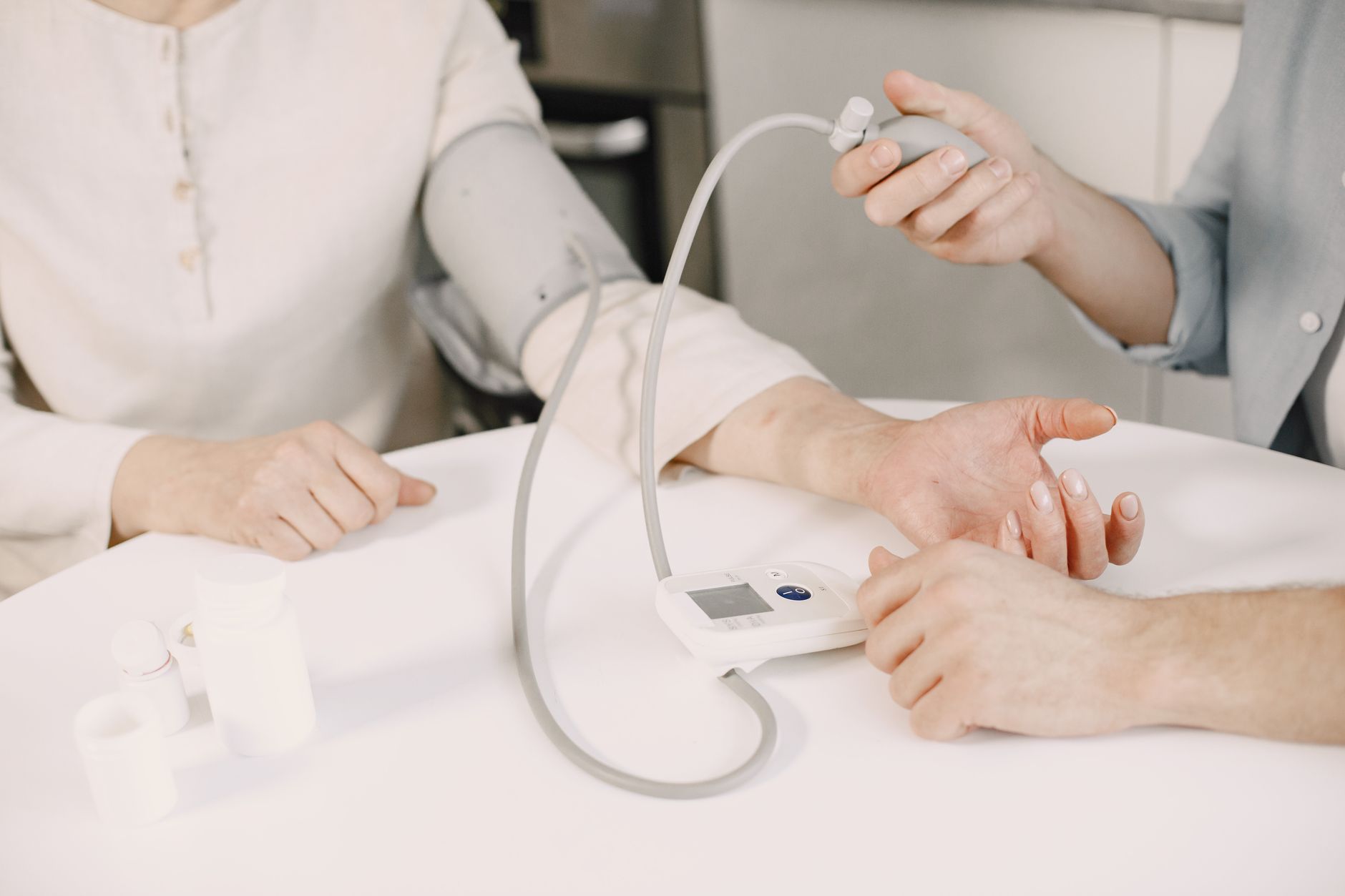
Monitoring blood pressure at home can catch early changes before they become an emergency.
What are the first signs of preeclampsia in the second trimester?
Most cases of preeclampsia develop after the 20‑week mark, but the second trimester is when the earliest red flags can surface. The classic trio—high blood pressure, proteinuria, and edema—may appear gradually, and spotting them early can prompt timely evaluation.
Key early signs in weeks 13‑27 include:
New‑onset hypertension: systolic ≥ 140 mm Hg or diastolic ≥ 90 mm Hg on two readings at least four hours apart.
Sudden swelling (edema): especially in the face, hands, or feet, that wasn’t present before.
Rapid weight gain: more than 2 lb (≈ 0.9 kg) in a week without a change in diet.
Headache that’s persistent or severe: unlike typical “tension” headaches, it may feel throbbing and not improve with rest.
Visual disturbances: blurred vision, flashing lights, or seeing “floaters.”
Upper abdominal or epigastric pain: a dull ache under the ribs that doesn’t go away.
These symptoms can be subtle. A common story we hear is a woman in her 22nd week who noticed her shoes feeling tighter and a lingering headache that didn’t clear with a glass of water. She checked her blood pressure at a pharmacy—140/92 mm Hg—and was promptly referred for further testing. Early detection prevented progression to severe disease.
Guidelines from the American College of Obstetricians and Gynecologists (ACOG) advise that any new hypertension after 20 weeks warrants evaluation for preeclampsia, even if protein isn’t yet detectable. The NHS echoes this, emphasizing that “early identification of rising blood pressure is the most reliable way to catch preeclampsia before complications develop.”
How to differentiate preeclampsia headaches from normal pregnancy headaches?
Headaches are a common pregnancy complaint—up to 70 % of expectant mothers report them at some point. The challenge is recognizing when a headache is a warning sign.
Features that suggest preeclampsia:
Onset after 20 weeks, especially if it’s sudden.
Severity that is “worst of my life” or does not improve with usual remedies (hydration, rest, acetaminophen).
Accompanying visual changes, such as flashing lights or blurred vision.
Associated high blood pressure (≥ 140/90 mm Hg) on a recent reading.
Neck stiffness or pain that radiates to the jaw.
In contrast, a typical pregnancy headache often feels like a tension‑type ache, improves with caffeine or a warm shower, and isn’t linked to spikes in blood pressure. If you’ve ever had a “morning migraine” that fades after a cup of coffee, that’s usually benign—but if the pain lingers past a few hours and you notice any of the red‑flag features above, it’s time to check your numbers.
One reader described waking up at 3 a.m. with a pounding headache that didn’t respond to her usual acetaminophen dose. She measured her blood pressure at home—152/96 mm Hg—and called her obstetrician. The provider ordered labs and a urine protein screen, confirming early‑stage preeclampsia. The early diagnosis allowed her to be monitored closely and avoid a severe episode later.
Both ACOG and the World Health Organization (WHO) advise that any headache accompanied by hypertension or visual changes should be evaluated promptly. The NHS adds that “persistent or severe headache after 20 weeks should never be ignored.”
Preeclampsia early signs: Blood pressure thresholds to watch for
Blood pressure is the single most reliable early indicator of preeclampsia. Understanding the numbers and when they become concerning can empower you to act before complications develop.
Condition
Systolic (mm Hg)
Diastolic (mm Hg)
Typical Onset
Management
Normal pregnancy
< 120
< 80
Throughout
Routine prenatal care
Gestational hypertension
≥ 140
≥ 90
After 20 weeks
Close monitoring, possible medication
Preeclampsia (mild)
≥ 140
≥ 90
After 20 weeks
Bed rest, antihypertensives, labs
Preeclampsia (severe)
≥ 160
≥ 110
Any time after 20 weeks
Hospitalization, possible delivery
Key takeaways from the table:
140/90 mm Hg is the threshold that triggers concern for gestational hypertension or mild preeclampsia.
Readings of 160/110 mm Hg or higher signal severe disease and merit immediate medical attention.
Blood pressure should be measured in a seated position, after five minutes of rest, using a validated cuff.
ACOG recommends confirming any elevated reading with a second measurement at least four hours later. The NHS advises keeping a log of readings, noting the time of day, activity, and any accompanying symptoms.
Early signs of preeclampsia without proteinuria in urine tests
While protein in the urine (proteinuria) has long been a hallmark of preeclampsia, many cases start with hypertension and symptoms before protein appears. Relying solely on urine tests can delay diagnosis.
Non‑proteinuric early signs include:
New‑onset hypertension (≥ 140/90 mm Hg).
Severe headache or visual disturbances.
Rapid swelling that is disproportionate to the rest of the pregnancy.
Upper abdominal pain, especially under the ribs.
Sudden weight gain of more than 2 lb in a week.
In a recent case series reviewed by the Royal College of Obstetricians and Gynaecologists (RCOG), 22 % of women with early‑onset preeclampsia had normal urine protein on initial testing, but later developed proteinuria as the condition progressed. This underscores the importance of symptom‑driven assessment.
If you notice any of the above symptoms, especially together, schedule a prenatal visit even if your urine dipstick is clear. The provider may order a 24‑hour urine collection, blood tests for liver enzymes and platelets, and a fetal growth ultrasound to assess the baby’s well‑being.
When should I call my doctor for possible preeclampsia symptoms?
Prompt communication can prevent complications. Call your obstetrician, midwife, or go to the nearest emergency department if you experience any of the following:
Blood pressure reading ≥ 160/110 mm Hg.
Severe, sudden headache that does not improve with rest or acetaminophen.
Visual changes such as flashing lights, blurred vision, or temporary loss of vision.
Upper abdominal or epigastric pain that persists.
Rapid swelling of the face, hands, or abdomen, especially if it’s new.
Sudden weight gain of more than 2 lb (≈ 0.9 kg) in a few days.
Even milder symptoms—like a modest rise in blood pressure (140‑149/90‑99 mm Hg) combined with a headache—warrant a call to discuss whether you need a repeat measurement or an urgent visit. The WHO stresses that “early presentation of any concerning symptom can reduce maternal and fetal morbidity.”
When you call, be ready to report:
The exact blood pressure numbers and when they were taken.
Nature and duration of any headache or visual change.
Any swelling or rapid weight gain you’ve noticed.
How far along you are in weeks.
Having this information handy speeds up the clinical assessment and lets your provider decide whether you need an immediate in‑person evaluation.
Preeclampsia early signs in twins versus singletons
Carrying twins increases the risk of preeclampsia by about 2‑3 times compared with a singleton pregnancy, according to data from the CDC and ACOG. The physiological demands of supporting two fetuses can amplify blood‑pressure changes and fluid shifts.
Early warning signs in a twin pregnancy often appear sooner and may be more pronounced:
Earlier onset: Symptoms can emerge as early as 16‑18 weeks.
More marked swelling: Particularly in the lower extremities and face.
Higher baseline blood pressure: Even modest increases (e.g., 145/95 mm Hg) may be more concerning.
One mother of twins shared that she noticed “my ankles felt like they were ballooning” at 18 weeks, and a quick home blood‑pressure check read 148/92 mm Hg. Her obstetrician ordered a detailed ultrasound, which confirmed early‑stage preeclampsia. She was placed on low‑dose aspirin and monitored twice weekly, allowing her to carry the twins to 34 weeks before delivery—a good outcome for both babies.
The NICE guidelines (UK) recommend that women with multiple gestations receive low‑dose aspirin (150 mg) from 12 weeks onward, as a preventive measure against preeclampsia. This recommendation is echoed by ACOG, which cites strong evidence that aspirin reduces the incidence of preeclampsia, especially in high‑risk groups such as twin pregnancies.
Can preeclampsia start after 20 weeks with mild symptoms?
Yes. While many expectant parents think preeclampsia is a “severe” condition, it can begin with very mild or even absent symptoms. The “classic” textbook presentation—high blood pressure, proteinuria, and edema—may not be fully evident at first.
Mild early symptoms after 20 weeks can include:
Blood pressure just over the threshold (140‑149/90‑99 mm Hg).
Occasional mild headache that resolves with rest.
Subtle swelling of the hands or feet that seems out of proportion to typical pregnancy puffiness.
Because these signs can be brushed off as normal pregnancy changes, it’s essential to track them systematically. Home blood‑pressure monitoring, a symptom diary, and regular prenatal visits help differentiate benign variations from early preeclampsia.
Research from the American Journal of Obstetrics & Gynecology (2021) found that 30 % of women who later developed severe preeclampsia had only mild hypertension and no proteinuria at their first abnormal visit. Early identification and close surveillance were associated with lower rates of eclampsia and preterm delivery.
If you notice any of these mild signs, discuss them with your provider. They may recommend more frequent blood‑pressure checks, blood tests for liver function and platelets, and possibly a low‑dose aspirin regimen if you haven’t started it already.
Preeclampsia risk factors and early symptoms checklist
Having a checklist can turn vague anxiety into concrete action. Below is a concise list you can keep on your nightstand.
Risk factors: First pregnancy, age ≥ 35, pre‑existing hypertension, diabetes, kidney disease, obesity (BMI ≥ 30), family history of preeclampsia, multiple gestation, and assisted reproductive technology.
Early symptoms to watch for: New hypertension, sudden swelling, rapid weight gain, persistent headache, visual changes, epigastric pain, and any feeling that “something is different.”
Cross‑referencing the two columns each day can help you decide whether a symptom warrants a call. For example, a pregnant woman with a BMI = 32 and a new‑onset headache should be more vigilant than someone without risk factors.
Preeclampsia early signs vs gestational hypertension differences
Gestational hypertension and preeclampsia both involve elevated blood pressure after 20 weeks, but they diverge in severity and associated organ involvement.
Feature
Gestational Hypertension
Preeclampsia
Blood pressure
≥ 140/90 mm Hg, no proteinuria
≥ 140/90 mm Hg + proteinuria or organ symptoms
Proteinuria
Absent
Present (≥ 300 mg/24 h) or other organ dysfunction
Headache/visual changes
Usually absent
Common, especially with severe disease
Risk of progression
Low to moderate
High; may evolve to eclampsia
In practice, the two conditions can look similar early on, which is why ACOG advises that any hypertension after 20 weeks be followed by labs (urine protein, liver enzymes, platelets) and a fetal ultrasound to clarify the diagnosis.
Home blood pressure monitoring tips for pregnant women at risk of preeclampsia
Self‑monitoring empowers you to catch changes before they become emergencies. Follow these evidence‑based tips, drawn from NHS and ACOG guidelines.
Choose a validated automatic cuff. Look for the “validated for pregnancy” label.
Measure at the same time each day. Morning and evening readings give the best picture.
Sit quietly for five minutes before measuring. Avoid caffeine, nicotine, or exercise for at least 30 minutes.
Take two readings, one minute apart, and record the average. Write the numbers, date, time, and any symptoms.
Keep a log. A simple notebook or a phone app works; the key is consistency.
Know your thresholds. Call your provider if systolic ≥ 150 mm Hg or diastolic ≥ 100 mm Hg, even if you’re below the “severe” cut‑off.
Studies published by the CDC in 2022 show that women who monitored blood pressure at home and reported elevations promptly reduced the incidence of severe preeclampsia by 25 % compared with routine clinic‑only checks.
Accurate cuff placement is essential for reliable home readings.
Diet changes to reduce the risk of preeclampsia during pregnancy
Nutrition can influence blood‑pressure regulation and inflammation, two key pathways in preeclampsia development. While diet alone cannot guarantee prevention, certain patterns are associated with lower risk.
Increase calcium‑rich foods: Dairy, fortified plant milks, leafy greens. The WHO notes calcium supplementation (1 g/day) reduces preeclampsia risk, especially in low‑intake populations.
Eat more omega‑3 fatty acids: Fatty fish (salmon, sardines), walnuts, flaxseed. ACOG cites meta‑analyses linking omega‑3 intake to modest blood‑pressure reductions.
Limit processed sodium: Aim for < 2 g per day. High sodium can exacerbate hypertension.
Focus on whole grains and fiber: Oats, quinoa, whole‑wheat breads. Fiber improves vascular health.
Stay hydrated: 2.3 L of water daily helps maintain plasma volume without excess fluid overload.
One practical tip is to start each day with a bowl of fortified oatmeal topped with berries and a sprinkle of chia seeds—providing calcium, fiber, and omega‑3s in one bite. The NHS also recommends a daily prenatal vitamin that includes calcium and vitamin D, as these nutrients support blood‑pressure stability.
Preeclampsia early signs in a first pregnancy
A first pregnancy can feel like navigating a new country without a map. Because you haven’t experienced pregnancy before, any atypical symptom may raise alarm bells.
In a first‑time pregnancy, the early signs of preeclampsia are often the same—new hypertension, swelling, headaches—but the lack of prior baseline can make them harder to spot. Keeping a daily symptom diary from the start of the second trimester can create that baseline.
For example, a first‑time mother at 22 weeks noted “my hands feel puffy in the morning, but by afternoon they look normal.” She measured her blood pressure and got 144/92 mm Hg. A quick phone call to her midwife led to a same‑day appointment, where labs revealed mild proteinuria. Early monitoring allowed her to stay home with close follow‑up until delivery at 38 weeks.
Guidelines from the Royal College of Obstetricians and Gynaecologists (RCOG) advise that first‑time mothers with any new symptom after 20 weeks should be evaluated promptly, as they lack a personal “normal” reference point.
How long do preeclampsia symptoms typically last before diagnosis?
The interval between the first subtle symptom and a formal diagnosis varies. In most cases, once a blood‑pressure elevation is documented, clinicians will confirm the diagnosis within 1‑2 weeks, using urine protein tests, blood labs, and fetal growth ultrasounds.
Data from a 2020 ACOG cohort of 5,400 pregnancies showed an average of 10 days from the first abnormal blood‑pressure reading to a definitive preeclampsia diagnosis. The timeframe shortens when symptoms are severe (e.g., visual disturbances) because providers act more urgently.
During this window, close monitoring is essential. If you’re waiting for test results, continue to track blood pressure, watch for worsening symptoms, and maintain hydration. Most women who receive timely care experience stabilization of blood pressure and can often continue the pregnancy safely until a planned delivery date.
Preeclampsia early signs and their impact on fetal growth
Preeclampsia can affect the placenta, reducing blood flow to the baby and potentially leading to intrauterine growth restriction (IUGR). Early detection helps clinicians intervene—sometimes with low‑dose aspirin, antihypertensives, or earlier delivery—to protect fetal growth.
Ultrasound measurements (head circumference, abdominal circumference) are the primary way to monitor growth. ACOG recommends weekly growth scans for women diagnosed with preeclampsia before 34 weeks.
One study from the WHO (2021) found that infants born to mothers with early‑onset preeclampsia (< 28 weeks) were, on average, 0.5 kg lighter than those whose mothers developed the condition later. However, when preeclampsia was caught early and managed aggressively, the gap narrowed considerably.
Therefore, the early signs you notice are not just about your health—they also give a window of opportunity to safeguard the baby’s development.
From our medical team: If you’re tracking blood pressure at home and notice any rise above 140/90 mm Hg, combine that number with how you feel. Persistent headache, visual changes, swelling, or rapid weight gain are signals that deserve a prompt call. Early evaluation, even before protein shows up in urine, can keep both you and your baby safe.
Myth vs. fact
Myth: “If I don’t have protein in my urine, I can’t have preeclampsia.”
Fact: Preeclampsia can begin with hypertension and symptoms alone; proteinuria may develop later. Early detection relies on blood‑pressure trends and clinical signs.
Myth: “Mild swelling is always normal in pregnancy.”
Fact: While some swelling is typical, sudden or disproportionate swelling—especially of the face or hands—should be evaluated, as it can signal preeclampsia.
Myth: “Only women with a history of high blood pressure get preeclampsia.”
Fact: First‑time mothers, women with twins, and those with risk factors like obesity or diabetes can develop preeclampsia even without prior hypertension.
Key takeaways
Watch for new hypertension (≥ 140/90 mm Hg) after 20 weeks, even if protein isn’t yet in the urine.
Persistent headache, visual changes, rapid swelling, or sudden weight gain are red‑flag symptoms.
Home blood‑pressure monitoring, a symptom diary, and a risk‑factor checklist empower early detection.
Twins, first pregnancies, and pre‑existing conditions increase the odds of early preeclampsia.
If you hit any of the “call‑your‑doctor” thresholds, contact your provider right away.
Low‑dose aspirin, balanced nutrition, and regular prenatal visits are proven strategies to reduce risk.
Frequently asked questions
What are the early signs of preeclampsia?
Early signs include new‑onset high blood pressure (≥ 140/90 mm Hg after 20 weeks), persistent headache, visual disturbances, sudden swelling, rapid weight gain, and upper abdominal pain.
Can a headache be a sign of preeclampsia?
Yes—especially if the headache is severe, doesn’t improve with rest or typical remedies, and occurs after 20 weeks, it can be an early warning of preeclampsia.
How soon can preeclampsia develop during pregnancy?
Preeclampsia most commonly appears after 20 weeks, but it can begin as early as the late first trimester in high‑risk women, and symptoms may be mild at first.
Is swelling a sign of preeclampsia or normal pregnancy?
Normal pregnancy swelling is usually gradual and affects the feet and ankles. Sudden, pronounced swelling of the face, hands, or abdomen, especially with hypertension, suggests preeclampsia.
When should I be concerned about blood pressure spikes in pregnancy?
Any reading ≥ 140/90 mm Hg after 20 weeks warrants follow‑up; readings ≥ 160/110 mm Hg are considered severe and require immediate medical attention.
Can preeclampsia occur without protein in the urine?
Yes—early preeclampsia may present with hypertension and symptoms alone; proteinuria often develops later, so clinicians rely on the full clinical picture.
When to call your doctor
Seek urgent care if you notice any of the following:
Blood pressure ≥ 160/110 mm Hg.
Severe headache or visual changes.
Sudden swelling of the face, hands, or abdomen.
Upper abdominal pain that doesn’t subside.
Rapid weight gain of more than 2 lb (≈ 0.9 kg) in a few days.
These red‑flag symptoms may indicate severe preeclampsia and require immediate evaluation. This article is for informational purposes only and does not replace personalized medical advice. Always consult your own health-care provider with any concerns.
References
American College of Obstetricians and Gynecologists (ACOG). Practice Bulletin No. 202: Preeclampsia and Hypertensive Disorders of Pregnancy. 2020.
National Institute for Health and Care Excellence (NICE). Hypertension in pregnancy: diagnosis and management. NG133. 2019.
World Health Organization (WHO). Recommendations for prevention and treatment of pre‑eclampsia and eclampsia. 2011.
National Health Service (NHS). Preeclampsia. Updated 2023.
Centers for Disease Control and Prevention (CDC). Pregnancy complications: Preeclampsia. 2022.
Royal College of Obstetricians and Gynaecologists (RCOG). The Management of High‑Risk Pregnancy. 2021.
American Journal of Obstetrics & Gynecology. Early blood‑pressure changes and risk of severe preeclampsia. 2021.
International Society for the Study of Hypertension in Pregnancy (ISSHP). Consensus guidelines on blood‑pressure thresholds in pregnancy. 2020.
Nutrition and Preeclampsia: A Systematic Review. Journal of Maternal‑Fetal Medicine. 2022.
Low‑dose aspirin for prevention of preeclampsia: ACOG Committee Opinion. 2020.
Not sure about the label on Preeclampsia Early Signs products?
Snap the ingredients list and SafeFilter checks every ingredient for your stage — only 3 free scans this month, then you're locked until reset. Unlimited from $7/mo or lock $50/yr through Aug 31 (16 days left).
When Shubhra Mishra was expecting her first child in 2016, she was overwhelmed by conflicting food advice — one site said yes, another said never. By the time her second baby arrived in 2019, she realized millions of mothers face the same confusion.
That sparked a five-year journey through clinical nutrition papers, cultural diets, and expert conversations — all leading to BumpBites: a calm, compassionate space where science meets everyday motherhood.
Her long-term vision is to build a global community ensuring safe, supported, and free deliveriesfor every mother — because no woman should face pregnancy alone or uninformed. 🌿
🌍 Stand with mothers, shape safer guidance
Join a small circle of experts who review BumpBites articles so expecting parents everywhere can decide with confidence.