A preeclampsia diet focuses on low‑sodium, potassium‑rich foods, lean protein, whole grains, and water to help control blood pressure and support fetal growth.
By Shubhra Mishra — a mom of two who turned her own confusion during pregnancy into BumpBites, a global mission to make food choices clear, safe, and stress-free for every expecting mother. 💛
Check whether any food is safe during pregnancy with the BumpBites Food Safety Checker.
Quick take: A balanced, low‑sodium diet rich in fruits, vegetables, whole grains, and lean protein can help manage preeclampsia symptoms and support healthy blood‑pressure control. Aim for about 1,500 mg of sodium per day, stay hydrated, and consider calcium and magnesium supplements after discussing them with your provider.
It’s 2 a.m., you’re lying awake, and the blood‑pressure cuff on the nightstand beeped a little higher than usual. You’ve just received a diagnosis of preeclampsia and wonder, “What can I actually eat that won’t make it worse?” You’re not alone—many expectant parents turn to the kitchen for answers when the medical chart feels overwhelming.
In this guide we break down a practical pre‑eclampsia diet step by step. We’ll tell you which foods to limit, how many calories and fluids you need, what safe snacks look like, and even which supplements might be helpful. By the end you’ll have a grocery list, sample meals, and a clear plan you can discuss with your obstetrician.
We’ve pulled together guidance from the American College of Obstetricians and Gynecologists (ACOG), the UK’s National Health Service (NHS), and the World Health Organization (WHO) to give you evidence‑based recommendations you can trust.
What foods to avoid with preeclampsia?
Answer: Limit high‑sodium processed foods, salty snacks, cured meats, canned soups, and sugary drinks, as they can raise blood pressure and worsen fluid retention.
Pre‑eclampsia is characterized by high blood pressure and excess fluid in the body. Sodium directly influences blood‑volume, so cutting down on salty foods helps keep pressures steadier. Here are the main culprits to steer clear of:
Processed meats: bacon, sausage, deli ham, and hot dogs often contain 400‑800 mg of sodium per slice.
Snack foods: chips, pretzels, salted nuts, and popcorn can add up quickly—just a handful may exceed 500 mg of sodium.
Canned and packaged meals: soups, sauces, and frozen entrees typically have 600‑1,200 mg per serving.
Fast‑food and restaurant dishes: especially those with soy sauce, teriyaki glaze, or cheese‑laden toppings.
Sugary beverages: sodas, sweetened teas, and fruit juices contribute excess calories and can trigger spikes in blood pressure.
Alcohol: even small amounts can raise blood pressure and is generally discouraged during pregnancy.
In contrast, choosing fresh, whole‑food options gives you more control over sodium and provides the nutrients your body needs.
Best diet plan for managing preeclampsia symptoms
<
strong>Answer: Follow a Mediterranean‑style eating pattern—lots of fresh produce, whole grains, legumes, lean protein, and heart‑healthy fats—while keeping sodium under 1,500 mg per day.
This approach satisfies the nutrient needs of pregnancy and supports blood‑pressure regulation. Below is a sample day that you can adapt to your tastes and cultural preferences.
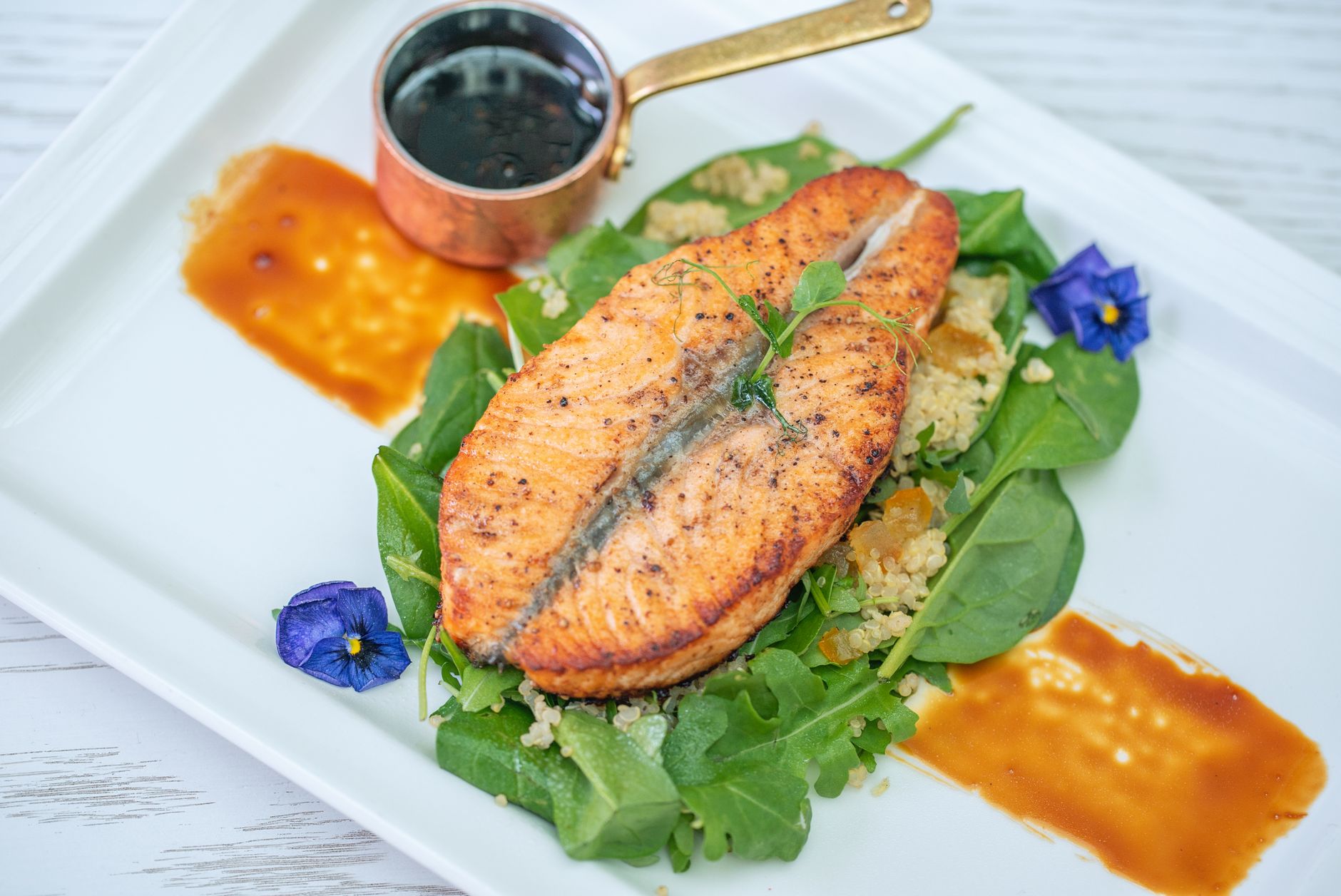
A Mediterranean‑inspired meal balances protein, fiber, and healthy fats.
Breakfast
Whole‑grain toast with avocado and a poached egg.
Fresh berries (½ cup) and a glass of low‑fat milk.
Mid‑morning snack
Greek yogurt (plain) topped with sliced almonds and a drizzle of honey.
Lunch
Quinoa salad with chickpeas, cucumber, cherry tomatoes, olives, and a lemon‑olive‑oil dressing (use ≤¼ tsp salt).
Side of steamed broccoli.
Afternoon snack
Apple slices with a tablespoon of natural peanut butter.
Dinner
Baked salmon (3‑4 oz) seasoned with herbs and a squeeze of lemon.
Sweet‑potato mash (no added butter) and a mixed green salad with balsamic vinaigrette.
Evening snack (if needed)
Air‑popped popcorn (no added salt) or a small handful of unsalted pumpkin seeds.
Key points:
Aim for 5‑7 servings of fruits and vegetables each day.
Choose whole grains over refined ones to maintain steady blood‑sugar levels.
Include lean protein such as fish, poultry, beans, or tofu at each main meal.
Use herbs, spices, citrus, and vinegar for flavor instead of salt.
Can a low‑sodium diet help preeclampsia?
Answer: Yes—reducing sodium to about 1,500 mg per day is recommended by ACOG and can aid blood‑pressure control, though it should be combined with overall healthy eating and medical monitoring.
Studies referenced by the ACOG Committee Opinion 797 suggest that a modest sodium restriction, together with adequate calcium intake, can lower the risk of severe hypertension in pregnant women with preeclampsia. The WHO also advises limiting sodium to less than 2,000 mg for all adults, with an even lower target for those experiencing high blood pressure.
Practical tips for cutting sodium:
Read labels: choose products labeled “no added salt” or “low‑sodium.”
Rinse canned beans and vegetables before cooking to remove excess salt.
Replace salty sauces with fresh herbs, garlic, ginger, or citrus zest.
Cook at home more often—restaurant meals can easily exceed 2,000 mg per serving.
Remember, drastic sodium cuts (<500 mg) are unnecessary and may reduce intake of essential electrolytes. Aim for a balanced reduction and discuss any major changes with your obstetrician.
Preeclampsia diet during third trimester
Answer: Continue the low‑sodium, nutrient‑dense plan, while paying extra attention to protein, calcium, and iron to support rapid fetal growth in the final weeks.
The third trimester is a critical window for both mother and baby. Blood‑volume peaks, and the placenta demands more nutrients. Maintaining steady blood pressure is essential, so keep sodium low and increase foods that provide calcium (dairy or fortified alternatives), iron (lean red meat, beans, leafy greens), and omega‑3 fatty acids (salmon, walnuts).
Sample adjustments for the third trimester:
Increase protein to 1.1 g per kilogram of body weight daily (≈70‑90 g for most pregnant women).
Add a calcium‑rich snack like a glass of fortified soy milk or a small serving of cheese.
Include iron‑boosting foods with vitamin C sources (e.g., orange slices with spinach salad) to enhance absorption.
Stay within the sodium goal—measure salt with a teaspoon‑size spoon (≈230 mg per ¼ tsp).
Safe snacks for pregnant women with preeclampsia
Answer: Choose nutrient‑dense, low‑sodium options such as fresh fruit, unsalted nuts, vegetable sticks with hummus, and whole‑grain crackers.
Snacking can help keep energy stable and prevent overeating at meals. Here are 10 snack ideas that fit a preeclampsia‑friendly diet:
Snack
Key Nutrients
Sodium (mg)
Apple slices with almond butter (1 tbsp)
Fiber, healthy fats, vitamin E
5
Carrot sticks & hummus (¼ cup)
Vitamin A, protein, fiber
120
Plain Greek yogurt (½ cup) + berries
Protein, calcium, antioxidants
55
Unsalted pumpkin seeds (¼ cup)
Magnesium, zinc, iron
2
Whole‑grain toast with avocado
Fiber, potassium, monounsaturated fats
10
Fresh orange segments
Vitamin C, folate
0
Cottage cheese (low‑fat, ½ cup) with pineapple
Protein, calcium
350
Rice cakes topped with peanut butter
Complex carbs, protein
15
Edamame (steamed, ½ cup)
Protein, fiber, folate
5
Smoothie with spinach, banana, and fortified milk
Calcium, iron, potassium
140
These snacks keep sodium low (generally under 150 mg per serving) while delivering the vitamins and minerals that support both blood‑pressure control and fetal development.
How many calories should I eat with preeclampsia?
Answer: Most pregnant women with preeclampsia need about 2,200‑2,400 kcal per day in the second trimester and 2,400‑2,600 kcal in the third, adjusted for pre‑pregnancy weight and activity level.
Calorie needs rise as pregnancy progresses. The Institute of Medicine (IOM) recommends an extra 340 kcal/day in the second trimester and 452 kcal/day in the third for average‑weight women. If you’re managing preeclampsia, it’s important not to restrict calories too aggressively, as inadequate intake can worsen maternal health and fetal growth.
Guidelines:
Underweight (BMI < 18.5): aim for the higher end of the range (≈2,600 kcal).
Normal weight (BMI 18.5‑24.9): 2,200‑2,400 kcal in the second trimester; 2,400‑2,600 kcal in the third.
Overweight (BMI 25‑29.9): 2,000‑2,200 kcal, but discuss individualized goals with your provider.
Focus on nutrient‑dense calories—whole grains, lean proteins, and healthy fats—rather than empty calories from sugary drinks or high‑fat processed foods.
Preeclampsia diet supplements to consider
Answer: Calcium (1,000 mg) and magnesium (350 mg) supplements are commonly recommended, but only after discussing dosage with your obstetrician.
Research summarized by the Cochrane Collaboration indicates that calcium supplementation can reduce the risk of severe hypertension in women at high risk for preeclampsia. Magnesium may help with muscle relaxation and blood‑pressure regulation, though evidence is less robust.
Other supplements often discussed:
Vitamin D: 600‑800 IU daily supports calcium absorption and immune health.
Iron: Only if labs show deficiency; excess iron can increase oxidative stress.
Never start a new supplement without your provider’s approval, especially because some prenatal vitamins already contain calcium and magnesium.
Preeclampsia diet and weight gain guidelines
Answer: Aim for a gradual weight gain of about 0.5 kg (1 lb) per week in the second and third trimesters, aligning with the Institute of Medicine’s recommendations for your pre‑pregnancy BMI.
Weight gain that is too rapid can exacerbate hypertension, while insufficient gain may affect fetal growth. Track your weight weekly and discuss any sharp changes with your obstetrician.
Practical tips:
Keep a food journal to ensure you’re meeting calorie and nutrient goals.
Choose snacks that combine protein and fiber (e.g., cheese & whole‑grain crackers) to stay fuller longer.
Stay active with gentle exercise—walking or prenatal yoga—as approved by your provider.
Monitor blood pressure at home; if readings rise, review your sodium intake and fluid balance.
Preeclampsia diet vs gestational hypertension diet
Both conditions require low‑sodium eating, but preeclampsia adds the need for closer monitoring of protein and calcium intake because of the risk of organ involvement. Gestational hypertension may allow a slightly higher sodium ceiling (up to 2,300 mg) if blood pressure remains stable.
Preeclampsia diet grocery list
Here’s a quick checklist you can paste into your phone:
Fresh fruits: berries, apples, oranges, bananas
Vegetables: leafy greens, carrots, bell peppers, broccoli
Whole grains: quinoa, brown rice, whole‑wheat pasta, oats
Dairy or fortified alternatives: low‑fat milk, Greek yogurt, cheese
Unsalted nuts & seeds: almonds, pumpkin seeds
Herbs & spices: basil, oregano, garlic, ginger
Low‑sodium broth, canned beans (rinsed), and olive oil
Preeclampsia diet recipes for breakfast
Start the day with a balanced plate that keeps sodium low and protein high.
Spinach‑feta omelet: 2 eggs, fresh spinach, ¼ cup feta, a dash of pepper, cooked in olive oil.
Overnight oats: Rolled oats, almond milk, chia seeds, sliced strawberries, and a sprinkle of cinnamon.
Whole‑grain toast with ricotta and sliced peaches: Top with a drizzle of honey.
Preeclampsia diet and protein intake
Protein supports placental growth and helps prevent excessive fluid buildup. Aim for 70‑100 g of protein daily from sources like poultry, fish (low‑mercury), legumes, dairy, and nuts. Spread intake evenly across meals.
Preeclampsia diet after delivery
Once you give birth, the focus shifts to recovery and breastfeeding. Continue a low‑sodium, nutrient‑rich diet, but you may increase calories to 2,200‑2,400 kcal if exclusively breastfeeding. Calcium and vitamin D remain important for bone health.
Preeclampsia diet and fluid intake
Hydration helps maintain blood volume without overloading the kidneys. Aim for 2‑3 L (8‑12 cups) of fluid daily, prioritizing water, herbal teas, and low‑sugar fruit juices. Avoid excessive caffeine (>200 mg per day) as it can raise blood pressure.
From our medical team: “A low‑sodium, nutrient‑dense eating plan is a cornerstone of preeclampsia management, but it works best when paired with regular blood‑pressure checks and personalized care. If you ever feel dizzy, have severe headaches, or notice swelling that doesn’t improve, reach out to your provider right away.”
Myth vs. fact
Myth: You must eat a strict “no‑salt” diet to control preeclampsia. Fact: A moderate reduction to about 1,500 mg of sodium per day—about one‑third of a typical American diet—is both safe and effective when combined with overall healthy eating.
Myth: All protein should be avoided because it can raise blood pressure. Fact: Adequate protein, especially from lean sources, supports fetal growth and can actually help regulate blood pressure.
Myth: You can’t have any fruit because of natural sugars. Fact: Fresh fruit provides potassium, fiber, and antioxidants that help lower blood pressure; just watch portion sizes and avoid fruit juices with added sugar.
Key takeaways
Limit sodium to ~1,500 mg daily; read labels and use herbs for flavor.
Fill half your plate with colorful fruits and vegetables at each meal.
Include lean protein (70‑100 g per day) and whole grains for steady energy.
Choose low‑sodium snacks like fresh fruit, unsalted nuts, and hummus.
Aim for 2,200‑2,600 kcal daily, adjusted for pre‑pregnancy BMI.
Consider calcium (1,000 mg) and magnesium (350 mg) supplements after provider approval.
Stay hydrated with 2‑3 L of water and low‑caffeine drinks.
Monitor blood pressure at home and discuss any spikes with your obstetrician promptly.
Frequently asked questions
What should I eat to lower blood pressure in preeclampsia?
Start with a low‑sodium, high‑potassium diet—think fresh fruits, leafy greens, beans, and whole grains—while limiting processed foods and salty snacks.
Is a low‑sodium diet recommended for preeclampsia?
Yes; ACOG and the NHS both advise keeping sodium under 1,500 mg per day to help control blood pressure during pregnancy.
Can I eat fruit if I have preeclampsia?
Absolutely—fruit provides potassium and fiber that support blood‑pressure regulation; just avoid fruit juices with added sugars.
How many calories should a pregnant woman with preeclampsia consume?
Typically 2,200‑2,600 kcal per day, depending on trimester and pre‑pregnancy BMI, ensuring nutrients are dense rather than empty calories.
Are there any foods that can worsen preeclampsia symptoms?
High‑sodium items (processed meats, salty snacks, canned soups) and sugary beverages can raise blood pressure and should be limited.
When can I start a normal diet after a preeclampsia diagnosis?
Your provider will guide you, but most women can gradually re‑introduce moderate‑sodium foods once blood pressure stabilizes and after delivery, while still focusing on nutrient‑rich choices.
When to call your doctor
If you experience a sudden increase in blood pressure (>140/90 mmHg), severe headaches, visual changes, swelling that doesn’t improve, or any signs of organ trouble, contact your obstetrician or go to the nearest emergency department immediately. This article provides general information and is not a substitute for personalized medical advice.
References
American College of Obstetricians and Gynecologists. “ACOG Committee Opinion No. 797: Low‑Sodium Diet for Pregnant Women with Hypertension.” 2023.
National Health Service (NHS). “Preeclampsia: Causes, Symptoms and Treatment.” Updated 2022.
World Health Organization. “Sodium Intake for Adults and Children.” 2021.
Institute of Medicine. “Dietary Reference Intakes for Energy, Carbohydrate, Fiber, Fat, Fatty Acids, Cholesterol, Protein, and Amino Acids.” 2005.
Centers for Disease Control and Prevention (CDC). “Hypertensive Disorders of Pregnancy.” 2022.
National Institute for Health and Care Excellence (NICE). “Hypertension in Pregnancy: Management.” 2020.
American Academy of Pediatrics. “Nutrition During Pregnancy.” 2021.
Co‑chrane Review. “Calcium supplementation for preventing hypertension in pregnancy.” 2020.
Not sure about the label on Preeclampsia Diet products?
Snap the ingredients list and SafeFilter checks every ingredient for your stage — only 3 free scans this month, then you're locked until reset. Unlimited from $7/mo or $50/yr.
When Shubhra Mishra was expecting her first child in 2016, she was overwhelmed by conflicting food advice — one site said yes, another said never. By the time her second baby arrived in 2019, she realized millions of mothers face the same confusion.
That sparked a five-year journey through clinical nutrition papers, cultural diets, and expert conversations — all leading to BumpBites: a calm, compassionate space where science meets everyday motherhood.
Her long-term vision is to build a global community ensuring safe, supported, and free deliveriesfor every mother — because no woman should face pregnancy alone or uninformed. 🌿
🌍 Stand with mothers, shape safer guidance
Join a small circle of experts who review BumpBites articles so expecting parents everywhere can decide with confidence.