A realistic postpartum weight loss timeline varies, but healthy progress typically spans 6-12 months. Focus on gradual, sustainable habits like balanced nutrition and gentle exercise, not rapid loss. Learn what to expect in 2026.
By Shubhra Mishra — a mom of two who turned her own confusion during pregnancy into BumpBites, a global mission to make food choices clear, safe, and stress-free for every expecting mother. 💛
Check whether any food is safe during pregnancy with the BumpBites Food Safety Checker.
Quick take: A realistic postpartum weight loss timeline is highly individual, often taking 6–12 months or longer to return to pre-pregnancy weight. Focus on nourishing your body, prioritizing rest, and gentle movement rather than strict dieting, aiming for a safe and sustainable loss of 1–2 pounds (0.5–1 kg) per week after the initial postpartum fluid loss. Every body's journey is unique, and self-compassion is key.
You’ve just welcomed a baby into your life, and while your heart is full, you might also be looking in the mirror and wondering, "How long will it take for my body to feel like 'mine' again?" It’s a common thought, often whispered in hushed tones, or typed into a search bar at 3 AM. The journey of postpartum weight loss is unique for every woman, and it’s rarely as quick or linear as we might hope or see depicted online. Instead of a race to "bounce back," it’s a marathon of recovery, nourishment, and self-compassion.
Here at BumpBites, we understand that you're looking for clear, trustworthy answers without judgment. The truth is, there’s no single, rigid timeline for postpartum weight loss that applies to everyone. Your body just performed an incredible feat, growing and nurturing a new life, and it needs time—and gentle care—to heal and adjust. Trying to rush the process can be counterproductive, impacting your physical recovery, mental well-being, and even milk supply if you're breastfeeding.
This complete guide will help you understand what a realistic postpartum weight loss timeline looks like, shed light on the many factors influencing your journey, and provide practical, safe, and sustainable strategies for nourishing your body and easing back into activity. We’ll also address common concerns, body image, and when it might be time to chat with your healthcare provider.
What is a realistic postpartum weight loss timeline month by month?
When you're searching for "what is a realistic postpartum weight loss timeline month by month?", you’re likely hoping for a clear roadmap. While individual experiences vary greatly, we can outline a general progression, emphasizing that this is a guide, not a strict schedule, and your personal journey might look different.
The Fourth Trimester (Weeks 0–12 Postpartum)
This initial period, often called the "fourth trimester," is crucial for healing, bonding with your baby, and establishing routines. It's not a time for intentional weight loss efforts. Immediately after birth, you'll experience a significant drop in weight from the baby, placenta, amniotic fluid, and initial fluid retention. This can be anywhere from 10 to 13 pounds (4.5 to 6 kg).
Weeks 0-2: Expect continued fluid loss and uterine involution (your uterus shrinking back to its pre-pregnancy size). This can account for another few pounds. Focus entirely on rest, hydration, and nourishing food to aid recovery.
Weeks 2-6: Healing continues, especially if you had a C-section or perineal tears. Gentle movement like short walks might be introduced, but intense exercise or caloric restriction is generally not recommended. Your body is still recovering from the immense physiological changes of pregnancy and birth.
Weeks 6-12: Many women get clearance from their healthcare provider for more physical activity at their 6-week check-up. However, this is still a time of adjustment. You might notice a slow, gradual weight loss if you're eating well and moving gently, but it's often minimal. The focus remains on recovery, establishing feeding, and coping with sleep deprivation.
Months 3–6 Postpartum: Gradual Progress
As you move beyond the fourth trimester, your body is typically more healed, and you might feel ready to gradually increase your activity levels. This is often when more noticeable, sustainable weight loss begins for many women.
Months 3-4: You might start to feel more energy (though consistent sleep is still a challenge for most new parents!). This is a good time to focus on incorporating more nutrient-dense foods and increasing activity, perhaps with longer walks or gentle strength training. Weight loss might be slow and steady, around 1-2 pounds per week for those who are actively working towards it.
Months 5-6: Many women find their bodies settling into a new rhythm. If breastfeeding, your supply is likely well-established. Continued healthy eating and regular exercise can lead to consistent, though still gradual, weight loss.
Months 6–12+ Postpartum: The Long Haul
Reaching your pre-pregnancy weight, or a new comfortable weight, often takes longer than six months. For many, it extends well into the first year, or even longer, particularly if you have had multiple pregnancies or are exclusively breastfeeding.
Months 6-9: This period is often where women see significant progress if they've maintained healthy habits. However, it's also common to hit plateaus. Remember that your body has undergone profound changes, and a "new normal" might be a healthy and strong place for you.
Months 9-12+: Many women find they are still working towards their goals at the one-year mark. It's a testament to the fact that body changes take time. The key is consistency and patience. Some women may find that their body composition changes, even if the scale doesn't perfectly reflect pre-pregnancy numbers.
The American College of Obstetricians and Gynecologists (ACOG) generally advises that it can take 6 to 12 months for most women to return to their pre-pregnancy weight, if they do at all. It’s important to remember that some women may retain a few extra pounds, which is a normal and healthy outcome of having carried a pregnancy.
Focus on gentle movement and recovery during the early postpartum months.
How much weight can you safely lose postpartum per week?
When you’re wondering "how much weight can you safely lose postpartum per week?", it’s a sign you’re thinking about your health, which is excellent. The general recommendation for safe and sustainable weight loss, postpartum or otherwise, is about 1 to 2 pounds (0.5 to 1 kilogram) per week. This rate allows your body to adjust without feeling deprived or overly stressed, which is especially important when you’re recovering from childbirth and potentially caring for a newborn.
During the first few weeks after birth, you'll experience a more rapid weight drop as your body sheds fluids and your uterus shrinks. This initial loss is not typically included in the 1-2 pounds per week guideline. After this initial phase (usually by 6 weeks postpartum), aiming for this gradual rate is ideal.
Why a Gradual Approach is Best
For Your Recovery: Your body needs energy and nutrients to heal from childbirth, whether it was vaginal or a C-section. Rapid weight loss often comes from severe calorie restriction, which can hinder this vital healing process.
For Your Energy Levels: New parenthood is exhausting. Adequate nutrition is crucial for maintaining your energy, mood, and ability to care for your baby.
For Breastfeeding: If you are breastfeeding, drastic calorie restriction can impact your milk supply and deprive your baby of essential nutrients. The Academy of Nutrition and Dietetics recommends that breastfeeding mothers consume an additional 330-400 calories per day above their pre-pregnancy needs to support milk production and maintain their own health.
For Sustainability: Slow and steady wins the race. Crash diets are rarely sustainable and often lead to a "yo-yo" effect. Gradual changes to your diet and activity levels are more likely to become long-term healthy habits.
For Mental Health: Obsessing over rapid weight loss can add immense pressure to an already demanding period. Focusing on nourishing your body and being kind to yourself promotes a healthier mindset.
One common mistake many new moms make is trying to "diet" in the traditional sense, cutting calories drastically right after birth. This is generally not recommended. Instead, focus on nutrient-dense foods, adequate hydration, and listening to your body's hunger cues. Prioritizing rest, even if it's just short naps, also plays a crucial role in managing metabolism and stress hormones that can impact weight.
What factors affect postpartum weight loss speed and timeline?
When you're comparing your postpartum journey to others, it's easy to wonder "what factors affect postpartum weight loss speed and timeline?" The truth is, there are many variables at play, making every woman's experience truly unique. Understanding these can help you set more realistic expectations and be kinder to yourself.
Genetics and Metabolism
Just like with any aspect of your health, your genetics play a significant role. Some women naturally have a faster metabolism or a body type that tends to shed weight more easily, while others may find it more challenging. Your baseline metabolism, which is influenced by your genes, determines how efficiently your body burns calories at rest.
Weight Gained During Pregnancy
The amount of weight you gained during pregnancy can impact your postpartum weight loss journey. Women who gained within the recommended guidelines (typically 25-35 pounds for those starting at a healthy weight, according to the CDC) may find it easier to return to their pre-pregnancy weight compared to those who gained significantly more. However, this is not a hard and fast rule; individual factors still predominate.
Breastfeeding Status
We’ll dive deeper into this in the next section, but generally, breastfeeding can help some women lose weight due to the extra calories burned to produce milk (around 330-400 calories per day). However, it doesn't work this way for everyone, and some women find they hold onto weight while breastfeeding. The impact is highly individual.
Sleep Quality and Quantity
This is a huge factor for new parents. Sleep deprivation significantly impacts your hormones, particularly ghrelin (which stimulates appetite) and leptin (which signals fullness). Lack of sleep can increase cravings for high-calorie, high-sugar foods and make it harder for your body to metabolize fat. Most new parents are sleep-deprived, making weight loss inherently more challenging.
Stress Levels
The stress of new parenthood, lack of sleep, and hormonal shifts can elevate cortisol levels. Chronic high cortisol can promote fat storage, particularly around the abdomen, and make weight loss difficult. Managing stress through mindfulness, gentle movement, and seeking support is vital.
C-Section Recovery
If you had a C-section, your recovery period is often longer and more intense. The abdominal incision needs time to heal, meaning you'll likely have restrictions on physical activity for several weeks longer than someone who had a vaginal birth. This extended recovery can delay the reintroduction of exercise, potentially slowing down the initial weight loss process. `how to lose baby weight after c section` involves extra patience and focusing on core recovery once cleared by your doctor.
Hydration
Adequate water intake is crucial. Staying hydrated supports metabolism, helps your body distinguish between hunger and thirst, and can aid in breastfeeding. Many women find it easy to forget to drink enough water amidst the demands of a newborn.
Prior Pregnancies
For some women, each subsequent pregnancy may make it slightly more challenging to return to pre-pregnancy weight, as the body undergoes cumulative changes. However, this is also highly individual.
One reader described feeling immense pressure when she saw other moms "bouncing back" quickly. "I felt like I was doing something wrong," she shared. "But then I remembered I had an emergency C-section, was exclusively breastfeeding, and my baby had colic. My body was just trying to survive!" Her experience highlights how unique each journey is.
Does breastfeeding impact the postpartum weight loss timeline?
Many new moms wonder, "does breastfeeding impact the postpartum weight loss timeline?" The answer is complex, and while breastfeeding can certainly play a role, its effect on weight loss varies significantly from person to person.
The "Calorie Burn" Argument
It's true that breastfeeding burns extra calories. Producing milk requires energy, and estimates suggest that an exclusively breastfeeding mother can burn an additional 330 to 400 calories per day. For some women, this extra energy expenditure can translate into a more noticeable and even slightly faster initial weight loss compared to formula-feeding mothers, especially in the first 3-6 months postpartum.
Why It Doesn't Always Lead to Faster Weight Loss
Despite the calorie burn, many breastfeeding mothers find that they don't shed weight as quickly as they expected, or they even hold onto weight. Here's why:
Increased Appetite: Breastfeeding can make you feel incredibly hungry and thirsty. Your body is working overtime, and it signals you to consume more calories to fuel milk production. It's easy to overcompensate for the calories burned.
Hormonal Factors: Prolactin, the hormone responsible for milk production, can also influence metabolism and fat storage. Some research suggests that higher prolactin levels may encourage the body to hold onto fat reserves, particularly around the hips and thighs, as an energy store for breastfeeding.
Sleep Deprivation: As mentioned, lack of sleep can disrupt hormones that regulate hunger and metabolism, potentially counteracting the calorie-burning benefits of breastfeeding.
"Holding On" for Supply: Some women's bodies naturally seem to hold onto a few extra pounds (often 5-10 lbs) while actively breastfeeding, as if to ensure a stable milk supply. Once they wean or reduce breastfeeding sessions, this "stubborn" weight may start to shift.
The World Health Organization (WHO) and other health bodies emphasize that adequate nutrition is vital for breastfeeding mothers, and severe calorie restriction is not recommended. Focus on nutrient-dense foods that support your energy and milk supply, rather than strictly counting calories to lose weight.
Ultimately, whether breastfeeding helps or hinders your weight loss journey depends on your individual body, hormones, diet, activity level, and sleep. Don't view breastfeeding as a weight loss tool, but rather as a wonderful way to nourish your baby, and trust that your body will find its own healthy equilibrium in time.
When should you worry about not losing weight postpartum?
It's completely normal to have concerns about your body after giving birth, and you might eventually ask, "when should you worry about not losing weight postpartum?" While patience is key, there are certain situations where it’s wise to talk to your healthcare provider. It’s important to distinguish between a slow, steady pace and potential underlying issues.
Normal vs. Concerning Weight Loss Patterns
Normal: Slow and steady loss (1-2 lbs/week after the initial drop), plateaus, periods where weight stays the same for a few weeks, or even minor fluctuations. It’s also normal if your weight loss picks up after you reduce breastfeeding or when your baby starts solids and your energy needs shift.
Potentially Concerning:
No Weight Loss or Weight Gain After 6 Months: If you find yourself asking "why am I not losing weight postpartum after 6 months?" despite consistent efforts with diet and exercise, it's worth discussing with your doctor. This is especially true if you're gaining weight.
Rapid, Unexplained Weight Gain: If you’re suddenly gaining a significant amount of weight without changes in diet or activity, this warrants a medical check-up.
Significant Fatigue and Other Symptoms: If your lack of weight loss is accompanied by extreme fatigue, hair loss, feeling cold all the time, constipation, or mood changes, it could indicate an underlying condition like hypothyroidism (an underactive thyroid), which is common postpartum.
Overwhelming Stress or Depression: Chronic stress and postpartum depression can impact weight. If you're struggling with your mental health, it can affect your motivation, eating habits, and hormonal balance, making weight loss difficult.
Persistent Swelling: While some fluid retention is normal, persistent and excessive swelling (edema) in your legs, hands, or face could be a sign of other issues.
When to Consult Your Healthcare Provider
If you have any of the concerning symptoms above, or if you simply feel stuck and worried about your weight or overall health, don't hesitate to reach out to your doctor, OB/GYN, or a registered dietitian. They can help investigate potential causes, rule out underlying medical conditions, and offer personalized advice. They can check your thyroid function, discuss your dietary habits, review your activity levels, and offer support for any mental health challenges. Remember, advocating for your health is important, and you're not alone in these concerns.
Setting realistic expectations for your postpartum body and weight loss
The pressure to "bounce back" quickly after having a baby is immense, fueled by social media and celebrity culture. But setting realistic expectations for your postpartum body and weight loss is perhaps the most crucial step for your mental and emotional well-being. Your body has just done something extraordinary, and it will never be exactly the same as it was before, and that's okay. It’s important to embrace and respect the incredible changes it has undergone.
Embracing Your "New Normal"
Many women find that even after reaching their pre-pregnancy weight, their body shape has changed. Your hips might be slightly wider, your breasts may be different, and your abdominal muscles may have stretched or separated (diastasis recti). These are normal, often permanent, changes that are part of the motherhood journey. Focusing on health, strength, and functionality rather than just the number on the scale or a specific aesthetic goal can be incredibly freeing.
Understanding the "Postpartum Belly Fat Loss Timeline"
For many, the "postpartum belly" is a particular area of concern. It’s important to understand why it’s there and what a realistic timeline for its reduction looks like:
Uterine Involution: Immediately after birth, your uterus is still large. It takes about 6 weeks to shrink back to its pre-pregnancy size, which is a major factor in the initial reduction of your belly.
Diastasis Recti: This is a common separation of the rectus abdominis muscles (your "six-pack" muscles). It can make your belly protrude, even if you’ve lost weight. Specific core exercises, often guided by a physical therapist specializing in postpartum recovery, are needed to address this. It typically improves over months, but may not fully resolve without intervention.
Skin Elasticity: Stretched skin on your abdomen may not fully retract, especially if you had significant stretching or multiple pregnancies.
Fat Reserves: Your body accumulates fat, particularly around the abdomen, to support pregnancy and breastfeeding. Reducing this fat takes time, consistent effort, and patience, often extending well beyond the first six months.
Prioritizing Mental Health and Self-Compassion
The postpartum period is a vulnerable time. Comparing yourself to others, especially curated images online, can be detrimental to your mental health. Here’s how to cultivate self-compassion:
Challenge Negative Self-Talk: Notice when you’re being overly critical of your body. Replace those thoughts with gratitude for what your body has done and continues to do.
Focus on Health, Not Just Weight: Shift your focus to feeling strong, energetic, and healthy. Celebrate non-scale victories like better sleep, increased stamina, or enjoying nutritious meals.
Limit Social Media Exposure: Unfollow accounts that make you feel inadequate. Seek out diverse and body-positive postpartum accounts.
Seek Support: Talk to trusted friends, your partner, or a therapist if you’re struggling with body image or postpartum depression/anxiety. Your mental well-being directly impacts your physical health.
Your postpartum body is a testament to your strength and resilience. Treat it with the kindness, patience, and respect it deserves.
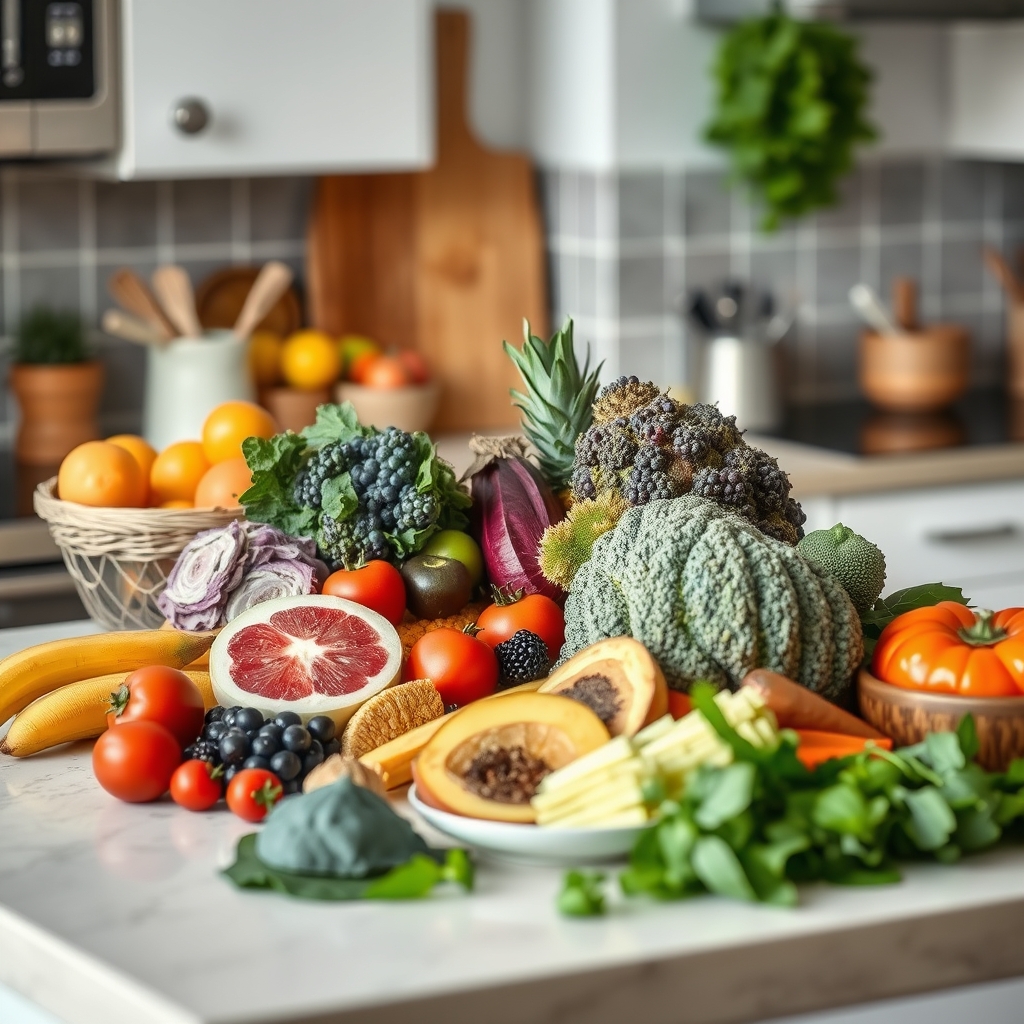
Nourishing your body with nutrient-rich foods is key to postpartum recovery and sustainable weight loss.
Safe exercise and diet tips for postpartum weight loss timeline
Once you’ve received clearance from your healthcare provider (usually around 6 weeks postpartum, or later for C-sections), you can begin to think about "safe exercise and diet tips for postpartum weight loss timeline." The emphasis here is on "safe" and "sustainable." This isn't about crash dieting or intense workouts, but rather about rebuilding strength and nourishing your body effectively.
Nutritional Strategies for Postpartum Recovery and Weight Loss
Focus on nutrient density rather than calorie restriction. Your body needs fuel to heal, produce milk (if breastfeeding), and manage the demands of new motherhood. `healthy postpartum weight loss meal plan` is about smart choices, not deprivation.
Prioritize Whole Foods: Fill your plate with fruits, vegetables, lean proteins (chicken, fish, beans, lentils), and whole grains (oats, brown rice, quinoa). These provide essential vitamins, minerals, and fiber, keeping you full and energized.
Stay Hydrated: Drink plenty of water throughout the day. This is especially crucial for breastfeeding mothers. Keep a water bottle handy and sip regularly. Water supports metabolism, helps with satiety, and is vital for milk production.
Smart Snacking: Opt for healthy snacks like nuts, seeds, yogurt, fruit, or hard-boiled eggs. Avoid processed foods, sugary drinks, and excessive refined carbohydrates, which can lead to energy crashes and contribute to weight gain.
Don’t Skip Meals: Irregular eating can lead to overeating later. Aim for regular meals and snacks to keep your blood sugar stable and energy levels consistent.
Adequate Calories: Ensure you’re eating enough. Severely restricting calories can slow your metabolism and negatively impact energy levels and milk supply. If breastfeeding, you'll need an additional 330-400 calories per day on average.
Foods to Enjoy and Foods to Limit/Avoid
This approach focuses on `postpartum weight loss without dieting`, emphasizing nourishing choices.
Foods to Enjoy
Lean Proteins: Chicken, turkey, fish (especially salmon, rich in omega-3s), eggs, beans, lentils, tofu. Essential for muscle repair and satiety.
Fiber-Rich Fruits & Vegetables: Berries, apples, leafy greens (spinach, kale), broccoli, sweet potatoes. Support digestion and provide vitamins.
Whole Grains: Oats, quinoa, brown rice, whole-wheat bread. Provide sustained energy.
Healthy Fats: Avocados, nuts, seeds, olive oil. Important for hormone health and satiety.
Dairy/Alternatives: Yogurt, milk, fortified plant milks. For calcium and protein.
Foods to Limit/Avoid (or consume in moderation)
Highly Processed Foods: Chips, cookies, fast food. Often high in unhealthy fats, sugar, and sodium, low in nutrients.
Sugary Drinks: Sodas, most fruit juices, sweetened coffees. Provide empty calories.
Excessive Refined Carbohydrates: White bread, white pasta, pastries. Can lead to blood sugar spikes and crashes.
Excessive Caffeine and Alcohol: Can interfere with sleep and hydration. Consult your doctor regarding alcohol intake, especially if breastfeeding.
7-Day Sample Postpartum Meal Plan
This plan aims for balanced, nutrient-dense meals. Adjust portion sizes based on your hunger and breastfeeding status.
Day
Breakfast
Lunch
Dinner
Snacks (2-3 per day)
Monday
Oatmeal with berries, nuts, and a sprinkle of cinnamon
Large mixed green salad with grilled chicken or chickpeas, olive oil vinaigrette
Baked salmon with roasted asparagus and quinoa
Apple slices with almond butter, hard-boiled egg
Tuesday
Scrambled eggs with spinach and whole-wheat toast
Leftover salmon and quinoa salad
Lentil soup with whole-grain bread
Greek yogurt with a handful of walnuts, carrot sticks with hummus
Wednesday
Smoothie (spinach, banana, protein powder, almond milk)
Turkey and avocado wrap on whole-wheat tortilla with side salad
Chicken and vegetable stir-fry with brown rice
Orange, a small handful of cashews
Thursday
Whole-grain pancakes with fruit and a dollop of Greek yogurt
Leftover chicken stir-fry with brown rice
Black bean burgers on whole-wheat buns with sweet potato fries
Pear, cheese stick
Friday
Greek yogurt with granola and mixed berries
Tuna salad (made with Greek yogurt or avocado) on whole-wheat crackers with cucumber slices
Sheet pan chicken with bell peppers and onions
Edamame, a small bowl of berries
Saturday
Avocado toast on whole-grain bread with a poached egg
Large bowl of minestrone soup with a side of whole-grain bread
Lean ground beef or lentil bolognese with whole-wheat pasta and a large green salad
Rice cakes with peanut butter, banana
Sunday
Frittata with mixed vegetables and a small side of fruit
Leftover bolognese
Baked cod with steamed green beans and a baked potato
Handful of almonds, a serving of cottage cheese
Safe Reintroduction of Physical Activity
This is where `how to lose baby weight after c section` and `postpartum weight loss tips for busy moms` often intersect—patience and efficiency are key.
Get Clearance First: Always wait for your doctor’s go-ahead at your 6-week (or later) postpartum check-up.
Start Gently: Your first "exercise" might just be short, gentle walks. Listen to your body and gradually increase duration and intensity.
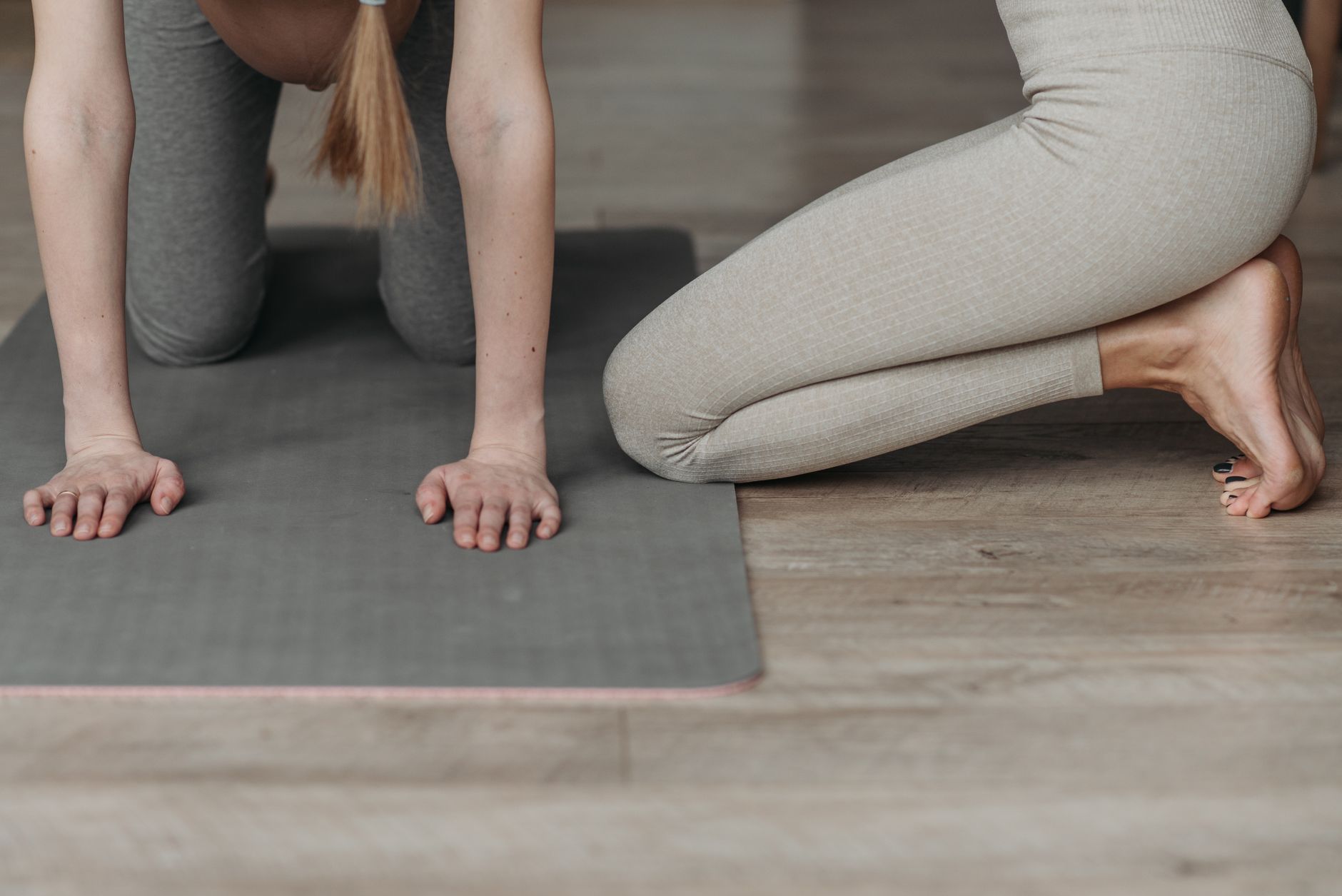
Focus on Core and Pelvic Floor: Before jumping into high-impact workouts, focus on rebuilding your core strength and pelvic floor. Consider seeing a pelvic floor physical therapist, especially if you suspect diastasis recti or have any pelvic pain or incontinence. Exercises like pelvic tilts, gentle abdominal bracing, and Kegels are excellent starting points.
Low-Impact Activities: Walking, swimming (once cleared, especially after a C-section), cycling, prenatal/postnatal yoga, and Pilates are excellent low-impact options.
Strength Training: Once your core is stable, gradually reintroduce strength training. Building muscle helps boost your metabolism.
Listen to Your Body: If something hurts, stop. If you're excessively tired, take a rest day. Your body is still healing and adapting.
Incorporate Movement into Your Day (for busy moms):
Walk with your baby in a stroller or carrier.
Do short bursts of exercise (10-15 minutes) when the baby naps.
Involve your baby in movement, like doing squats while holding them (if cleared and comfortable).
Take the stairs, park further away. Every little bit counts.
Common Mistakes to Avoid
Comparing Yourself to Others: Everyone’s journey is different. Focus on your own progress.
Drastic Calorie Restriction: Can harm your recovery, energy, and milk supply.
Ignoring Pain or Discomfort: Pushing through pain can lead to injury, especially to the pelvic floor or core.
Obsessing Over the Scale: Focus on how you feel, your energy levels, and strength gains. Muscle weighs more than fat, and body composition changes are more important than just the number on the scale.
Expecting Perfection: Some days will be easier than others. Be flexible and forgiving with yourself.
Common postpartum weight loss plateaus and how to break them
It's incredibly common to hit a wall during your postpartum weight loss journey. One moment you're seeing steady progress, and the next, the scale seems stuck, or even creeps up. This is a "plateau," and it's a normal part of the process. If you’re asking, "why am I not losing weight postpartum after 6 months?" this section is especially for you. Understanding why plateaus happen and how to address them can help you push through.
Why Plateaus Happen
Metabolic Adaptation: As you lose weight, your body adapts. It requires fewer calories to maintain a lower weight, and your metabolism might slow down slightly.
Hormonal Shifts: Postpartum hormones are still fluctuating, especially if breastfeeding. These shifts can influence metabolism, appetite, and fat storage.
Increased Muscle Mass: If you've been consistently exercising, you might be gaining muscle, which is denser than fat. The scale might not move, but your body composition is improving (you might be losing inches).
Creeping Calories: It’s easy for small, extra calories to sneak into your diet over time – an extra snack here, a slightly larger portion there, or underestimating calorie content. These can add up.
Stress and Sleep: Continued sleep deprivation and stress, which are hallmarks of new parenthood, can keep cortisol levels high, making it harder for your body to release fat.
Hydration: Not drinking enough water can sometimes mask weight loss or contribute to bloating.
How to Break Through a Plateau
Breaking a plateau often requires a slight adjustment to your routine. Don't panic or drastically change everything; make small, targeted tweaks.
Re-evaluate Your Diet:
Food Journal: Briefly track your food intake for a few days to identify any "hidden" calories or areas where you might be underestimating.
Portion Control: Double-check your portion sizes. It’s easy for them to creep up.
Nutrient Density: Ensure you're still prioritizing whole, unprocessed foods. Sometimes, convenience foods start to creep back in when life gets busy.
Hydration Check: Are you drinking enough water? Aim for 8-10 glasses (or more if breastfeeding).
Adjust Your Exercise Routine:
Increase Intensity or Duration: If you've been doing the same workout, try increasing the pace, duration, or resistance.
Cross-Training: Introduce new types of activity. If you mainly walk, try swimming, cycling, or a dance class. This challenges different muscle groups and keeps your body guessing.
Strength Training: If you haven't been doing much strength training, adding it can help build muscle, which boosts your resting metabolism.
NEAT (Non-Exercise Activity Thermogenesis): Increase your general movement throughout the day. Take the stairs, stand more, do household chores with gusto.
Prioritize Sleep (as much as possible):
Nap When Baby Naps: Even short naps can help regulate hormones.
Ask for Help: Let your partner or a trusted family member take over baby duties for a block of time so you can get uninterrupted sleep.
Create a Bedtime Routine: Even with a baby, try to establish a consistent sleep routine for yourself.
Manage Stress:
Mindfulness: Practice deep breathing exercises, meditation apps, or spend a few minutes in quiet reflection.
Delegate: Don't try to do it all. Ask for help with chores, errands, or baby care.
Social Connection: Connect with other moms or friends. Sharing your experiences can reduce stress.
Be Patient and Kind to Yourself: Plateaus are normal. Don't get discouraged. Your body is still adapting. Focus on consistent, healthy habits, and trust the process. Sometimes, the body just needs a little more time to adjust before progress resumes.
Myth vs. Fact
Myth: You can quickly "bounce back" to your pre-pregnancy body in a few weeks.
Fact: While some celebrities or individuals may appear to do so, for most women, a realistic postpartum weight loss timeline takes 6 to 12 months, or even longer. Your body needs significant time to heal from childbirth, hormone shifts, and the demands of new motherhood. The "fourth trimester" (first three months postpartum) is a period of intense recovery, not focused weight loss.
Myth: Breastfeeding guarantees rapid weight loss.
Fact: Breastfeeding does burn extra calories (around 330-400 per day), and some women do find it helps them lose weight. However, it's not a guarantee. Many breastfeeding mothers experience increased appetite or hormonal changes that cause them to hold onto weight, sometimes until they reduce or stop breastfeeding. Individual responses vary greatly.
Myth: You need to go on a strict diet and intense exercise program immediately after birth to lose the baby weight.
Fact: This is generally unsafe and counterproductive. Strict dieting can hinder your recovery, deplete energy, and negatively impact milk supply. Intense exercise too soon can lead to injury, especially to the pelvic floor or abdominal muscles. Focus on nourishing your body with whole foods, staying hydrated, and gradually reintroducing gentle movement once cleared by your doctor (typically around 6 weeks postpartum, or later for C-sections).
Key Takeaways
Postpartum weight loss is a unique, non-linear journey, realistically taking 6-12 months or longer.
Aim for a safe and sustainable weight loss rate of 1-2 pounds (0.5-1 kg) per week after the initial fluid loss.
Many factors influence your timeline, including genetics, pregnancy weight gain, breastfeeding, sleep, stress, and C-section recovery.
Prioritize nutrient-dense foods, adequate hydration, and gentle, doctor-approved exercise over restrictive dieting.
Embrace self-compassion and realistic expectations for your changing body; focus on health and strength, not just the scale.
Plateaus are normal; adjust diet, exercise, sleep, and stress management to break through them.
Frequently Asked Questions
How long does it take to lose all baby weight?
It varies significantly, but for most women, it takes 6 to 12 months or even longer to return to their pre-pregnancy weight. Some women may find their body settles at a new, healthy weight that is slightly higher than before pregnancy, and that is also perfectly normal. Patience and consistency are more important than speed.
What is a healthy rate of postpartum weight loss?
After the initial drop in weight from the baby, placenta, and fluids, a healthy and sustainable rate of postpartum weight loss is typically 1 to 2 pounds (0.5 to 1 kilogram) per week. Losing weight too quickly can hinder recovery, impact energy levels, and potentially affect milk supply if you are breastfeeding.
Is it normal to not lose weight postpartum?
It is normal for weight loss to be slow, to plateau, or even to fluctuate. If you are not losing weight despite consistent efforts with diet and exercise after 6 months postpartum, or if you are experiencing other concerning symptoms like extreme fatigue or mood changes, it's a good idea to speak with your healthcare provider.
Can you lose weight postpartum without exercise?
While exercise certainly helps, diet plays a more significant role in weight loss. You can lose some weight postpartum through healthy eating, portion control, and prioritizing whole, nutrient-dense foods. However, incorporating gentle, doctor-approved exercise will help build strength, improve mood, and enhance overall body composition.
When should I start trying to lose weight after birth?
The first 6 weeks (the fourth trimester) should be focused entirely on healing and bonding with your baby. Intentional weight loss efforts, such as calorie restriction or vigorous exercise, are generally not recommended during this time. Most healthcare providers give clearance to gradually reintroduce exercise and focus on healthy eating after your 6-week postpartum check-up.
Why am I gaining weight instead of losing postpartum?
Gaining weight postpartum can be frustrating. Factors like chronic sleep deprivation, high stress levels (leading to elevated cortisol), increased appetite (especially if breastfeeding), or an underlying medical condition like an underactive thyroid can contribute. It's important to discuss this with your doctor to rule out any medical causes and get personalized advice on nutrition and lifestyle.
When to see a doctor or specialist
While the postpartum weight loss journey is highly individual, there are times when it’s important to seek professional guidance. Don't hesitate to contact your OB/GYN, family doctor, or a registered dietitian if you:
Are concerned about your weight loss progress despite consistent healthy eating and exercise efforts, especially if you're not seeing any change after 6 months.
Experience unexplained weight gain after initial postpartum loss.
Feel extremely fatigued, cold, constipated, or notice hair loss, as these could be signs of an underlying thyroid condition.
Are struggling with symptoms of postpartum depression or anxiety, which can impact your eating habits and motivation.
Have persistent pain or discomfort during exercise, or suspect you have diastasis recti or other pelvic floor issues. A pelvic floor physical therapist can be invaluable.
Have questions about breastfeeding and its impact on your nutritional needs or weight.
This article is for informational purposes only and is not a substitute for professional medical advice, diagnosis, or treatment. Always seek the advice of your physician or other qualified health provider with any questions you may have regarding a medical condition or before starting any new diet or exercise program.
Not sure about the label on Postpartum Weight Loss Timeline Realistic products?
Snap the ingredients list and SafeFilter checks every ingredient for your stage — only 3 free scans this month, then you're locked until reset. Unlimited from $7/mo or lock $50/yr through Aug 31 (16 days left).
When Shubhra Mishra was expecting her first child in 2016, she was overwhelmed by conflicting food advice — one site said yes, another said never. By the time her second baby arrived in 2019, she realized millions of mothers face the same confusion.
That sparked a five-year journey through clinical nutrition papers, cultural diets, and expert conversations — all leading to BumpBites: a calm, compassionate space where science meets everyday motherhood.
Her long-term vision is to build a global community ensuring safe, supported, and free deliveriesfor every mother — because no woman should face pregnancy alone or uninformed. 🌿
🌍 Stand with mothers, shape safer guidance
Join a small circle of experts who review BumpBites articles so expecting parents everywhere can decide with confidence.