Quick take: Post‑pregnancy melasma often fades within 12‑24 months, but it can linger longer. Gentle sun protection, a tailored skincare routine, and safe treatments while breastfeeding can help speed improvement. If dark patches worsen, spread, or cause significant distress, schedule a dermatologist visit.
Congratulations on your new little one. Amid diaper changes and midnight feeds, you might have noticed new dark patches on your cheeks, forehead, or chin—often called “the mask of pregnancy.” You’re not alone; many new moms experience postpartum skin changes melasma. While the extra pigment can be frustrating, the good news is that most cases improve over time, and there are safe ways to manage it, even while you’re breastfeeding.
In this guide we’ll walk through why melasma appears after childbirth, how to tell it apart from other post‑birth skin issues, what treatments are safe for nursing moms, lifestyle tweaks that can make a difference, and when it’s time to call a dermatologist. By the end you’ll have a clear, practical plan to keep your skin—and your confidence—glowing.
How long does melasma last after pregnancy?
Most women find that postpartum melasma begins to fade within 6 to 12 months after delivery, though the timeline can vary. The pigment often lightens gradually as hormone levels—especially estrogen and progesterone—return to pre‑pregnancy levels. In about 20‑30 % of cases, noticeable improvement continues for up to 24 months.
What influences the timeline?
- Hormonal fluctuations: Sudden drops after birth can trigger melasma, but a slower hormonal normalization prolongs pigment.
- Sun exposure: UV rays stimulate melanocytes, locking in color and extending the duration.
- Skin type: Women with darker Fitzpatrick skin types (IV‑VI) often see longer‑lasting patches.
- Genetics: A family history of melasma can make it more persistent.
Because every body is different, it’s normal to wonder whether your melasma will ever disappear. Most dermatologists reassure patients that, with consistent sun protection and gentle treatment, the majority of pigment fades within two years. If you’re still seeing dark patches after 18 months, it’s worth a professional evaluation to explore advanced options.
Best treatments for postpartum melasma that are safe while breastfeeding
When you’re nursing, safety is the top priority. Many effective melasma therapies are compatible with breastfeeding because they act locally on the skin and involve minimal systemic absorption.
Topical options
- Azelaic acid 15‑20 % cream or gel: Approved by the FDA for melasma, it reduces pigment without the irritation of stronger acids. The American Academy of Dermatology (AAD) notes it’s safe for lactating mothers.
- Vitamin C serums (10‑15 % L‑ascorbic acid): Antioxidant protection and mild brightening. The Mayo Clinic highlights its safety during breastfeeding.
- Niacinamide (4‑5 %): Improves barrier function and reduces melanin transfer. Supported by the Academy of Nutrition and Dietetics for topical use.
Procedural options
- Low‑fluence Q‑switched laser: Targets melanin with minimal heat. The American Society for Dermatologic Surgery (ASDS) reports it’s considered safe for nursing mothers because the laser’s effect is confined to the skin.
- Intense pulsed light (IPL): Similar safety profile; best performed by a board‑certified dermatologist.
What to avoid
Retinoids (including tretinoin) and hydroquinone are generally discouraged while breastfeeding due to limited safety data. If you’re unsure, ask your provider before starting any new product.
What’s the difference between melasma and other hyperpigmentation after childbirth?
Post‑pregnancy skin changes can include several types of darkening. Knowing the distinction helps you choose the right treatment.
Melasma vs. sun spots (solar lentigines)
- Melasma: Symmetrical patches, often on the cheeks, forehead, upper lip, and chin. Triggered by hormonal shifts and UV exposure.
- Sun spots: Small, irregularly shaped, usually solitary spots that appear on sun‑exposed areas. They develop over many years and are not tied to pregnancy hormones.
Melasma vs. post‑inflammatory hyperpigmentation (PIH)
PIH follows skin injury—like acne or a rash—and appears as uneven, patchy darkening. Unlike melasma, PIH usually resolves faster once the underlying inflammation heals.
Key visual clues
Melasma often has a “butterfly” pattern across the nose and cheeks, whereas sun spots are more random and PIH follows the outline of prior lesions. If you’re still unsure, a quick tele‑dermatology photo review can provide clarity.
Diet and lifestyle changes to reduce postpartum skin darkening
While no single food will erase melasma, certain nutrients support skin health and may lessen pigment production.
Foods rich in antioxidants
- Bright berries (blueberries, strawberries) – high in vitamin C.
- Leafy greens (spinach, kale) – contain lutein and beta‑carotene.
- Legumes (lentils, chickpeas) – provide zinc, essential for melanocyte regulation.
Supplements to consider
The Endocrine Society notes that adequate vitamin D and omega‑3 fatty acids can help modulate inflammation, which indirectly influences melasma. Speak with your OB‑GYN before adding any new supplement.
Lifestyle tweaks
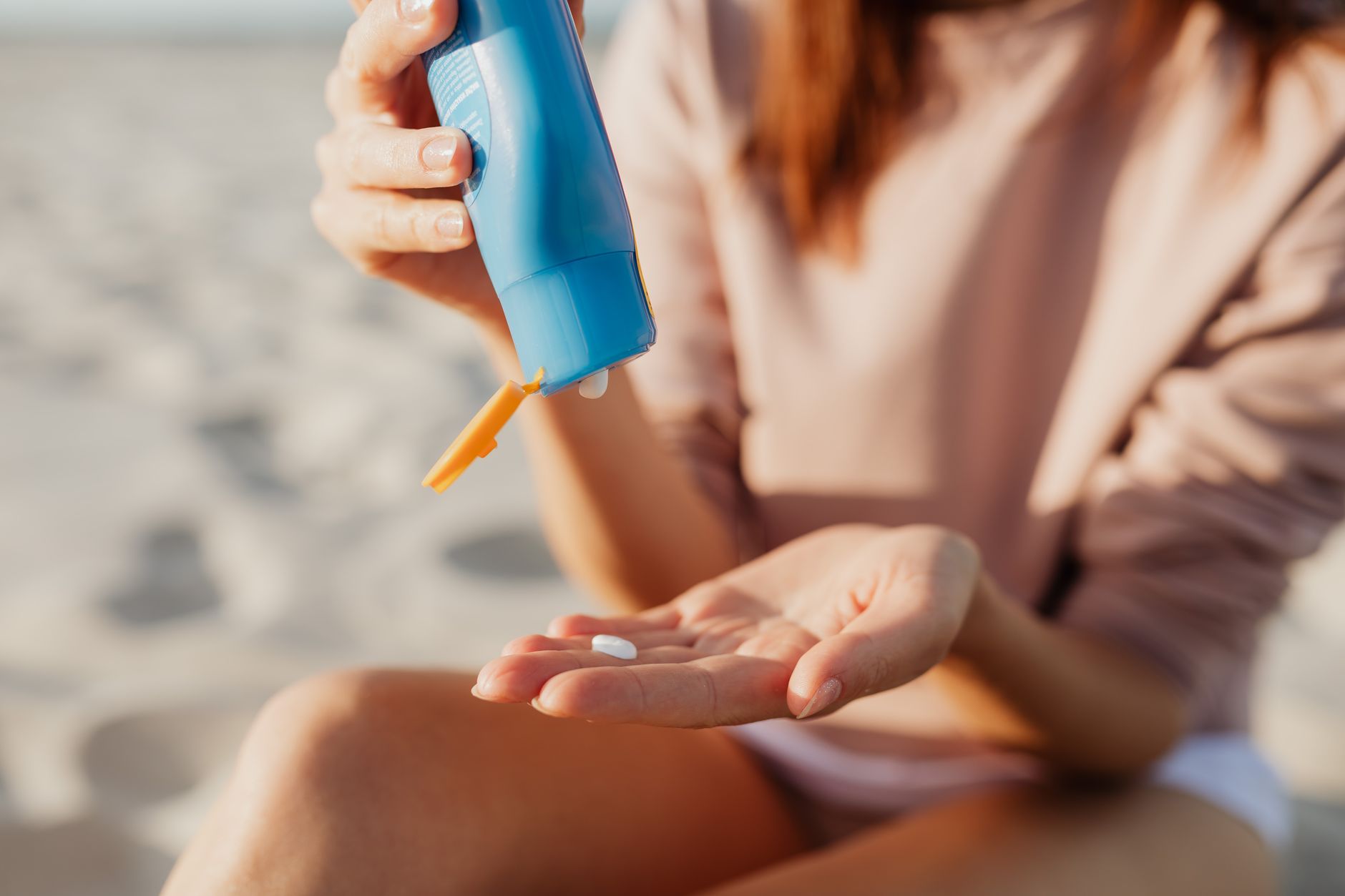
- Sun protection: Apply broad‑spectrum SPF 30+ every morning, reapply every two hours outdoors. Physical sunscreens with zinc oxide or titanium dioxide are less likely to irritate sensitive postpartum skin.
- Stress management: Chronic stress can elevate cortisol, which may worsen melasma. Simple breathwork (4‑7‑8 pattern) or short walks can keep stress hormones in check.
- Consistent sleep: Aim for 7‑9 hours; quality sleep supports skin repair.
These habits won’t replace topical treatment, but they create a supportive environment for your skin to heal.
Can hormonal birth control worsen postpartum melasma?
Combined oral contraceptives (COCs) contain estrogen and progestin—both of which can reactivate melasma cells. Studies from the American College of Obstetricians and Gynecologists (ACOG) indicate that women who resume COCs within the first six months postpartum may notice a slight darkening of existing melasma.
What to do if you need contraception
- Progestin‑only pills (POP): Lower estrogen exposure; generally considered safer for melasma.
- IUDs (copper or hormonal): Provide effective contraception without daily hormone spikes.
- Non‑hormonal methods: Barrier methods or natural family planning.
If you’re already on a COC and notice melasma worsening, talk to your provider about switching to a POP or a non‑hormonal option. The decision should balance birth control needs with skin concerns.
Natural home remedies for postpartum melasma that actually work
Many moms turn to kitchen‑cabinet ingredients hoping for a quick fix. While “natural” doesn’t always mean “effective,” a few options have modest evidence behind them.
Evidence‑backed home remedies
Licorice root extract is the most promising; a 2015 study in the Journal of Cosmetic Dermatology showed a 30 % reduction in melasma intensity after 8 weeks of 2 % licorice cream.
How to incorporate them safely
- Patch test any new ingredient on the inner forearm for 48 hours before applying to the face.
- Avoid abrasive scrubs; they can worsen pigmentation.
- Combine natural remedies with sunscreen for best results.
When should I see a dermatologist for postpartum melasma?
Most melasma can be managed with over‑the‑counter products and sun protection, but certain signs call for professional care.
Red‑flag symptoms
- Rapid darkening or spreading beyond the typical facial pattern.
- Accompanying itching, swelling, or pain.
- Persistent patches after 24 months despite diligent care.
- Any suspicion of skin cancer (new lesions with irregular borders).
If you notice any of these, book an appointment with a board‑certified dermatologist. Early intervention can prevent deeper pigment and open the door to procedural treatments that work faster.
Over‑the‑counter creams for melasma after pregnancy: what works?
Many OTC products are marketed for “brightening” but only a handful have data supporting melasma improvement.
Top‑rated OTC options
When choosing a product, look for concentrations of niacinamide, azelaic acid, or vitamin C, and avoid high‑strength hydroquinone unless prescribed. Always read the label for “lactation‑safe” claims or consult your pharmacist.
Is melasma hereditary in postpartum women?
Family history plays a role, but it’s not destiny. If a mother or sister had melasma, you’re roughly twice as likely to develop it. The National Institute of Environmental Health Sciences (NIEHS) explains that genetics influence how melanocytes respond to hormonal and UV cues, but lifestyle and sun exposure remain modifiable factors.
What this means for you
- Know your family history; it can guide early prevention.
- Even with a genetic predisposition, diligent sun protection often keeps melasma milder.
- If you have a strong family pattern, consider a dermatologist‑guided maintenance plan.
Myth vs. fact
- Myth: Melasma disappears completely once you stop using makeup.
Fact: Makeup can conceal melasma, but it does not treat the underlying pigment. Consistent sun protection and appropriate treatment are needed for fading.
- Myth: All melasma patches are permanent scars.
Fact: Most postpartum melasma improves over months to years with proper care; only a small percentage become resistant.
- Myth: Natural remedies cure melasma instantly.
Fact: Home ingredients can support brightening but usually require weeks to months of consistent use, and they work best alongside medical options.
Key takeaways
- Postpartum melasma usually fades within 12‑24 months, but safe treatments can speed the process.
- Broad‑spectrum SPF 30+ every day is the single most effective preventive measure.
- Azelaic acid, niacinamide, and vitamin C are breastfeeding‑friendly topical options.
- Procedural laser or IPL can be considered after the first 6 weeks of lactation under dermatologist guidance.
- Stress, diet, and genetics influence melasma, but lifestyle modifications can lessen severity.
- Seek dermatologic care if pigment spreads, persists beyond 24 months, or is accompanied by irritation.
Frequently asked questions
What causes melasma during the postpartum period?
Hormonal shifts—especially elevated estrogen and progesterone—stimulate melanocytes, while increased UV exposure during pregnancy and after birth locks in pigment. Genetics and stress can amplify the response.
Is melasma permanent after pregnancy?
Not usually. Most women see gradual lightening within 12‑24 months. Persistent cases may benefit from prescription‑strength topical agents or laser therapy.
Can breastfeeding affect melasma?
Breastfeeding itself does not cause melasma, but certain topical treatments (like retinoids) are best avoided while nursing. Safe options include azelaic acid, niacinamide, and vitamin C.
What are the safest melasma treatments for new mothers?
Broad‑spectrum sunscreen, azelaic acid 15‑20 % cream, niacinamide 5 % serums, and low‑fluence laser procedures performed after the first 6 weeks of lactation are considered safe by the AAD and the American Academy of Dermatology.
How can I prevent melasma after giving birth?
Apply SPF 30+ daily, wear wide‑brim hats, use gentle brightening skincare (niacinamide or vitamin C), and limit sun exposure during peak hours. A balanced diet rich in antioxidants also supports skin health.
When should I consult a dermatologist for postpartum melasma?
If dark patches spread, become painful or itchy, persist beyond 24 months despite diligent care, or if you suspect skin cancer, schedule an appointment promptly. Early treatment can prevent deeper pigment and improve outcomes.
When to see a doctor or specialist
If any of the following appear, reach out to a board‑certified dermatologist as soon as possible:
- Rapid expansion of pigment beyond the face.
- Associated itching, swelling, or pain.
- Persistence of melasma for more than 24 months despite sunscreen and topical care.
- Any new, irregularly shaped lesion that could indicate skin cancer.
Remember, this article is for informational purposes only and does not replace personalized medical advice. Your healthcare provider can tailor a plan that fits your breastfeeding status, skin type, and lifestyle.
References
- American Academy of Dermatology (AAD). “Melasma: Diagnosis and Treatment.” 2023.
- American College of Obstetricians and Gynecologists (ACOG). “Hormonal Contraception After Childbirth.” 2022.
- Journal of Cosmetic Dermatology. “Efficacy of Licorice Extract in Melasma Treatment.” 2015.
- Mayo Clinic. “Skin Care During Breastfeeding.” 2023.
- National Institute of Environmental Health Sciences (NIEHS). “Genetics of Skin Pigmentation.” 2021.
- American Society for Dermatologic Surgery (ASDS). “Laser Safety in Lactating Women.” 2022.
- Academy of Nutrition and Dietetics. “Antioxidants and Skin Health.” 2021.
- British Association of Dermatologists. “Guidelines for Melasma Management.” 2022.
- World Health Organization (WHO). “Sun Protection Recommendations.” 2020.



