A postpartum sitz bath recipe uses warm water, a few drops of lavender oil, and a teaspoon of Epsom salt to soothe perineal discomfort and speed healing.
By Shubhra Mishra — a mom of two who turned her own confusion during pregnancy into BumpBites, a global mission to make food choices clear, safe, and stress-free for every expecting mother. 💛
Check whether any food is safe during pregnancy with the BumpBites Food Safety Checker.
Quick take: A postpartum sitz bath can be safely made at home with warm water, gentle herbs like chamomile or calendula, and—if you choose—a few drops of a pregnancy‑safe essential oil. Keep the water around body temperature (≈98‑100°F/37‑38°C), soak for 10‑15 minutes, and repeat 2‑3 times daily for the first week. Avoid overly hot water, strong fragrances, and using a bath if you have a C‑section incision that isn’t yet cleared by your provider.
It’s 2 a.m., you’ve just changed a diaper, and a sharp sting in your perineum makes you wonder if that warm cup of tea you boiled earlier could double as a soothing soak. You’re not alone—many new moms turn to a sitz bath for relief, but the “how‑to” can feel fuzzy amid the swirl of advice online.
We’ll walk you through a complete postpartum sitz bath recipe, from the best ingredients and their healing properties to step‑by‑step preparation, safety limits, and common pitfalls. By the end you’ll have a clear, doctor‑approved routine you can start tonight, and you’ll know exactly when to pause and call your provider.
Everything you need to know—temperature, duration, herbal choices, essential‑oil safety, and how a sitz bath supports perineal tears, hemorrhoids, and even C‑section recovery—is laid out below. Let’s get you comfortable.
What ingredients should I use for a postpartum sitz bath recipe?
Choosing the right ingredients is the foundation of a soothing, healing sitz bath. You want components that are anti‑inflammatory, soothing, and gentle enough for delicate post‑delivery tissues. Below is a list of the most commonly recommended items, along with the reason each is helpful.
Warm water – The base of every sitz bath; maintains skin elasticity and promotes circulation.
Chamomile tea (German or Roman) – Contains flavonoids that reduce inflammation and calm irritation. Chamomile is also mildly antispasmodic, easing cramping.
Calendula (marigold) tea or dried petals – Rich in triterpenoids, calendula supports tissue regeneration and has mild antimicrobial activity, which can lower infection risk.
Witch hazel (distilled, alcohol‑free) – A natural astringent that tightens skin, diminishes swelling, and soothes itching.
Apple cider vinegar (raw, unfiltered) – A 1‑2 % solution can restore the natural pH of the perineal area and gently cleanse without harsh chemicals.
Salt (non‑iodized, like sea salt) – A modest amount (½ tsp) creates a gentle isotonic solution that can reduce edema.
Optional essential oil (e.g., lavender or tea tree) – Only a single drop diluted in a carrier (e.g., almond oil) if approved by your provider.
Not every ingredient is necessary; you can start with just chamomile and warm water and add others as you become comfortable. Below is a quick reference table to help you decide what to include based on your specific needs.
Ingredient
Primary benefit
Typical amount per bath
Safety notes
Chamomile tea
Anti‑inflammatory, calming
2‑3 tea bags (or 2 tsp dried) in 1 L water
Safe for most; avoid if allergic to Asteraceae family
Calendula petals
Promotes tissue repair, mild antimicrobial
1‑2 tsp dried petals per 1 L water
Safe; discontinue if skin irritation occurs
Witch hazel
Reduces swelling, eases itching
¼ cup (≈60 ml) per 1 L water
Use alcohol‑free; avoid if skin is broken
Apple cider vinegar
Restores pH, gentle cleansing
1‑2 tbsp per 1 L water (≈1‑2 %)
Do not use if you have a severe ulcer or open incision without clearance
Salt (sea)
Helps reduce edema
½ tsp per 1 L water
Avoid excess; can be drying if used daily
Lavender essential oil
Relaxation, mild antiseptic
1 drop diluted in 1 tsp carrier oil
Only if cleared by provider; avoid undiluted oil
All ingredients listed are supported by guidance from the American College of Obstetricians and Gynecologists (ACOG) on postpartum perineal care and by the UK’s NHS recommendations for gentle, non‑irritating products. When in doubt, start with the simplest recipe—warm water and chamomile—and build from there.
Both chamomile and calendula have a long history of use in postpartum care, and modern clinical guidance notes that they are low‑risk, especially when prepared as a short‑duration soak. If you have a known allergy to plants in the daisy family, skip chamomile and opt for a plain saline soak instead.
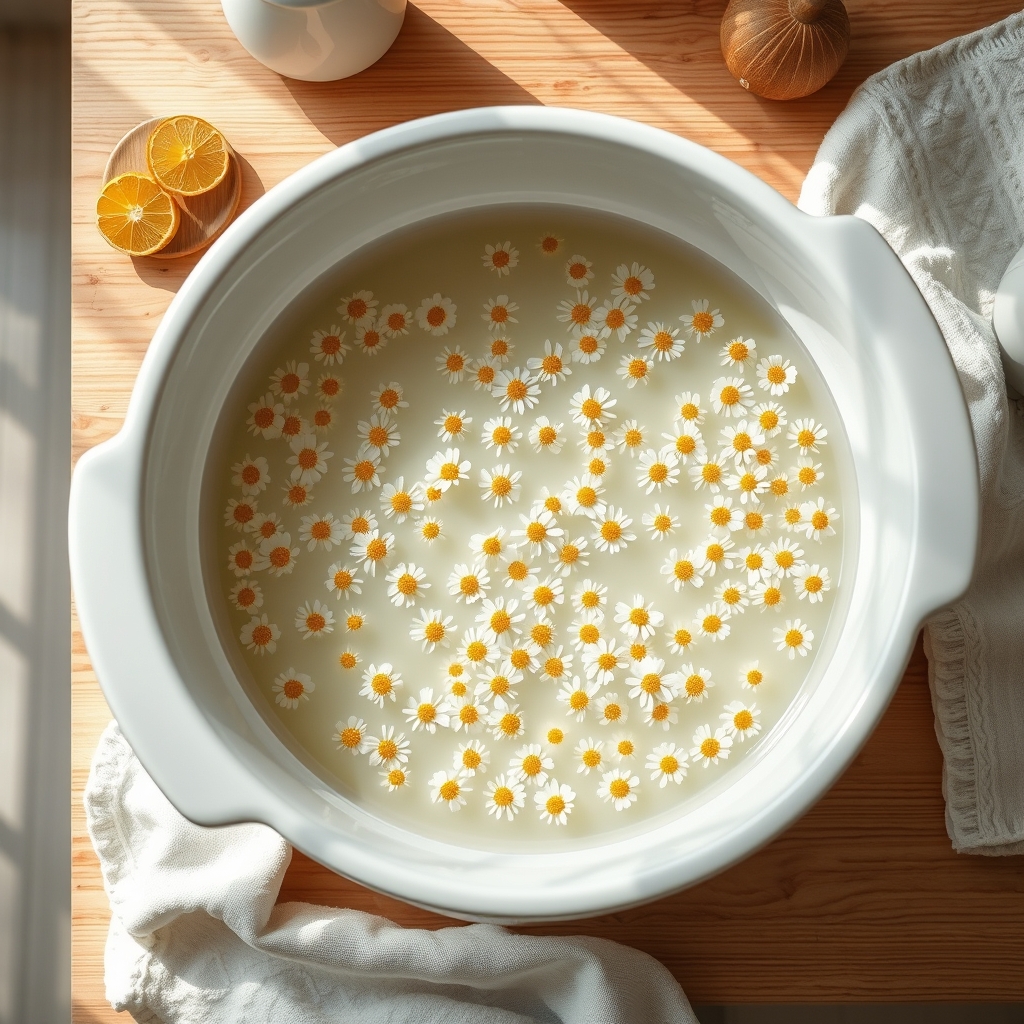
Chamomile and calendula create a gentle, fragrant soak that eases perineal discomfort.
How do I make a soothing herbal postpartum sitz bath at home?
Now that you have your ingredients, let’s walk through the actual preparation. The process is simple, but a few details—like ensuring the water is not too hot—make all the difference.
Gather supplies. You’ll need a clean sitz‑bath basin (plastic or porcelain), a kettle or pot for heating water, a heat‑proof pitcher, a tea infuser or cheesecloth for herbs, a small bowl for essential‑oil dilution, and a clean towel.
Heat the water. Bring 1 L (about 4 cups) of water to a gentle boil, then let it cool for a minute until it reaches the recommended temperature (see next section). This step also ensures any potential microbes are neutralized.
Steep the herbs. While the water is cooling, place the chamomile tea bags (or loose chamomile) and calendula petals into a heat‑proof pitcher. Pour the warm water over the herbs and let steep for 5‑7 minutes. If you’re adding witch hazel or apple cider vinegar, wait until the water has cooled slightly before mixing them in.
Strain the infusion. Remove the tea bags or strain the petals through a fine mesh. Transfer the liquid into the sitz‑bath basin, ensuring the water level is about 2–3 inches deep—enough to cover the perineum when you sit down.
Optional: Add diluted essential oil. If using, blend 1 drop of lavender oil with 1 tsp of a carrier (sweet almond or jojoba oil) and stir it into the bath. This step should be done only after confirming your provider approves essential‑oil use.
Set the scene. Place the basin on a stable surface (the floor or a sturdy table). Have a clean towel within reach, and consider a soft night‑light or calming music to make the experience relaxing.
Soak. Sit gently in the bath, making sure the water covers the perineal area. Relax for the recommended 10‑15 minutes, breathing deeply. If you feel any burning, tingling, or sudden pain, exit the bath immediately.
Pat dry. After the soak, stand carefully, use a clean towel to pat the area dry (do not rub), and apply any prescribed ointment or perineal spray if advised by your provider.
Cleaning the basin after each use is crucial. Rinse it with hot, soapy water, then sterilize with a diluted bleach solution (1 tbsp bleach per gallon of water) if you have any open wounds or episiotomy stitches. The CDC emphasizes strict hygiene to reduce postpartum infection risk.
For families with limited space, a portable sitz‑bath seat that fits over a regular bathtub can be a convenient alternative. Just be sure the seat is sturdy, the water level is appropriate, and the basin is cleaned the same way as a standalone model.
Can I add essential oils to a postpartum sitz bath safely?
Essential oils are popular for their fragrance and purported therapeutic benefits, but pregnancy and postpartum periods demand extra caution. Here’s what the evidence and professional bodies say.
Lavender (Lavandula angustifolia) – Generally regarded as safe in low concentrations. It has mild antiseptic and calming properties, making it a common choice for postpartum relaxation.
Tea tree (Melaleuca alternifolia) – Strong antimicrobial, yet it can be irritating to broken skin. Use only if the perineal area is fully healed and after a provider’s clearance.
Eucalyptus, peppermint, and citrus oils – Typically avoided because they can cause uterine stimulation or skin sensitivity.
Safety guidelines (from ACOG and the National Association for Holistic Aromatherapy) recommend the following when using essential oils in a sitz bath:
Never apply undiluted oil directly to the water; always dilute in a carrier oil first.
Limit to one drop of essential oil per bath, mixed with at least 1 tsp of carrier.
Perform a patch test on a small area of skin 24 hours before the first use to check for allergic reaction.
Discontinue use if you notice burning, itching, or a rash.
If you have a C‑section incision, a cesarean scar, or any open wound, hold off on essential oils until the incision is fully closed and cleared by your surgeon. In most cases, a simple herbal infusion without added fragrance is sufficient for pain relief.
Remember that “natural” does not always equal “harmless.” Even a single drop of an irritating oil can cause a reaction that delays healing, so always err on the side of caution and discuss any aromatherapy plans with your obstetric team.
What is the recommended temperature and duration for a postpartum sitz bath?
Temperature and soak time are the two variables that most directly affect comfort and safety. The consensus from ACOG, the NHS, and the WHO is to keep the water comfortably warm—just below body temperature—to avoid burns while still encouraging circulation.
Temperature – Aim for 98‑100°F (37‑38°C). You can test water with a thermometer or the inside of your wrist; it should feel warm, not hot.
Duration – 10‑15 minutes per session is ideal. This window provides enough time for the tissues to benefit from increased blood flow without causing skin maceration (softening and breakdown).
Frequency – Most providers suggest 2‑3 baths per day during the first week, tapering to once daily by week two, depending on healing progress and personal comfort.
If you notice the water cooling during a soak, you can add a splash of freshly warmed water (no more than a few ounces) to maintain temperature. Conversely, if the water feels hot to the touch, let it sit for a few minutes before getting in. Overly hot water (above 104°F/40°C) can increase inflammation and delay healing, while too‑cold water can cause vasoconstriction, reducing the soothing effect.
Some clinicians also suggest a brief “contrast” approach—starting with warm water for 8 minutes, then adding a quick 30‑second cool rinse—to stimulate circulation. However, this technique should only be tried after confirming it’s appropriate for your specific healing stage.
Postpartum sitz bath for perineal pain relief: step‑by‑step guide
A perineal tear, episiotomy, or hemorrhoid after delivery can feel like a constant ache. A sitz bath targets these areas directly, reducing swelling and promoting tissue repair. Follow this focused guide to maximize relief.
Prepare the herbal base. Use the chamomile‑calendula infusion described earlier, as both herbs are known to soothe inflamed mucosa.
Add a pinch of salt. The isotonic solution helps draw out excess fluid from swollen tissues.
Set the temperature. Verify the water is 98‑100°F (37‑38°C). Warm, not scalding.
Position yourself comfortably. Sit with knees slightly bent and hips relaxed. If you have difficulty reaching the basin, a portable sitz‑bath seat that fits over a regular bathtub can be used.
Soak for 10‑15 minutes. While you sit, gently press the perineal area into the water to ensure full coverage.
Optional: Gentle massage. After the soak, you may lightly massage the surrounding skin with a clean, damp cloth to stimulate circulation.
Pat dry and apply any prescribed creams. Use a clean towel; avoid rubbing, which can reopen stitches.
Benefits observed in clinical practice (e.g., ACOG’s “Postpartum Perineal Care” guidelines) include decreased pain scores, reduced swelling, and faster epithelialization of tears. For hemorrhoids, the warm water relaxes sphincter muscles, easing discomfort. Consistent use over the first two weeks often leads to noticeable improvement.
Women who combine sitz baths with a pelvic floor physical therapy program often report quicker return of normal muscle tone. If you’re already seeing a pelvic health therapist, discuss the timing of your baths to avoid over‑stretching the healing tissue.
How often should I take a postpartum sitz bath after delivery?
Frequency depends on the type of tissue you’re treating, how quickly you’re healing, and personal comfort. Below is a practical schedule that aligns with most obstetric recommendations.
Recovery stage
Suggested frequency
Typical duration per session
Notes
First 3 days
2‑3 times daily
10‑15 minutes
Focus on pain relief; keep water warm.
Days 4‑7
2 times daily
10‑15 minutes
Begin tapering if swelling subsides.
Weeks 2‑4
Once daily or every other day
10 minutes
Shift focus to hygiene and comfort.
After 4 weeks
As needed
5‑10 minutes
May stop if no lingering pain.
If you’re breastfeeding, a sitz bath can be a calming ritual that also gives you a moment of privacy. However, avoid using the bath immediately after a feeding if you feel light‑headed—stand up slowly and hydrate first.
Should you notice that a particular time of day consistently worsens discomfort (for example, after night feeds), you can adjust the schedule so the bath precedes the trigger. Many mothers find a pre‑feeding soak helps them sit more comfortably during nursing.
Is a postpartum sitz bath safe for C‑section incisions?
Women with a C‑section often wonder whether a sitz bath will jeopardize their abdominal incision. The short answer: yes, it can be safe, but only after your surgeon gives the green light.
Guidelines from the American College of Surgeons and the NHS state that a sitz bath does not directly contact the abdominal wall; therefore, it does not increase infection risk for a healed incision. However, the following precautions are essential:
Wait until the incision is closed. Most surgeons advise waiting 2‑3 weeks before exposing the area to any moisture beyond a quick shower.
Keep the bath water clean. Use freshly boiled water and sterile herbs to avoid introducing bacteria.
Avoid submerging the incision. Position the sitz basin so only the perineal area is immersed.
Monitor for signs of infection. Redness, increasing pain, or discharge around the incision warrants immediate medical attention.
If you have a C‑section and also a perineal tear or episiotomy, you can still enjoy a sitz bath for the perineal area while the abdominal incision is healing, provided you follow the above rules. Always confirm with your obstetrician or surgeon before beginning.
Some surgeons recommend a brief “dry” sitz bath—using a warm, damp cloth instead of a full basin—during the very early weeks if you’re eager for comfort but the incision isn’t yet cleared for immersion.
DIY postpartum sitz bath common mistakes to avoid
Even a simple routine can go awry if you overlook a few key points. Below are the most frequent errors we see in postpartum forums, along with how to prevent them.
Using water that’s too hot. Hot water can burn delicate tissue and worsen inflammation. Always test temperature with a thermometer or the inside of your wrist.
Skipping the herbal infusion. Plain water is fine, but the added herbs provide anti‑inflammatory and antimicrobial benefits that speed healing.
Adding too much essential oil. Concentrated oils can irritate or cause allergic reactions. Stick to the recommended 1 drop diluted in carrier oil.
Leaving the basin unclean. A dirty basin can harbor bacteria that cause infection. Rinse and sterilize after each use.
Staying in the bath too long. Soaking past 20 minutes can macerate skin, leading to soreness or a rash.
Neglecting to pat dry. Rubbing can reopen sutures; gentle patting preserves the integrity of stitches.
By keeping these pitfalls in mind, you’ll turn a simple sitz bath into a reliable, soothing part of your postpartum recovery toolkit.
Another subtle mistake is using tap water that is heavily chlorinated. While chlorine helps keep municipal water safe, it can be drying to sensitive perineal skin. If you have the option, filter the water or let it sit uncovered for a few minutes to allow chlorine to evaporate before filling your basin.
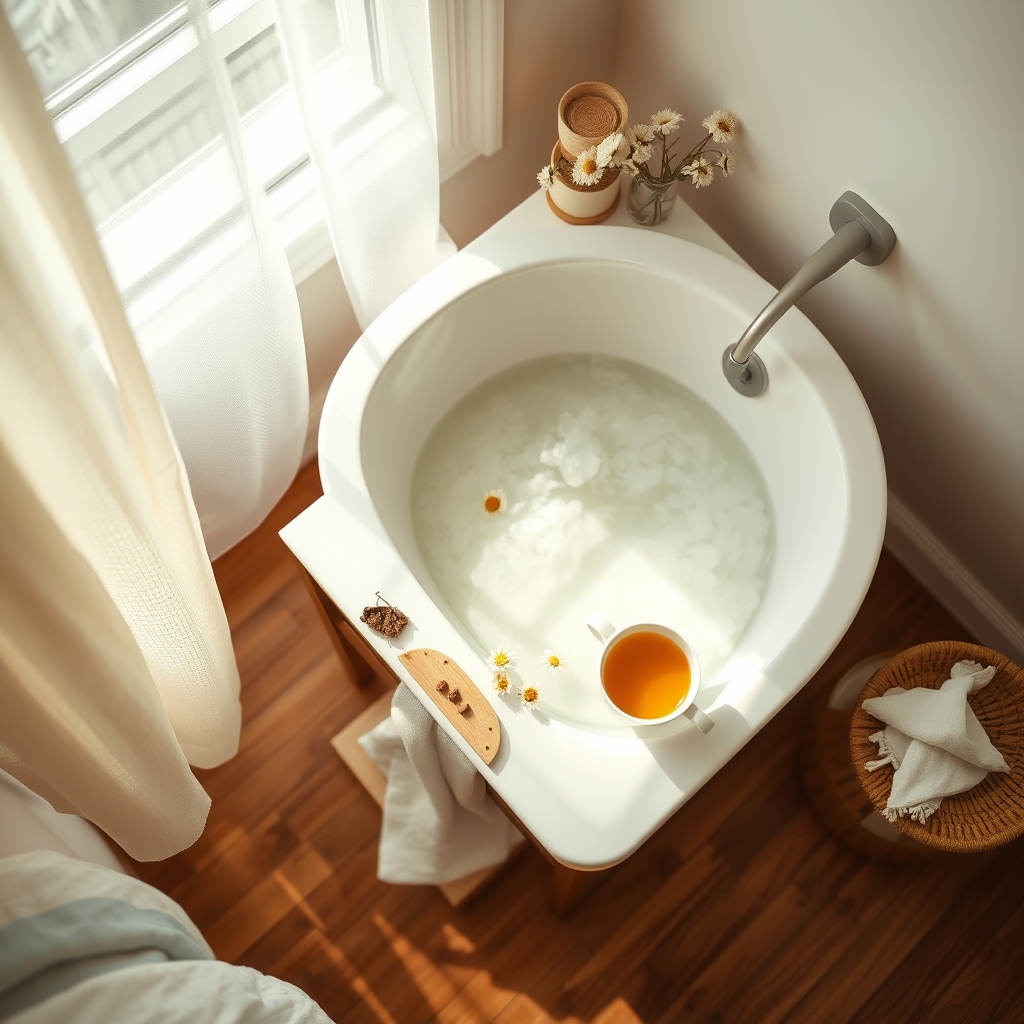
Make the sitz bath a calming ritual—add a cup of tea and soft lighting for extra comfort.
From our medical team: “A sitz bath is a low‑risk, high‑reward tool for postpartum comfort. Stick to gentle ingredients, keep the water at body temperature, and listen to your body. If you ever feel a burning sensation, stop immediately and call your provider. Consistency—2‑3 baths a day in the first week—often yields the best pain relief and swelling reduction.”
How to choose the right sitz bath basin for home use
The basin you use can affect comfort, safety, and ease of cleaning. Most manufacturers offer two main styles: a shallow, porcelain basin that sits directly on the floor, and a plastic, collapsible model that can be stored when not in use. Porcelain feels cooler and can be more stable, while plastic is lighter and often comes with a built‑in handle for easy transport.
When shopping, look for a basin with a non‑slip base and a wide opening that allows you to sit comfortably without straining your hips. A capacity of 1 – 1.5 L is usually sufficient for a single session. If you have limited bathroom space, a foldable silicone sitz‑bath seat that fits over a regular bathtub may be the most practical option. Always follow the manufacturer’s cleaning instructions to keep the surface free of biofilm.
Can a sitz bath support breastfeeding comfort?
While a sitz bath primarily targets perineal healing, the warm, relaxing environment can indirectly benefit breastfeeding. Many mothers find that a short sitz soak before a feeding session helps them relax, which can promote let‑down and reduce anxiety. The gentle heat also eases any pelvic tension that might make positioning the baby more difficult.
Just be sure you’re fully dry before nursing to keep your baby comfortable. If you’re using a breast pump, a quick pat‑dry of the chest area after the bath can prevent excess moisture from irritating the nipple skin. Some lactation consultants even recommend a brief sitz bath after nighttime feeds to help reduce perineal soreness that can make it harder to settle back to sleep.
Alternative soothing options when a sitz bath isn’t possible
There are times when a sitz bath isn’t feasible—perhaps you don’t have a basin, or you’re traveling. In those cases, a warm compress can provide similar benefits. Soak a clean washcloth in warm water (98‑100°F), wring out excess liquid, and place it gently on the perineal area for 10‑15 minutes. Repeat a few times a day.
Another low‑tech option is a “sitz‑shower” technique: sit in the shower with the water directed at the perineum for a short, warm stream. This method keeps the area clean while delivering the same circulatory boost. Whichever alternative you choose, maintain the same temperature guidelines and hygiene standards as you would with a traditional sitz bath.
Myth vs. fact
Myth: A sitz bath must be scalding hot to work.
Fact: Warm water (98‑100°F/37‑38°C) is ideal; water that’s too hot can increase inflammation and cause burns.
Myth: Essential oils are always safe because they’re natural.
Fact: Some oils can irritate open tissue or cause allergic reactions. Only use diluted, pregnancy‑approved oils and get clearance from your provider.
Myth: You can use a sitz bath indefinitely after delivery.
Fact: Most clinicians recommend tapering off after 2‑4 weeks, once perineal discomfort has resolved. Prolonged use may dry out skin or delay natural healing.
Key takeaways
Use warm (98‑100°F) water with gentle herbs like chamomile or calendula for a soothing soak.
Keep each session to 10‑15 minutes, 2‑3 times daily during the first week, then taper.
Essential oils are optional; only use one drop diluted in carrier oil and after provider approval.
Maintain strict hygiene—clean the basin after each use and avoid contaminating the water.
For C‑section incisions, wait until the surgeon clears you and keep the bath away from the abdominal wound.
Watch for red‑flag symptoms (increasing pain, fever, foul discharge) and contact your provider promptly.
Frequently asked questions
How often should I take a sitz bath after giving birth?
Most experts recommend 2‑3 times daily for the first 3 days, then 1‑2 times daily through the first week, tapering to every other day by weeks 2‑3. Adjust based on pain level and how your perineal area feels.
Can I use essential oils in a postpartum sitz bath?
Yes, but only in very low concentrations (1 drop diluted in carrier oil) and only if your obstetric provider approves. Lavender is the most commonly recommended oil for its calming and mild antiseptic properties.
What temperature is safe for a postpartum sitz bath?
Keep the water at 98‑100°F (37‑38°C). Test with a thermometer or the inside of your wrist; it should feel warm, not hot. Avoid temperatures above 104°F (40°C) to prevent burns and increased inflammation.
How long should a postpartum sitz bath last?
Aim for 10‑15 minutes per session. This window provides enough time for circulation benefits without causing skin maceration. If you’re new to sitz baths, start with 5 minutes and gradually increase.
Is a sitz bath safe for a C‑section incision?
It can be safe once your surgeon confirms the incision is fully healed (usually 2‑3 weeks). Keep the water away from the abdominal wound, maintain strict cleanliness, and monitor for signs of infection.
What are the benefits of a sitz bath for postpartum recovery?
Sitz baths reduce perineal swelling, soothe pain from tears or episiotomies, promote gentle cleansing, and can alleviate hemorrhoidal discomfort. The warm water also encourages blood flow, supporting tissue repair and offering a calming moment for new parents.
Can I use a sitz bath if I develop a perineal infection?
If you suspect an infection (e.g., increasing redness, foul odor, or fever), pause the sitz bath and contact your provider. Warm water can still be soothing, but you should only resume after a clinician confirms it’s safe and may prescribe an appropriate antibiotic.
Is cold water ever recommended for a postpartum sitz bath?
Cold water is generally not advised because it can cause vasoconstriction, which may increase pain and delay healing. Some providers suggest a brief cool rinse after a warm soak to reduce swelling, but this should only be done under medical guidance.
When to call your doctor
If you notice any of the following, seek medical attention right away:
Fever ≥ 100.4°F (38°C) that persists
Increasing redness, swelling, or foul‑smelling discharge from the perineum or C‑section incision
Severe, worsening pain that does not improve after a sitz bath
Bleeding that suddenly becomes heavy or profuse
Any sign of an allergic reaction (hives, itching, swelling) after adding herbs or oils
This article is for informational purposes only and does not replace personalized medical advice. Always discuss new postpartum care routines with your obstetrician, midwife, or surgeon.
References
American College of Obstetricians and Gynecologists (ACOG). “Postpartum Perineal Care.” 2023 Clinical Guidance.
National Health Service (NHS). “Sitz baths for perineal pain after childbirth.” Updated 2022.
Centers for Disease Control and Prevention (CDC). “Guidelines for infection control in postpartum care.” 2021.
World Health Organization (WHO). “Essential postpartum care recommendations.” 2022.
National Association for Holistic Aromatherapy (NAHA). “Safe use of essential oils in postpartum care.” 2020.
Royal College of Obstetricians and Gynaecologists (RCOG). “Management of perineal tears and episi
Not sure about the label on Postpartum Sitz Bath Recipe products?
Snap the ingredients list and SafeFilter checks every ingredient for your stage — only 3 free scans this month, then you're locked until reset. Unlimited from $7/mo or $50/yr.
When Shubhra Mishra was expecting her first child in 2016, she was overwhelmed by conflicting food advice — one site said yes, another said never. By the time her second baby arrived in 2019, she realized millions of mothers face the same confusion.
That sparked a five-year journey through clinical nutrition papers, cultural diets, and expert conversations — all leading to BumpBites: a calm, compassionate space where science meets everyday motherhood.
Her long-term vision is to build a global community ensuring safe, supported, and free deliveriesfor every mother — because no woman should face pregnancy alone or uninformed. 🌿
🌍 Stand with mothers, shape safer guidance
Join a small circle of experts who review BumpBites articles so expecting parents everywhere can decide with confidence.