Quick take: Your first postpartum bowel movement can be smooth with gentle positioning, plenty of fluids, fiber‑rich foods, and a safe stool softener if you’re nursing. If pain, bleeding, or no poops for more than a week occur, call your provider.
It’s 2 a.m., you’re cradling a sleepy newborn, and you feel a pressure in your lower abdomen that isn’t a diaper change. You wonder, “When will I finally…?” – a question many new moms ask the moment they leave the delivery room. The answer isn’t one‑size‑fits‑all, but the good news is that with a few practical steps you can guide your body back to regularity without panic.
In this guide we’ll walk through postpartum poop first time tips that cover everything from the right foods and fluids to the safest over‑the‑counter stool softeners while you’re breastfeeding. We’ll compare positions, outline a simple 7‑day diet plan, and flag the warning signs that mean it’s time to call your OB‑GYN or a gastro‑specialist. Consider this your “first‑poop” toolbox—ready for the moment you need it.
How to have a smooth first postpartum bowel movement after a C‑section
A C‑section adds a layer of abdominal healing that can make the first stool feel like a tiny tug‑of‑war. Your incision needs protection, and straining too hard can increase the risk of wound dehiscence (opening). Here’s a step‑by‑step routine that eases the process while keeping the scar safe.
Step 1: Gentle warm‑water sit‑bath
Before you head to the bathroom, sit in a shallow warm‑water bath for 10‑15 minutes. The warmth relaxes the pelvic floor and can stimulate the gastrocolic reflex (the natural urge to poop after eating). Adding a splash of lavender essential oil (if you’re not sensitive) can create a calming atmosphere.
Step 2: Light abdominal massage
While seated, use the tips of your fingers to massage in a clockwise circle around the belly button. This gentle motion encourages peristalsis without putting pressure on the incision.
Step 3: Use a supportive cushion
Place a soft, donut‑shaped cushion on the toilet seat. The cushion reduces pressure on the perineum and can help you relax the anal sphincter. If you have a bedside commode, position it low enough to avoid excessive bending.
Step 4: Take your time
Give yourself at least 5–10 minutes. Rushing can cause you to push, which isn’t advisable after a C‑section. Focus on deep breathing: inhale for four counts, exhale for six. This breath pattern activates the vagus nerve, promoting relaxation of the pelvic floor.
Most women report a successful first poop within 24–48 hours after a C‑section when they follow these steps, stay hydrated, and include fiber‑rich foods (see the next section).
What foods help relieve constipation for new moms postpartum
After delivery, your body craves nutrients to heal, and many of those nutrients double as natural stool softeners. Below is a concise list of foods that combine healing power with fiber.
- Prunes and plum juice – 3‑4 prunes or ½ cup juice provides sorbitol, a natural osmotic laxative.
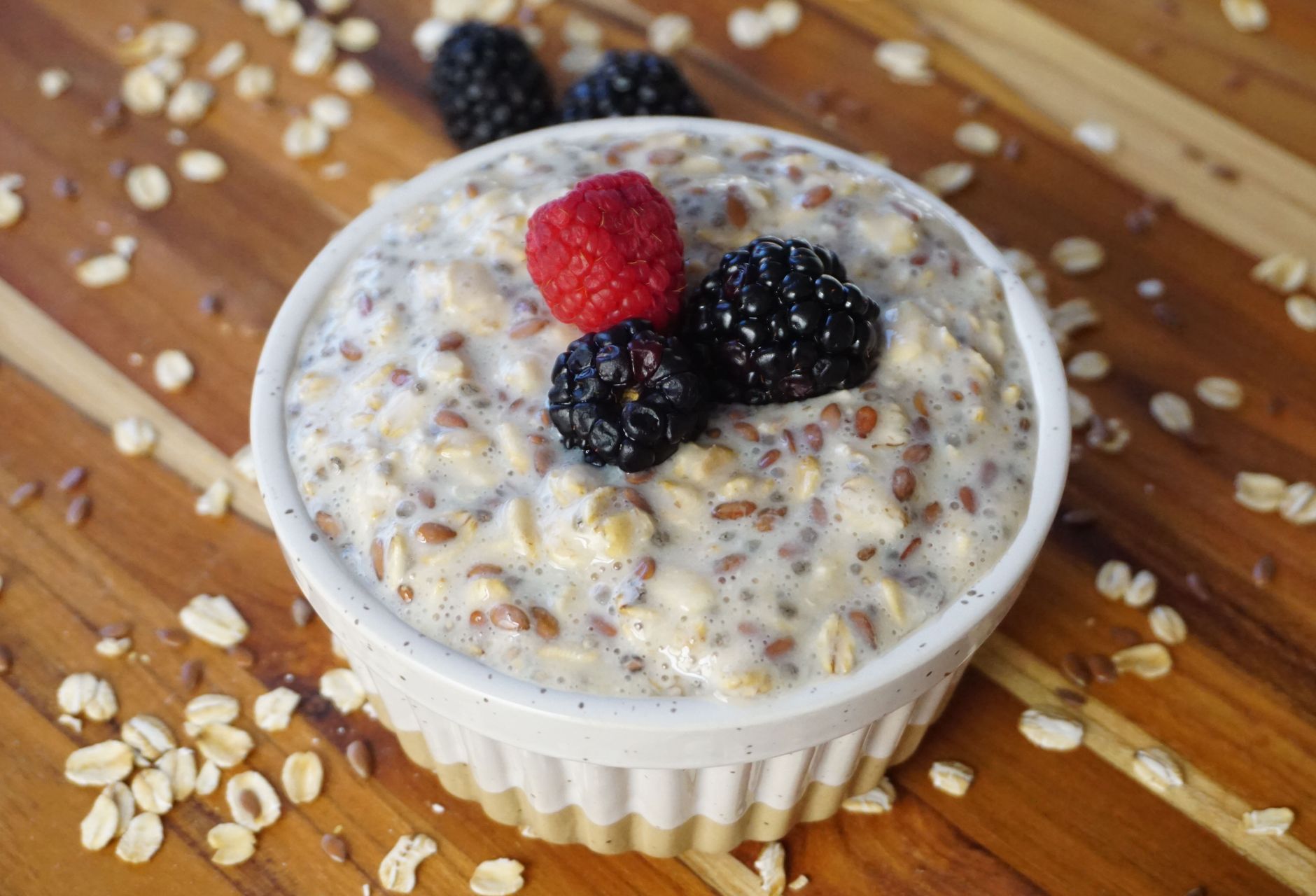
- Oats – ½ cup cooked oatmeal offers soluble fiber that gels with water, easing passage.
- Flaxseed – 1 tablespoon ground flax adds omega‑3s and insoluble fiber.
- Leafy greens – Spinach, kale, and Swiss chard supply magnesium, a muscle relaxant for the colon.
- Legumes – Lentils, chickpeas, and black beans add both protein and bulk.
- Whole‑grain bread or crackers – Look for ≥ 5 g fiber per serving.
- Greek yogurt with live cultures – Probiotics support gut motility.
- Water‑rich fruits – Berries, oranges, and watermelon add fluid and fiber in one bite.
For a quick snack, blend a cup of frozen berries, a tablespoon of ground flaxseed, and a splash of oat milk. It’s a fiber‑packed, soothing treat you can sip while you’re nursing.
Best positions for a first postpartum poop and why they matter
The way you sit can dramatically influence how easily stool passes. Below are three positions, each with a short explanation of why they help.
To create a squat without a full‑size toilet, place a sturdy footstool or stack of books about 6–8 inches high in front of the seat. This simple hack can lower the rectal angle by up to 15°, according to pelvic‑floor physiotherapy research from the American Physical Therapy Association.
When to expect normal bowel movements after giving birth
Most women have their first bowel movement within 12‑48 hours of delivery, regardless of delivery mode. However, “normal” can vary:
- First 24 hours – Soft, formed stool (often called “lochia” if tinged with blood) is common.
- Days 2‑4 – Frequency may be 1‑2 times per day; stools may still be soft.
- Week 1‑2 – Bowel habits typically settle into a pattern of 1‑3 stools per day.
- Weeks 3‑6 – Many women return to pre‑pregnancy frequency, though some notice a slight increase due to hormonal shifts.
If you haven’t had a bowel movement by day 4, or if you’re passing hard, pellet‑like stools, it’s worth checking in with your provider. Constipation is common, but prolonged blockage can lead to hemorrhoids or anal fissures.
Not all laxatives are created equal, and some can affect milk supply or infant gut health. Below is a comparison of the most widely recommended, breastfeeding‑compatible options.
Start with the lowest dose, and only use a laxative for a short course (usually 3‑5 days). If you need ongoing relief, focus on diet and hydration first. Always discuss any new medication with your OB‑GYN or lactation consultant.
How to manage hemorrhoids after your first postpartum poop
Hemorrhoids affect up to 40 % of postpartum women, especially after a prolonged second stage of labor. Here’s a gentle care plan.
Cold compress
Apply a clean, chilled gel pack wrapped in a cloth for 10‑15 minutes after a bowel movement. This reduces swelling and numbs pain.
Witch hazel pads
Pre‑moistened pads (e.g., Tucks) can be placed on the affected area for a few minutes. Witch hazel is an astringent that eases itching without stinging.
Warm sit‑z baths
Two to three times a day, sit in a few inches of warm water for 10 minutes. Adding a tablespoon of Epsom salt can further soothe inflammation.
Topical barrier creams
Products containing zinc oxide or petroleum jelly create a protective layer that minimizes friction.
If bleeding persists beyond a week, or if you notice a hard lump that won’t reduce, a quick visit to your provider is warranted to rule out thrombosed hemorrhoids.
Tips for staying hydrated to prevent constipation after delivery
Hydration is the unsung hero of regular bowel movements. Your body needs roughly 2.7 L (≈ 11 cups) of total water per day, but breastfeeding adds an extra 0.7 L (≈ 3 cups). Here are practical ways to meet that target, even when you’re sleep‑deprived.
- Set a water bottle reminder – Use a 16‑oz bottle labeled “Postpartum POOP” and aim to finish it every 2 hours.
- Flavor with fruit – Add slices of lemon, cucumber, or berries to make sipping more appealing.
- Include hydrating foods – A cup of watermelon, a handful of grapes, or a bowl of broth each adds 150‑250 ml of fluid.
- Drink before feeding – Keep a glass of water at the breast‑feeding station; sip while the baby nurses.
- Limit caffeine – Caffeine can increase urine output, so keep coffee to 1‑2 cups per day.
Track your intake with a simple note on your phone. If you notice dark yellow urine or fewer than 4‑6 wet diapers in a 24‑hour period, increase fluids immediately.
What to do if you experience severe pain during your first postpartum bowel movement
Severe pain (sharp, burning, or lingering more than 10 minutes) isn’t normal and may indicate an anal fissure, severe hemorrhoid, or a wound complication after a C‑section. Follow these steps:
- Stop and assess – Note the location, intensity (scale of 1‑10), and any accompanying bleeding.
- Apply a cold compress for 10 minutes to reduce swelling.
- Take a sit‑z bath with warm water and a pinch of Epsom salt for 10‑15 minutes.
- Use a stool softener (e.g., docusate) to avoid straining.
- Contact your provider if pain persists after 24 hours, or if you notice blood clots, fever, or increasing abdominal pain.
Early intervention often prevents chronic fissures and helps you return to comfortable bowel habits within a few days.

Myth vs. fact
Myth: You must wait a week before having a bowel movement after a C‑section.
Fact: Most women pass stool within 12‑48 hours; waiting can increase discomfort and risk of constipation.
Myth: All laxatives are unsafe while breastfeeding.
Fact: Certain stool softeners like docusate and magnesium hydroxide are considered safe; stimulant laxatives (e.g., senna) should be used only under medical guidance.
Myth: “Postpartum constipation” always requires prescription medication.
Fact: Simple dietary changes, hydration, and positioning resolve the majority of cases without prescription drugs.
Key takeaways
- First postpartum poop usually occurs within 12‑48 hours; C‑section adds a need for gentle positioning.
- Fiber‑rich foods (prunes, oats, leafy greens) and ample water are the foundation of regularity.
- Safe stool softeners for nursing moms include docusate sodium and magnesium hydroxide.
- Squatting with a footstool, side‑lying, or leaning forward can reduce straining.
- Cold compresses, witch hazel pads, and sit‑z baths ease hemorrhoid discomfort.
- Call your OB‑GYN if you have no bowel movement by day 4, severe pain, or heavy bleeding.
Frequently asked questions
How long after delivery should I have my first bowel movement?
Most women have their first stool within 12‑48 hours. If you haven’t pooped by day 4, it’s time to contact your provider.
Is it normal to have constipation after a C‑section?
Yes, anesthesia, reduced mobility, and pain meds can slow gut motility. Gentle positioning, hydration, and fiber can usually resolve it.
Can I take laxatives while breastfeeding?
Stool softeners like docusate sodium and magnesium hydroxide are generally safe. Stimulant laxatives such as senna should be used only under a doctor’s direction.
What foods should I avoid to prevent postpartum constipation?
Limit processed snacks, excessive cheese, and low‑fiber cereals. These can slow digestion and increase stool hardness.
How can I reduce hemorrhoid pain after my first poop?
Cold compresses, witch hazel pads, warm sit‑z baths, and a stool softener can all lessen pain and swelling.
When should I call a doctor about postpartum bowel issues?
If you experience no bowel movement for more than 4 days, severe abdominal pain, blood clots larger than a pea, or a fever above 100.4°F (38°C), seek medical attention promptly.
Are there exercises that help my digestion after birth?
Gentle pelvic‑floor exercises, walking for 10‑15 minutes daily, and diaphragmatic breathing can stimulate peristalsis and support regular bowel movements.
When to see a doctor or specialist
If you notice any of the following, contact your OB‑GYN, a gastroenterologist, or a colorectal surgeon promptly:
- Absence of bowel movement for > 4 days.
- Severe, persistent anal or abdominal pain (rating > 7/10).
- Bright red blood that soaks a pad in <10 minutes.
- Fever ≥ 100.4°F (38°C) with abdominal discomfort.
- Sudden swelling or a hard lump around the anus.
These signs could indicate an anal fissure, severe hemorrhoid, infection, or a complication from a C‑section incision. The information in this article is for general educational purposes and does not replace personalized medical advice.
References
- American College of Obstetricians and Gynecologists. “Postpartum Care.” ACOG Committee Opinion No. 736, 2022.
- American Physical Therapy Association. “Pelvic Floor Dysfunction and Postpartum Recovery.” PTJ, 2021.
- Academy of Nutrition and Dietetics. “Dietary Fiber: Essential for Digestive Health.” 2020.
- U.S. Food and Drug Administration. “Safety Information for Docusate Sodium.” FDA, 2023.
- National Institutes of Health. “Hemorrhoids.” MedlinePlus, updated 2023.
- World Health Organization. “Guidelines on Breastfeeding.” WHO, 2022.
- Harvard T.H. Chan School of Public Health. “The Nutrition Source: Fiber.” 2021.
- American Society of Colon and Rectal Surgeons. “Management of Anal Fissures.” ASCRS Clinical Guidelines, 2022.
- American College of Gastroenterology. “Postpartum Constipation.” ACG Clinical Guideline, 2021.



