Quick take: Freezing meals after delivery can keep your nutrition on track, save time, and reduce stress. Choose balanced dishes that store well, label them clearly, and follow safe storage guidelines. Most meals stay good for 2–3 months, and with a few smart containers you’ll have a fridge‑full of ready‑to‑heat options whenever you need a break.
It was 3 a.m., the house was quiet, and you were staring at a half‑empty pantry, wondering how you’d ever find the energy to cook a proper dinner after a 12‑hour shift on the nursing floor. You’re not alone. New moms often feel the tug‑of‑war between a newborn’s needs and their own hunger, and the answer many discover is simple: postpartum meal prep freezer ideas that deliver nutrition without the daily cooking grind.
Good nutrition in the weeks after birth supports healing, hormone balance, and milk supply if you’re breastfeeding. The right freezer meals can give you protein for tissue repair, complex carbs for steady energy, and the vitamins your body craves while you’re sleep‑deprived. This guide walks you through everything—from batch‑cooking strategies to budget‑friendly recipes, from gluten‑free options to labeling tricks—so you can build a freezer pantry that works for you.
We’ll cover the most common questions new mothers type into Google, share real‑world stories from moms who’ve turned their freezers into a lifeline, and give you a printable 2026 postpartum meal prep freezer guide PDF you can download and print. Let’s get started.
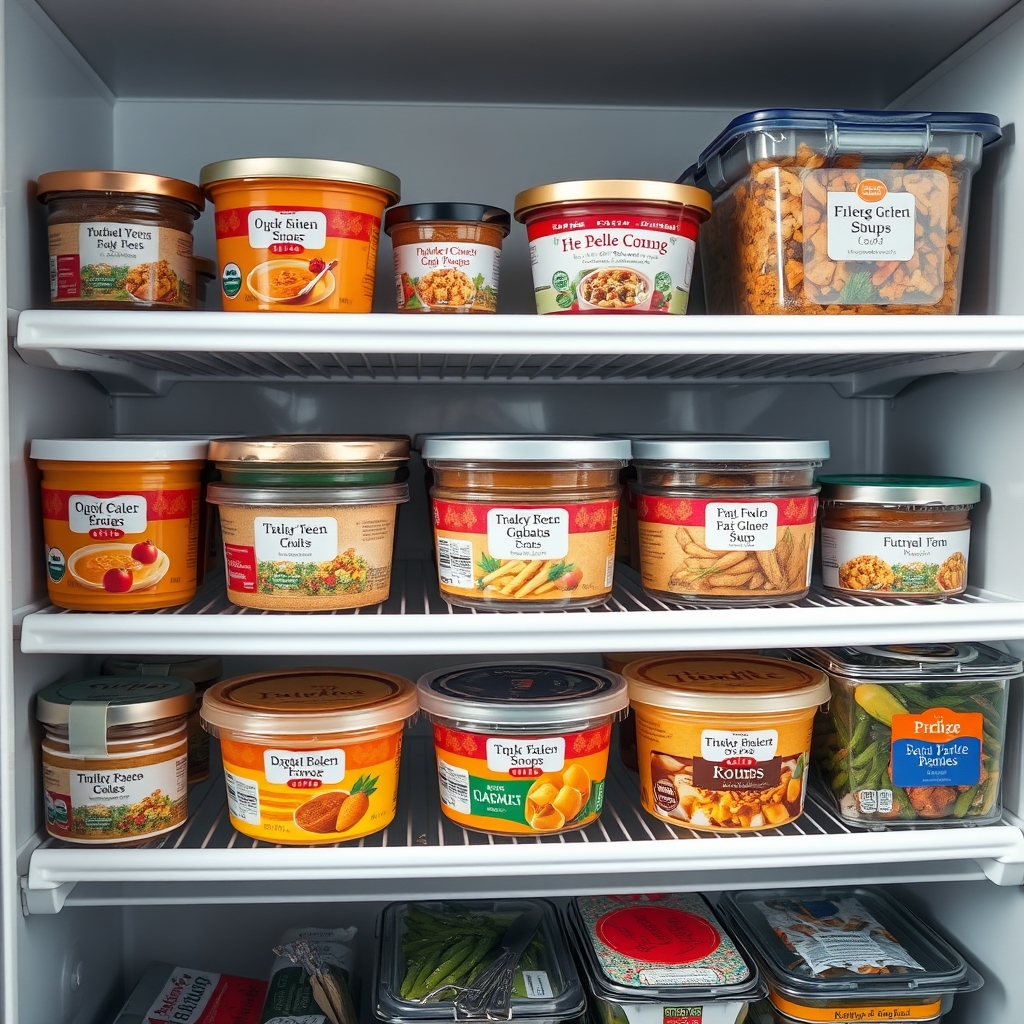
What are the best postpartum freezer meals for new moms?
When you’re juggling diapers, night feeds, and a newborn’s endless cries, you need meals that are ready in minutes, nutritionally balanced, and forgiving of a busy schedule. Below are five go‑to dishes that have become favorites for many postpartum families:
- Chicken‑and‑sweet‑potato stew – A protein‑rich stew with beta‑carotene‑loaded sweet potatoes, spinach, and a splash of low‑sodium broth.
- Quinoa‑black‑bean burrito bowls – Complete with fiber‑rich quinoa, plant‑based protein, and roasted veggies; easy to portion and freeze.
- Lentil‑tomato soup – A warm, iron‑boosting soup that freezes flat in a single‑serve bag.
- Salmon‑and‑broccoli alfredo – Omega‑3 packed salmon paired with whole‑grain pasta and broccoli; freeze in ramekins for a quick dinner.
- Veggie‑packed frittata squares – Egg‑based protein with kale, bell pepper, and feta; slice, freeze, and reheat for breakfast or a snack.
All of these meals meet the core pillars of postpartum nutrition: protein for tissue repair, complex carbs for sustained energy, and a rainbow of vegetables for vitamins A, C, and K. They also freeze well, retain texture after reheating, and can be portioned for single servings—perfect for a mom who needs a bite in under ten minutes.
These dishes also provide the fiber and micronutrients that help regulate digestion, which can be unpredictable after delivery. The recipes are designed to be reheated without losing moisture, so you get a comforting meal even on the busiest nights.
Because every body is different, you can tweak these recipes to match your preferences. Swap out the chicken for turkey if you prefer lighter meat, or replace quinoa with brown rice for a familiar texture. Adding a squeeze of lemon or a pinch of fresh herbs just before reheating can brighten the flavor without extra effort.
Postpartum freezer meal prep recipes for the first week
During the first seven days, you’ll likely rely on the most comforting foods. Here’s a quick schedule you can follow:
Having a set plan eliminates decision fatigue and lets you focus on your baby instead of the stove.
High‑protein freezer meals for postpartum recovery
Protein is the building block for uterine healing, breast tissue, and muscle maintenance. Aim for at least 20‑30 g of protein per main meal. In addition to the dishes above, consider these high‑protein options:
- Turkey‑chili with kidney beans (≈ 28 g protein per serving)
- Greek‑yogurt parfait with berries and granola (≈ 15 g protein per cup)
- Edamame‑corn quinoa salad (≈ 22 g protein per bowl)
Mix and match to keep your freezer varied and your protein intake steady. Pairing a protein‑rich entrée with a side of leafy greens also boosts iron absorption, a crucial factor for many postpartum women (American College of Obstetricians and Gynecologists, 2023).
For moms who are vegetarian or vegan, legumes and fortified dairy alternatives can fill the protein gap, while still offering the iron and calcium needed for recovery.
How to batch cook postpartum meals for the freezer
Batch cooking is the backbone of any successful freezer pantry. The key is to choose recipes that share ingredients, use the same cooking method, and can be cooled quickly. Here’s a step‑by‑step workflow that many postpartum moms swear by:
- Plan a menu – Pick 3‑4 recipes that together cover protein, carbs, and veggies. Use a spreadsheet or the free 2026 postpartum meal prep freezer guide PDF to track ingredients.
- Shop smart – Buy in bulk (e.g., 2 lb chicken breast, 4 cups quinoa) and choose frozen veggies when fresh are out of season.
- Prep ingredients – Wash, chop, and portion vegetables, then store them in zip‑lock bags. This reduces prep time during cooking.
- Cook in stages – Use two burners, a sheet pan, and a slow cooker simultaneously. For example, roast chicken while boiling quinoa and sautéing veggies.
- Cool quickly – Spread cooked food on a baking sheet to bring temperature down within 30 minutes, then transfer to containers.
- Freeze – Label each container (see labeling section) and place them flat in the freezer so they stack neatly.
By following this routine once a week, you’ll create a stockpile of 10‑12 meals that can sustain you through the most hectic weeks.
When batch cooking, keep food‑safety rules front‑of‑mind. The FDA advises that cooked foods should not sit at room temperature for longer than two hours before cooling (U.S. Food and Drug Administration, 2022). Using an ice‑water bath or a rapid‑cooling rack can help you meet this guideline without sacrificing flavor.
Planning ahead also gives you the flexibility to swap in seasonal produce, which can keep your meals fresh and your grocery bill low.
Nutrient‑rich freezer meals for breastfeeding mothers
Breastfeeding burns roughly 500 extra calories per day and pulls nutrients directly from your bloodstream. Your freezer meals therefore need to be dense in iron, calcium, omega‑3s, and B‑vitamins. Below are three nutrient‑rich ideas that fit that bill:
- Spinach‑and‑feta turkey meatballs – Provides iron from spinach and lean protein from turkey.
- Seafood paella with brown rice – Offers DHA (omega‑3) from shrimp and mussels, plus complex carbs for energy.
- Sweet‑potato and black‑bean chili – Delivers calcium from black beans and vitamin A from sweet potatoes.
Pair each main dish with a side of roasted Brussels sprouts or a simple kale salad to boost vitamin C, which helps iron absorption. If you’re concerned about calcium, a side of fortified plant‑based milk (almond, soy) can be frozen in portion‑size cartons for a quick drink.
These meals also contain choline, a nutrient that supports infant brain development and is especially important for nursing moms.
Freezer‑friendly snacks for breastfeeding mothers
When you need a quick bite between feeds, reach for these freezer‑ready snacks that won’t melt in a bag:
- Homemade protein bars (oats, nut butter, whey or pea protein)
- Greek‑yogurt pops (plain yogurt blended with berries, frozen in silicone molds)
- Edamame pods (steamed, salted, and frozen)
Each snack offers a balance of protein and healthy fats to keep your milk supply steady and your energy levels up.
How long can postpartum freezer meals be stored safely?
Safety is non‑negotiable. The U.S. Food and Drug Administration (FDA) recommends keeping frozen cooked meals at 0 °F (‑18 °C) or lower. Within that temperature range, most home‑prepared meals remain safe—and retain quality—for 2–3 months. Here’s a quick reference:
Label each package with the date you cooked it; this helps you rotate older meals to the front. If you ever notice freezer burn (white patches), the food is still safe but may have compromised texture and flavor. To avoid freezer burn, use airtight containers or vacuum‑seal bags and keep the freezer at a constant temperature.
Rotating meals weekly also helps you stay within the 2–3‑month window, ensuring you always have fresh‑tasting options.
What are the safest freezer temperatures for postpartum meals?
The FDA defines “safe” as a consistent 0 °F (‑18 °C) or lower. Use a freezer thermometer—available at most home‑goods stores—to double‑check. If you have a deep‑freeze chest, keep it full; a full freezer maintains temperature better than an empty one.
Easy one‑pot freezer meals for postpartum recovery
One‑pot meals cut down on dishes, cooking time, and cleanup—perfect for a sleep‑deprived mom. Below are three recipes that freeze beautifully and can be reheated in the same pot:
- One‑pot chicken, rice, and broccoli – Sauté chicken strips, add brown rice, broth, and frozen broccoli; simmer until rice is tender. Portion into 1‑cup containers.
- One‑pot beef and barley stew – Brown lean beef, stir in barley, carrots, celery, and tomato paste; add broth and simmer. Freeze in freezer‑safe bags.
- One‑pot tofu‑coconut curry – Sauté tofu cubes, add coconut milk, curry paste, mixed veggies, and quinoa; cook until quinoa is fluffy. Portion into silicone muffin trays for easy grab‑and‑go.
When reheating, use a low‑medium flame to avoid scorching, and add a splash of water or broth to restore moisture. This gentle approach preserves nutrients better than microwaving at high power (Harvard T.H. Chan School of Public Health, 2025).
One‑pot dishes also lend themselves to batch‑cooking larger quantities, which means fewer trips to the grocery store during the early postpartum weeks.
Budget‑friendly postpartum freezer meal prep ideas
Postpartum nutrition doesn’t have to break the bank. Here are three strategies to keep costs low while still delivering quality meals:
- Buy in bulk and freeze – Large packs of chicken thighs, frozen mixed vegetables, and whole‑grain rice are often cheaper per pound.
- Use plant‑based proteins – Lentils, chickpeas, and black beans cost a fraction of meat and are high in iron and fiber.
- Make your own sauces – A simple tomato sauce made from canned tomatoes, garlic, and herbs is far cheaper than store‑bought versions and contains no hidden sugars.
Sample budget‑friendly menu: a lentil‑tomato stew with brown rice, a bean‑corn quesadilla (using whole‑wheat tortillas), and a simple roasted‑vegetable medley. Shopping the weekly flyers for produce that’s in season can shave another $10‑$15 off your grocery bill.
Choosing store‑brand frozen vegetables can also stretch your dollars while still providing the same nutrient profile as name‑brand options.
Gluten‑free postpartum freezer meals for dietary restrictions
Whether you have celiac disease, gluten sensitivity, or simply prefer a gluten‑free diet, the freezer can still be your ally. Here are three gluten‑free meals that freeze well and keep you nourished:
- Quinoa‑stuffed bell peppers – Filled with quinoa, black beans, corn, and cheese; freeze after baking.
- Sweet‑potato and sausage hash – Use gluten‑free turkey sausage, diced sweet potatoes, and kale; portion into 1‑cup containers.
- Chickpea‑spinach curry – Coconut milk‑based, with chickpeas and spinach; freeze in freezer‑safe bags.
Always double‑check label claims for hidden gluten (e.g., soy sauce, broth cubes). Choose certified gluten‑free products when possible, and keep your freezer away from strong‑smelling foods to avoid flavor transfer.
Gluten‑free grains like millet or sorghum can be swapped in for quinoa to add variety without compromising texture.
Postpartum freezer meals for gestational diabetes or postpartum diabetes
Women who experienced gestational diabetes (GDM) or have type 2 diabetes postpartum need to monitor carbohydrate intake while still getting enough calories for recovery and, if applicable, milk production. Low‑glycemic, high‑fiber meals are the cornerstone. Consider these freezer‑friendly options:
- Cauliflower‑rice stir‑fry with chicken – Replace white rice with cauliflower rice for fewer carbs, and add plenty of non‑starchy veggies.
- Turkey and veggie meatloaf with quinoa mash – The lean turkey provides protein, while quinoa offers a low‑GI grain.
- Greek‑yogurt and berry parfait (unsweetened) – Layer plain Greek yogurt with fresh berries and a sprinkle of chia seeds; freeze in individual cups.
The NHS advises that meals for GDM should contain about 45‑60 g of carbohydrates per main meal, paired with protein and healthy fats to blunt blood‑sugar spikes (National Health Service, 2022). Pair any of the dishes above with a small side of roasted nuts or a slice of low‑fat cheese for added satiety.
Keeping a food diary alongside your freezer meals can help you track carb intake and adjust portions as needed.
Vegetarian and vegan postpartum freezer meals
Plant‑based eaters can meet their postpartum nutrient needs with careful planning. Iron, calcium, and vitamin B12 are the most common concerns, but they’re easily addressed with fortified foods and smart combinations.
- Lentil‑sweet‑potato shepherd’s pie – Lentils supply iron and protein; sweet potatoes provide vitamin A and complex carbs.
- Tofu‑scramble with kale and mushrooms – Crumble tofu, season with turmeric (for a “golden” color), and add kale for calcium.
- Chickpea‑tomato pasta bake (gluten‑free) – Use chickpea pasta for extra protein and fiber, and top with a modest amount of cheese.
For vitamin B12, include fortified plant milks or nutritional yeast in your freezer meals, or consider a supplement after consulting with your OB‑GYN or a registered dietitian (Academy of Nutrition and Dietetics, 2024).
Iron absorption from plant sources improves when paired with vitamin C‑rich foods, so consider adding a squeeze of orange juice to your reheated meals.
Having the right tools makes freezer meal prep faster and more organized. Here are a few essentials that many postpartum parents swear by:
- Freezer‑safe, BPA‑free containers – Glass or high‑quality plastic containers with snap‑lids keep odors sealed and are microwave‑safe.
- Vacuum sealer – Removes air, extending shelf life up to six months and minimizing freezer burn.
- Label maker or waterproof stickers – Clear, legible labels help you rotate meals efficiently.
- Silicone muffin trays – Perfect for portioning soups, stews, or even oatmeal for quick grab‑and‑go breakfasts.
- Freezer thermometer – Ensures your freezer stays at the recommended 0 °F (‑18 °C).
Investing in a few of these items can save you hours of time each week and protect the nutritional quality of your meals.
Many moms find that a simple set of reusable silicone bags reduces plastic waste while still providing a tight seal for freezer storage.
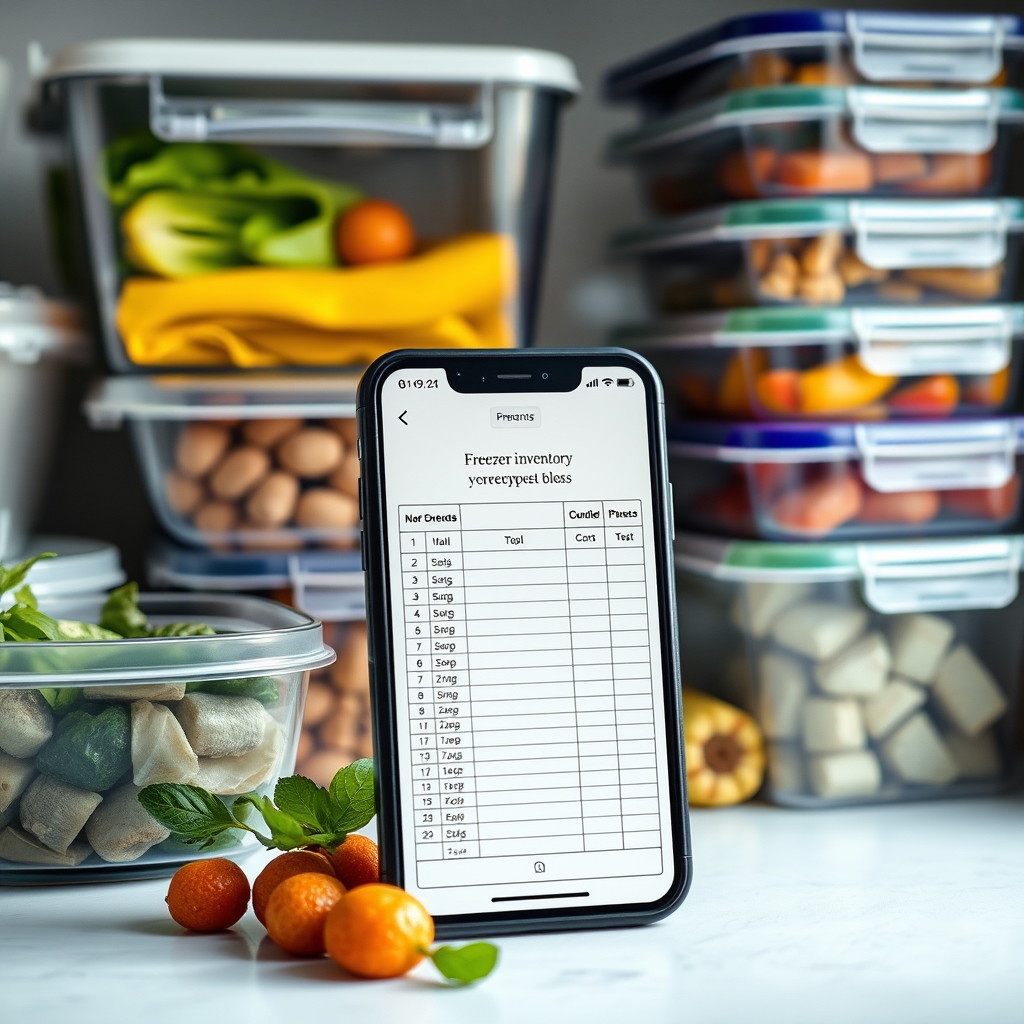
How to label and organize postpartum freezer meals
Good labeling turns a chaotic freezer into a wellness hub. Follow these simple steps:
- Write clearly – Use a permanent‑marker pen on freezer‑safe stickers. Include the meal name, main protein, and date.
- Color‑code – Assign a color for each meal type (e.g., blue for protein, green for vegan, pink for gluten‑free). This speeds up visual scanning.
- Group by category – Stack all soups together, all casseroles together, and all snacks together. Use a small basket or bin to keep similar items together.
- Keep an inventory list – A simple spreadsheet on your phone (Google Sheets) with columns for “Meal,” “Date Frozen,” and “Expiration.” Update each time you add or remove a container.
- Use a digital app – Apps like “Freezer Food” let you scan barcodes, set reminders, and track what’s left—ideal for busy moms.
With this system, you’ll always know what’s inside without having to defrost every bag.
Adding a weekly “check‑in” on Sunday to rotate older meals forward keeps your freezer tidy and your meals fresh.
Freezer‑friendly bone broth for postpartum recovery
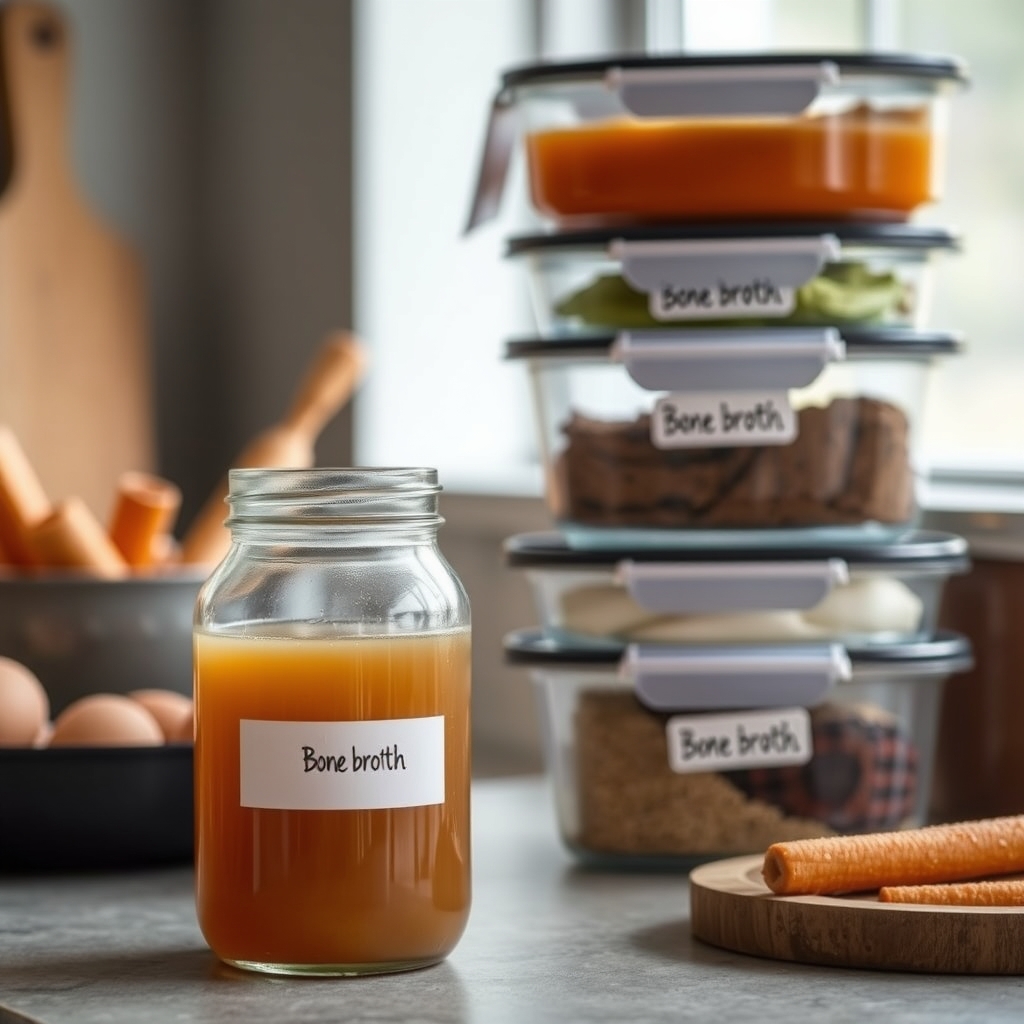
Bone broth is a nutrient‑dense liquid packed with collagen, gelatin, and minerals like calcium and magnesium, all of which support tissue repair and joint health after birth. To make a freezer‑ready batch, simmer beef or chicken bones with carrots, celery, onion, and a splash of apple cider vinegar for 12‑24 hours, then strain and portion into 2‑cup containers.
When reheated, add a pinch of sea salt and fresh herbs for flavor. A cup of broth provides roughly 10 g of protein and a handful of electrolytes, making it an excellent snack between feeds. The American Society for Nutrition notes that collagen‑rich broths can aid skin elasticity and wound healing, both relevant in the postpartum period.
Postpartum freezer meals for weight management
Many new mothers aim to return to a healthy pre‑pregnancy weight while still nourishing their bodies. Portion‑controlled freezer meals let you track calories without the guesswork. Focus on meals with a 1:1 protein‑to‑carb ratio and include plenty of non‑starchy vegetables.
Examples include a turkey‑vegetable stir‑fry with cauliflower rice (≈ 350 kcal) and a chickpea‑spinach curry served over a small scoop of quinoa (≈ 400 kcal). Pair each meal with a side salad dressed in olive oil for satiety. The ACOG recommends a gradual weight loss of 0.5–1 lb per week postpartum, emphasizing balanced nutrition over drastic dieting.
Keeping a running log of your freezer meals in a nutrition app can help you stay within your caloric goals while still enjoying home‑cooked food.
Myth vs. fact
Myth: Freezing meals destroys all nutrients.
Fact: While a slight loss of vitamin C can occur, most macronutrients and minerals remain stable. Proper blanching of vegetables before freezing helps preserve color and nutrients.
Myth: You need a high‑tech freezer to keep meals safe.
Fact: A standard household freezer set to 0 °F (‑18 °C) is sufficient. The key is consistent temperature and proper sealing.
Myth: Breastfeeding mothers should avoid all frozen foods.
Fact: Frozen meals are safe and can provide essential calories. Just ensure they’re low in added sugars and sodium.
Understanding these facts can free you from anxiety and let you focus on the joy of feeding yourself and your baby.
Key takeaways
- Plan and batch‑cook 3‑4 versatile recipes each week to build a 2‑3 month freezer pantry.
- Prioritize protein, complex carbs, and a rainbow of vegetables for postpartum healing and milk supply.
- Use rigid containers or freezer‑safe bags, label with date and meal type, and keep the freezer at 0 °F (‑18 °C).
- Budget‑friendly options include bulk meats, plant‑based proteins, and homemade sauces.
- Gluten‑free, vegetarian, and high‑protein meals all freeze well; just watch for hidden gluten in packaged items.
- Reheat gently on the stove or in a microwave with a splash of liquid to preserve nutrients.
- For diabetes or GDM, choose low‑glycemic, high‑fiber meals and pair carbs with protein.
By integrating these practices into your routine, you’ll have nutritious meals ready whenever the baby (or you) needs a break.
Frequently asked questions
Can I freeze breast milk with postpartum meals?
Yes, you can store breast milk alongside your meals in the same freezer, but keep them in separate, clearly labeled containers. Breast milk should be used within 6 months for best quality, according to the American Academy of Pediatrics (2023).
How many days can I keep postpartum meals in the freezer?
Most cooked meals remain safe for 2–3 months when stored at 0 °F (‑18 °C). Aim to use them within 90 days for optimal flavor and nutrient retention.
What nutrients are essential in postpartum meals?
Key nutrients include protein (20‑30 g per main meal), iron, calcium, omega‑3 fatty acids, B‑vitamins, and vitamin C. These support tissue repair, hormone regulation, and, for breastfeeding mothers, milk production.
Do frozen meals affect breastfeeding milk supply?
No, frozen meals do not directly impact milk supply. However, a diet low in calories or protein can reduce supply, so ensure each meal provides adequate energy and protein.
What are the safest freezer temperatures for postpartum meals?
The FDA recommends a freezer temperature of 0 °F (‑18 °C) or lower. Use a freezer thermometer to verify your setting and avoid temperature fluctuations.
How to reheat frozen postpartum meals without losing nutrients?
Reheat slowly on the stovetop with a splash of water, broth, or milk. If using a microwave, cover the container and heat on medium power, stirring halfway through. This gentle approach helps preserve vitamins and keeps textures pleasant.
Can I freeze fresh produce for later meals?
Yes, most fruits and vegetables freeze well when blanched first (for veggies) or when spread on a tray before bagging (for berries). Blanching stops enzyme activity, preserving color and nutrients (U.S. Department of Agriculture, 2022).
What’s the best way to thaw frozen meals safely?
The safest methods are: (1) overnight in the refrigerator, (2) a quick microwave defrost setting, or (3) placing the sealed bag in cold water, changing the water every 30 minutes. Avoid thawing at room temperature to reduce bacterial growth risk (CDC, 2023).
How can I adjust freezer meals for a low‑sodium diet?
Choose low‑sodium broth, rinse canned beans before adding, and season with herbs, spices, or citrus instead of salt. Most ready‑made sauces can be swapped for homemade versions to keep sodium under 300 mg per serving.
Are there specific freezer meals that help with postpartum mood?
Meals rich in omega‑3 fatty acids, B‑vitamins, and magnesium—such as salmon‑broccoli alfredo or lentil‑sweet‑potato shepherd’s pie—have been linked to better mood regulation in new mothers (American Psychological Association, 2022).
When to see a doctor or specialist
If you notice any of the following, contact your healthcare provider promptly:
- Persistent fever (> 100.4 °F) after meals, suggesting possible foodborne illness.
- Severe abdominal pain, vomiting, or diarrhea lasting more than 24 hours.
- Sudden drop in milk supply accompanied by signs of dehydration.
- Allergic reactions after eating a frozen meal (hives, swelling, difficulty breathing).
- Unexplained weight loss or inability to meet calorie goals despite regular meals.
For nutrition‑specific concerns—such as iron deficiency, excessive weight loss, or difficulty meeting calorie goals—schedule an appointment with a



